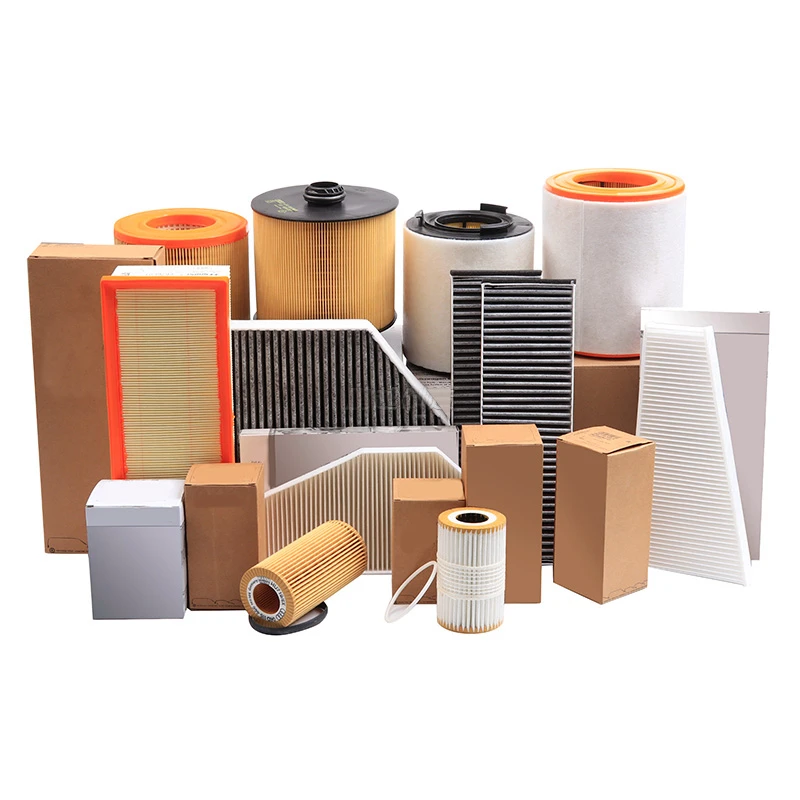
How Often Do You Replace Engine Air Filter? Understanding the Impact of Timely Maintenance
At first glance, asking how often you replace an engine air filter might sound mundane. Yet, this small maintenance task has huge significance worldwide. Essentially, it influences vehicle performance, fuel efficiency, and emission control—three pillars not only important to individual drivers but also massively impactful to industries and urban air quality at large. Understanding this topic helps drivers save money, prolong engine life, and contribute to cleaner air. As we’ll see, it's not just 'car stuff,' but a tiny cog in the bigger global sustainability machine.
The Global Context of Engine Air Filter Replacement
According to the International Energy Agency (IEA), road transport accounts for nearly 24% of global CO2 emissions from fuel combustion. A tiny fraction of that comes from inefficient engines choked by clogged filters. The UN Environment Programme also highlights the link between vehicle emissions and urban air pollution, affecting respiratory health in millions worldwide.
Replacing engine air filters at the proper intervals is a surprisingly effective way to lower emissions and improve fuel economy — a win-win for drivers and the planet alike. Still, many either delay replacement or overlook it altogether, leading to poor engine performance, higher fuel consumption, and increased pollutant output. So the question of how often do you replace engine air filter is more than just routine maintenance; it’s an environmental and economic challenge.
What Exactly Does “How Often Do You Replace Engine Air Filter” Mean?
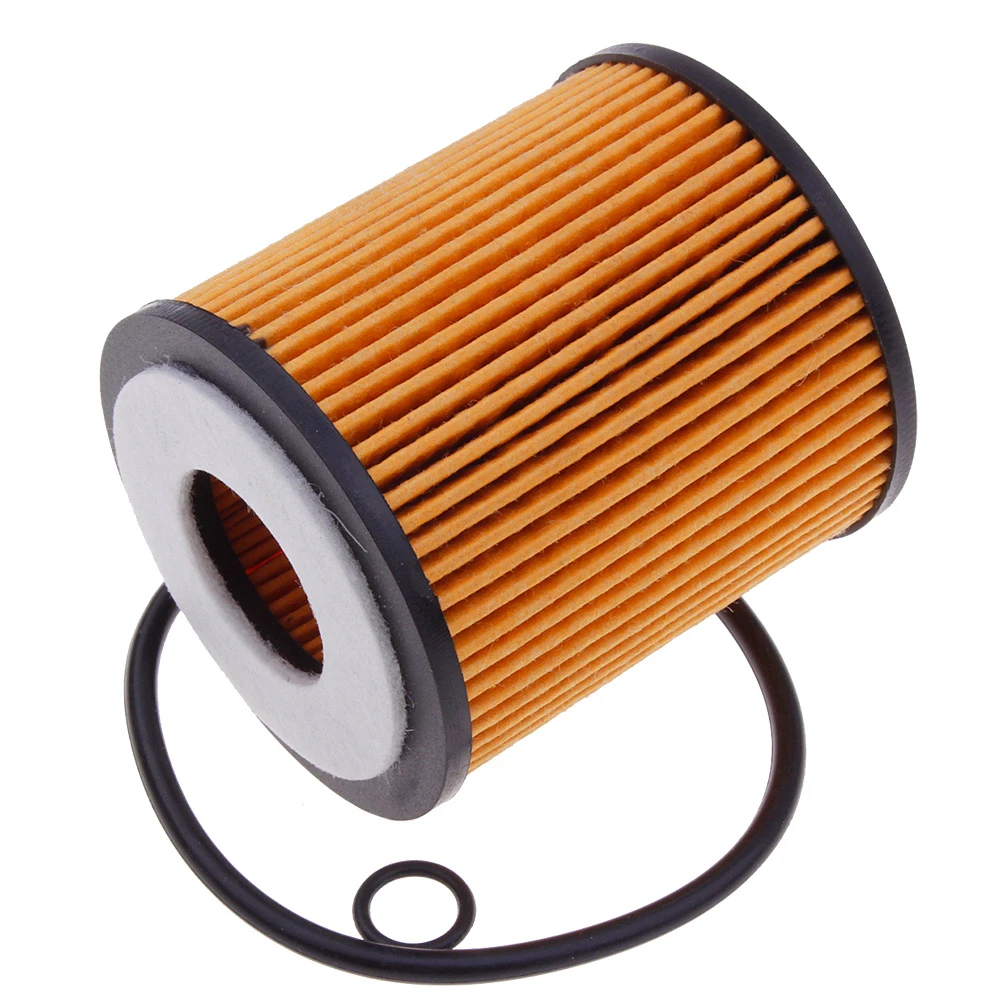
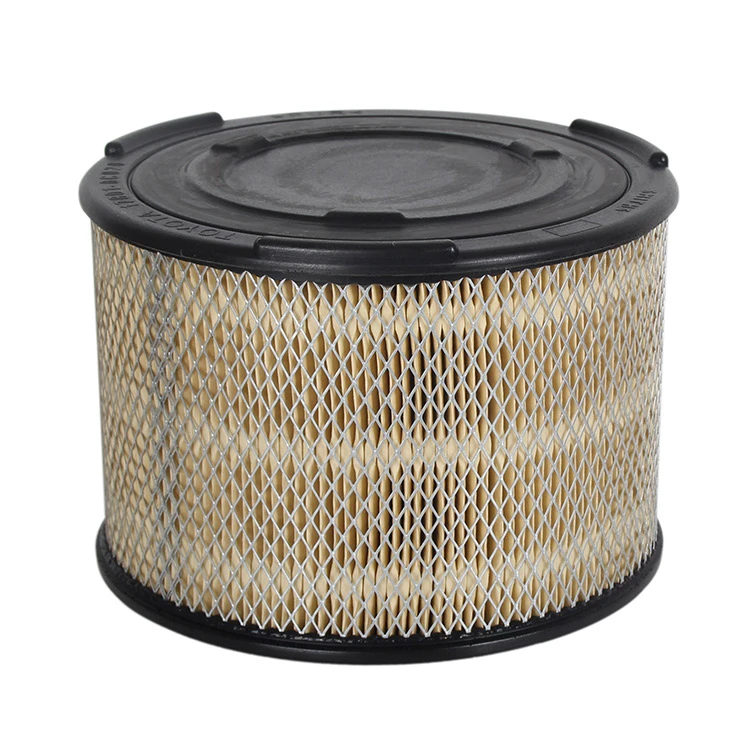
Simply put, it refers to the frequency with which the engine air filter in a vehicle should be swapped out for a new one. This schedule varies based on driving conditions, vehicle type, and filter design. Engine air filters act like the lungs of the engine—cleaning the air before it mixes with fuel for combustion. When they get clogged with dust, dirt, and debris, the engine struggles, leading to inefficient performance and wear.
In a broader context, effective air filter maintenance plays a crucial role in industrial machine health, transportation fleets, and even humanitarian aid vehicles working in harsh environments—highlighting the interconnectedness of vehicle upkeep and societal progress.
Key Factors Influencing How Often to Replace Engine Air Filters
1. Driving Environment and Conditions
Dusty, polluted, or off-road areas clog filters faster, demanding replacements much sooner than the standard ranges, which often hover between 12,000 to 15,000 miles.
2. Filter Material and Quality
Some filters use paper, others cotton or synthetic fibers. High-quality synthetic filters can last longer and perform better in extreme conditions, but also cost more upfront.
3. Vehicle Make and Model
OEM recommendations vary. Turbocharged engines, for example, might need cleaner air to prevent damage, hence more frequent filter checks.
4. Usage Intensity
Commercial vehicles or taxis with high daily mileage need more frequent filter changes compared to weekend drivers.
Mini Takeaway:
So, how often do you replace engine air filter? It really depends — but generally, 12,000 to 15,000 miles or about once a year under moderate conditions is a good baseline. Adjustments should be made for real-world usages like dusty roads or heavy traffic.
Global Applications & Use Cases
In places like India or sub-Saharan Africa, where road dust can be relentless, more frequent air filter replacements are a practical necessity. Fleet operators in logistics companies routinely schedule air filter maintenance to avoid costly downtime. Oddly enough, humanitarian organizations deploying vehicles in disaster areas also pay particular attention to air filtration, since dust and debris abound, and vehicle reliability can be lifesaving.
For bigger industrial applications—like mining trucks or construction equipment—air filters are often replaced or cleaned multiple times a month, reflecting harsh use cycles.
Advantages & Long-Term Value
- Cost Savings: Regular air filter replacements improve fuel efficiency, saving drivers money over time.
- Engine Longevity: Keeping debris out prevents wear and improves engine life.
- Environmental Impact: Cleaner combustion means fewer emissions—a key step toward global climate goals.
- Safety: Optimal engine performance ensures reliability, reducing breakdown risks on roads.
Emotionally, a well-maintained car inspires confidence. Knowing your engine is “breathing” cleanly feels good, and you'd probably agree it’s worth the modest cost and effort.
Future Trends & Innovations
The future is bright for engine air filtration. Manufacturers are experimenting with nanofiber filters that boost filtration efficiency without adding airflow resistance. Some filters now integrate sensors that notify drivers electronically when replacement is due—a form of digital transformation enhancing maintenance accuracy.
Also, the automotive industry's shift toward electric vehicles (EVs) somewhat shifts the focus away from traditional combustion filters, but for the millions of internal combustion engines still on the road globally, including hybrids, improved filter tech remains a huge opportunity for environmental gain.
Challenges & Solutions
One challenge is consumer awareness. Many drivers underestimate the importance of timely air filter changes. Another is regional availability of quality filters—especially in rural or developing areas.
Experts suggest combining public education campaigns with incentives in vehicle service centers to overcome these hurdles. Additionally, aftermarket technology like reusable or cleanable filters is becoming more popular, offering cost-effective alternatives.
Product Specification Table: Typical Engine Air Filter
| Specification | Details |
|---|---|
| Material | Pleated Paper / Cotton / Synthetic Fiber |
| Typical Lifespan | 12,000 - 15,000 miles (19,000 - 24,000 km) |
| Dimensions | Varies by model; commonly 10x8 inches |
| Filtration Efficiency | Up to 98% of particles >5 microns |
| Maintenance | Disposable or washable depending on type |
Vendor Comparison Table
| Vendor | Price Range | Filter Quality | Warranty | Availability |
|---|---|---|---|---|
| Brand A | $15 - $25 | High | 1 year | Worldwide |
| Brand B | $10 - $18 | Medium | 6 months | Regional |
| Brand C (Reusable) | $30 - $50 | Very High | 2 years | Selective markets |
FAQ: Common Questions About Engine Air Filter Replacement
Q1: How do I know when to replace my engine air filter?
A1: Most vehicle manuals recommend checking or replacing the air filter every 12,000-15,000 miles, but if you notice reduced fuel efficiency, decreased engine power, or a dirty filter on inspection, it’s time. Driving in dusty or urban areas may require earlier replacement.
Q2: Can I clean my engine air filter instead of replacing it?
A2: Some reusable filters, like cotton gauze types, can be washed and reused multiple times. However, disposable paper filters should be replaced rather than cleaned. Using the right method ensures proper filtration and engine health.
Q3: Does delaying air filter replacement affect emissions?
A3: Yes, a clogged air filter restricts airflow, causing incomplete combustion and increased emissions. Timely replacement reduces harmful pollutants and helps meet emission standards.
Q4: Are aftermarket air filters as effective as OEM ones?
A4: Quality aftermarket filters can be just as effective as OEM (original equipment manufacturer) parts if they meet industry standards. Always verify specifications before purchasing.
Conclusion & Call to Action
Keeping tabs on how often you replace engine air filter is a simple yet crucial step toward maintaining your vehicle’s health, saving on fuel costs, and minimizing environmental impact. The benefits ripple out from your car’s performance to cleaner urban air and global sustainability efforts.
Want to learn more or source high-quality filters? Visit our site at https://www.jyfilter.com and breathe easier knowing your engine is in good hands.
Brief Reflection: Interestingly, engine air filters are a humble yet mighty factor in our day-to-day transport and environmental health. They remind us that sometimes, addressing smaller maintenance details can lead to disproportionately large positive outcomes. After all, clean air starts with clean filters.
References
-
Guide on how often do you need to replace engine air filterNewsApr.16,2026
-
Learn how often do you replace air filter in car for engine healthNewsApr.09,2026
-
How Often Do You Replace Car Air Filter For Optimal Engine PerformanceNewsApr.07,2026
-
How Often Do You Replace Engine Air Filter For Optimal Vehicle PerformanceNewsApr.04,2026
-
Understanding How Often Does Engine Air Filter Need to Be Replaced for Optimal PerformanceNewsMar.31,2026
-
How Often Engine Air Filter Change Impacts Performance and LongevityNewsMar.28,2026
-
Understanding How Often to Replace Your Car Air Filter for Optimal PerformanceNewsMar.26,2026
Related Products