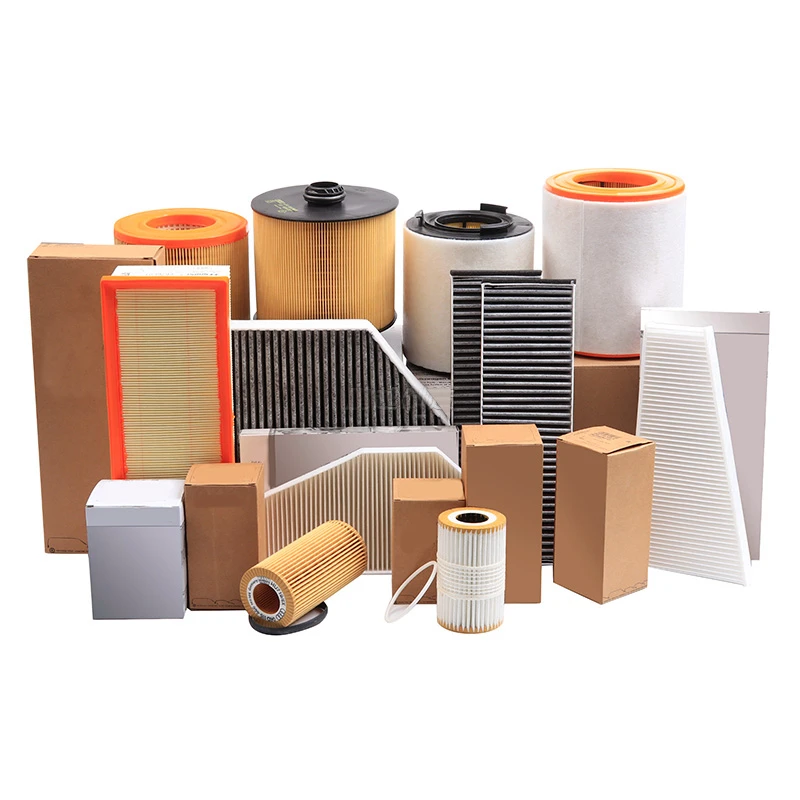
How Often Do I Change Car Air Filter? Understanding the Essentials for a Healthy Engine
It might seem like a small thing, really—a piece of foam or paper inside your car’s engine, quietly doing its job. But the car air filter is pivotal to your vehicle’s health and performance. Knowing how often do I change car air filter is crucial, not just for smooth driving but for reducing pollution and cutting fuel costs globally. The stakes might surprise you, given that millions of cars worldwide rely heavily on this component every day.
Introduction: Why Changing Your Car’s Air Filter Matters Globally
The world’s roads are becoming increasingly congested. According to the International Energy Agency, global vehicle numbers surpassed 1.4 billion in recent years and keep climbing. With that growth, engine efficiency and emissions control have never been more important. The humble car air filter plays a direct role in this story, affecting everything from fuel economy to harmful emissions.
Yet, many drivers neglect this simple maintenance step. A clogged air filter chokes the engine’s air supply, making combustion inefficient, increasing fuel use, and accelerating wear. It’s a challenge in both developed and developing markets, especially where dusty environments prevail or where maintenance costs are a barrier. So, the question of how often do I change car air filter arises everywhere.
Defining the Question: What Does “How Often Do I Change Car Air Filter” Really Mean?
Simply put, it translates to the recommended interval or frequency for replacing your vehicle’s air filter. The air filter’s job is to remove dust, pollen, and other particles from the incoming air before it reaches the engine’s combustion chamber. If it’s clogged, airflow drops, the engine burns more fuel, and contaminants can cause damage. For automakers and mechanics, determining the optimal replacement schedule balances durability, cost-effectiveness, and emissions compliance.
In modern automotive manufacturing and service, adhering to these intervals supports engine longevity and environmental regulations alike. Think of it as an intersection between mechanical engineering and environmental stewardship.
Key Factors to Consider When Changing Your Car Air Filter
1. Usage Conditions
A dusty area? Rough off-road driving? Frequent short trips? The environment and your driving habits significantly impact filter wear. Many manufacturers recommend changes between 15,000 to 30,000 miles—but heavy dust or extreme conditions require more frequent swaps.
2. Vehicle Type and Engine Design
Smaller engines or turbocharged setups might have different needs. High-performance cars usually require stricter air quality and often use specialized filters, affecting replacement frequency too.
3. Quality of the Air Filter
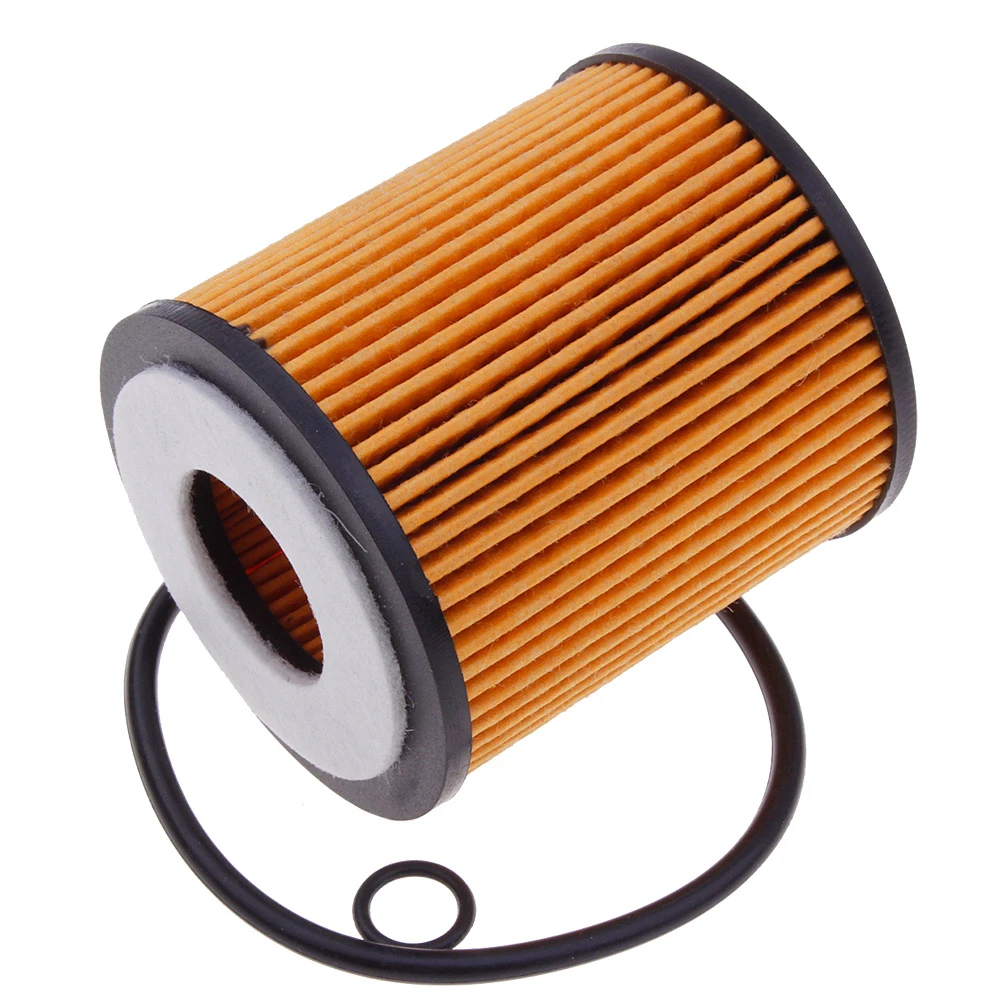
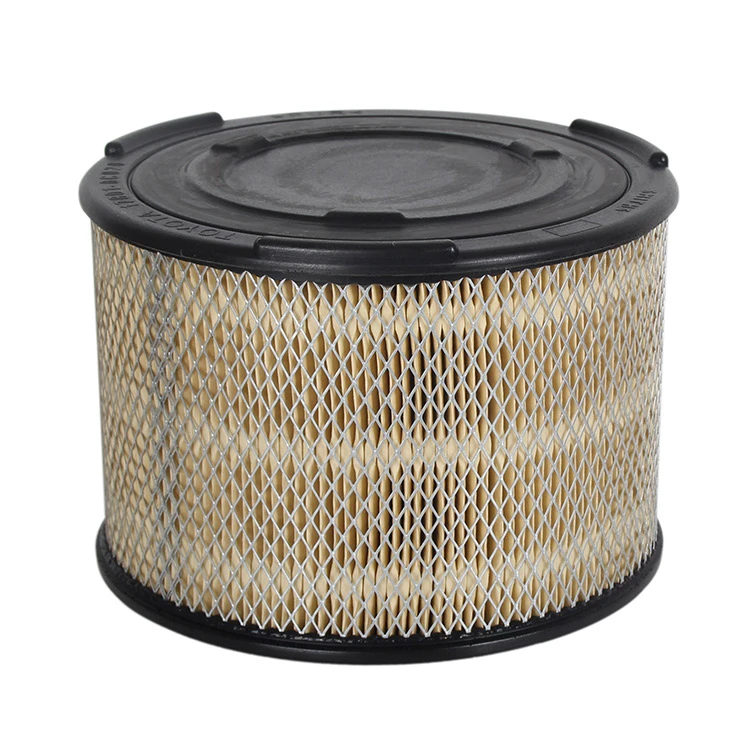
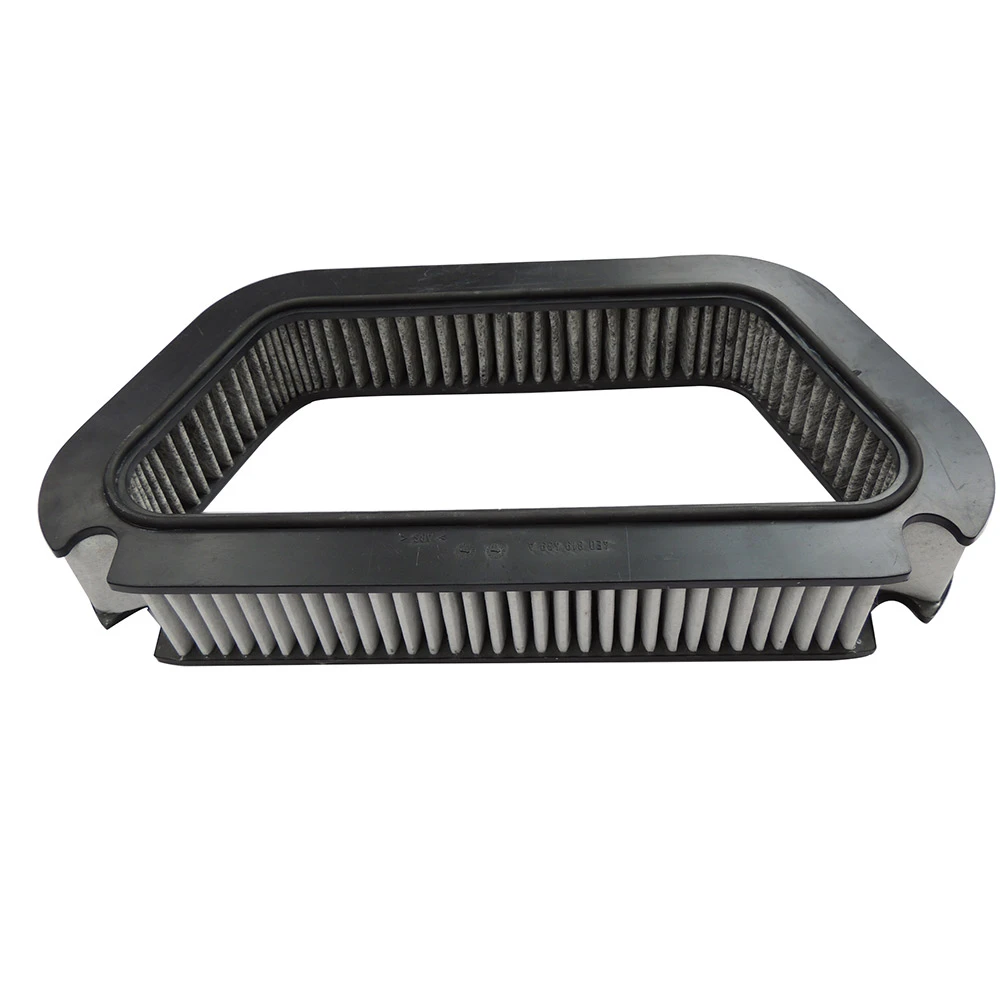
There’s a wide array of car air filters—from OEM (original equipment manufacturer) parts to aftermarket variants using different materials like paper, cotton gauze, or foam. Higher quality filters sustain airflow longer but come at a cost.
4. Climate and Pollution Levels
Urban drivers in high pollution zones or desert climates will need to check and replace filters more often than those in cleaner or cooler environments.
5. Maintenance Habits
Some filters are washable and reusable, but that depends on the brand and vehicle. Regular inspection during service intervals speeds up detection of clogged filters.
Mini Takeaway:
- Your driving style and environment dominantly influence how often you should change the car air filter.
- Always balance manufacturer recommendations with personal circumstances for best engine performance.
Global Applications & Use Cases
Understanding how often do I change car air filter gets especially important in regions with dusty roads, like parts of Africa, the Middle East, or Australia. In these areas, vehicle maintenance cycles shorten significantly. On the other hand, more temperate climates with light pollution may enjoy longer intervals.
In industrial sectors—logistics fleets, emergency response vehicles, and public transport systems—regular air filter replacement ensures operational efficiency and reduces the risk of costly downtime. For example, post-disaster relief teams operating in dusty conditions rely on strict maintenance to keep vehicles running smoothly.
Oddly enough, some remote mining regions often develop local quick-replacement routines, adjusting recommendations far more aggressively than urban counterparts—a great example of practical adaptation.
Mini Takeaway:
- Air filter maintenance is context-driven; it’s not a one-size-fits-all.
- Industries with heavy-duty vehicle use prioritize frequent, systematic changes.
Advantages and Long-Term Value of Timely Air Filter Replacement
Replacing air filters at the right time saves money. Cleaner airflow improves fuel efficiency—often by up to 10%, studies suggest—saving you at the pump. It also lowers harmful exhaust emissions, contributing to better urban air quality and helping meet environmental standards.
There’s a safety angle too. A clogged filter can upset air-to-fuel ratios, causing rough idling or even engine misfires, which could lead to breakdowns at inconvenient times. Knowing when to change it gives peace of mind and, frankly, dignity in not being stranded somewhere.
Mini Takeaway:
- Timely replacement pays off in fuel savings, reduced emissions, and fewer mechanical headaches.
- It also upholds vehicle reliability and driver confidence, a less tangible but critical benefit.
Future Trends & Innovations in Car Air Filter Maintenance
The future’s looking interesting. Automotive manufacturers are exploring self-cleaning filters, smart sensors that alert owners when filter efficiency drops, and eco-friendly biodegradable materials aimed at reducing waste. Some emerging electric vehicles still require filtration, but the specs differ, affecting maintenance cycles.
Digital transformation will also play a role—a connected car might soon schedule reminders based on environmental data and actual filter status rather than static mileage intervals. This is automation and sustainability working hand in hand, which I find pretty exciting.
Challenges & Solutions
One major challenge is driver awareness—many neglect this simple task due to uncertainty or inconvenience. Plus, aftermarket filters vary widely in quality and fitment, complicating decisions. A solution is better education combined with smart diagnostics integrated into vehicle systems.
Vendor trustworthiness also matters. Below is a comparison of popular air filter brands to help you navigate choices:
| Brand | Material Type | Expected Lifespan | Price Range | OEM Certified |
|---|---|---|---|---|
| Fram | Paper | 12,000 to 15,000 miles | $10 - $20 | Yes |
| K&N | Cotton Gauze (Reusable) | Up to 50,000 miles | $40 - $60 | Yes |
| ACDelco | Synthetic | 15,000 to 25,000 miles | $15 - $30 | OEM |
Frequently Asked Questions About How Often Do I Change Car Air Filter
- How can I tell when my car air filter needs changing?
Most filters get visibly dirty—goosebumps of dust and debris. Also, if your car’s fuel efficiency drops or the engine sounds rough, it could be a sign. Some modern cars have air filter warning indicators, too. - Is it okay to just clean and reuse my air filter?
It depends. Reusable filters like K&N’s are designed for cleaning and re-oiling between 30,000–50,000 miles. Typical paper filters aren’t washable and should be replaced instead. - Does a dirty air filter affect emissions?
Absolutely. A clogged filter disrupts air intake, causing incomplete combustion and higher pollutant output. Changing the filter helps keep emissions in check. - Can I change my car air filter myself?
In most cases, yes. It’s often an easy DIY job. Your owner’s manual usually shows how, and replacement filters are widely available. Just be sure to buy the correct size and type. - What’s the average cost to replace a car air filter?
It ranges from $10 to $60 depending on filter type and vehicle. Labor costs at shops are minimal since it’s quick, but DIY saves the most money.
Product Specifications of a Typical Car Air Filter
| Specification | Details |
|---|---|
| Material | Pleated Paper / Cotton / Synthetic |
| Dimensions | Varies by vehicle model (e.g., 9” x 7” x 1”) |
| Operating Temperature | -40 to 125 °C (-40 to 257 °F) |
| Replacement Interval | 15,000 to 30,000 miles (25000 - 48000 km) |
| Weight | 100–200 grams (varies) |
If you’re curious to learn "how often do I change car air filter" specifically for your make and model, how often do i change car air filter is a great resource with detailed guides.
Conclusion: Keep Your Engine Breathing Easy
Though it might sound mundane, changing your car air filter on time has ripple effects—from saving money to reducing your vehicle’s carbon footprint. For millions, it means fewer breakdowns, smoother commutes, and cleaner air for everyone else. So next time you wonder how often do I change car air filter, remember it’s about more than just your car; it’s about responsible, informed driving in a global community.
Visit our website for more tips and product recommendations: https://www.jyfilter.com
Thanks for reading — keep that engine breathing freely!
References:
-
Guide on how often do you need to replace engine air filterNewsApr.16,2026
-
Learn how often do you replace air filter in car for engine healthNewsApr.09,2026
-
How Often Do You Replace Car Air Filter For Optimal Engine PerformanceNewsApr.07,2026
-
How Often Do You Replace Engine Air Filter For Optimal Vehicle PerformanceNewsApr.04,2026
-
Understanding How Often Does Engine Air Filter Need to Be Replaced for Optimal PerformanceNewsMar.31,2026
-
How Often Engine Air Filter Change Impacts Performance and LongevityNewsMar.28,2026
-
Understanding How Often to Replace Your Car Air Filter for Optimal PerformanceNewsMar.26,2026
Related Products