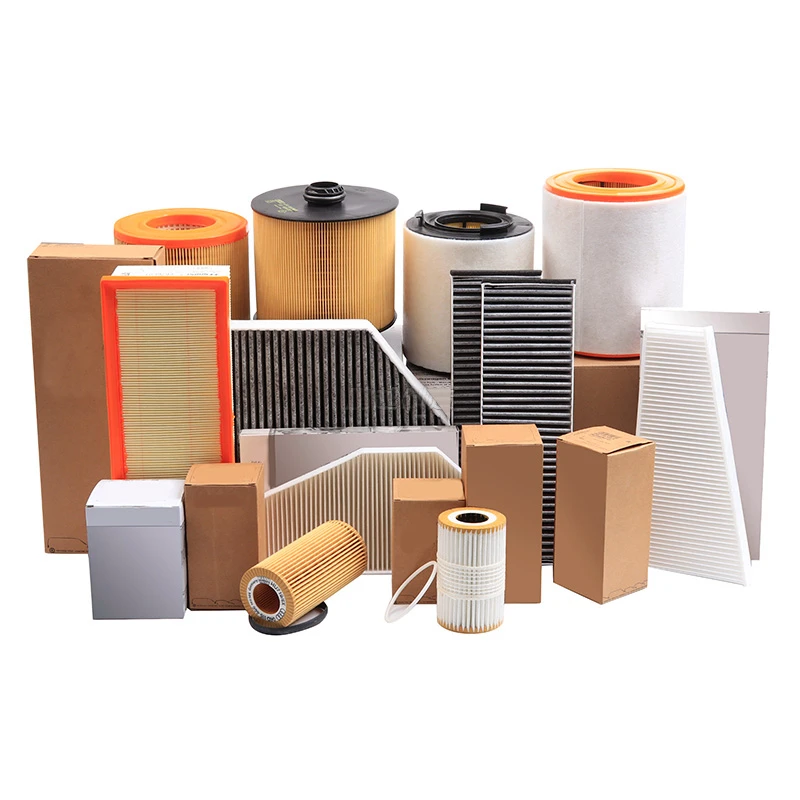
How Often Do I Need to Change Engine Air Filter? Understanding the Essentials
Engine air filters might seem like a small detail under the hood, but honestly, they play a huge role in the lifelong health of your vehicle. Knowing how often do I need to change engine air filter isn’t just about routine maintenance; it influences fuel economy, engine life, emissions, and overall driving safety.
Globally, with the number of vehicles rising and environmental regulations tightening (as noted by standards such as ISO 16949), this basic upkeep has become more critical than ever. A clogged or dirty air filter puts strain on the engine and leads to unnecessary carbon footprint increases, which straightforward maintenance can prevent.
Introduction: Why This Matters on a Global Scale
According to the International Energy Agency, road transport accounts for nearly 18% of global CO₂ emissions. Oddly enough, simple maintenance like regularly replacing an engine air filter can improve fuel efficiency by up to 10%, according to the U.S. Department of Energy. Imagine the cumulative reduction in emissions if millions did this properly.
But here’s the tricky part: Many drivers underestimate how frequently this needs to happen, or worse, ignore the signs of a clogged filter until noticeable engine issues arise. This delays repair and spurs avoidable costs. Plus, with varied driving conditions around the world — from dusty deserts to congested urban centers — the “right” timing varies significantly.
What Does “How Often Do I Need to Change Engine Air Filter” Really Mean?
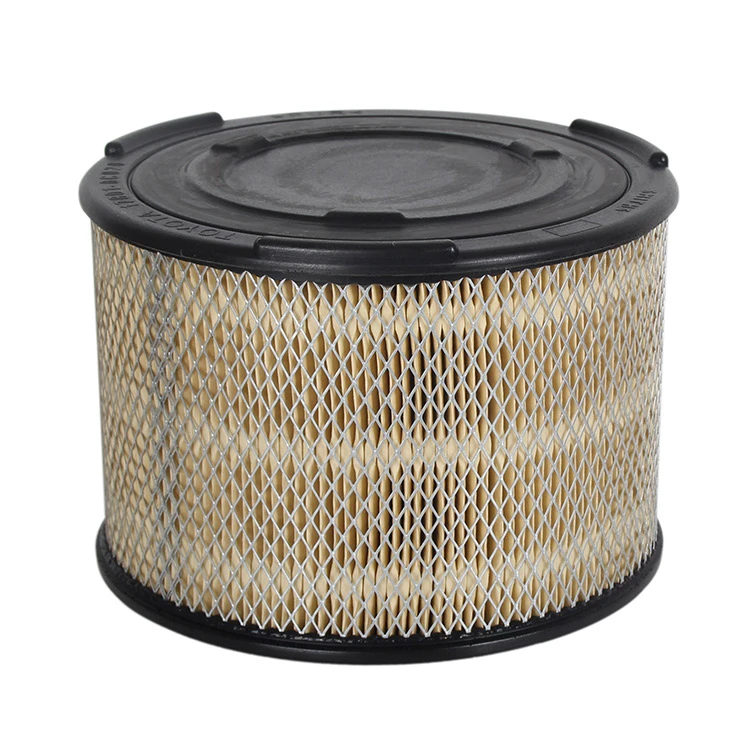
In simple terms, this question asks for the ideal interval when your vehicle’s intake air filter should be swapped out to maintain peak engine function. The air filter traps dirt, dust, pollen, and other particles, stopping them from fouling the engine’s internal combustion environment.
Relevance goes beyond personal vehicles. Commercial fleets, agricultural machinery, and even humanitarian logistics heavily depend on clean air filters to keep operations smooth, reduce downtime, and prevent costly engine failures—especially in remote or disaster-affected areas.
Key Factors Influencing Air Filter Replacement Frequency
1. Driving Environment
Rural areas with dusty roads demand filter changes more often than urban settings. If you frequently travel through construction zones, deserts, or agricultural lands, filters clog faster.
2. Vehicle Usage
Stop-and-go city driving can cause filters to clog differently compared to highway driving. Heavy-load or off-road vehicles require more frequent maintenance checks.
3. Manufacturer Guidelines
Most vehicle makers recommend changing air filters every 12,000 to 15,000 miles (around 19,000 to 24,000 km), but this varies by model, filter type, and conditions. Trust the owner’s manual as your first reference.
4. Filter Type & Quality
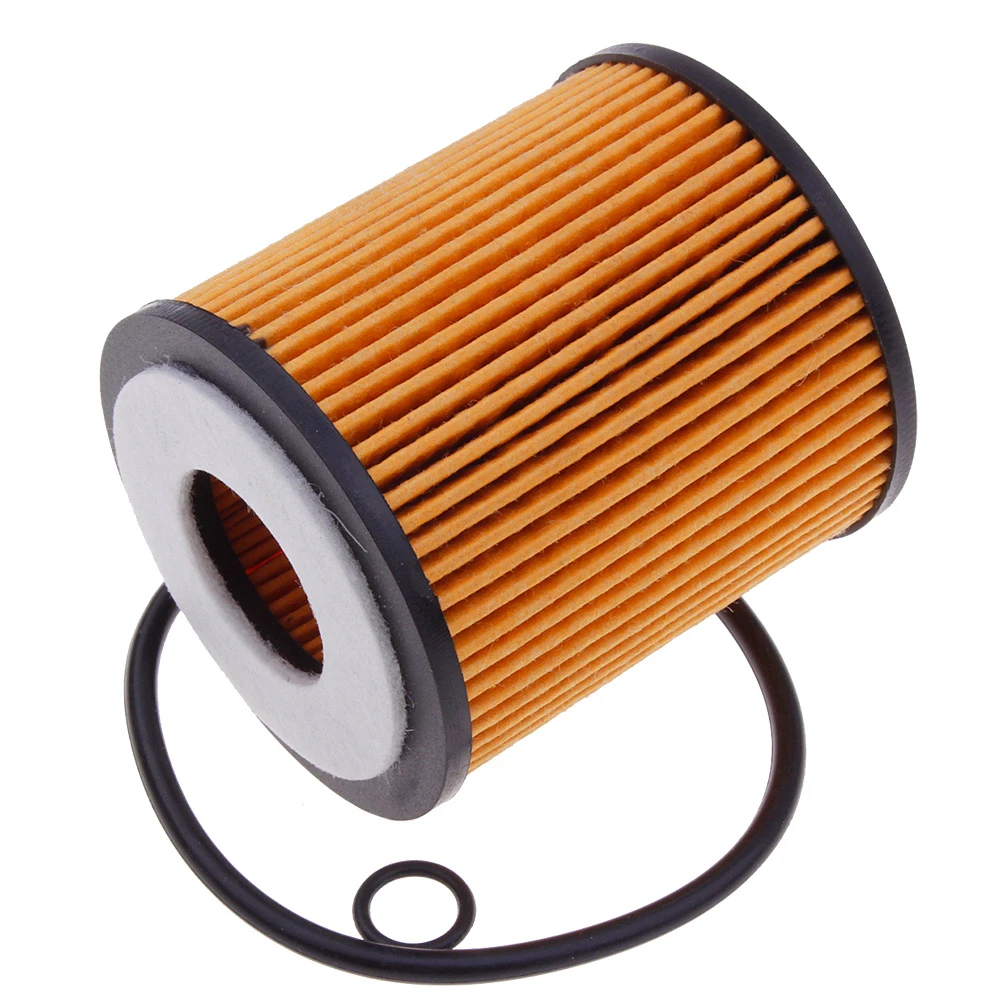
Different air filters (paper, foam, cotton gauze) have diverse lifespans and efficiencies. High-performance or reusable filters could last longer but require proper cleaning.
5. Signs of Deterioration
Reduced fuel economy, engine misfire, black exhaust smoke, or reduced acceleration can signal a clogged filter needing immediate change.
Real World Applications and Who Benefits Most
In industrial zones with harsh air quality like parts of India or China, fleet operators swap filters every 5,000 to 7,500 miles to avoid downtime. Meanwhile, humanitarian organizations operating in unpredictable conditions, say post-disaster relief convoys in sub-Saharan Africa, depend heavily on reliable engine performance and schedule more frequent filter checks to maintain readiness.
And it’s not just about vehicles — heavy machinery in mining industries, forest services, and agricultural sectors all rely on clean air filters to extend equipment lifespan and optimize productivity. The ripple effect of good filter maintenance often comes back to economic efficiency and reduced environmental impact.
Benefits & Why Timely Replacement Matters
- Improved Fuel Economy: A clean air filter allows proper airflow, meaning the engine breathes easier and burns fuel efficiently.
- Engine Longevity: Prevents harmful debris from damaging engine parts, cutting costly repairs.
- Lower Emissions: Keeps combustion cleaner, contributing to environmental compliance and reduced pollution.
- Enhanced Performance: Good throttle response and power output.
- Peace of Mind: Knowing the vehicle stays reliable and safe, especially during long trips or critical operations.
In real terms, spending a modest amount on replacing the air filter feels like a tiny investment that pays off hugely over the vehicle’s life.
Future Trends: Innovations in Engine Air Filters
Green energy and digital transformation are touching this humble component, too. Researchers are developing smart sensors that monitor air filter condition in real time, reducing guesswork and unnecessary replacements. Materials innovation is ongoing — for example, nanofiber filters that trap finer particles without restricting airflow.
Policies increasingly focus on sustainability; some countries are incentivizing maintenance practices that lower emissions. Oddly enough, the simplest parts sometimes drive the biggest leaps forward.
Common Challenges & How to Overcome Them
The main hurdle is awareness. Drivers tend to forget or avoid this task because it’s “out of sight, out of mind.” Also, inconsistent product quality among aftermarket filters can confuse consumers.
A practical solution is scheduled maintenance reminders integrated into vehicle infotainment or apps, plus promoting certified filter brands. Workshops and mechanics play a vital role educating customers — because, frankly, knowing how often do I need to change engine air filter is half the battle.
FAQ: Your Questions Answered
- How can I tell if my engine air filter needs replacement?
- If you notice reduced acceleration, unusual engine sounds, or visible dirt on the filter during inspection, it’s time to replace it. Most filters should also be checked every oil change interval.
- Can I clean and reuse my engine air filter?
- Some high-quality filters (like cotton or foam types) are designed to be cleaned and reused. However, paper filters are typically disposable. Always follow manufacturer instructions.
- Does weather affect how often I should change the filter?
- Absolutely. Dusty, polluted, or humid environments clog filters faster, requiring more frequent changes than in cleaner areas.
- What happens if I delay changing my air filter?
- A clogged air filter reduces air intake, causing poor fuel economy, engine strain, increased emissions, and potential long-term damage needing expensive repairs.
- Are aftermarket air filters reliable?
- Many are, but quality varies widely. Opt for filters meeting OEM standards or certifications to ensure performance and engine protection.
Quick Reference: Engine Air Filter Specs
| Filter Type | Typical Lifespan (Miles) | Maintenance | Pros | Cons |
|---|---|---|---|---|
| Paper | 12,000 - 15,000 | Replace | Low cost, disposable | Not reusable, less durable |
| Foam | 15,000 - 20,000 | Clean & reuse | Reusable, good airflow | Requires proper cleaning |
| Cotton / Gauze | 30,000 - 50,000 | Clean & reuse | High performance, durable | Higher initial cost |
Vendor Comparison: Leading Engine Air Filter Brands
| Brand | Filter Types | Warranty | Price Range | Best For |
|---|---|---|---|---|
| ACDelco | Paper, Foam | 12 months | $10 - $25 | OEM replacements, budget |
| K&N | Cotton / Gauze | 10 years | $40 - $60 | High performance, reusable |
| Fram | Paper, Foam | 6-12 months | $8 - $20 | Affordable everyday use |
Wrapping Up
Frankly, knowing how often do I need to change engine air filter isn’t just a maintenance chore; it’s part of responsible vehicle ownership. Regular replacement saves money, protects the environment, and keeps your drive smooth and safe. Whether you’re a city commuter or an off-road adventurer, taking a moment to inspect and replace your filter pays back big time.
So next time you wonder about your air filter, remember: it’s a small part that makes a massive difference. For detailed guidance and quality products, don’t hesitate to visit our website.
Takeaway: A timely air filter change is among the easiest yet most impactful ways to care for your vehicle and the environment.
-
Guide on how often do you need to replace engine air filterNewsApr.16,2026
-
Learn how often do you replace air filter in car for engine healthNewsApr.09,2026
-
How Often Do You Replace Car Air Filter For Optimal Engine PerformanceNewsApr.07,2026
-
How Often Do You Replace Engine Air Filter For Optimal Vehicle PerformanceNewsApr.04,2026
-
Understanding How Often Does Engine Air Filter Need to Be Replaced for Optimal PerformanceNewsMar.31,2026
-
How Often Engine Air Filter Change Impacts Performance and LongevityNewsMar.28,2026
-
Understanding How Often to Replace Your Car Air Filter for Optimal PerformanceNewsMar.26,2026
Related Products