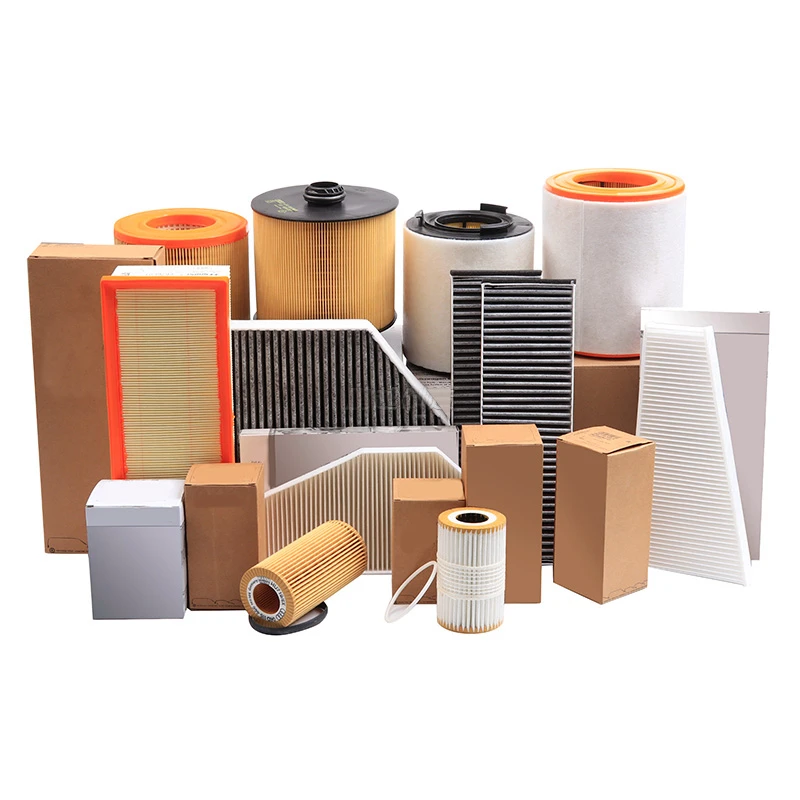
How Often Do I Change Air Filter in Car? Understanding the Basics and Beyond
Wondering how often do I change air filter in car? It’s a question that might seem trivial to many drivers, but if you stop for a moment and think about it, this little maintenance step plays a surprisingly vital role in your car’s health, efficiency, and even environmental footprint. Globally, automotive air filters help ensure cleaner air intake, leading to better fuel economy and less pollution — key challenges for our increasingly congested cities and rising carbon concerns.
Knowing when and why to swap out your car’s air filter isn’t just about nagging maintenance schedules—it directly impacts engine performance, emissions, and, frankly, your wallet. So, let’s kick off with why this matters on a larger scale, and explore what factors influence that all-important timing.
Introduction: The Global Context of Car Air Filter Maintenance
Modern transportation relies heavily on combustion engines, still powering the majority of vehicles worldwide despite a growing electric trend. According to the International Energy Agency (IEA), combustion engines remain dominant in many countries, especially in emerging markets where maintaining vehicles properly can vastly influence pollution levels and fuel consumption.
From New York City’s dense traffic to sprawling megacities like Delhi or São Paulo, poor air filter maintenance can worsen urban smog and contribute to global emissions. Auto experts estimate that clogged air filters can reduce fuel efficiency by around 10%, creating excess costs and greenhouse gases. So, the “how often do I change air filter in car” question has very tangible implications.
That said, there isn’t a one-size-fits-all answer—conditions vary wildly. You might live in dusty rural zones or cleaner urban areas; some cars demand attention sooner; others stretch longer.
Definition & Meaning: What Does Changing Your Car’s Air Filter Really Mean?
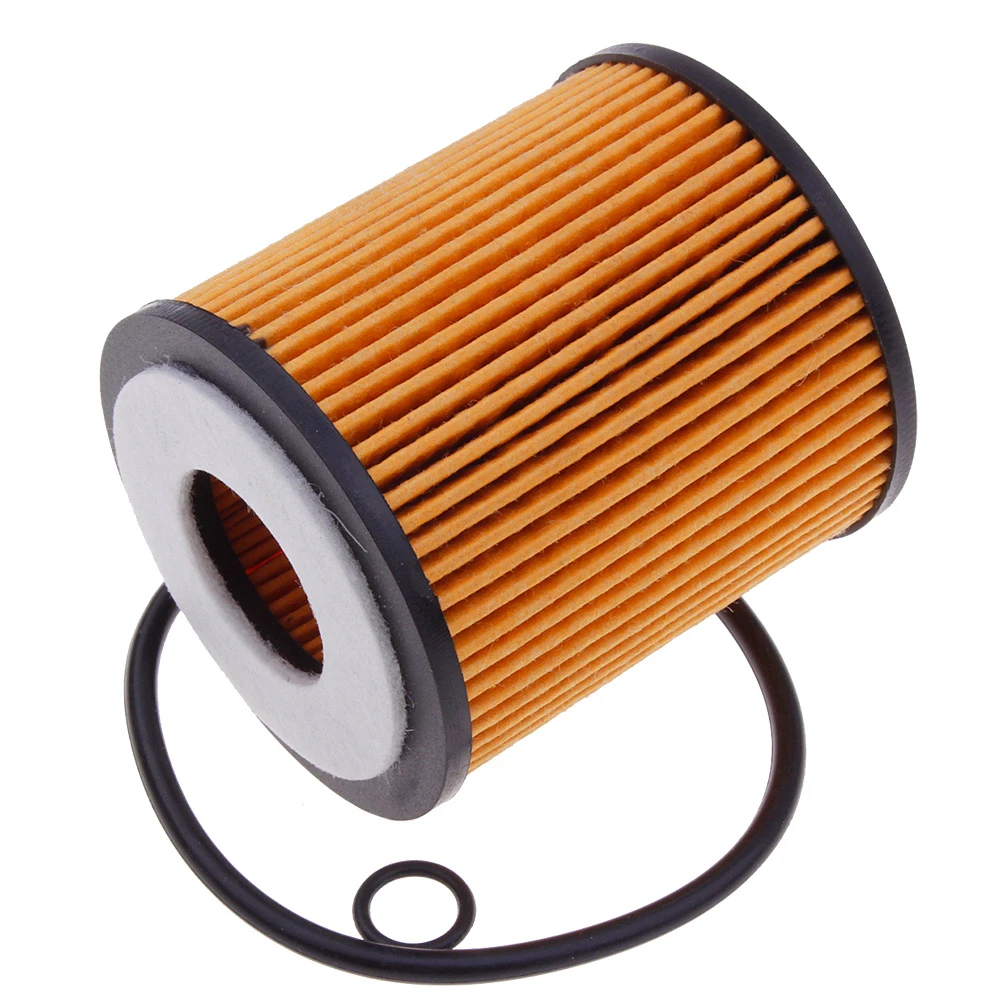
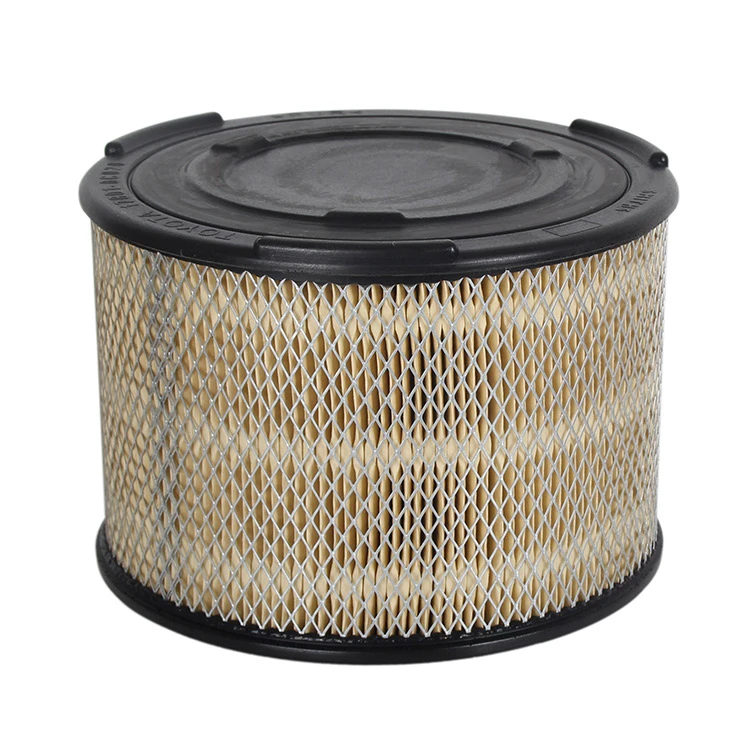
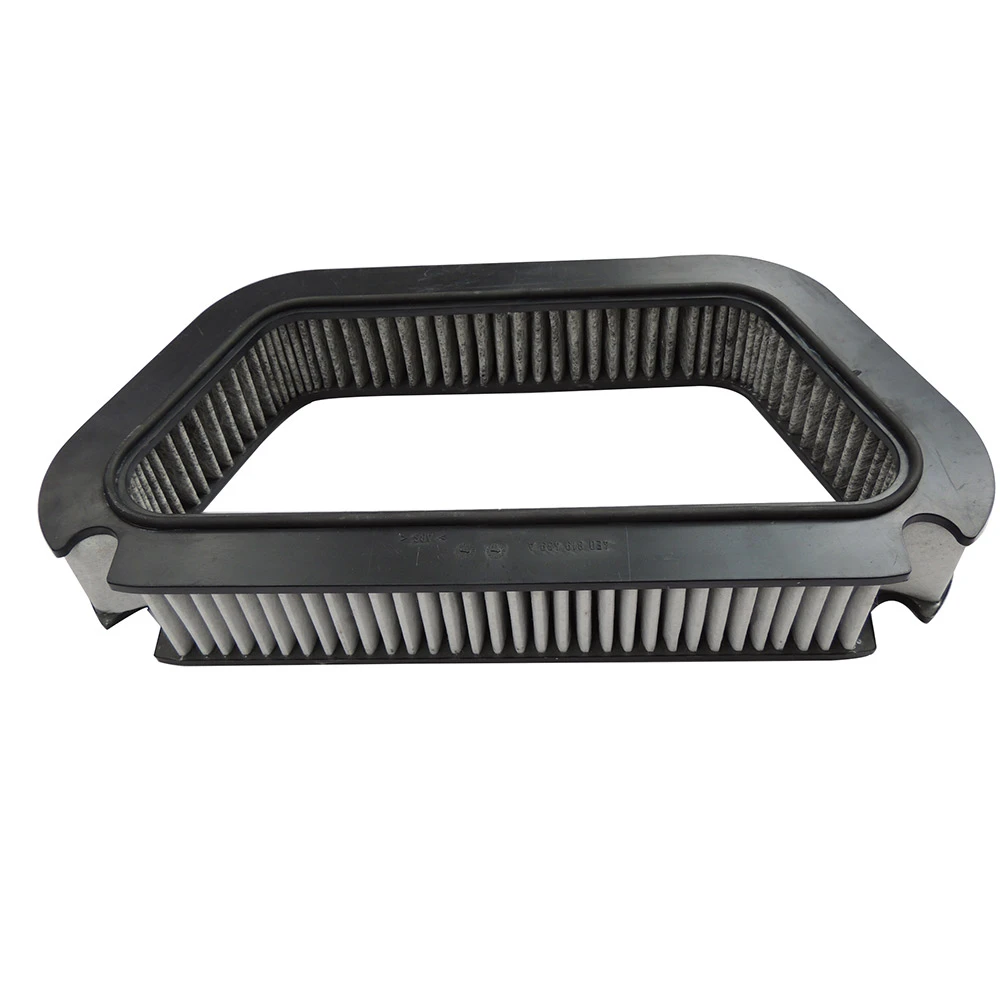
Simply put, your car air filter is a gateway, filtering dust, pollen, and debris from the air sucked into the engine. Over time, the filter clogs, restricting airflow which reduces engine power, wastes fuel, and can even cause mechanical wear.
The act of changing the air filter means removing the dirty one and installing a fresh filter that ensures clean airflow. This small step fits right into broader automotive care and has industry-wide importance — manufacturers specify intervals to balance optimal engine function and sustainability.
On a humanitarian front, well-maintained vehicles emit less pollution. That connects to cleaner cities, healthier populations, and long-term social benefits—clearly tying your maintenance schedule to a global narrative.
Key Factors Influencing How Often to Change Your Car Air Filter
1. Driving Environment
If you frequently drive on dusty or unpaved roads, your air filter accumulates dirt faster. Urban drivers in cleaner air might stretch intervals longer. So, your locale dramatically affects the timing.
2. Vehicle Make and Model
Some carmakers design filters with advanced materials lasting longer. Others might require a change every 15,000 miles, while heavy-duty vehicles might need attention sooner.
3. Driving Habits
Long highway drives generally cause less buildup than stop-and-go city driving, where idling and air pollution raise clogging rates.
4. Filter Quality
Not every filter is equal; OEM (Original Equipment Manufacturer) filters differ from aftermarket replacements in durability and performance.
5. Manufacturer Recommendations
Always consult your vehicle’s manual. Many recommend 12,000 to 15,000-mile intervals, but, frankly, these are estimates that assume average conditions.
Global Applications & Use Cases: Real-World Impacts
- Urban Fleets: City buses and taxis undergo strict maintenance protocols, frequently replacing filters to meet emission standards.
- Industrial and Agricultural Transport: In dusty environments, like mining or farming regions in Australia or South Africa, air filters demand earlier replacements.
- Developing Countries: NGOs promoting clean transport stress air filter maintenance as a low-cost intervention reducing air pollution.
- Personal Cars in Developed Countries: Often overlooked, yet critical for avoiding engine wear and maximizing efficiency.
For example, a taxi company in Mexico City noticed a 7% fuel savings after enforcing strict filter replacement every 10,000 miles, proving the practical benefits aren’t just theory.
Advantages & Long-Term Value of Timely Air Filter Changes
Swapping out your air filter regularly does more than just keep your engine happy.
- Cost Savings: A cleaner filter means better fuel economy—potentially saving hundreds annually.
- Reduced Emissions: Less fuel burned means fewer pollutants, benefiting urban air quality.
- Engine Longevity: Clean air reduces abrasive debris and wear, extending component life.
- Reliability and Safety: Your car runs smoothly, avoiding sudden breakdowns.
- Peace of Mind: There’s a sort of satisfaction in knowing you’re doing right by your vehicle and environment.
Product Specification Table: Typical Automotive Air Filter Specs
| Specification | Typical Value | Notes |
|---|---|---|
| Filter Type | Pleated Paper or Synthetic | Common in most vehicles |
| Lifespan | 12,000-15,000 miles | Varies by environment |
| Efficiency Rating | >98% particulate removal | Per ISO 5011 testing standard |
| Material | Cellulose / Cotton / Synthetic Fibers | Impacts durability |
| Price Range | $10 - $50 | Dependent on brand & quality |
Vendor Comparison Table: Popular Car Air Filter Brands
| Brand | Filter Type | Price | Durability | Warranty |
|---|---|---|---|---|
| FRAM | Pleated Paper | $12 - $25 | Good, 12k miles | Limited |
| K&N | Washable Cotton | $40 - $60 | High, lifetime warranty | Limited Lifetime |
| Bosch | Synthetic | $20 - $35 | Excellent, 15k miles | 1 year |
Future Trends & Innovations in Car Air Filters
Oddly enough, the humble air filter is getting high-tech. Researchers are exploring nanofiber materials and antimicrobial coatings that not only trap particles more efficiently but also prevent mold and bacteria growth. This is a neat development especially in humid climates.
Digital transformation is here too — some “smart” air filters with sensors can alert drivers when filter replacement is due based on actual pollution exposure rather than just mileage, which makes a lot of sense.
Sustainability trends encourage biodegradable filters or reusable designs without sacrificing performance. What this means is, soon, the question “how often do I change air filter in car” might move from guesswork to a precise, data-driven routine.
Challenges and Practical Solutions
Despite clear benefits, many drivers skip or delay air filter changes, sometimes due to misinformation or cost concerns. Plus, DIY replacement isn’t always straightforward with newer models.
Experts recommend:
- Checking filters every 6 months if unsure.
- Considering professional inspection for complex cars.
- Using high-quality filters compatible with the vehicle.
Manufacturers and service centers increasingly offer diagnostic services, which helps. And frankly, investing in air filter maintenance is far cheaper than engine repairs or high fuel costs later.
FAQ: Frequently Asked Questions About How Often Do I Change Air Filter in Car
- How do I know if my car air filter needs changing?
- You might notice reduced acceleration, poor fuel economy, or a dirty filter when visually inspected. Some vehicles even have warning lights or codes signaling airflow issues.
- Can I reuse or clean my car’s air filter?
- Some filters, like washable cotton types (e.g., K&N), are reusable after cleaning. However, most paper filters aren’t designed to be cleaned and should be replaced.
- Is changing the air filter really necessary if my car seems fine?
- Yes — clogged filters stress the engine subtly over time, causing inefficiency and wear before noticeable symptoms appear. Timely changes save money and extend vehicle life.
- How do environmental factors affect filter replacement?
- Dust, pollen, pollution, and humidity accelerate filter clogging. Drivers in dusty or urban areas may need to replace filters more frequently — sometimes as low as every 6,000 miles.
- Are aftermarket filters as good as OEMs?
- It depends. Many aftermarket filters meet or exceed OEM specs, but quality varies. Opt for trusted brands and check compatibility to avoid issues.
Conclusion: Taking Control of Your Car’s Air Filter for Long-Term Benefits
Ultimately, asking yourself “how often do I change air filter in car” isn’t just a maintenance reminder. It's part of a broader commitment to your vehicle’s efficiency, environmental responsibility, and long-term savings. With evolving technologies and increasing awareness, it feels like keeping tabs on your air filter is becoming more accessible and valuable than ever.
Next time you schedule your car’s checkup, don’t overlook this often underestimated filter. Want to learn more? Visit our website: how often do i change air filter in car.
Remember, your car breathes through that filter — keep it clean, and it’ll thank you with smooth rides and fewer trips to the pump.
-
Guide on how often do you need to replace engine air filterNewsApr.16,2026
-
Learn how often do you replace air filter in car for engine healthNewsApr.09,2026
-
How Often Do You Replace Car Air Filter For Optimal Engine PerformanceNewsApr.07,2026
-
How Often Do You Replace Engine Air Filter For Optimal Vehicle PerformanceNewsApr.04,2026
-
Understanding How Often Does Engine Air Filter Need to Be Replaced for Optimal PerformanceNewsMar.31,2026
-
How Often Engine Air Filter Change Impacts Performance and LongevityNewsMar.28,2026
-
Understanding How Often to Replace Your Car Air Filter for Optimal PerformanceNewsMar.26,2026
Related Products