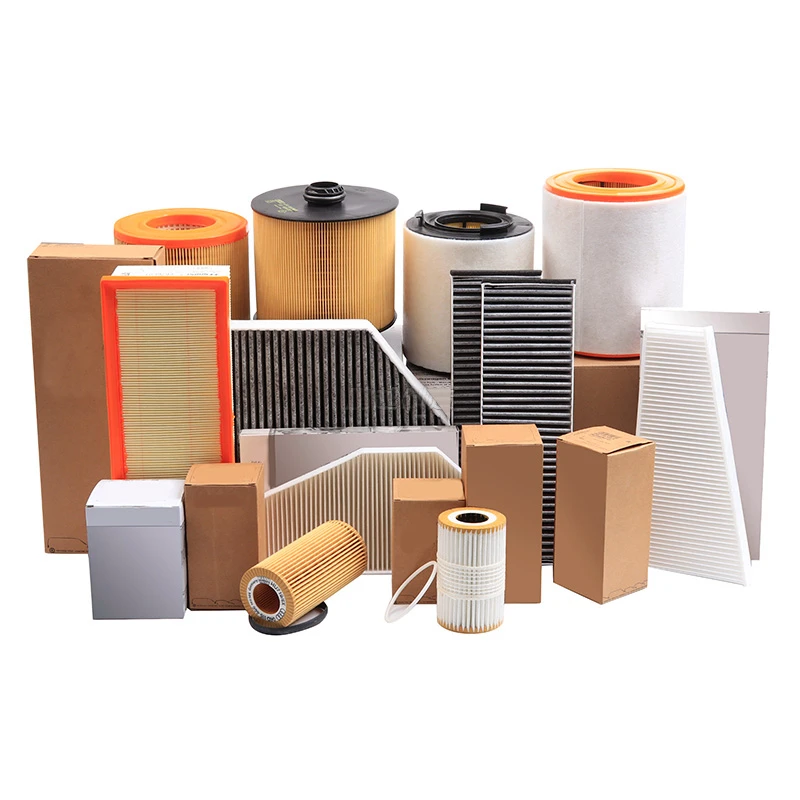
How Often Do Car Filters Need to Be Changed: Understanding Maintenance for Better Performance
Keeping a car in good shape often boils down to the little things. One such detail that drivers sometimes overlook is how often car filters need to be changed. Whether it's air, fuel, or oil filters, their maintenance plays a surprisingly big role globally—not just for individual vehicle health, but also environmental impact and overall road safety. Understanding this seemingly small routine can save money, reduce emissions, and extend engine life.
Frankly, amid growing vehicle ownership worldwide and tightening emissions regulations, knowing the right intervals to replace car filters is a practical necessity. The benefits? Lower fuel consumption, smoother engine operation, and less pollution—all of which make filtering maintenance a critical piece in the global puzzle of sustainable transport.
Global Context: Why Filter Maintenance Matters More Than Ever
Worldwide, there are over 1.4 billion cars on the road today (Wikipedia - Automobiles), and that number is climbing steadily. Vehicles that aren’t well maintained contribute significantly to air pollution, one of the largest environmental health risks according to the World Health Organization. This fact underscores the importance of routine filter changes.
Poor air filtration clogs engines and increases harmful emissions. Similarly, stale oil or a clogged fuel filter can throttle performance and fuel efficiency. ISO standards for automotive parts, like the ISO 16949, emphasize quality and safety in automotive components. Adhering to recommended filter change intervals aligns with these standards and supports broader environmental goals.
What Does “How Often Do Car Filters Need to Be Changed” Mean?
Simply put, it’s about scheduling the replacement of filters that protect your engine and its components. These filters trap dust, debris, and precipitates that, over time, could damage your vehicle’s performance or contribute to breakdowns. The question often arises—how frequent should this be? Different filters have different lifespans and depend on vehicle type, driving conditions, and manufacturer recommendations.
It’s not just a mechanical issue. This maintenance practice connects deeply with the automotive industry’s push towards sustainability and efficiency, helping cars to emit less and run longer.
Key Factors Influencing Car Filter Replacement Frequency
1. Filter Type
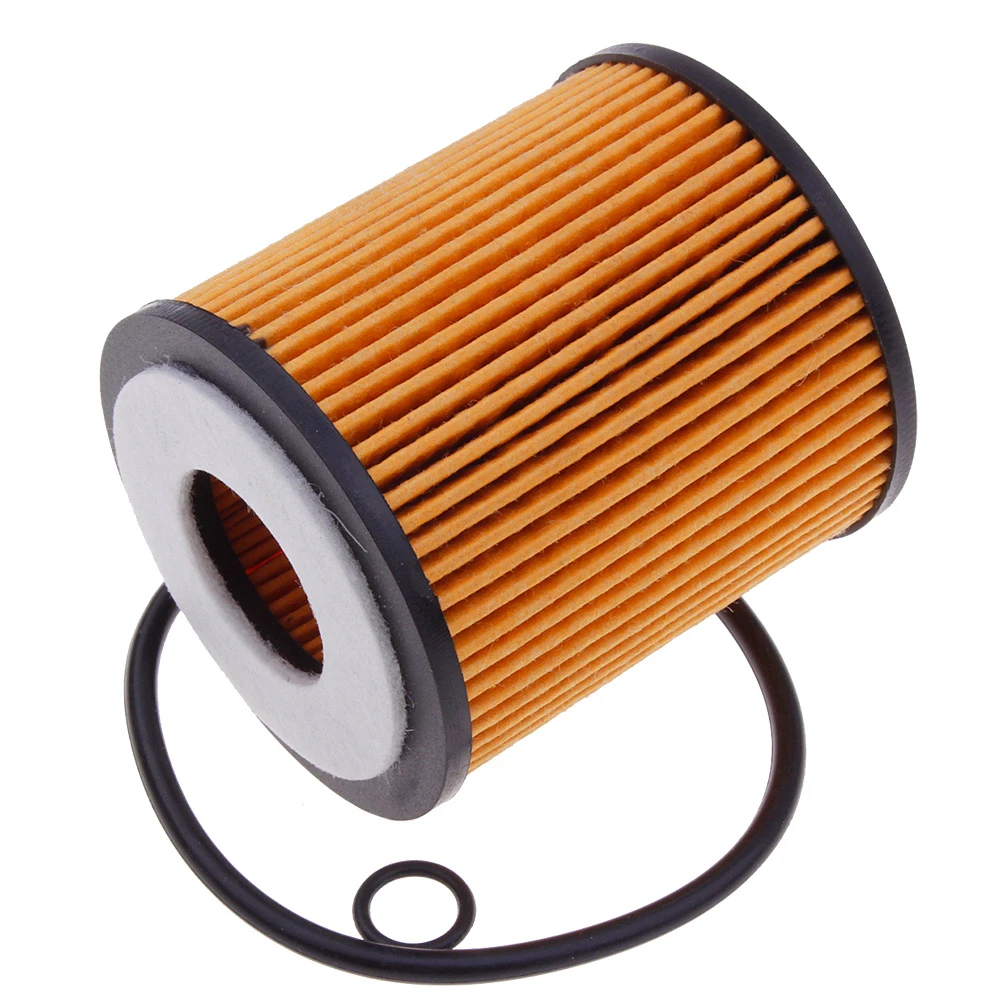
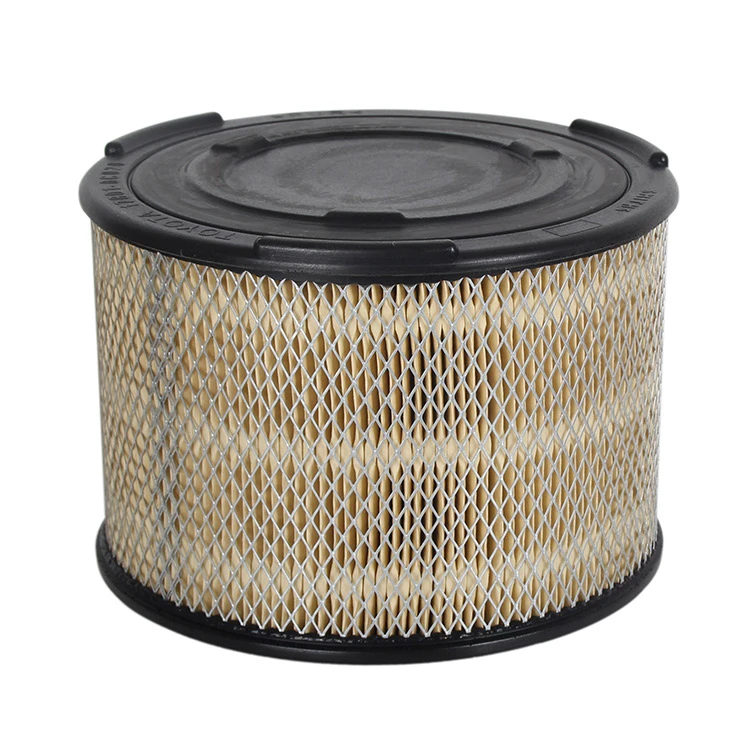
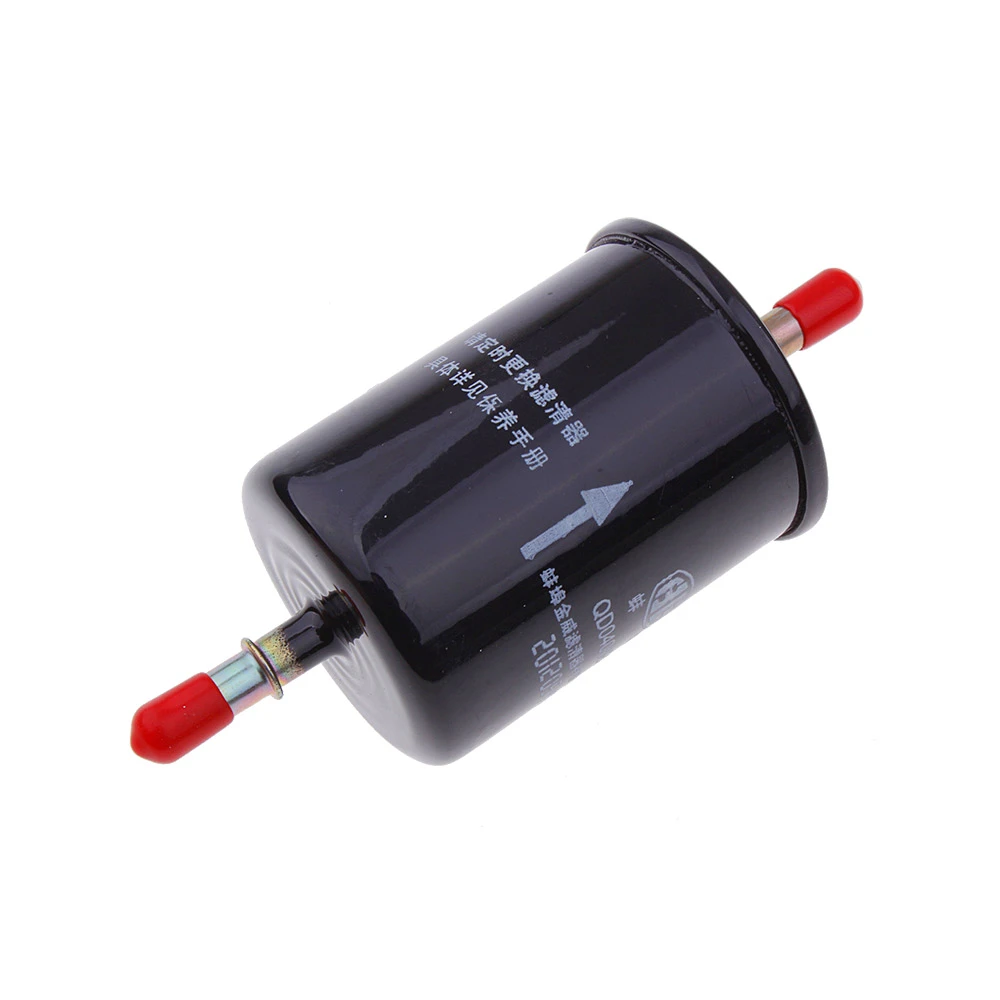
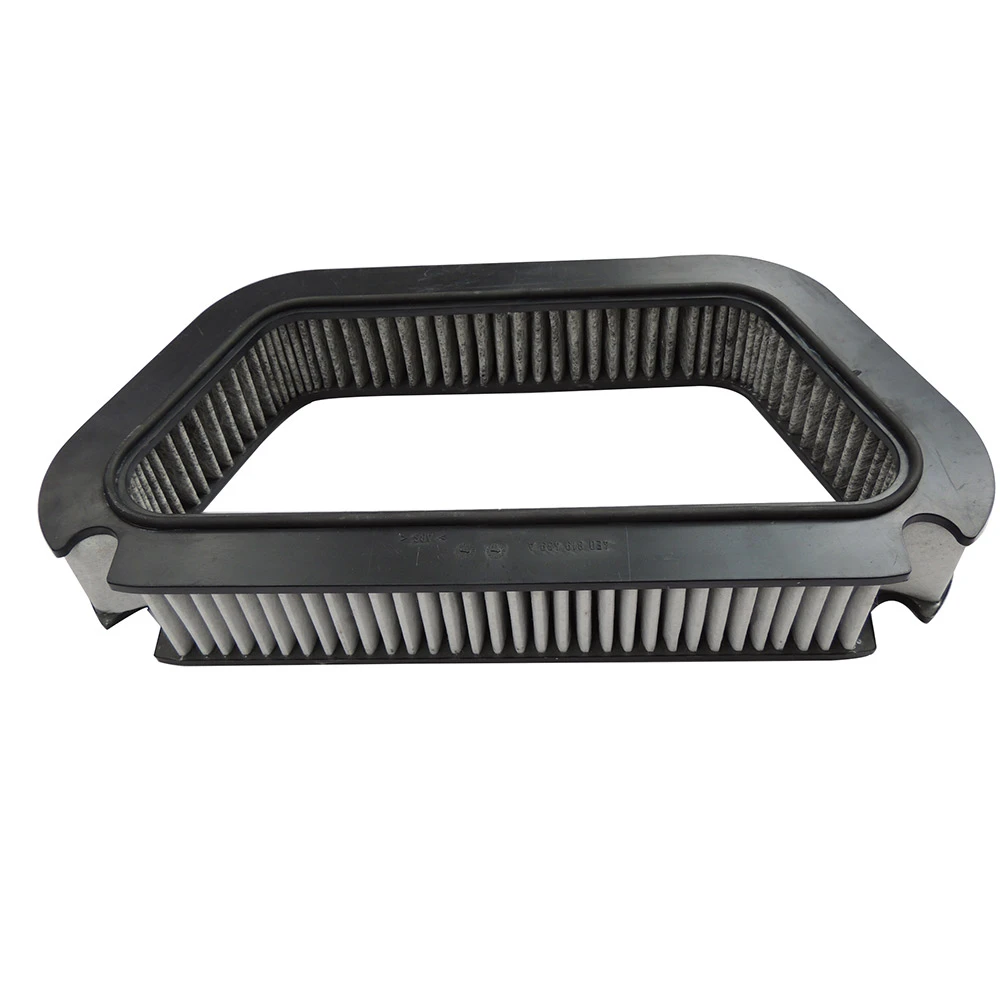
- Air filters typically need replacement every 12,000 to 15,000 miles, but dusty environments can shorten this interval dramatically.
- Oil filters usually align with oil change schedules, often every 3,000 to 7,500 miles.
- Fuel filters last longer, roughly 20,000 to 40,000 miles, but delay can cause engine performance issues.
2. Driving Conditions
Urban stop-and-go traffic, dusty roads, or harsh weather make filters clog faster. Off-roaders, for example, might replace air filters more often due to increased particulate matter exposure.
3. Vehicle Age and Model
Older vehicles often require more frequent filter changes. Also, some performance or diesel engines have specialized filters with different maintenance timelines.
4. Maintenance History
Filters neglected in earlier stages tend to deteriorate faster. Routine check-ups can help identify when a filter’s functional limit is near.
5. Manufacturer Guidelines
Vehicle manuals are the most reliable go-to for filter change intervals. They fuse years of testing with practical service knowledge.
Quick Specs Table: Typical Car Filter Lifetimes
| Filter Type | Recommended Replacement Interval (Miles) | Common Symptoms of Clogging |
|---|---|---|
| Air Filter | 12,000 - 15,000 | Reduced acceleration, engine misfire |
| Oil Filter | 3,000 - 7,500 | Engine noise, dirty oil |
| Fuel Filter | 20,000 - 40,000 | Engine stalling, poor fuel economy |
Mini takeaway: Different filters have distinct lifespans shaped by conditions. Regular checks aligned with these intervals can help avoid costly repairs.
Global Applications and Use Cases
In dense cities from Shanghai to São Paulo, where air quality often suffers due to traffic pollution, vehicle maintenance focusing on filter changes is crucial. Fleets of taxis, delivery trucks, and buses benefit greatly from regular air and fuel filter replacements, improving urban air quality and reducing costly downtimes.
Meanwhile, in desert regions like parts of the Middle East or Australia, dusty environments wear filters out much faster than average. Maintenance protocols adapt accordingly—an example of practical responsiveness.
Even in humanitarian and disaster relief contexts, maintenance routines including filter checks ensure emergency vehicles stay operational in rough or polluted areas. For NGOs delivering aid, reliable transport is non-negotiable.
Vendor Comparison Table: Popular Automotive Filter Brands
| Brand | Price Range ($) | Availability | Warranty | Notable Feature |
|---|---|---|---|---|
| Bosch | 15 - 40 | Global | 12 months | High-performance filtration media |
| Fram | 10 - 25 | North America, Europe | 6 months | Affordable, easy to install |
| Mann-Filter | 20 - 45 | Europe, Asia | 12 months | OEM quality, eco-friendly materials |
Advantages & Long-Term Value of Timely Filter Replacement
Replacing filters consistently not only extends your vehicle’s life but also:
- Reduces Fuel Costs: Clean filters improve engine efficiency, meaning fewer visits to gas stations.
- Raises Reliability: Avoid unexpected breakdowns by preventing filter-related damage.
- Supports Environmental Health: Reduces harmful emissions, aligning with stricter emissions controls worldwide.
- Boosts Safety & Comfort: Clean air filters improve in-cabin air quality, important for driver and passenger well-being.
Emerging Trends & Innovations
Oddly enough, car filter technology is keeping pace with innovations in green materials and smart diagnostics. New filters incorporate biodegradable fibers and activated charcoal to trap finer particles. Some vehicles now feature sensors that alert drivers when a filter is clogged, syncing with mobile apps or onboard diagnostics systems.
The rise of electric vehicles shifts some maintenance needs but legacy and hybrid vehicles still require traditional filter care. Pioneering filter manufacturers work on improved durability and recyclability, aligning with the global push for sustainability.
Common Challenges & Solutions in Filter Maintenance
The main problem? Many car owners neglect maintenance schedules — often because the facts aren’t clear or because the filters seem “fine.” However, clogged filters can cause subtle problems that escalate quickly.
Pro solutions include better consumer education, clearer indicators on vehicle dashboards, and partnering with trusted local mechanics for regular checks. Digital reminders on smartphone apps—linked to real mileage and driving conditions—can make the process less “guesswork” and more automatic.
FAQ: Frequently Asked Questions About How Often Do Car Filters Need to Be Changed
-
Q: How do I tell if my air filter needs changing?
A: Look for symptoms like reduced acceleration, unusual engine coughing, or black smoke from the exhaust. Also, visually inspecting the filter for dirt buildup helps. Regular replacement every 12,000-15,000 miles is generally safe if uncertain. -
Q: Can I extend oil filter life by using synthetic oil?
A: Synthetic oil can last longer, but the oil filter should usually be replaced at the same time to avoid contaminants affecting the engine, often between 5,000-7,500 miles. -
Q: Are expensive filters always better?
A: Not necessarily. OEM filters often match your car’s requirements best; some aftermarket brands offer great value. Look for certifications and user reviews rather than price alone. -
Q: Does filter maintenance impact car resale value?
A: Absolutely. A well-documented maintenance history, including timely filter changes, shows care and can increase buyer confidence.
Conclusion: Making Time for Car Filter Maintenance
So, how often do car filters need to be changed? The answer isn’t one-size-fits-all—it depends on multiple factors mentioned above. But the long-term payoff is undeniable: improved vehicle efficiency, reduced emissions, and fewer repairs. It’s a small effort that makes a big difference. For further exploration and expert advice on car filter maintenance, feel free to visit our in-depth resource at https://www.jyfilter.com.
Mini takeaway: Don’t ignore your filters — a little attention goes a long way.
References:
1. Wikipedia - Automobiles
2. ISO 16949 Automotive Quality Standard
3. WHO - Air Pollution
-
Guide on how often do you need to replace engine air filterNewsApr.16,2026
-
Learn how often do you replace air filter in car for engine healthNewsApr.09,2026
-
How Often Do You Replace Car Air Filter For Optimal Engine PerformanceNewsApr.07,2026
-
How Often Do You Replace Engine Air Filter For Optimal Vehicle PerformanceNewsApr.04,2026
-
Understanding How Often Does Engine Air Filter Need to Be Replaced for Optimal PerformanceNewsMar.31,2026
-
How Often Engine Air Filter Change Impacts Performance and LongevityNewsMar.28,2026
-
Understanding How Often to Replace Your Car Air Filter for Optimal PerformanceNewsMar.26,2026
Related Products