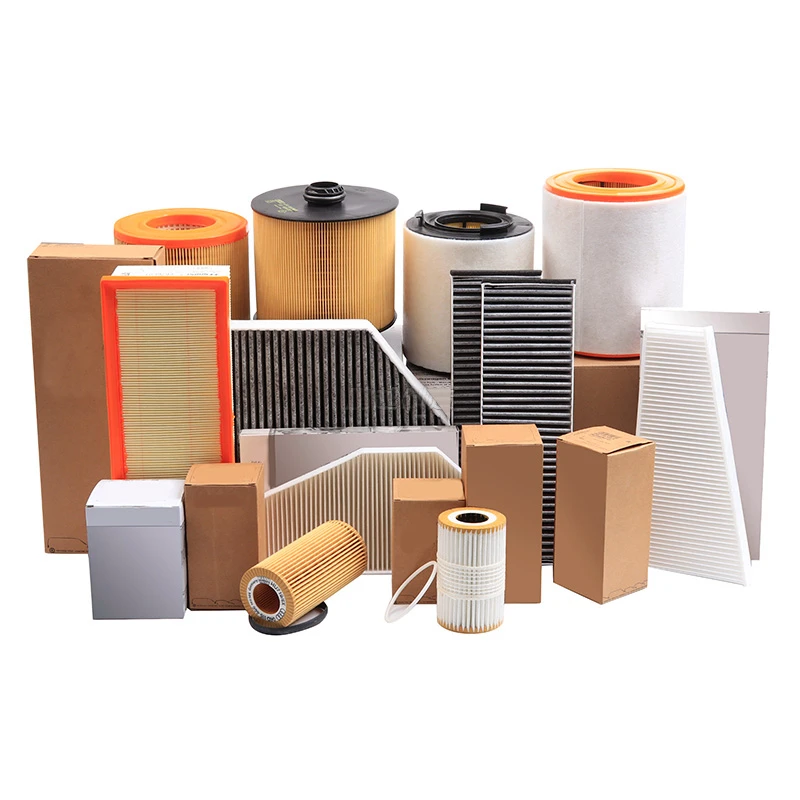
How Often Do Air Filters Need to Be Replaced in Your Car?
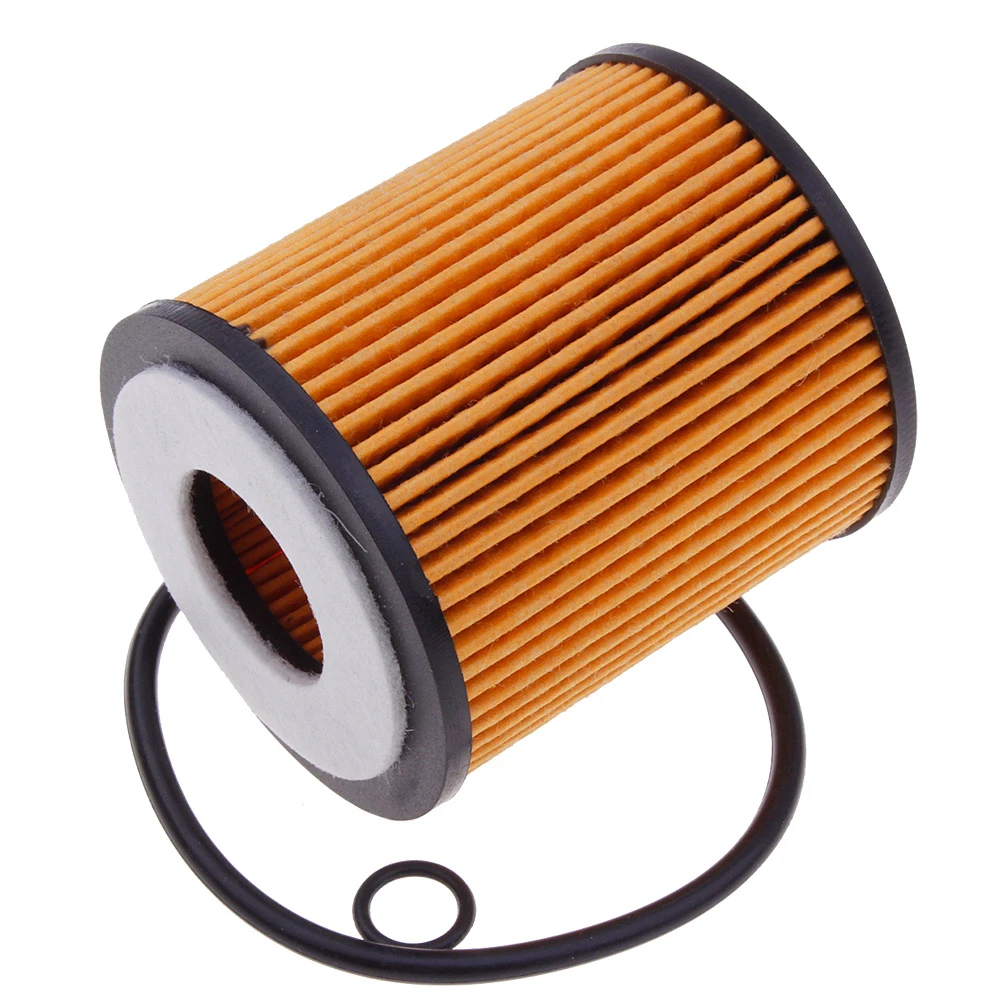
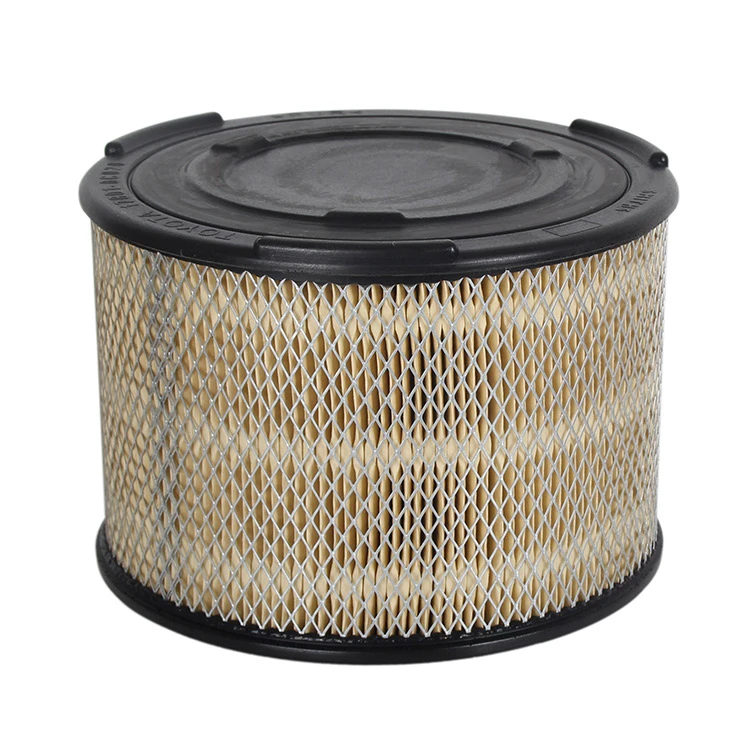
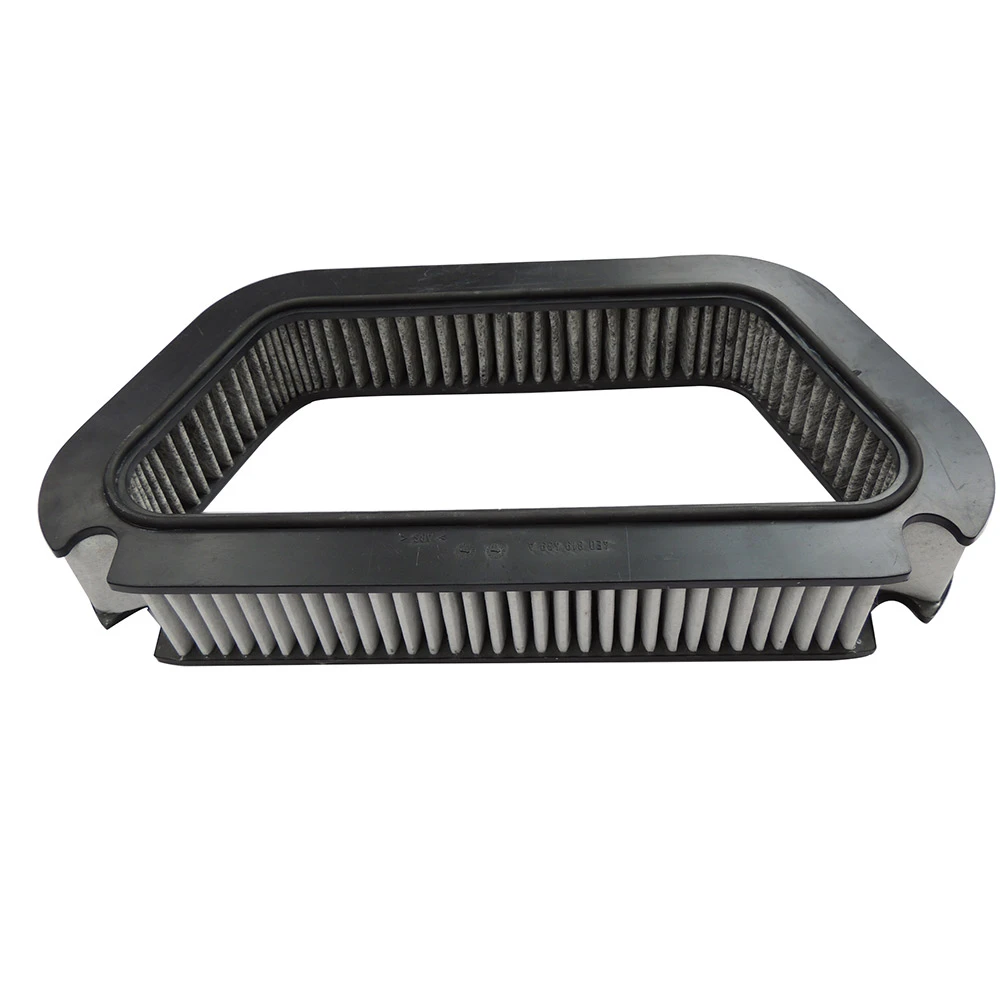
Millions of cars worldwide rely on efficient engine air filters to keep their engines healthy, run cleanly, and maintain peak performance. But oddly enough, many drivers underestimate just how often air filters need to be replaced in cars. This little piece of automotive detail plays a massive role, both economically and environmentally, across the global automotive industry.
At a time when global emissions are under tighter scrutiny—according to UN climate data—understanding the importance of timely air filter replacement is more than just good car care. It’s a cog in the larger machine of cleaner transportation and fuel efficiency worldwide.
Why Does Air Filter Replacement Frequency Matter Globally?
Data from the World Bank estimates around 1.4 billion vehicles operate globally, mostly on internal combustion engines. Each vehicle’s air filter prevents dirty air and particles from damaging the engine, but when clogged, performance drops and emissions rise. It’s a small maintenance step with big ripple effects for air quality, fuel economy, and car longevity.
In practical terms, this means not only saving money on fuel and repairs but also contributing to reduced pollutant output—key as cities worldwide battle smog and health risks.
So, What Does It Mean to Replace Your Car’s Air Filter “Often”?
Simply put: replacing your car’s air filter at appropriate intervals means swapping out the old, clogged filter for a fresh one before it negatively affects your engine’s performance. The frequency depends on driving conditions, vehicle model, and filter quality, but usually ranges from every 12,000 to 15,000 miles—or roughly once a year for average drivers.
Think of the air filter like a mask for your engine—it traps dirt, dust, pollen, and tiny debris before they ever reach the combustion chamber. Over time, that filter gets dirty and can’t do its job properly, causing the engine to breathe poorly, wasting fuel, and sometimes even causing mechanical issues.
Key Factors Influencing How Often Air Filters Should Be Replaced
1. Driving Conditions
If you’re primarily cruising on highways, your air filter usually lasts longer. But if you’re often in dusty or urban environments, replacement might be needed more frequently due to increased particle exposure.
2. Vehicle Make and Model
Modern cars might have better filtration systems or sensors alerting you when replacements are due, whereas older models often rely on manual checks.
3. Filter Material Quality
Higher-end filters can trap more particles for longer but can also be pricier. Some reusable filters can be cleaned and reused—which is eco-friendlier but requires care.
4. Manufacturer Recommendations
This is your best guide! Always consult your owner’s manual for suggested replacement intervals tailored to your car.
5. Environmental Regulations
Some countries have stricter vehicle emission standards that indirectly push regular air filter maintenance to comply with pollution limits.
Air Filter Specs at a Glance
| Specification | Typical Values | Notes |
|---|---|---|
| Recommended Replacement Interval | 12,000 - 15,000 miles | Varies by model and conditions |
| Filter Media | Paper, cotton, foam | Each with different filtration and lifespan |
| Typical Cost | $15 - $50 | Depends on brand and vehicle model |
| Reusability | Some filters are washable | Saves money and reduces waste |
Leading Air Filter Brands Compared
| Brand | Price Range | Filtration Type | Reusability | Warranty |
|---|---|---|---|---|
| K&N | $40-$60 | Cotton gauze | Washable & reusable | 10 years |
| Fram | $15-$25 | Paper | Disposable | 1 year |
| Bosch | $20-$40 | Synthetic & paper blends | Mostly disposable | 2 years |
Global Applications & Use Cases
In the dusty plains of the American Southwest or the congested streets of Mumbai, timely air filter changes can be the difference between smooth car performance and costly repairs. Fleet operators, such as delivery companies and ride-sharing services, rely heavily on strict replacement schedules to maximize vehicle uptime and fuel efficiency.
Oddly enough, even emergency response vehicles benefit significantly—say in wildfire or flooding zones—where air quality can be dramatically compromised. NGO field teams working in remote or post-disaster zones often emphasize air filter maintenance to extend vehicle life during critical missions.
Advantages of Regular Air Filter Replacement
- Cost savings: A clogged filter reduces fuel efficiency; replacing it restores optimal airflow, saving you dollars at the pump.
- Engine protection: Clean air filters minimize engine wear by blocking abrasive particles.
- Enhanced safety: Reliable engine performance helps avoid breakdowns in inconvenient places.
- Environmental impact: Proper maintenance reduces exhaust emissions, a small but meaningful climate action step.
So yeah, it’s not just about the numbers or mechanics—it’s about trust and peace of mind behind the wheel too.
Upcoming Trends & Innovations
The auto industry is seeing shifts towards smart filters that communicate their status via sensors, integrated with your car’s onboard computer. This sort of real-time health monitoring lets drivers know exactly when a replacement is due, no guessing. Additionally, eco-friendly materials like biodegradable filters or those employing nanotechnology to trap even smaller particulates are gaining ground, aligning with global sustainability goals.
Challenges & Solutions in Air Filter Maintenance
The biggest challenge remains driver awareness and adherence. Many motorists either forget or overlook replacement intervals, sometimes because older cars don’t have alert systems. Workshops and digital reminders via apps are helping bridge that gap. Also, there’s some misinformation out there—like thinking a dusty filter is “still good enough”–which experts caution against, highlighting the value of regular check-ups.
FAQ: Common Questions About Car Air Filter Replacement
How do I know when my car’s air filter needs replacing?
Most cars have recommended mileage guidelines (usually about every 12,000-15,000 miles). If your engine feels sluggish, your fuel economy drops, or you see a dirty air filter during inspection, it’s time. Some newer cars have dashboard alerts too.
Can I clean and reuse my air filter instead of replacing it?
Some filters, like those from K&N, are designed to be washable and reusable, which can be more cost-effective and eco-friendly. However, most paper filters are disposable and should be replaced to ensure proper filtration.
What happens if I don’t replace the air filter regularly?
A clogged air filter chokes the engine’s airflow, leading to reduced power, increased fuel consumption, and elevated emissions. Over time, this can cause serious engine damage and costly repairs.
Are cheaper air filters just as good as premium brands?
They can be adequate, but often premium filters provide better filtration and longer lifespans. It depends on your vehicle’s needs and driving conditions.
Does replacing the air filter affect car insurance or warranty?
Regular maintenance, including timely air filter replacement, typically helps keep warranty valid. Insurance usually isn’t directly affected but maintaining your vehicle reduces breakdown risks.
Mini takeaway: Keeping your air filter fresh isn’t just routine maintenance; it’s a small investment with outsized returns in engine health, cost savings, and environmental responsibility. Curious about your specific car? Check out how often do air filters need to be replaced car for detailed advice.
Conclusion
To sum it up, understanding how often air filters need replacing in cars ties into much bigger themes like sustainable transport, cost efficiency, and engine longevity. It’s a straightforward maintenance step that yields reliable performance and cleaner air in the long haul. So next time you’re doing a maintenance check, give your air filter some well-deserved attention—you’ll thank yourself (and your engine) later.
For more expert insights and filter options tailored to your vehicle, visit https://www.jyfilter.com.
A little care today means a smoother ride tomorrow—keep breathing easy out there.
References & Further Reading:
-
Guide on how often do you need to replace engine air filterNewsApr.16,2026
-
Learn how often do you replace air filter in car for engine healthNewsApr.09,2026
-
How Often Do You Replace Car Air Filter For Optimal Engine PerformanceNewsApr.07,2026
-
How Often Do You Replace Engine Air Filter For Optimal Vehicle PerformanceNewsApr.04,2026
-
Understanding How Often Does Engine Air Filter Need to Be Replaced for Optimal PerformanceNewsMar.31,2026
-
How Often Engine Air Filter Change Impacts Performance and LongevityNewsMar.28,2026
-
Understanding How Often to Replace Your Car Air Filter for Optimal PerformanceNewsMar.26,2026
Related Products