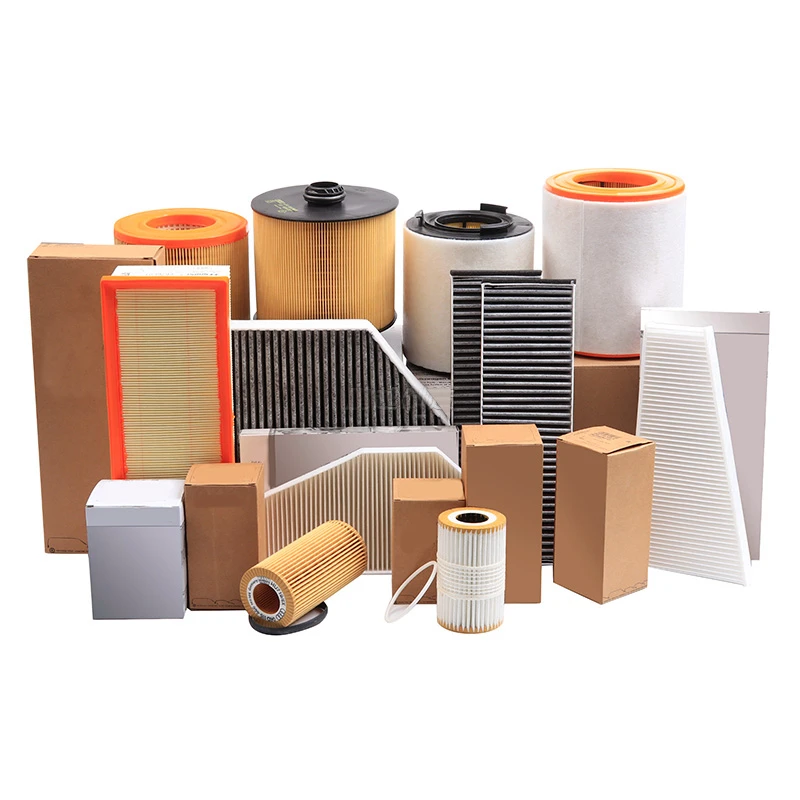
How Often Clean Air Filter Car? A Comprehensive Guide to Optimal Maintenance
The question of how often clean air filter car systems is more than a maintenance routine—it’s a global issue tied to environmental impact, vehicle performance, and user safety. Across the world, air pollution regulations and vehicle emission standards are tightening, making clean air filters indispensable to maintaining engines' longevity and efficiency.
Understanding how often to clean or replace your car's air filter might feel mundane at first. Still, it plays an essential role in reducing emissions, improving fuel economy, and protecting your engine’s health in the long run.
Introduction: The Global Context of Car Air Filter Maintenance
Oddly enough, many vehicle owners overlook the significance of air filter maintenance despite its environmental and mechanical impact. According to the United Nations Environment Programme (UNEP), vehicle emissions contribute substantially to urban air quality degradation, accounting for roughly 25% of air pollutants in many cities worldwide (1).
Dirty or clogged air filters restrict airflow to the engine, leading to high fuel consumption and increased emissions. In regions like Southeast Asia and parts of Europe, where air quality is a persistent challenge, adhering to proper cleaning and replacement schedules for car air filters translates directly into cleaner air and healthier communities.
Definition & Meaning: What Does 'How Often Clean Air Filter Car' Really Mean?
At its core, how often clean air filter car refers to the recommended frequency of servicing or replacing a vehicle’s air filter to ensure optimal engine performance and emissions control.
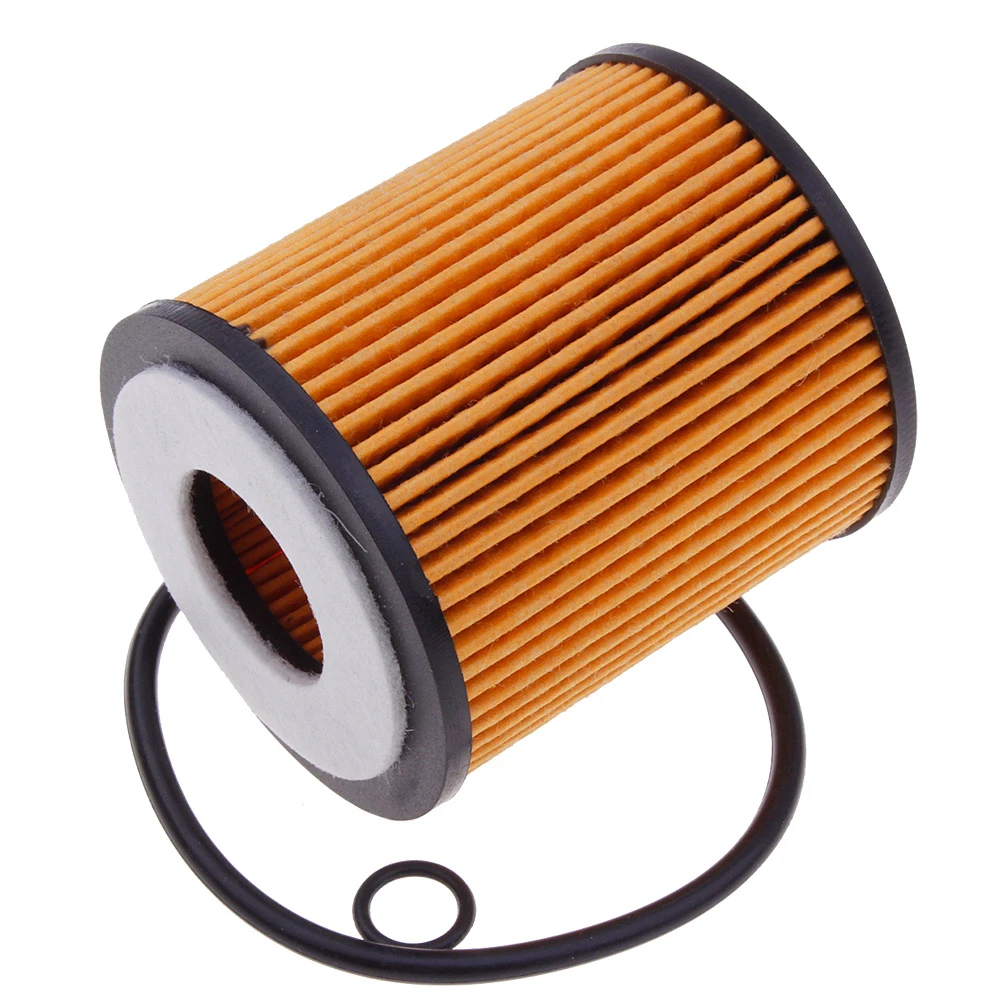
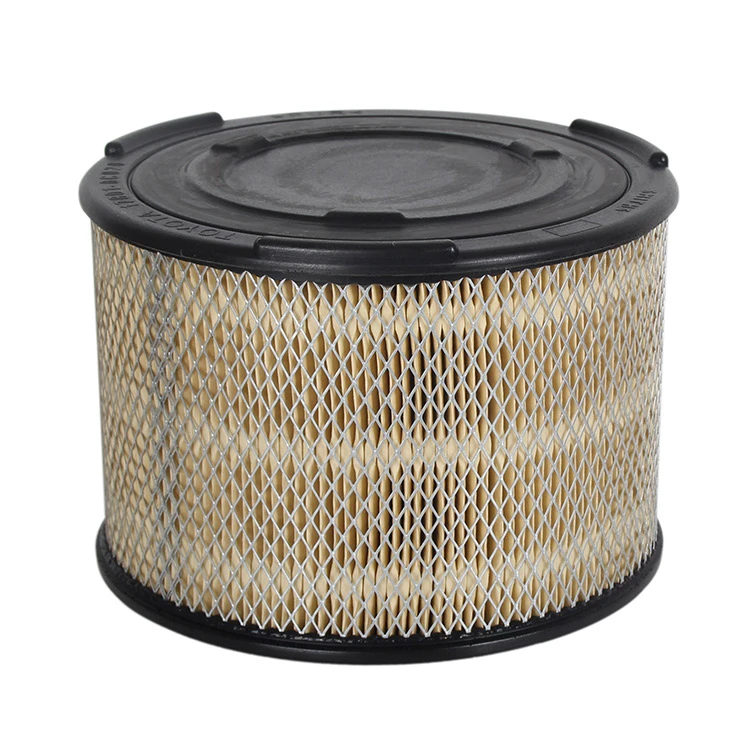
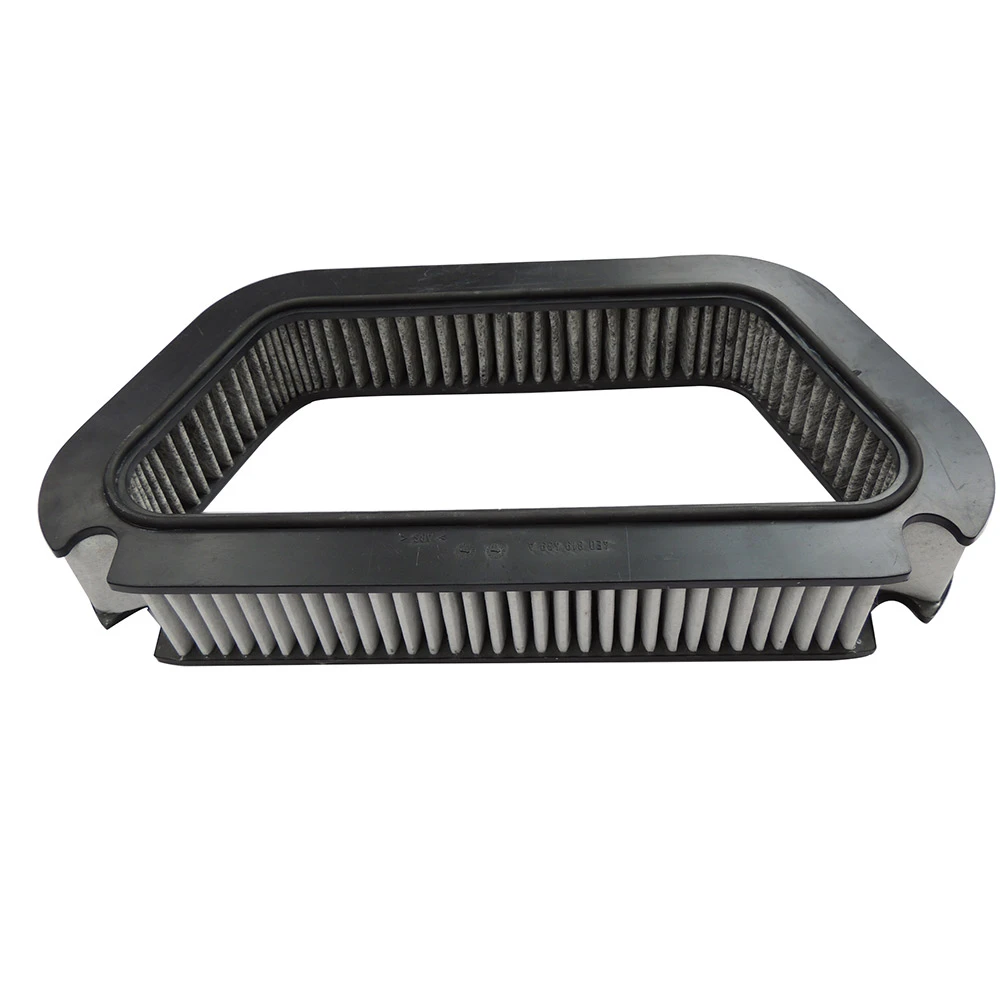
The air filter's job is to trap dust, debris, and airborne particles before they enter the engine. Over time, it accumulates dirt, becoming less effective and eventually requiring attention. This maintenance task aligns not only with automotive care but also with industries striving for cleaner transportation solutions.
Key Factors Influencing Air Filter Cleaning Frequency
1. Driving Environment
Vehicles operating in dusty, sandy, or highly polluted urban areas demand more frequent air filter cleaning or replacement. For instance, off-road driving or frequent exposure to construction dust means your filter clogs up faster.
2. Vehicle Model & Engine Type
Some modern engines incorporate advanced filtration systems, which can last longer. Diesel engines may have different needs than gasoline engines in terms of air filter maintenance intervals.
3. Manufacturer Recommendations
Vehicle manufacturers usually provide specific guidelines in the owner's manual for air filter inspections. This baseline generally suggests cleaning or replacing every 15,000 to 30,000 miles, but it’s best treated as flexible depending on other factors.
4. Seasonal & Climatic Conditions
Dry, windy seasons or areas with wildfire smoke might dramatically reduce a filter’s lifespan. Conversely, humid conditions can sometimes prevent dust from accumulating as quickly.
5. Driving Style
Frequent stop-and-go traffic or idling in crowded cities can stress the engine filter, urging more frequent check-ups.
Global Applications & Real-World Use Cases
Maintenance of air filters isn’t just for everyday city cars—fleet operators, delivery services, and industrial vehicles rely heavily on understanding how often clean air filter car methods work best for them. For example:
- In Indian metropolitan hubs like Delhi, the air filters of public transport buses are cleaned bi-monthly due to extreme air pollution.
- Forestry vehicles in Canada’s remote zones clean filters more frequently during wildfire season to combat ash buildup.
- In Europe, hybrid and electric vehicles still need proper airflow checks to preserve internal climate control and auxiliary systems.
These scenarios highlight how practical, tailored maintenance regimes can preserve not only vehicle performance but also contribute to wider environmental health goals.
Product Specification: Typical Car Air Filter Stats
| Feature | Standard Value | Notes |
|---|---|---|
| Typical Lifespan | 15,000–30,000 miles | Depends on driving conditions |
| Material | Paper, foam, or cotton | Affects filtration efficiency & cleaning ease |
| Filtration Efficiency | Up to 99.9% | Depends on filter rating |
| Maintenance Method | Replacement or cleaning | Cleaning often for reusable types |
Vendor Comparison: Popular Air Filter Brands
| Brand | Filter Type | Lifespan | Price Range | Eco-Friendliness |
|---|---|---|---|---|
| K&N | Washable Cotton | Up to 100,000 miles | $$$ | Reusable |
| Fram | Paper Disposable | 12,000 - 15,000 miles | $ | Disposable |
| Mann-Filter | Paper & Foam | 20,000 - 30,000 miles | $$ | Partly recyclable |
Advantages & Long-Term Value of Proper Air Filter Maintenance
At first glance, cleaning or replacing a car’s air filter may seem trivial. But consider this: a clogged filter decreases your engine's fuel efficiency by a noticeable margin, increasing your carbon footprint while draining your wallet.
More than that, well-maintained filters:
- Reduce harmful emissions that contribute to smog and respiratory problems
- Prolong engine life by preventing dirt and debris from causing damage
- Improve throttle response and acceleration, making driving smoother and safer
- Support sustainability goals by lowering fuel consumption over the vehicle’s lifetime
Logically and emotionally, it feels reassuring to know your car breathes clean air — your vehicle's engine and the environment both thank you. It’s about trust, dignity in care, and an innovation mindset that looks ahead.
Future Trends & Innovations in Car Air Filter Maintenance
The automotive industry is shifting rapidly toward greener and smarter solutions. Here’s what’s on the horizon for air filters:
- Smart Air Filters: Embedded sensors that track filter condition and notify you when cleaning is needed.
- Eco-friendly Materials: Biodegradable or recyclable composites replacing traditional synthetic fibers.
- Self-cleaning Filters: Technologies leveraging vibration or compressed air pulses to dislodge particles automatically.
- Integration with Vehicle Onboard Diagnostics: Real-time adjustments to engine air intake based on filter performance data.
All these advances will help owners better understand how often clean air filter car really means in their unique context.
Challenges & Solutions in Maintaining Clean Air Filters
Naturally, some challenges exist:
- Inconsistent User Awareness: Many drivers don’t check air filters at recommended intervals.
- Cost Constraints: Especially in developing regions, regular maintenance may be neglected due to affordability.
- Environmental Impact: Disposable filters contribute to landfill waste without recycling programs.
The solution lies in education—simple how often clean air filter car guides and incentives to promote reusable filters. Manufacturers are actively exploring eco-friendly designs and better customer communication, which helps bridge the gap. Group filter maintenance programs for fleet vehicles serve as another practical approach.
FAQ: Frequently Asked Questions About How Often Clean Air Filter Car
- Q: How can I tell if my car’s air filter needs cleaning or replacing?
- A: Look for reduced acceleration, lower fuel efficiency, or visible dirt accumulation when inspecting the filter. Generally, if it looks dark and clogged, it’s time for action.
- Q: Can I just clean a disposable paper filter?
- A: It’s not recommended. Disposable filters are designed for replacement, and cleaning them may damage their filtration efficiency.
- Q: Does cleaning an air filter improve engine performance immediately?
- A: Yes, a clean filter improves airflow, which can restore engine power and potentially improve fuel economy.
- Q: Are reusable air filters worth the investment?
- A: Over time, yes. Although they cost more upfront, washable and reusable filters can last many times longer, reducing waste and replacement costs.
- Q: How often should I check my air filter if I drive mostly in a city?
- A: For urban driving with moderate pollution, every 12,000 to 15,000 miles is a good check interval, but adjustments may be needed if traffic or air quality worsens.
Conclusion: Why You Should Care About How Often Clean Air Filter Car
To wrap it up: regular maintenance of your car’s air filter isn’t just a technical chore—it’s a small but vital step toward sustainability, engine preservation, and cleaner air. Whether you’re a daily commuter or a fleet manager, knowing how often clean air filter car matters can save money, extend vehicle life, and contribute to environmental health.
So, why wait? Visit our website: https://www.jyfilter.com for expert tips, product recommendations, and to learn more about keeping your vehicle—and our planet—in the best shape.
In real terms, a clean air filter is one of the simplest yet most effective ways to make your car and the air we breathe a bit better every day.
References
- United Nations Environment Programme (UNEP). Vehicle Emission Impacts on Urban Air Quality. unep.org/resources
- International Organization for Standardization (ISO). Air Filter Standards and Testing. iso.org
- EPA. Vehicle and Engine Emission Standards. epa.gov
-
Guide on how often do you need to replace engine air filterNewsApr.16,2026
-
Learn how often do you replace air filter in car for engine healthNewsApr.09,2026
-
How Often Do You Replace Car Air Filter For Optimal Engine PerformanceNewsApr.07,2026
-
How Often Do You Replace Engine Air Filter For Optimal Vehicle PerformanceNewsApr.04,2026
-
Understanding How Often Does Engine Air Filter Need to Be Replaced for Optimal PerformanceNewsMar.31,2026
-
How Often Engine Air Filter Change Impacts Performance and LongevityNewsMar.28,2026
-
Understanding How Often to Replace Your Car Air Filter for Optimal PerformanceNewsMar.26,2026
Related Products