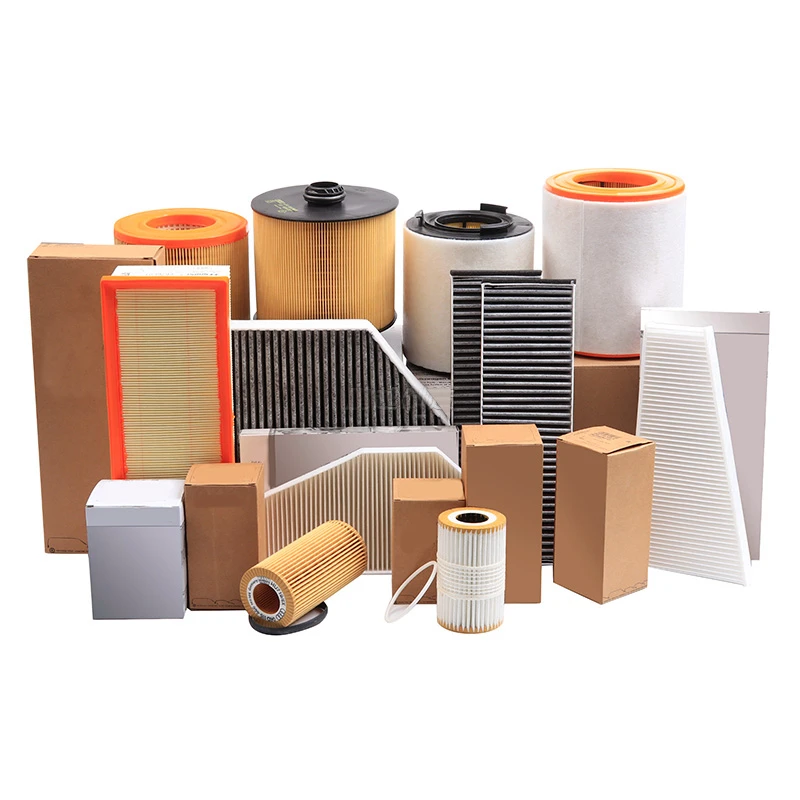
How Often Change Car Cabin Air Filter: A Practical Guide
Understanding how often to change your car cabin air filter isn’t just about avoiding that musty smell inside your car. It’s a surprisingly important piece of your automotive health puzzle — affecting air quality, passenger comfort, and even the longevity of your vehicle’s HVAC system. On a global scale, with millions of cars on the road and urban air pollution worsening, knowing when and why to replace this filter matters a whole lot.
Introduction: Why This Topic Matters Worldwide
Car cabin air filters act like lungs for your vehicle’s interior, blocking dust, pollen, exhaust fumes, and other airborne irritants. According to the World Health Organization, outdoor air pollution causes 4.2 million premature deaths annually — many more breathe in poor air daily. So between polluted cities and natural allergens, keeping your cabin air filter fresh isn’t a niche concern, but a widespread health matter.
Oddly enough, many drivers overlook changing their cabin air filter until they notice foggy windows or uncomfortable odors. This neglect can strain HVAC systems, increasing fuel consumption and repair costs indirectly, not to mention aggravating respiratory issues for passengers.
What is a Car Cabin Air Filter & Why Change It Regularly?
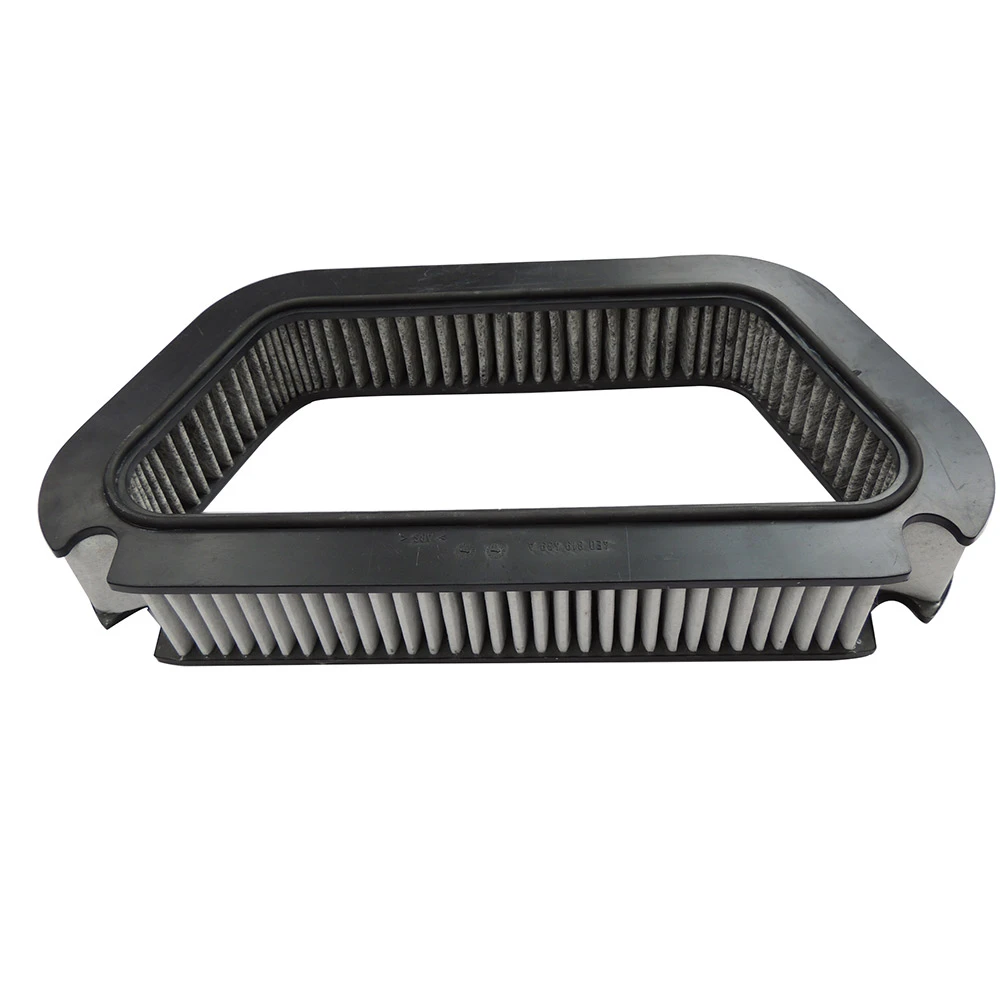
Simply put, your car’s cabin air filter cleans the air coming through the heating, ventilation, and air conditioning (HVAC) system before it circulates inside the cabin. It traps particulates like pollen, mold spores, dust, and vehicle exhaust — vital for passengers’ health and preventing buildup in the HVAC system itself.
The question “how often change car cabin air filter” typically comes down to both manufacturer specs and the environment you drive in. In dusty or urban areas, replacement may be due as often as every 12,000 miles or once a year. In cleaner, rural areas, it can stretch to 15,000–20,000 miles. This filter's maintenance crosses over automotive engineering and public health fields, reflecting growing concerns over vehicle-related air pollution.
Key Factors Affecting Cabin Filter Replacement Frequency
Driving Conditions
Urban commuters face heavy smog and traffic emissions, while off-road or dusty rural drivers deal with dirt and pollen. Both scenarios clog filters faster, requiring more frequent changes.
Climate & Seasonal Variations
Allergy seasons can flood filters with pollen, and damp climates may promote mold growth, both hastening degradation.
Filter Quality and Type
HEPA and activated carbon filters generally last longer and perform better in trapping microscopic particles and odors compared to basic paper filters.
Vehicle Make and Model
Some cars have easier access to filters, encouraging quicker replacements. Others use non-standard sizes or integrated designs which complicate maintenance and affect replacement intervals.
Manufacturer Recommendations
Always check your car’s manual. Automakers base their guidelines on tests balancing cost, performance, and typical use cases.
Mini Takeaway
Your driving habits, environment, and the type of cabin air filter dictate how often you need replacements. Staying alert to these can improve your car’s air quality and HVAC health.
Global Applications & Who Benefits Most
In highly polluted megacities like Delhi or Beijing, where PM2.5 (fine particulate matter) levels routinely exceed safe limits, clean cabin air can be lifesaving. Delivery drivers, cabbies, and daily commuters often change filters more frequently due to relentless exposure.
Conversely, in rural Europe or New Zealand, longer filter life is typical because of less airborne pollution — though pollen spikes still require vigilance. Emergency relief operations, where vehicles ferry people through dust-filled disaster zones, also underscore the need for frequent replacements to maintain sanitary, safe air.
Advantages & Long-Term Value of Regular Changes
- Improved Air Quality: Reduces allergens and pollutants inside the cabin, protecting passenger health.
- System Longevity: Prevents dust accumulation that can clog HVAC fans or valves, reducing wear and repairs.
- Enhanced Comfort: Odor control and efficient heating/cooling performance keep drives pleasant.
- Environmental Impact: Indirect fuel economy gains lower emissions.
Many users report feeling less fatigue and irritation with clear in-car air, a reminder that small maintenance steps like this can add comfort, safety, and peace of mind.
Product Specification Table: Typical Cabin Air Filter
| Feature | Specification |
|---|---|
| Filter Material | Activated Carbon & HEPA Composite |
| Dimensions | Varies by make/model (e.g., 8.0" x 7.5" x 1.0") |
| Lifespan | 12,000 - 15,000 miles or 12 months |
| Filtration Efficiency | >99% for particles >0.3 microns |
| Odor Absorption | High (due to activated carbon layer) |
Vendor Comparison Table: Popular Cabin Air Filters
| Brand | Filter Type | Price Range | Lifespan | Notable Features |
|---|---|---|---|---|
| Bosch | HEPA + Carbon | $20 - $35 | 12,000 miles | High dust and odor filtration |
| FRAM | Standard paper | $10 - $18 | 15,000 miles | Affordable, basic filtration |
| Mann-Filter | HEPA + Carbon | $25 - $40 | 18,000 miles | Premium quality and fit |
| EPAuto | Activated Carbon | $15 - $25 | 12,000 miles | Good odor absorption, budget-friendly |
Future Trends & Innovations
The cabin air filter market is evolving with rising environmental awareness. Innovations include nanofiber filters with superior particle capture, bio-based sustainable materials replacing plastics, and smart filters that signal when replacements are due via IoT sensors.
Automakers are also integrating more efficient HVAC designs to reduce filter load. The push toward electric vehicles (EV) has sparked interest in filters that specifically address battery off-gassing and cabin air recirculation technologies.
Challenges & Expert Solutions
One main challenge is consumer awareness: many simply don’t know “how often change car cabin air filter” should happen until obvious symptoms appear. Some models have difficult access points, discouraging regular maintenance.
Experts recommend a proactive approach: schedule replacements at regular intervals rather than waiting for performance dips, and use higher-grade filters for optimal air quality. Mobile apps and vehicle sensors helping track maintenance have been game-changers recently.
FAQ: Answers to Your Key Questions
Q1: How do I know when to change my car cabin air filter?
A: Look for reduced airflow, unpleasant odors, increased dust inside your car, or check the recommended mileage interval—typically every 12,000 to 15,000 miles. If you follow dusty routes or high pollution areas, consider changing it sooner.
Q2: Can I drive with a dirty cabin air filter?
A: Technically yes, but it reduces air quality and can strain your HVAC system, potentially leading to costly repairs. It’s best to replace it promptly to maintain comfort and system health.
Q3: Are aftermarket cabin air filters as good as OEM?
A: Many aftermarket filters offer comparable or even superior filtration, especially HEPA and activated carbon types. Just ensure they match your vehicle’s specifications for proper fit and function.
Q4: Does changing cabin air filter improve fuel efficiency?
A: Indirectly. A clean filter allows your HVAC system to work efficiently, putting less strain on your engine and accessories, potentially improving fuel economy slightly.
Q5: Where can I learn more about proper cabin air filter maintenance?
A: Trusted automotive sites, manufacturer manuals, and resources like how often change car cabin air filter offer comprehensive guides and tips.
Conclusion: Breathe Easier, Drive Safer
Knowing how often to change your car cabin air filter isn’t just a routine task; it’s a critical step towards safeguarding your health, improving car system efficiency, and enhancing driving comfort. Regular replacements save money and promote sustainability indirectly by keeping emissions down.
Ready for fresher air inside your vehicle? Visit https://www.jyfilter.com to discover high-quality cabin air filters tailored to your needs.
A small change in your car’s filter can make a big difference in the air you breathe every day.
-
Guide on how often do you need to replace engine air filterNewsApr.16,2026
-
Learn how often do you replace air filter in car for engine healthNewsApr.09,2026
-
How Often Do You Replace Car Air Filter For Optimal Engine PerformanceNewsApr.07,2026
-
How Often Do You Replace Engine Air Filter For Optimal Vehicle PerformanceNewsApr.04,2026
-
Understanding How Often Does Engine Air Filter Need to Be Replaced for Optimal PerformanceNewsMar.31,2026
-
How Often Engine Air Filter Change Impacts Performance and LongevityNewsMar.28,2026
-
Understanding How Often to Replace Your Car Air Filter for Optimal PerformanceNewsMar.26,2026
Related Products