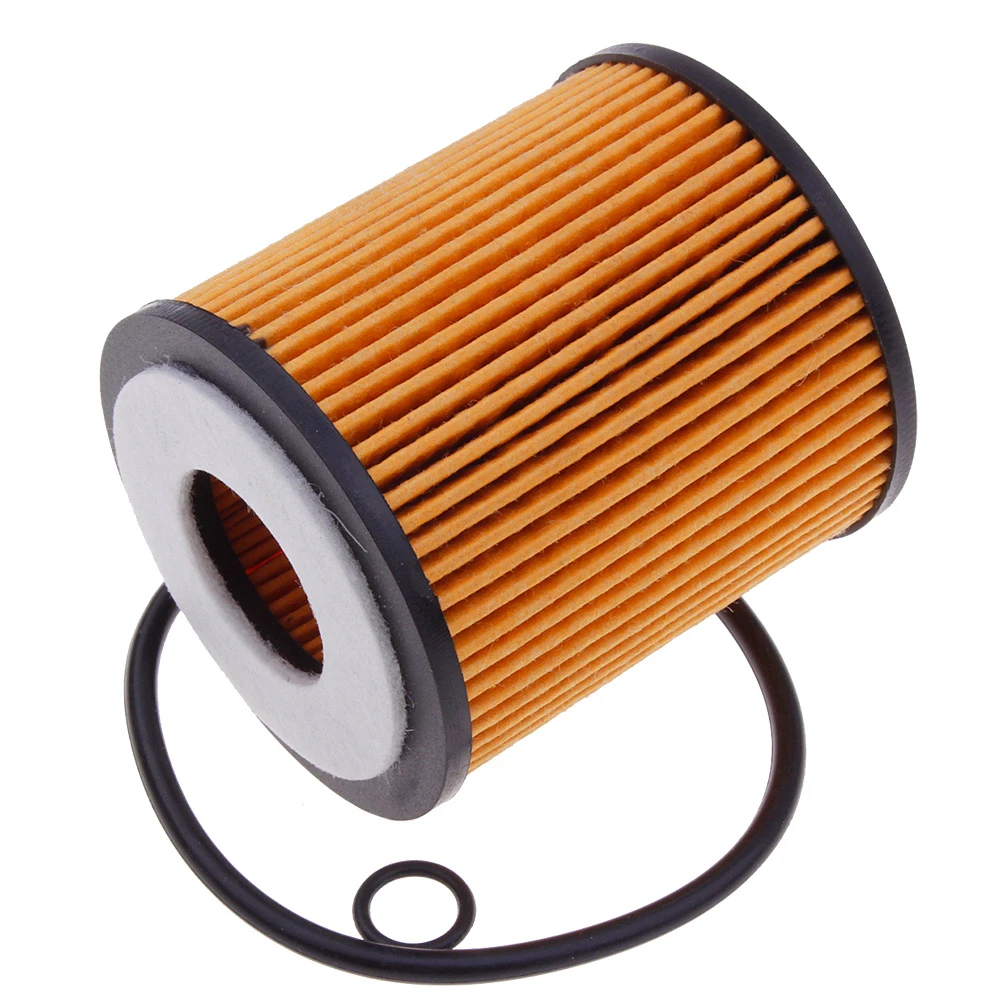
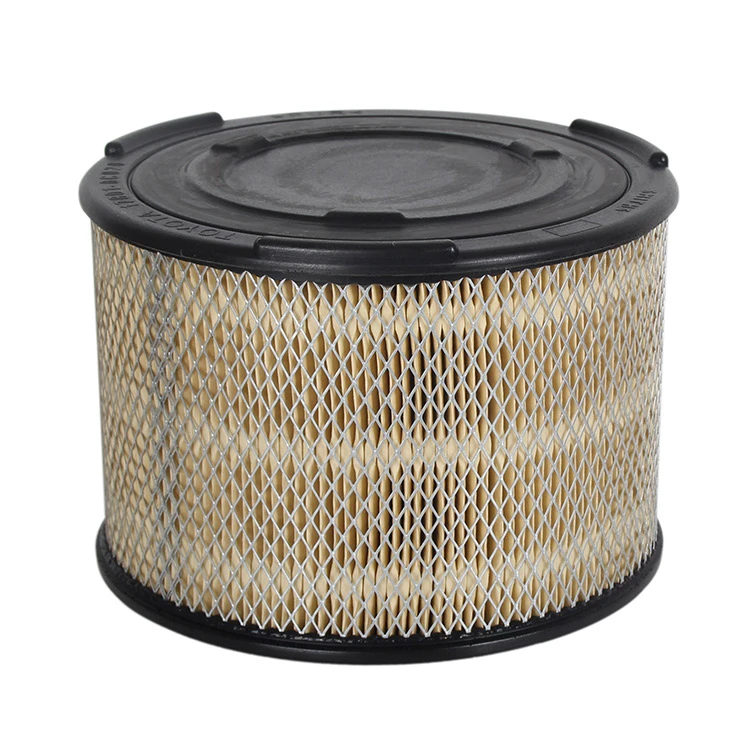
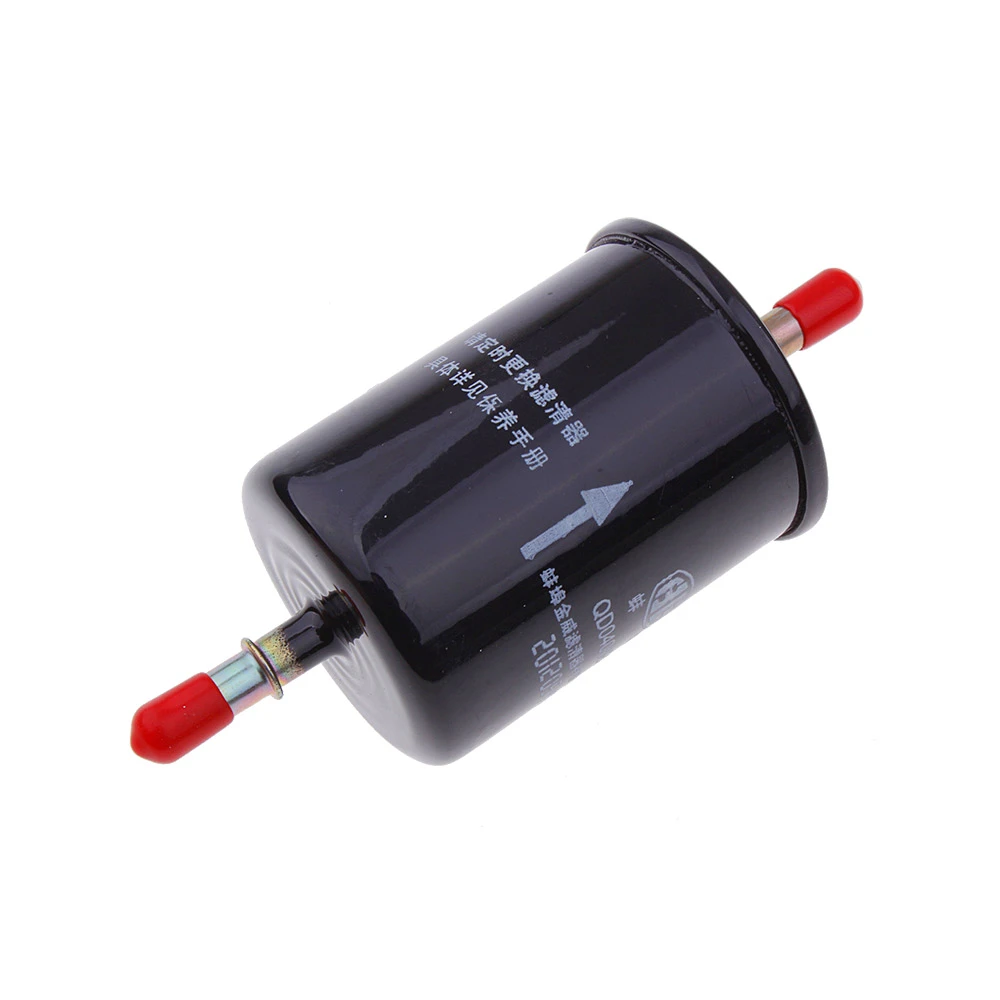
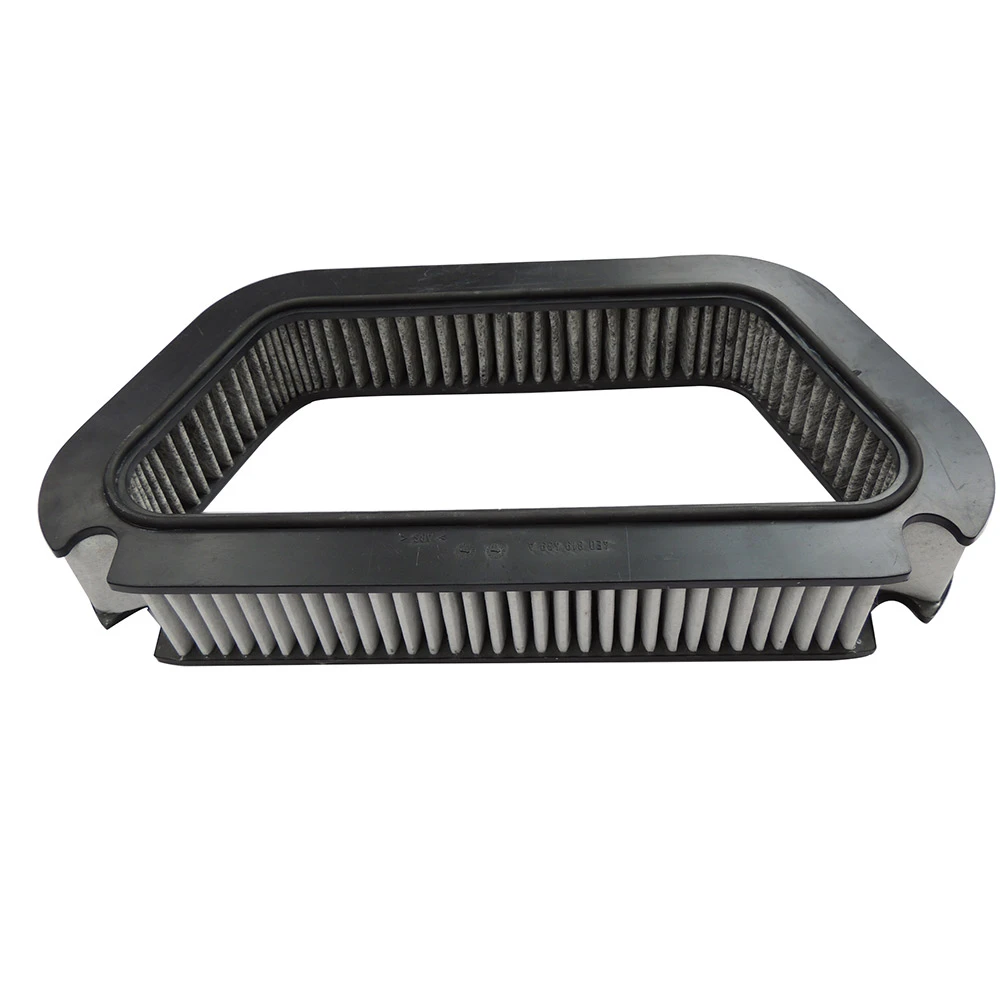
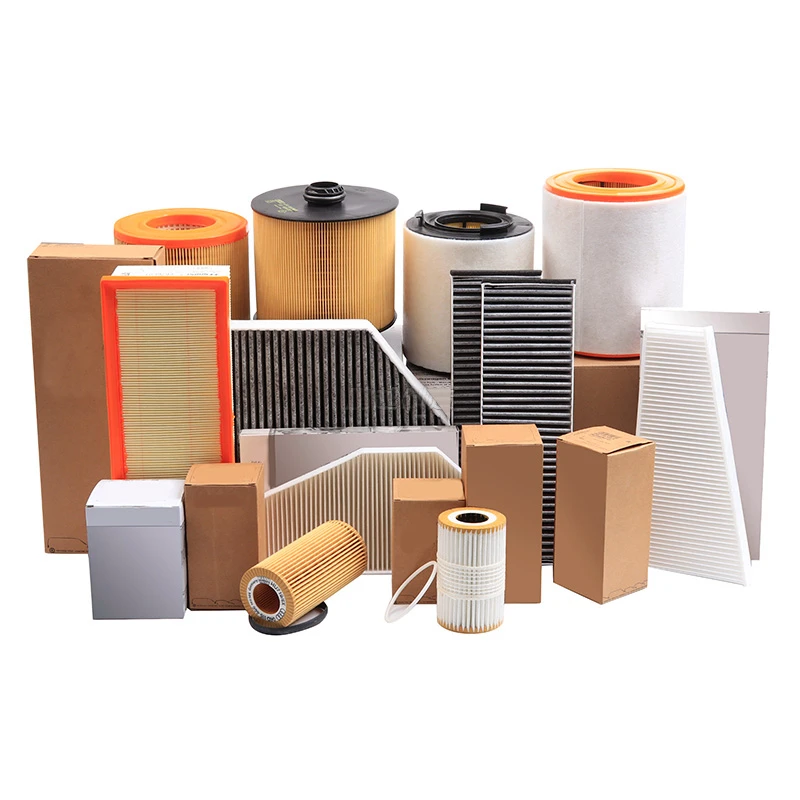
How Often Change Car Engine Air Filter: A Key to Vehicle Health and Performance
If you’ve ever wondered how often to change your car engine air filter, you’re not alone. It’s one of those maintenance tasks that many car owners either forget or underestimate. Yet, the air filter plays a surprisingly vital role—not just for your engine’s health but also in reducing emissions and improving fuel efficiency. Worldwide, millions of vehicles rely on clean air filters daily to run smoothly. Understanding when and why to replace your air filter can save you money, protect the environment, and keep your ride running longer.
Introduction: Why The Frequency of Car Engine Air Filter Replacement Matters Globally
Globally, the automotive industry accounts for an estimated 1.2 billion vehicles on the road today ([Statista, 2023](https://www.statista.com)). With millions of new cars produced yearly, maintaining engine efficiency is a shared challenge. According to the United Nations Environment Programme, vehicle emissions significantly contribute to urban air pollution. A clogged or dirty engine air filter directly affects combustion efficiency, increasing pollutant output.
Automakers and mechanics alike recognize this. The ISO 9001 standards emphasize regular maintenance, including air filter changes, to sustain vehicle performance and environmental compliance. Yet many drivers overlook the recommended interval, either out of convenience or lack of awareness. This oversight leads to reduced fuel economy and premature engine wear, costing consumers and polluting cities.
What Does “How Often Change Car Engine Air Filter” Mean?
Simply put, this question asks: How frequently should the car’s engine air filter be replaced to maintain optimal performance? The engine air filter traps dust, dirt, pollen, and other airborne particles, preventing them from entering the combustion chamber. Over time, these pollutants clog the filter, restricting airflow.
This maintenance step is essential in both consumer vehicles and industrial contexts. Heavy-duty vehicles, farming machinery, and even humanitarian relief vehicles rely on clean air filters to remain operational in dusty or challenging environments.
Key Factors Influencing When to Replace Your Engine Air Filter
1. Driving Environment
Driving in dusty, rural, or construction-heavy areas accelerates filter clogging. If you often drive off-road or in areas with poor air quality, replacement intervals should be shorter than the usual 12,000 to 15,000 miles.
2. Vehicle Manufacturer Recommendations
Different vehicles have varying specifications. Some modern cars use high-performance filters rated for longer use, while older models need more frequent attention.
3. Engine Type and Size
Smaller engines may be more sensitive to airflow restrictions, meaning even slight clogging impacts power and efficiency. Larger engines might tolerate minor debris better but still require care.
4. Quality of the Air Filter
Filters come in various types—paper, cotton, foam, or synthetic materials. More advanced filters trap finer particles and last longer but also cost more upfront.
5. Personal Driving Habits
Frequent short trips, stop-and-go traffic, or heavy acceleration all stress the engine and its air intake, potentially necessitating faster replacements.
Common Specifications of Car Engine Air Filters
| Specification | Typical Range | Notes |
|---|---|---|
| Filter Material | Paper, Cotton, Foam, Synthetic | Material affects lifespan and efficiency |
| Lifespan Mileage | 10,000 - 30,000 miles | Depends on environment and filter type |
| Airflow Restriction | Minimal at start, increases with clogging | Measured in Pascals (Pa) |
| Dust Holding Capacity | 10 - 25 grams | Varies with filter design |
Global Applications & Varied Use Cases
In dusty regions, such as parts of India and the Middle East, drivers might need to replace engine air filters as often as every 5,000 miles. Meanwhile, in cleaner environments like Northern Europe, the same filter might last double that.
Heavy-duty trucks in mining or construction industries face harsher air conditions than regular passenger cars. In fact, some organizations operating humanitarian vehicles in disaster zones like Ethiopia or Haiti rely on rapid filter changes to keep engines from failing amid dust storms.
This wide variability complicates a one-size-fits-all recommendation, your best bet is to consult your vehicle’s handbook and consider your driving conditions. For many engines, sticking within 12,000 to 15,000 miles is a safe default.
Vendor Comparison: Air Filter Brands Price vs. Performance
| Brand | Price Range | Material | Typical Lifespan (Miles) | Warranty |
|---|---|---|---|---|
| ACDelco | $15 - $30 | Paper | 15,000 - 20,000 | 12 months |
| K&N | $40 - $70 | Cotton (Washable) | Up to 50,000 (with maintenance) | Limited Lifetime |
| Fram | $10 - $25 | Paper | 12,000 - 15,000 | 6 months |
| Mann-Filter | $20 - $35 | Synthetic & Paper blend | 15,000 - 25,000 | 12 months |
Advantages & Long-Term Value of Timely Air Filter Replacements
- Fuel Efficiency: A clean air filter improves airflow, enabling better fuel combustion and saving you money at the pump.
- Engine Longevity: Filters protect the engine from abrasive particles, reducing wear and costly repairs.
- Lower Emissions: Less dirty air helps maintain proper engine function, which minimizes harmful tailpipe emissions.
- Driving Performance: You’ll notice better acceleration and smoother idling with a fresh filter.
- Safety & Trust: Knowing your engine breathes clean air offers peace of mind on every trip.
Beyond the technical and economic, there’s something reassuring about basic maintenance that keeps your trusted car humming along. It’s like caring for an old friend—it pays off in reliability and fewer breakdowns.
Future Trends & Innovations
Oddly enough, engine air filters are quietly evolving. The shift towards electric vehicles might reduce demand for traditional air filters, but for now, the global fleet of combustion engines still needs them badly. Filter manufacturers are exploring nanofiber materials that trap even smaller particles and last longer.
At the same time, some automakers now integrate smart sensors that monitor filter condition in real-time, triggering reminders precisely when replacement is needed instead of relying solely on mileage estimates.
Sustainability is a big deal, too. Biodegradable filters or washable, reusable ones are gaining ground as savvy consumers demand greener options.
Challenges & Solutions
One challenge is the "one size fits all" mindset that incorrectly assumes all air filters wear out the same. This leads to either premature replacements (wasting money) or delayed maintenance (damaging engines). Another issue is the difficulty some drivers have accessing their air filters for inspection or replacement.
Technicians recommend routine visual checks every oil change, especially if driving frequently in dirty or urban environments. For innovation, some companies now provide modular, easy-to-replace filters or kits that include cleaning tools and instructions, lowering the barrier to proper upkeep.
FAQ: Frequently Asked Questions About How Often to Change Car Engine Air Filter
Q: How often should I replace my car engine air filter under normal driving conditions?
A: Generally, manufacturers recommend changing your air filter every 12,000 to 15,000 miles, or about once a year if you drive less. However, always check your vehicle’s manual for specifics.
Q: Can I just clean my air filter instead of replacing it?
A: Some filters, like K&N cotton types, are washable and reusable with proper cleaning. Paper filters, which are most common, should be replaced since cleaning may damage them.
Q: What signs indicate my air filter needs replacing?
A: Reduced fuel efficiency, sluggish engine response, engine misfires, or a dirty visible filter surface are good indicators it's time to change the filter.
Q: Does a dirty air filter cause engine damage?
A: Over time, yes. A clogged filter restricts airflow, causing an improper fuel-air mix that can reduce engine power and potentially cause damage.
Q: Are premium air filters worth the extra cost?
A: Premium filters often have higher dust-holding capacity and longer life spans. If you drive in challenging environments, they can be cost-effective over time despite their higher upfront price.
Mini takeaway: The frequency of air filter replacement depends on driving conditions, filter type, and vehicle specs. Awareness and timely action are key.
In Conclusion
Understanding how often to change your car engine air filter is more than just ticking a maintenance box. It’s a simple, cost-effective way to improve fuel economy, protect the engine, and reduce environmental impact. Whether you drive the dusty roads of a rural area or the busy streets of a city, keeping tabs on your air filter will pay dividends. If you want to dig deeper into maintenance tips or find quality filters, visit https://www.jyfilter.com for trusted options and expert advice.
Happy driving—and may your engine always breathe easy!
References:
1. Statista: Global Motor Vehicle Data
2. United Nations Environment Programme (UNEP)
3. ISO 9001 Quality Management Standards
-
Guide on how often do you need to replace engine air filterNewsApr.16,2026
-
Learn how often do you replace air filter in car for engine healthNewsApr.09,2026
-
How Often Do You Replace Car Air Filter For Optimal Engine PerformanceNewsApr.07,2026
-
How Often Do You Replace Engine Air Filter For Optimal Vehicle PerformanceNewsApr.04,2026
-
Understanding How Often Does Engine Air Filter Need to Be Replaced for Optimal PerformanceNewsMar.31,2026
-
How Often Engine Air Filter Change Impacts Performance and LongevityNewsMar.28,2026
-
Understanding How Often to Replace Your Car Air Filter for Optimal PerformanceNewsMar.26,2026
Related Products