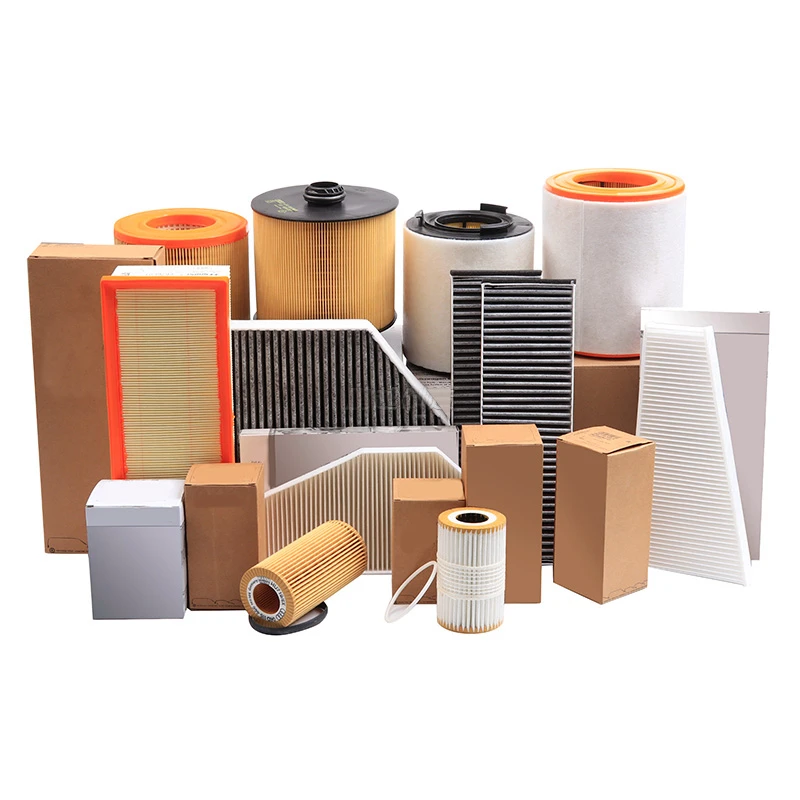
How Often Change Cabin Filter in Car: Understanding the Need for Clean Air on the Go
We rarely think about the tiny cabin filter tucked behind our dashboard, yet it plays a surprisingly big role in our daily drives. Knowing how often to change the cabin filter in your car isn't just a maintenance detail; it's key to protecting your health, improving vehicle efficiency, and enhancing comfort — benefits that resonate worldwide as urban air pollution climbs.
Introduction: Why This Matters Globally
According to the World Health Organization, nearly 99% of the global population breathes air that exceeds WHO guideline limits for pollutants. Cars, often our refuge while moving through polluted cities, can turn into smog chambers without proper air filtration. The cabin air filter acts as a frontline defense, trapping harmful particles, pollen, and unpleasant odors.
Frankly, the question of how often change cabin filter in car is a familiar challenge in many parts of the world, especially in bustling metropolises like Beijing, New Delhi, or Los Angeles — places where particulate matter and allergens are a daily threat.
What Does 'How Often Change Cabin Filter in Car' Actually Mean?
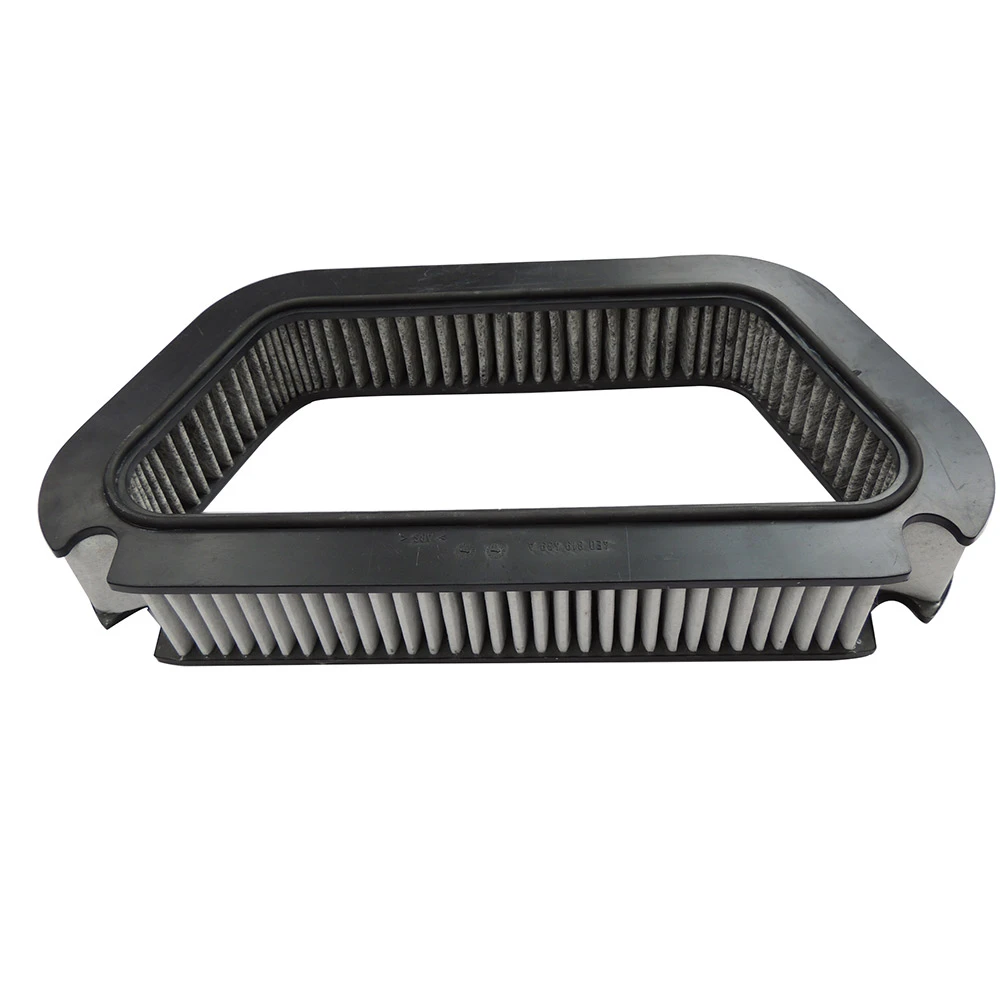
Simply put, the phrase addresses the recommended frequency or interval at which you replace the cabin air filter inside your vehicle. This filter cleans the incoming air that enters your car’s interior through the heating, ventilation, and air conditioning (HVAC) system.
Its importance has grown alongside the modern automotive industry’s focus on health, sustainability, and vehicle reliability. For instance, a clogged cabin filter can reduce airflow, stress your HVAC system, and fosters discomfort for drivers and passengers alike.
Key Factors Influencing Cabin Filter Changes
1. Driving Environment and Air Quality
Urban or industrial areas with high pollution and dust mean faster filter clogging. On dusty roads or during pollen-heavy spring seasons, filters demand quicker replacement.
2. Vehicle Manufacturer Recommendations
Most automakers suggest changing the cabin filter every 12,000 to 15,000 miles or roughly once a year. Yet, it’s best to check your owner’s manual or service booklet as intervals can vary.
3. Filter Type and Quality
Standard cellulose filters tend to clog more quickly, whereas high-efficiency particulate air (HEPA) or activated carbon versions last longer and trap more contaminants but may cost more upfront.
4. Usage Frequency
Cars used daily or for extended periods wear filters faster compared to vehicles used occasionally.
5. Symptoms of a Worn Cabin Filter
- Musty odors inside the car
- Reduced airflow through ventilation
- Increased allergy or respiratory symptoms while driving
Mini Takeaway
Determining how often to change cabin filter in car depends on environment, usage, and filter type. You can’t just set a fixed timeline—pay attention to symptoms and recommendations.
Global Applications & Real-World Use Cases
Cabin air filters are critical for taxi drivers in megacities, emergency vehicles in wildfire-prone regions, and delivery fleets navigating dusty highways. For example:
- In Delhi, where particulate matter levels often reach hazardous stages, taxi services schedule filter replacements every 6 months.
- In the U.S., during wildfire seasons in California, many recommend changing cabin filters after smoke exposure to prevent lingering pollutants.
- European automakers increasingly mandate HEPA cabin filters for electric vehicles to align with clean air initiatives.
Advantages & Long-Term Value of Timely Filter Replacement
Replacing cabin filters regularly:
- Maintains clean, breathable air in your car, critical for people with allergies or asthma
- Protects HVAC components, preventing costly repairs
- Enhances fuel efficiency slightly by reducing HVAC strain
- Creates a more pleasant driving experience free from dust and odors
On an emotional level, it’s about safety and comfort—you trust your car to keep you safe not only from accidents but also from the invisible pollutants around you.
Future Trends & Innovations in Cabin Air Filtration
Looking ahead, cabin filter tech is evolving with:
- Smart sensors that notify drivers exactly when to replace filters
- Antimicrobial coatings to reduce bacteria and viruses inside the car
- Eco-friendly and recyclable filter materials aligning with sustainability goals
- Integration into connected car systems for predictive maintenance
Oddly enough, electric and autonomous vehicles put new demands on cabin air quality, pushing manufacturers to rethink filtration standards entirely.
Challenges & Solutions
One of the classic issues is user neglect—because the cabin filter is hidden, many forget it exists. Plus, with varying standards and part qualities on the market, customers often face confusion.
Experts suggest automated reminders via vehicle infotainment, and the rise of professional service apps can simplify timely replacements. Also, some recommend upgrading to filters with activated carbon for better odor and pollutant control.
Cabin Filter Product Specifications
| Spec | Standard Filter | HEPA Filter | Activated Carbon Filter |
|---|---|---|---|
| Particle Filtration Efficiency | ~80% | >99.97% | ~95% + odor control |
| Typical Lifespan | 12,000 miles / 1 year | 15,000 miles / 1.5 years | 12,000 - 15,000 miles |
| Cost Range | $10–$20 | $25–$40 | $20–$35 |
| Common Brand Examples | Fram, Bosch | 3M, Mann-Filter | K&N, EPAuto |
Vendor Comparison for Cabin Air Filters
| Vendor | Filter Types Offered | Price Range | Availability | Warranty |
|---|---|---|---|---|
| Fram | Standard, Activated Carbon | $10–$30 | Widely available | Limited |
| Mann-Filter | HEPA, Standard | $20–$45 | International | 2 Years |
| K&N | Activated Carbon, Reusable | $30–$65 | Selective markets | Limited Lifetime |
FAQ: Frequently Asked Questions About How Often to Change Cabin Filter in Car
- Q1: How do I know when it’s time to replace my cabin air filter?
- A: Signs include reduced airflow from vents, unpleasant odors, or increased allergy symptoms. Most importantly, follow your car manufacturer’s guideline, usually around 12,000 to 15,000 miles.
- Q2: Can I change the cabin filter myself or should it be done by a mechanic?
- A: Many cabin filters are designed for easy DIY replacement, often behind the glove box. Check your vehicle manual for instructions. If unsure, professional servicing ensures correct installation.
- Q3: Is upgrading to a HEPA or activated carbon filter worth the extra cost?
- A: Definitely. They filter more fine particles, control odors better, and boost air quality significantly, particularly useful in urban or polluted environments.
- Q4: Will a dirty cabin filter affect fuel economy?
- A: Indirectly, yes. A clogged filter forces the HVAC system to work harder, drawing more power from the engine, which can marginally reduce fuel efficiency.
- Q5: How often do experts recommend changing cabin filters in heavy-use commercial vehicles?
- A: For vehicles used daily in polluted or dusty areas, every 6 months to 10,000 miles is common to ensure consistent air quality and HVAC performance.
Conclusion
Understanding how often to change cabin filter in car is more than upkeep—it's about health, efficiency, and comfort that follows you anywhere. Whether you’re commuting in a sprawling city or cruising rural roads, a clean cabin filter is a silent guardian for your well-being.
For reliable filters suited to any condition, visit our website: https://www.jyfilter.com to explore your options.
Oddly enough, it’s that simple step—changing a filter—that can make your daily drive a healthier, more pleasant experience.
References
-
Guide on how often do you need to replace engine air filterNewsApr.16,2026
-
Learn how often do you replace air filter in car for engine healthNewsApr.09,2026
-
How Often Do You Replace Car Air Filter For Optimal Engine PerformanceNewsApr.07,2026
-
How Often Do You Replace Engine Air Filter For Optimal Vehicle PerformanceNewsApr.04,2026
-
Understanding How Often Does Engine Air Filter Need to Be Replaced for Optimal PerformanceNewsMar.31,2026
-
How Often Engine Air Filter Change Impacts Performance and LongevityNewsMar.28,2026
-
Understanding How Often to Replace Your Car Air Filter for Optimal PerformanceNewsMar.26,2026
Related Products