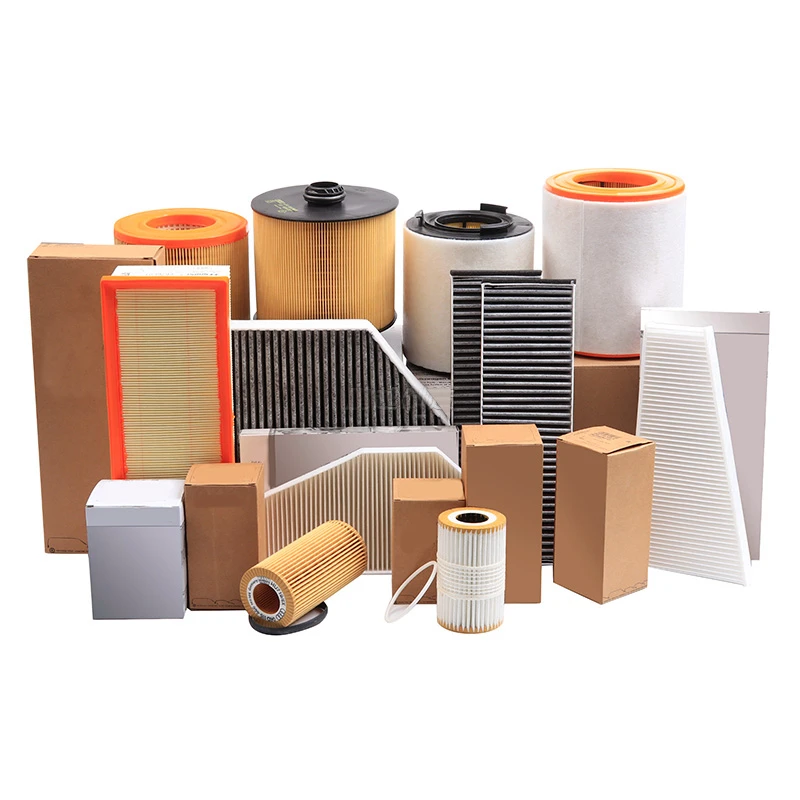
How Often Change Cabin Air Filter in Car: A Simple Guide to Cleaner Air and Better Health
Have you ever wondered just how often you should change the cabin air filter in your car? It might seem like a minor maintenance detail, but honestly, it matters quite a bit—both for your health and the overall function of your vehicle. Clean cabin air filters help trap dust, pollen, and other pollutants, making your in-car environment healthier, especially if you spend lots of time commuting or have allergies. Globally, with rising urban pollution levels and increasing vehicular use, understanding the how often change cabin air filter in car isn’t just good practice; it’s becoming a necessity in effecting better air quality inside your vehicle.
Introduction: Why the Cabin Air Filter Maintenance Matters Globally
The global vehicle population is staggering. According to the International Organization of Motor Vehicle Manufacturers (OICA), there are over 1.4 billion cars worldwide, and rising emissions and air pollution levels present increasing health hazards inside vehicles. The World Health Organization (WHO) reports that ambient air pollution contributes to millions of premature deaths annually. Given that many vehicles recirculate air through the cabin air filter, frequently replacing this component can significantly reduce harmful particle exposure inside the car. The ongoing challenge is that many drivers aren't aware of the ideal frequency for changing these filters, leading to clogged filters, reduced airflow, and worse air quality.
What Does "How Often Change Cabin Air Filter in Car" Really Mean?
Simply put, the phrase refers to the recommended interval or schedule at which a vehicle’s cabin air filter should be replaced to maintain optimal air quality inside the car. Cabin air filters remove pollutants like dust, pollen, mold spores, and exhaust fumes before they enter the passenger cabin. This maintenance practice aligns with evolving industry standards, ensuring vehicles meet air quality regulations and drivers stay comfortable and protected. It’s, frankly, a small but crucial upkeep task that directly impacts driver well-being—a concern shared worldwide, especially in regions with high vehicular emissions and dust.
Key Factors Impacting How Often You Should Change Your Cabin Air Filter
1. Driving Environment
If you’re driving mostly in urban areas with heavy traffic or dusty rural zones, the filter clogs faster. Urban pollution includes soot, nitrogen oxides, and particulate matter, while rural roads kick up dirt and pollen.
2. Air Quality and Pollution Levels
Regions with higher pollution (think megacities like Delhi, Beijing, or Mexico City) require more frequent changes than places with cleaner air. Filters in these areas can saturate way quicker.
3. Vehicle Usage Frequency and Duration
Daily commuters rack up mileage, using the ventilation system more than weekend drivers or occasional users, making timely replacement essential.
4. Filter Type and Quality
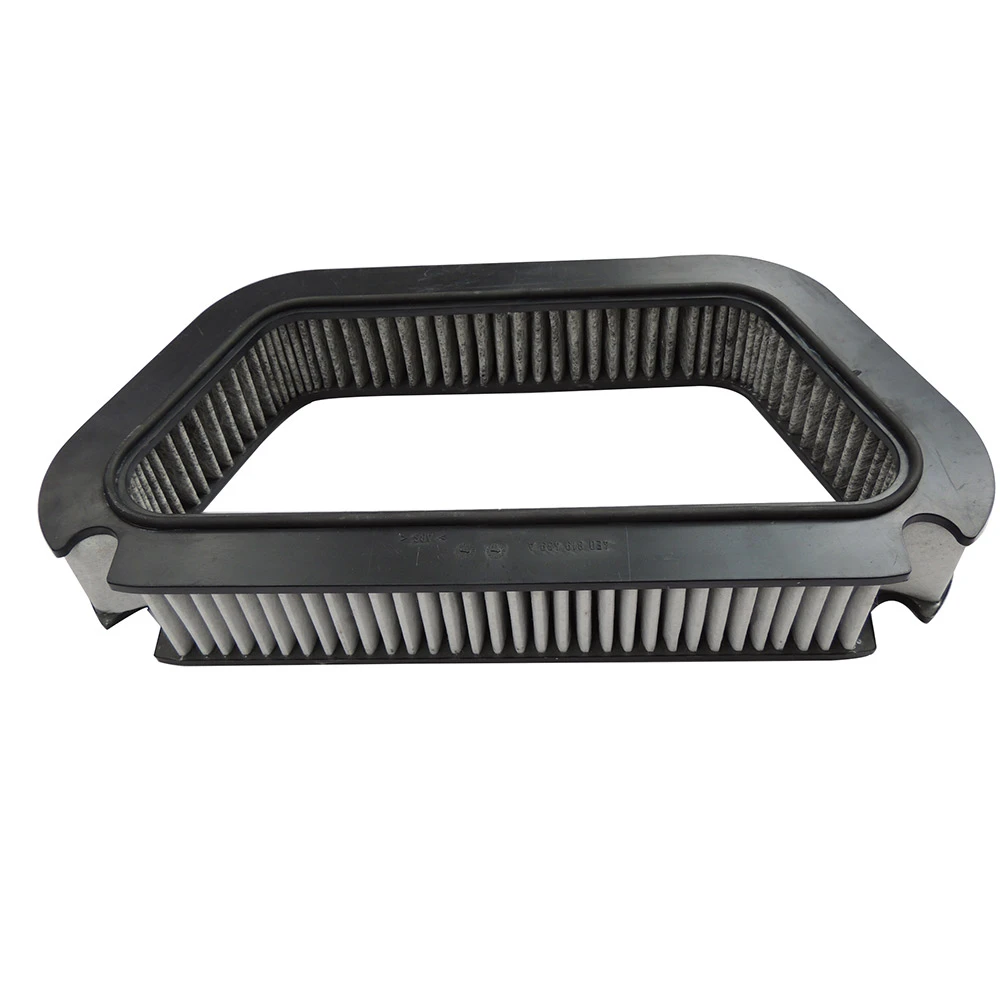
Standard particulate filters need changing more often than premium activated carbon filters, which absorb odors and volatile organic compounds (VOCs) as well.
5. Manufacturer Recommendations
Your car’s manual will specify the frequency (often 12,000–15,000 miles or annually). Sticking to this is wise, though real-world conditions might require adjustments.
Mini Takeaway:
How often you should change your cabin air filter depends on where and how you drive, plus the quality of the filter itself. Staying proactive beats breathing dirty air.
Global Applications: Real-World Use Cases of Cabin Air Filter Maintenance
On a global scale, municipal fleets in polluted megacities have recognized the importance of scheduled cabin air filter replacements to protect drivers. In industrial zones, especially where dust and chemical pollutants abound, companies mandate frequent air filter maintenance. Even humanitarian organizations operating in dusty, disaster-affected regions appreciate the value of clean cabin air filters for their vehicles—they help safeguard drivers and staff who spend hours in vehicles for relief efforts. In Europe and North America, climate control systems paired with high-grade filters are becoming standards to improve in-vehicle air quality amid growing allergy cases.
Advantages & Long-Term Value of Timely Cabin Air Filter Changes
- Health benefits: Reduces allergens and pollutants entering the cabin, important for respiratory health.
- Improved vehicle efficiency: Clean filters support proper HVAC function, improving airflow and fuel economy.
- Cost savings: Prevents expensive HVAC repairs caused by clogged filters or mold buildup.
- Enhanced comfort and safety: Clear windows and scratch-free air conditioning help maintain visibility and driver alertness.
Emotionally, it’s about trust in your vehicle to provide a safe refuge from the outside world’s pollution, something many drivers don’t think much about—until it’s too late.
Product Specification Example: Cabin Air Filter Comparison
| Feature | Standard Particulate Filter | Activated Carbon Filter |
|---|---|---|
| Filtration Capability | Captures dust, pollen, and basic pollutants | Captures dust, pollen + odors + gases (VOCs) |
| Lifespan | 12,000–15,000 miles | 15,000–20,000 miles |
| Cost | Low to moderate | Moderate to high |
| Recommended For | General urban and rural driving | Polluted or high-odor environments |
| Maintenance | Replace when clogged or every year | Replace every 12–18 months or as needed |
Vendor Comparison for Cabin Air Filters
| Brand | Price | Filter Type | Average Lifespan | Warranty |
|---|---|---|---|---|
| JyFilter Pro | $$ | Activated Carbon | 18,000 miles | 2 years |
| AutoFresh | $ | Standard Particulate | 12,000 miles | 1 year |
| ClearAir Filters | $$$ | Activated Carbon + HEPA | 20,000 miles | 3 years |
Future Trends & Innovations in Cabin Air Filter Technology
Oddly enough, as electric vehicles (EVs) gain popularity, cabin air filters are evolving, too. New filter materials with nanofibers and graphene promise even better pollutant capture. Some innovators are integrating sensors that monitor air quality in real-time and alert drivers when a replacement is due—talk about digital transformation! Sustainability also factors in, with biodegradable filters and greener manufacturing processes becoming more common. Further, some automakers are pushing cabin air filtration systems that actively purify air using UV light or ionization technologies, reducing bacteria and viruses during pandemics.
Challenges & Solutions
One common issue? People simply forget or ignore replacement schedules, leading to clogged filters that reduce airflow and worsen air quality. Additionally, lower-quality filters might degrade quickly under heavy pollutants. Experts recommend routine vehicle maintenance checks and using filters certified by recognized standards like ISO to avoid these pitfalls. Manufacturers like JyFilter also offer subscription-based replacement services to remove the “remembering” hassle entirely.
FAQ: How Often Change Cabin Air Filter in Car
- Q: How do I know when my cabin air filter needs changing?
A: Common signs include reduced airflow from vents, unpleasant odors, and increased dust inside the car. Many manufacturers recommend changing it annually or every 12,000–15,000 miles, though heavy-pollution areas call for more frequent changes. - Q: Can I clean and reuse my cabin air filter?
A: Most cabin air filters are designed for single use. Some specialized reusable filters exist but require careful cleaning; generally, replacement is safer and more effective. - Q: Does a dirty cabin air filter affect my car’s fuel efficiency?
A: Yes, clogged filters force HVAC systems to work harder, which can slightly affect fuel consumption, especially in older vehicles. - Q: Are all cabin air filters the same size?
A: No, filter sizes vary widely by vehicle make and model. Always check your owner’s manual or consult a trusted vendor for the correct fit.
Conclusion: Breathe Easy—Regular Cabin Air Filter Changes Are Worth It
Long story short: regularly changing your cabin air filter is one of those small auto maintenance tasks that pays off big. It keeps the air inside your car fresh and healthy, improves HVAC system longevity, and enhances overall comfort during drives. Ignoring this can quietly degrade your driving environment over time, especially if you live in polluted or dusty areas. For convenient, high-quality cabin air filters and clear change intervals, visit https://www.jyfilter.com—your lungs (and car) will thank you.
Feel free to explore more about how often change cabin air filter in car to keep your rides fresh and safe.
In closing, I notice a lot of drivers underestimate this piece until allergies hit or the AC just stops blowing right. Keep on top of it—it’s worth the peace of mind.
References
-
Guide on how often do you need to replace engine air filterNewsApr.16,2026
-
Learn how often do you replace air filter in car for engine healthNewsApr.09,2026
-
How Often Do You Replace Car Air Filter For Optimal Engine PerformanceNewsApr.07,2026
-
How Often Do You Replace Engine Air Filter For Optimal Vehicle PerformanceNewsApr.04,2026
-
Understanding How Often Does Engine Air Filter Need to Be Replaced for Optimal PerformanceNewsMar.31,2026
-
How Often Engine Air Filter Change Impacts Performance and LongevityNewsMar.28,2026
-
Understanding How Often to Replace Your Car Air Filter for Optimal PerformanceNewsMar.26,2026
Related Products