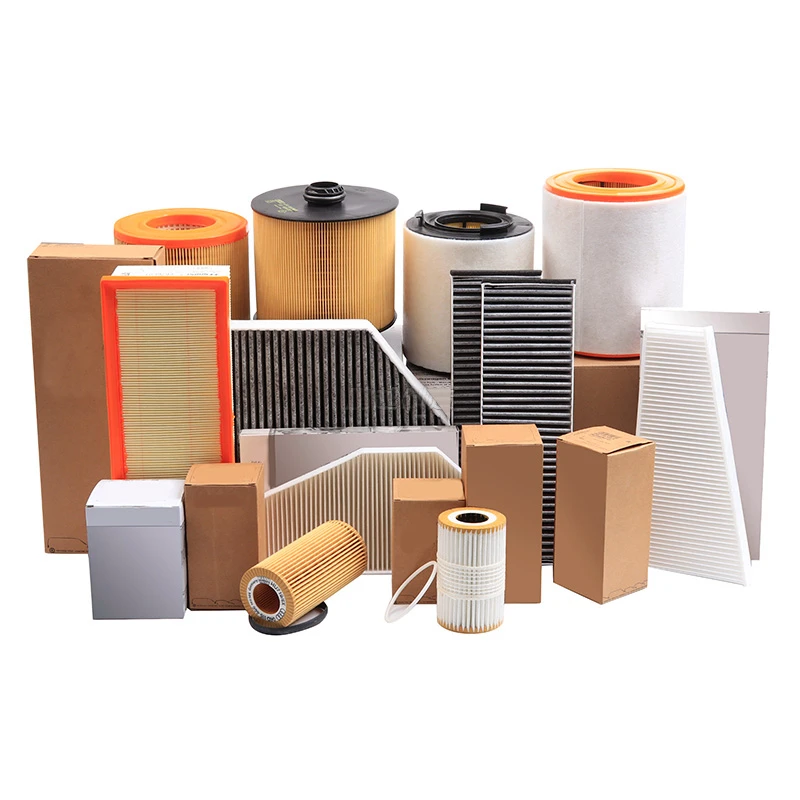
Introduction to Advanced Fuel Filtration for B2B Operations
In industrial and commercial sectors, the purity of fuel is paramount for maintaining operational efficiency, extending equipment lifespan, and ensuring compliance with stringent environmental regulations. Contaminants such as particulates, water, and debris can severely compromise engine performance, lead to costly downtime, and even cause catastrophic failures. This makes the selection and implementation of robust filtration solutions a critical component of any fuel management strategy.
The modern fuel supply chain, from refining to dispensing, demands sophisticated filtration at multiple stages. Specifically, the use of a high-performance gasoline filter funnel has become indispensable for ensuring the integrity of fuel during transfer operations. These devices provide a crucial last line of defense, capturing microscopic contaminants before they can enter sensitive machinery.
Current industry trends emphasize enhanced filtration efficiency, greater material compatibility, and solutions that can withstand harsh operating conditions. As fuel formulations evolve and equipment becomes more complex, the demand for filter funnels that offer superior separation capabilities and long-term reliability continues to grow. Addressing these challenges requires a deep understanding of filtration mechanics, material science, and real-world application demands.
Detailed Manufacturing Process of a High-Performance Gasoline Filter Funnel
The production of a durable and effective gasoline filter funnel involves a precise, multi-stage manufacturing process designed to meet demanding industrial specifications. From raw material selection to final assembly and testing, every step is meticulously controlled to ensure product integrity and performance.
1. Material Selection and Preparation
The foundation of a reliable gasoline filter lies in its materials. High-grade, chemical-resistant polymers (e.g., HDPE, Nylon 66) are selected for the funnel body, ensuring compatibility with various fuel types and resistance to common additives and environmental degradation. The critical gasoline filter screen or mesh component is typically made from stainless steel (e.g., 304 or 316L), chosen for its corrosion resistance, mechanical strength, and precise pore size uniformity. These materials undergo rigorous quality checks for purity and consistency.
2. Core Manufacturing Stages
- Injection Molding for Funnel Body: The primary funnel structure is produced via advanced injection molding. This process allows for complex geometries, consistent wall thickness, and integrated features like ergonomic handles and stable bases. Precision tooling ensures minimal flash and high dimensional accuracy.
- Mesh Weaving/Sintering: The filtration element (gasoline strainer) requires specialized techniques. For woven meshes, fine stainless steel wires are meticulously woven to achieve specific micron ratings. For more robust applications, sintered metal filters, formed by compacting and heating metal powders, offer exceptional strength and uniform porosity.
- Assembly and Sealing: Once components are manufactured, they are assembled. The filter screen is securely integrated into the funnel body using ultrasonic welding, mechanical crimping, or specialized sealing adhesives that are fuel-resistant. This ensures that all fuel passes through the filter media, preventing bypass.
3. Quality Control and Testing Standards
Adherence to international standards is non-negotiable. Our manufacturing processes comply with ISO 9001:2015 quality management systems. Individual product batches undergo testing against standards such as:
- ISO 2942: For determining fabrication integrity and first bubble point.
- ISO 16889: For multi-pass filtration performance testing, assessing efficiency and dirt-holding capacity.
- ASTM D7619: For evaluating fuel-resistance of plastic materials.
- Visual and Dimensional Inspections: Ensuring all components meet design specifications.
These stringent tests ensure that each gasoline filter funnel delivers consistent, reliable performance in the field, contributing to extended service life and reduced operational costs.
4. Service Life and Target Industries
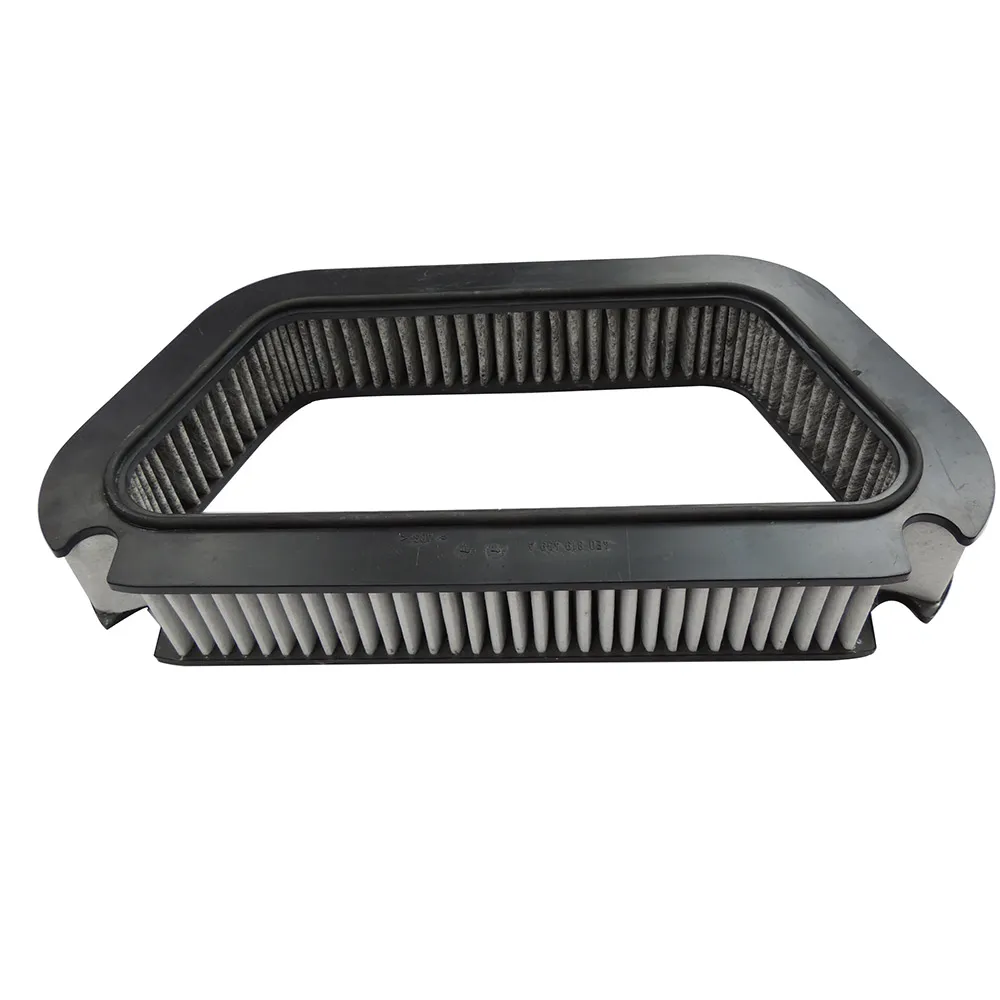
With proper care and maintenance, a well-constructed gasoline filter funnel can offer an extended service life, often exceeding five years in typical industrial use, owing to its robust material selection and manufacturing quality. These filters are essential across various critical industries:
- Petrochemical Industry: For fuel transfer during refining, storage, and distribution.
- Mining and Construction: Ensuring clean fuel for heavy machinery, reducing engine wear.
- Marine and Aviation: Critical for pre-filtering fuel to prevent contamination in sensitive propulsion systems.
- Transportation Logistics: For fleet maintenance and on-site refueling operations.
In these scenarios, advantages like enhanced corrosion resistance, energy saving (by preventing pump and injector damage), and prolonged equipment uptime are directly attributed to effective fuel filtration.
Technical Specifications and Performance Parameters
The efficacy of a gasoline filter funnel is defined by its precise technical specifications and performance parameters. These metrics are crucial for B2B buyers to assess suitability for their specific operational requirements.
Key Performance Indicators
- Filtration Efficiency: Measured in microns, representing the smallest particle size the filter can reliably capture. High-grade funnels often feature multi-stage filtration, combining a coarse screen with a finer mesh (e.g., 100 micron pre-filter, 25 micron final filter for water/particulate).
- Flow Rate Capacity: The volume of fuel that can be processed per unit time (e.g., liters per minute, gallons per minute). This directly impacts refueling speed and operational efficiency.
- Pressure Drop: The reduction in fluid pressure across the filter. A well-designed funnel minimizes pressure drop to ensure smooth, uninterrupted flow.
- Material Compatibility: Resistance of all components to various fuel types (gasoline, diesel, bio-fuels) and common fuel additives without degradation.
- Operating Temperature Range: The ambient and fuel temperatures the funnel can withstand without compromising structural integrity or filtration performance. Typical ranges might be from -20°C to +60°C.
Typical Product Specification Table: Advanced Gasoline Filter Funnel (Model GFF-Pro)
| Parameter | Specification | Standard/Method |
|---|---|---|
| Filtration Media | Stainless Steel Mesh (304L) | ASTM E2814 |
| Nominal Filtration Rating | 25 Micron (Particulate), Water Separation | ISO 16889, JIS D 1611 |
| Funnel Body Material | High-Density Polyethylene (HDPE) | ASTM D7619 |
| Maximum Flow Rate | Up to 20 Liters/Minute (5 GPM) | Manufacturer Test Data |
| Operating Temperature Range | -25°C to +65°C (-13°F to +149°F) | ISO 9141-2 |
| UV Resistance | Excellent, UV Stabilized Polymers | ASTM G154 |
| Anti-Static Properties | Yes, Carbon-Filled HDPE (IEC 61340-5-1 compliant) | ASTM D257 |
Application Scenarios and Target Industries for Fuel Filtration
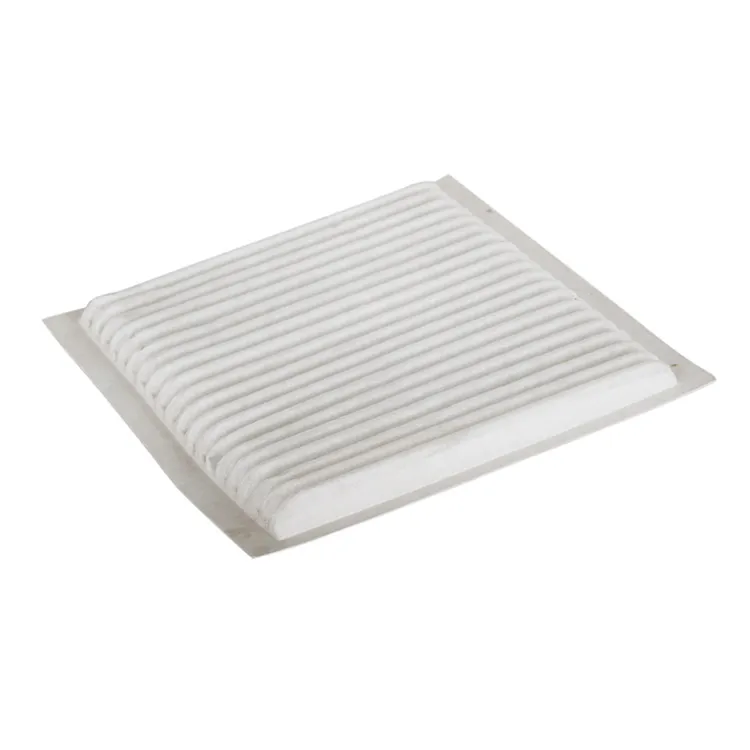
The versatility and critical importance of a robust gasoline filter funnel extend across a broad spectrum of industrial applications where fuel cleanliness is paramount. These tools are not merely accessories but integral components of proactive maintenance and operational safety protocols.
Key Industry Applications:
- Petrochemical and Energy Sector: Essential for maintaining the quality of refined fuels during transfer from storage tanks to distribution vehicles, preventing sediment and water ingress that could compromise product integrity and downstream equipment.
- Construction and Mining: Heavy machinery, excavators, bulldozers, and generators rely on clean fuel. Filtering fuel at the point of transfer prevents blockages in fuel injectors and pumps, significantly reducing engine wear and the potential for costly breakdowns in remote operational environments.
- Agriculture: Tractors, combines, and other farm equipment operate in dusty, challenging conditions. Fuel transfer via a filtered funnel ensures contaminants from storage drums do not enter sophisticated engine systems, safeguarding agricultural productivity.
- Marine and Aviation: For sensitive marine engines and aircraft, even microscopic water droplets or particulates can cause severe damage. Gasoline filter funnels provide a crucial pre-filtration step, removing free water and solid contaminants during refueling, which is vital for safety and operational reliability.
- Emergency Services and Disaster Relief: In critical situations, reliable equipment is non-negotiable. Ensuring clean fuel for generators, pumps, and vehicles through efficient filtration minimizes the risk of equipment failure when it matters most.
Demonstrated Advantages in Typical Scenarios:
- Energy Saving: By preventing contamination of fuel injectors and combustion chambers, optimized fuel delivery ensures engines run at peak efficiency, leading to significant fuel economy improvements and reduced emissions.
- Corrosion Resistance: Funnels made from high-grade polymers and stainless steel filtration media are inherently resistant to corrosion from fuel and water, extending their own service life and preventing the introduction of rust particles into fuel systems.
- Extended Equipment Lifespan: Protection against abrasive particles and water damage directly translates to reduced wear on fuel pumps, injectors, and other engine components, drastically increasing the operational lifespan of expensive machinery.
- Reduced Maintenance Costs: Fewer clogged filters, injector repairs, and pump replacements directly lower the overall gas filter cost and labor associated with fleet and equipment maintenance.
Technical Advantages of Advanced Gasoline Filter Funnels
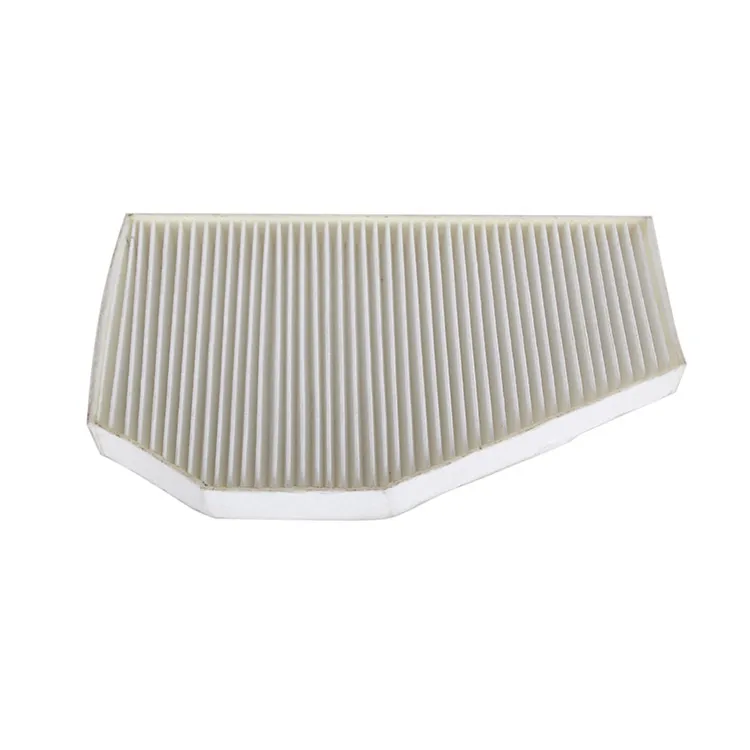
Modern gasoline filter funnel designs incorporate several technical advancements that set them apart from conventional methods of fuel transfer and filtration. These innovations are critical for businesses seeking optimal performance and reliability.
Superior Filtration Purity
The core advantage lies in the multi-stage filtration capability. Advanced funnels often integrate a high-performance gasoline filter screen that can effectively separate both particulate matter and free water. Utilizing hydrophobic filter media, these funnels can coalesce water droplets, causing them to fall to the bottom of the funnel while allowing clean fuel to pass through. This dual action is crucial for protecting modern, high-precision fuel injection systems which are highly susceptible to damage from water and fine particles as small as 25 microns.
Robust Construction and Durability
Constructed from chemically resistant, high-impact polymers, these funnels are designed to withstand harsh industrial environments, repeated use, and exposure to various fuel types without degradation. The integrated gasoline strainer is often made from durable stainless steel, providing long-term mechanical strength and resistance to corrosion, ensuring a longer product lifespan and consistent filtration performance over time.
Enhanced Safety Features
Many advanced filter funnels incorporate anti-static features, typically through carbon-filled polymer constructions. This minimizes the risk of static electricity buildup during fuel transfer, a critical safety consideration when handling flammable liquids, thereby reducing explosion hazards in industrial settings. Furthermore, ergonomic designs with stable bases prevent spills and improve user handling.
Cost-Effectiveness and Reduced Operational Expenses
While the initial gas filter cost for an advanced funnel might be higher than a basic funnel, the long-term savings are substantial. By preventing fuel system contamination, businesses experience a significant reduction in:
- Engine and equipment repair costs
- Downtime due to maintenance or failures
- Fuel consumption (due to optimal engine performance)
- Disposal costs for contaminated fuel.
These factors contribute to a rapid return on investment and a lower total cost of ownership for fleet operators and industrial facilities.
Vendor Comparison and Selection Criteria
Choosing the right vendor for your gasoline filter funnel needs involves more than just comparing price points. B2B decision-makers must evaluate vendors based on product quality, technical support, customization capabilities, and long-term reliability. A comprehensive approach ensures that the chosen solution genuinely meets operational demands.
Key Factors for Vendor Evaluation:
- Filtration Performance: Verify independent test data for micron ratings and water separation efficiency.
- Material Durability: Assess the chemical compatibility and mechanical strength of funnel and filter media.
- Certifications: Look for ISO certifications, ASTM compliance, and any industry-specific approvals.
- Customization: Can the vendor offer bespoke solutions for unique applications (e.g., specific flow rates, larger capacities)?
- After-Sales Support: Availability of technical assistance, spare parts, and warranty policies.
- Reputation and Experience: Longevity in the market, client testimonials, and industry recognition.
Comparison Table: Leading Gasoline Filter Funnel Solutions
| Feature | Vendor A (Premium) | Vendor B (Standard) | JYFilter (Our Solution) |
|---|---|---|---|
| Filtration Rating (Nominal) | 25 Micron + Water Separation | 40 Micron | 25 Micron (Water & Particulate) |
| Funnel Material | HDPE (Anti-Static) | Polypropylene | HDPE (Anti-Static, UV Stabilized) |
| Filter Media | Stainless Steel Mesh (304) | Nylon Mesh | Stainless Steel Mesh (316L) |
| Flow Rate (LPM) | 15-20 | 10-15 | Up to 20+ (Optimized Design) |
| Certifications | ISO 9001 | Basic QA | ISO 9001, ASTM, CE Compliant |
| Customization Options | Limited | No | Extensive (Material, Size, Flow) |
Customized Filtration Solutions
Recognizing that standard products may not always perfectly fit unique operational demands, we specialize in providing customized solutions for your gasoline filter funnel requirements. Our engineering team works closely with clients to design and manufacture filtration funnels tailored to specific needs, ensuring optimal performance and seamless integration into existing workflows.
Tailored Design and Engineering:
- Specific Flow Rate Requirements: Adjusting funnel geometry and filter media area to achieve desired flow rates for rapid or controlled fuel transfer.
- Micron Rating Customization: Offering precise filtration capabilities, from coarse debris removal to ultra-fine particle and water separation.
- Material Adaptations: For extreme chemical compatibility, temperature resistance, or anti-static properties beyond standard specifications.
- Size and Capacity: Developing funnels in various dimensions to accommodate different container111 openings and fuel volume requirements.
- Integrated Features: Adding specialized features such as overflow prevention, securing mechanisms, or enhanced visibility elements.
Our approach ensures that every customized gasoline filter funnel is not just a product, but a precision-engineered solution designed to enhance your operational efficiency and fuel integrity.
Application Case Studies and Customer Successes
Our commitment to delivering superior fuel filtration solutions is evidenced by real-world application successes and positive client feedback. These case studies highlight the tangible benefits our gasoline filter funnel solutions bring to diverse B2B operations.
Case Study 1: Large-Scale Construction Fleet Maintenance
A major construction company operating a fleet of over 200 heavy-duty vehicles faced persistent issues with clogged fuel filters and injector failures, particularly during refueling at remote job sites from bulk diesel drums. The high frequency of these incidents led to substantial maintenance costs and significant operational downtime. Implementing our advanced gasoline filter funnels for all on-site refueling operations provided an immediate impact.
- Result: Over a 12-month period, instances of fuel system-related breakdowns decreased by 65%. The average lifespan of primary fuel filters on their vehicles extended by 40%.
- Client Feedback: "The switch to these filter funnels was a game-changer. Our mechanics spend less time on fuel system repairs, and our equipment uptime has drastically improved. It's a simple solution with a huge impact on our bottom line."
Case Study 2: Marine Operations Fuel Integrity
A maritime logistics firm, operating a fleet of supply vessels, experienced issues with water contamination in their bunkered fuel, leading to engine performance degradation and increased wear. Given the sensitive nature of marine engines, a robust pre-filtration method was urgently required. We supplied custom-designed, larger-capacity filter funnels with enhanced water separation capabilities for their dockside and onboard refueling protocols.
- Result: Water content in fuel samples taken after transfer through our funnels was consistently below detection limits, virtually eliminating water-related fuel system issues. Engine efficiency improved, and there were no reported cases of fuel-induced engine problems for over two years.
- Client Feedback: "In marine environments, fuel quality directly impacts safety and operational viability. The filter funnels have provided an essential layer of protection, giving us confidence in our fuel supply and extending the life of our expensive engines."
Ensuring Trust and Authority (Google Standards)
Our commitment to excellence is deeply rooted in principles that align with Google's (Expertise, Experience, Authoritativeness, Trustworthiness) standards. We strive to be the definitive source for fuel filtration solutions, particularly for specialized products like the gasoline filter funnel.
Expertise and Authoritativeness:
- Industry Leadership: With over 15 years in the filtration industry, JYFilter has cultivated deep expertise in fluid dynamics, material science, and precision manufacturing. Our R&D team comprises engineers specializing in chemical compatibility and filtration mechanics.
- Certifications and Compliance: All our products, including our gasoline filter funnels, adhere to strict international quality standards, including ISO 9001:2015 for quality management. Our manufacturing processes are regularly audited to ensure compliance with relevant environmental and safety regulations (e.g., CE, RoHS where applicable).
- Authoritative References: We rigorously test our products according to industry-recognized standards such as ASTM, ISO, and JIS, providing verifiable performance data that underscores our product claims.
Experience and Trustworthiness:
- Proven Track Record: Our extensive portfolio of long-standing partner clients in the petrochemical, marine, and heavy machinery sectors attests to the reliability and effectiveness of our filtration solutions. Customer feedback and repeat business are cornerstones of our operational philosophy.
- Transparent Practices: We provide clear, detailed product specifications, manufacturing processes, and testing methodologies. Our customer support team is trained to offer expert advice and transparent communication regarding product selection, lead times, and warranty information.
- Real-World Performance Data: We continuously gather field data and conduct post-implementation reviews to ensure our products consistently deliver promised performance and identify areas for further innovation.
Frequently Asked Questions (FAQ)
Q1: How does a gasoline filter funnel prevent water contamination?
A: Our advanced gasoline filter funnel employs a specialized hydrophobic filter media. This material repels water while allowing fuel to pass through. Water droplets coalesce on the surface and eventually drop to the bottom of the funnel, where they can be seen and separated from the clean fuel.
Q2: What is the typical service life of the filter element?
A: The stainless steel gasoline filter screen is designed for extended use and is generally cleanable. Its lifespan largely depends on the cleanliness of the fuel being filtered and frequency of use. Under normal industrial conditions, with regular cleaning, the filter element can last for several years. We recommend periodic inspection for any signs of damage or irreparable clogging.
Q3: Can these funnels be used with other fuel types, like diesel or kerosene?
A: Yes, our funnels are designed for broad chemical compatibility. The HDPE body and stainless steel filter media are resistant to most common petroleum-based fuels, including diesel, kerosene, and even some bio-diesel blends. For specific chemical compatibility concerns, please refer to our detailed material compatibility charts or contact our technical support.
Q4: What are the cleaning procedures for the filter element?
A: For optimal performance, we recommend regular cleaning of the filter element. This typically involves rinsing with clean fuel or a compatible solvent, followed by air-drying. Avoid using harsh brushes or abrasive materials that could damage the delicate mesh of the gasoline strainer. Detailed cleaning instructions are provided with each product and can also be found on our website.
Logistics and Customer Support
Lead Time and Fulfillment:
We maintain robust inventory levels for our standard gasoline filter funnel products, ensuring prompt dispatch. Typical lead times for off-the-shelf items are 3-5 business days from order confirmation. For customized solutions or large-volume orders, lead times will be provided with the quotation, generally ranging from 2-4 weeks depending on complexity and order size. We partner with reputable logistics providers to ensure timely and secure delivery worldwide.
Warranty Commitments:
JYFilter stands behind the quality of its products. Our gasoline filter funnel products are covered by a standard 12-month warranty against manufacturing defects from the date of purchase. This warranty covers materials and workmanship under normal use conditions. Full warranty terms and conditions are available upon request and provided with every order.
Customer Support and After-Sales Service:
Our dedicated customer support team is available to assist you with any inquiries, from product selection and technical specifications to installation guidance and troubleshooting. We offer:
- Technical Assistance: Expert advice from experienced engineers.
- Online Resources: Comprehensive product manuals, FAQs, and video tutorials.
- Responsive Communication: Via email, phone, and online chat during business hours.
We are committed to building long-term partnerships through exceptional product quality and unparalleled customer service.
Conclusion
The integrity of fuel in industrial and commercial operations is non-negotiable for equipment longevity, operational efficiency, and environmental compliance. The advanced gasoline filter funnel serves as a crucial component in this ecosystem, providing robust protection against particulate and water contamination during critical fuel transfer processes. By understanding the intricate manufacturing processes, technical advantages, and diverse application scenarios, businesses can make informed decisions that translate into significant cost savings and
-
Guide on how often do you need to replace engine air filterNewsApr.16,2026
-
Learn how often do you replace air filter in car for engine healthNewsApr.09,2026
-
How Often Do You Replace Car Air Filter For Optimal Engine PerformanceNewsApr.07,2026
-
How Often Do You Replace Engine Air Filter For Optimal Vehicle PerformanceNewsApr.04,2026
-
Understanding How Often Does Engine Air Filter Need to Be Replaced for Optimal PerformanceNewsMar.31,2026
-
How Often Engine Air Filter Change Impacts Performance and LongevityNewsMar.28,2026
-
Understanding How Often to Replace Your Car Air Filter for Optimal PerformanceNewsMar.26,2026
Related Products