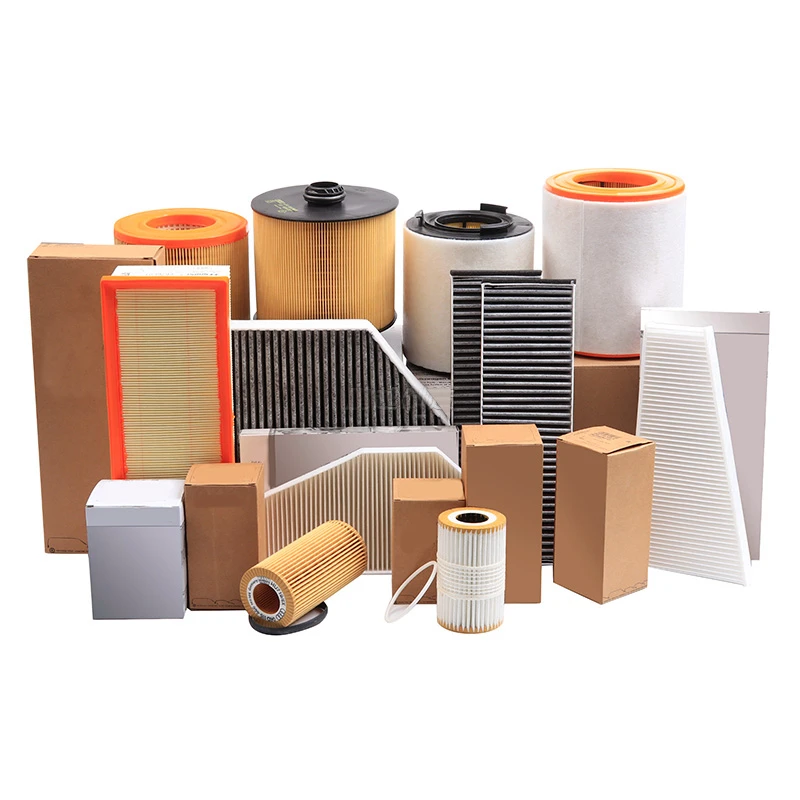
Industry Trends and the Critical Role of Automotive Filters
The modern automotive industry stands at the precipice of transformative change, driven by stringent emission regulations, the surge in electric vehicle (EV) adoption, and a relentless pursuit of efficiency. Within this evolving landscape, the importance of high-performance automotive filters remains paramount, particularly for vehicles utilizing internal combustion engines (ICE) and hybrid powertrains. These critical components are not mere accessories; they are vital guardians protecting sensitive engine systems from contaminants, thereby ensuring optimal performance, longevity, and compliance with environmental standards.
Current industry trends indicate a strong move towards more advanced filtration media, capable of capturing finer particulates and resisting aggressive modern fuels. The demand for robust automotive filters, including sophisticated car fuel filter systems, is intensifying, fueled by the need for superior engine protection and reduced total cost of ownership for fleet operators and individual consumers alike. This includes the development of compact designs for integrated fuel modules, advanced hydrophobic coatings for water separation, and materials that withstand higher pressures and temperatures encountered in direct injection systems. Furthermore, the global market for car fuel filter price variability is influencing procurement strategies, with a growing emphasis on value, performance, and compliance with international standards.
Innovations in filtration technology are also addressing the challenges posed by new fuel formulations, such as biofuels and synthetic fuels, which can introduce different types of contaminants or react differently with traditional filter materials. Manufacturers are therefore investing heavily in R&D to develop next-generation solutions that are more durable, efficient, and environmentally sustainable, aligning with the broader industry shift towards cleaner mobility solutions. The precise engineering of components like the inline car fuel filter and the adaptability of the universal car fuel filter are crucial for meeting diverse application requirements across various vehicle types and operational environments.
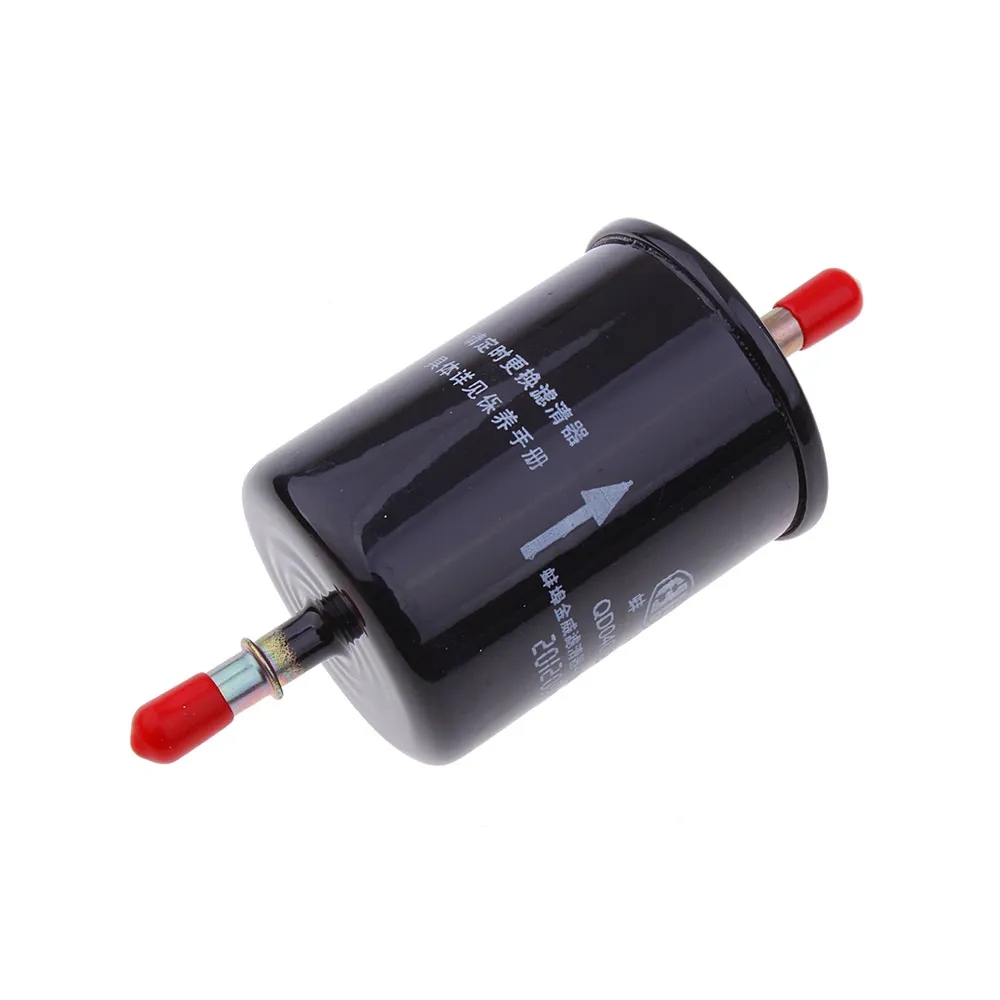
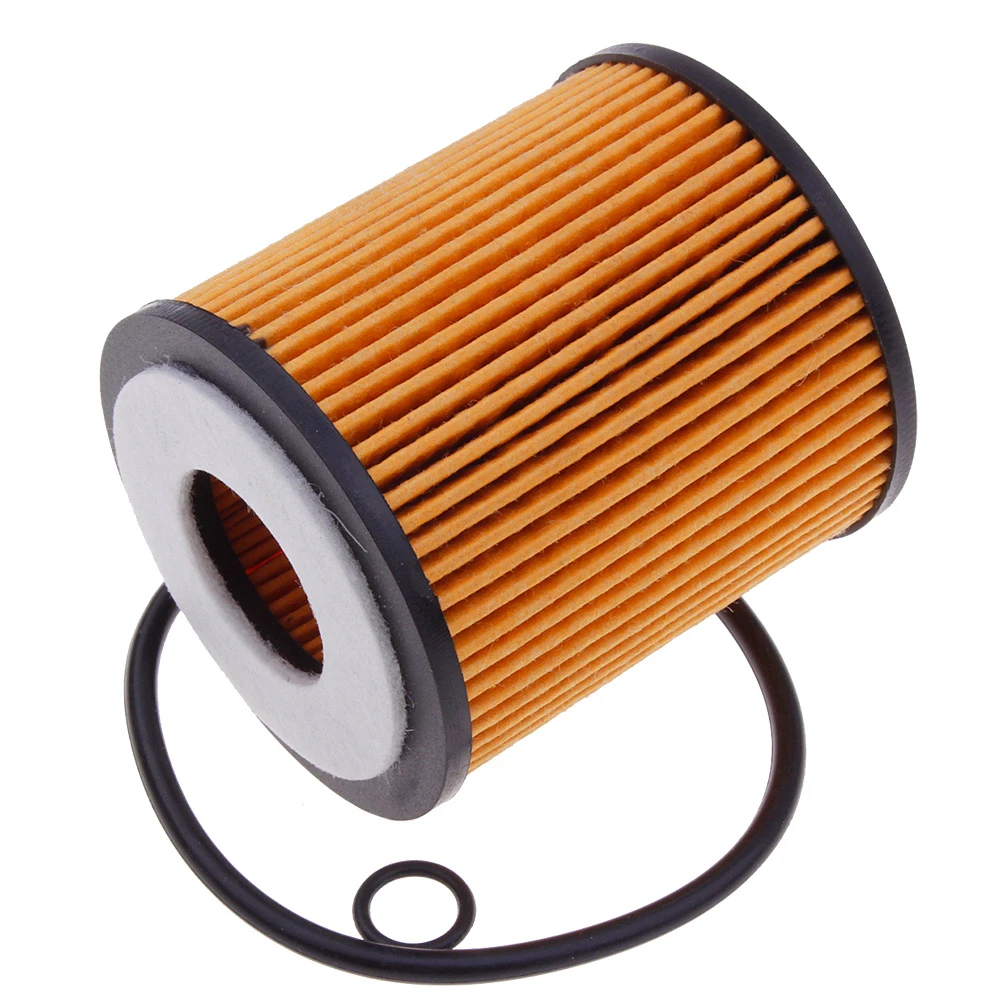
Fig 1: Advanced fuel filtration system for modern vehicles.
Precision Manufacturing Process of Automotive Filters
The manufacturing of automotive filters is a highly specialized and precise process, demanding meticulous attention to material science, engineering tolerances, and quality control. Every step is designed to ensure the final product delivers superior filtration performance and structural integrity under various operating conditions. This complex process can be broken down into several key stages:
Process Flow:
- 1. Material Selection and Preparation: This foundational step involves selecting high-grade materials. For the filter media, this could range from cellulose-based papers, synthetic microfibers (e.g., polyester, polypropylene), to glass fiber composites, chosen for specific micron ratings and flow characteristics. Housing materials often include corrosion-resistant steel, robust aluminum alloys, or high-strength engineered plastics, alongside durable rubber seals and gaskets (e.g., NBR, FKM) for chemical compatibility and thermal stability.
- 2. Filter Media Pleating and Forming: To maximize surface area within a compact design, the filter media is precisely pleated using automated machinery. This ensures uniform pleat spacing and depth, critical for consistent flow and filtration efficiency. Advanced techniques might involve gradient density media or multi-layer constructions to achieve optimal contaminant retention and dirt-holding capacity.
- 3. Element Assembly: The pleated media is then integrated with end caps, often made from metal or plastic, which are securely bonded using heat sealing, ultrasonic welding, or specialized adhesives to prevent bypass. Inner and outer support tubes (perforated steel or plastic) are added to provide structural rigidity and prevent media collapse under pressure differentials.
- 4. Housing Fabrication: The external housing for the car fuel filter is manufactured through various processes. For metal housings, this often involves deep drawing, precision stamping, or CNC machining from raw stock to achieve exact dimensions and material thickness. Welding (e.g., laser welding, resistance welding) is used for joining components, ensuring leak-proof seams. Plastic housings are typically produced via injection molding for intricate shapes and lighter weight.
- 5. Final Assembly and Sealing: The filter element is carefully inserted into the housing. Sealing components, such as O-rings or gaskets, are installed to ensure a complete seal and prevent any unfiltered fuel from bypassing the media. The housing halves are then permanently joined, often through crimping, welding, or specialized bonding agents, to form a robust and sealed unit.
- 6. Rigorous Testing and Quality Control: Each car fuel filter undergoes a battery of tests to confirm performance and reliability. This includes leak testing (e.g., bubble point, pressure decay), flow rate verification, filtration efficiency testing (ISO 4548, ISO 16889 for specific particle sizes), burst pressure testing, vibration testing, and chemical compatibility assessments. Compliance with international standards such as ISO 9001, IATF 16949 (for automotive), and adherence to specific ANSI or OEM specifications are paramount.
- 7. Packaging and Dispatch: Finished filters are inspected, labeled, and packaged according to industry standards, ready for distribution to target industries.
The advantages of this meticulous process are manifold. The use of high-precision CNC machining ensures components meet tight dimensional tolerances, enhancing product longevity and reliability. Automated assembly lines minimize human error and ensure consistent quality. Our filters are designed for a superior service life, often exceeding typical maintenance intervals, reducing downtime and operational costs. These filters find applications across diverse target industries including Automotive OEM, aftermarket vehicle maintenance, commercial fleets, heavy-duty machinery (construction, agriculture), and power generation units. In typical application scenarios, these filters demonstrate significant advantages such as energy saving through optimized fuel delivery and minimal pressure drop, and superior corrosion resistance due to carefully selected housing and sealing materials, making them suitable for harsh operating environments.
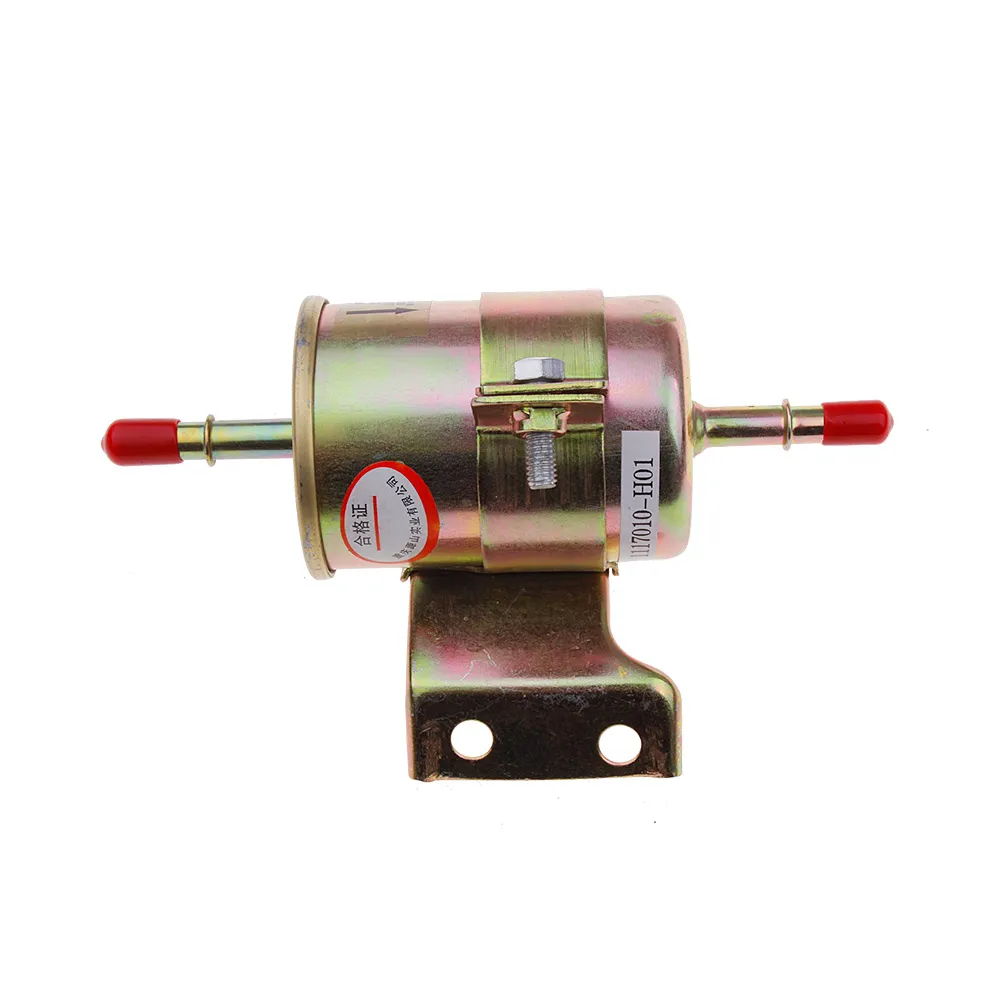
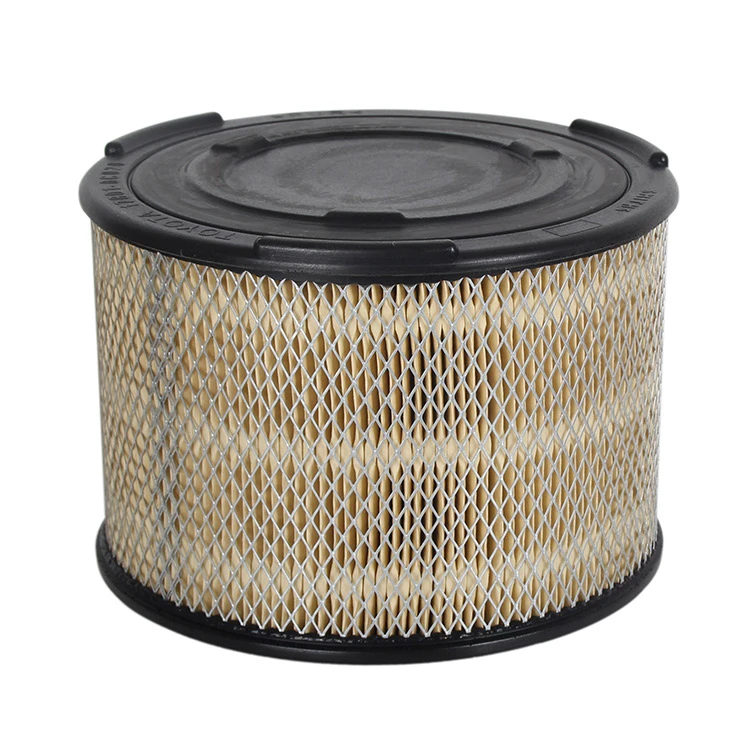
Fig 2: Cross-section view illustrating filter media and housing construction.
Technical Specifications and Performance Parameters
Understanding the precise technical specifications and performance parameters of automotive filters is crucial for ensuring optimal engine operation and longevity. These parameters define a filter's capability to protect the fuel system and engine components from harmful contaminants. Our car fuel filter products are engineered to meet stringent industry standards, ensuring superior performance and reliability.
Key Product Specifications: Car Fuel Filter
| Parameter | Specification (Typical) | Technical Rationale |
|---|---|---|
| Filtration Efficiency | >95% @ 5-10 micron (Beta Ratio >20 @ 5µm) | Crucial for protecting delicate fuel injectors and pumps from abrasive particles that can cause wear and premature failure. |
| Flow Rate Capacity | Up to 250 LPH (Liters Per Hour) | Ensures uninterrupted fuel supply to the engine, preventing fuel starvation, especially at high RPMs or heavy loads. |
| Operating Pressure | Up to 6.5 bar (95 psi) | Matches the requirements of most modern fuel injection systems, including common rail diesel and direct injection gasoline engines. |
| Burst Pressure | >15 bar (220 psi) | Safety margin to withstand pressure spikes and prevent housing rupture, critical for system integrity. |
| Operating Temperature Range | -40°C to +120°C | Ensures stable performance and material integrity across extreme environmental conditions. |
| Media Type | Multi-layer synthetic media with water separation capabilities | Advanced media offers superior dirt-holding capacity and effective water removal, preventing corrosion and microbial growth. |
| Housing Material | High-strength steel or glass-filled PA66 plastic | Selected for mechanical strength, vibration resistance, and chemical compatibility with various fuel types. |
| Service Life | Up to 60,000 km or 2 years (vehicle dependent) | Optimized for extended maintenance intervals, reducing operational costs and vehicle downtime. |
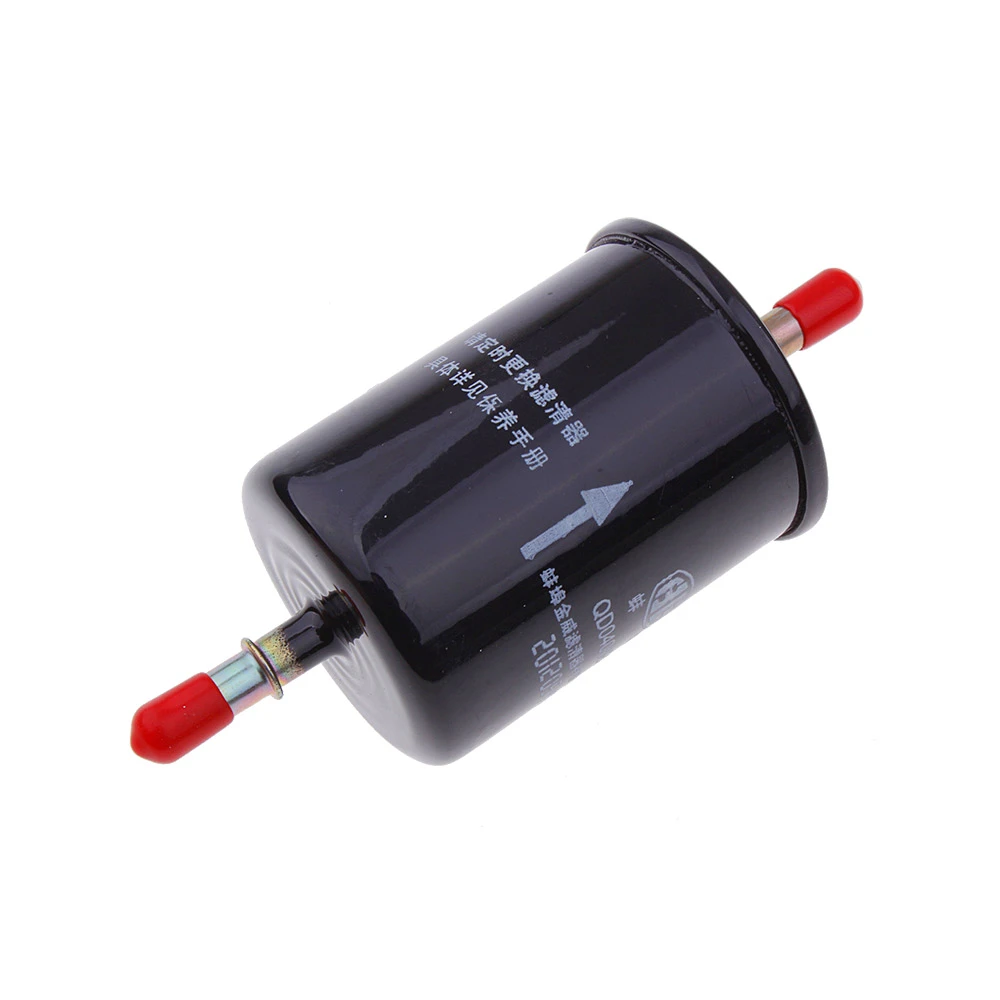
The diversity in fuel system designs has led to the development of various filter configurations. An inline car fuel filter, for instance, is typically located between the fuel tank and the engine, often as a sealed canister. Its simplicity of installation and effectiveness make it a common choice for many vehicles. Conversely, the universal car fuel filter is designed with adaptability in mind, often featuring multiple inlet/outlet sizes or connection types to fit a broader range of vehicle applications, making it a versatile aftermarket solution.
Each parameter listed above plays a critical role in the overall efficacy and reliability of the filter. For instance, the Beta Ratio (βx) is an authoritative measure of a filter's efficiency, indicating how many particles of a given size (x microns) are captured versus how many pass through. A higher Beta Ratio signifies superior filtration performance, which directly translates to extended component life and improved engine health. These specifications are not merely numbers; they represent the culmination of rigorous engineering and testing processes designed to deliver unparalleled protection for your automotive investments.
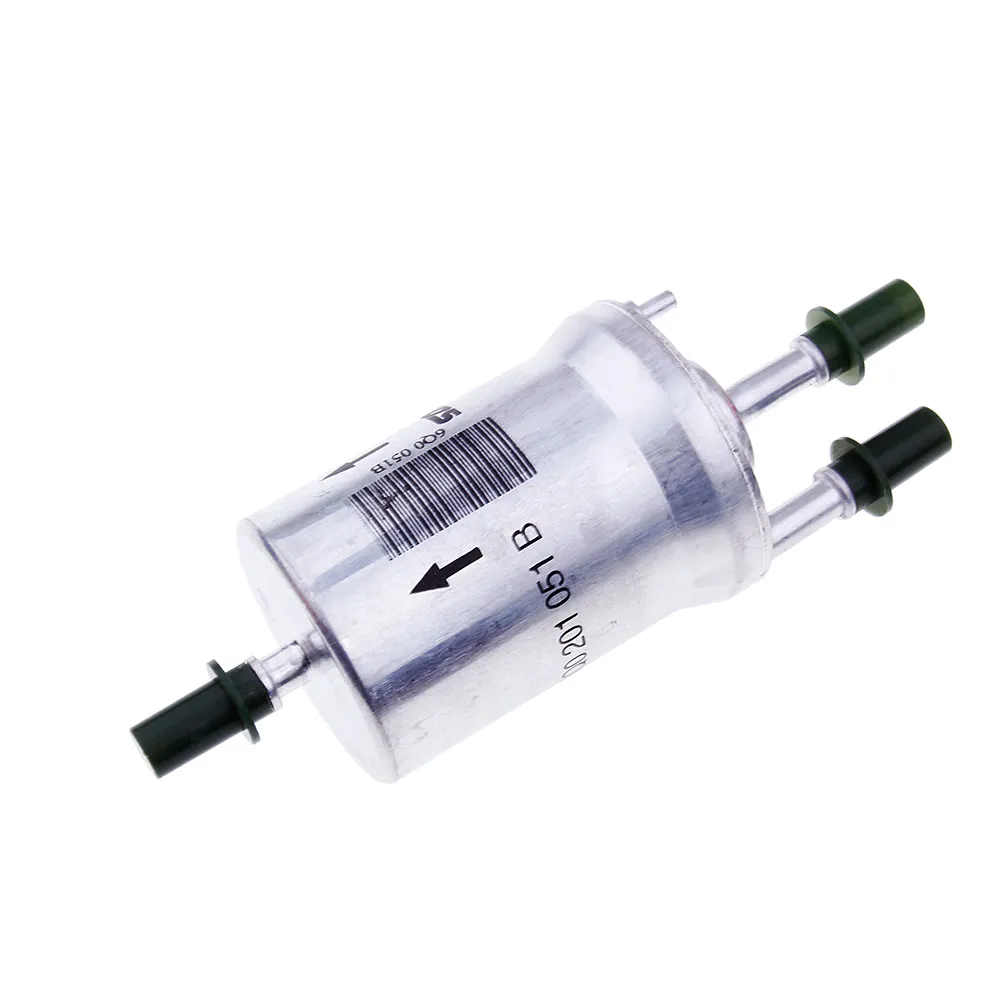
Fig 3: Example of a modern high-performance fuel filter design.
Application Scenarios and Technical Advantages
The sophisticated engineering behind modern automotive filters enables their deployment across a broad spectrum of application scenarios, each benefiting from their distinct technical advantages. From ensuring peak performance in passenger vehicles to safeguarding critical operations in heavy industrial machinery, the role of a high-quality car fuel filter is indispensable.
Diverse Application Scenarios:
- Passenger Vehicles: Ensuring smooth operation, optimal fuel efficiency, and protection for sensitive direct injection systems in gasoline and diesel cars.
- Light Commercial Vehicles (LCVs): Supporting reliability and reducing maintenance costs for vans and pickup trucks used for delivery and logistics, where uptime is critical.
- Heavy-Duty Trucks and Buses: Providing robust protection for large diesel engines, critical for long-haul transport and public transit, where engine protection against contaminated fuel directly impacts operational viability.
- Marine Engines: Protecting against water contamination and fuel degradation common in marine environments, extending the life of propulsion systems.
- Industrial and Off-Road Equipment: Ensuring reliable performance of construction machinery, agricultural vehicles, and power generators operating in dusty, harsh conditions with varying fuel quality.
Key Technical Advantages:
- Enhanced Engine Performance: By delivering consistently clean fuel, our filters prevent clogging of fuel injectors and carburetors, ensuring optimal fuel atomization and combustion efficiency. This leads to smoother engine operation, better throttle response, and consistent power output.
- Extended Engine and Fuel System Life: Efficient filtration removes abrasive particles (dirt, rust, debris) and water that can cause wear on precision components like fuel pumps, injectors, and lines. This significantly reduces premature component failure and extends the overall service life of the engine.
- Reduced Emissions: A clean fuel supply promotes more complete and efficient combustion, which in turn leads to lower levels of harmful exhaust emissions. This helps vehicles comply with increasingly strict environmental regulations and contributes to cleaner air.
- Improved Fuel Efficiency: Minimizing pressure drop across the filter and preventing fuel system blockages ensures fuel flows efficiently to the engine without unnecessary strain on the fuel pump. This contributes to optimal fuel economy, directly translating to cost savings for operators.
- Superior Corrosion Resistance: Utilizing advanced housing materials (e.g., anti-corrosion treated steel, high-grade plastics) and fuel-resistant sealing components ensures the filter withstands exposure to various fuel types, including aggressive biofuels, and protects against internal corrosion from water contamination.
- Unmatched Reliability and Durability: Engineered and tested to meet or exceed OEM standards (e.g., ISO 16949), our automotive filters offer exceptional mechanical strength and thermal stability. Rigorous burst pressure, vibration, and fatigue tests ensure they perform flawlessly under extreme operating conditions, providing peace of mind to vehicle owners and fleet managers.
For instance, in a common scenario where a logistics fleet operates in diverse geographical areas with varying fuel quality, a robust car fuel filter with excellent water separation capabilities becomes a non-negotiable component. Without it, the risk of fuel pump failure, injector damage, and significant vehicle downtime skyrockets. Our advanced filters are designed to mitigate these risks effectively, safeguarding valuable assets and ensuring operational continuity. This proactive protection prevents costly repairs and unscheduled maintenance, proving that a quality filter is an investment, not just an expense.
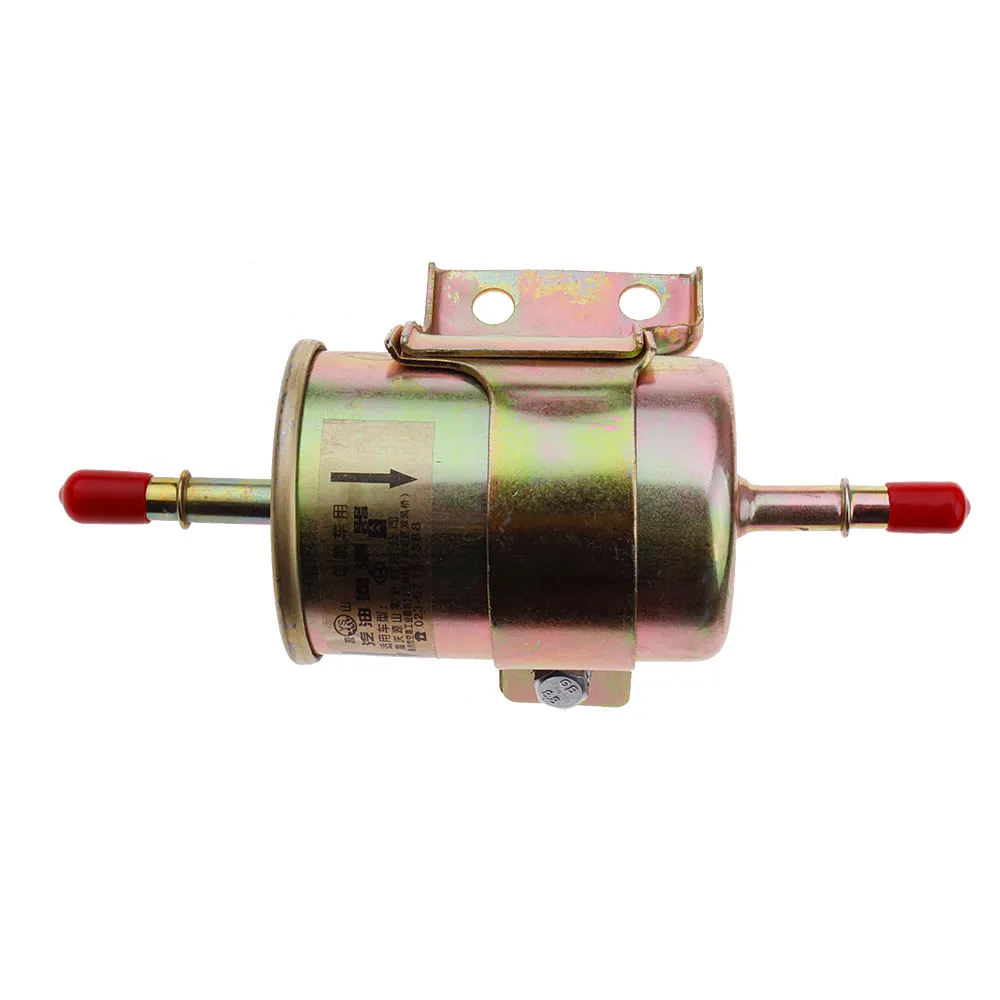
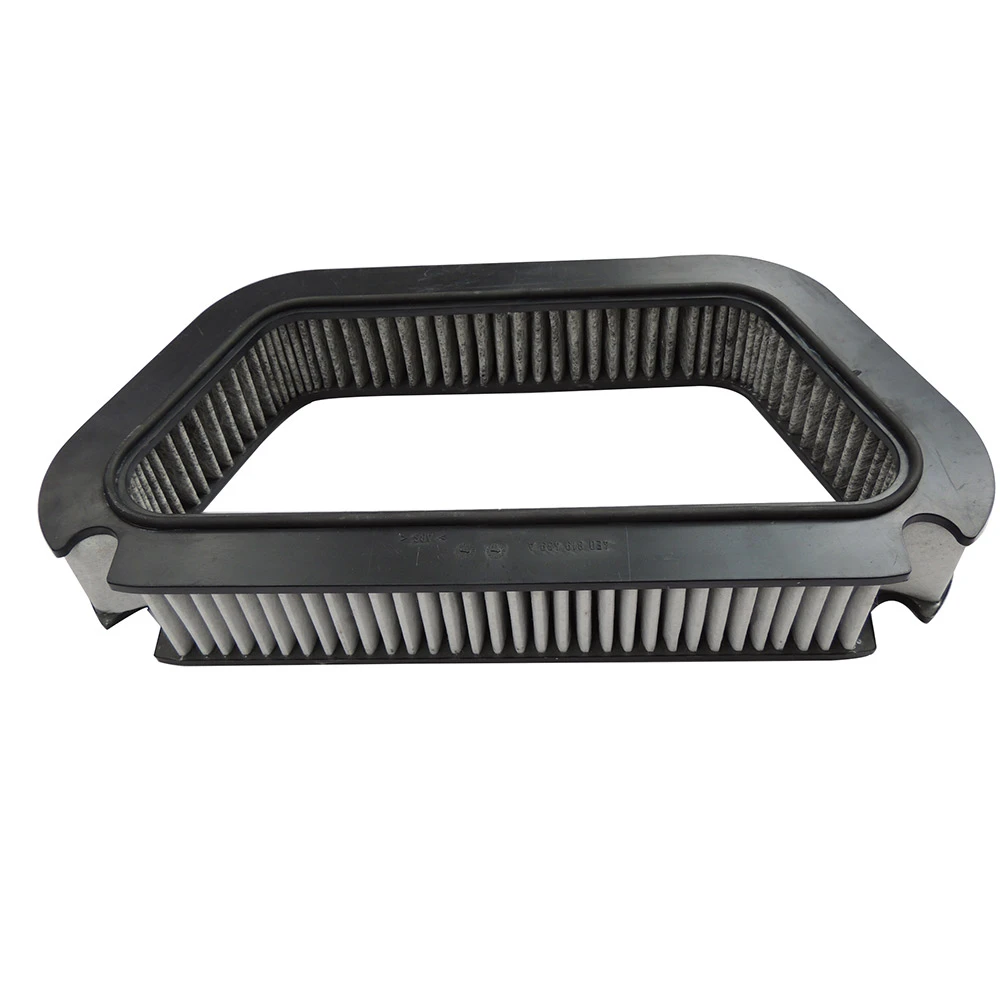
Fig 4: Fuel system with a modern fuel filter protecting the injectors.
Vendor Comparison and Customized Filtration Solutions
Selecting the right vendor for automotive filters is a strategic decision for B2B entities, impacting not only vehicle performance but also operational costs and brand reputation. While many suppliers offer car fuel filter products, the differentiation lies in product quality, technical innovation, customization capabilities, and post-sales support. Below is a comparative overview highlighting key considerations when evaluating filter solutions.
Car Fuel Filter Vendor Comparison: Standard vs. Premium Aftermarket
| Feature | Standard Aftermarket Filter | Premium Aftermarket/OEM-Equivalent (Our Offerings) |
|---|---|---|
| Filtration Media | Cellulose-based, single layer | Multi-layer synthetic media, gradient density, advanced water separation |
| Filtration Efficiency | Good (e.g., >90% @ 10µm) | Excellent (e.g., >98% @ 5µm, Beta Ratio >75) |
| Dirt Holding Capacity | Average | High, extended service intervals |
| Housing Material | Basic steel or plastic | Corrosion-resistant treated steel, high-grade reinforced plastics (e.g., PA66 GF30) |
| Pressure Drop | Moderate | Minimal, optimized for fuel flow |
| Corrosion Resistance | Standard | Enhanced, suitable for biofuels and aggressive environments |
| Certifications | Basic quality checks | ISO 9001, IATF 16949 (automotive), specific OEM approvals |
| Warranty | Limited (e.g., 6 months) | Extended (e.g., 1-2 years), comprehensive support |
Customized Filtration Solutions:
Beyond standard offerings, we specialize in providing tailored filtration solutions to meet highly specific OEM requirements and unique application challenges. This capability is particularly critical for manufacturers developing new engine platforms or for specialized vehicles operating in extreme conditions.
- Design and Engineering Expertise: Our team of experienced engineers works closely with clients from concept to production, utilizing advanced CAD modeling and simulation tools. This allows us to optimize filter design for unique space constraints, flow dynamics, and specific contaminant profiles.
- Specialized Media Development: We can engineer custom filtration media with precise micron ratings, enhanced dirt-holding capacity, and specific chemical resistance to accommodate diverse fuel types (e.g., biodiesel, E85, specialized aviation fuels) or challenging operating temperatures.
- Integrated Sensor Solutions: For advanced fuel management systems, we offer integrated solutions that incorporate sensors for water detection, pressure differential monitoring, and filter life indication, providing real-time data for proactive maintenance and system optimization.
- Unique Housing Configurations: From compact inline car fuel filter designs to complex module integrations, we can fabricate housings from various materials (e.g., lightweight composites, marine-grade alloys) and design unique port configurations to seamlessly integrate with existing fuel system architectures. Our flexibility extends to crafting a universal car fuel filter with bespoke adaptations for specific aftermarket needs.
With over 15 years of dedicated service in filtration technology, we leverage extensive R&D, certified processes (ISO 9001, IATF 16949), and a robust partner network to deliver solutions that are not just compliant, but truly optimized for performance and reliability. Our commitment to innovation and customer collaboration ensures that our customized automotive filters provide a distinct competitive advantage for our partners.
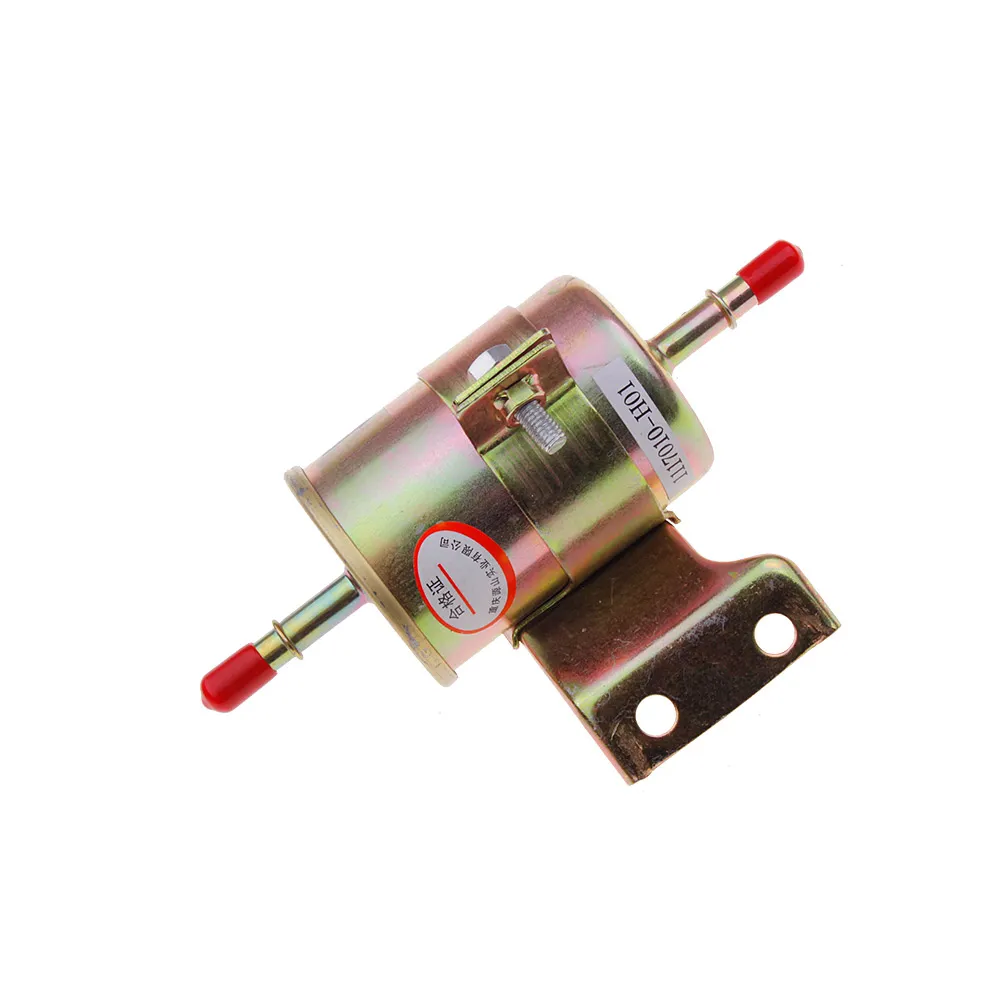
Fig 5: Example of a custom-designed fuel filter module with integrated sensors.
Application Case Studies: Real-World Performance
Our commitment to delivering high-performance automotive filters is validated through numerous successful applications across diverse industries. These case studies highlight our capability to provide reliable, efficient, and cost-effective filtration solutions that address specific client challenges.
Case Study 1: Optimizing Fuel Economy for a Commercial Fleet
Client: Major Logistics Company, operating a fleet of 500 diesel trucks.
Challenge: The client was experiencing higher-than-expected fuel consumption and increased maintenance for fuel injector cleaning due to variable fuel quality and inadequate filtration from their existing aftermarket car fuel filter. This significantly impacted their operational costs and vehicle uptime.
Solution: We provided a custom-engineered, multi-layer synthetic media car fuel filter with a superior Beta Ratio for finer particle capture and enhanced water separation capabilities. The design ensured minimal pressure drop while maximizing dirt-holding capacity, tailored to their specific engine models.
Results: Over a 12-month pilot, the fleet reported an average 3.5% improvement in fuel economy across all equipped trucks. Fuel injector maintenance intervals extended by 40%, leading to substantial savings in parts and labor. Customer feedback indicated "noticeably smoother engine performance and fewer unscheduled stops."
Case Study 2: Preventing Engine Damage in Marine Applications
Client: Manufacturer of high-performance marine engines.
Challenge: Marine environments present unique challenges, including high humidity leading to water in fuel, and potential for microbial growth. The client's previous filters were struggling with effective water separation, leading to corrosion in fuel lines and injectors, and engine misfires.
Solution: We developed a specialized automotive filters solution featuring advanced hydrophobic media for superior water-in-fuel separation and a robust, corrosion-resistant housing suitable for saltwater exposure. This inline car fuel filter was integrated into their engine design.
Results: Post-implementation, incidents of fuel system corrosion decreased by over 80%. Engine warranty claims related to fuel contamination dropped by 65%. The client praised the "unwavering reliability" of our filters, stating it significantly enhanced the overall durability and market appeal of their engines.
Case Study 3: OEM Partnership for Next-Generation Hybrid Vehicle
Client: Leading Global Automotive OEM.
Challenge: For a new hybrid vehicle platform, the OEM required an extremely compact car fuel filter module that could handle variable fuel flow rates from a smaller, often-dormant ICE, while maintaining stringent filtration levels for advanced direct injection and meeting NVH (Noise, Vibration, Harshness) targets.
Solution: Collaborating closely with their R&D team, we designed and manufactured a custom, ultra-compact inline car fuel filter using a high-density, low-pressure-drop synthetic media housed in a vibration-dampened plastic casing. This solution also included a bypass valve for fluctuating flow conditions inherent to hybrid powertrains.
Results: The custom filter met all stringent OEM specifications for performance, durability, and packaging constraints. It contributed to the vehicle's excellent fuel economy ratings and ultra-low emissions. Our ability to provide a tailored, high-performance solution cemented our long-term partnership with the OEM.
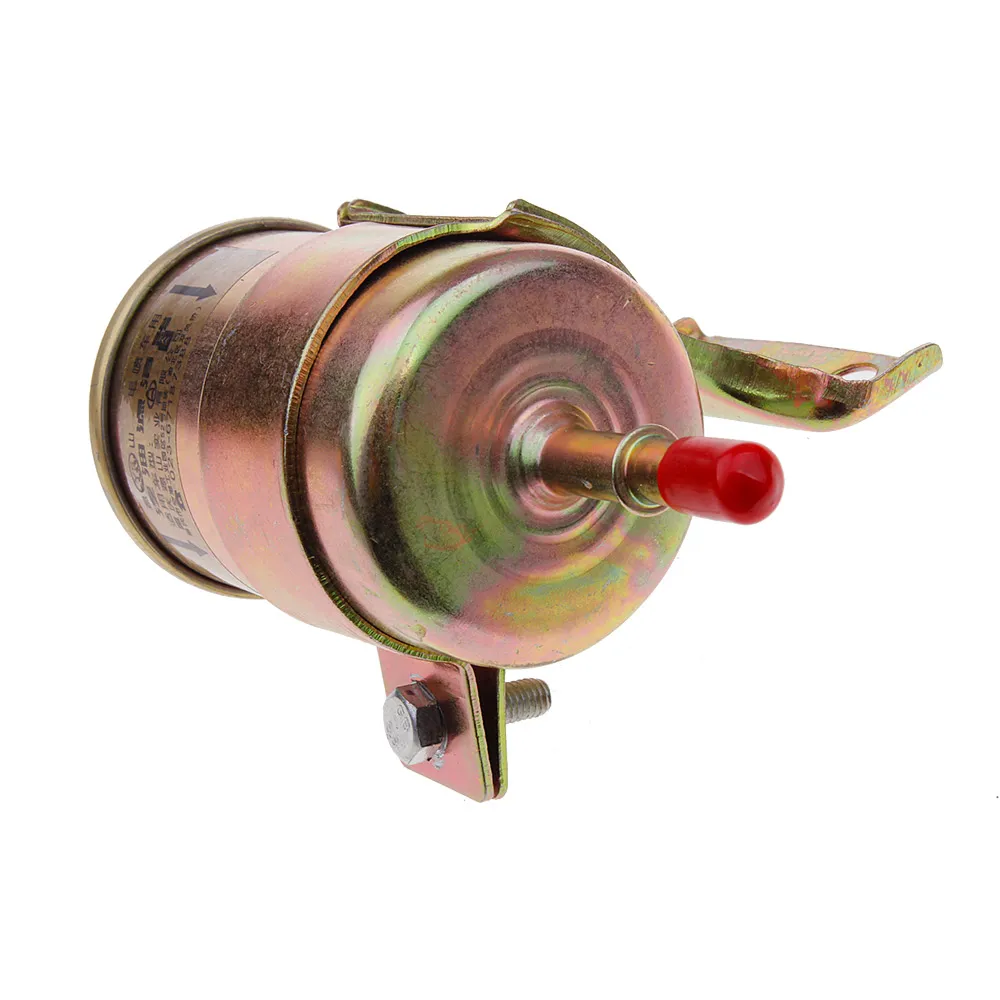
Fig 6: Robust fuel filter designed for heavy-duty applications.
Trustworthiness: FAQs, Lead Time, Warranty & Support
At the core of our B2B relationships is trust, built upon transparency, reliable service, and unwavering support. We understand that for critical components like automotive filters, clarity on product information, logistics, and post-purchase assurance is paramount.
Frequently Asked Questions (FAQs):
Q1: How often should I replace my car fuel filter?
A: Replacement intervals vary significantly by vehicle manufacturer and operating conditions. Generally, it's recommended to replace the car fuel filter every 25,000 to 60,000 kilometers (15,000 to 40,000 miles) or every two years. For heavy-duty applications or regions with poor fuel quality, more frequent replacement may be necessary. Always refer to the vehicle's service manual.
Q2: What are the signs of a clogged car fuel filter?
A: Common symptoms include engine misfires, reduced engine power and acceleration, difficulty starting the vehicle, rough idling, and engine stalling, especially under load. A significantly clogged filter can also put excessive strain on the fuel pump, leading to premature pump failure.
Q3: Are universal car fuel filter options reliable for all applications?
A: While universal car fuel filter designs offer versatility, it's crucial to match the filter's specifications (flow rate, filtration efficiency, pressure rating, port size) with the specific vehicle's requirements. For critical applications or OEM specifications, a direct-fit or custom-designed filter is often the most reliable choice to ensure optimal performance and system protection.
Q4: What is the impact of a dirty fuel filter on engine performance?
A: A dirty fuel filter restricts fuel flow, leading to an inconsistent fuel supply to the engine. This can cause lean fuel mixtures, inefficient combustion, reduced horsepower, decreased fuel economy, increased exhaust emissions, and potentially severe damage to expensive fuel system components like injectors and high-pressure pumps over time.
Lead Time and Fulfillment:
We maintain efficient production lines and robust supply chain management to ensure timely delivery of our automotive filters. For standard products, typical lead times range from 2 to 4 weeks, depending on order volume and specific product configuration. Custom solutions, due to their intricate design and testing phases, typically require 6 to 12 weeks from design approval to initial production. We offer various shipping options and can accommodate expedited requests for urgent requirements, ensuring minimal disruption to your operations. Our dedicated logistics team works to optimize delivery routes and ensure product integrity upon arrival.
Warranty Commitments:
All our car fuel filter products are backed by a comprehensive 12-month or 20,000 km (whichever comes first) manufacturer's warranty against defects in materials and workmanship. This warranty reflects our confidence in the quality and durability of our filters, engineered and tested to the highest industry standards. Full warranty terms and conditions are available upon request and provided with every order.
Customer Support and Technical Assistance:
Our commitment to our partners extends beyond product delivery. We provide dedicated customer support and technical assistance to ensure you get the most out of our filtration solutions. Our team of product specialists and engineers is available to:
- Assist with product selection and compatibility.
- Provide detailed technical specifications and data sheets.
- Offer troubleshooting guidance and installation best practices.
- Support with custom solution development and integration queries.
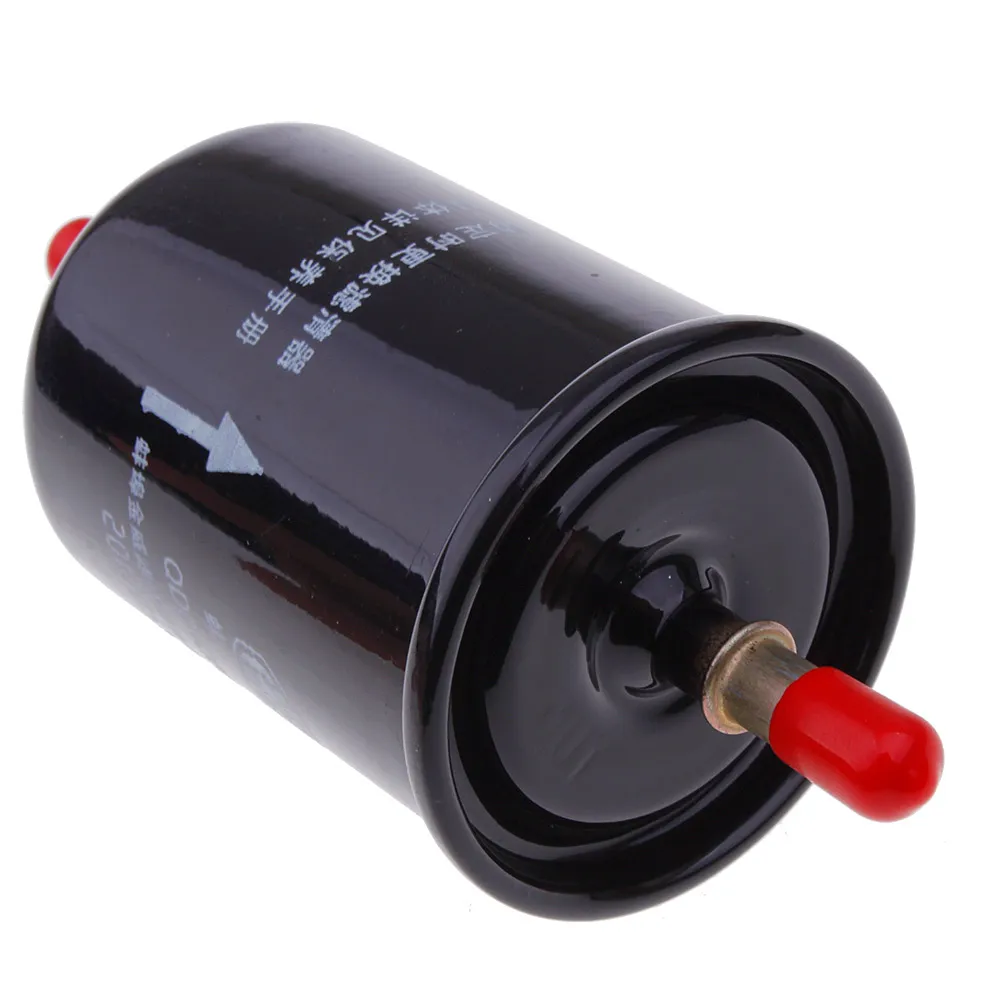
Fig 7: Quality control inspection of automotive filters.
Conclusion
The integral role of high-quality automotive filters in safeguarding modern engine performance and longevity cannot be overstated. From passenger vehicles to heavy industrial machinery, a meticulously engineered car fuel filter is essential for preventing costly damage, ensuring fuel efficiency, and reducing environmental impact. As the automotive landscape continues to evolve, embracing advanced filtration technologies and custom solutions will be critical for manufacturers and fleet operators seeking to optimize performance, enhance reliability, and meet increasingly stringent regulatory demands. Our commitment to expertise, proven experience, authoritative certifications, and transparent trustworthiness positions us as a leading partner in delivering superior filtration solutions tailored to the exacting demands of the B2B sector.
References:
- ISO 4548: International Standard for Methods of Test for Full-Flow Lubricating Oil Filters for Internal Combustion Engines.
- ISO 16889: Hydraulic fluid power - Filters - Multi-pass method for evaluating filtration performance of a filter element.
- IATF 16949: Quality management system standard for the automotive industry.
- "Fuel Filtration Technology." SAE International Journal of Fuels and Lubricants, 2021.
- "Impact of Fuel Quality on Engine Performance and Emission." Journal of Mechanical Engineering Research and Developments, 2020.
-
Guide on how often do you need to replace engine air filterNewsApr.16,2026
-
Learn how often do you replace air filter in car for engine healthNewsApr.09,2026
-
How Often Do You Replace Car Air Filter For Optimal Engine PerformanceNewsApr.07,2026
-
How Often Do You Replace Engine Air Filter For Optimal Vehicle PerformanceNewsApr.04,2026
-
Understanding How Often Does Engine Air Filter Need to Be Replaced for Optimal PerformanceNewsMar.31,2026
-
How Often Engine Air Filter Change Impacts Performance and LongevityNewsMar.28,2026
-
Understanding How Often to Replace Your Car Air Filter for Optimal PerformanceNewsMar.26,2026
Related Products