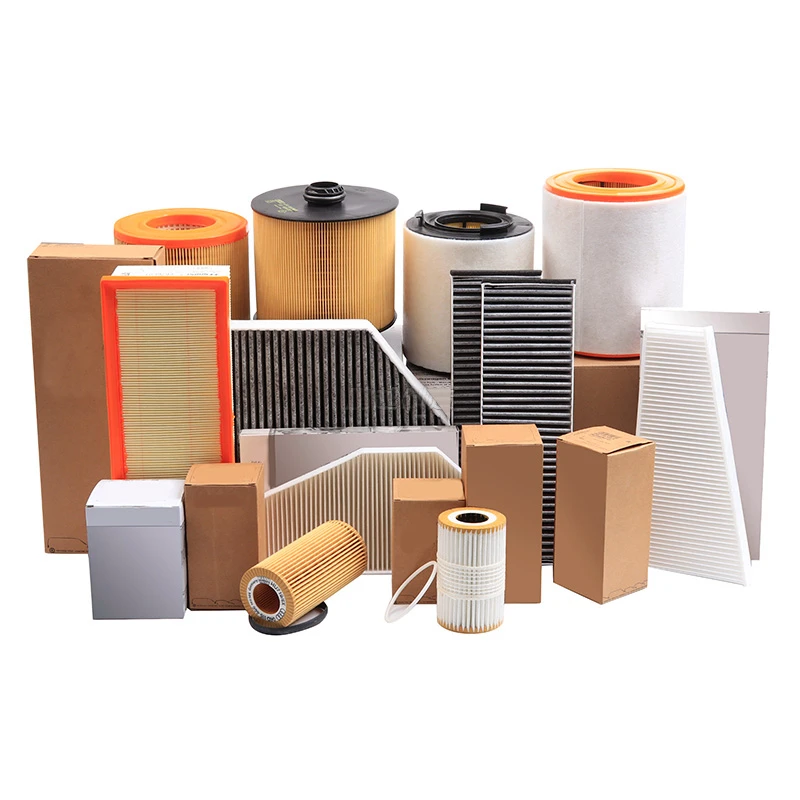
Understanding Car Air Filter Price: Why It Matters Worldwide
At first glance, car air filter price might seem like a straightforward concept—a simple matter of dollars and cents. But zooming out a little, you realize this topic touches on broader issues: environmental efficiency, vehicle maintenance economics, and the global automotive supply chain. Knowing the ins and outs of car air filter pricing isn't just about finding the cheapest option—it's about balancing cost, quality, longevity, and environmental responsibility in an industry that moves millions of people every day.
Globally, air pollution and vehicle emissions remain a pressing concern. According to the World Health Organization, about 90% of the world’s population breathes air that exceeds safe pollutant levels, much of it from vehicles. So, an air filter—even that humble rectangular piece under your hood—is a frontline defender for the engine and the environment. And that’s why its price, affordability, and accessibility are more than just shop talk; they affect vehicle performance and pollution standards worldwide.
Mini takeaway: The simple cost of a car air filter hides a bigger picture of global environmental health and automotive efficiency.
What Exactly Does "Car Air Filter Price" Mean?
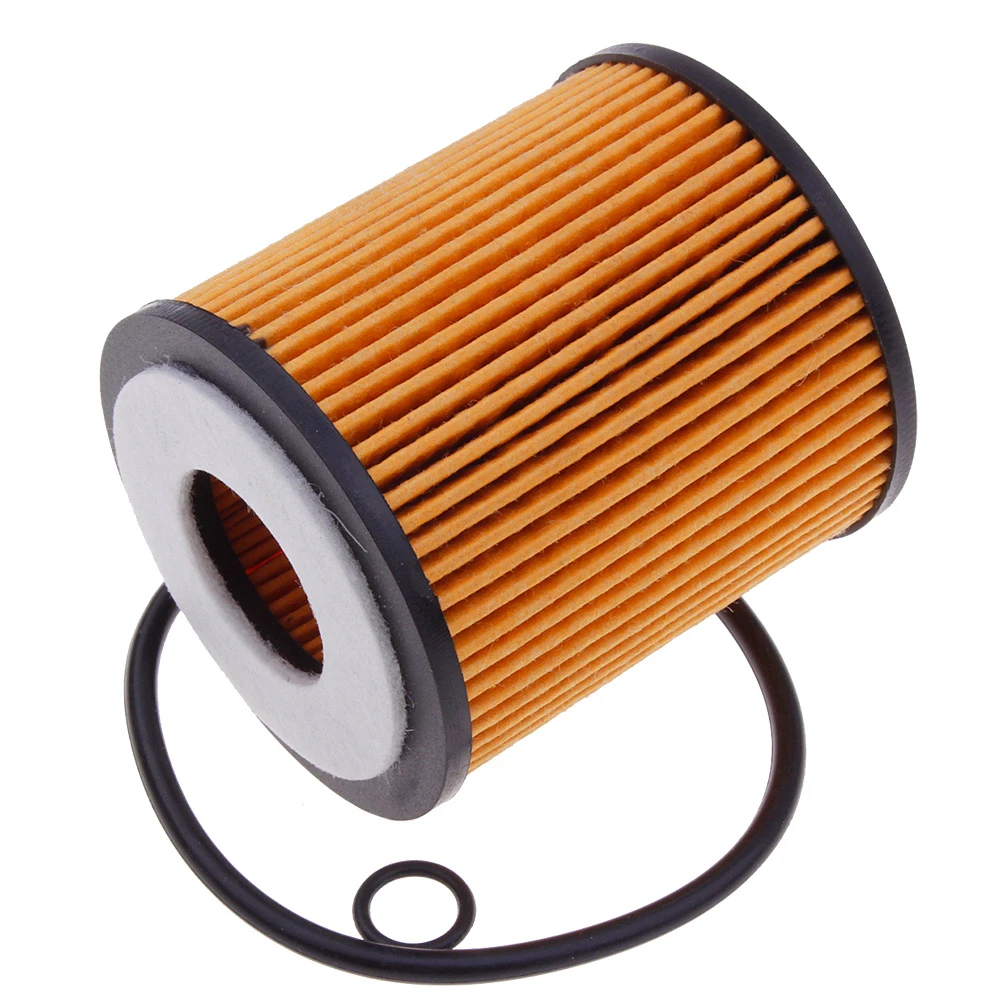
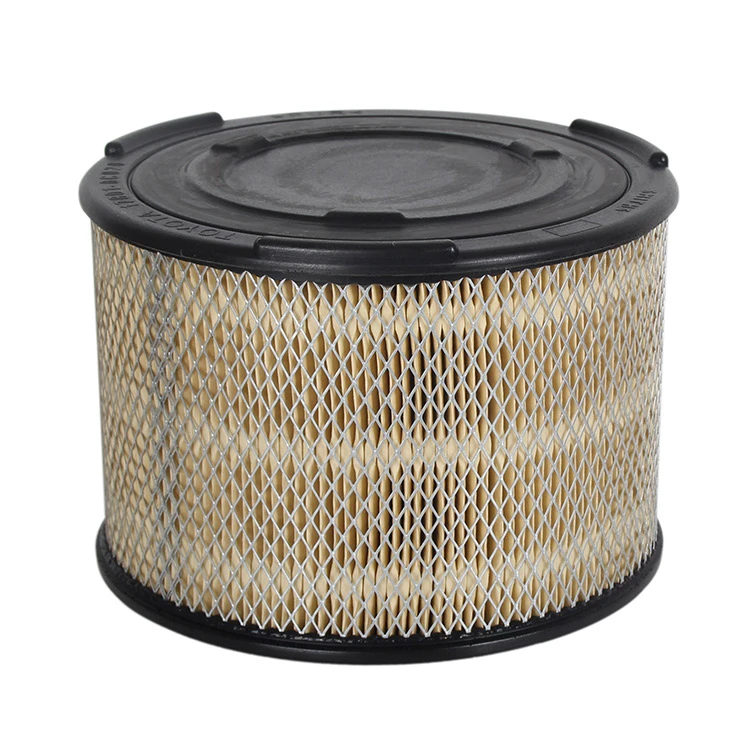
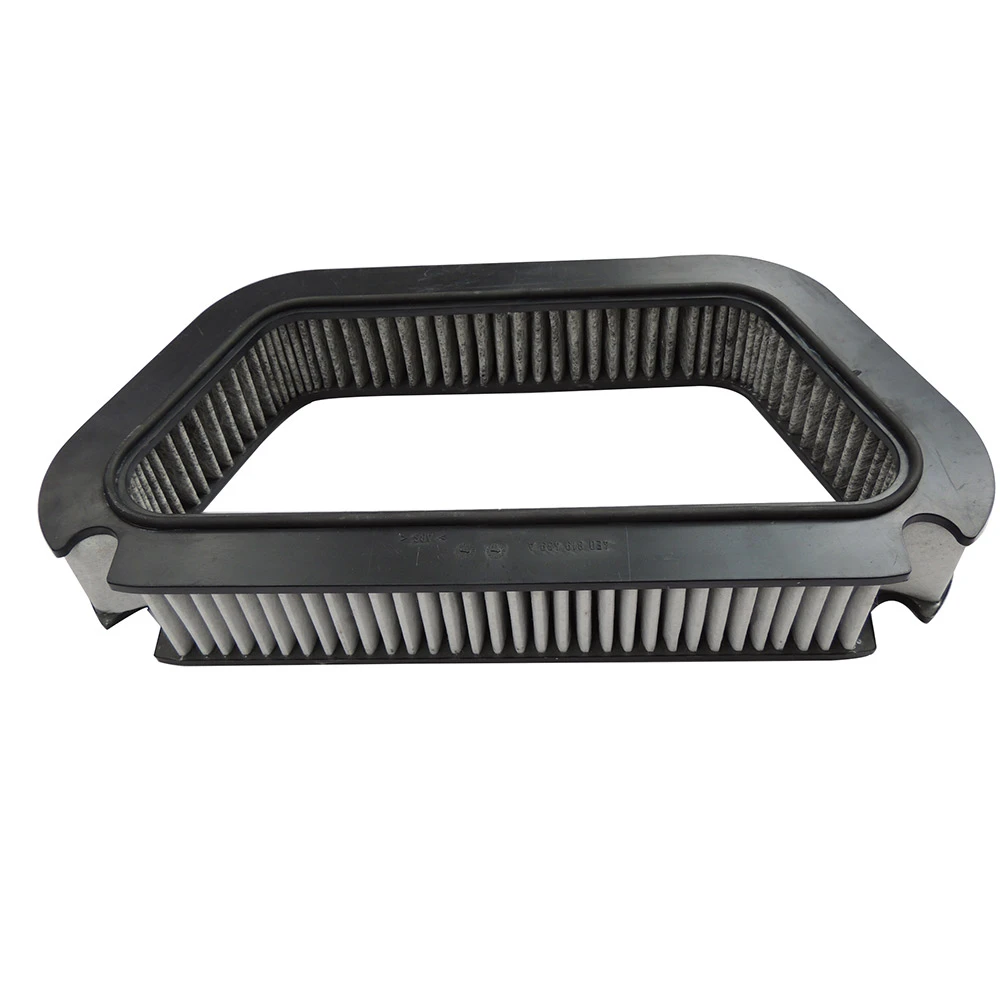
Simply put, car air filter price refers to the cost consumers or fleets pay to purchase a replacement air filter for their vehicles. These filters catch dust, pollen, and other debris before air enters the engine's combustion chamber — a vital role for engine longevity and fuel efficiency.
The price isn't static; it varies depending on materials used, filter size, brand, and even regional economic factors. Plus, the ongoing push toward sustainable materials and better filtration technology affects pricing models. For industries that depend on fleets or areas with stringent environmental rules, understanding costs goes beyond budget—it’s about compliance and operational continuity.
Mini takeaway: The price of a car air filter reflects more than manufacturing costs; it mirrors innovation, regulatory demands, and supply chain dynamics.
Key Factors Influencing Car Air Filter Price
1. Filter Material and Design
The type of material—synthetic fibers versus traditional paper—dramatically impacts cost. Many engineers say high-efficiency filters with multi-layered synthetic media cost more upfront but last longer and improve engine performance.
2. Longevity and Maintenance Cycle
Filters designed to last longer may have a higher price but save money over time by reducing replacement frequency. If you’re swapping out your filter every 7,500 miles versus every 15,000, the price per mile changes substantially.
3. Brand Reputation and Certification
OEM (Original Equipment Manufacturer) parts tend to carry premium pricing due to quality assurance and warranty coverage. Certifications like ISO 5011 (for filter efficiency and dust holding capacity) can justify a higher price point.
4. Environmental Regulations
Regions with strict emission laws (like the EU or California) often demand higher performing filters, influencing costs. It’s an area where cost and compliance intersect tightly.
5. Supply Chain and Distribution
Raw material price fluctuations, shipping costs, and distribution channels add a layer of complexity to the final retail price—especially in remote markets.
6. Technological Advances
Next-gen filters incorporating nanotechnology or hybrid designs often carry a premium but promise improved air purification and engine health.
Mini takeaway: Car air filter price is a mosaic of material science, regulatory frameworks, brand trust, and supply chain realities.
Globally Diverse Applications & Use Cases
Oddly enough, the impact of the car air filter price extends beyond your everyday sedan. In remote industrial zones, where dust storms or heavy particulates plague vehicles, cost-effective yet durable filters mean reduced downtime and maintenance costs — critical for mining fleets or agricultural machinery.
In post-disaster relief operations, emergency vehicles running reliably can be a lifeline. Lower-priced yet effective filters allow NGOs and governments to keep fleets active without overspending, contributing indirectly to humanitarian efforts.
In emerging markets, affordability drives adoption. For a vehicle owner in Southeast Asia or Africa, finding a filter that balances price and performance is often the difference between a working car and idling transport—impacting livelihoods profoundly.
Mini takeaway: From humanitarian missions to dusty work trucks, the car air filter price plays a surprisingly pivotal role worldwide.
The Tangible and Lasting Advantages of Optimal Air Filter Pricing
- Cost Savings: Spending smartly up front on a quality filter reduces engine wear and boosts fuel economy.
- Environmental Benefits: Better filters mean fewer emissions and cleaner air — a win-win.
- Vehicle Longevity: Reliable filtration guards against costly repairs down the line.
- Social Impact: Accessible pricing keeps crucial transport running in underprivileged areas.
- Peace of Mind: Knowing your car "breathes clean" creates unexpected trust and satisfaction.
Mini takeaway: Price isn’t just about money—it’s a key factor for safety, sustainability, and social value.
Emerging Trends Shaping the Future of Car Air Filter Price
Several exciting trends are reshaping how we think about air filters and their pricing:
- Eco-friendly Materials: Biodegradable filter media and recyclable components are gaining traction, though costs remain higher for now.
- Digital Filtration Monitoring: Sensors that assess filter condition can push manufacturers toward value-based pricing models instead of fixed replacement intervals.
- Advanced Nanofibers: These promise finer particulate capture without airflow compromise, likely adjusting price dynamics.
- Subscription Services: Some vendors now offer filter replacement subscriptions to balance cost and convenience.
In fact, sustainability certifications and smart tech integration might soon become baseline expectations. So, prices will reflect not just physical goods but digital services, data analytics, and green credentials.
Mini takeaway: Innovation and sustainability are converging to redefine both filter performance and its price structure.
Current Challenges and Clever Solutions
A big challenge—especially in developing markets—is balancing quality and affordability. Cheaper filters might save money up front but cause engine damage, while premium ones can be out of reach for many. Experts suggest:
- Encouraging local manufacturing using sustainable materials to cut logistics costs.
- Implementing educational campaigns to help consumers understand value beyond price tags.
- Partnering with NGOs to supply durable filters at subsidized rates for critical use cases.
On the technical side, researchers are exploring self-cleaning filters and reusable models, which could shake up pricing models radically—though we’re not there yet.
Mini takeaway: Challenges persist, but practical and innovative approaches offer hope for better access and smarter spending.
Realistic Product Specification Table: Popular Car Air Filters
| Model | Filter Material | Lifespan (miles) | Approx. Price (USD) | Key Feature |
|---|---|---|---|---|
| EcoAir X100 | Synthetic Media | 15,000 | $25–$30 | High dust-loading capacity |
| PureFlow P50 | Paper + Activated Carbon | 10,000 | $15–$20 | Removal of odors and fumes |
| NanoGuard 300 | Nanofiber Composite | 20,000 | $40–$50 | Superior filtration efficiency |
Vendor Comparison Table: Car Air Filter Suppliers
| Vendor | Price Range (USD) | Global Shipping | Eco-Friendly Options | Warranty (months) |
|---|---|---|---|---|
| FilterPro | $15–$60 | Yes | Limited | 24 |
| AutoClean | $20–$50 | No | Yes | 18 |
| GreenFilters | $30–$70 | Yes | Extensive | 36 |
FAQ: Common Questions About Car Air Filter Price
Q1: How often should I replace my car air filter for optimal cost efficiency?
A: Most manufacturers recommend replacing your air filter every 12,000 to 15,000 miles, but dusty conditions might require more frequent changes. Choosing a higher quality filter, even if pricier, often reduces long-term costs by improving fuel efficiency and preventing engine damage.
Q2: Does paying more for a premium air filter truly benefit my vehicle?
A: Generally, yes. Premium filters often have advanced media that trap smaller particulates and last longer. This means better engine performance and fewer replacements over time, justifying the increased initial cost for many drivers.
Q3: Can the price of air filters indicate environmental friendliness?
A: Sometimes. Filters made from sustainable or recyclable materials tend to have higher production costs reflected in the price. However, they provide environmental benefits by reducing waste and improving air quality.
Q4: Are aftermarket air filters cheaper but reliable alternatives to OEM parts?
A: Aftermarket options can be cost-effective but vary widely in quality. Look for filters with certifications like ISO 5011 to ensure reliability. Balancing price with trusted brands can avoid costly engine issues later.
Q5: Where can I find affordable yet quality car air filter prices online?
A: Reputable online platforms like car air filter price provide transparent pricing, product specifications, and customer reviews, helping you make informed choices from anywhere worldwide.
Conclusion: Why Car Air Filter Price Matters More Than You Think
In real terms, the price of a car air filter is more than a line item on your maintenance budget. It reflects a complex balance of technology, environment, economics, and user needs across the globe. Whether you’re a solo driver in a dusty rural town or managing a fleet in a busy megacity, understanding product specs, vendor options, and future trends helps you buy better. And ultimately, a well-chosen filter at the right price means smoother rides, cleaner air, and a healthier planet.
Feeling ready to find the perfect balance of quality and price? Visit https://www.jyfilter.com to explore up-to-date options and expert advice on car air filters that fit your needs and budget.
References:
-
Guide on how often do you need to replace engine air filterNewsApr.16,2026
-
Learn how often do you replace air filter in car for engine healthNewsApr.09,2026
-
How Often Do You Replace Car Air Filter For Optimal Engine PerformanceNewsApr.07,2026
-
How Often Do You Replace Engine Air Filter For Optimal Vehicle PerformanceNewsApr.04,2026
-
Understanding How Often Does Engine Air Filter Need to Be Replaced for Optimal PerformanceNewsMar.31,2026
-
How Often Engine Air Filter Change Impacts Performance and LongevityNewsMar.28,2026
-
Understanding How Often to Replace Your Car Air Filter for Optimal PerformanceNewsMar.26,2026
Related Products