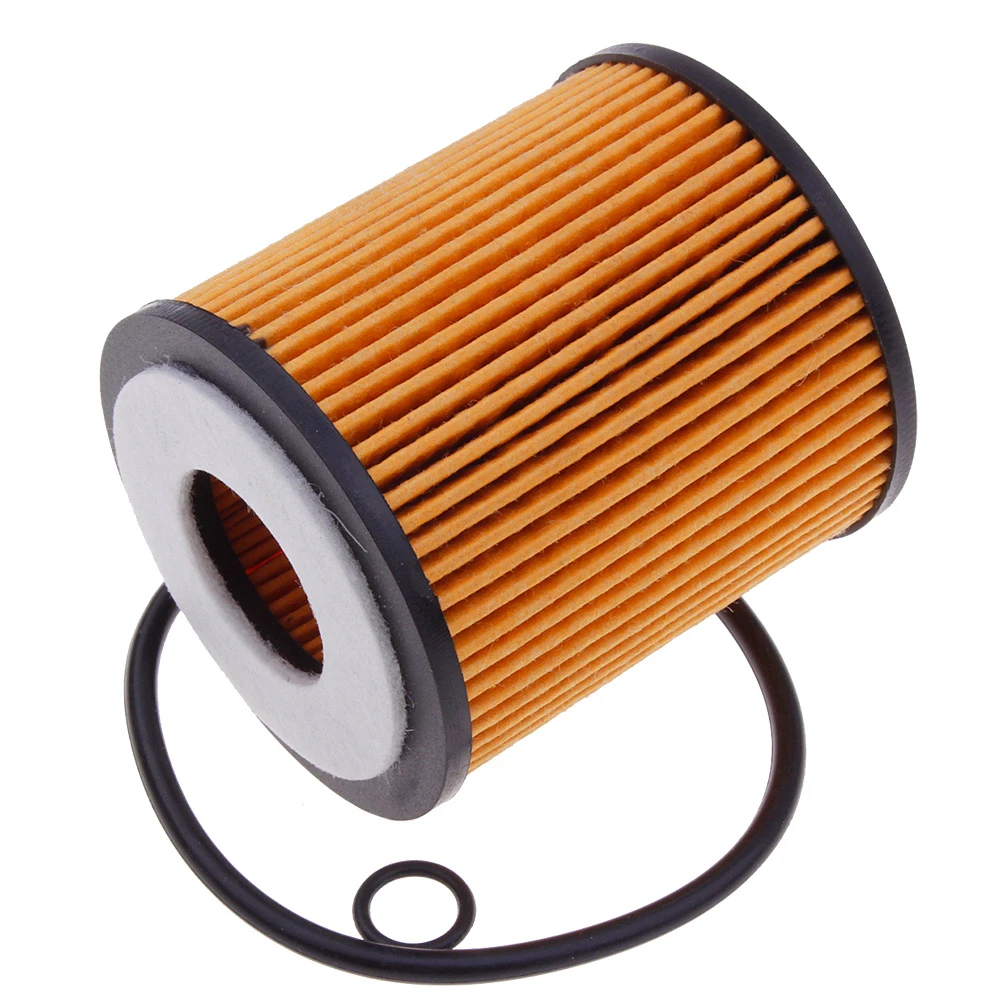
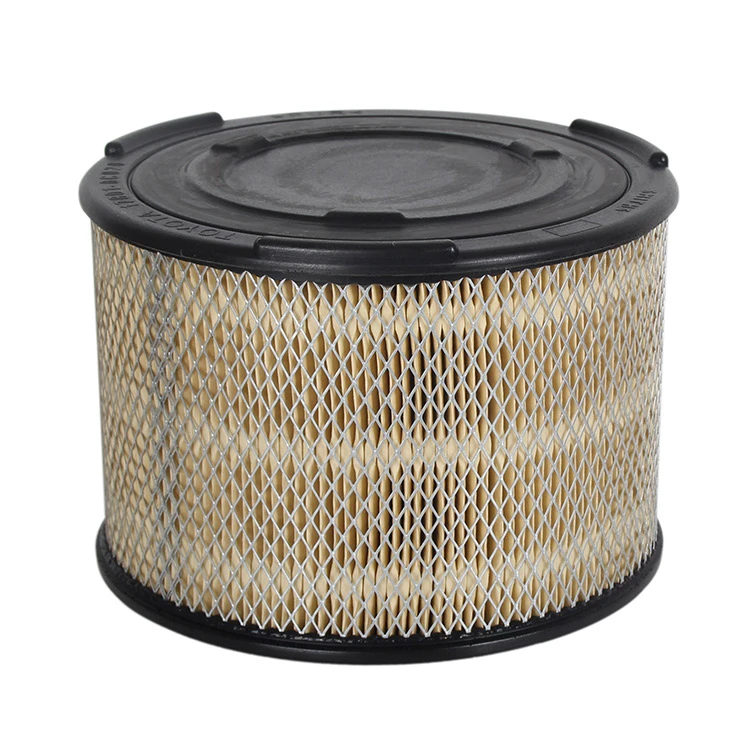
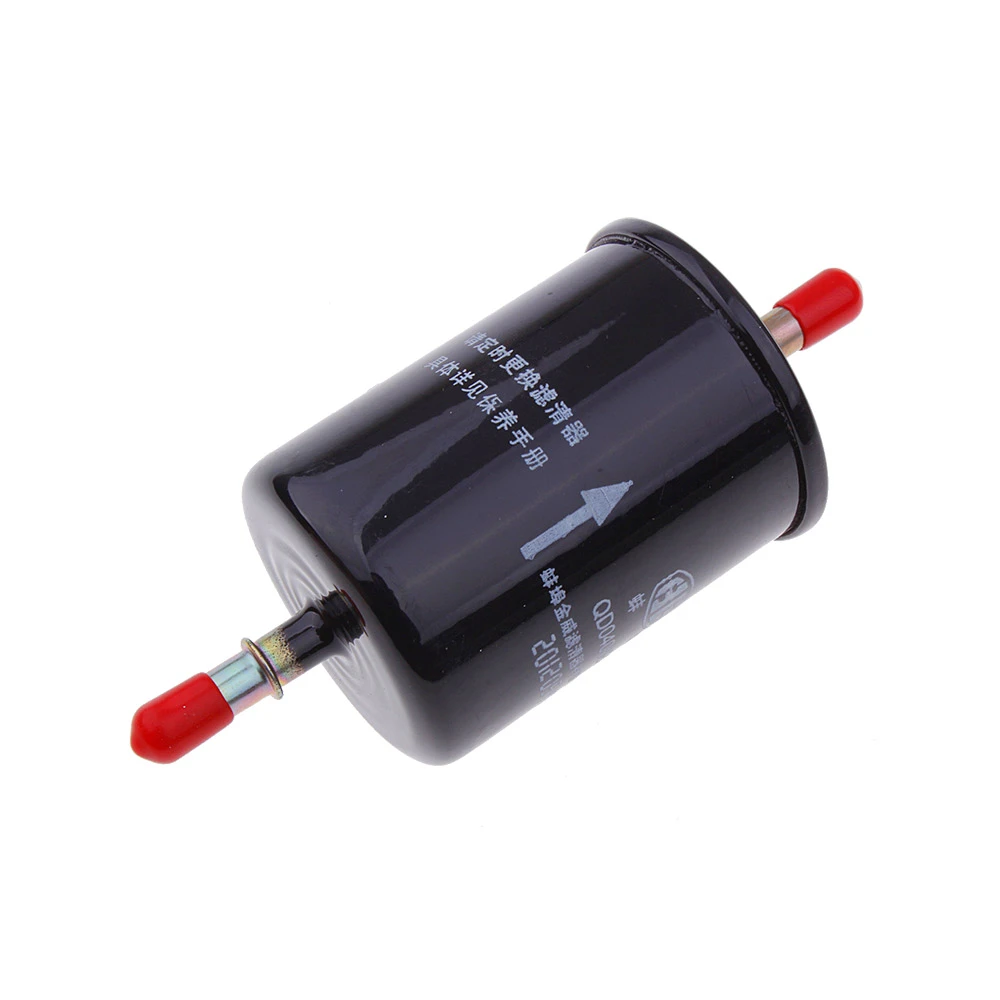
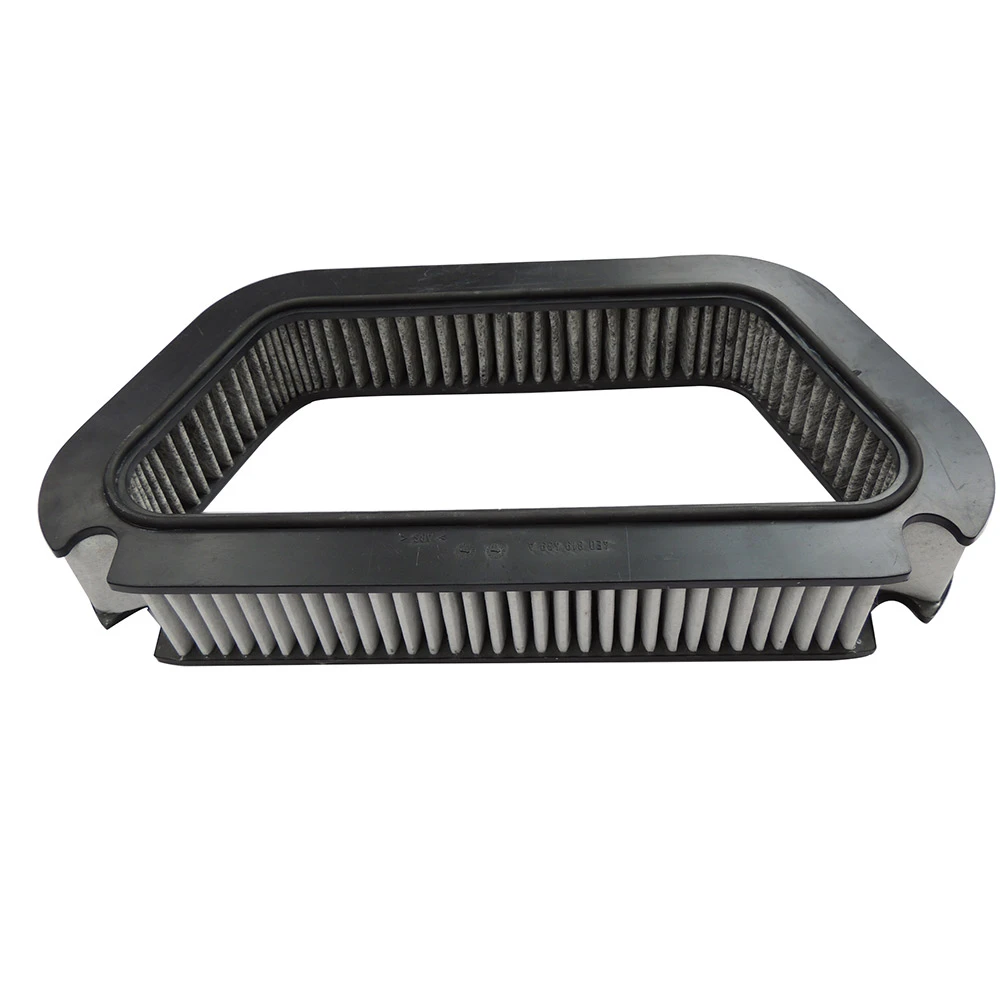
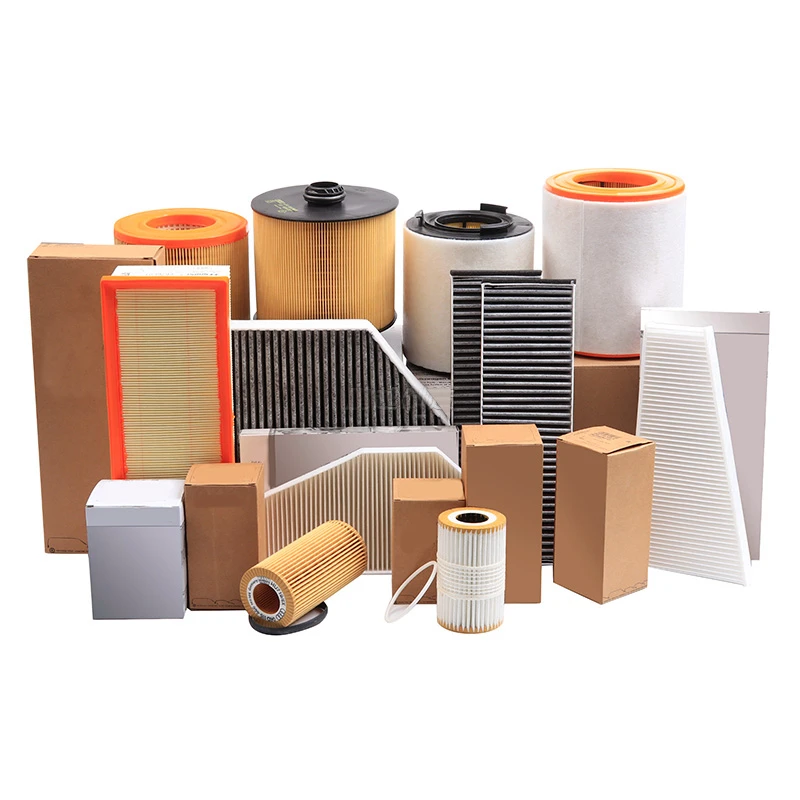
What Is a Cool Intake Filter and Why It Matters Globally
If you’ve ever thought about the unseen heroes in industrial and environmental tech, a cool intake filter might just top the list. These little devices quietly but critically help manage the quality and temperature of the air entering machinery, ventilation systems, or even cleanrooms. As simple as it sounds, the global stakes for clean, cooled air intake are higher than you might expect.
Considering growing concerns about climate change, energy efficiency, and rising pollutants worldwide, understanding how cool intake filters work and why they matter is essential. They shave off operating costs, enhance equipment life, and reduce harmful emissions by ensuring the optimal air conditions right at the start. And when major industries across continents—from manufacturing plants in Asia to hospital HVAC systems in Europe—depend on filtered cool air, the ripple effect is tangible and substantial.
The Global Context: Why Cool Intake Filters Are Gaining Attention
Worldwide, industries face increasing environmental regulations and pressure to reduce their carbon footprint. The International Organization for Standardization (ISO) has guidelines on air quality and HVAC standards that emphasize the importance of clean air intake. According to a recent ISO report, poor air intake quality can increase energy consumption by up to 15% in industrial HVAC systems.
So, imagine the scale—millions of factories, data centers, and hospitals relying on air intake systems that often operate 24/7. Without efficient cool intake filters, machines run hotter, break down more often, and guzzle more electricity. That's a challenge both economically and environmentally. Cool intake filter technology works to solve that by cooling incoming air and filtering pollutants, which helps keep indoor climates stable and machines in peak shape.
Defining the Cool Intake Filter
A cool intake filter is a specially designed air filter unit that not only cleans particulate matter such as dust, pollen, and smoke but also helps regulate the temperature of the air entering mechanical systems. They usually combine high-efficiency filtering media with cooling technology—passive or active—to optimize air quality before it reaches turbines, engines, or HVAC units.
In simple terms: It’s like the lungs and air conditioner for industrial machines, protecting them while enhancing performance. This dual function is crucial in hot, polluted environments where both heat and dust can wear down equipment fast.
Key Aspects of Cool Intake Filters
1. Durability
Field engineers often point out that durability is non-negotiable for a cool intake filter. These filters must resist grime, moisture, and constant temperature shifts. Materials like electrostatically charged polypropylene fibers or metal-mesh composites are common choices because they balance lifespan with efficiency.
2. Scalability
From a tiny server room filter to full-scale factory intake units, scalability matters. Modern cool intake filters come in modular designs to fit all sizes without losing performance. Plus, many systems allow easy add-ons or replacements onsite, which is a blessing to maintenance teams.
3. Cost Efficiency
While the upfront cost may feel high, the total cost of ownership tells a clearer story. Effective cool intake filters reduce machine failures, energy use, and downtime. For example, some Asian automotive plants reported a 12% drop in energy bills after switching to advanced cool intake filtering units.
4. Environmental Compliance
Filters now have to meet not just mechanical specs but also environmental standards, especially in places with strict pollution control like the EU or California. High-performance cool intake filters trap harmful particulates, contributing to cleaner emissions overall.
5. Maintenance & Ease of Use
Another factor sometimes overlooked—ease of maintenance. The best filters use replaceable cartridges or washable media, making mid-cycle upkeep simpler and cheaper, a feature many technicians appreciate.
6. Customization
Different industries have unique needs. Filters can be fine-tuned with humidity control, antimicrobial coatings, or integration with smart systems for real-time performance monitoring, which is a growing trend.
Mini Takeaway: A cool intake filter isn’t just a piece of equipment—it’s a tailored solution balancing durability, cost, and environment-friendly operation while adapting to diverse industrial needs.
Global Applications: Where and How Cool Intake Filters Make a Difference
Think about places where machinery constantly copes with hot, polluted air: places like mining operations in Australia, data centers in Silicon Valley, or hospital ventilation units in Europe. These and other sectors rely heavily on cool intake filters.
- Disaster zones: In post-disaster relief, temporary generators with cool intake filters prevent rapid wear, ensuring power supply continuity.
- Manufacturing plants: Many factories in Southeast Asia reported extended equipment life and fewer unscheduled shutdowns after upgrading their intake filters.
- Urban infrastructure: City tunnels and subway systems benefit from filtering and cooling to protect ventilation fans and keep air quality safe for workers.
- Agricultural tech: In the Middle East and Africa, irrigation pumps and cooling units use these filters to handle dust-heavy environments.
Oddly enough, several NGOs working in humanitarian aid are now requesting customized cool intake filters for mobile clinics and refugee temporary housing air systems. It’s all interconnected.
Advantages and Long-Term Value
It’s easy to see the logical benefits: lower repairs, less energy, and longer machinery lifespan. But there’s also an emotional layer—trusting that your equipment won’t fail when it matters, knowing workers breathe cleaner air, or feeling proud to meet sustainability goals.
To put it in perspective, hospitals emphasize filter reliability as part of patient safety protocols. And industries want to project innovation, responsibility, and care for their workforce and community. In the long run, cool intake filters become part of that ethical and operational backbone.
Product Specification Table: Typical Cool Intake Filter Features
| Feature | Description | Typical Range |
|---|---|---|
| Airflow Capacity | Volume of air processed per minute | 500 - 5000 CFM |
| Particle Filtration Efficiency | Percentage of dust and pollutant capture | 85% - 99.9% (HEPA grade) |
| Cooling Method | Passive or active cooling technology | Evaporative / Fan-assisted / Thermoelectric |
| Material | Filter media and housing construction | Polypropylene, Aluminum Alloy, Stainless Steel |
| Operating Temperature Range | Temperature of intake air supported | -20°C to 70°C |
Vendor Comparison: Not All Cool Intake Filters Are Created Equal
| Vendor | Filtration Efficiency | Cooling Tech | Maintenance | Price Range |
|---|---|---|---|---|
| JyFilter Co. | Up to 99.98% HEPA | Hybrid evaporative + fan | Cartridge replaceable; washable pre-filters | $$$ (High) |
| ClearAir Solutions | ~95% particulate capture | Passive cooling (heat sinks) | Disposable filters, no cleaning | $$ (Medium) |
| EcoBreathe Tech | Up to 99.5% | Thermoelectric cooling | Smart sensors; remote monitoring | $$$$ (Premium) |
Looking Ahead: Trends and Innovations
Honestly, the scene is heating up—well, cooling down, technically. As smart manufacturing and green energy policies take hold, cool intake filters are going digital. Sensors measuring particulates and temperature in real-time can automatically adjust fan speeds or signal maintenance teams before problems arise. That kind of automation is not futuristic fantasy anymore—it’s already happening.
Use of bio-based filter media, or antimicrobial nanocoatings that resist mold and bacteria growth, are growing technologies too. And with worldwide mandates for net-zero emissions, energy-saving filtration and cooling will become even more vital, frankly indispensable.
Challenges and How Experts Are Meeting Them
One battle is always budget. Smaller companies want the efficiency but balk at costs. Some vendors offer leasing or modular upgrades to ease initial expenses.
Another issue is filter clogging in extremely dusty environments, which reduces cooling efficiency. Innovative multi-stage filtration and self-cleaning mechanisms are emerging as clever solutions.
Plus, deployment speed matters in emergency or remote settings. Portable, plug-and-play cool intake filters designed for fast assembly are increasingly requested—because time is, well, everything in those cases.
FAQ: Quick Answers About Cool Intake Filters
- Q: How often should a cool intake filter be replaced or cleaned?
A: Frequency depends on use and environment but generally every 3–6 months for removable cartridges, with pre-filters cleaned monthly in dusty areas. - Q: Are cool intake filters easy to retrofit to existing systems?
A: Most modern designs are modular for straightforward installation, but it’s best to consult the vendor for compatibility with your specific system. - Q: Do these filters consume a lot of extra power?
A: While active cooling adds energy use, the net savings from improved equipment efficiency usually outweigh this, leading to overall lower power consumption. - Q: Can I track filter performance remotely?
A: Yes, advanced units come with sensors and IoT integration for real-time monitoring, helping schedule maintenance proactively. - Q: What industries benefit most from cool intake filters?
A: Manufacturing, data centers, healthcare, power generation, and agricultural operations all see significant advantages.
Final Thoughts on Cool Intake Filters
Wrapping it up—understanding the power of a cool intake filter is more than knowing a product spec. It’s about appreciating how such a device plays a pivotal role in making industries greener, more reliable, and safer worldwide. The balance of cost, innovation, and environmental consciousness all come together in this small but mighty tech.
If you’re considering upgrading or integrating cool intake filters into your operation, there’s never been a better time. Browse trusted suppliers and filter options at https://www.jyfilter.com, and step confidently into a future where clean, cool air starts it all.
References
-
Guide on how often do you need to replace engine air filterNewsApr.16,2026
-
Learn how often do you replace air filter in car for engine healthNewsApr.09,2026
-
How Often Do You Replace Car Air Filter For Optimal Engine PerformanceNewsApr.07,2026
-
How Often Do You Replace Engine Air Filter For Optimal Vehicle PerformanceNewsApr.04,2026
-
Understanding How Often Does Engine Air Filter Need to Be Replaced for Optimal PerformanceNewsMar.31,2026
-
How Often Engine Air Filter Change Impacts Performance and LongevityNewsMar.28,2026
-
Understanding How Often to Replace Your Car Air Filter for Optimal PerformanceNewsMar.26,2026
Related Products