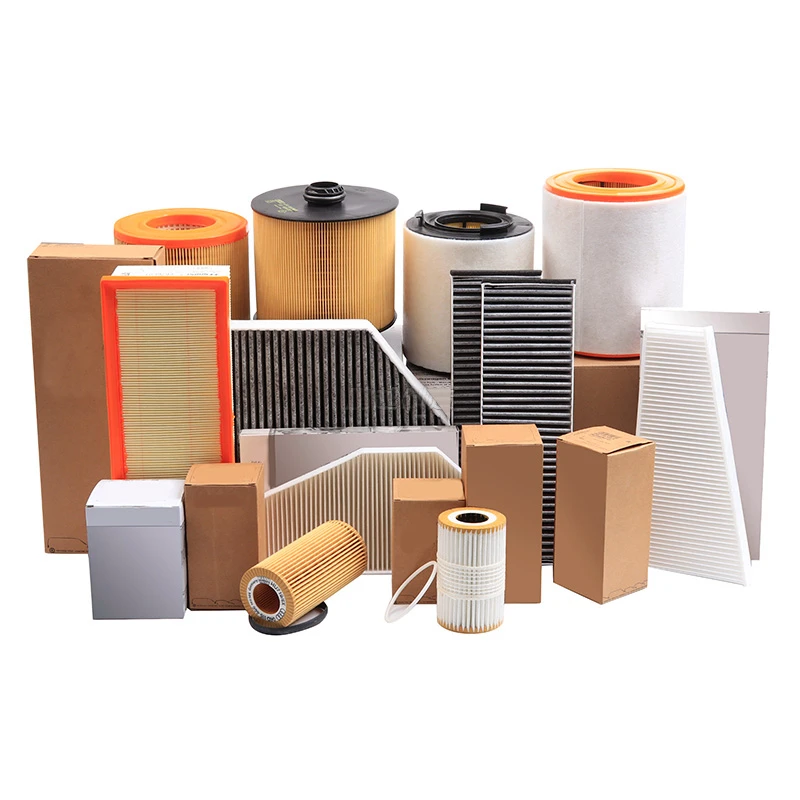
How Often Should Car Filters Be Changed?
Maintaining your vehicle involves more than just regular oil changes and tire rotations. A crucial aspect often overlooked is the timely replacement of your car's filters. These filters – air, cabin, fuel, and oil – play a vital role in ensuring optimal engine performance, fuel efficiency, and passenger comfort. Knowing when to change your car filters is essential for preventing costly repairs and extending the life of your vehicle. This article will guide you through the recommended replacement intervals for each type of filter, helping you stay on top of your car maintenance schedule.
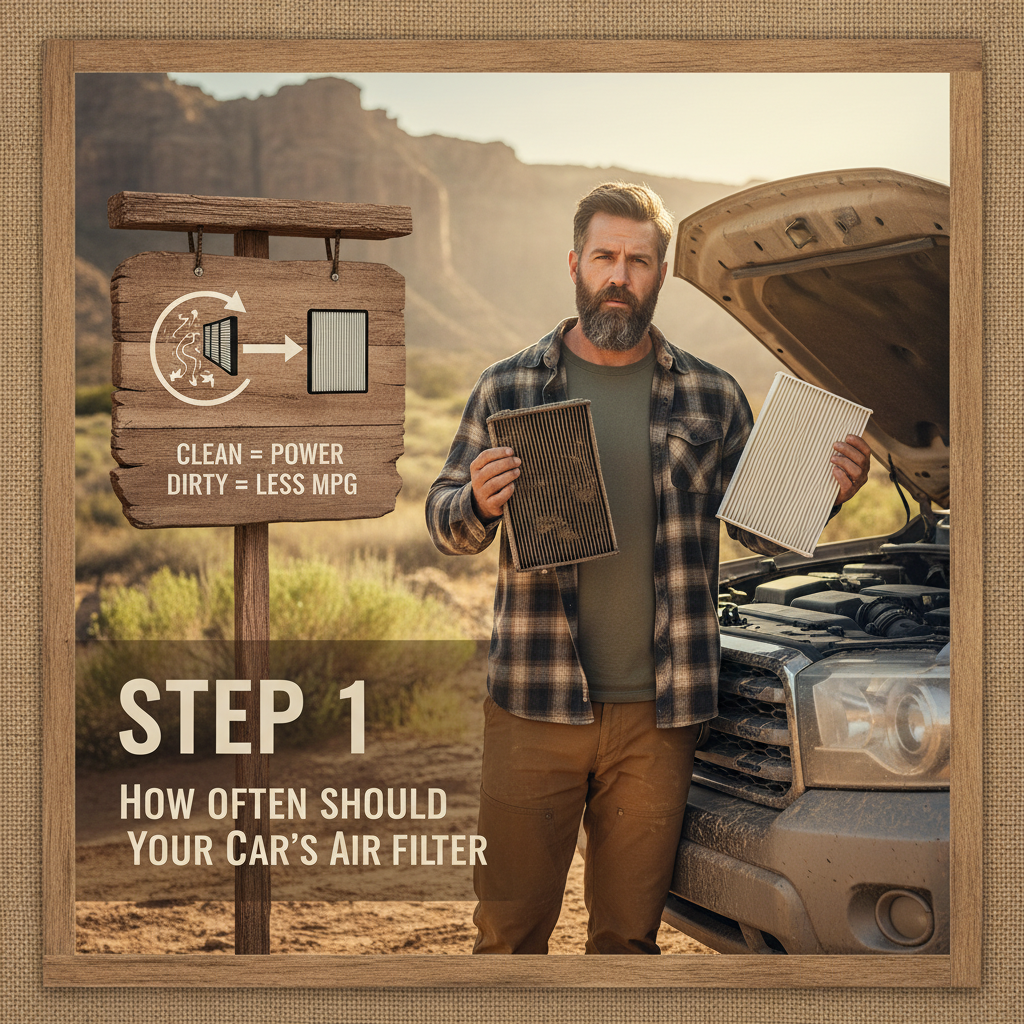
Understanding the Different Types of Car Filters
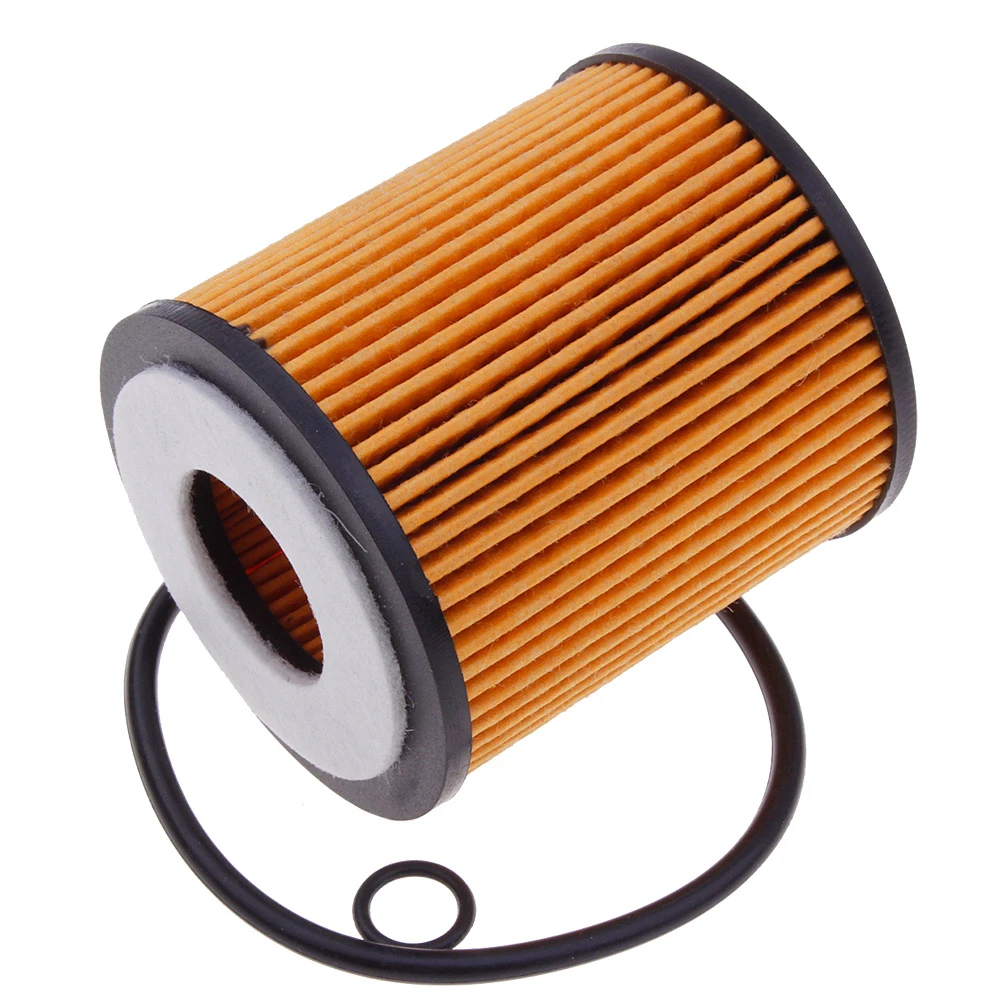
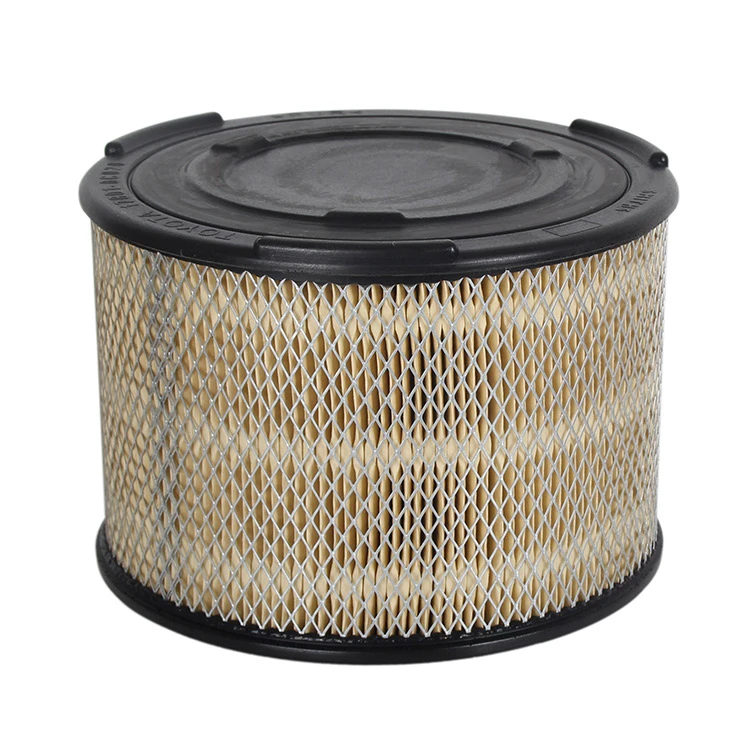
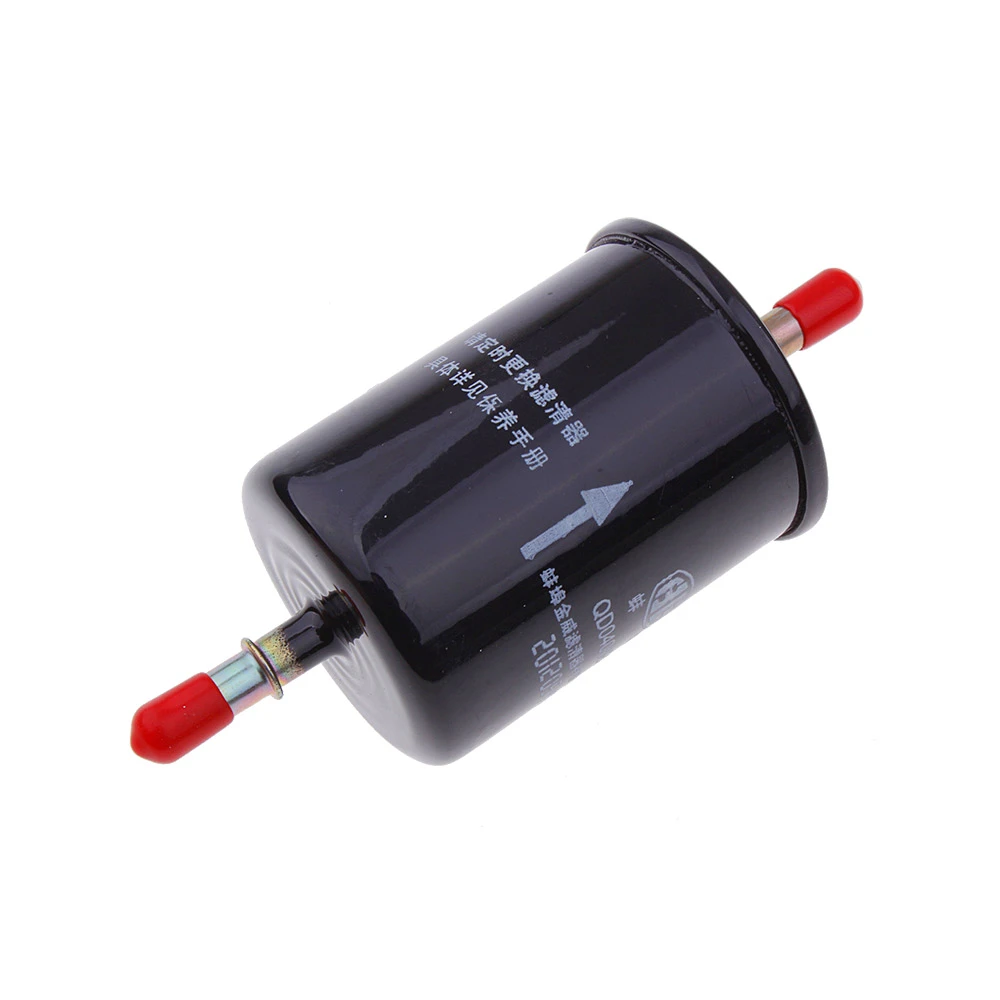
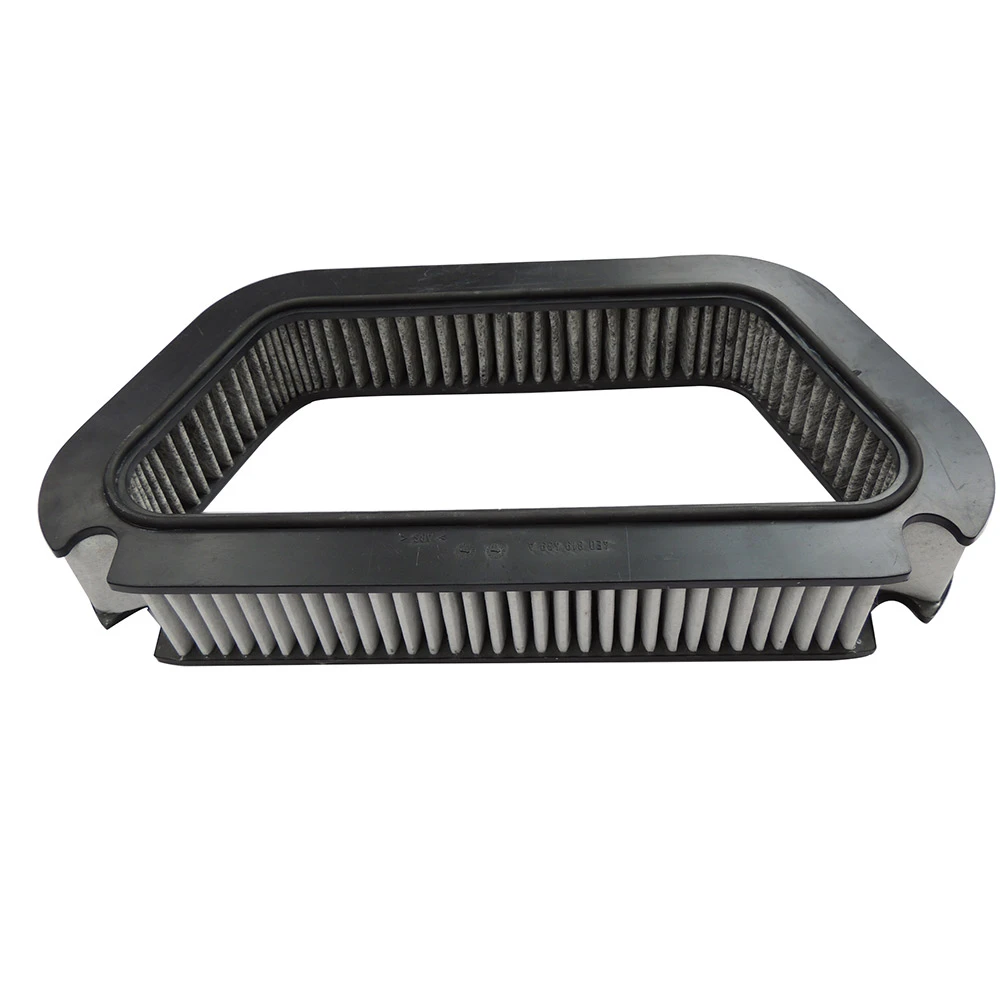
Before diving into replacement schedules, let's clarify the function of each filter. The engine air filter prevents dust, dirt, and debris from entering your engine, protecting crucial components. The cabin air filter cleans the air entering the passenger compartment, improving air quality. The fuel filter prevents contaminants from reaching the engine, ensuring efficient fuel delivery. Finally, the oil filter removes impurities from the engine oil, maintaining lubrication and extending engine life. Neglecting any of these filters can lead to decreased performance and potential damage.
Key Takeaway: Each car filter has a specific function and a recommended replacement interval. Following these guidelines helps maintain vehicle health and performance.
How Often Should You Change Your Engine Air Filter?
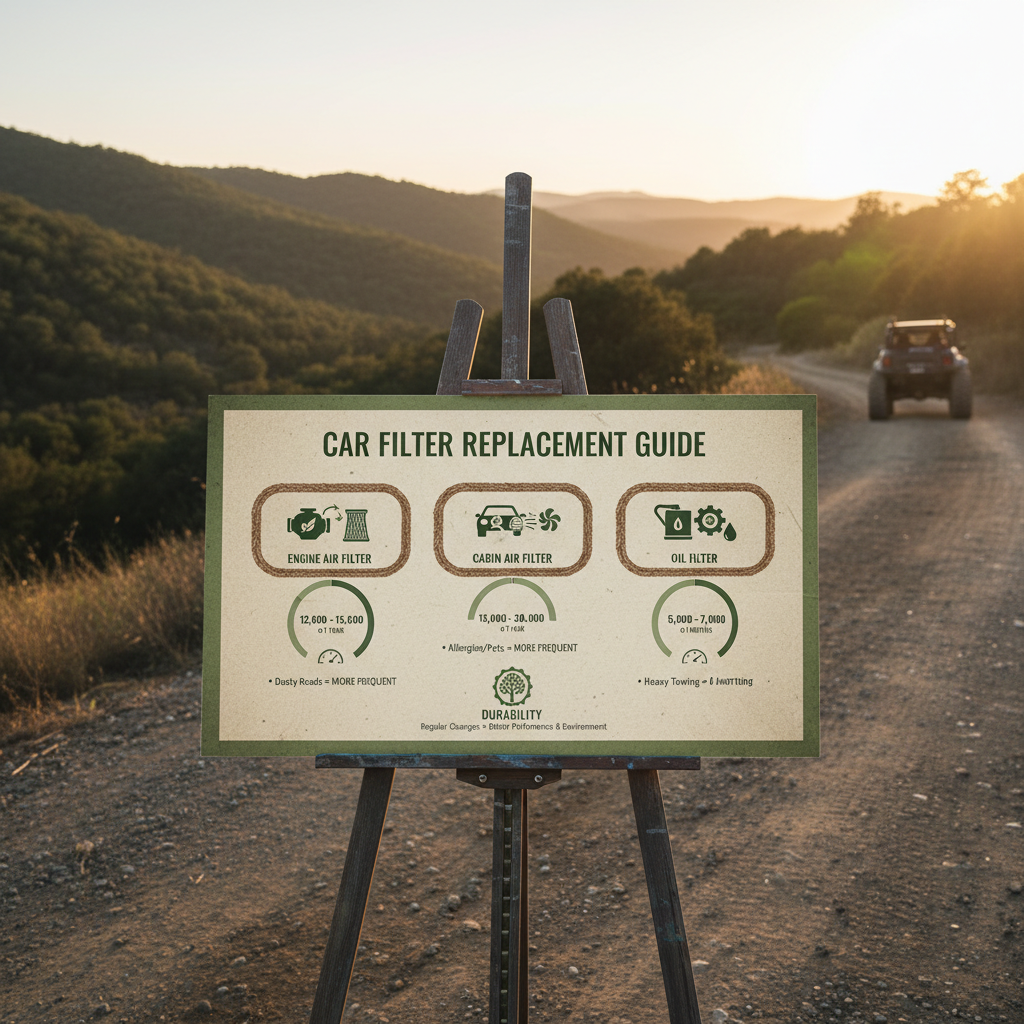
The engine air filter is arguably the most frequently replaced filter. Generally, you should replace it every 12,000 to 15,000 miles, or about once a year. However, this interval can vary based on driving conditions. If you frequently drive in dusty or polluted areas, you may need to replace it more often – perhaps every 5,000 to 7,500 miles. A clogged air filter restricts airflow, reducing engine power and fuel efficiency. A simple visual inspection can help determine if replacement is necessary. If the filter appears dirty or discolored, it’s time for a change.
Engine Air Filter Replacement Guidelines:
• Normal Driving Conditions: 12,000 - 15,000 miles (or 1 year)
• Dusty/Polluted Conditions: 5,000 - 7,500 miles
• Visual Inspection: Replace if dirty or discolored
Cabin Air Filter Replacement: Ensuring Air Quality
The cabin air filter protects you and your passengers from inhaling dust, pollen, and other airborne pollutants. It’s recommended to replace the cabin air filter every 15,000 to 20,000 miles, or about once a year. Like the engine air filter, driving in polluted areas may necessitate more frequent replacements. Symptoms of a clogged cabin air filter include reduced airflow from the vents, a musty odor, and increased allergen presence within the vehicle. Replacing this filter significantly improves the air quality inside your car, especially beneficial for allergy sufferers.
Fuel and Oil Filter Replacement Schedules
The fuel filter typically needs replacing every 2 to 3 years, or around 30,000 miles. A clogged fuel filter can cause difficulty starting, engine stalling, and reduced acceleration. The oil filter, however, is replaced with every oil change – usually every 5,000 to 7,500 miles depending on the oil type and your vehicle’s recommendations. Using a high-quality oil filter is crucial for maintaining engine lubrication and preventing wear.
Conclusion: Prioritizing Filter Maintenance
Regularly changing your car filters is a small investment that yields significant benefits. It improves engine performance, fuel efficiency, air quality, and ultimately extends the life of your vehicle. Don't wait for symptoms to appear – adhere to the recommended replacement schedules or consult your vehicle’s owner's manual for specific guidelines. Check out JY Filter for high-quality filters that meet your vehicle’s needs.
Frequently Asked Questions (FAQs)
Can I drive with a dirty air filter?
While you can drive with a dirty air filter, it's not recommended. A clogged filter restricts airflow to the engine, reducing performance and fuel efficiency. Over time, this can lead to increased wear and tear on engine components. You might notice decreased acceleration, a rough idle, and a drop in gas mileage. It’s best to replace a dirty air filter promptly to avoid these issues and maintain optimal engine health. Ignoring it can eventually cause more serious and costly problems.
How do I know if my cabin air filter needs changing?
Several signs indicate your cabin air filter needs replacing. These include reduced airflow from the vents, a musty or unpleasant odor when you turn on the AC or heat, and increased dust or allergens inside the car. If you or your passengers are experiencing allergy symptoms while driving, a dirty cabin air filter could be the culprit. Visually inspecting the filter can also help – if it’s visibly dirty or clogged, it’s time for a replacement.
What happens if I don't change my fuel filter?
Neglecting to replace your fuel filter can lead to several issues. A clogged fuel filter restricts fuel flow to the engine, causing difficulty starting, engine stalling, reduced acceleration, and decreased fuel efficiency. Contaminants that bypass the filter can also damage fuel injectors and other engine components, leading to expensive repairs. Regular fuel filter replacement ensures a clean fuel supply and protects your engine from damage.
Are expensive filters always better?
Not necessarily. While higher-priced filters may offer some advantages, such as better filtration efficiency or durability, they aren’t always essential. It’s more important to choose a filter that meets or exceeds your vehicle manufacturer’s specifications. Look for filters from reputable brands like JY Filter that offer reliable performance and a good value for your money. Don’t fall for marketing hype – focus on quality and compatibility.
-
Guide on how often do you need to replace engine air filterNewsApr.16,2026
-
Learn how often do you replace air filter in car for engine healthNewsApr.09,2026
-
How Often Do You Replace Car Air Filter For Optimal Engine PerformanceNewsApr.07,2026
-
How Often Do You Replace Engine Air Filter For Optimal Vehicle PerformanceNewsApr.04,2026
-
Understanding How Often Does Engine Air Filter Need to Be Replaced for Optimal PerformanceNewsMar.31,2026
-
How Often Engine Air Filter Change Impacts Performance and LongevityNewsMar.28,2026
-
Understanding How Often to Replace Your Car Air Filter for Optimal PerformanceNewsMar.26,2026
Related Products