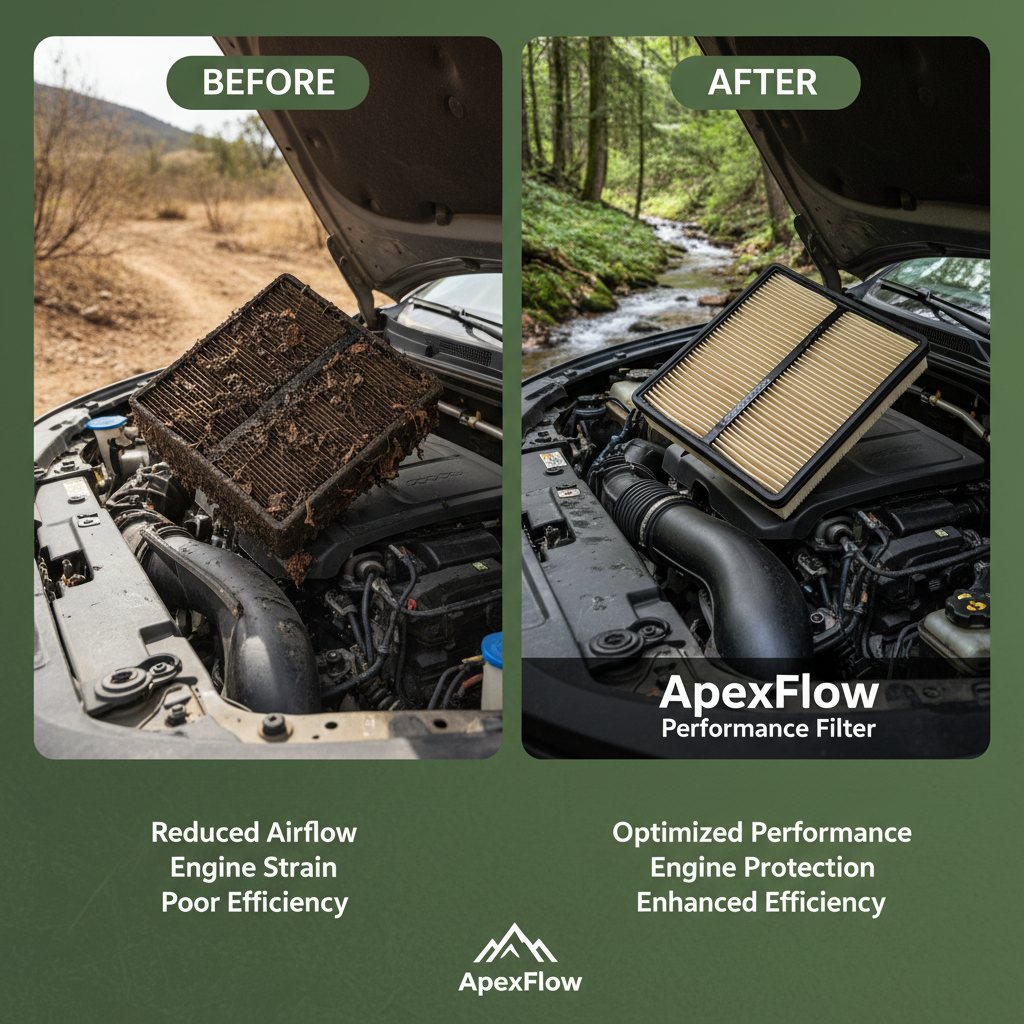
The car intake filter is a critical component of any internal combustion engine, acting as the first line of defense against dust, dirt, and debris. Its primary function is to ensure that only clean air enters the engine cylinders, preventing premature wear and maintaining optimal performance. Understanding the nuances of a car intake filter—from its various types and materials to its maintenance and replacement—is essential for vehicle owners and automotive professionals alike. The quality and efficiency of a car intake filter directly impact engine longevity, fuel economy, and overall vehicle health, making it a surprisingly impactful piece of technology.
Globally, the automotive industry is a massive economic engine, with millions of vehicles manufactured and operated daily. The demand for car intake filters is thus substantial, driven by both original equipment manufacturing (OEM) and the aftermarket for replacements. According to industry reports, the global automotive filter market, which includes air filters (and therefore car intake filters) is projected to reach billions of dollars in the coming years. Maintaining optimal engine performance and adhering to increasingly stringent emissions regulations further fuels this demand.
The consistent operation of a car intake filter safeguards the longevity of vehicle engines, a vital aspect for both individual drivers and large-scale fleet operators. A compromised filter leads to reduced efficiency and potentially catastrophic engine failure, highlighting the importance of consistent monitoring and timely replacement. The car intake filter serves as a small, but significant, safeguard in the complex system that powers modern transportation.
The Importance of Car Intake Filters
A car intake filter’s significance extends beyond simply preventing debris from entering the engine. A clean filter ensures optimal air-fuel mixture, maximizing combustion efficiency and ultimately improving fuel economy. This is particularly relevant in a world increasingly focused on reducing carbon emissions and conserving resources. Neglecting filter maintenance can lead to a decrease in horsepower, acceleration, and overall driving performance.
Furthermore, a dirty car intake filter can contribute to increased engine wear. The engine has to work harder to draw air through a restricted filter, which can strain components and shorten their lifespan. Regular car intake filter replacement is a cost-effective preventative measure that can save vehicle owners significant expenses in the long run.
Defining the Car Intake Filter
A car intake filter is a crucial component of an automobile's internal combustion engine, designed to remove airborne contaminants—dust, pollen, dirt, insects, and other particles—before they can enter the engine's intake manifold and cylinders. It functions as a barrier, protecting sensitive engine parts from abrasive wear and potential damage. Without a functional car intake filter, the engine would quickly degrade in performance and lifespan.
In modern industry, the principles behind car intake filtration extend beyond automotive applications. Similar filtration systems are utilized in HVAC units, industrial machinery, and even sensitive electronic equipment to ensure clean operating environments. The continuous demand for air purification in diverse sectors underscores the importance of filter technology.
The evolution of the car intake filter has mirrored advancements in materials science and engineering. From simple cotton gauze filters to sophisticated synthetic media, the ongoing pursuit of higher efficiency and durability is a testament to its vital role in modern vehicles.
Key Factors Influencing Car Intake Filter Performance
Several key factors dictate the performance and longevity of a car intake filter. Filtration Efficiency is paramount; the filter must effectively capture a high percentage of airborne particles across a range of sizes. Airflow Rate is also crucial; the filter should allow sufficient air to pass through without creating undue restriction.
Durability plays a significant role, determining how well the filter withstands exposure to harsh environmental conditions and repeated airflow. Material Composition directly impacts filtration efficiency, airflow, and durability—with options like paper, foam, cotton, and synthetic fibers each offering different trade-offs. Filter Surface Area impacts the amount of particulate matter a filter can trap before becoming clogged. Resistance to Moisture is also critical, especially in humid climates, as moisture can reduce filtration efficiency and promote mold growth.
These factors are intrinsically linked; a filter with high filtration efficiency might also have lower airflow, necessitating a balance based on the vehicle's specific engine requirements and operating environment. Understanding these trade-offs is vital for selecting the optimal car intake filter for any application.
Global Applications of Car Intake Filters
The application of car intake filters is virtually universal across the global automotive industry. From passenger vehicles and trucks to motorcycles and heavy-duty equipment, any vehicle with an internal combustion engine requires a functioning air filter. Regions with high levels of air pollution, such as major metropolitan areas in China and India, place particularly high demands on filter performance and replacement frequency.
Beyond standard passenger vehicles, car intake filters are critical in specialized industries. Agricultural equipment operating in dusty environments requires robust filtration systems. Construction vehicles exposed to particulate matter necessitate high-efficiency filters to protect engines. Emergency response vehicles, including ambulances and fire trucks, rely on consistently clean air intake for reliable operation.
Furthermore, the aftermarket for car intake filters is a global industry, with manufacturers and distributors serving a diverse customer base. Online retailers and brick-and-mortar auto parts stores worldwide provide access to a wide range of filter options, ensuring that vehicle owners can readily maintain their vehicles.
Car Intake Filter Performance Metrics by Filter Type
Advantages and Long-Term Value
Investing in quality car intake filters offers a multitude of tangible benefits. The most immediate advantage is cost savings—by preventing engine wear and maintaining fuel efficiency, a good filter can significantly reduce long-term maintenance expenses. Beyond financial considerations, a clean air filter contributes to improved vehicle reliability and reduces the risk of unexpected breakdowns.
The long-term value of a properly maintained car intake filter extends to environmental sustainability. By ensuring optimal combustion, the filter minimizes harmful emissions, contributing to cleaner air quality. This aligns with growing global efforts to reduce carbon footprints and promote eco-friendly transportation solutions.
Future Trends in Car Intake Filter Technology
The future of car intake filter technology is poised for innovation, driven by advancements in materials science and the increasing demand for higher performance and sustainability. Nanomaterials, such as nanofibers, are being explored for their ability to capture even the smallest airborne particles, leading to significantly improved filtration efficiency.
Another emerging trend is the development of self-cleaning filters. Utilizing electrostatic or ultrasonic technologies, these filters can automatically remove accumulated debris, extending their lifespan and reducing the need for frequent replacements. Digital integration, with sensors monitoring filter condition and providing real-time data to vehicle systems, is also gaining traction.
Challenges and Solutions in Car Intake Filter Implementation
Despite advancements, challenges remain in optimizing car intake filter performance. One significant hurdle is balancing filtration efficiency with airflow restriction. Higher efficiency filters often restrict airflow, potentially reducing engine power. Developing materials and designs that minimize this trade-off is a key area of research.
Another challenge is addressing the issue of filter disposal. Traditional paper filters contribute to landfill waste. Developing biodegradable or recyclable filter materials is crucial for promoting sustainability. Furthermore, educating vehicle owners about the importance of regular filter maintenance and proper disposal practices is essential.
Solutions include utilizing advanced modeling and simulation techniques to optimize filter designs, investing in research and development of sustainable filter materials, and implementing public awareness campaigns to promote responsible filter management.
Summary of Car Intake Filter Materials and Characteristics
| Material Type |
Filtration Efficiency (1-10) |
Airflow Restriction (1-10) |
Cost (Low, Medium, High) |
| Paper |
6 |
3 |
Low |
| Foam |
4 |
2 |
Low |
| Cotton Gauze |
8 |
5 |
Medium |
| Synthetic |
9 |
4 |
Medium |
| HEPA |
10 |
7 |
High |
| Electrostatic |
7 |
3 |
Medium |
FAQS
The frequency of car intake filter replacement depends on your driving conditions. Generally, it’s recommended to inspect the filter every 12,000-15,000 miles, or annually, whichever comes first. If you drive in dusty or polluted environments, more frequent checks and replacements are advisable, possibly every 5,000-7,500 miles. A visibly dirty filter indicates it's time for a replacement to ensure optimal engine performance and fuel efficiency.
Several symptoms can indicate a clogged car intake filter. These include reduced engine power, decreased fuel economy, difficulty starting the engine, black smoke from the exhaust, and a general feeling of sluggish performance. A check engine light may also illuminate. Addressing these issues promptly by replacing the filter can prevent further engine damage.
Paper filters are the most common and affordable, providing adequate filtration for normal driving conditions. Cotton gauze filters offer better airflow but require regular oiling for optimal performance. Synthetic filters provide superior filtration efficiency and durability compared to both paper and cotton, although they typically come at a higher price point.
Some types of car intake filters, like cotton gauze filters, can be cleaned and re-oiled. However, paper filters should always be replaced, as cleaning them can damage the filter media and reduce its effectiveness. Attempting to clean a paper filter is not recommended and can lead to engine damage from unfiltered air.
While a high-flow car intake filter can potentially improve airflow to the engine, the actual performance gains may be minimal, particularly in vehicles with stock engines. High-flow filters are often more beneficial in modified vehicles with increased engine output. It’s important to choose a filter that balances airflow with adequate filtration efficiency.
Driving with a severely clogged car intake filter can lead to several serious issues. Reduced airflow can cause the engine to work harder, resulting in decreased fuel economy, loss of power, and increased emissions. Over time, it can contribute to premature engine wear and potentially cause catastrophic engine failure. Regular filter maintenance is crucial to prevent these problems.
Conclusion
In conclusion, the car intake filter is an unassuming yet vital component in maintaining optimal engine performance, fuel efficiency, and vehicle longevity. From understanding its fundamental function to recognizing the impact of material composition and replacement frequency, a proactive approach to filter maintenance translates directly to cost savings, environmental responsibility, and a more reliable driving experience.
Looking ahead, innovations in filter technology—such as nanomaterials and self-cleaning designs—promise to further enhance performance and sustainability. By embracing these advancements and prioritizing regular filter maintenance, vehicle owners and automotive professionals can ensure that this critical component continues to play a pivotal role in powering the future of transportation. For high-quality car intake filters, visit our website: www.jyfilter.com