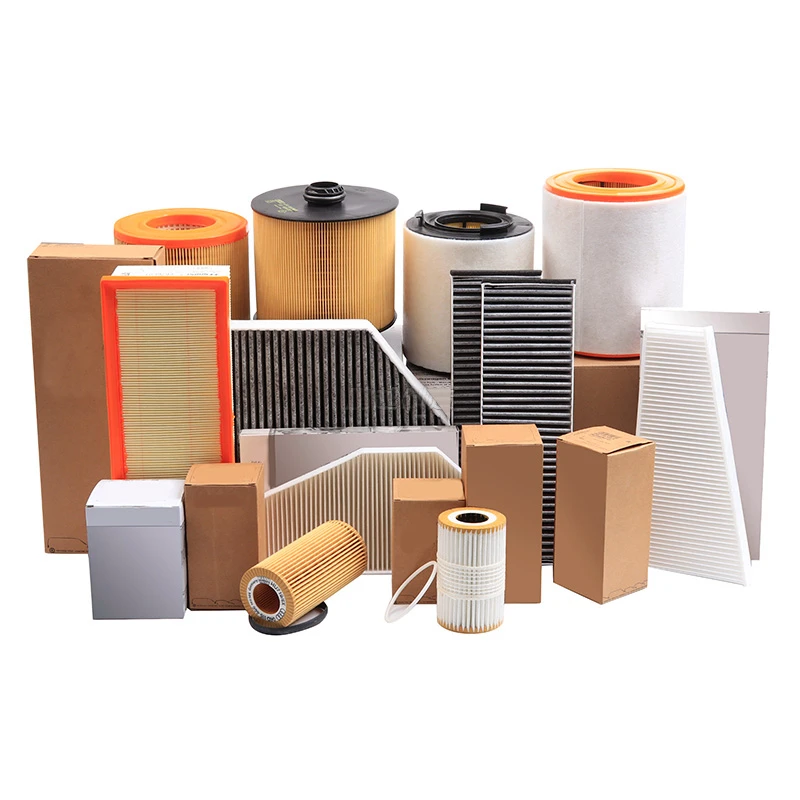
A comfortable and healthy driving experience begins with one critical component: a clean auto cabin air filter. While drivers often focus on engine performance and tire maintenance, the air quality inside the vehicle is equally essential. As pollutants, allergens, and dust particles flood the roads, your car air conditioner filter serves as the first line of defense to protect you and your passengers. Investing in a superior car aircon filter is not just about comfort—it’s about health, efficiency, and vehicle longevity. This article explores the importance of maintaining a clean cabin air environment, how your filter works, and answers the common question: how often should you change your cabin air filter?
Why a High-Quality Auto Cabin Air Filter Matters
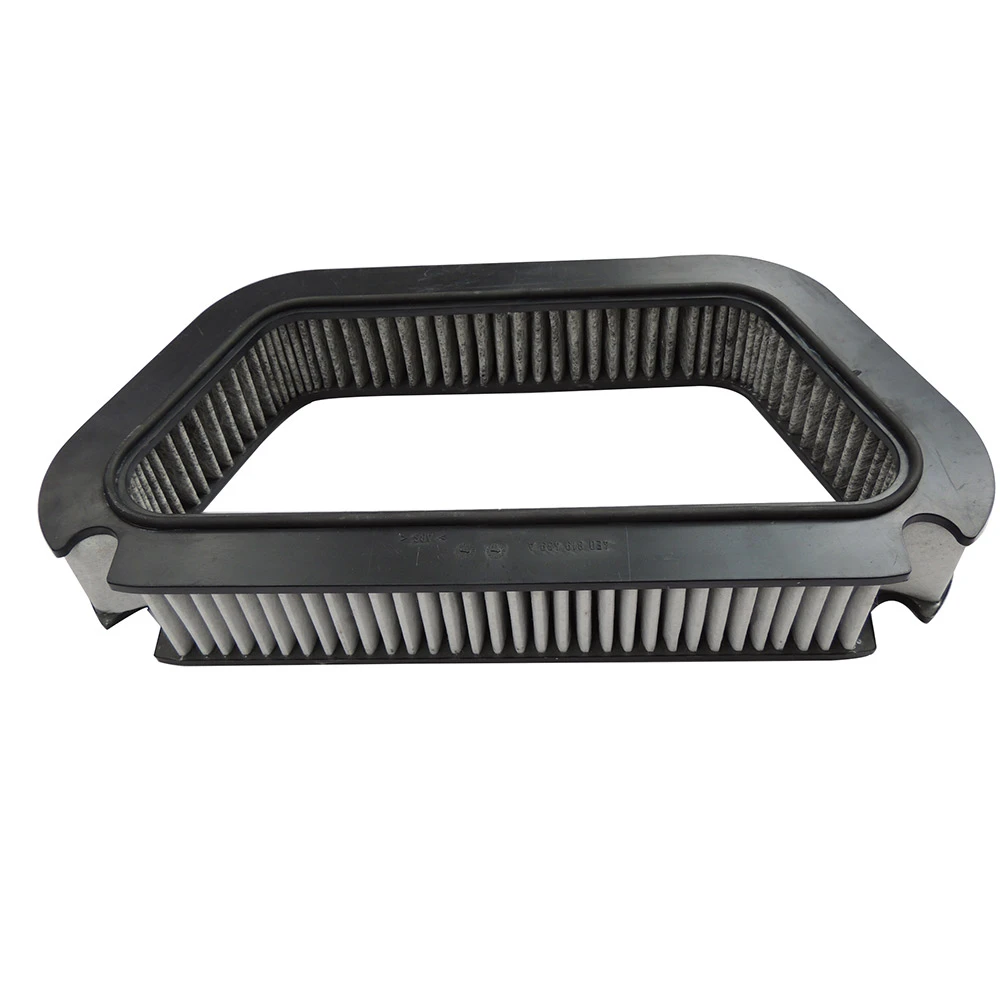
Your vehicle's auto cabin air filter does more than simply trap dust—it actively protects your health. This component is located within the HVAC (heating, ventilation, and air conditioning) system and is responsible for filtering the air that enters the passenger compartment. Without it, harmful contaminants such as pollen, smog, soot, bacteria, and mold spores can circulate through your cabin, creating an unpleasant and even dangerous environment.
A high-efficiency auto cabin air filter can trap up to 99% of airborne particles, improving the air quality you breathe while driving. Especially for allergy sufferers, a premium filter helps reduce sneezing, coughing, and sinus irritation. It also reduces exposure to harmful gases like ozone and diesel particulates—something that’s increasingly important in urban areas.
Moreover, a clean auto cabin air filter supports your vehicle’s climate control system. If the filter is clogged or deteriorated, the blower motor has to work harder to push air through the system, potentially causing reduced airflow and increased energy consumption. This inefficiency not only impacts comfort but could shorten the lifespan of your HVAC components.
The Role of the Car Air Conditioner Filter in Airflow and Comfort
The car air conditioner filter is an unsung hero when it comes to in-vehicle comfort. It functions by screening incoming air before it is cooled or heated by your vehicle’s AC system. Without a functioning car air conditioner filter, airflow can become restricted, leading to uneven temperature distribution, foggy windows, and longer wait times for heating or cooling to take effect.
Additionally, clogged or worn-out filters lead to a stale-smelling cabin, particularly when moisture becomes trapped and mold begins to form. This creates an ideal environment for bacteria and fungi to thrive. If you’ve ever noticed an unpleasant odor when you turn on your car’s air conditioning, your car air conditioner filter may be the culprit.
By replacing this filter regularly, you preserve the integrity of your climate system and ensure that every drive is as refreshing as it should be. Today’s premium filters even come with activated carbon or anti-bacterial coatings to neutralize odors and kill germs, offering a cleaner and more hygienic ride every time.
Car Aircon Filter Maintenance for a Safer Driving Experience
Proper care and replacement of your car aircon filter can enhance both safety and performance. A dirty filter doesn’t just affect air quality—it affects driver alertness. Polluted or insufficient airflow can cause drowsiness, eye irritation, and poor visibility from fogging windows, all of which compromise your ability to drive safely.
Modern car aircon filters are designed to be user-friendly, often located behind the glove box or beneath the dashboard for easy access. Replacing it is a small task that pays big dividends. Not only does it support optimal cabin pressure and airflow, but it also reduces the strain on the HVAC system, minimizing wear and repair costs in the long term.
Vehicle manufacturers have taken steps to improve filter technology, offering multi-layer filtration and materials that trap both large particles and microscopic pollutants. As driving conditions become harsher in congested cities and industrial zones, the need for a robust car aircon filter becomes more urgent.
How Often Should You Change Your Cabin Air Filter for Best Performance
A question most drivers overlook until problems arise is: how often should you change your cabin air filter? The answer depends on several variables, including your driving environment, air quality in your region, and the specific recommendations of your vehicle manufacturer.
As a general rule, it’s recommended to replace the auto cabin air filter every 12,000 to 15,000 miles, or at least once a year. However, in areas with heavy pollution, dusty conditions, or frequent stop-and-go traffic, more frequent changes may be necessary—sometimes as often as every 6,000 miles.
Neglecting timely replacement can result in a host of issues: reduced AC efficiency, poor fuel economy, strained HVAC systems, and even foul smells inside the car. If you frequently drive in urban centers, through construction zones, or during pollen-heavy seasons, monitor your filter more regularly.
Fortunately, signs of a dirty car aircon filter are easy to spot: decreased airflow from vents, lingering odors, increased allergy symptoms, and noisier fan operation. Following your maintenance schedule and inspecting the filter visually every few months is a cost-effective way to avoid larger repairs down the line.
Auto Cabin Air Filter FAQs
What are the symptoms of a clogged auto cabin air filter?
A clogged auto cabin air filter usually results in reduced airflow from your vehicle's vents, making it harder for the system to maintain comfortable temperatures. You might also notice an unpleasant odor when you turn on the fan, especially if moisture has led to mold growth. In some cases, you may experience increased allergy symptoms, foggy windows, or a noisier blower motor.
Can a dirty car air conditioner filter affect fuel efficiency?
Yes, indirectly. A dirty car air conditioner filter causes the HVAC system to work harder to maintain airflow, which can slightly increase the strain on your engine, especially in smaller vehicles. Over time, this extra load can reduce your overall fuel efficiency, particularly if your vehicle uses an automatic climate control system that constantly adjusts output.
Is it difficult to replace a car aircon filter on your own?
Replacing a car aircon filter is generally a simple DIY task that takes less than 15 minutes. Most filters are accessible through the glove compartment or beneath the dashboard. With a user manual or a quick tutorial, even novice drivers can handle the replacement with ease. That said, always consult your vehicle's guide to ensure you're using the correct filter size and type.
Are all cabin air filters the same quality?
Not all auto cabin air filters are created equal. Basic filters trap large particles like dust and pollen, while higher-end models may include activated charcoal layers to neutralize odors and volatile organic compounds. Some advanced filters are even treated with antimicrobial agents to kill bacteria and mold spores. Investing in a premium filter ensures cleaner air and better protection for both passengers and your HVAC system.
How does location affect how often should you change your cabin air filter?
Location plays a significant role in determining how often should you change your cabin air filter. Drivers in urban environments, high-traffic areas, or regions prone to wildfires and heavy pollen seasons will need to replace their filters more frequently. Dusty rural roads and industrial zones can also accelerate filter clogging. In contrast, those in cleaner, less congested areas may extend the lifespan of their filters slightly, though annual replacement is still advisable for optimal performance.
-
Guide on how often do you need to replace engine air filterNewsApr.16,2026
-
Learn how often do you replace air filter in car for engine healthNewsApr.09,2026
-
How Often Do You Replace Car Air Filter For Optimal Engine PerformanceNewsApr.07,2026
-
How Often Do You Replace Engine Air Filter For Optimal Vehicle PerformanceNewsApr.04,2026
-
Understanding How Often Does Engine Air Filter Need to Be Replaced for Optimal PerformanceNewsMar.31,2026
-
How Often Engine Air Filter Change Impacts Performance and LongevityNewsMar.28,2026
-
Understanding How Often to Replace Your Car Air Filter for Optimal PerformanceNewsMar.26,2026
Related Products