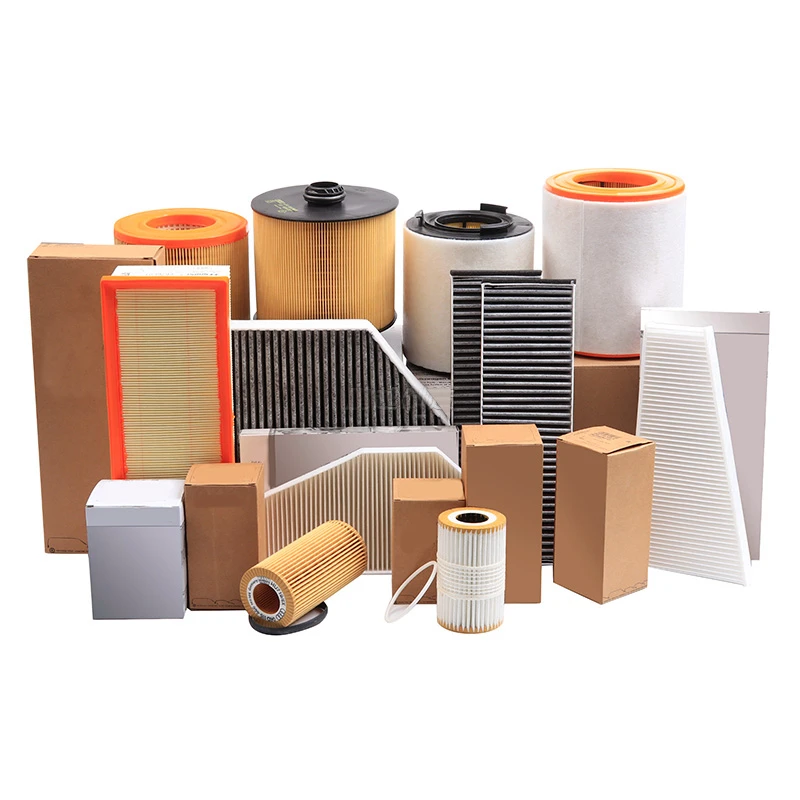
A vehicle’s performance and longevity rely heavily on the quality of air entering its engine and cabin. The car air filter plays an indispensable role in filtering out harmful particles, ensuring clean airflow, and protecting vital components. Paired with devices like the car air purifier, these systems not only enhance engine efficiency but also improve the air quality inside your vehicle, contributing to a healthier and more comfortable driving experience.
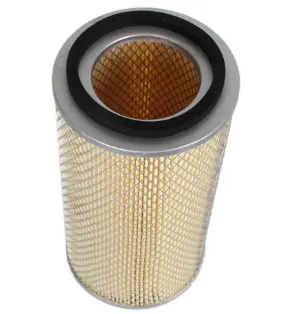
The Use of Air Filter in Car: Protecting Engine and Cabin Air
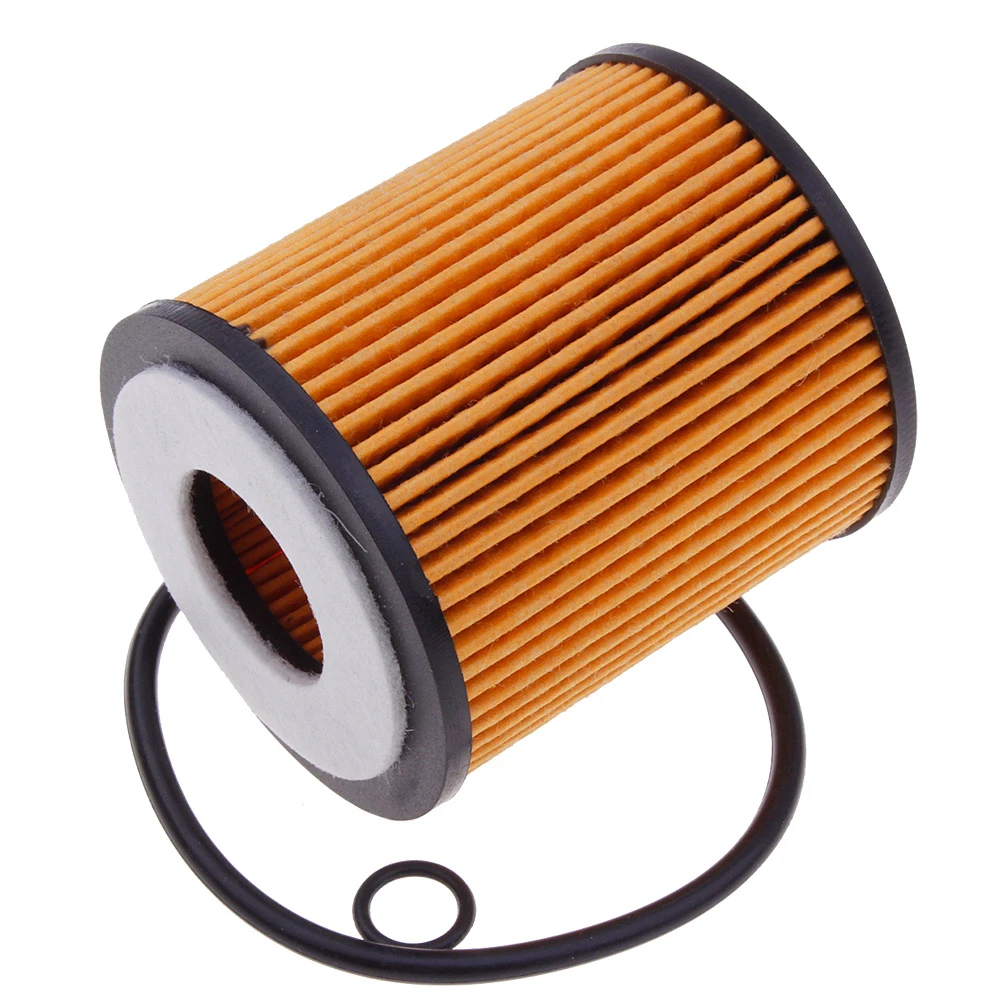
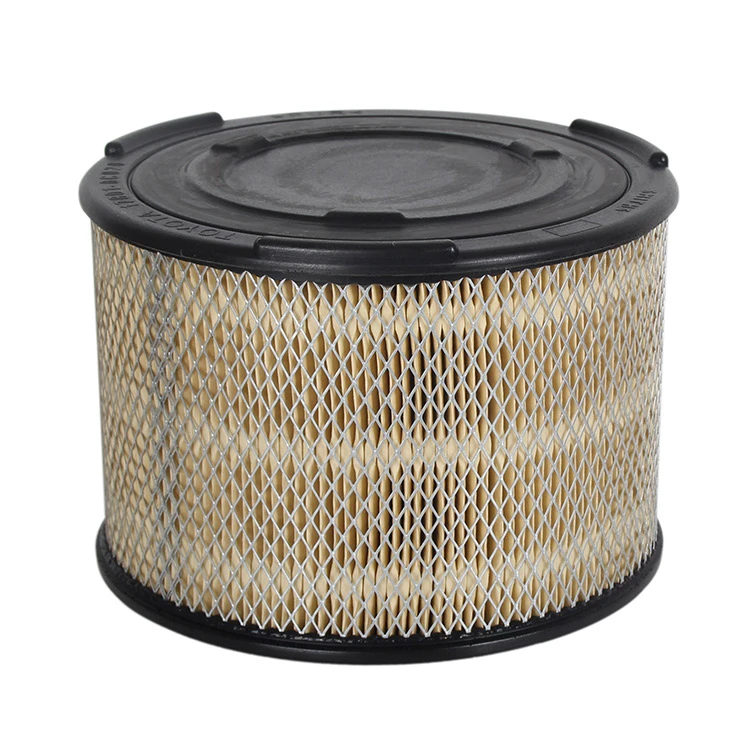
The primary function of the car air filter is to prevent dust, dirt, pollen, and other contaminants from entering the engine’s combustion chamber. Clean air is crucial for efficient combustion, which directly affects engine performance, fuel economy, and emission levels. A clogged or dirty air filter restricts airflow, forcing the engine to work harder, which can lead to reduced power, increased fuel consumption, and accelerated engine wear.
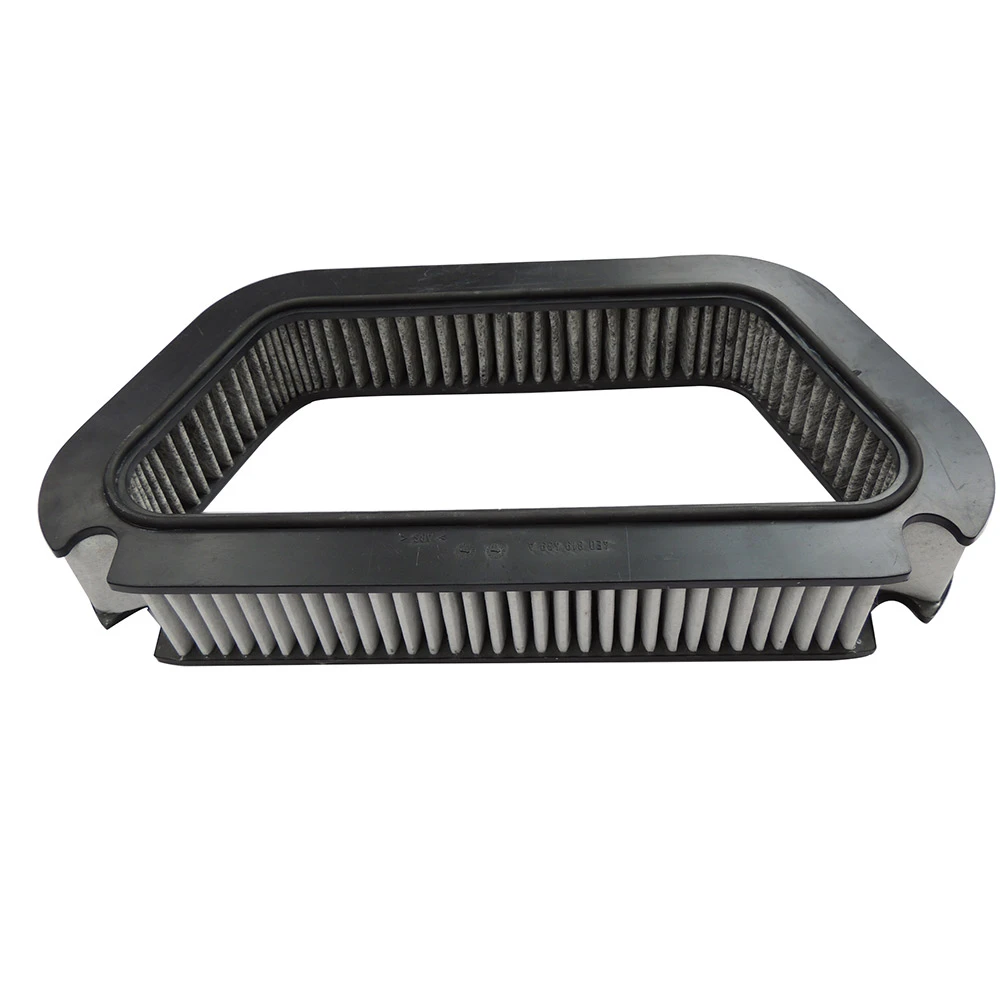
Beyond the engine, air filtration extends to the vehicle’s cabin, where the car air purifier and cabin filters work to cleanse the air inside the vehicle. These systems remove allergens, smoke, odors, and harmful particles, ensuring passengers breathe fresh and healthy air. Together, engine and cabin filtration systems provide comprehensive protection that enhances both vehicle function and occupant comfort.
When to Change Air Filter for Car: Key Indicators and Recommendations
Knowing when to replace your car air filter is essential for maintaining optimal vehicle performance. Most manufacturers recommend changing the air filter every 12,000 to 15,000 miles, but this interval can vary based on driving conditions. If you frequently drive in dusty, polluted, or off-road environments, more frequent replacement is advisable.
Signs that your car air filter needs replacement include reduced engine power, decreased fuel efficiency, unusual engine sounds, and a noticeable drop in acceleration. Visual inspection can also help—if the filter appears dirty, clogged, or damaged, it’s time for a replacement. Timely changes prevent engine strain and prolong the lifespan of your vehicle’s components.
Car Air Filter: Benefits Beyond Engine Protection
While the car air filter primarily safeguards engine health, its benefits extend further. A clean air filter ensures smooth airflow, reducing emissions and supporting cleaner combustion. This contributes to better fuel economy and lower environmental impact.
In addition, a well-maintained car air filter reduces the likelihood of engine malfunctions and costly repairs caused by particulate buildup. For car owners committed to sustainability, regularly replacing or upgrading the air filter is a simple yet effective way to enhance vehicle efficiency and reduce carbon footprint.
Enhancing Cabin Air Quality with a Car Air Purifie
The car air purifier is designed to complement the vehicle’s filtration system by actively cleaning the air inside the cabin. Utilizing technologies such as HEPA filters, activated carbon, and ionizers, these purifiers remove microscopic pollutants, allergens, odors, and even airborne pathogens.
For smokers, allergy sufferers, or those in highly polluted areas, a car air purifier provides significant relief and comfort by continuously improving in-cabin air quality. Integrating this device with routine cabin filter maintenance creates a healthier and more enjoyable driving environment for all passengers.
Car Air Filter FAQs
What is the main purpose of a car air filter?
The car air filter protects the engine by filtering out dust, dirt, pollen, and other airborne contaminants from the air before it enters the combustion chamber, ensuring efficient engine performance and longevity.
How often should I replace the air filter for my car?
Typically, the air filter should be replaced every 12,000 to 15,000 miles or annually. However, frequent driving in dusty or polluted environments may require more frequent replacement to maintain optimal engine function.
Can a dirty car air filter cause engine problems?
Yes, a clogged or dirty air filter restricts airflow to the engine, leading to reduced power, poor fuel economy, increased emissions, and potential engine damage over time if not addressed.
How does a car air purifier differ from a cabin air filter?
A car air purifier actively removes pollutants, allergens, and odors from the cabin air using advanced technologies like HEPA filtration and ionization, whereas a cabin air filter passively traps dust and particles entering through the HVAC system.
Is it difficult to replace a car air filter myself?
Replacing a car air filter is generally a simple task accessible to most vehicle owners. The filter is usually housed in a compartment near the engine and can be swapped out with basic tools and instructions from the vehicle manual.
-
Guide on how often do you need to replace engine air filterNewsApr.16,2026
-
Learn how often do you replace air filter in car for engine healthNewsApr.09,2026
-
How Often Do You Replace Car Air Filter For Optimal Engine PerformanceNewsApr.07,2026
-
How Often Do You Replace Engine Air Filter For Optimal Vehicle PerformanceNewsApr.04,2026
-
Understanding How Often Does Engine Air Filter Need to Be Replaced for Optimal PerformanceNewsMar.31,2026
-
How Often Engine Air Filter Change Impacts Performance and LongevityNewsMar.28,2026
-
Understanding How Often to Replace Your Car Air Filter for Optimal PerformanceNewsMar.26,2026
Related Products