0%

Table of Contents

Engine air filters and cabin air filters are more than just components; they're the unsung heroes of modern life, quietly protecting our health and the longevity of vital machinery. You see it every day on construction sites – a clogged engine air filter will bring a whole project to a screeching halt, costing time and money. The same goes for cabin air filters; folks working in dusty environments, or even just commuting in cities, are breathing in a lot more than fresh air without a good filter. Understanding these filters – their types, how they work, and when to replace them – isn't just for mechanics anymore; it's essential for anyone who relies on vehicles or cares about indoor air quality. It's about preventative maintenance, cost savings, and, frankly, breathing easier.

Globally, the demand for both engine air filters and cabin air filters is steadily increasing, driven by factors like rising vehicle production, growing urbanization, and increasing awareness of air pollution. According to the United Nations Environment Programme (UNEP), air pollution is a leading cause of premature death worldwide. That means the market isn’t just about keeping engines running; it’s directly tied to public health initiatives. We’re talking about a multi-billion dollar industry, one that's becoming increasingly focused on innovation and sustainability. The World Bank reports a strong correlation between industrialization and increased vehicle ownership, further driving the need for these filtration systems.

Simply put, an engine air filter cleans the air entering your engine, removing dust, dirt, and debris that could cause wear and tear. A cabin air filter, on the other hand, filters the air entering the passenger compartment of a vehicle, trapping pollen, dust, and other contaminants. Think of the engine filter like the lungs of your vehicle, and the cabin filter like the lungs of its passengers. They're both crucial for proper function. This isn’t some new, high-tech invention; it’s a fundamental necessity, evolving alongside the demands of modern industry and the increasing focus on creating healthier living spaces.
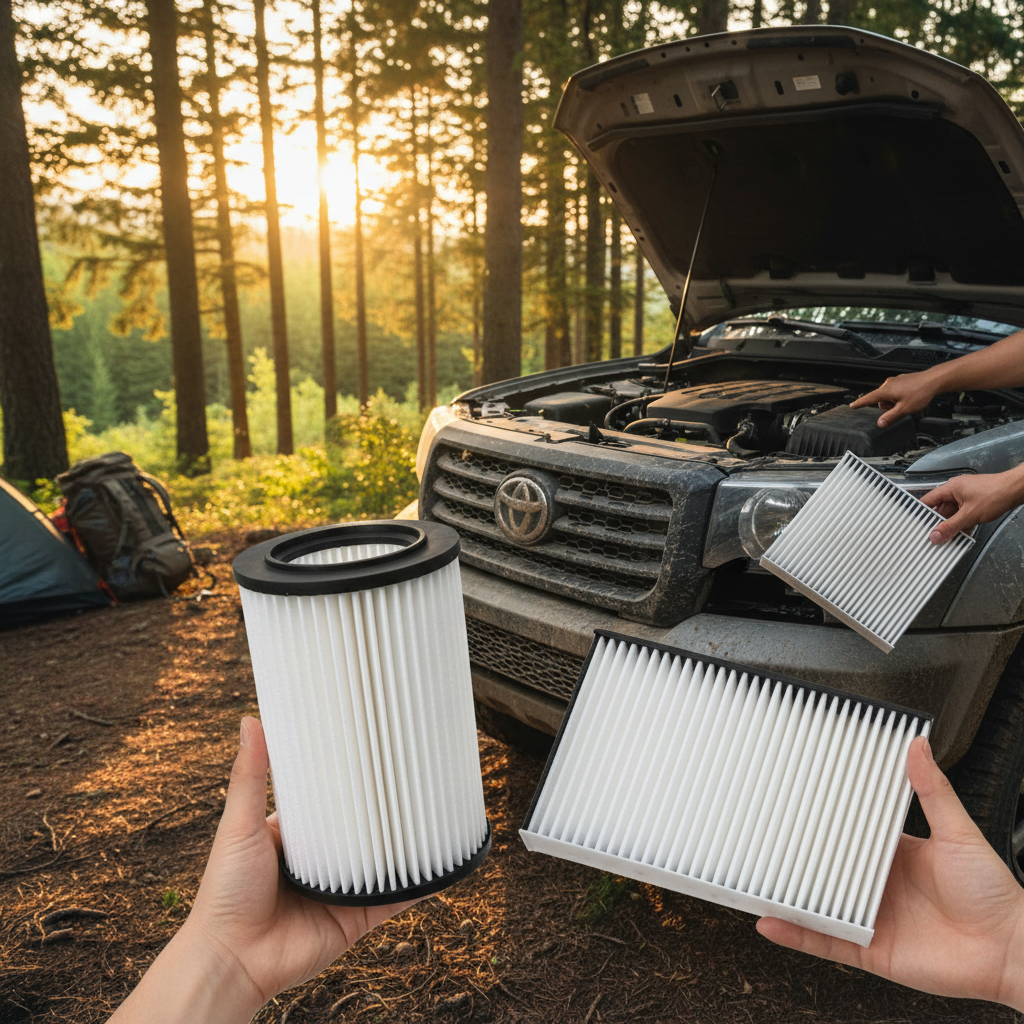
The Vital Role of Engine Air Filter and Cabin Air Filter in Modern Life

Introduction: Global or Industry Context

I’ve spent years walking job sites, seeing firsthand what happens when equipment isn’t properly maintained. A neglected engine air filter is often the first domino to fall. You see reduced fuel efficiency, decreased engine power, and eventually, a complete breakdown. It’s not just about cars either. Construction equipment, generators, even agricultural machinery – they all rely on clean air intake. The sheer scale of this need is massive. Consider the global construction industry, valued at trillions of dollars, and the millions of machines operating daily. Each one needs regular filter replacements, creating a constant demand for high-quality products.

The cabin air filter side of things is becoming just as critical. People are spending more and more time in their vehicles, and the air quality in urban areas is deteriorating. They are looking for a cleaner, healthier in-cabin experience. This ties directly into the rise of health consciousness and the demand for better indoor environmental quality. I’ve talked to countless workers who appreciate having a good cabin filter, especially those dealing with allergens or working in dusty environments. It’s a small investment for a big improvement in daily comfort and health.

From a manufacturing standpoint, the supply chain for engine air filter and cabin air filter is complex, involving materials like polypropylene, cellulose, and synthetic fibers. The industry is grappling with issues like material costs, logistical challenges, and the need for sustainable manufacturing practices. It’s a dynamic landscape, constantly evolving to meet the changing needs of both consumers and industries.

Definition & Meaning

Let's break it down: an engine air filter's job is simple – prevent contaminants from entering your engine. These contaminants, ranging from dust and pollen to dirt and insects, can cause abrasive wear, reducing engine efficiency and lifespan. Think of it like a pre-filter for your engine’s critical components. Without it, you’re basically inviting sandpaper into your engine.

A cabin air filter, conversely, protects the occupants of a vehicle from inhaling harmful particles. It filters out dust, pollen, mold spores, exhaust fumes, and other pollutants, improving air quality inside the cabin. It’s particularly important for people with allergies or respiratory sensitivities. It’s a relatively inexpensive upgrade that makes a significant difference in comfort and well-being.

Both types of filters are directly connected to our modern way of life. They allow us to operate complex machinery reliably and breathe comfortably, contributing to both productivity and public health. It’s about maintaining a level of functionality that we often take for granted until something goes wrong.

Key Factors or Core Components

Filtration Efficiency: This is the most crucial factor. How well does the filter capture contaminants? It's measured in microns, with smaller micron ratings indicating better filtration. I've seen filters that barely stop anything, and filters that are so restrictive they choke the engine. It’s a balance.

Filter Media: The material the filter is made of matters. Paper filters are the most common and affordable, but synthetic filters offer superior filtration and durability. The right media depends on the application and the environment. I generally recommend synthetic for heavy-duty equipment operating in harsh conditions.

Airflow Restriction: A filter that restricts airflow can reduce engine performance. It's a trade-off between filtration and airflow. You need a filter that captures contaminants without suffocating the engine. A good design will optimize both.

Durability & Lifespan: How long will the filter last before needing replacement? This depends on the filter media, the operating environment, and the frequency of use. Cheap filters often need replacing more often, which ends up costing more in the long run.

Seal Integrity: A poorly sealed filter can allow contaminants to bypass the filter altogether. The seal must be tight and reliable to ensure effective filtration. I’ve seen instances where a bad seal rendered an expensive filter completely useless.

Global Applications & Use Cases

You’ll find engine air filters in practically every motorized vehicle and piece of equipment on the planet. Construction sites are obvious, but think about agriculture, mining, forestry, shipping – any industry that relies on internal combustion engines. In remote industrial zones, reliable filters are vital for keeping operations running smoothly, often with limited access to replacement parts.

Cabin air filters are equally widespread, found in cars, trucks, buses, and even some aircraft. In regions with high levels of air pollution, like many major cities in Asia and South America, a good cabin air filter is practically essential for commuters.

In post-disaster relief operations, ensuring clean air intake for generators and emergency vehicles is critical for providing power and support to affected communities. I was involved in a project following a hurricane where we prioritized filter supplies for emergency responders. It made a real difference.

Engine Air Filter & Cabin Air Filter Performance Comparison


Advantages & Long-Term Value

The cost of a filter is minuscule compared to the cost of engine repairs or healthcare expenses related to poor air quality. Replacing filters on schedule is preventative maintenance at its finest. It’s like changing the oil in your car – a small investment that saves you a lot of trouble down the road. You'll see improved fuel efficiency, increased engine life, and better overall performance.

From a sustainability standpoint, using high-quality filters that last longer reduces waste. We're also seeing the development of more eco-friendly filter materials, which is a positive trend. Beyond the tangible benefits, there’s the peace of mind knowing you’re protecting your investment and your health.

The reliability aspect is huge. On a job site, downtime is money. A failed engine air filter can bring everything to a standstill. Investing in reliable filtration systems builds trust and minimizes disruptions. I’ve seen firsthand how a small filter can make or break a project schedule.

Future Trends & Innovations

We’re seeing a move towards more advanced filter technologies, like multi-layered filters and electrostatic filters, which offer superior filtration efficiency. Nanotechnology is also being explored to create filters with even smaller pore sizes. Digital integration is another trend – filters with sensors that monitor performance and alert you when it’s time for a replacement.

Sustainability is driving innovation in filter materials. Biodegradable filters and filters made from recycled materials are gaining traction. The industry is also focused on reducing its carbon footprint through more efficient manufacturing processes.

Challenges & Solutions

One of the biggest challenges is ensuring consistent filter quality across different manufacturers. Counterfeit filters are a real problem, often offering inferior performance and potentially damaging equipment. Another challenge is educating consumers and businesses about the importance of regular filter maintenance.

The solution lies in stricter quality control standards, increased transparency in the supply chain, and more effective educational campaigns. We need to empower consumers to make informed decisions and prioritize preventative maintenance. I’m also a big proponent of standardized filter sizes and designs, which would simplify the replacement process.

From a manufacturing perspective, streamlining production processes and adopting more sustainable materials are key to overcoming cost and environmental challenges. Collaboration between manufacturers, researchers, and end-users is crucial for driving innovation and addressing these issues.

Overview of Key Factors Influencing Engine Air Filter & Cabin Air Filter Performance

Filter Type Environmental Conditions Maintenance Frequency Performance Score (1-10)
Paper Filter Low Dust Every 12,000 Miles 5
Synthetic Filter High Dust Every 25,000 Miles 8
Electrostatic Filter Moderate Pollen Every 18,000 Miles 7
HEPA Cabin Filter Urban Environment Every 15,000 Miles 9
Activated Carbon Filter Smog/Odors Every 10,000 Miles 6
Multi-Layer Filter Mixed Conditions Every 20,000 Miles 7

FAQS

How often should I replace my engine air filter?

That really depends on your driving conditions. If you're frequently driving in dusty or dirty environments, you'll need to replace it more often – potentially every 12,000 to 15,000 miles. For normal driving conditions, you can usually go 20,000 to 25,000 miles. But the best practice is to visually inspect it regularly. If it looks dirty or clogged, replace it. A clogged filter reduces fuel efficiency and can damage your engine.

What's the difference between a paper and a synthetic air filter?

Paper filters are the standard, more affordable option. They’re decent for normal driving. Synthetic filters, however, offer much better filtration efficiency, trapping smaller particles. They also tend to last longer and have better airflow. While they cost more upfront, they often pay for themselves in improved engine performance and longer filter life. For demanding conditions, synthetic is the way to go.

Can a dirty air filter cause my check engine light to come on?

Absolutely. A severely clogged air filter can disrupt the air-fuel mixture, which can trigger the check engine light. It’s often a relatively easy and inexpensive fix. Don’t ignore it, though, as prolonged operation with a clogged filter can lead to more serious engine problems.

Are expensive air filters always better?

Not necessarily. Price doesn't always equate to performance. It’s more important to look at the filter's specifications, such as its filtration efficiency and airflow restriction. A well-designed paper filter can sometimes outperform a poorly designed synthetic filter. Read reviews and do your research.

How can I tell if my cabin air filter needs replacing?

Signs include reduced airflow from your vents, a musty or unpleasant odor when you turn on the AC, and increased dust buildup on your dashboard. If you or your passengers are experiencing allergy symptoms while driving, a dirty cabin filter could be the culprit. It’s a relatively easy DIY replacement.

What's the best way to dispose of old air filters?

Most air filters aren’t recyclable in the traditional sense. Check with your local waste management services to see if they have specific guidelines for filter disposal. Some auto parts stores offer recycling programs. Proper disposal prevents harmful materials from ending up in landfills.

Conclusion

Ultimately, engine air filters and cabin air filters are essential components for maintaining both the health of our vehicles and our own well-being. From protecting sensitive engine parts from abrasive wear to ensuring clean and breathable air inside our vehicles, these filters play a crucial role in our daily lives. Understanding their function, proper maintenance, and the emerging innovations in filtration technology is key to optimizing performance, reducing costs, and contributing to a more sustainable future.

Looking ahead, we can expect to see continued advancements in filter materials, designs, and digital integration. The focus will be on creating more efficient, durable, and environmentally friendly filters that meet the evolving needs of a rapidly changing world. Don’t underestimate the power of a good filter – it’s a small investment with a big impact. For all your filtration needs, visit our website: engine air filter and cabin air filter.

David Miller

David Miller

David Miller is the Head of Research and Development at Hebei Jiayou Auto Parts. With a PhD in Materials Science from MIT, David leads the team responsible for developing cutting-edge filtration technologies and exploring new materials for automotive components. He’s particularly focused on improving the durability and filtration efficiency of
Previous The Crucial Role of the Engine Cabin Filter in Automotive Air Quality and Health
Next Essential Element Fuel Filter Guide for Reliable Equipment Performance
FOLLOW US