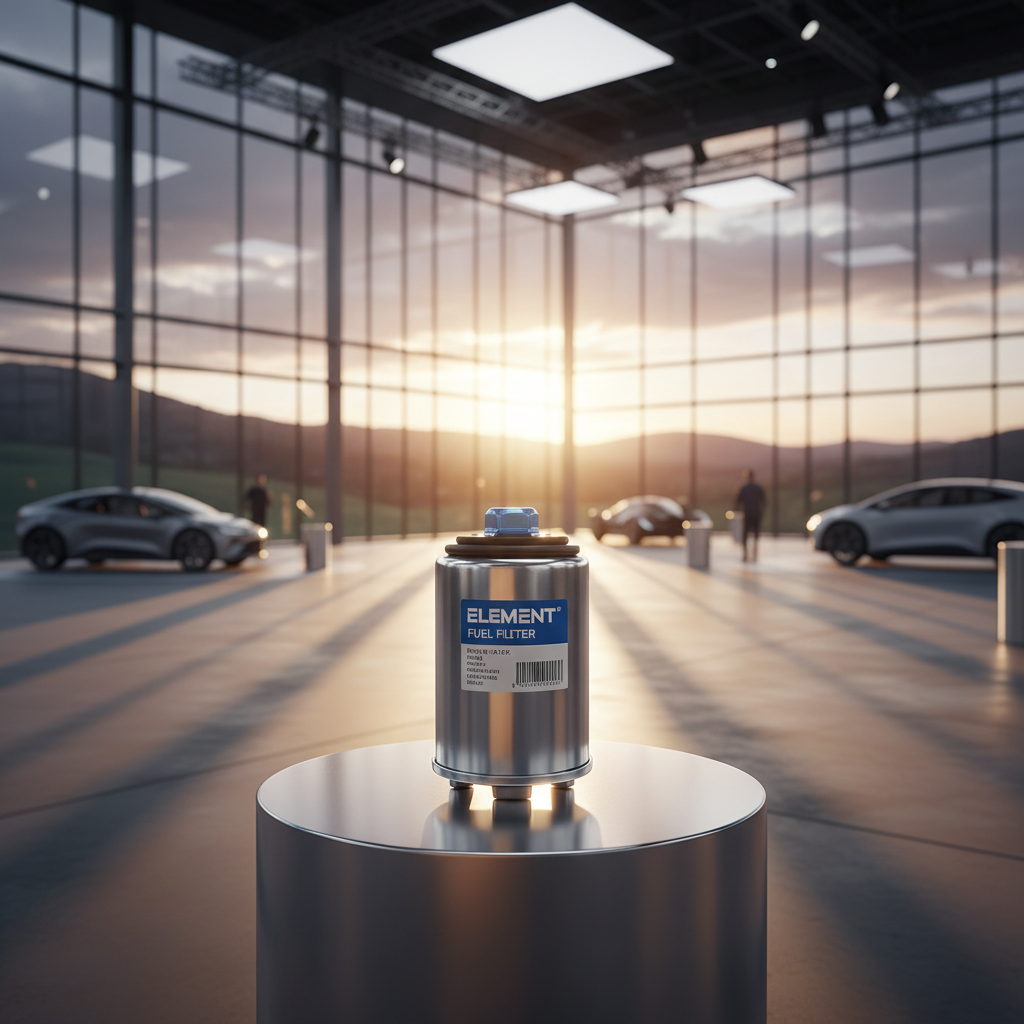
Look, I’ve spent the last 15 years knee-deep in dust and concrete, watching equipment fail, and seeing good projects bogged down by simple things – like a clogged fuel filter. It’s not glamorous work, but it's real. And one thing I can tell you for sure: downtime costs money, and a reliable element fuel filter can be the difference between staying on schedule and facing massive delays. We’re talking about keeping excavators digging, generators running, and crews working. That’s what matters.
What I've found over the years is a lot of guys don't think about fuel filtration until something goes wrong. They slap in whatever's cheapest, or whatever’s available at the local parts store. And that’s a recipe for disaster. Modern diesel engines are incredibly sensitive, and contaminated fuel can destroy injectors, damage pumps, and lead to a whole host of headaches. A good element fuel filter isn’t just a maintenance item; it’s an investment in uptime and protecting your equipment.
I've seen too many projects stalled because of fuel issues. You're out there, working against the clock, and then boom – a fuel-related breakdown. That means lost productivity, emergency repairs, and a lot of frustrated people. That’s why I’m a firm believer in preventative maintenance, and that starts with a quality element fuel filter. It's the little things that make or break a project, and this is one of the biggest little things out there.
The Critical Role of Element Fuel Filters
I’ve seen firsthand how quickly a compromised element fuel filter can bring a job site to its knees. It's not just about keeping the engine running; it's about protecting a significant financial investment. Construction equipment isn’t cheap, and replacing fuel injectors or a high-pressure pump because of contaminated fuel is a major setback. We're talking weeks of downtime and tens of thousands of dollars in repairs.
The fuel we're using these days isn’t what it used to be. Biodiesel blends, ethanol, and even just variations in crude oil quality mean more contaminants. Water, rust, dirt, algae – they all find their way into the fuel tank. And that’s where a quality element fuel filter steps in, acting as the first line of defense against these damaging particles. It’s a simple component, but a vital one.
Understanding Element Fuel Filter Technology
The core job of an element fuel filter is pretty straightforward: to remove contaminants from the fuel before it reaches the engine. But the how is where things get interesting. You've got different filter media – cellulose, synthetic blends, and even multi-layered designs – each with its own strengths and weaknesses. Cellulose is the most common and affordable, good for general filtration. But for tougher environments, or for diesel engines using biodiesel, a synthetic or blended media is a better bet because they can handle more water and resist breaking down.
Filter efficiency is measured in microns. A smaller micron rating means the filter can trap smaller particles. But here’s the catch: a super-fine filter can also restrict fuel flow, reducing engine performance. So, it’s a balancing act. You need a filter that's efficient enough to remove damaging particles but doesn't choke the fuel supply. That's why choosing the right filter for your equipment and fuel type is critical.
Modern filters often include water separators and coalescers. Water separators force water droplets to settle out of the fuel, while coalescers combine smaller water particles into larger ones that can be filtered out. These features are especially important in areas with high humidity or where fuel storage isn’t ideal.
Key Factors: Performance and Compatibility
Durability is a huge factor for me, standing on sites day in day out. A filter housing that can withstand vibrations, temperature swings, and rough handling is essential. I’ve seen filters crack or leak because they just weren’t built tough enough. You also need to consider the filter element itself – is it resistant to fuel degradation? Can it handle the pressure?
Compatibility is also key. Using the wrong element fuel filter for your engine can cause serious problems. Always check the manufacturer’s specifications and ensure the filter meets or exceeds those requirements. Don’t just grab whatever’s on the shelf. Different engines and fuel types demand specific filtration levels.
Flow rate is often overlooked. A filter with a restricted flow rate can starve the engine, leading to reduced power and efficiency. You need a filter that can deliver the fuel volume the engine requires, especially under heavy load. And finally, replacement intervals. Following the manufacturer’s recommended maintenance schedule is crucial. Don't push it. A clogged filter is worse than no filter at all.
Look for filters with a good reputation and backed by reliable testing data. Don’t be afraid to ask questions and do your research. A little bit of upfront effort can save you a lot of headaches down the road.
Global Applications in Heavy Industry
From the scorching deserts of the Middle East to the frigid landscapes of Siberia, reliable fuel filtration is critical in heavy industries like mining, oil & gas, and construction. In remote locations, where access to replacement parts is limited, having a durable and effective element fuel filter is even more crucial. Downtime translates to massive financial losses in those situations.
I’ve worked on projects in Australia, where dust and debris are constant challenges. The fuel filters there need to be extremely robust to withstand those harsh conditions. And I've seen similar issues in Africa, where fuel quality can be inconsistent and contaminants are prevalent. The demand for high-performance filters is truly global.
Even in developed countries, the need for quality filtration remains high. Regulations on emissions are becoming stricter, and modern engines require cleaner fuel to operate efficiently and meet those standards. This applies to everything from large construction equipment to agricultural machinery.
Element Fuel Filter Performance Comparison
Advantages: Cost Savings and Equipment Longevity
Investing in a high-quality element fuel filter pays for itself in the long run. Preventing fuel-related breakdowns significantly reduces repair costs and minimizes downtime. That's money back in your pocket, and it keeps your projects on track. It's not just about avoiding immediate costs; it's about protecting your equipment's lifespan.
A clean fuel system runs more efficiently, leading to improved fuel economy and reduced emissions. That's a win-win for your bottom line and the environment. Plus, a well-maintained engine simply lasts longer, maximizing your return on investment.
Future Trends in Element Fuel Filter Design
We’re starting to see more sophisticated filter designs incorporating sensor technology. These smart filters can monitor filter condition in real-time and alert you when a replacement is needed. That eliminates guesswork and ensures optimal performance.
There's also a growing focus on sustainable filter materials. Manufacturers are exploring biodegradable and recyclable options to reduce the environmental impact of filter disposal. And, as alternative fuels become more widespread, we'll see filters specifically designed to handle their unique properties.
Challenges and Best Practices in Filtration
One of the biggest challenges is fuel quality control, especially in regions where regulations are lax. Even with a high-quality filter, consistently poor fuel will eventually cause problems. That’s why fuel testing and proper storage are crucial.
Another challenge is ensuring proper filter installation and maintenance. A poorly installed filter can leak or bypass, negating its effectiveness. Regular inspections and adherence to the manufacturer’s recommended maintenance schedule are essential.
My advice? Don’t cut corners on fuel filtration. It’s a small investment that can save you a lot of headaches – and a lot of money – in the long run. Choose a reputable brand, use the correct filter for your equipment and fuel type, and follow a consistent maintenance schedule.
Summary of Best Practices for Element Fuel Filter Management
| Filter Type |
Fuel Type Compatibility |
Replacement Interval (Hours) |
Maintenance Complexity |
| Cellulose Filter |
Standard Diesel |
250 |
Low |
| Synthetic Blend Filter |
Diesel & Biodiesel Blends |
500 |
Medium |
| Multi-Layer Filter |
High-Quality Diesel |
750 |
Medium |
| Water Separator Filter |
Diesel with Potential Water Contamination |
300 |
High |
| Coalescing Filter |
Diesel with Minor Water Contamination |
600 |
Medium |
| Smart Filter (Sensor Equipped) |
All Diesel Types |
Variable - Sensor Based |
High |
FAQS
That depends on your operating conditions and fuel quality. Generally, every 250-500 hours is a good starting point, but always check your engine manufacturer's recommendations. If you’re operating in a dusty environment or using lower-quality fuel, you may need to replace it more frequently. Ignoring this can lead to serious engine damage.
Using the incorrect filter can have several negative consequences. It might not provide adequate filtration, leading to contamination and engine wear. It could also restrict fuel flow, reducing engine power and efficiency. In severe cases, it can even cause the filter to fail prematurely, resulting in a complete fuel shutdown. Always verify compatibility before installing.
Generally, no. Most element fuel filters are designed to be disposable. Attempting to clean them can damage the filter media and compromise its effectiveness. Plus, it’s often difficult to remove all the contaminants, and a partially cleaned filter is worse than a new one.
Common symptoms of a clogged fuel filter include reduced engine power, difficulty starting, rough idling, and stalling. You might also notice a decrease in fuel economy. If you experience any of these symptoms, check your fuel filter immediately. A simple fuel pressure test can also confirm a blockage.
A primary fuel filter typically catches larger particles like water and sediment, while a secondary filter provides finer filtration to protect the delicate components of the fuel injection system. Many modern engines utilize both for optimal protection. It’s important to maintain both filters according to the manufacturer’s recommendations.
Yes, biodiesel can be more corrosive than traditional diesel and can also promote algae growth. Filters specifically designed for biodiesel are made with materials that resist degradation and often include enhanced water separation capabilities. Using a standard filter with biodiesel can lead to premature failure and fuel system damage.
Conclusion
Ultimately, the element fuel filter is a small component with a huge impact. It's the unsung hero of countless construction sites, keeping engines running smoothly and projects on schedule. Don’t underestimate its importance, and don't skimp on quality. Investing in a good filter and following a consistent maintenance schedule will pay dividends in the long run.
Looking ahead, we’ll continue to see advancements in filter technology, driven by the need for greater efficiency, sustainability, and reliability. Embrace these innovations and stay proactive with your fuel filtration practices. It’s not just about keeping your equipment running today; it’s about ensuring its longevity and maximizing your return on investment for years to come.