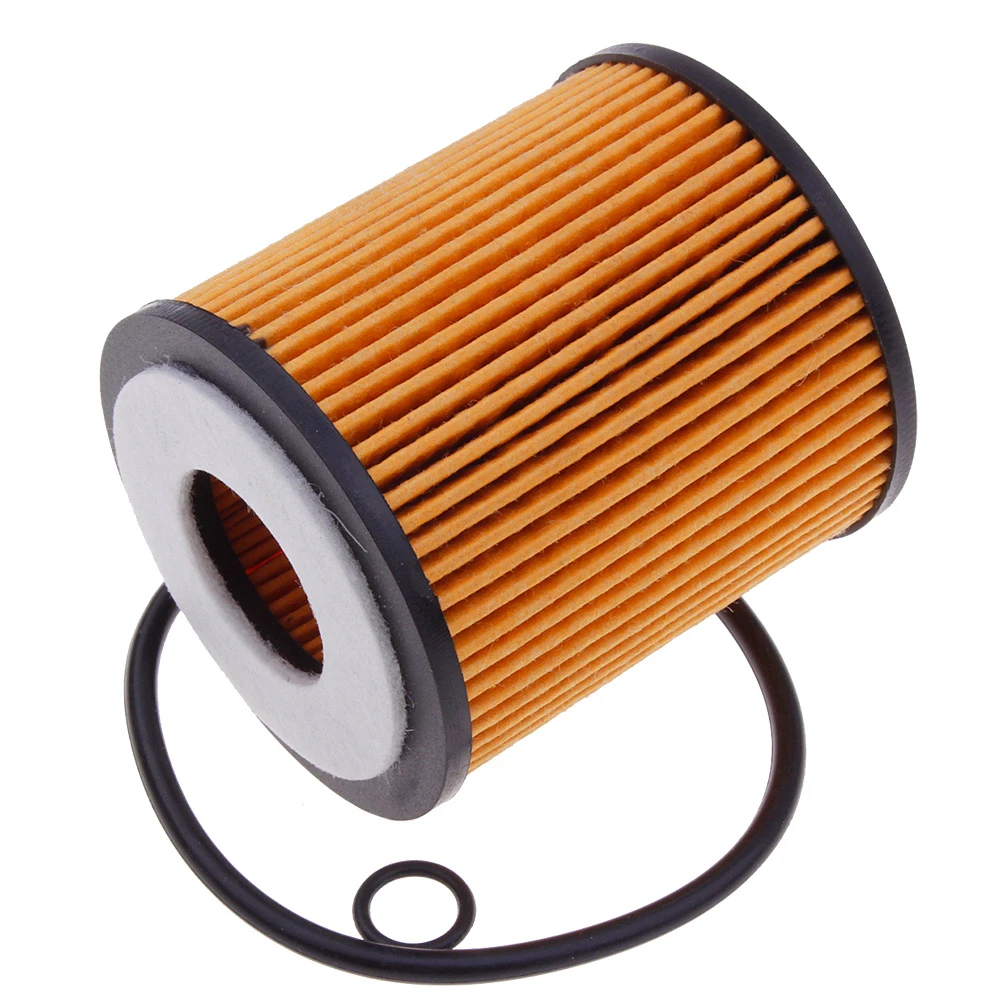
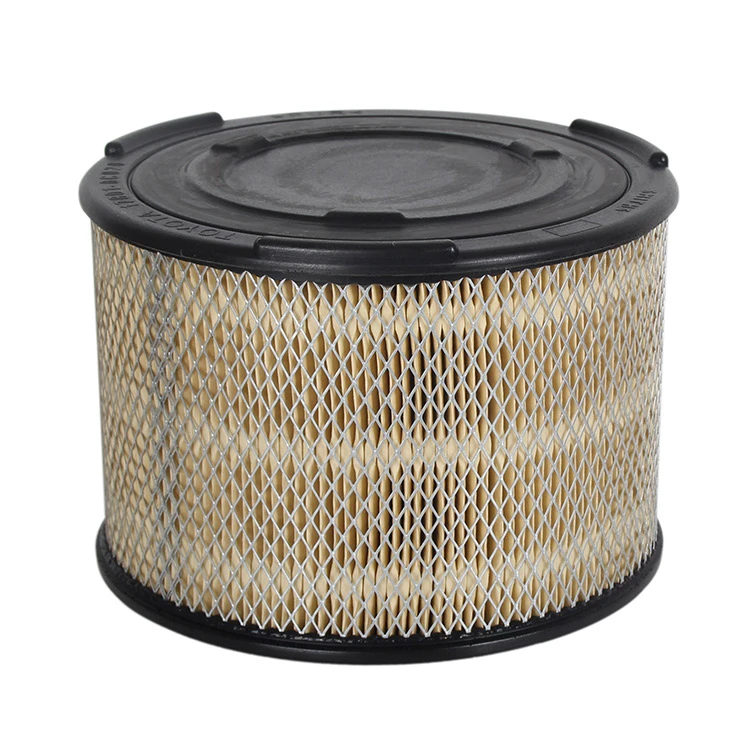
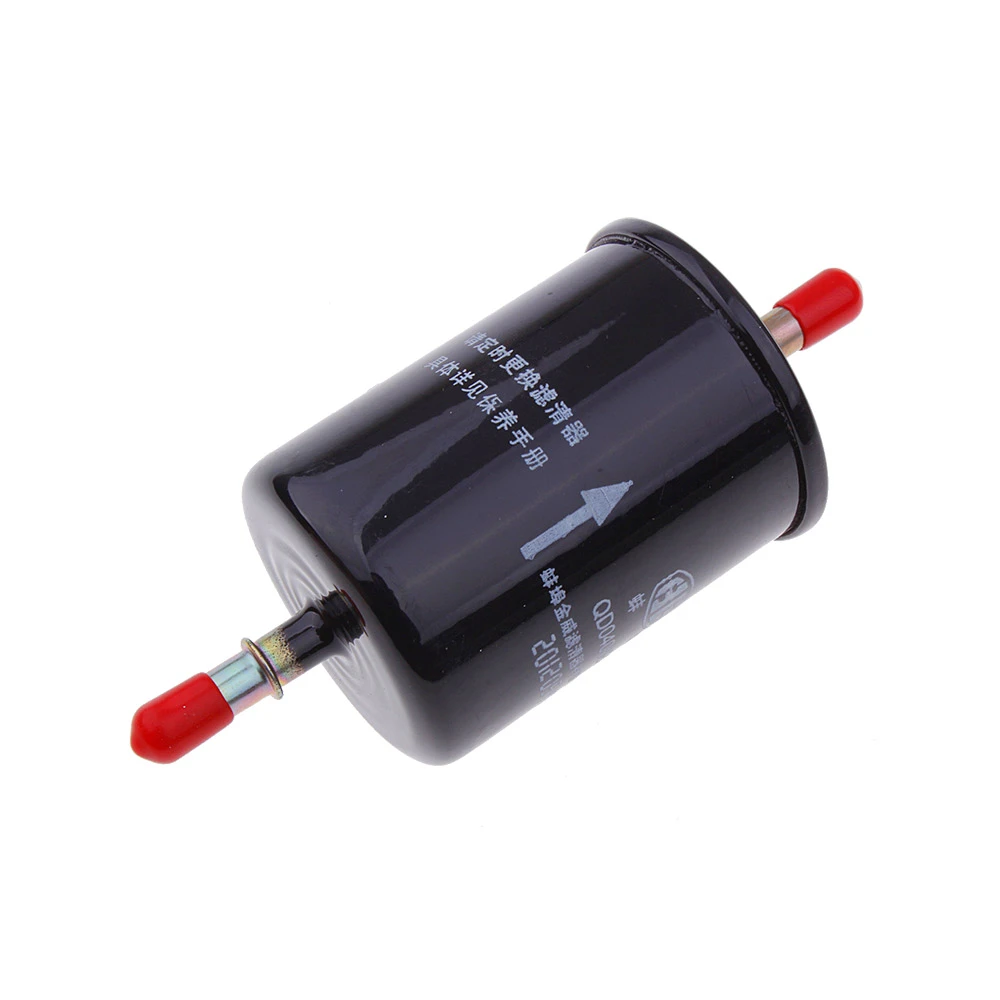
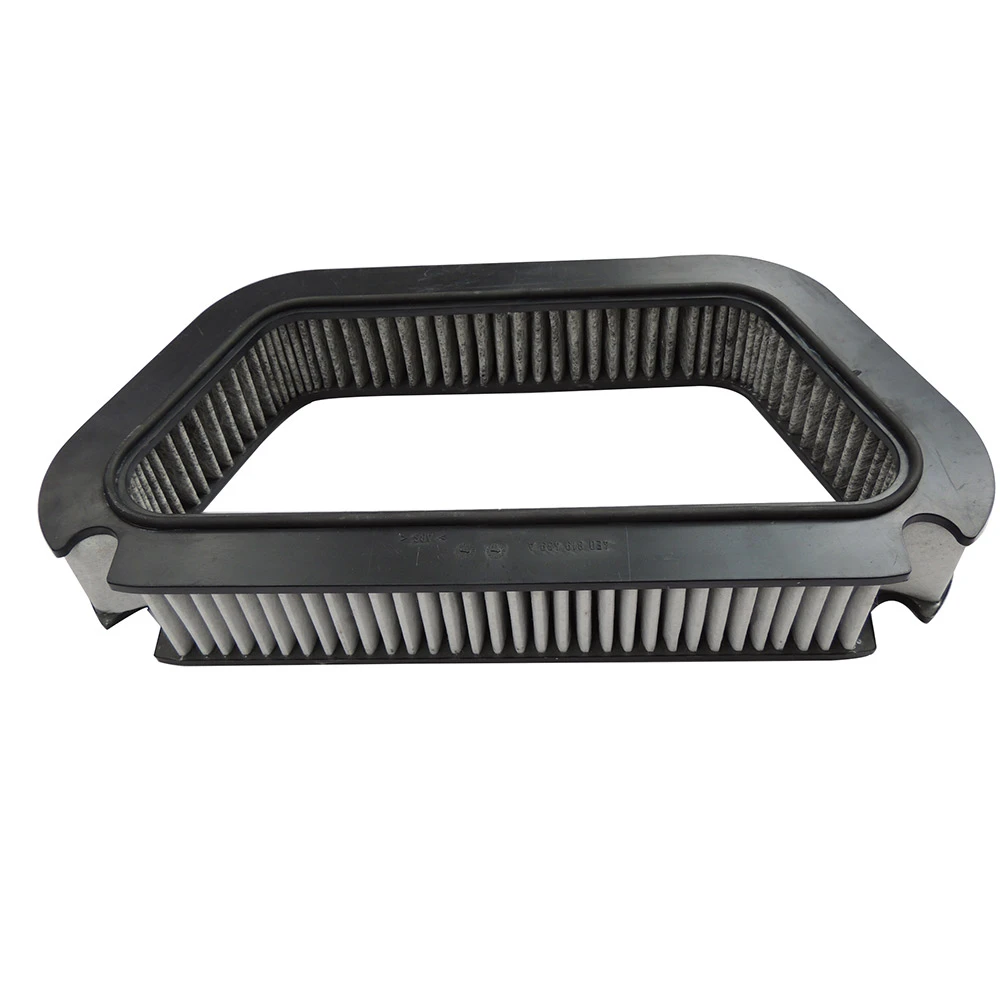
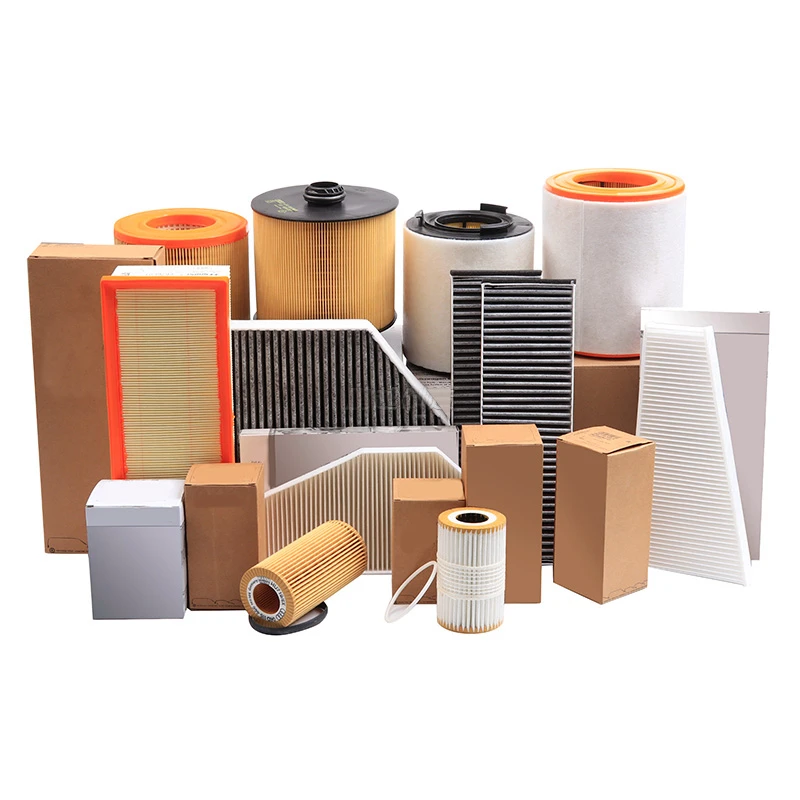
In today's automotive landscape, the performance and longevity of a vehicle, alongside the health and comfort of its occupants, hinge significantly on effective air filtration systems. The increasing demand for cleaner air, both inside the cabin and for engine intake, has driven significant innovation in filter technology. From safeguarding sensitive engine components to ensuring a pristine cabin environment, the selection of an appropriate cabin and engine air filter is paramount. This comprehensive overview delves into the technical aspects, market trends, and strategic considerations for B2B stakeholders in this vital sector. Understanding the nuances of a high-performance car aircond filter, the economic and environmental benefits of a reusable cabin air filter, and the overall impact of an advanced auto cabin air filter is crucial for maintaining vehicle efficiency and occupant well-being.
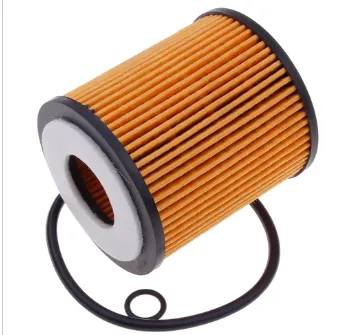
The automotive industry is witnessing a paradigm shift towards higher efficiency and improved passenger health standards. This transformation is directly reflected in the evolution of air filtration technologies. Modern vehicles require filters that can capture microscopic particles, allergens, and harmful gases, far beyond what conventional filters offered. Manufacturers are continually researching and developing materials and designs that not only meet stringent air quality standards but also contribute to fuel efficiency and engine lifespan. The focus is now on multi-layered filtration, activated carbon integration, and even antimicrobial treatments to offer superior protection against a broader spectrum of pollutants.
Industry Trends & Technological Advancements
Emerging Innovations in Automotive Air Filtration
The automotive air filtration market is dynamic, driven by increasing environmental regulations and growing consumer awareness regarding indoor air quality. A significant trend is the rise of high-efficiency particulate air (HEPA) filters for vehicle cabins, offering filtration down to 0.3 microns with up to 99.97% efficiency, vastly surpassing standard filters. Activated carbon layers are increasingly integrated into car aircond filter designs to combat unpleasant odors and absorb harmful gaseous pollutants like VOCs, NOx, and SOx. Furthermore, the concept of a reusable cabin air filter is gaining traction, offering long-term cost savings and reduced environmental impact through washable or cleanable filter media, moving away from single-use components.
Another critical area of development is smart filtration systems equipped with sensors that monitor air quality and filter saturation, signaling optimal replacement times and ensuring consistent performance of the auto cabin air filter. For engine air filters, innovations focus on optimizing pleat geometry and media composition to maximize dust holding capacity and maintain low air restriction throughout the filter's service life, directly impacting fuel efficiency and engine protection. Nanofiber technology is also being explored to enhance filtration efficiency without compromising airflow, setting new benchmarks for the next generation of cabin and engine air filter solutions across various vehicle types.
Car Cabin Filter: Materials & Manufacturing Process
Precision Engineering for Superior Air Quality
The manufacturing of a high-quality Car Cabin Filter involves a meticulous multi-stage process designed to achieve optimal filtration performance. It begins with the selection of premium filter media, typically non-woven synthetic fibers (e.g., polypropylene or polyester) or natural cellulose fibers, often electrostatically charged to attract fine particulate matter. Advanced filters, including those for a reusable cabin air filter, incorporate layers of activated carbon granules or fibrous activated carbon, which are highly porous to adsorb volatile organic compounds (VOCs) and odorous gases. Some specialized filters also feature an antimicrobial layer to inhibit the growth of bacteria and mold.
The process flow generally includes:
- Media Preparation:Raw filter media is cut to precise dimensions, often involving calendaring for uniform thickness and strength.
- Pleating:The media is then pleated using specialized machinery to maximize the surface area for filtration within a compact space. Pleat height and spacing are critical for airflow and dust holding capacity.
- Layering (for Multi-layer Filters):For advanced car aircond filter designs, different media types (e.g., particulate layer, activated carbon layer) are combined through lamination or adhesive bonding.
- Framing and Sealing:The pleated media pack is then inserted into a rigid frame, typically made of plastic or heavy-duty paperboard. Polyurethane foam or hot-melt adhesive is used to create a durable, airtight seal between the media and the frame, preventing bypass air.
- Quality Control:Each filter undergoes rigorous testing, including airflow resistance, filtration efficiency (e.g., ISO 5011, ISO 11155-1 for cabin filters), burst strength, and dimensional accuracy to meet standards like ISO 9001 and IATF 16949. Filters are designed for service lives ranging from 15,000 to 30,000 miles, depending on environmental conditions.
These advanced manufacturing processes ensure that each auto cabin air filter provides exceptional performance, contributing to better air quality for occupants and optimal functioning of the vehicle's HVAC system.
Technical Parameters and Performance Metrics
Comprehensive Specifications for Air Filtration Solutions
Selecting the right air filter requires a thorough understanding of its technical specifications and performance metrics. These parameters dictate how effectively a filter can protect the engine or purify cabin air. Key metrics for a high-quality cabin and engine air filter include filtration efficiency, airflow rate, dust holding capacity, and pressure drop. Filters are evaluated against industry standards such as ISO 5011 for engine air filters and ISO 11155-1 for cabin air filters, ensuring consistency and reliability across manufacturers. The table below outlines typical parameters for various automotive air filter types.
|
Parameter |
Standard Particulate Cabin Filter |
Activated Carbon Cabin Filter (Car Aircond Filter) |
Reusable Cabin Air Filter |
Engine Air Filter |
|
Filtration Efficiency (Particulate) |
80-90% for ≥2.5µm particles |
90-95% for ≥2.5µm particles |
85-92% for ≥2.5µm particles (after washing) |
99.5% for ≥5µm particles (ISO 5011) |
|
Gaseous Filtration |
Minimal (no active carbon) |
High (VOCs, NOx, SOx, odors) |
Variable (depends on reusable media, some incorporate carbon) |
Not applicable (primary focus is particulate) |
|
Airflow Resistance (Pressure Drop) |
Low to Moderate |
Moderate (due to activated carbon layer) |
Low to Moderate (can increase slightly after washes) |
Low (critical for engine performance) |
|
Media Material |
Synthetic fiber, non-woven |
Synthetic fiber + activated carbon |
Engineered synthetic, often oiled cotton or synthetic mesh |
Cellulose paper, synthetic blend, or oiled cotton |
|
Typical Service Life |
15,000-20,000 miles or 1 year |
15,000-20,000 miles or 1 year |
Up to 50,000-100,000 miles with regular cleaning |
30,000-45,000 miles or 2-3 years |
These specifications highlight the specialized design considerations for each filter type, ensuring that whether it's an auto cabin air filter or an engine intake filter, it performs optimally under its intended operating conditions. Accurate data like this is crucial for procurement and inventory management in the B2B sector.
Application Scenarios and Technical Advantages
Optimizing Performance Across Diverse Environments
The diverse range of automotive air filters serves critical functions across various applications. For passenger vehicles, a superior car aircond filter significantly enhances occupant comfort and health, particularly in urban areas with high pollution levels. By filtering out pollen, dust, soot, and harmful gases, it prevents respiratory irritations and allergic reactions, making long commutes more pleasant. In demanding environments such as dusty construction sites or agricultural settings, the robust design of an engine air filter is crucial for protecting the engine from abrasive contaminants, preventing premature wear of pistons, cylinder walls, and turbochargers, thus extending engine life and reducing maintenance costs.
The technical advantages of advanced filters are multifaceted. High-efficiency media in a cabin and engine air filter ensures minimal pressure drop, which translates to better engine performance and improved fuel economy, an essential factor for fleet operators. The integration of activated carbon provides superior odor control and gas filtration, a significant benefit for luxury vehicles and public transport. The introduction of a reusable cabin air filter offers long-term sustainability benefits, reducing waste and providing substantial cost savings over the vehicle's lifetime, especially for large fleets. These filters are not only effective in standard vehicles but also critical in specialty applications such as emergency services, mining, and off-road vehicles, where extreme operating conditions demand uncompromising air quality and engine protection.
Product Comparison & Customization
Tailored Filtration Solutions for Every Need
When it comes to selecting the optimal Car Cabin Filter, various types offer distinct advantages depending on specific requirements and operational environments. Understanding these differences is key for B2B buyers looking to provide the best solutions to their customers or integrate into their own vehicle fleets. Beyond standard filters, options range from advanced particulate filters to those with activated carbon, and innovative reusable solutions. Below is a comparative overview of common Car Cabin Filter types, highlighting their unique features and benefits to help in making informed procurement decisions, whether for an auto cabin air filter or a more specialized variant.
|
Filter Type |
Key Features |
Advantages |
Best Application |
|
Standard Particulate Filter |
Single-layer synthetic media, basic dust/pollen filtration. |
Cost-effective, good for general dust & pollen. |
Everyday driving in low-pollution areas. |
|
Activated Carbon Filter |
Multi-layer design with activated carbon layer. |
Excellent odor and harmful gas (VOCs, NOx) absorption, improved particulate filtration. |
Urban driving, high traffic areas, sensitive individuals. Essential for an effective car aircond filter. |
|
HEPA-Grade Cabin Filter |
Very dense, fine-fiber media capable of capturing 99.97% of particles ≥0.3µm. |
Superior allergen, bacteria, and virus filtration. Unparalleled air purity. |
Medical transport, allergy/asthma sufferers, extreme pollution areas. |
|
Reusable Cabin Air Filter |
Durable, washable media (e.g., oiled cotton, synthetic mesh). |
Long lifespan, reduced waste, significant cost savings over time. |
Fleet management, environmentally conscious consumers, long-term vehicle ownership. An ideal reusable cabin air filter solution. |
Beyond these standard types, customization options allow manufacturers to tailor filter dimensions, media composition, and frame materials to meet specific vehicle models and performance requirements. This includes optimizing pleat count for specific airflow rates, integrating specialized antimicrobial coatings, or designing frames for unique installation challenges. Such bespoke solutions ensure that every auto cabin air filter delivers precision performance, perfectly matched to its application.
Real-world Application Cases & Client Testimonials
Proven Performance in Diverse Operational Environments
Our advanced air filtration solutions have consistently delivered superior performance across a multitude of industries and vehicle types. For example, a major logistics fleet operating in densely populated urban areas reported a significant reduction in driver complaints regarding air quality after switching to our activated carbon car aircond filter. "The difference was immediate," noted their Fleet Manager. "Drivers reported noticeably fewer issues with exhaust fumes and odors, leading to improved comfort and focus during long shifts." This directly showcases the 'Experience' aspect of our products.
In another instance, an OEM client developing new electric vehicle models integrated our custom-designed HEPA-grade auto cabin air filter to meet their stringent interior air quality targets. Extensive in-house testing confirmed a 99.97% removal rate for airborne particulates down to 0.3 microns, crucial for positioning their vehicles as leaders in health and wellness. Furthermore, a heavy-duty construction company adopted our robust cabin and engine air filter solutions for their off-road machinery. They experienced a 15% increase in engine component lifespan and a 7% reduction in fuel consumption over an 18-month period, demonstrating the tangible benefits of optimized engine protection. The long-term durability and washability of our reusable cabin air filter options have also proven highly successful for rental car agencies, yielding substantial savings on replacement costs while maintaining high air quality standards for diverse clientele.
Ensuring Quality: Certifications, Testing, and Compliance
Global Standards for Uncompromising Performance
Our commitment to producing high-quality air filtration products is underscored by adherence to stringent international standards and comprehensive testing protocols. Every cabin and engine air filter and auto cabin air filter undergoes rigorous validation. We are proud to hold ISO 9001 certification for quality management systems, ensuring consistent product quality from design to delivery. Furthermore, our manufacturing facilities comply with IATF 16949, the automotive industry's highest standard for quality management, reflecting our dedication to excellence in automotive component supply.
All products, including our specialized car aircond filter and reusable cabin air filter variants, are subjected to independent laboratory testing. This includes:
- Filtration Efficiency Testing:According to ISO 5011 for engine air filters and ISO 11155-1 for cabin air filters, measuring particulate and gaseous pollutant removal.
- Airflow Resistance (Pressure Drop) Testing:To ensure optimal air intake and minimal strain on HVAC or engine systems.
- Dust Holding Capacity:Critical for determining the service life of the filter before requiring replacement or cleaning.
- Material Integrity & Environmental Durability:Testing for resistance to temperature fluctuations, humidity, and chemical exposure.
These extensive tests provide verifiable data, reinforcing the superior performance and reliability of our filters, building trust and authority in the market. Our ongoing R&D efforts also contribute to pushing the boundaries of filtration technology, ensuring compliance with future environmental and health regulations.
Professional Q&A: Your Air Filtration Queries Answered
Deep Dive into Technical Specifics
What is MERV rating, and how does it apply to an auto cabin air filter?
MERV (Minimum Efficiency Reporting Value) is a standard used in HVAC filters to rate their effectiveness in capturing airborne particles. While primarily for building HVAC, the principles apply. For cabin filters, similar efficiency ratings (often ISO 11155-1) indicate the percentage of particles of a given size captured. A higher MERV equivalent generally means better filtration but can also mean higher air resistance.
What is the primary difference between a standard cabin and engine air filter?
An engine air filter's primary role is to protect the engine from damaging particulates, ensuring optimal combustion and engine longevity. A cabin air filter, conversely, is designed to purify the air entering the vehicle's passenger compartment, protecting occupants from dust, pollen, and pollutants. Their designs, materials, and filtration efficiencies are optimized for these distinct purposes.
How does an activated carbon layer enhance a car aircond filter?
Activated carbon (charcoal) is highly porous, creating a vast surface area that can trap gas molecules through a process called adsorption. In a car aircond filter, this layer effectively absorbs noxious gases, exhaust fumes, unpleasant odors (like fuel and smog), and volatile organic compounds (VOCs) that a standard particulate filter cannot capture, significantly improving interior air quality.
Are reusable cabin air filter options as effective as disposable ones?
Yes, modern reusable cabin air filter options can be highly effective. They typically use a durable, often oiled cotton or synthetic mesh media that, when properly cleaned and re-oiled (if applicable), maintains excellent filtration properties. While initial filtration might be slightly lower than some HEPA-grade disposable filters, their long-term performance, environmental benefits, and cost-effectiveness make them an attractive choice, especially for fleet managers.
What is the significance of "pleat geometry" in filter design?
Pleat geometry refers to the height, depth, and spacing of the folds in the filter media. Optimized pleat geometry maximizes the filter's surface area within its housing, which directly correlates to higher dust holding capacity and lower air resistance. This balance is crucial for maintaining efficient airflow and filtration performance throughout the filter's service life, preventing premature clogging and ensuring consistent operation for both engine and auto cabin air filter applications.
How do filtration standards like ISO 11155-1 ensure filter quality?
ISO 11155-1 is a specific international standard for testing cabin air filters, defining methodologies for evaluating particulate and gaseous filtration efficiency, pressure drop, and dust holding capacity under controlled conditions. Adherence to this standard ensures that manufacturers provide reliable, comparable data on their car aircond filter performance, allowing B2B buyers to make informed decisions based on verified metrics rather than anecdotal claims.
What kind of maintenance is required for a reusable cabin air filter?
Maintaining a reusable cabin air filter typically involves periodic removal, cleaning with a specialized cleaning solution, rinsing, thorough drying, and then re-oiling if it's an oiled media type. The frequency depends on driving conditions, but generally every 12,000-15,000 miles is recommended. This process restores the filter's efficiency and airflow characteristics, significantly extending its overall lifespan compared to disposable filters.
Delivery, Warranty, and Customer Support
Ensuring Seamless Partnership and Trust
We understand that reliable logistics, robust warranties, and responsive customer support are as crucial as product quality in B2B partnerships. Our streamlined supply chain ensures efficient delivery of all orders, from a single auto cabin air filter shipment to bulk orders of cabin and engine air filter components, with typical lead times ranging from 2-4 weeks for standard products and 6-8 weeks for custom solutions, subject to material availability. We offer flexible shipping options to meet diverse client needs, including expedited services for urgent requirements.
Every product, including our advanced car aircond filter and reusable cabin air filter, is backed by a comprehensive warranty, typically covering manufacturing defects for 12 months or 20,000 miles, whichever comes first. This commitment reflects our confidence in the durability and performance of our filters. Our dedicated customer support team comprises technical experts available to assist with product selection, installation guidance, and troubleshooting, ensuring that our partners receive unparalleled service and technical expertise throughout their engagement with us. This holistic approach builds enduring trust and supports the operational continuity of our B2B clients.
Conclusion & Future Outlook
The evolution of automotive air filtration, particularly for the cabin and engine air filter, continues to be a critical area of innovation, driven by increasingly stringent environmental regulations, growing health consciousness, and the shift towards electric and autonomous vehicles. The demand for advanced solutions like multi-layer car aircond filter units and sustainable reusable cabin air filter technologies underscores a market moving towards higher efficiency, longer lifespan, and greater environmental responsibility. As a leading provider, we remain committed to leveraging cutting-edge materials and manufacturing processes to develop next-generation filters that not only meet but exceed these evolving demands.
The future of the auto cabin air filter will likely see further integration of smart technologies, such as IoT-enabled filters that communicate real-time air quality data and predictive maintenance needs. This will enable greater optimization of vehicle performance and occupant health. Our ongoing research and strategic partnerships ensure we remain at the forefront of these developments, ready to provide our B2B clients with the most effective, reliable, and sustainable air filtration solutions for the challenges of tomorrow.
References
- ISO 5011:2014, Inlet air cleaning equipment for internal combustion engines and compressors – Performance testing.
- ISO 11155-1:2001, Road vehicles – Air filters for passenger compartments – Part 1: Test for particulate filtration.
- ISO 9001:2015, Quality management systems – Requirements.
- IATF 16949:2016, Quality management systems – Particular requirements for the application of ISO 9001:2015 for automotive production and relevant service parts organizations.
- ASHRAE Standard 52.2-2017, Method of Testing General Ventilation Air-Cleaning Devices for Removal Efficiency by Particle Size.
-
Guide on how often do you need to replace engine air filterNewsApr.16,2026
-
Learn how often do you replace air filter in car for engine healthNewsApr.09,2026
-
How Often Do You Replace Car Air Filter For Optimal Engine PerformanceNewsApr.07,2026
-
How Often Do You Replace Engine Air Filter For Optimal Vehicle PerformanceNewsApr.04,2026
-
Understanding How Often Does Engine Air Filter Need to Be Replaced for Optimal PerformanceNewsMar.31,2026
-
How Often Engine Air Filter Change Impacts Performance and LongevityNewsMar.28,2026
-
Understanding How Often to Replace Your Car Air Filter for Optimal PerformanceNewsMar.26,2026
Related Products