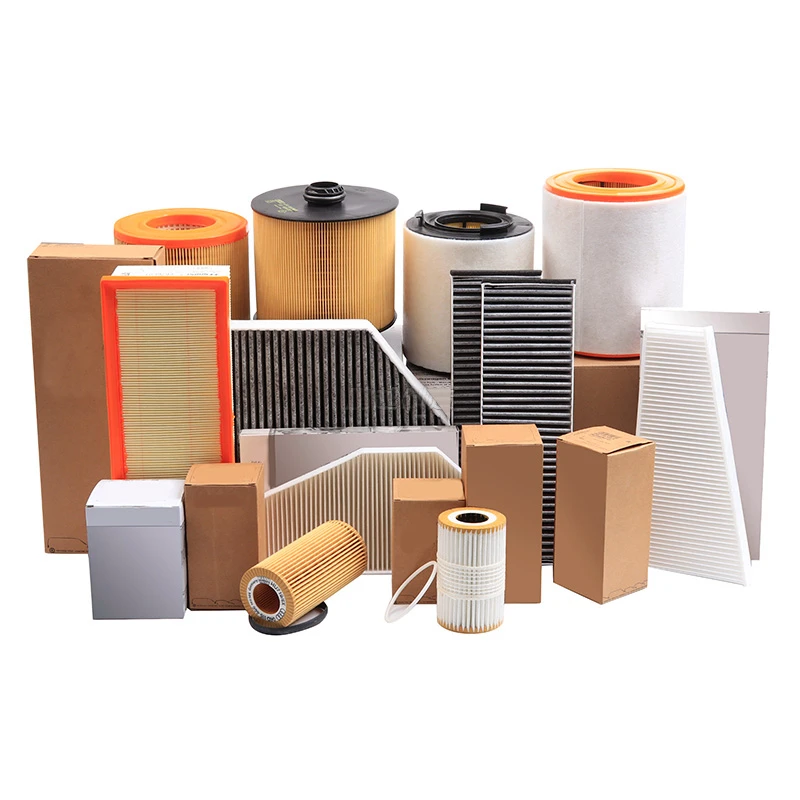
How Often Do You Change Your Car Air Filter?
Having spent quite a few years working around industrial equipment and automotive parts, I've learned that one of the most overlooked maintenance tasks for vehicle owners is the humble air filter change. Car air filters play a surprisingly crucial role in not just engine performance but also fuel efficiency and overall longevity of your ride. Yet, many drivers ask me—how often should I really be changing it?
The straightforward answer often given is every 12,000 to 15,000 miles or roughly once a year. But frankly, that's a bit of an oversimplification. The real interval depends on your driving conditions—think dusty rural roads versus smooth city streets, heavy traffic versus open highways—and even the filter's design and material make a difference.
Oddly enough, I noticed a few customers I worked with neglected their filters until they experienced noticeable drops in engine power or fuel economy. That’s kind of a costly lesson because a clogged air filter stresses the engine, affecting combustion quality and sometimes even allowing dirt particles to sneak past, which over time can cause wear.
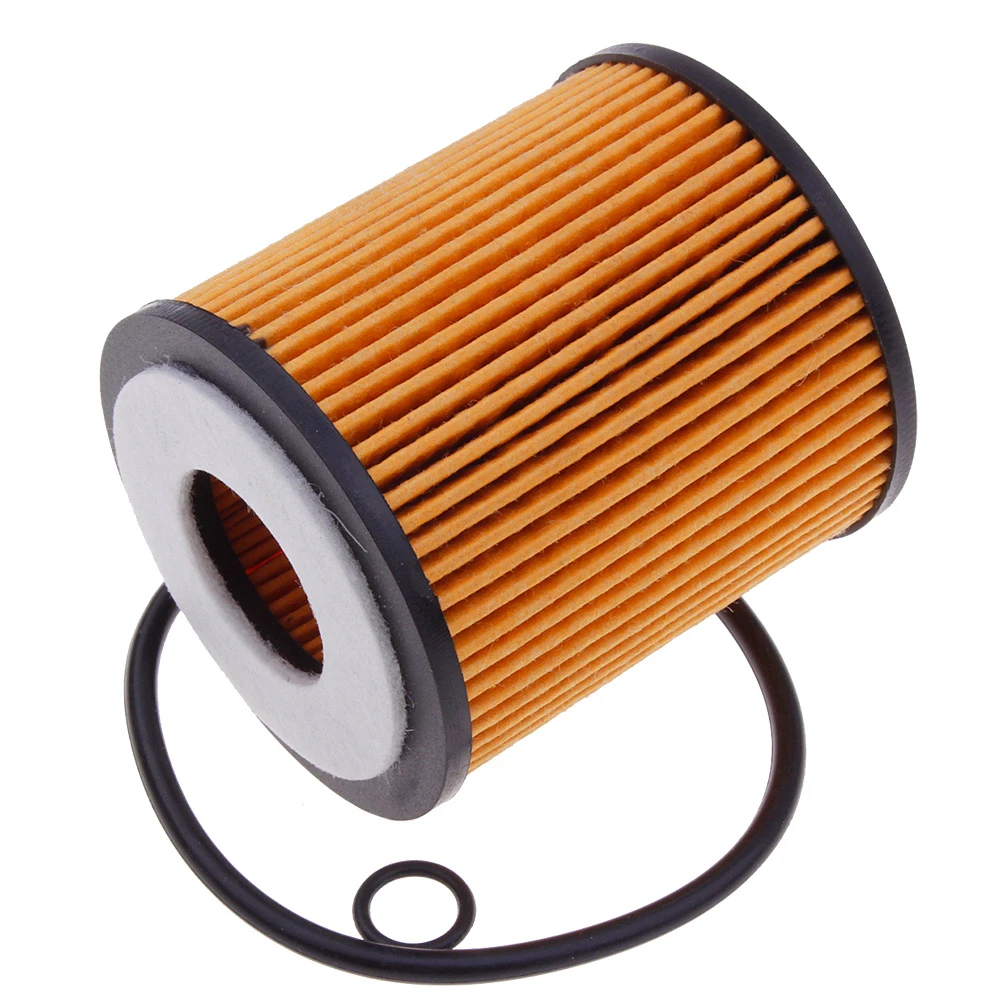
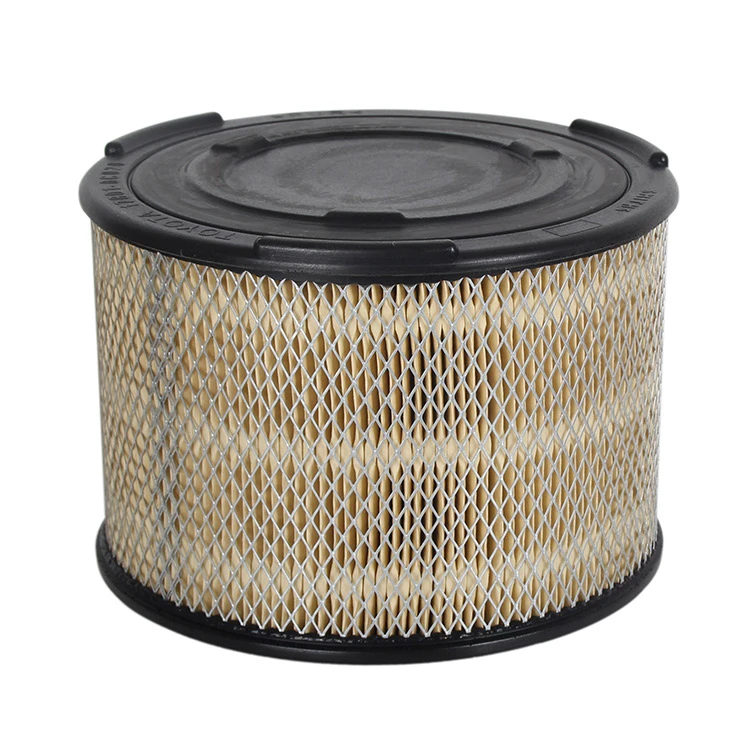
From a design perspective, modern air filters aren't all created equal. The industrial-grade filters I’ve come across typically use multi-layered synthetic fibers or high-quality cotton gauze that trap finer particles without restricting airflow much. These innovations reflect decades of testing—where materials are subjected to airflow resistance, particle retention, and temperature tolerance—to balance filtration efficiency with engine breathing needs.
| Specification | Value/Detail |
|---|---|
| Filter Type | Pleated Synthetic Fiber / Cotton Gauze |
| Particle Retention | Down to 5 microns |
| Recommended Replacement Interval | 12,000 – 15,000 miles / 12 months |
| Operating Temperature Range | -40°C to +125°C (-40°F to 257°F) |
| Airflow Resistance | Lowest possible within EPA standards |
If you’re buying a replacement, vendors differ quite a bit in their approach to materials and price points—something I learned the hard way when I once shipped filters that failed early under tough conditions (lesson: always double-check for certified specs).
| Vendor | Filter Material | Price Range | Replacement Interval | Warranty |
|---|---|---|---|---|
| JyFilter | Multi-layer synthetic fiber | $15 - $30 | 15,000 miles | 1-year limited |
| Brand X | Cotton gauze | $20 - $35 | 12,000 miles | 6 months |
| Brand Y | Paper blend | $10 - $20 | 10,000 miles | None |
For example, I once recommended JyFilter to a local fleet operator who was constantly struggling with premature filter clogging on dusty routes. After switching to their synthetic fiber air filters, the fleet reported smoother engine performance and longer filter life—which frankly, saved them both time and money.
In real terms, I suppose the key takeaway is: don’t wait for symptoms to appear. Check your filter more than you think you should, especially if conditions are harsh. Keeping your air filter fresh isn’t just a box on the maintenance checklist; it’s a small investment in your car’s breathing and endurance.
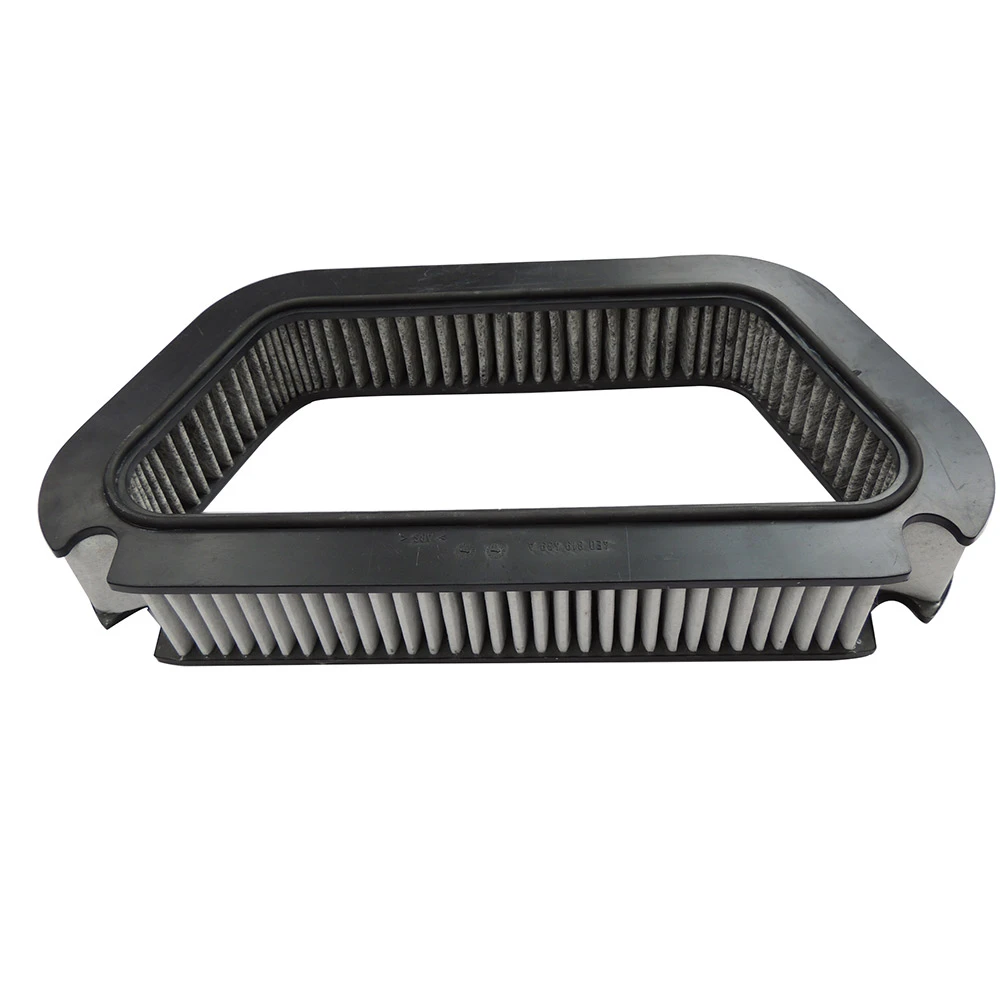
If you want to get really hands-on, some mechanics suggest visually inspecting the air filter every 6,000 miles or so, especially on dusty roads. Often, the filter darkens visibly, and you can see trapped debris leaning against the pleats. If it looks clogged or very dirty, it’s time to swap it out, no matter the miles.
I’ll leave you with that bit of practical wisdom. In the industrial equipment world, we often say small details matter—and your car’s air filter is no exception. It may seem like a minor component, but it’s quietly working hard to keep your engine happy and, well, running smooth.
References:
1. Automotive Maintenance Best Practices, SAE International
2. Filter Material & Efficiency Testing, Journal of Engine Technology
3. JyFilter Technical Specifications & User Feedback, 2024
-
Guide on how often do you need to replace engine air filterNewsApr.16,2026
-
Learn how often do you replace air filter in car for engine healthNewsApr.09,2026
-
How Often Do You Replace Car Air Filter For Optimal Engine PerformanceNewsApr.07,2026
-
How Often Do You Replace Engine Air Filter For Optimal Vehicle PerformanceNewsApr.04,2026
-
Understanding How Often Does Engine Air Filter Need to Be Replaced for Optimal PerformanceNewsMar.31,2026
-
How Often Engine Air Filter Change Impacts Performance and LongevityNewsMar.28,2026
-
Understanding How Often to Replace Your Car Air Filter for Optimal PerformanceNewsMar.26,2026
Related Products