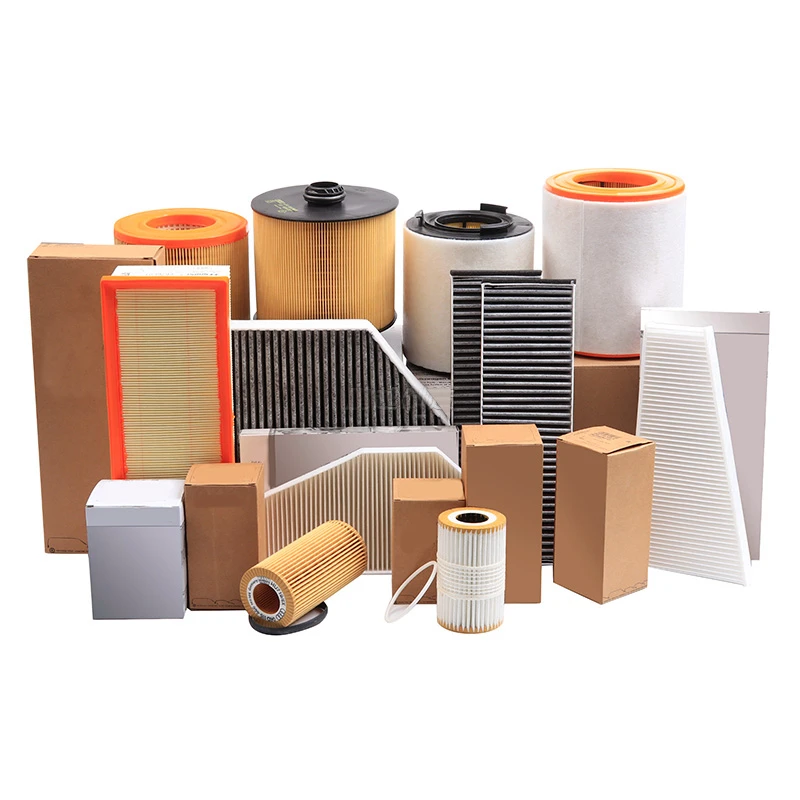
How Often Does Cabin Filter Need to Be Changed?
At first glance, cabin filters might seem like one of those “out of sight, out of mind” car parts. But understanding how often a cabin filter needs to be changed can make a surprising difference—not just for your car's air quality but also for your health and the environment. This is especially crucial in our increasingly urbanized, pollution-heavy world where clean air inside vehicles is a simple yet vital defense.
Global Context: Why Cabin Filter Maintenance Matters
Indoor air quality, including inside vehicles, is a growing concern worldwide. According to the World Health Organization, air pollution contributes to millions of premature deaths annually. Whether you’re stuck in rush hour in Los Angeles or navigating dusty roads in New Delhi, the air you breathe inside your vehicle can be dramatically different from the outdoors, thanks to your cabin filter—or lack thereof.
Global vehicle ownership keeps climbing, with over 1.4 billion cars on the roads as of recent estimates. Maintaining cabin filters properly—and knowing how frequently they should be replaced—is crucial to reducing exposure to airborne particles, allergens, and pollutants.
What Exactly Is a Cabin Filter?
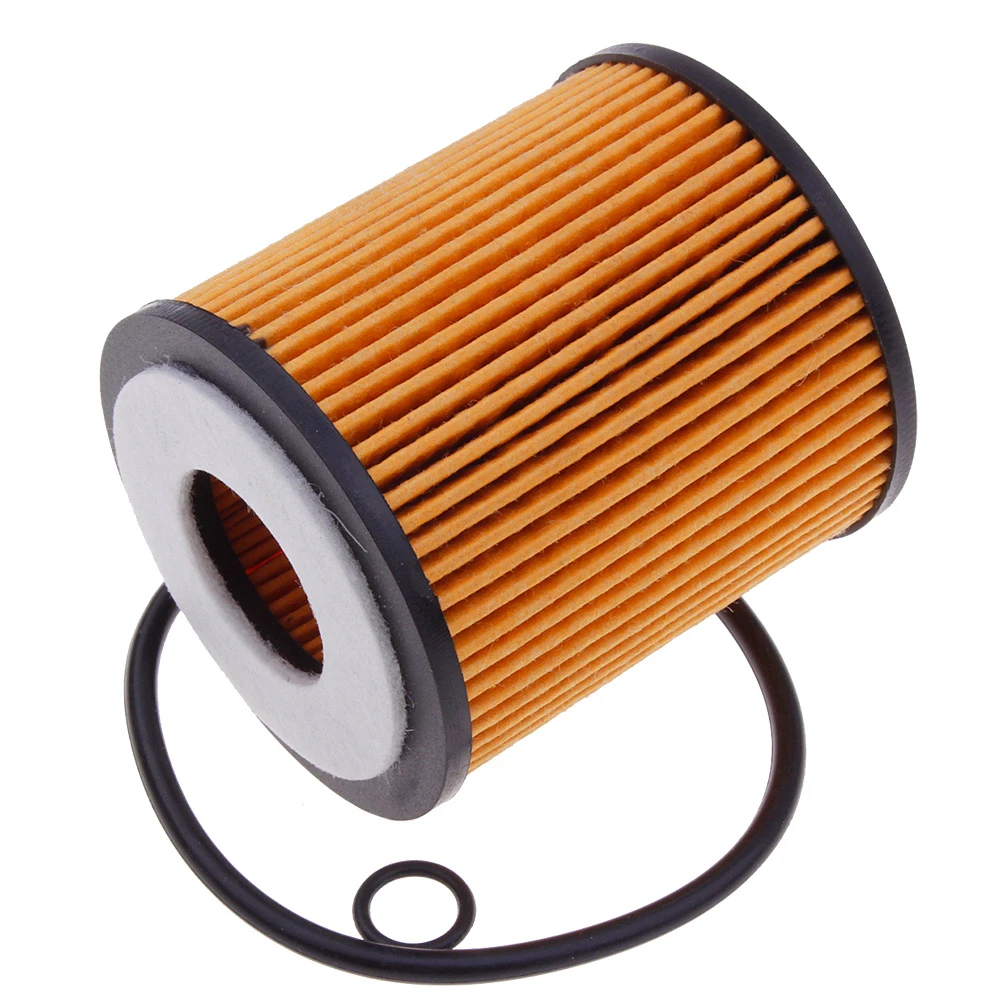
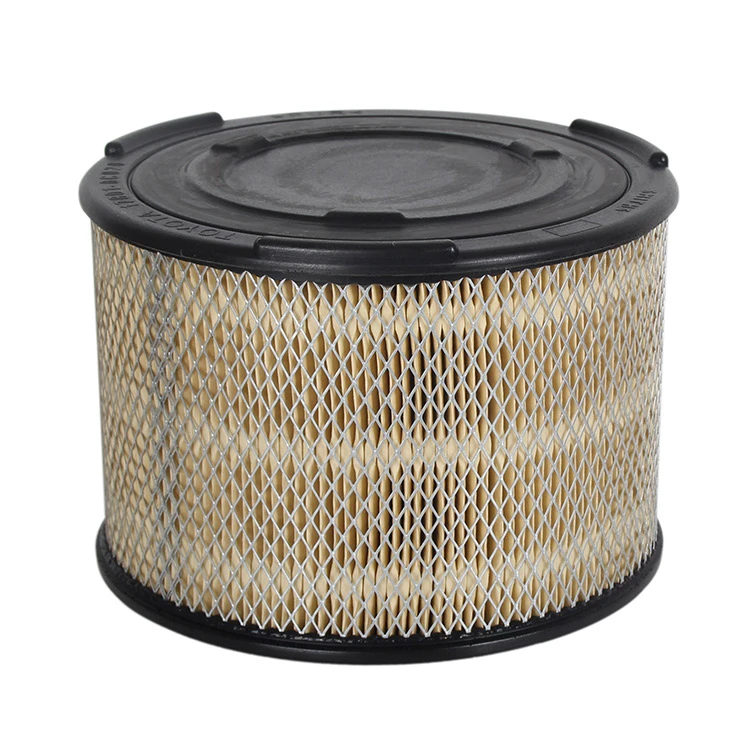
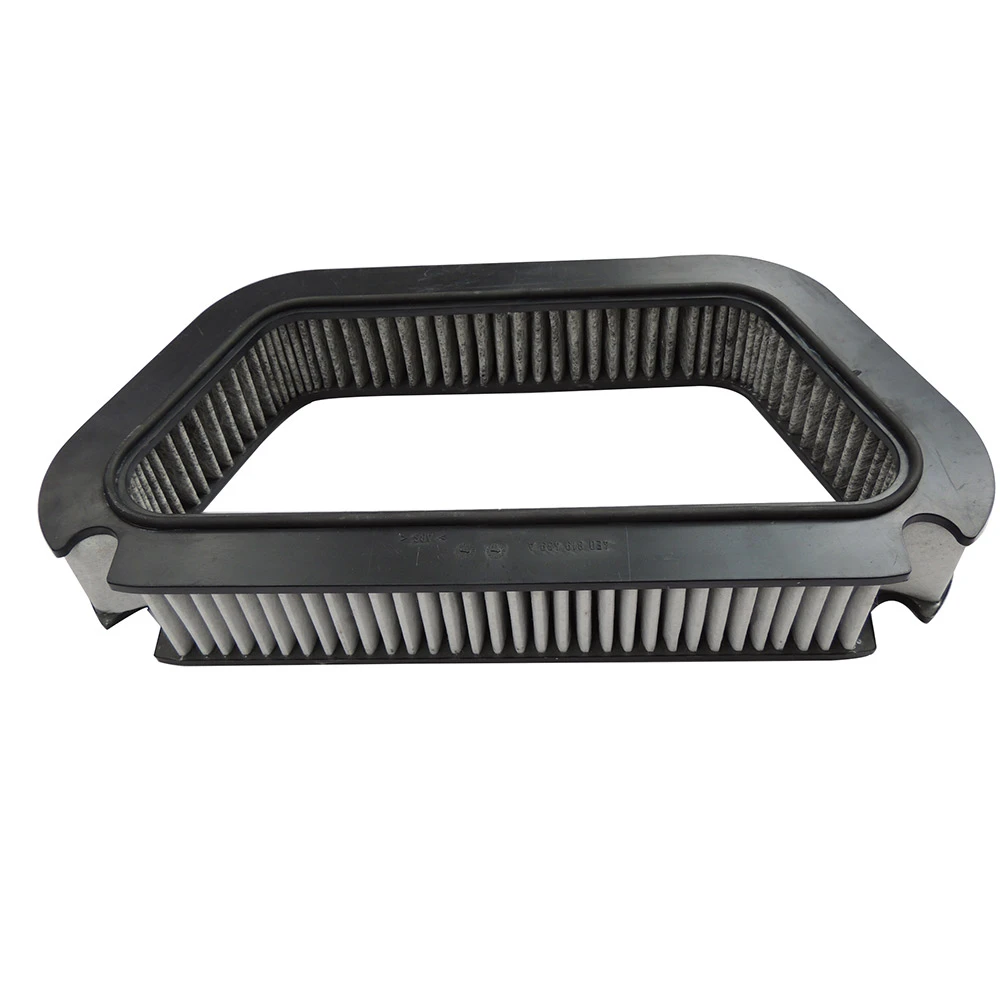
Simply put, a cabin filter is a small but vital component of your vehicle’s HVAC (heating, ventilation, and air conditioning) system. It cleans the air entering your car's cabin through the ventilation system by trapping dust, pollen, soot, and even exhaust fumes. Its connection to modern car hygiene and health is clear: in places with heavy pollution or during allergy seasons, a clean cabin filter means less sneezing, better breathing, and—frankly—a more pleasant driving experience.
Key Factors Affecting How Often Cabin Filters Need Changing
1. Environmental Conditions
If you regularly drive in highly polluted or dusty environments, such as cities with heavy traffic or rural dirt roads, your cabin filter will clog up faster. These contaminants reduce filter efficiency and air quality inside your car.
2. Driving Habits
Stop-and-go city driving versus highway cruising affects airflow and filter load differently. Short trips often mean more starts and stops, exposing the filter more frequently to outdoor air particles.
3. Manufacturer Recommendations
Car manufacturers typically suggest changing cabin filters between 12,000 to 15,000 miles. However, guidance varies, so it pays to check your vehicle's manual or consult an expert.
4. Seasonal Factors
Allergen-heavy seasons like spring might clog filters due to pollen, requiring more frequent replacement if you’re sensitive or prone to allergies.
5. Filter Type and Quality
Some cabin filters come with activated carbon layers or HEPA filters, which can trap smaller particles but may require replacement sooner or later depending on design.
Cabin Filter Product Specifications: A Quick Comparison
| Spec | Standard Fiberglass | Activated Carbon | HEPA Cabin Filter |
|---|---|---|---|
| Particle Filtration Efficiency | Basic (20-40%) | Moderate (50-60%) | High (≥ 90%) |
| Odor Removal | None | Yes | Yes |
| Typical Replacement Interval | 12,000 miles / 1 year | 10,000 miles / 1 year | 8,000 - 10,000 miles / 1 year |
| Cost Range | $10-$20 | $15-$30 | $30-$60 |
Global Applications & Use Cases
Oddly enough, while cabin filters are standard globally, certain regions have pushed the envelope on filter technology. For example, in Europe, cities with strict air quality standards often recommend replacing cabin filters more frequently, particularly during winter when particulate pollution spikes.
In rapidly industrializing countries such as China and India, dusty air and pollution levels demand robust cabin filters. Fleet vehicles, taxis, and ride-sharing services often rely on higher-grade filters to maintain passenger comfort and safety.
Even humanitarian aid convoys traversing dusty terrains uncovered in disaster zones benefit from clean cabin air systems. Relief workers report fewer respiratory issues when vehicles are equipped with fresh, high-quality cabin filters.
Vendor Comparison: Popular Cabin Filter Brands
| Feature / Brand | Brand A | Brand B | Brand C |
|---|---|---|---|
| Filter Type | Activated Carbon | Standard Fiberglass | HEPA Grade |
| OEM Approved | Yes | Yes | No |
| Average Lifespan | 1 year / 12,000 miles | 1 year / 15,000 miles | 0.75 year / 8,000 miles |
| Price Range | $20-$35 | $10-$20 | $40-$60 |
Advantages and Long-Term Value of Changing Cabin Filters Regularly
- Improved Air Quality & Health: A fresh filter keeps allergens and pollutants at bay, critical for anyone with respiratory issues.
- Increased HVAC Efficiency: A clogged filter strains your vehicle’s ventilation, wasting fuel and increasing wear.
- Enhanced Comfort: Odor removal and cleaner air create a more pleasant driving environment.
- Cost Savings: Prevent costly AC repairs and replace filters at a fraction of the expense.
Future Trends & Innovations
With sustainability front and center, manufacturers are experimenting with biodegradable materials and filters that last longer without losing efficiency. Some brands have begun integrating digital sensors that monitor filter health in real time, alerting drivers when it’s time for a change. Also, automation in manufacturing promises improved quality control — key for vehicles in challenging environments. Oddly enough, the marriage between digital tech and simple cabin filters is closer than one might think.
Challenges & Solutions
The biggest barrier? Many vehicle owners simply forget to replace their cabin filter or don’t know when to do it. This leads to clogged filters that impair air quality and HVAC performance. Some new vehicles now include dashboard reminders or apps to track filter lifespan, which can really help. Plus, local mechanics and dealerships can play a role with better communication and education.
FAQ: Frequently Asked Questions About How Often Does Cabin Filter Need to Be Changed
- How do I know if my cabin filter needs changing?
- If you notice musty smells, reduced airflow, or increased allergy symptoms inside your vehicle, it’s a good sign your filter is clogged. Also, check your owner’s manual for specified intervals.
- Can I replace a cabin filter myself?
- Yes, for most vehicles it’s a straightforward task requiring minimal tools. However, some models may have filters in tricky locations, so consulting your manual or a professional is wise.
- Does driving in dusty areas shorten filter life?
- Absolutely. Dust and pollution load filters faster, so more frequent changes are recommended in such environments.
- Are expensive cabin filters worth it?
- Higher-end filters often offer better filtration and odor control, which can benefit people sensitive to allergies or those driving in polluted areas. However, even basic filters should be changed regularly.
- How does a dirty cabin filter affect my car?
- A clogged filter can cause unpleasant odors, poor air circulation, and—over time—strain your blower motor or HVAC system, possibly leading to costly repairs.
Conclusion: Keep Your Cabin Air Fresh & Safe
Ultimately, learning how often your cabin filter needs to be changed is smart vehicle maintenance that pays off in comfort, health, and cost savings. Ideally, you want to replace your cabin filter at least once a year or every 12,000-15,000 miles—more frequently if conditions demand. Don’t forget to check out how often does cabin filter need to be changed for tailored advice and product options.
Takeaway: A small part with a big impact—changing your cabin filter regularly is an easy step toward cleaner air and a happier journey.
References
-
Guide on how often do you need to replace engine air filterNewsApr.16,2026
-
Learn how often do you replace air filter in car for engine healthNewsApr.09,2026
-
How Often Do You Replace Car Air Filter For Optimal Engine PerformanceNewsApr.07,2026
-
How Often Do You Replace Engine Air Filter For Optimal Vehicle PerformanceNewsApr.04,2026
-
Understanding How Often Does Engine Air Filter Need to Be Replaced for Optimal PerformanceNewsMar.31,2026
-
How Often Engine Air Filter Change Impacts Performance and LongevityNewsMar.28,2026
-
Understanding How Often to Replace Your Car Air Filter for Optimal PerformanceNewsMar.26,2026
Related Products