How Often Should You Change Your Cabin Filter? A Global Perspective
At first glance, the question how often should you change your cabin filter might seem a bit niche—just another routine task tucked away in a car owner’s maintenance checklist. But, surprisingly, it ties into much bigger themes globally: air quality, health, sustainability, and vehicle efficiency. Cabin air filters block dust, allergens, and pollutants from your car’s interior, so knowing when to replace them isn't just about comfort—it’s about safety, environmental responsibility, and reducing long-term costs. After all, the cabins of our vehicles are mini-mobile environments, and with urban air pollution on the rise, how we maintain them reflects, frankly, how we deal with broader air quality challenges worldwide.
Introduction: Why Does This Matter Globally?
According to the World Health Organization (WHO), ambient air pollution causes about 4.2 million premature deaths annually worldwide. Urban areas—where vehicle use is heavy—are hotspots for airborne particles and gases that cabin filters can help mitigate inside your car. Vehicles with dirty or clogged filters circulate harmful pollutants that can exacerbate respiratory problems or allergies. Yet, despite this, many drivers overlook cabin filter upkeep. The question how often should you change your cabin filter addresses this gap by promoting awareness around a surprisingly potent air quality intervention on a personal scale. It’s a tiny but meaningful step toward healthier living environments.
What Exactly Does ‘Changing Your Cabin Filter’ Mean?
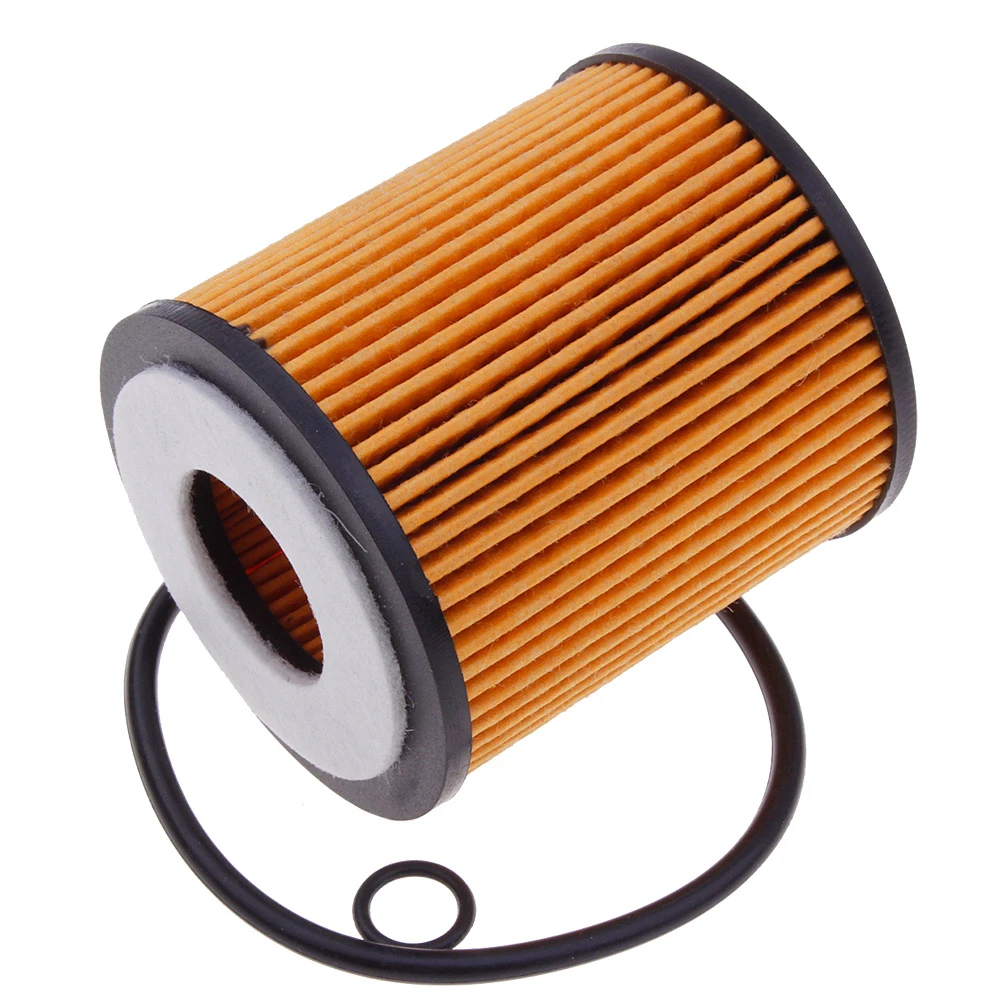
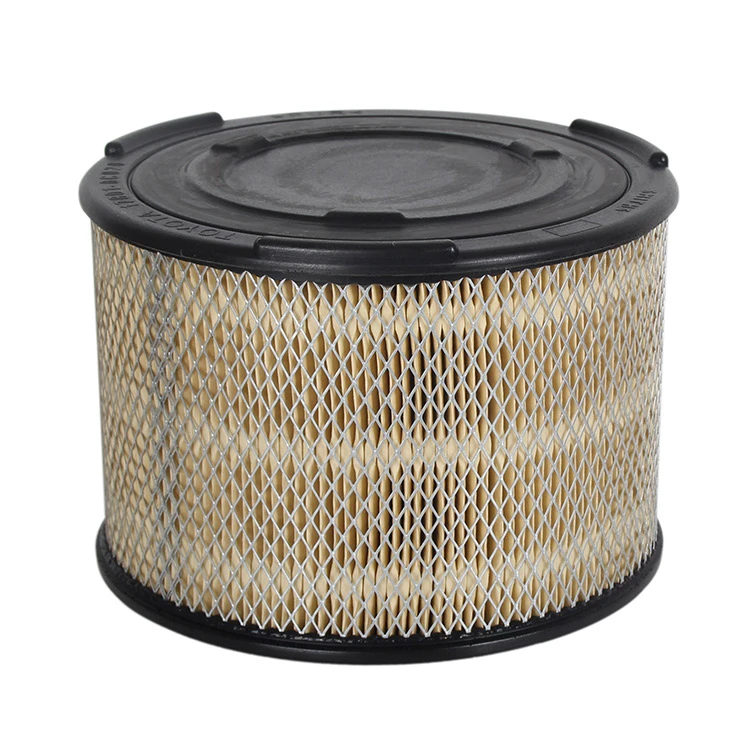
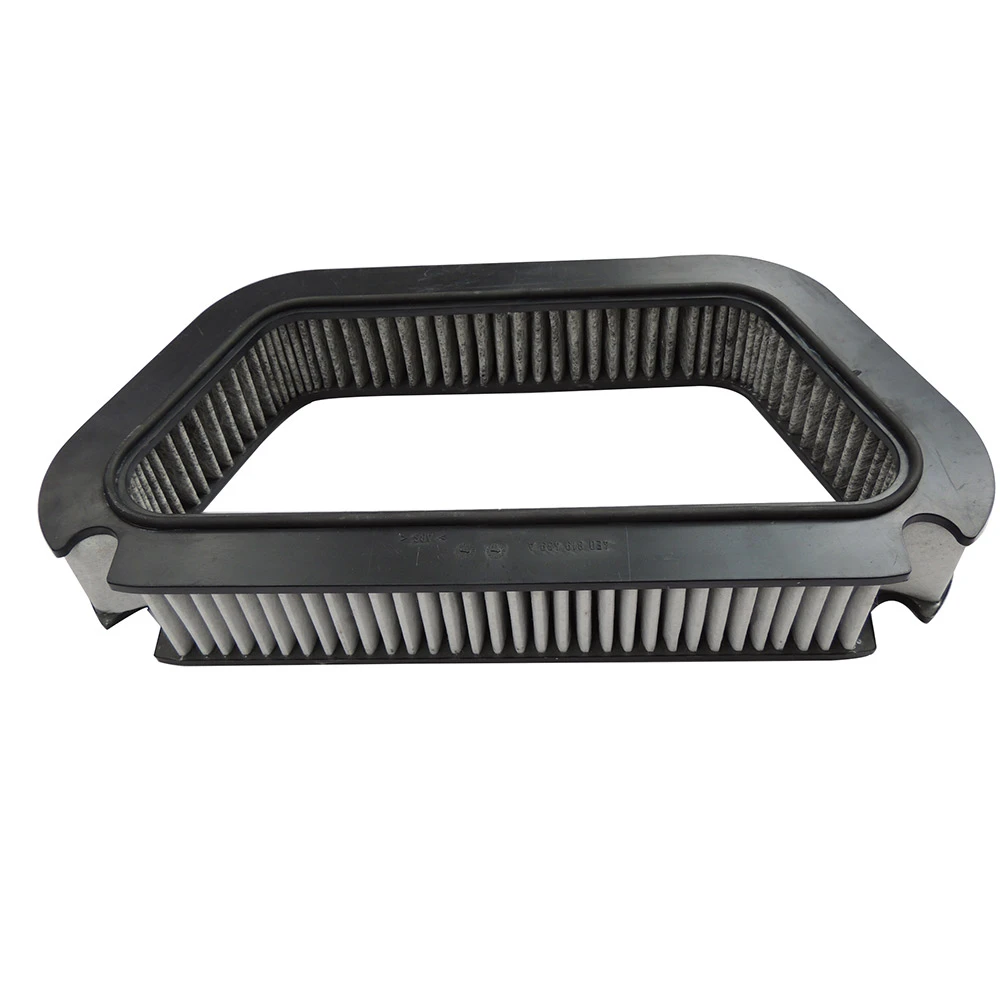
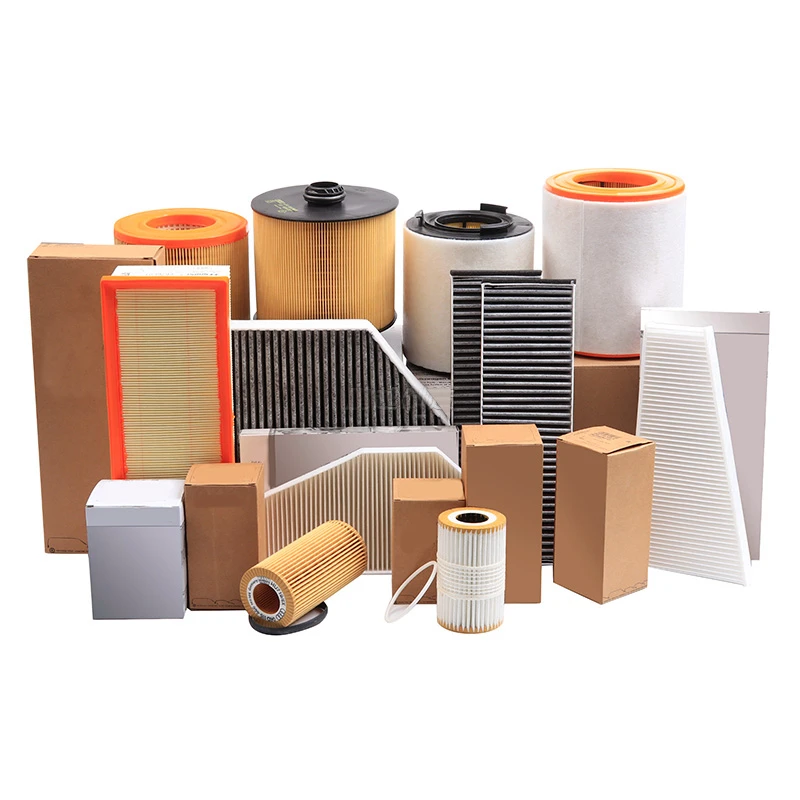
Simply put, the cabin filter is a replaceable component of your vehicle’s ventilation system designed to trap airborne contaminants before they reach passengers. Over time, it collects dust, pollen, soot, and other fine particles. As the filter clogs, it loses efficiency, leading to poorer air quality inside your car, decreased airflow, and strain on your vehicle’s HVAC system.
The routine of changing your cabin filter means periodically removing the old, saturated filter and installing a new one to maintain air quality. This practice matches the modern needs of health-conscious drivers and environmental sustainability by reducing air pollution exposure and helping cars run smoother, consuming less energy.
Key Factors That Affect How Often To Change Your Cabin Filter
1. Driving Environment
Whether you often drive in urban heavy traffic filled with smog or rural dusty roads hugely influences filter lifespan. Urban pollution filters clog faster, while dusty or construction-heavy zones accelerate particulate buildup.
2. Vehicle Usage and Mileage
If you’re clocking a lot of miles or frequently running the air conditioning or heating, your cabin filter works harder and requires more frequent replacement.
3. Filter Type and Quality
Basic particulate filters differ from activated carbon or HEPA filters designed to remove odors and even microscopic allergens. High-performance filters often have longer lifespans but might come with higher costs.
4. Manufacturer Recommendations
Car makers offer guidelines, typically every 12,000 to 15,000 miles or annually, but these should be adjusted based on actual conditions for the best results.
5. Personal Sensitivities
People prone to allergies, asthma, or respiratory conditions should err on the side of more frequent replacement to maintain optimal air quality in the cabin.
Mini Takeaway:
How often you change your cabin filter isn’t a fixed number. Instead, it depends on environment, driving habits, filter specs, and health considerations. Regular checks can be a smart habit.
Global Applications & Use Cases
- Urban commuters in megacities: Tokyo, Delhi, and Los Angeles drivers replace filters more often due to the heavy particulate pollution.
- Industrial zones: Trucks and company fleets in mining or textiles sectors maintain cabin filters diligently to protect workers’ health in harsh dust-laden conditions.
- Emergency and relief vehicles: In areas affected by wildfires or natural disasters, cabin filters are crucial for keeping clean air in ambulances and mobile clinics.
- Developing regions: Adoption lags behind, but international NGOs promote awareness on filter maintenance as part of vehicle sustainability efforts.
Advantages & Long-Term Value
Changing your cabin filter regularly offers clear returns. Cost-wise, it prevents costly HVAC repairs and improves fuel efficiency by reducing system strain. Socially, cleaner cabin air helps preserve health and wellbeing—especially for children, the elderly, or those with respiratory ailments. Emotionally, it creates a more comfortable driving atmosphere free from odors or stuffiness. From an environmental angle, it helps reduce particulate pollution recycling inside the car, contributing marginally but meaningfully to cleaner urban air.
Product Specifications of Typical Cabin Filters
| Specification | Standard Particulate Filter | Activated Carbon Filter | HEPA Filter |
|---|---|---|---|
| Filtration Efficiency | ~90% of dust & pollen | Removes odors & VOCs | >99% of fine particles (0.3 microns) |
| Replacement Interval | 12,000–15,000 miles | 15,000–20,000 miles | Up to 20,000 miles |
| Typical Cost | $15–$30 | $25–$50 | $40–$70 |
| Common Materials | Pleated paper | Carbon-infused fiber | Dense glass fiber mesh |
Vendor Comparison: Popular Cabin Filter Brands
| Brand | Filter Types Offered | Price Range | Warranty | Special Features |
|---|---|---|---|---|
| Fram | Particulate, Carbon | $15–$45 | 1 year | OEM fit, easy install |
| Bosch | Particulate, HEPA | $25–$70 | 2 years | High filtration efficiency |
| Mann-Filter | All types including Activated Carbon | $20–$60 | 1 year | OEM supplier for many manufacturers |
Future Trends & Innovations
As environmental standards tighten and personal health concerns grow, manufacturers are innovating cabin filters in exciting ways. Expect to see filters integrating nano-fibers and anti-microbial layers that not only trap particulates but kill viruses and bacteria inside the car — quite handy in pandemic times. Digital sensors that can monitor air quality inside your cabin and alert you when a change is needed are emerging, adding another level of smart maintenance convenience.
Eco-friendliness is another big trend. Biodegradable materials and carbon-neutral production processes are becoming a priority. This aligns with the overall automotive shift towards sustainability and reduced emissions, echoing global agreements like the Paris Accord to keep our air cleaner for everyone.
Challenges & Solutions in Cabin Filter Replacement
The main challenges? Many car owners don’t know their cabin filter even exists, let alone when to change it. Accessing the filter can be tricky in some models, discouraging DIY replacements. Plus, inconsistent manufacturer recommendations cause confusion. To address this, experts recommend regular inspection every 6,000 miles and relying on trusted brands with clear guidance.
Some innovative repair shops now offer cabin filter health checks as part of routine servicing, helping drivers stay proactive. Plus, online tutorials and smart reminders from vehicle apps make upkeep easier than ever.
FAQ: Your Cabin Filter Questions Answered
- Q: How can I tell if my cabin filter needs to be changed?
A: Common signs include reduced airflow, unpleasant odors, increased dust inside the car, or visible dirt on the filter itself. If unsure, checking every 12,000 miles is a safe bet. - Q: Is it okay to go over the recommended interval for changing cabin filters?
A: You can, but it’s not ideal. A clogged filter reduces air quality and strains your HVAC system, potentially leading to costlier repairs. - Q: Are more expensive cabin filters always better?
A: Not necessarily—but premium filters often offer enhanced features like better filtration efficiency or longer lifespan. Choose based on your personal needs and environment. - Q: Can I replace a cabin filter myself?
A: Yes, most filters are user-replaceable and come with installation instructions. However, some car models are more complex and may require professional help. - Q: Where can I learn how often should you change your cabin filter in detail?
Conclusion & Call to Action
To wrap it up, understanding how often should you change your cabin filter translates into healthier car journeys, extended vehicle life, and a small but meaningful contribution to cleaner air globally. It’s an easy maintenance habit with outsized benefits across cost, comfort, and health. Don’t overlook this simple task—your lungs and wallet will thank you.
For detailed guidance and top-quality filters, visit our website: https://www.jyfilter.com.
It’s funny how something so small can impact our daily lives so much—keeps you thinking about what other little things maybe deserve a bit more attention, right?
References:
-
Guide on how often do you need to replace engine air filterNewsApr.16,2026
-
Learn how often do you replace air filter in car for engine healthNewsApr.09,2026
-
How Often Do You Replace Car Air Filter For Optimal Engine PerformanceNewsApr.07,2026
-
How Often Do You Replace Engine Air Filter For Optimal Vehicle PerformanceNewsApr.04,2026
-
Understanding How Often Does Engine Air Filter Need to Be Replaced for Optimal PerformanceNewsMar.31,2026
-
How Often Engine Air Filter Change Impacts Performance and LongevityNewsMar.28,2026
-
Understanding How Often to Replace Your Car Air Filter for Optimal PerformanceNewsMar.26,2026
Related Products