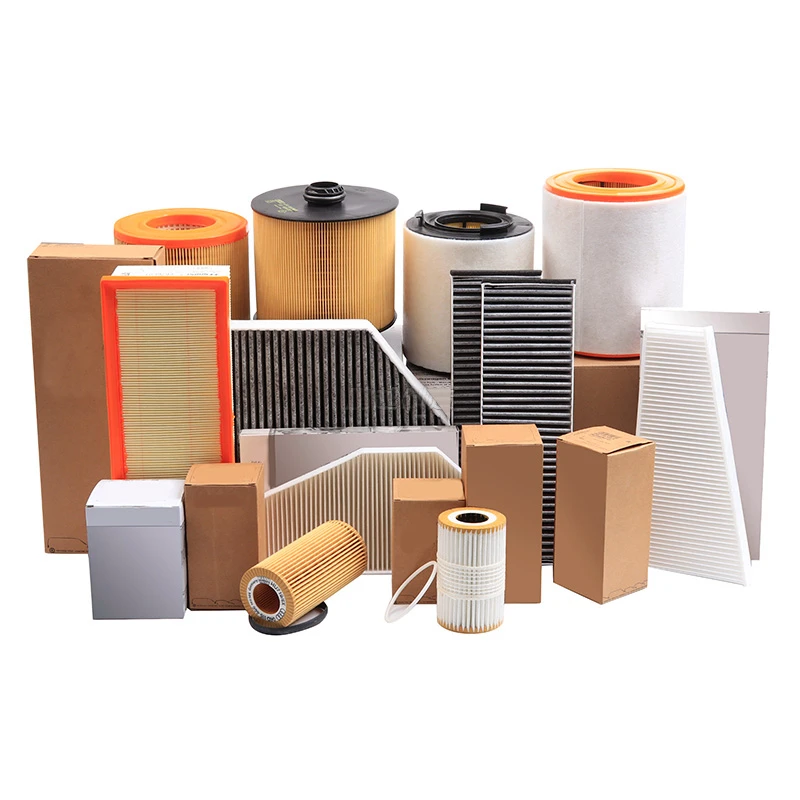
How Often Should You Change the Cabin Air Filter? Unlocking Cleaner Air and Better Performance
If you've ever wondered about the little part inside your car quietly working to keep your air fresh, you're not alone. The cabin air filter is one of those components that often fly under the radar yet play a crucial role in your comfort and health while driving. So, how often should you change the cabin air filter? It’s a simple question but surprisingly important for drivers worldwide, automakers, and even environmental advocates.
On a global scale, air quality is a pressing concern. According to the World Health Organization, over 90% of the world’s population lives in places where air pollution exceeds safe limits. Your car’s cabin air filter acts as a small gatekeeper against pollutants like dust, pollen, exhaust fumes, and even airborne bacteria. Understanding when to change this filter ties directly into health, vehicle longevity, and fuel efficiency. So let’s dive deeper into the why, the how, and the best practices surrounding cabin air filters.
Why Is This Topic Globally Relevant?
Cars are everywhere — the International Organization of Motor Vehicle Manufacturers (OICA) reported over 1.4 billion vehicles globally as of recent years. With urbanization climbing, more cars mean more exposure to pollutants both outside and inside. The cabin air filter helps prevent these airborne irritants from invading your personal space, so regular maintenance is not just a nice-to-have, it’s essential.
Unfortunately, many drivers neglect this critical piece, often unaware it needs periodic replacement. The “how often should you change the cabin air filter” question addresses this gap and helps optimize health, fuel economy, and overall vehicle function.
Defining Cabin Air Filter Maintenance
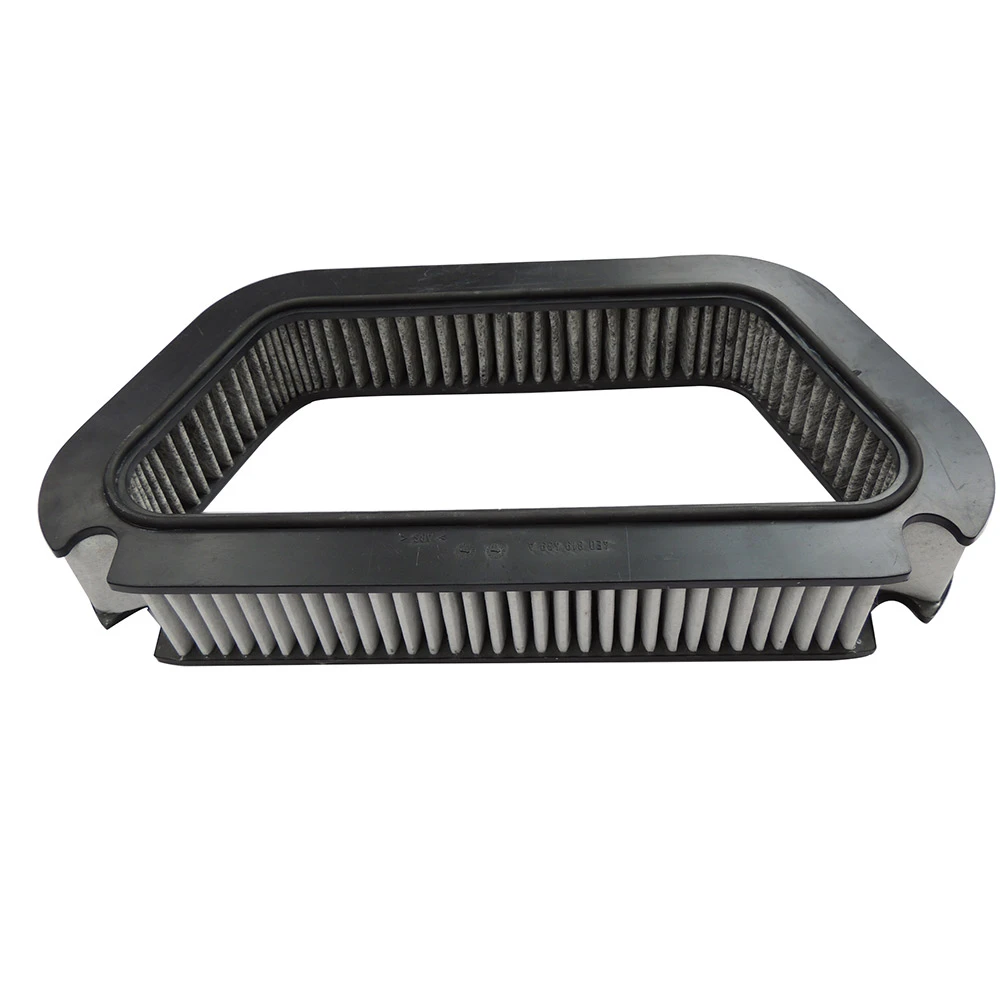
In straightforward terms, the cabin air filter is a replaceable component inside your vehicle’s HVAC (Heating, Ventilation, and Air Conditioning) system. Its primary function is to clean the air entering the vehicle’s interior before it reaches you and your passengers.
Changing it means removing the old, clogged filter and putting in a new one that can effectively trap dirt, allergens, and other particulate matter. This process ensures the air remains clean, HVAC systems operate efficiently, and unpleasant odors are kept at bay.
Modern industry trends — especially those linked to sustainability and health-driven vehicle design — put cabin air filters front and center. Especially in cities with high pollution levels or in regions battling seasonal allergies, maintaining this simple filter is a small but powerful step towards better air quality inside the car.
Key Factors Influencing Cabin Air Filter Replacement
1. Driving Environment
One of the biggest factors is where you drive. If you spend most of your time in dusty rural areas, near construction, or in cities with heavy smog, your filter clogs faster. Cleaner environments allow longer filter lifespan.
2. Manufacturer Recommendations
Most automakers suggest changing the cabin air filter every 12,000 to 15,000 miles (19,000 to 24,000 km), but this can vary by vehicle model or filter type.
3. Type of Filter
Some filters incorporate activated charcoal for odor control or HEPA materials for finer filtration. These can have slightly different replacement intervals or require special maintenance.
4. Symptoms of a Dirty Filter
- Reduced airflow from vents
- Unpleasant interior odors
- Increased dust on dashboard and seats
- Allergy flare-ups for occupants
5. Usage Patterns
Frequent urban stop-and-go traffic vs. highway driving impacts filter contamination rates differently.
Mini Takeaway: Factors like driving conditions, vehicle type, and usage dictates how often should you change the cabin air filter.
Global Applications and Use Cases
In Europe and North America, urban drivers tend to replace filters more regularly, often as part of scheduled vehicle maintenance. In Asia’s smog-heavy cities like Delhi and Beijing, cabin filters can clog within a few thousand miles, prompting more frequent changes to protect residents’ health.
Commercial fleets, such as buses and delivery services, benefit from strict protocols around filter replacement to ensure driver comfort and reduce sick days.
Even humanitarian logistics see relevance. For example, emergency vehicles in disaster zones with high dust levels might need cabin filter changes more often to maintain driver concentration and health during critical missions.
Advantages and Long-Term Value of Timely Replacement
- Improved Air Quality: Traps harmful particles, reducing allergies and respiratory issues.
- Enhanced HVAC Efficiency: Clean filters enable better airflow, reducing HVAC system strain and extending its lifespan.
- Fuel Economy: Efficient airflow means less energy consumption by your car's ventilation system.
- Reduced Odors: Activated carbon filters can neutralize unpleasant smells inside the car.
- Peace of Mind: Knowing the air you breathe isn’t filled with excessive pollutants or irritants.
So yes, there’s both the head and heart in this conversation — logic speaks to maintenance and cost savings, while the experience touches on comfort, safety, and well-being.
Future Trends and Innovations
Oddly enough, cabin air filters are evolving with technology. Newer materials like nanofiber filtration promise increased particle capture without restricting airflow. Some manufacturers are integrating sensors to alert drivers when filter replacement is due, perfectly timed with digital maintenance systems.
We’re also seeing a push toward eco-friendly filters made from biodegradable or recycled materials, aligning with the global shift to sustainability in automotive design. And with rising interest in electric and autonomous vehicles, cabin air quality will likely become even more prominent in consumer expectations and regulatory standards.
Challenges and Solutions
One challenge is public awareness — many people simply don’t know their car has a cabin air filter or how to find it. Another hurdle is inconsistent filter quality and compatibility, making it confusing to pick the right replacement.
Experts suggest routine checks during oil changes or tire rotations, with service centers proactively educating customers. Also, advancements in universal filter designs and standardization efforts by automotive associations could reduce confusion.
Cabin Air Filter Specifications
| Specification | Standard Range | Comments |
|---|---|---|
| Replacement Interval | 12,000 - 15,000 miles | Varies by environment and vehicle |
| Filter Type | Paper, Activated Carbon, HEPA | Higher filtration = more frequent changes |
| Typical Lifespan | 1 year or 15,000 miles | Shorter with heavy pollution |
| Material Quality | Standardized per ISO 5011 | Ensures airflow vs. filtration balance |
Vendor Comparison: Popular Cabin Air Filters
| Vendor | Filter Type | Price Range | Certifications | Warranty |
|---|---|---|---|---|
| Brand A | Activated Carbon | $20 - $30 | ISO 5011, CARB | 1 year |
| Brand B | HEPA | $30 - $45 | ISO 5011, EPA Certified | 2 years |
| Brand C | Standard Paper | $10 - $15 | Basic Compliance | 6 months |
Frequently Asked Questions about How Often Should You Change the Cabin Air Filter
Q1: How do I know when my cabin air filter needs changing?
A: Common signs include reduced airflow from your AC vents, musty or unpleasant smells inside the vehicle, and increased dust accumulation on interior surfaces. Many modern cars have maintenance reminders, but if in doubt, a visual inspection every 12,000 miles is generally useful.
Q2: Can I change the cabin air filter myself?
A: Usually yes! Most cabin air filters are easily accessible behind glove boxes or under the dashboard. Consult your vehicle’s owner manual for specific instructions or check out how often should you change the cabin air filter guides online to get a step-by-step walkthrough.
Q3: What happens if I don’t change it regularly?
A: A clogged filter can reduce HVAC efficiency, cause unpleasant odors, and potentially circulate harmful allergens or pollutants inside your car, possibly affecting your health and comfort.
Q4: How does environment affect filter lifespan?
A: Driving in dusty, urban, or high-smog environments shortens filter life. Filters in these areas may need changing as frequently as every 6,000 to 10,000 miles.
Q5: Are premium filters worth the extra money?
A: They often provide better filtration, reducing allergens and odors, and may last longer. But basic filters can work fine if replaced regularly. Consider your specific needs and environment.
Conclusion: Breathing Easier By Knowing When to Replace Your Cabin Air Filter
Ultimately, how often you should change the cabin air filter hinges on understanding your driving habits, environment, and vehicle recommendations. Keeping this small but mighty part in check means cleaner air, a happier HVAC system, and a more comfortable ride. Don’t overlook this maintenance step — your lungs (and your car) will thank you.
For detailed guidance and quality replacement filters, be sure to visit our website: https://www.jyfilter.com.
After all, a little fresh air goes a long way.
-
Guide on how often do you need to replace engine air filterNewsApr.16,2026
-
Learn how often do you replace air filter in car for engine healthNewsApr.09,2026
-
How Often Do You Replace Car Air Filter For Optimal Engine PerformanceNewsApr.07,2026
-
How Often Do You Replace Engine Air Filter For Optimal Vehicle PerformanceNewsApr.04,2026
-
Understanding How Often Does Engine Air Filter Need to Be Replaced for Optimal PerformanceNewsMar.31,2026
-
How Often Engine Air Filter Change Impacts Performance and LongevityNewsMar.28,2026
-
Understanding How Often to Replace Your Car Air Filter for Optimal PerformanceNewsMar.26,2026
Related Products