How Often Should You Change Your Cabin Air Filter? Understanding the Essentials
We often overlook small automotive details, but changing your cabin air filter regularly is surprisingly important—for your health, safety, and even your car’s longevity. Still, how often should you change in cabin air filter? This question pops up among drivers worldwide and is more than a mere maintenance tip. The cabin air filter works silently, trapping dust, pollen, and pollutants before they reach you. Knowing when to replace it isn't just about comfort; it's about breathing cleaner air, reducing allergens, and maintaining the HVAC system’s performance. Given rising air pollution and increased allergy prevalence globally, understanding this maintenance detail matters more than ever.
Introduction: A Global Concern With Your Car’s Air Quality
Air pollution is a global challenge, implicated in millions of premature deaths annually according to the World Health Organization. In urban hubs where pollution is thickest, the interior air quality of vehicles weighs heavily on health, especially since many commute for hours daily. Changing your cabin air filter regularly addresses this hidden risk. Oddly enough, many drivers don't consider that their car can become a micro-environment that traps more toxins than it filters if the cabin air filter is clogged or neglected. The International Organization for Standardization’s ISO 16000 standards emphasize the need for good indoor air quality—whether at home or in your car.
Defining Cabin Air Filter Replacement Frequency
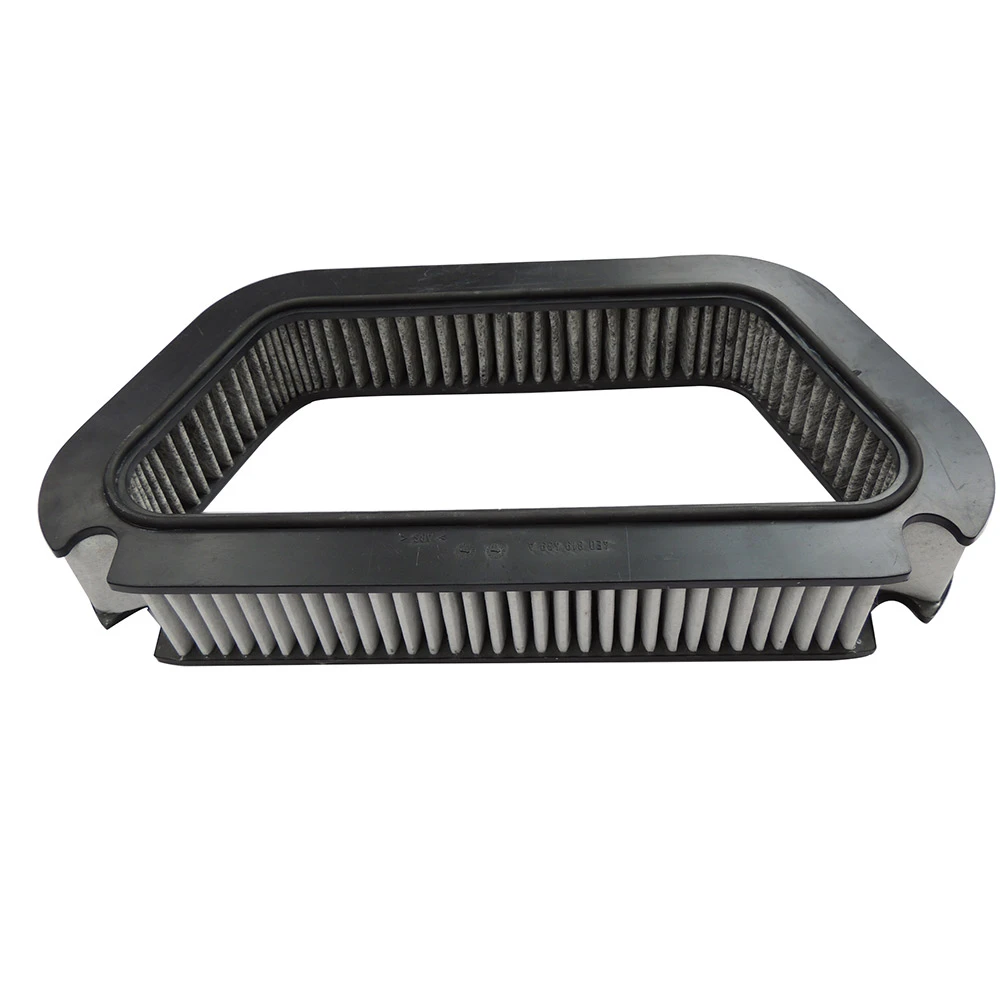
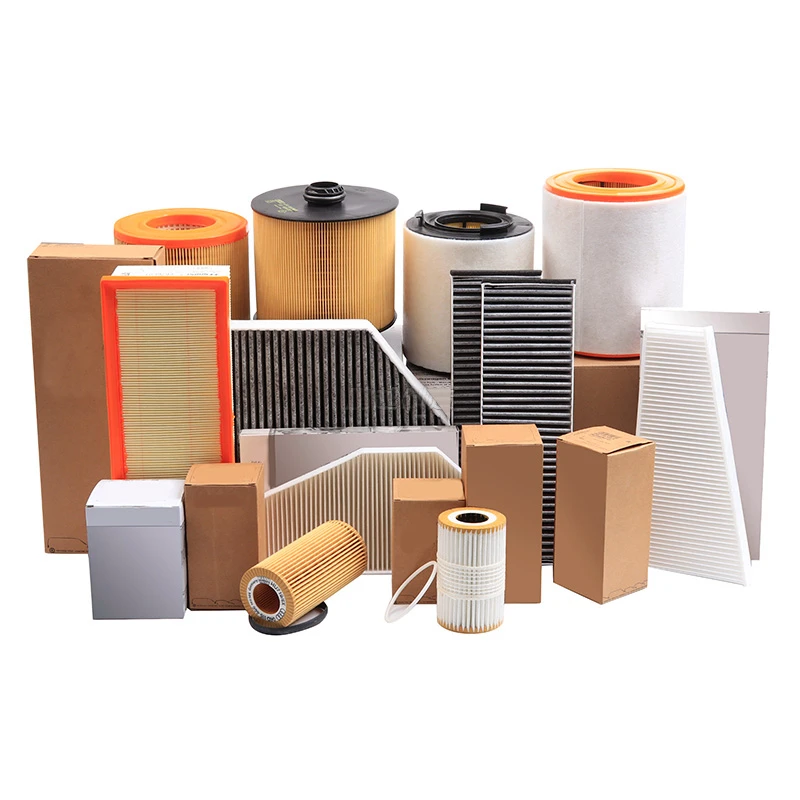
Simply put, the question “how often should you change in cabin air filter” refers to the recommended interval for replacing the filter that cleans the air entering your car’s interior. The cabin air filter catches airborne contaminants such as pollen, dust, smog particles, and even spores. It is crucial for maintaining air purity inside the vehicle and protecting the HVAC system. While car manufacturers often suggest changing cabin air filters between 12,000 to 15,000 miles or roughly once a year, this can vary widely depending on driving conditions, environment, and filter type.
Key Factors Influencing How Often to Replace Cabin Air Filters
1. Environmental Conditions
If you live or frequently drive in areas with heavy traffic, industrial pollution, or pollen-rich zones, your filter will clog faster. Sandy or dusty regions also accelerate filter wear.
2. Driving Habits
Stop-and-go city driving exposes the filter to more pollutants verses highway cruising with steady airflow, thus demanding more frequent changes.
3. Filter Type and Quality
Basic paper filters last a typical interval; HEPA or activated carbon filters may be pricier but capture finer particles and odors, sometimes lasting longer.
4. Car Make & HVAC System
Different manufacturers design their cabins and ventilation diversely; some systems can strain if filters aren’t changed timely, reducing efficiency and causing odor issues.
5. Health Sensitivities
For allergy sufferers or those with respiratory conditions, changing cabin air filters more frequently—say every 6 months—can substantially improve comfort and reduce symptoms.
Mini takeaway: Your driving environment and health condition play a crucial role in determining the right replacement frequency. The general “once a year” rule is more a baseline than a hard rule.
Cabin Air Filter Specifications: What to Look For
| Specification | Details |
|---|---|
| Material | Paper, Activated Carbon, HEPA |
| Filtration Efficiency | Up to 99.97% (HEPA grade) |
| Lifespan | 12,000–15,000 miles or 12 months (typical) |
| Replacement Interval | Every 6–12 months depending on conditions |
| Cost Range | $15–$45 |
Vendor Comparison: Popular Cabin Air Filter Brands
| Brand | Filter Type | Price Range | Typical Lifespan |
|---|---|---|---|
| Bosch | Activated Carbon | $20–$30 | 12,000 miles |
| FRAM | Pleated Paper | $15–$25 | 12,000 miles |
| MANN-Filter | HEPA & Activated | $30–$45 | 15,000 miles |
| ACDelco | Carbon & Paper | $18–$35 | 12,000 miles |
Global Applications and Real-World Examples
How often you should replace your cabin air filter extends beyond personal cars. Public transport systems in megacities like New York, Delhi, or Beijing rely on rigorous filter replacements to protect millions of commuters daily. In fact, many fleets boost their maintenance frequency to safeguard driver and passenger health especially during pollen seasons or smog events.
Relief organizations operating in post-disaster zones also pay attention to filter health in their transport fleets, where dust and airborne particles are abundant. Remote mining or industrial sites enforce stricter cabin filter replacements to keep operators safe inside noisy, high-particulate cabins.
Mini takeaway: Different industries and regions tailor their cabin air filter replacement schedules to fit environmental demands and health priorities, proving it’s not one-size-fits-all.
Advantages and Long-Term Value of Timely Filter Replacement
- Health Improvement: Reduces allergens, dust, and pollutant exposure inside the vehicle.
- System Efficiency: Prevents HVAC system strain, which can lead to costly repairs or inefficiencies.
- Cost Savings: Avoids higher maintenance costs by catching problems early.
- Comfort & Dignity: Ensures fresh air circulation, making driving more pleasant and less stressful.
- Environmental Impact: Clean air filters help with reducing cabin contamination, indirectly supporting better vehicle emissions performance.
Frankly, it’s about trust in your vehicle’s environment and your well-being during daily commutes.
Future Trends in Cabin Air Filter Technology
Looking ahead, innovations are shaping the future of cabin air filtration. New materials like nanofiber filters and enhanced activated carbon layers promise superior filtration of ultra-fine particles and harmful gases. Additionally, IoT-enabled sensors can now alert drivers when it's time to replace filters based on real-world air quality data, rather than rough mileage estimates.
Automakers are also focusing on sustainability—developing recyclable filter materials and incorporating electric vehicle HVAC systems designed to optimize energy use alongside air purification.
Challenges and Smart Solutions
One challenge remains user awareness. Many drivers simply forget or underestimate the importance of changing cabin air filters, leading to clogged filters and reduced cabin air quality. Another issue is proper disposal of used filters due to their contamination.
Solutions include:
- Built-in dashboard alerts tied to filter life sensors.
- Educational campaigns emphasizing health risks of neglected filters.
- Designing easy-access filter compartments for quick DIY replacements.
FAQ: How Often Should You Change in Cabin Air Filter?
- Q: How do I know when it’s time to change my cabin air filter?
- A: Signs include reduced airflow from vents, bad odors, and increased dust inside the vehicle. Check your car’s manual or use a sensor if available.
- Q: Can I drive with a dirty cabin air filter?
- A: While possible, it degrades air quality and stresses your HVAC system, potentially leading to expensive repairs.
- Q: Does driving in the city require more frequent changes?
- A: Absolutely. Urban environments with higher pollution mean your filter clogs quicker—check it every 6 months if possible.
- Q: Are premium filters worth the higher price?
- A: For allergy sufferers or those seeking cleaner air, HEPA or activated carbon filters offer better protection despite the cost.
- Q: Can I change the cabin air filter myself?
- A: Yes. Most filters are accessible and replaceable with basic tools; your car manual provides instructions.
Conclusion and Next Steps
Understanding how often should you change in cabin air filter isn't just a maintenance note—it's a vital health and performance consideration. Replacing your cabin air filter timely means cleaner air, better HVAC function, and a more enjoyable driving experience. So next time you service your car, give that filter some attention: your lungs and your car will thank you. For guidance on the right products and replacement schedules, visit https://www.jyfilter.com.
Oddly enough, that little filter behind the glove box quietly guards our daily breath—a humble hero worth understanding.
References
-
Guide on how often do you need to replace engine air filterNewsApr.16,2026
-
Learn how often do you replace air filter in car for engine healthNewsApr.09,2026
-
How Often Do You Replace Car Air Filter For Optimal Engine PerformanceNewsApr.07,2026
-
How Often Do You Replace Engine Air Filter For Optimal Vehicle PerformanceNewsApr.04,2026
-
Understanding How Often Does Engine Air Filter Need to Be Replaced for Optimal PerformanceNewsMar.31,2026
-
How Often Engine Air Filter Change Impacts Performance and LongevityNewsMar.28,2026
-
Understanding How Often to Replace Your Car Air Filter for Optimal PerformanceNewsMar.26,2026
Related Products