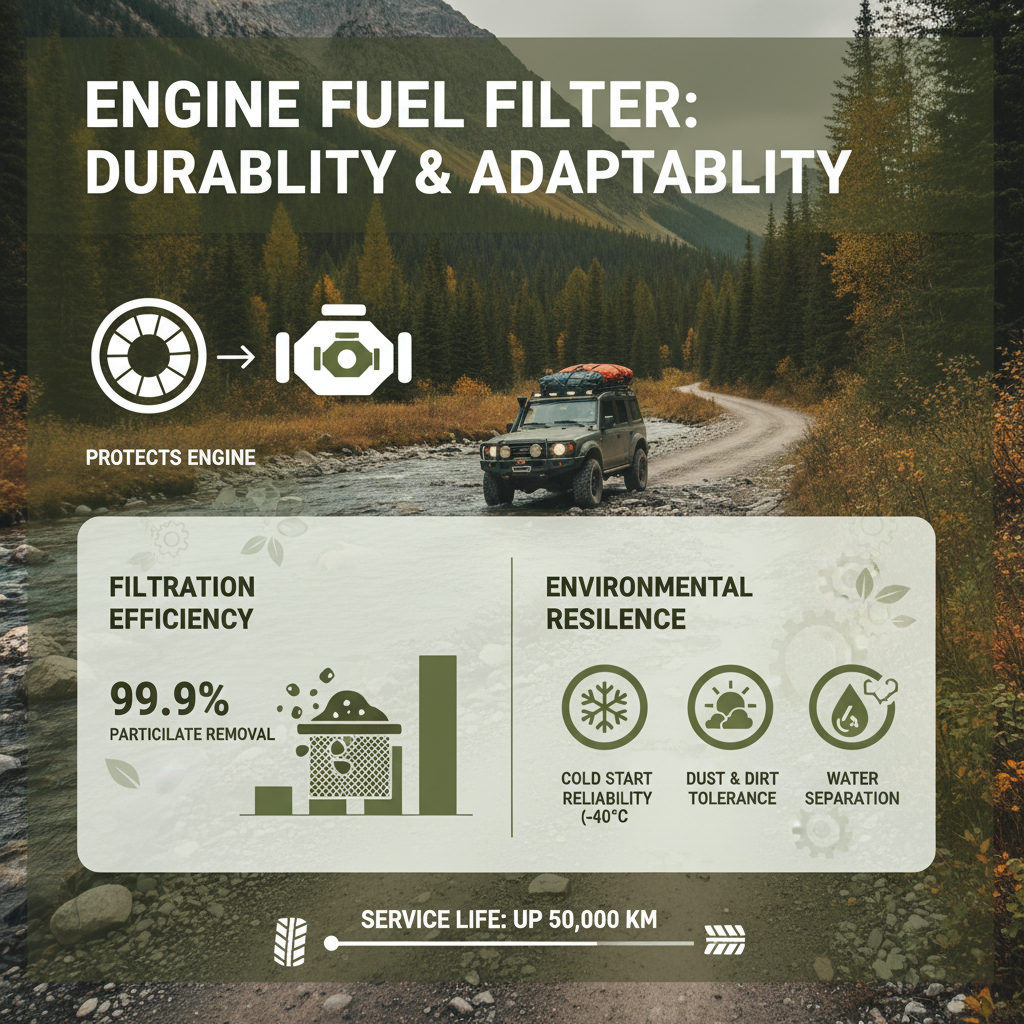
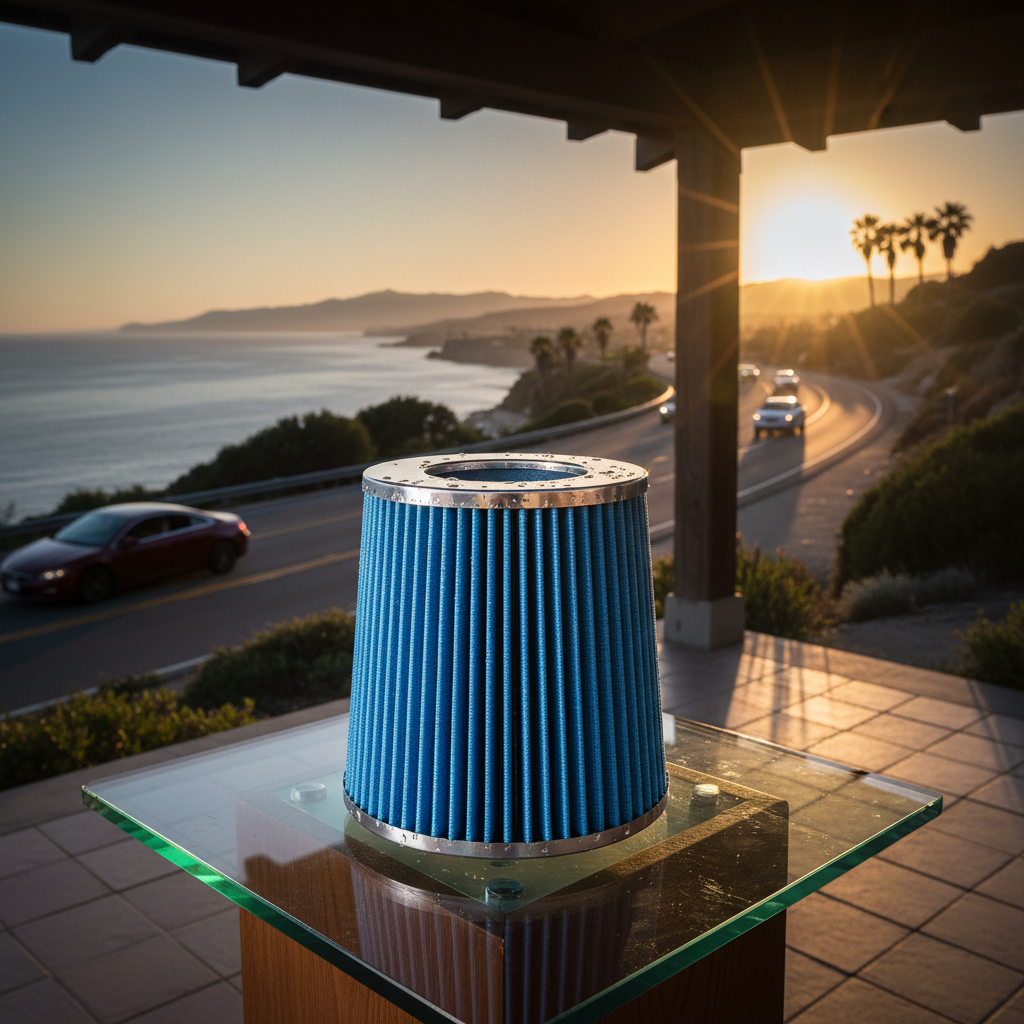
The engine fuel filter is a critical component in modern vehicles, responsible for maintaining the purity of fuel delivered to the engine. Its seemingly simple function directly impacts engine performance, longevity, and emissions. Globally, the automotive industry is a multi-trillion dollar market, and the demand for high-quality, reliable fuel filters is constantly increasing, driven by stricter emissions regulations and a growing vehicle parc. Understanding the nuances of engine fuel filter technology is paramount for automotive engineers, technicians, and consumers alike.
The importance of a properly functioning engine fuel filter extends beyond just keeping the engine running smoothly. Contaminants in fuel—such as dirt, rust, and water—can cause significant damage to fuel injectors, fuel pumps, and other vital engine parts, leading to costly repairs. Moreover, a clogged fuel filter can reduce fuel efficiency, increase emissions, and even cause engine stalling. Addressing these challenges requires a sophisticated understanding of filter media, filtration efficiency, and the specific needs of different engine types.
The global automotive filter market is projected to reach significant growth in the coming years, fueled by advancements in engine technology and increasing environmental concerns. This underscores the crucial role of the engine fuel filter in ensuring both vehicle performance and environmental sustainability.
The Significance of Engine Fuel Filter in Automotive Engineering
The engine fuel filter is no longer simply a mechanical barrier; it’s a sophisticated component designed to protect increasingly complex fuel injection systems. Modern engines demand fuel that is exceptionally clean and free of contaminants to operate efficiently and meet stringent emission standards. The design and materials used in engine fuel filters have evolved significantly to meet these challenges.
The automotive engineering community recognizes the critical role of fuel filtration in ensuring engine durability and reducing warranty claims. Investing in high-quality fuel filters is a proactive measure that can significantly lower long-term maintenance costs and improve overall vehicle reliability.
Defining Engine Fuel Filters and Their Role
An engine fuel filter is a component designed to remove contaminants – such as dirt, rust, scale, and water – from fuel before it reaches the engine. It’s typically located in the fuel line, either before or after the fuel pump. Its primary role is to protect the sensitive components of the fuel injection system, including fuel injectors, pumps, and regulators, from damage and premature wear.
The connection to modern industry lies in the relentless pursuit of efficiency and reduced environmental impact. As engines become more technologically advanced and emission standards tighten, the demand for cleaner fuel, and therefore, effective fuel filtration, grows exponentially. The engine fuel filter plays a key role in achieving these objectives.
The importance extends beyond automobiles to encompass a wider range of applications, including motorcycles, heavy-duty trucks, boats, and even small engine equipment. Ensuring fuel purity is vital in all these applications to maintain performance, minimize downtime, and protect valuable assets.
Key Characteristics of High-Performance Engine Fuel Filters
Several key characteristics define a high-performance engine fuel filter. First and foremost is filtration efficiency, measured in microns. Lower micron ratings indicate the filter’s ability to capture smaller particles, providing superior protection.
Another critical factor is flow rate. A fuel filter must allow sufficient fuel flow to meet the engine’s demands under all operating conditions. Restricting fuel flow can lead to performance loss and potential engine damage. The filter media’s durability and resistance to fuel degradation are also important considerations, ensuring long-lasting performance and minimizing the need for frequent replacements.
Finally, the filter's construction and sealing integrity are paramount to prevent fuel leaks and ensure a reliable and safe operation. These characteristics work in concert to ensure optimal engine performance and longevity.
Global Applications of Engine Fuel Filters Across Vehicle Types
Engine fuel filters are universally applied across a diverse spectrum of vehicle types. In passenger cars, they protect fuel injection systems from the everyday contaminants encountered in gasoline and diesel fuels. In commercial vehicles—trucks, buses, and vans—where engines operate under heavy loads and often utilize lower-quality fuel, robust filtration is particularly critical.
The off-highway sector—including construction equipment, agricultural machinery, and mining vehicles—also relies heavily on effective fuel filtration. In these environments, fuel contamination is often more severe due to the harsh operating conditions. Furthermore, marine applications, from recreational boats to large cargo ships, require specialized fuel filters to combat the effects of water and other contaminants commonly found in marine fuel.
Engine Fuel Filter Performance Across Vehicle Types
Advantages and Long-Term Value Proposition
Investing in a high-quality engine fuel filter offers tangible benefits beyond simply preventing engine damage. Cost savings are a primary advantage—protecting fuel injectors and pumps translates to reduced repair bills and extended component life. Sustainability is also a key consideration; improved fuel efficiency reduces fuel consumption and lowers emissions, contributing to a smaller carbon footprint.
The long-term value extends to increased vehicle reliability, minimizing downtime and maximizing productivity. For fleet operators, this translates to lower operating costs and improved profitability. From a consumer perspective, a well-maintained fuel filter provides peace of mind, knowing their vehicle is protected and performing optimally.
Future Trends and Innovations in Engine Fuel Filter Technology
The future of engine fuel filter technology is focused on increased efficiency, sustainability, and integration with vehicle monitoring systems. Advancements in filter media, such as nanofiber technology, are enabling finer filtration and improved dirt-holding capacity.
Smart filters equipped with sensors can monitor filter condition and provide real-time data on fuel quality and filter performance. This data can be integrated with vehicle diagnostics systems, allowing for predictive maintenance and optimized filter replacement intervals. Furthermore, the development of biodegradable filter materials is gaining momentum, contributing to a more sustainable automotive industry.
Challenges and Potential Solutions in Engine Fuel Filter Implementation
One of the primary challenges in engine fuel filter implementation is ensuring proper installation and maintenance. Incorrect installation can compromise filter effectiveness and even lead to fuel leaks. Another challenge is the increasing use of biofuels, which can have different chemical properties than traditional fuels and may require specialized filter media.
Solutions include standardized installation procedures, improved training for technicians, and the development of filter media specifically designed for biofuel compatibility. Furthermore, utilizing advanced diagnostic tools to monitor filter performance and identify potential issues proactively can mitigate risks and ensure optimal fuel filtration.
Another area of focus is reducing filter size and weight without compromising performance, driven by the demand for lighter and more fuel-efficient vehicles. This necessitates innovative filter designs and the use of advanced materials.
Summary of Engine Fuel Filter Challenges and Solutions
| Challenge Area |
Severity of Impact (1-10) |
Proposed Solution |
Implementation Cost (1-10) |
| Incorrect Installation |
7 |
Standardized Procedures & Training |
5 |
| Biofuel Compatibility |
6 |
Specialized Filter Media Development |
8 |
| Filter Clogging |
9 |
Predictive Maintenance & Sensor Integration |
7 |
| Filter Size & Weight |
5 |
Advanced Materials & Filter Design |
9 |
| Limited Filter Monitoring |
4 |
Smart Filters with Real-Time Data |
6 |
| Lack of Technician Awareness |
6 |
Ongoing Training & Certification Programs |
4 |
FAQS
The recommended replacement interval for an engine fuel filter varies depending on vehicle make and model, driving conditions, and fuel quality. Generally, manufacturers recommend replacement every 12,000 to 24,000 miles or annually. However, if you frequently drive in dusty or dirty environments, or use lower-quality fuel, more frequent replacements may be necessary. Regularly check your vehicle's owner's manual for specific recommendations.
Several symptoms can indicate a clogged engine fuel filter, including reduced engine performance, difficulty starting, stalling, rough idling, and decreased fuel efficiency. You may also notice a hesitation or sputtering during acceleration. Ignoring these symptoms can lead to more serious engine damage, so it's important to address them promptly.
While generic engine fuel filters may be cheaper, it’s generally recommended to use the manufacturer’s recommended filter or a reputable aftermarket brand that meets or exceeds OEM specifications. OEM filters are specifically designed for your vehicle's fuel system and ensure optimal performance and protection. Generic filters may have lower filtration efficiency or incorrect flow rates, potentially leading to engine problems.
Gasoline and diesel engine fuel filters differ significantly due to the properties of the fuels they filter. Diesel fuel contains more contaminants and water than gasoline, requiring filters with higher filtration efficiency and water separation capabilities. Diesel filters are typically constructed with more robust materials to withstand the higher pressures of diesel fuel systems. Using the wrong type of filter can lead to engine damage.
Generally, engine fuel filters are not designed to be cleaned and reused. The filter media is typically delicate and can be damaged during cleaning, reducing its filtration efficiency. Furthermore, attempting to clean a filter can introduce contaminants back into the fuel system. It’s best to replace the filter entirely during routine maintenance.
Used engine fuel filters contain residual fuel and should be disposed of properly. Do not simply throw them in the trash. Check with your local auto parts store or recycling center for designated disposal programs. Many auto repair shops will also accept used filters for recycling. Proper disposal helps protect the environment and prevents fuel contamination.
Conclusion
In conclusion, the engine fuel filter is a deceptively simple yet critically important component in modern vehicles. Its role in protecting the engine, enhancing performance, and reducing emissions cannot be overstated. From its basic function of removing contaminants to the evolving technologies aimed at increasing efficiency and sustainability, the fuel filter continues to adapt to the changing needs of the automotive industry.
Looking ahead, continued innovation in filter media, sensor integration, and predictive maintenance will further enhance the value of this essential component. By prioritizing fuel filtration, vehicle owners and fleet operators can ensure long-term engine reliability, optimize fuel efficiency, and contribute to a cleaner, more sustainable future. Visit our website at www.jyfilter.com to learn more about our high-quality engine fuel filter solutions.