The engine cabin filter, often overlooked, is a critical component in modern automotive systems and indoor air quality. Globally, concerns about air pollution and respiratory health are rising, driving demand for effective filtration solutions. The prevalence of urban environments and increased vehicle usage necessitate robust cabin air filtration to protect occupants from harmful particulates, allergens, and odors. Understanding the function and importance of the engine cabin filter is vital for vehicle maintenance, passenger well-being, and overall environmental health.
Within the automotive industry, the engine cabin filter plays a crucial role in maintaining a clean and healthy in-cabin environment. It is a relatively inexpensive component yet delivers significant benefits concerning passenger health and comfort. Manufacturers are increasingly focusing on advanced filter technologies to meet stricter air quality standards and cater to consumer demand for improved in-cabin air. The engine cabin filter market is experiencing growth alongside the automotive industry, particularly with the increasing production of electric and hybrid vehicles that often utilize more sophisticated cabin air filtration systems.
The relevance extends beyond vehicles. Similar filtration principles are applied in HVAC systems in buildings, industrial settings, and even personal air purifiers, all striving to improve air quality. The need for high-performance filtration is paramount as exposure to airborne pollutants is linked to a wide range of health issues, from allergies and asthma to more serious respiratory illnesses and cardiovascular problems. Therefore, understanding the technology behind the engine cabin filter is essential to address global health challenges.
The Fundamental Role of the Engine Cabin Filter
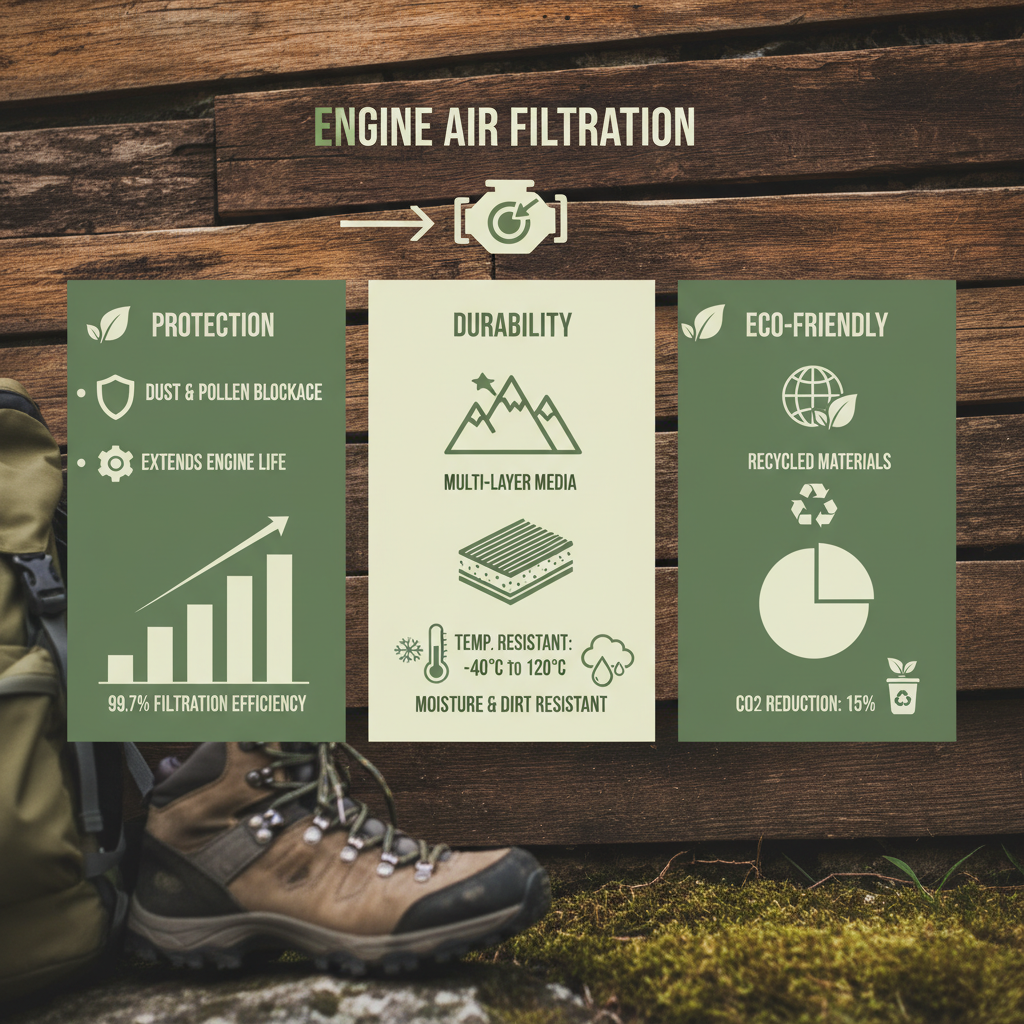
The engine cabin filter’s primary role is to purify the air entering the vehicle's cabin, protecting passengers from airborne pollutants. These pollutants include dust, pollen, soot, mold spores, and even bacteria. A high-quality engine cabin filter isn’t just about comfort; it directly impacts health, especially for individuals with allergies, asthma, or other respiratory sensitivities.
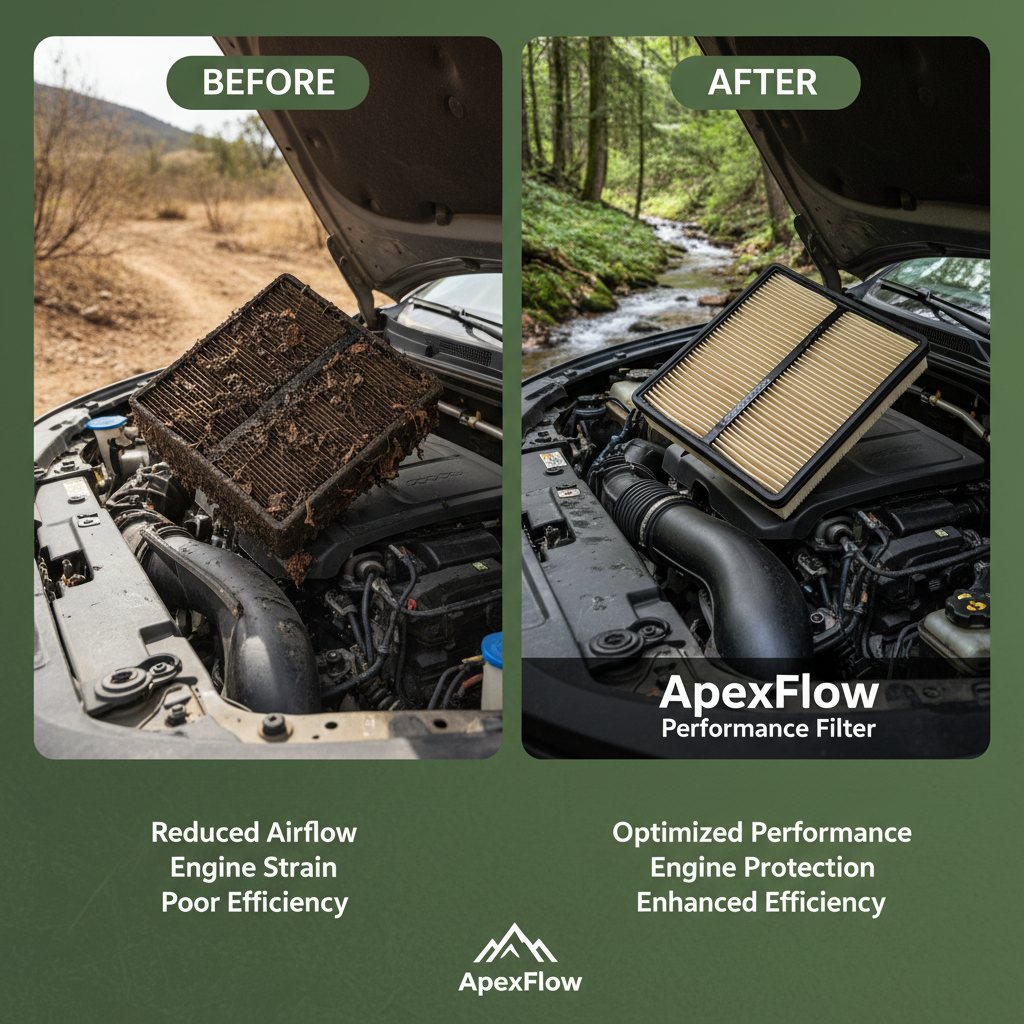
Regular replacement of the engine cabin filter is essential to maintain optimal performance. Over time, the filter becomes clogged with debris, reducing airflow and diminishing its effectiveness. A restricted airflow can also put strain on the vehicle's HVAC system, potentially leading to increased energy consumption and reduced system lifespan.
Defining the Engine Cabin Filter
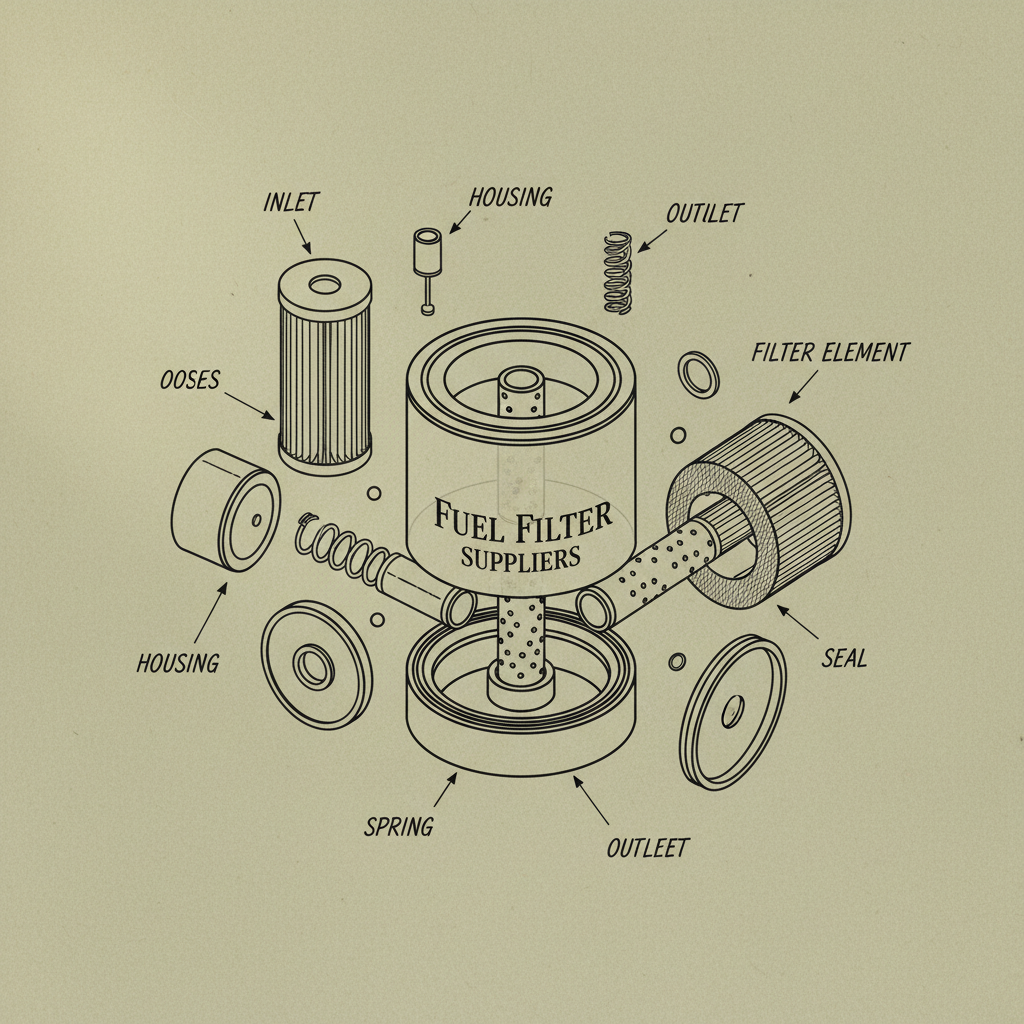
An engine cabin filter is a specialized filtration device designed to remove contaminants from the air drawn into a vehicle's heating, ventilation, and air conditioning (HVAC) system. Unlike engine air filters, which protect the engine itself, cabin filters prioritize the air quality experienced by passengers within the vehicle. They are typically constructed from layers of materials, including non-woven fabrics, activated carbon, and sometimes HEPA-like filters for enhanced particulate removal.
The rise of engine cabin filters directly correlates with increasing awareness of indoor air pollution and its health impacts. Modern vehicles are sealed to improve fuel efficiency and reduce noise, which also means they trap more airborne contaminants. The cabin filter acts as the last line of defense against these pollutants, ensuring a cleaner and healthier driving experience.
Historically, cabin filters were relatively basic, primarily focusing on removing large particles like dust and pollen. However, advancements in materials science and filtration technology have led to the development of filters capable of capturing microscopic particles, neutralizing odors, and even inhibiting bacterial growth, making them essential for public health and wellbeing.
Key Characteristics of High-Quality Engine Cabin Filters
Several key characteristics define a high-quality engine cabin filter. First and foremost is filtration efficiency, measured by its ability to capture particles of varying sizes. Filters are often rated according to their MERV (Minimum Efficiency Reporting Value) or similar standards. Higher MERV ratings indicate greater filtration capacity.
Another important characteristic is airflow resistance. While a filter needs to be effective at trapping contaminants, it shouldn't significantly restrict airflow to the HVAC system. Excessive resistance can reduce the system's efficiency and potentially cause damage. The ideal filter balances high filtration efficiency with minimal airflow restriction.
Durability and material quality are also crucial. A well-constructed engine cabin filter will withstand the harsh conditions within the vehicle’s HVAC system, including temperature fluctuations and humidity. Premium filters use robust materials that resist degradation and maintain their performance over their intended lifespan.
Applications of Engine Cabin Filters Across Various Environments
While primarily associated with automotive applications, the technology behind engine cabin filters extends to a wide range of environments. Commercial HVAC systems in offices, hospitals, and schools utilize similar filtration systems to maintain indoor air quality and protect occupants from airborne contaminants.
In industrial settings, advanced filtration is crucial for protecting workers from hazardous dusts, fumes, and particles. Engine cabin filter principles are applied in specialized filtration systems used in manufacturing plants, construction sites, and other industrial facilities.
Furthermore, the technology is increasingly being integrated into portable air purifiers for homes and offices, particularly in regions with high levels of air pollution. The demand for effective and affordable air filtration solutions is driving innovation and expanding the applications of these technologies globally.
Engine Cabin Filter Performance Comparison
The Advantages of Utilizing Advanced Engine Cabin Filters
Investing in an advanced engine cabin filter offers numerous benefits. Tangibly, improved air quality translates to reduced allergic reactions, fewer respiratory issues, and increased overall comfort for vehicle occupants. This is particularly crucial for individuals sensitive to pollutants or with pre-existing health conditions.
Beyond health, advanced filters can also enhance driver safety. By reducing fatigue and improving concentration caused by poor air quality, they help maintain alertness and reaction time. The use of activated carbon filters also eliminates unpleasant odors, contributing to a more pleasant and focused driving experience.
Future Trends Shaping Engine Cabin Filter Technology
The future of engine cabin filter technology is focused on enhancing filtration efficiency, extending filter lifespan, and integrating smart features. Nanomaterials and advanced polymer composites are being explored to create filters with superior particle capture capabilities and reduced airflow resistance.
Smart filters equipped with sensors are also emerging, capable of monitoring air quality in real-time and alerting drivers when filter replacement is needed. This proactive approach to maintenance ensures optimal air quality and prevents performance degradation.
Further development also includes bio-based and biodegradable filter materials, aligning with the growing demand for sustainable automotive components and reducing environmental impact. This shift towards eco-friendly materials reflects a broader commitment to environmental responsibility within the automotive industry.
Challenges and Innovative Solutions in Engine Cabin Filter Design
A key challenge in engine cabin filter design is balancing filtration efficiency with airflow resistance. Highly efficient filters often restrict airflow, reducing HVAC system performance. Innovative solutions involve optimizing filter material structure and incorporating micro-porous membranes to maximize particle capture while minimizing airflow impedance.
Another challenge is addressing the growth of bacteria and mold within the filter. Antimicrobial treatments and silver-ion technology are being integrated into filter materials to inhibit microbial growth and maintain air hygiene. Regular filter replacement, however, remains the most effective solution.
Finally, cost-effectiveness is a crucial consideration. Developing advanced filtration technologies without significantly increasing filter prices is essential to ensure widespread adoption. Manufacturers are focusing on efficient production processes and utilizing cost-effective materials to overcome this challenge.
Summary of Challenges and Solutions in Engine Cabin Filter Design
| Challenge |
Impact on Performance |
Proposed Solution |
Implementation Cost |
| Airflow Resistance |
Reduced HVAC System Efficiency |
Optimized Filter Material Structure & Micro-Porous Membranes |
Medium |
| Microbial Growth |
Compromised Air Hygiene |
Antimicrobial Treatments & Silver-Ion Technology |
Low to Medium |
| Filter Lifespan |
Frequent Replacement Needed |
Durable Materials and Advanced Coating Techniques |
Medium |
| Cost of Advanced Materials |
Increased Filter Price |
Efficient Production Processes & Alternative Materials |
Low to Medium |
| Sensor Integration |
Complexity & Cost |
Miniaturization of Sensor Technology |
Medium to High |
| Environmental Impact |
Non-Biodegradable Materials |
Bio-Based and Biodegradable Filter Materials |
Medium |
FAQS
Generally, it's recommended to replace your engine cabin filter every 12,000 to 15,000 miles, or approximately once a year. However, driving conditions can significantly impact this timeline. If you frequently drive in dusty or polluted environments, you may need to replace it more often. A clogged engine cabin filter reduces airflow and HVAC efficiency.
Common symptoms include reduced airflow from the vents, a musty or unpleasant odor coming from the HVAC system, decreased heating or cooling efficiency, and increased allergy symptoms. If you notice any of these, it's a good indication that your engine cabin filter needs to be replaced. Ignoring these signs can lead to strain on the HVAC system.
No, engine cabin filters vary significantly in terms of filtration efficiency, material quality, and features. Basic filters primarily capture larger particles, while more advanced filters incorporate activated carbon for odor removal and HEPA-like technology for microscopic particle capture. Investing in a higher-quality filter can provide better protection and long-term benefits.
In many vehicles, replacing the engine cabin filter is a relatively simple DIY task. However, the location and accessibility of the filter can vary. Consult your vehicle’s owner’s manual for specific instructions. If you are not comfortable performing the replacement yourself, it's best to have it done by a qualified mechanic.
The engine air filter protects the engine by preventing dirt and debris from entering the combustion chamber. The engine cabin filter, on the other hand, protects the occupants of the vehicle by filtering the air that enters the cabin. They serve completely different purposes and are located in different parts of the vehicle.
Yes, a high-quality engine cabin filter can significantly help reduce allergy symptoms by trapping pollen, dust, and other allergens before they enter the vehicle cabin. Filters with activated carbon can also help remove odor-causing allergens. Choosing a filter specifically designed for allergen removal is recommended for allergy sufferers.
Conclusion
In conclusion, the engine cabin filter is a vital component for maintaining a healthy and comfortable driving environment. Its ability to remove harmful pollutants and allergens directly impacts passenger health, driving safety, and overall vehicle performance. Understanding its function, selecting a high-quality filter, and adhering to a regular replacement schedule are essential for maximizing these benefits.
Looking ahead, advancements in filtration technology promise even more effective and sustainable solutions. The integration of smart sensors, bio-based materials, and nanomaterials will further enhance filter performance and reduce environmental impact. Investing in advanced engine cabin filter technology is not just about improving air quality; it's about prioritizing public health and building a more sustainable future.