Gasoline Filter Screen: field notes from the shop floor
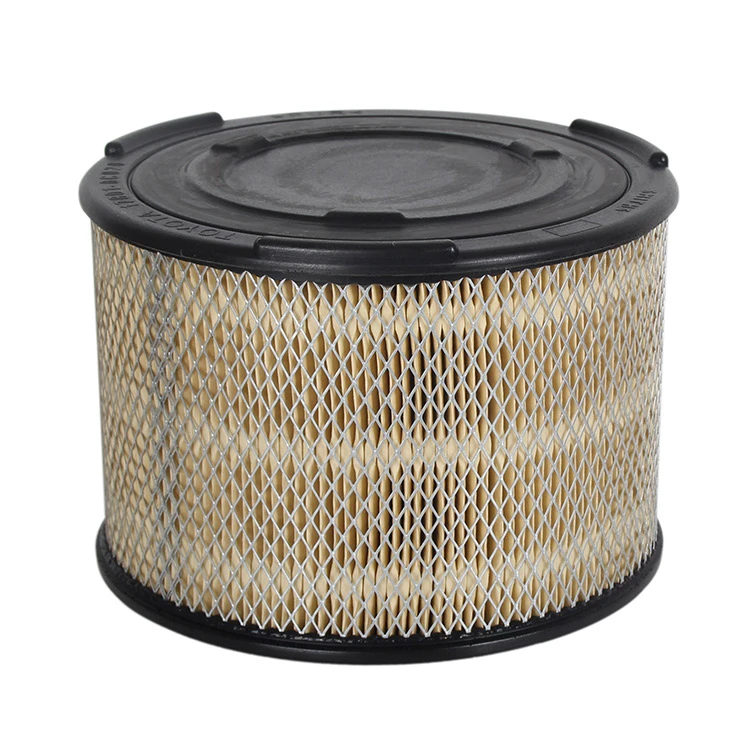
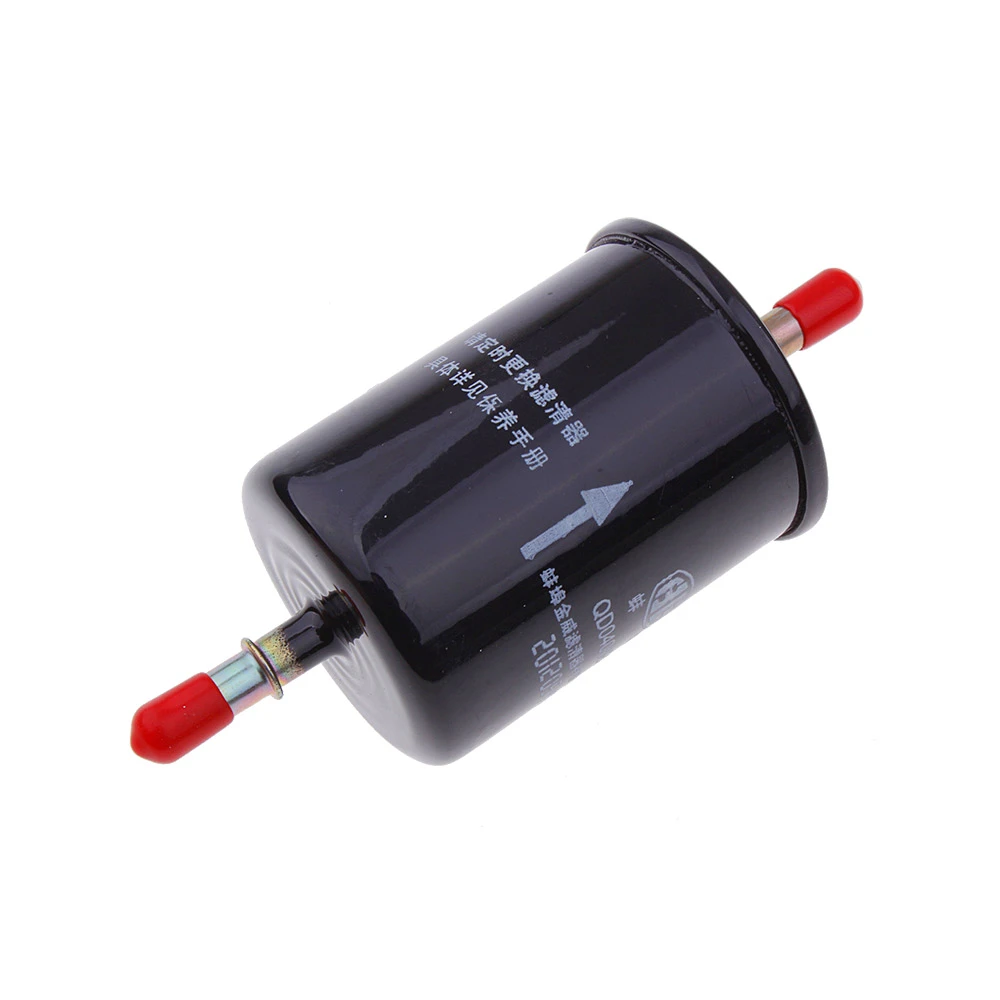
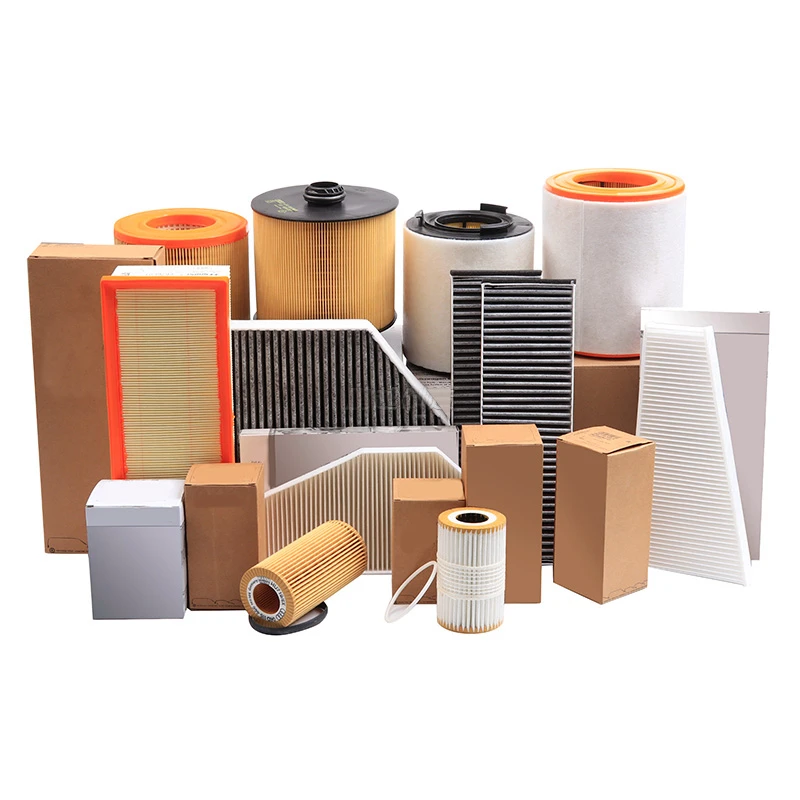
If you wrench on cars—or you just hate surprise injector bills—you care about the Gasoline Filter Screen. I’ve toured plenty of facilities, including a tidy plant in Niujiatun Village, Gexianzhuang Town, Qinghe County, Xingtai, Hebei Province, China, where they also build high-spec automotive engine air filters. Different component, same obsession: capture the bad stuff, let the engine breathe and feed clean fuel, extend service life.
What’s changing in the market
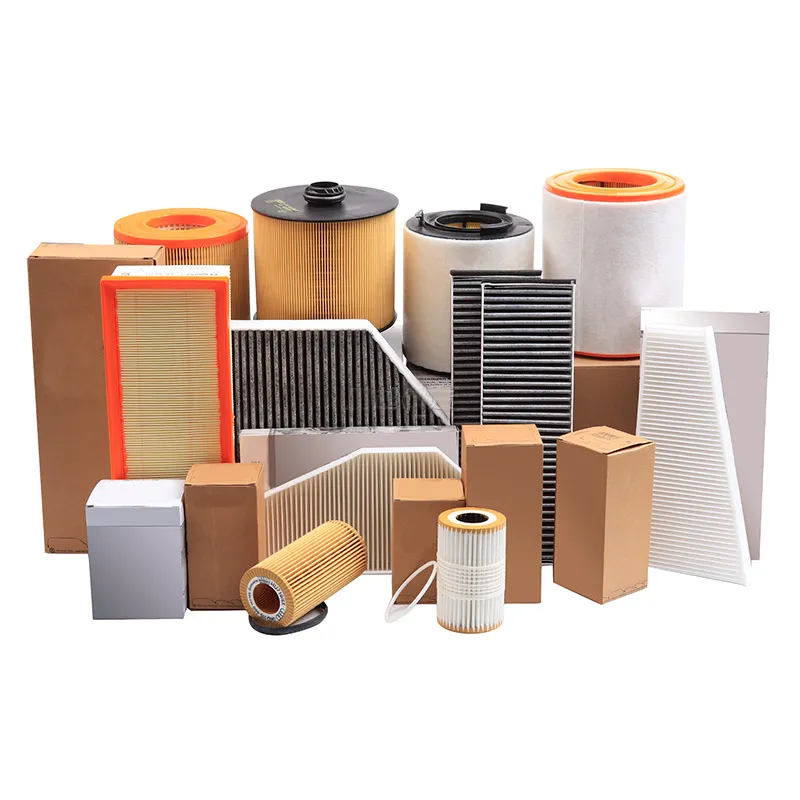
Two big trends: tighter injector tolerances and fuel variability (hello E10–E85). That means a Gasoline Filter Screen must balance fine micron ratings with flow and ethanol resistance. Stainless meshes and heat-stabilized PA66 are in; low-temp plastics, not so much. OEMs chase longer intervals—30,000–60,000 km—while fleets want quick-change serviceability. To be honest, the “perfect” spec varies by region and fuel quality.
Typical specifications (real-world may vary)
| Parameter | Spec (≈) |
|---|---|
| Micron rating | 40–100 μm (common: 60 μm) |
| Media | SS304 or PA66 monofilament mesh; optional multi-layer sintered mesh |
| Frame/End-cap | Tin-plated steel or glass-filled nylon |
| Seal | NBR or FKM (ethanol blends) |
| Flow @ ΔP | ≥ 180 L/h @ 20 kPa (bench value) |
| Burst pressure | ≥ 1.2 MPa |
| Operating temp | -40 to 125 °C |
| Service life | ≈ 30,000–50,000 km (fuel quality dependent) |
| Certifications | ISO 9001; IATF 16949 (vendor-level) |

Process, testing, and what matters on the bench
- Materials: SS304 mesh, PA66 mesh (heat-stabilized), tin-plated frames, NBR/FKM seals, epoxy powder.
- Methods: stamping, deep drawing, ultrasonic welding, crimping, sintering (for multi-layer), ultrasonic cleaning.
- Testing: micron verification (image analysis), bubble-point, ΔP vs. flow, vibration, thermal shock, burst, fuel soak.
- Standards: ISO 5011 (air intake reference), ISO 19438 and ISO 16332 (filtration/water separation), SAE J726 test code.
Recent lab runs showed a Gasoline Filter Screen at 60 μm captured ≥ 95% of 60–80 μm particulates with minimal flow penalty; water separation on E10 landed around 85–90% per ISO 16332 protocol. In real cars, your mileage—literally—may vary.
Where it’s used
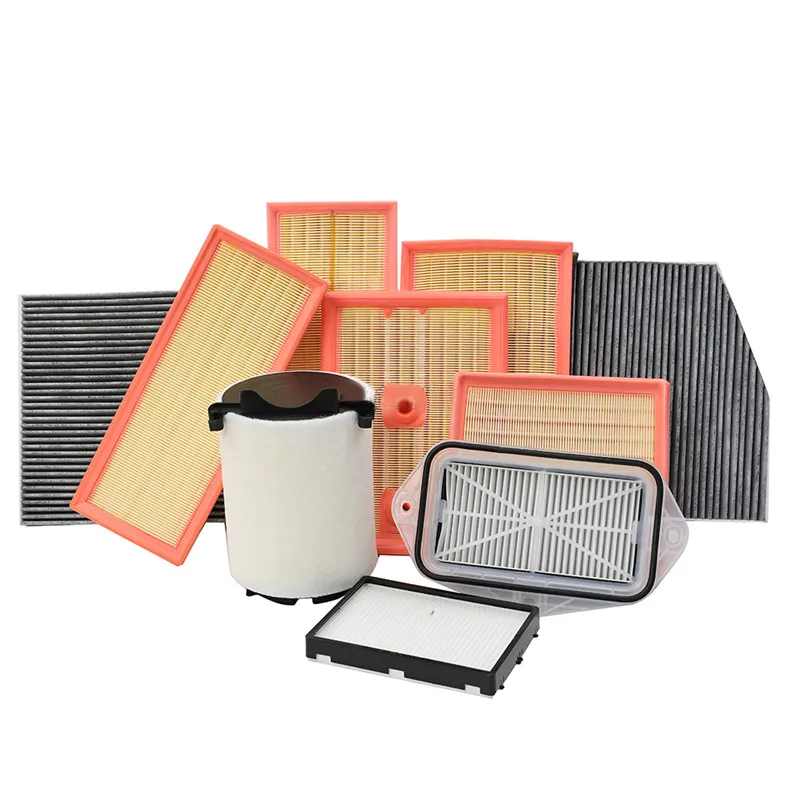
Passenger cars (port and GDI), motorcycles, small engines (mowers, gensets), marine outboards. Many customers say a well-built Gasoline Filter Screen reduced injector fouling and cold-start stumble—especially on winter fuel blends.
Customization options
Custom diameters, push-in vs. threaded bodies, anti-drainback geometry, ethanol-proof seals, laser-marked traceability, and even color-coded frames for assembly lines. Lead times, I guess, depend on tooling: 10–15 days for repeat orders, 25–35 days if new tooling is needed.
Vendor snapshot (quick compare)
| Vendor | Micron | Mesh | MOQ | Lead time | Certs | Notes |
|---|---|---|---|---|---|---|
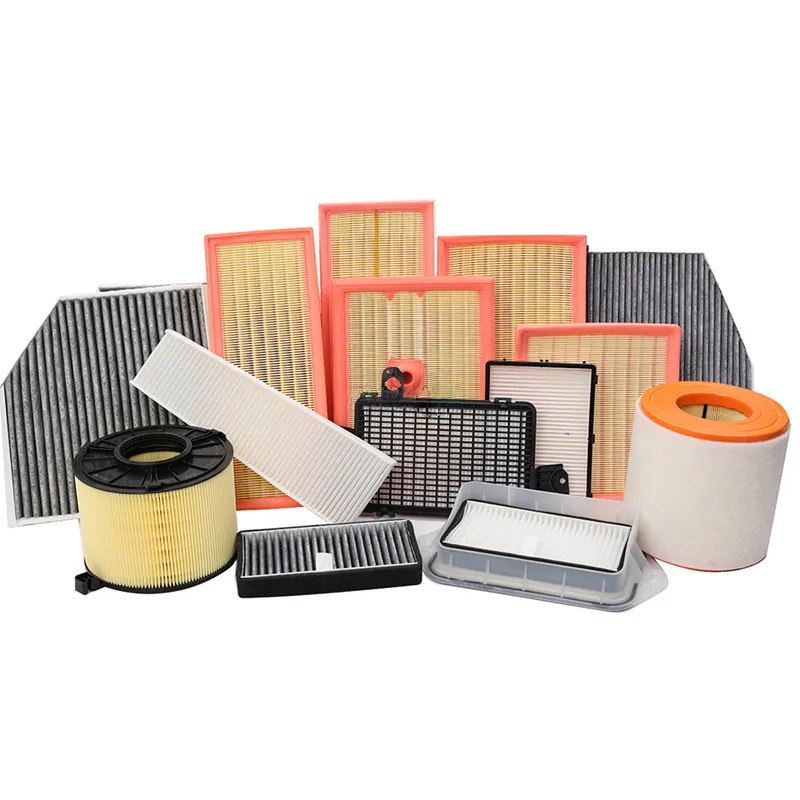
| JYFILTER (Hebei) | 60 μm (40–100 μm) | SS304 / PA66 | ≈ 300 pcs | 10–15 days | ISO 9001, IATF 16949 | In-house tooling; strong QC |
| Brand X (US) | 80 μm | PA66 | 500 pcs | 20–25 days | IATF 16949 | Good on ethanol blends |
| Brand Y (EU) | 50 μm | Sintered SS | 200 pcs | 15–20 days | ISO 9001 | Premium pricing |
Case notes from the field
A ride-hailing fleet swapped to a 60 μm stainless Gasoline Filter Screen; injector returns dropped ≈ 38% over 9 months, and idle misfire complaints eased. A motorcycle assembler reported fewer clogged pilot jets after switching to FKM seals for E10 markets—small change, big win.
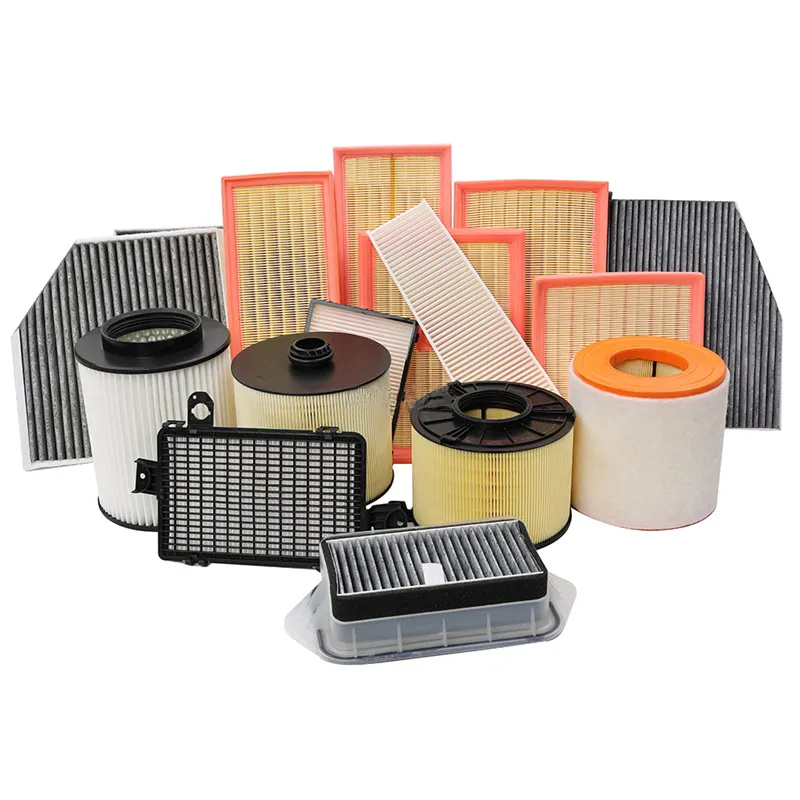
Side note: the same Hebei factory’s automotive engine air filters (intake side) use high-efficiency media to keep cylinders clean and fuel economy steady—different path, same goal. That systems thinking shows up in their Gasoline Filter Screen QC culture, too.
Final take
Spec the micron rating for your injectors, demand ethanol-ready seals, and ask for ΔP curves—not just marketing charts. And yes, get the water-separation data if your market runs E10+.
Authoritative citations
- ISO 5011:2014 — Inlet air cleaning equipment for internal combustion engines.
- ISO 19438:2023 — Diesel fuel filtration (methods widely adapted for fuel screens).
- ISO 16332:2018 — Determination of water separation for fuel filters.
- SAE J726 — Air Cleaner Test Code; procedural reference for flow/ΔP methods.
-
Guide on how often do you need to replace engine air filterNewsApr.16,2026
-
Learn how often do you replace air filter in car for engine healthNewsApr.09,2026
-
How Often Do You Replace Car Air Filter For Optimal Engine PerformanceNewsApr.07,2026
-
How Often Do You Replace Engine Air Filter For Optimal Vehicle PerformanceNewsApr.04,2026
-
Understanding How Often Does Engine Air Filter Need to Be Replaced for Optimal PerformanceNewsMar.31,2026
-
How Often Engine Air Filter Change Impacts Performance and LongevityNewsMar.28,2026
-
Understanding How Often to Replace Your Car Air Filter for Optimal PerformanceNewsMar.26,2026
Related Products