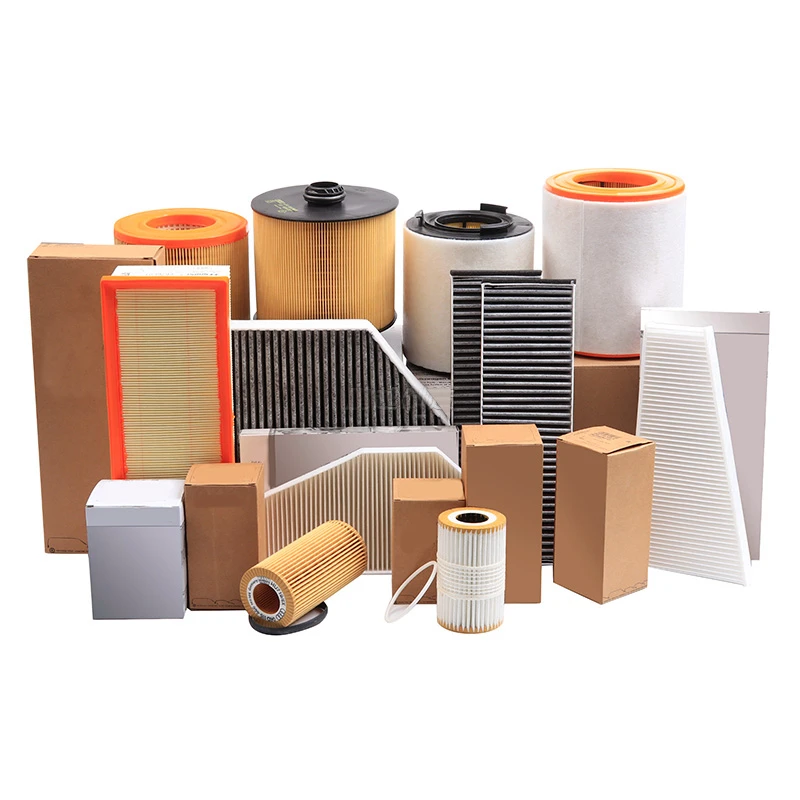
Why a Gasoline Filter Funnel quietly saves engines (and headaches)
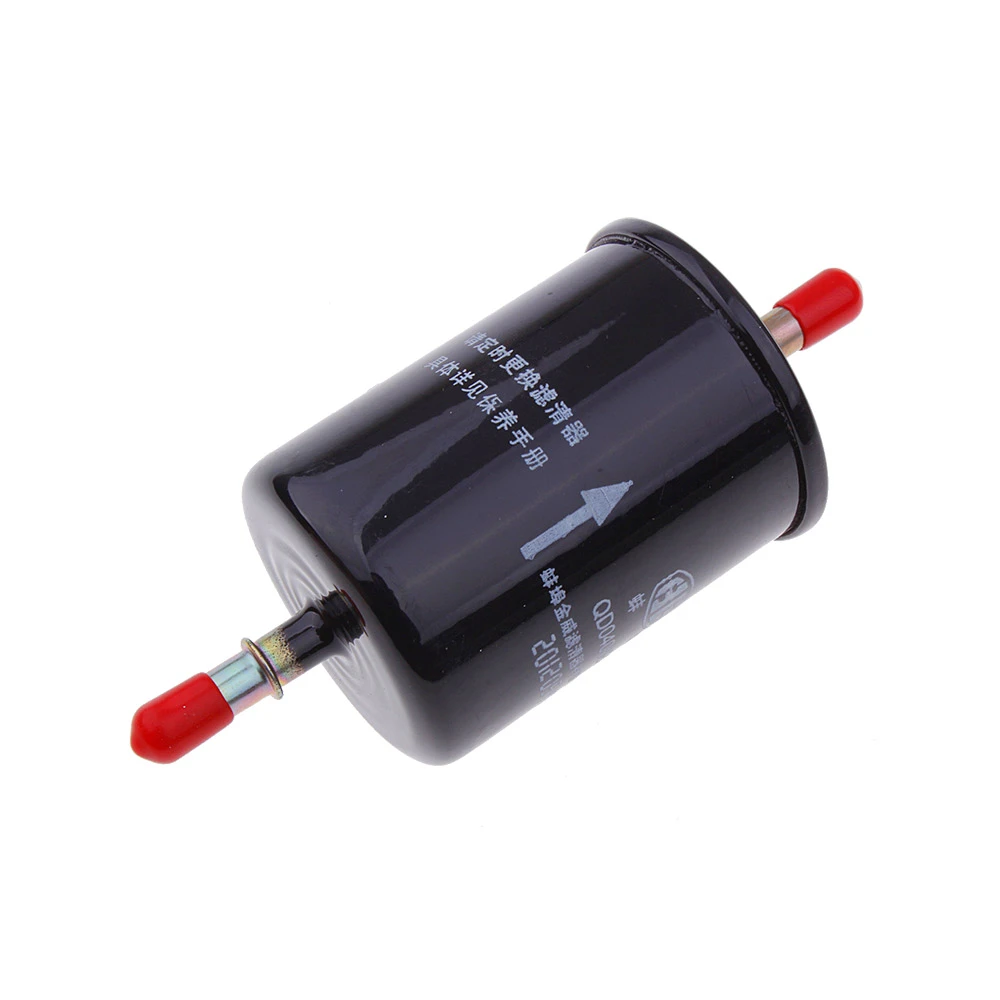
If you’ve ever poured fuel from a can into a tank and thought, “this looks clean enough,” you’re not alone. Yet every service manager I talk to says the same thing: most injector issues start with microscopic grit or a splash of water. That’s exactly where a Gasoline Filter Funnel or an inline gasoline filter earns its keep—catching debris before it becomes a repair bill.
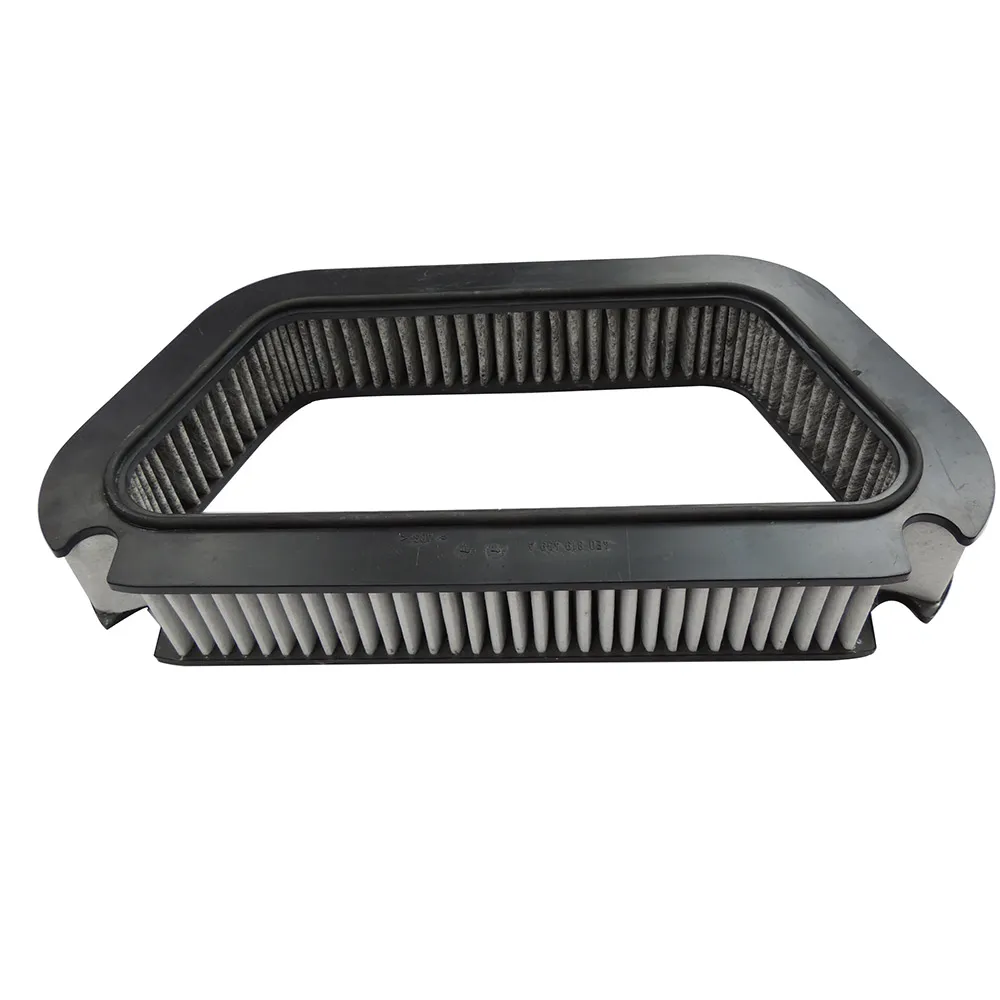
What’s trending in 2025
Two clear trends: finer media (10–20 μm) for modern GDI engines and dual-stage water separation in funnels. In fact, fleets are asking for quick-deploy, portable Gasoline Filter Funnel kits for field fueling. On the factory side, I’m seeing more glass-fiber blends and epoxy potting for durability—and yes, IATF 16949 certification is becoming a buyer’s default ask.
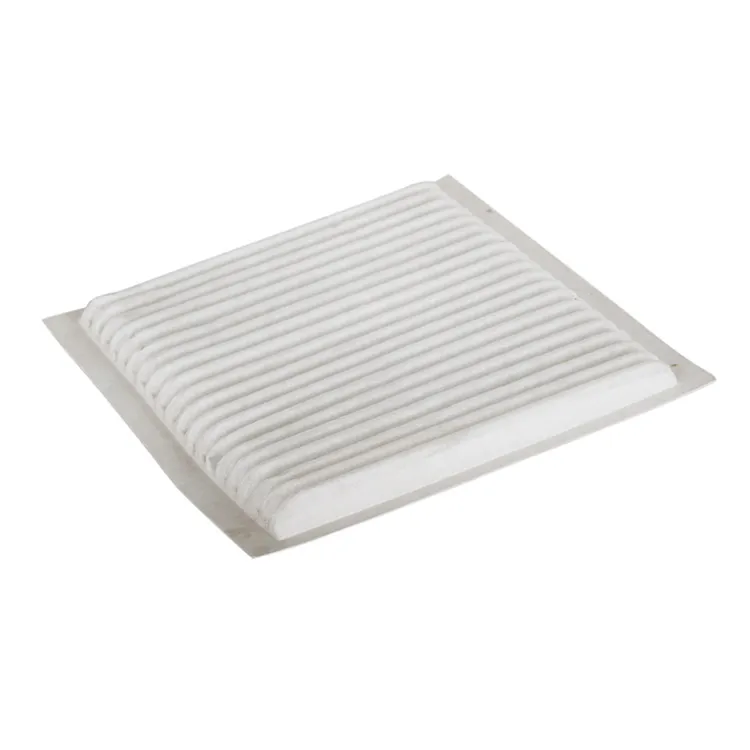
Technical snapshot
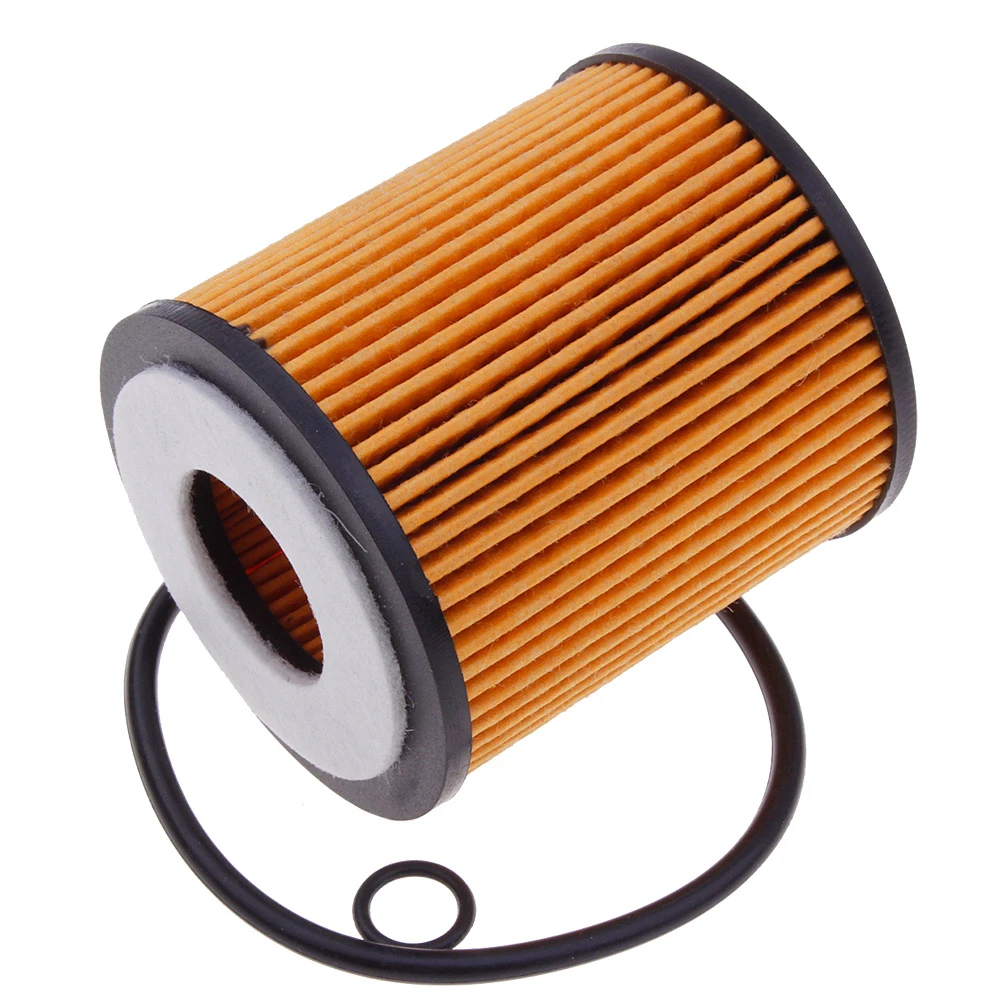
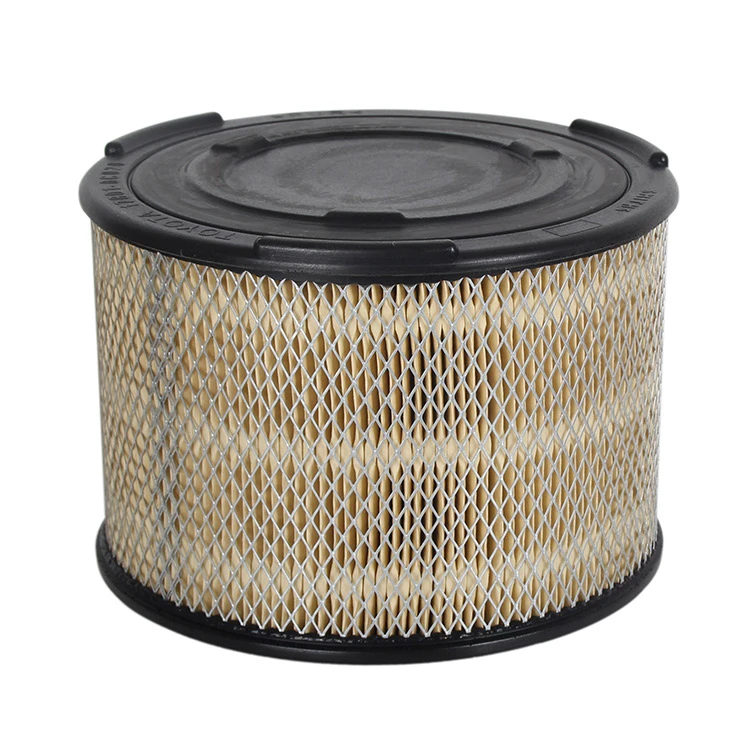
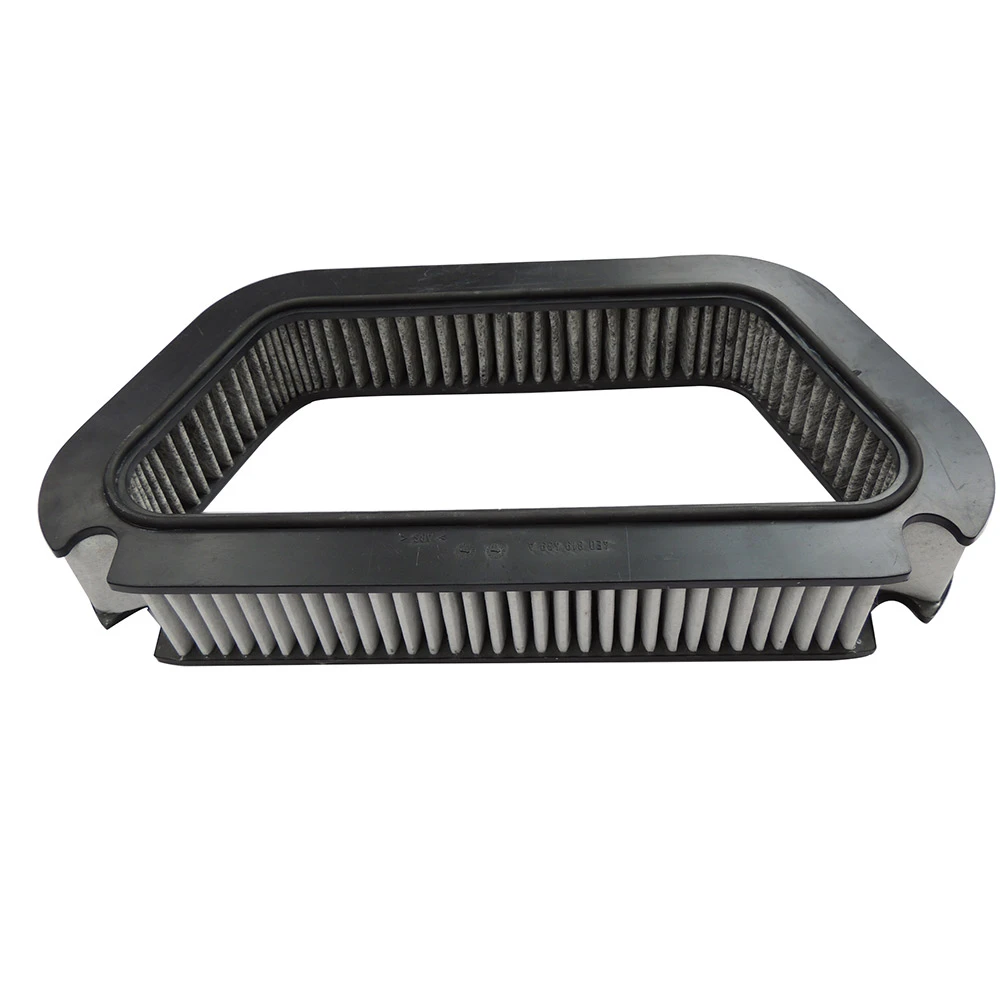
Origin matters. This line is produced in Niujiatun Village, Gexianzhuang Town, Qinghe County, Xingtai, Hebei Province, China—an area with deep filtration manufacturing roots. The core job: remove particulates, rust flakes, varnish, and free water to protect injectors, pumps, and rails. Real-world? Smoother idle, better atomization, fewer misfires.
| Spec | Typical Value (≈, may vary) |
|---|---|
| Micron rating | 10–40 μm options (β20 ≥ 200) |
| Media | Glass-fiber/cellulose blend; optional stainless mesh |
| Flow/ΔP | ≈ 60–120 L/h @ ΔP 20–30 kPa |
| Operating temp | -30 to 100 °C |
| Service life | 10,000–20,000 km (usage dependent) |
| Certifications | IATF 16949, ISO 9001; RoHS/REACH compliant |
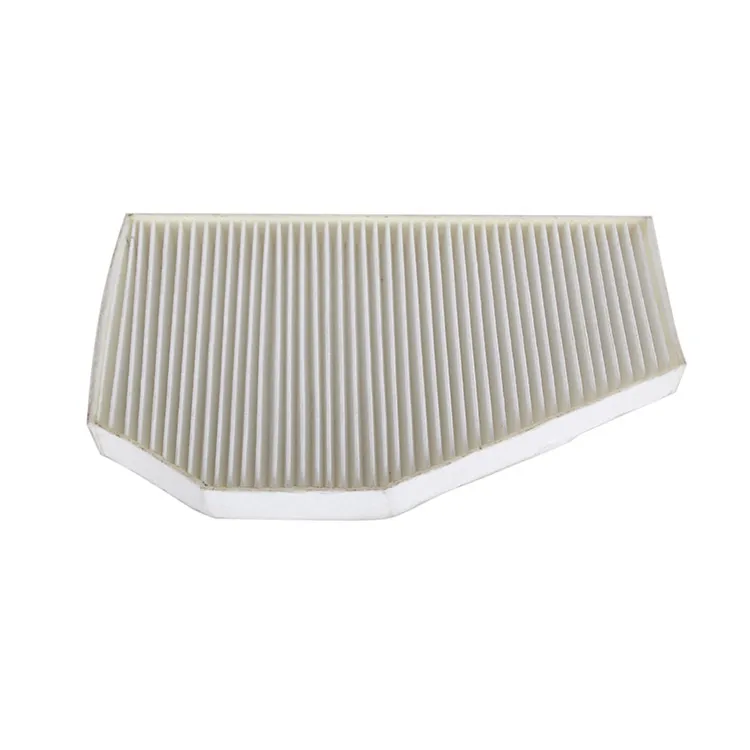
Manufacturing & test flow (brief)
- Materials: pleatable glass-fiber/cellulose media, tin-plated end caps, NBR/FKM seals, epoxy potting.
- Methods: media pleating, core crimping, ultrasonic seam welds, resin potting, leak/burst test.
- Testing: multi-pass efficiency (ISO 16889), fuel compatibility and swell (SAE J1681), particle challenge using ISO 12103-1 A2 dust, pressure integrity and burst margin; optional water separation for funnel screens (SAE J905 style).
Internal data point: efficiency >99% at 20 μm; burst safety factor ≥3x operating pressure. To be honest, lab numbers are great—field dust is messier—but these hold up in fleet use.
Applications and why users care
Passenger cars, motorcycles, small engines (generators), powersports, and light equipment. A Gasoline Filter Funnel shines during off-grid fueling—construction sites, farms, marinas—where cans and drums are the norm. Many customers say idle smoothness improves within a tank or two after switching.
Quick vendor comparison
| Vendor | Media | Micron | Lead time | Certs |
|---|---|---|---|---|
| JY Filter (Hebei, China) | Glass-fiber/cellulose | 10/20/40 μm | ≈ 2–4 weeks | IATF 16949, ISO 9001 |
| Brand B (US) | Cellulose | 20–40 μm | ≈ 3–6 weeks | ISO 9001 |
| Brand C (EU) | Glass-fiber | 10–25 μm | ≈ 4–8 weeks | IATF 16949 |
Customization menu
- Micron ratings: 10/20/30/40 μm; dual-stage with water-block screen for Gasoline Filter Funnel.
- End connections: inline barb (6–10 mm), spin-on thread, bayonet quick-connect.
- Media upgrades: hydrophobic mesh for splash water; anti-static liners for E10/E15 fuels.
- Branding: private label, color-coded caps, QR traceability.
Mini case study
A regional landscaping fleet fueling from 20 L cans added a Gasoline Filter Funnel plus 20 μm inline filters on small engines. Result after 6 months: injector cleanings dropped from 11 to 2; average fuel pump failures went to zero; fuel economy ticked up ≈ 2–3% (operator logs). Not a lab trial, but convincing.
Buyer notes
Look for IATF 16949 compliance, a documented multi-pass efficiency curve, and chemical compatibility with E10/E15. And yes, replace on schedule—cheap insurance for any fuel system.
References
- ISO 16889: Hydraulic fluid power filters — Multi-pass method for evaluating filtration performance.
- SAE J905: Fuel Filter Test Procedure (automotive, legacy but still referenced).
- ISO 12103-1: Road Vehicle Test Dust (Arizona A2) — commonly used in filter tests.
- SAE J1681: Gasoline/Methanol Fuel System Material Compatibility.
- IATF 16949: Automotive Quality Management Standard.
-
Guide on how often do you need to replace engine air filterNewsApr.16,2026
-
Learn how often do you replace air filter in car for engine healthNewsApr.09,2026
-
How Often Do You Replace Car Air Filter For Optimal Engine PerformanceNewsApr.07,2026
-
How Often Do You Replace Engine Air Filter For Optimal Vehicle PerformanceNewsApr.04,2026
-
Understanding How Often Does Engine Air Filter Need to Be Replaced for Optimal PerformanceNewsMar.31,2026
-
How Often Engine Air Filter Change Impacts Performance and LongevityNewsMar.28,2026
-
Understanding How Often to Replace Your Car Air Filter for Optimal PerformanceNewsMar.26,2026
Related Products