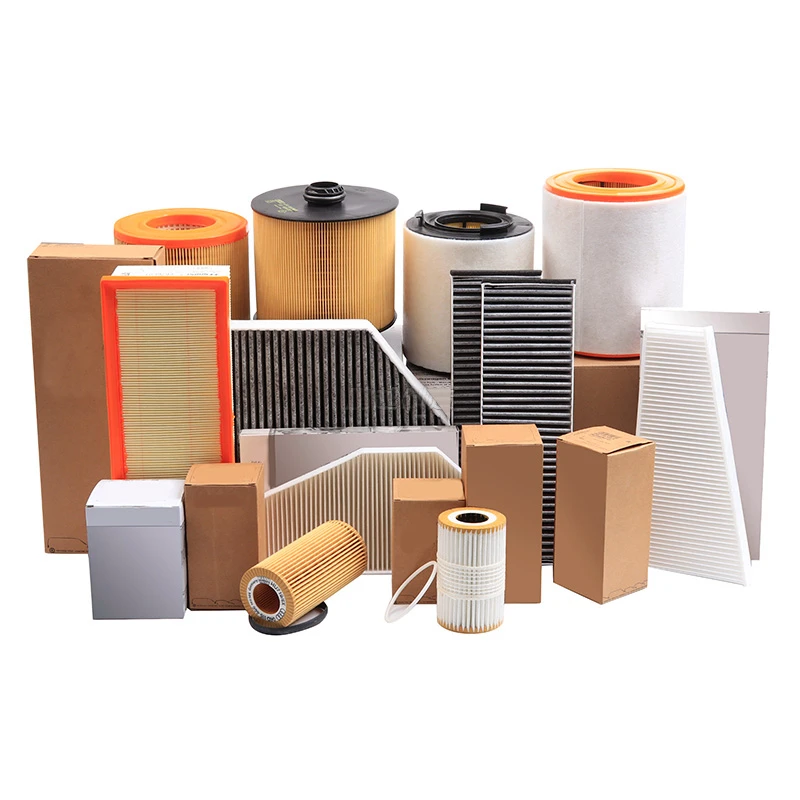
A Field Note on Automotive Filters: What Matters Now and What Quietly Fails
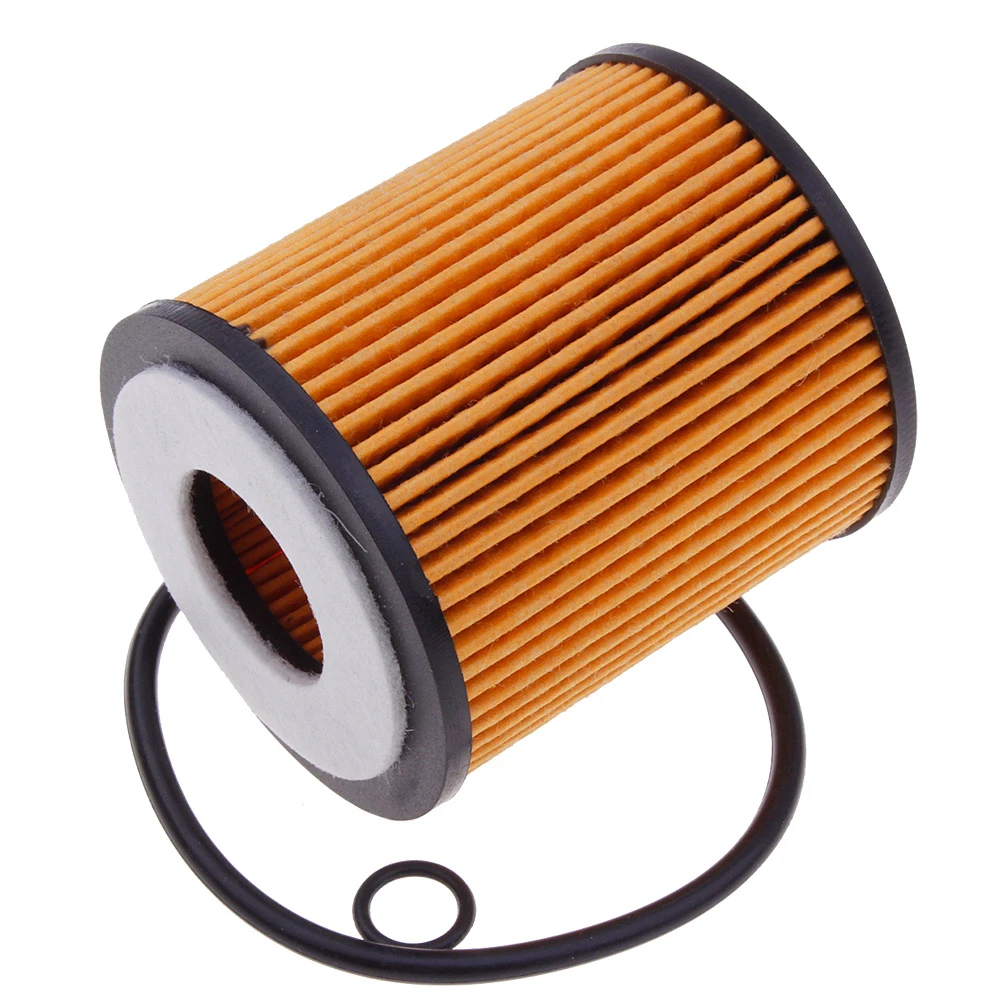
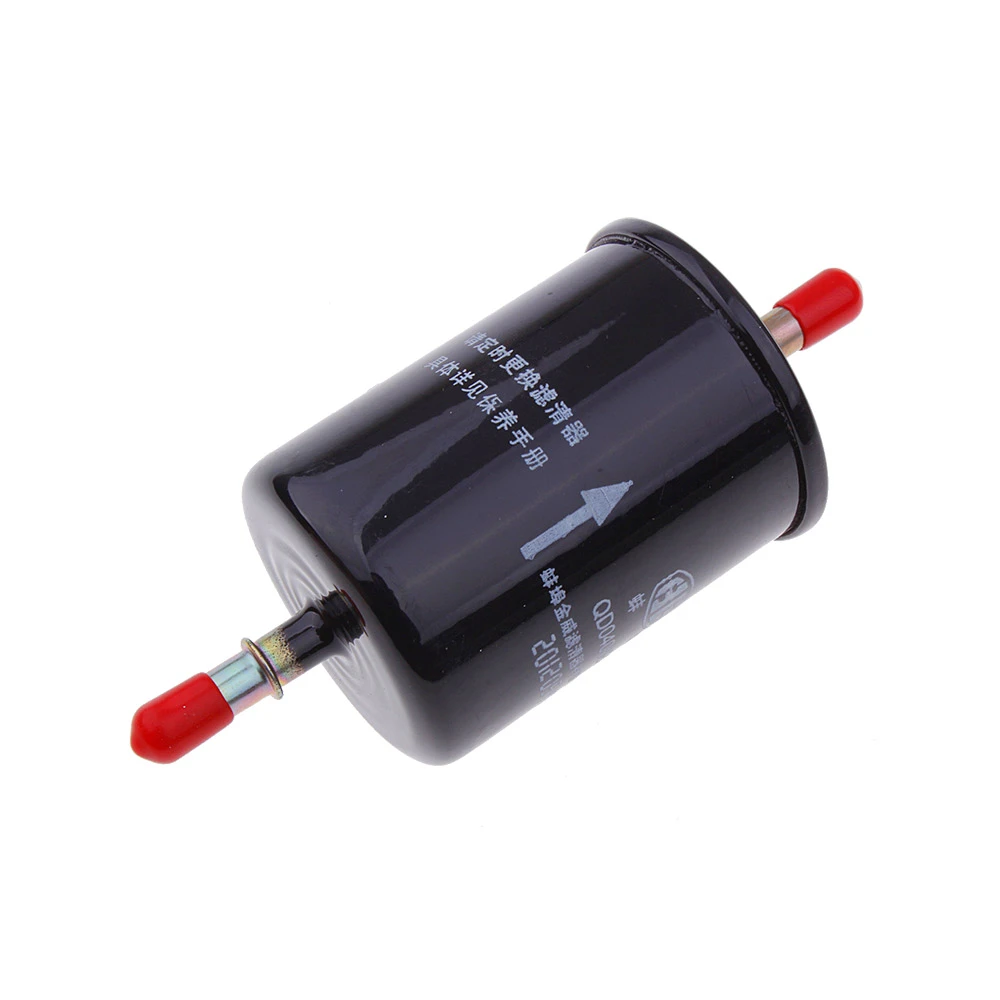
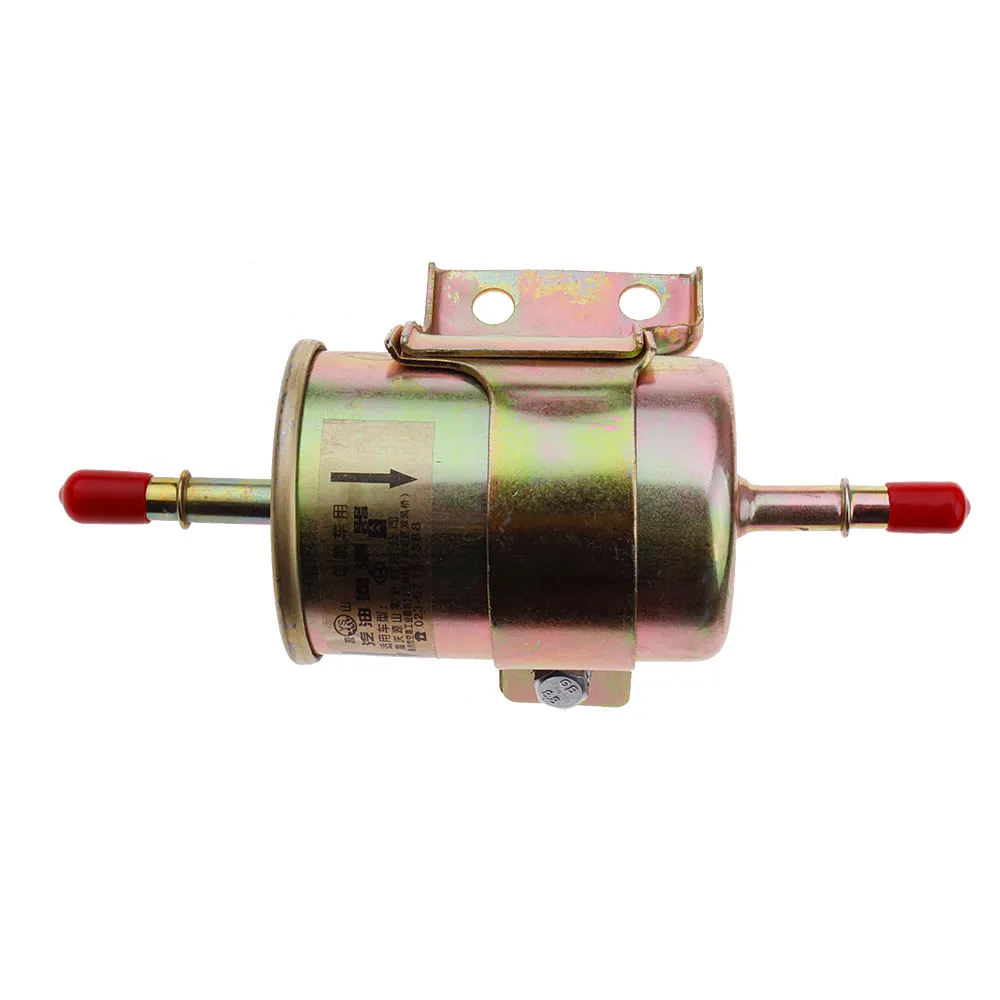
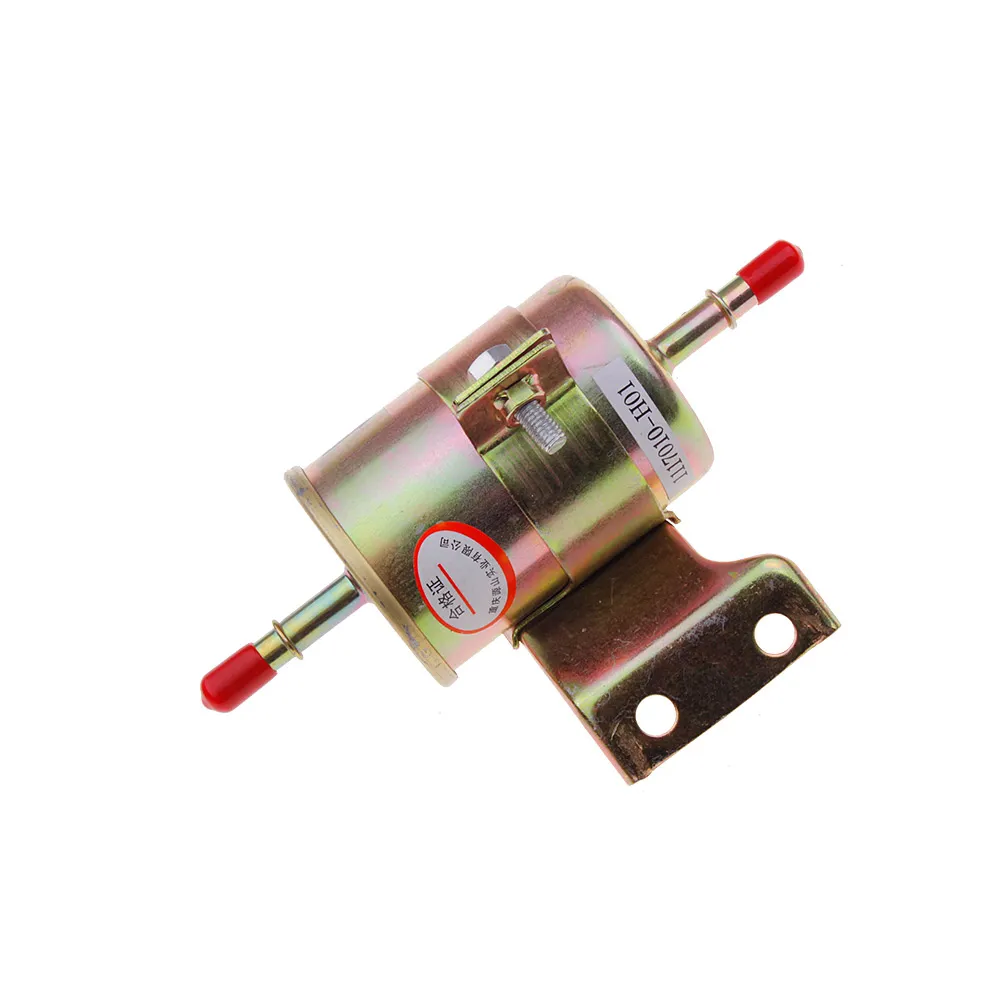
If you’ve ever wondered why one car idles like velvet and another coughs after a fill-up, I’ll put money on filtration. In fact, the more I visit workshops, the more I hear the same refrain: keep the fuel clean and most headaches never start. Today I’m looking at a quietly competent product—the Car fuel filter—built in Niujiatun Village, Gexianzhuang Town, Qinghe County, Xingtai, Hebei Province, China, and how it fits into the wider world of Automotive Filters.
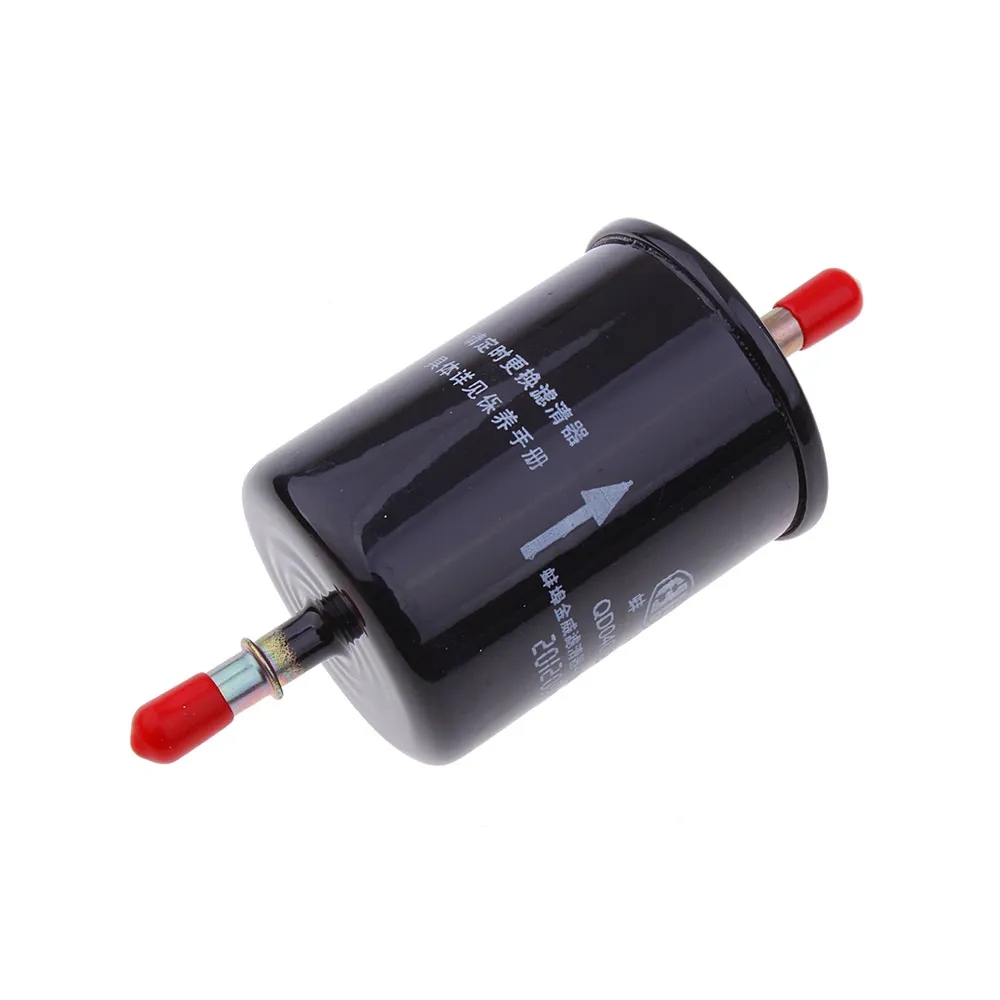
Trends I’m Seeing
Two things shape the market: finer micron ratings (≈5–10 μm for gasoline, ≈2–5 μm for modern diesel) and better water separation as ethanol blends and biodiesel complicate the chemistry. Also, fleets keep asking for longer service life—30,000–40,000 km is the new “normal,” though real-world use may vary with fuel quality. Surprisingly, more garages test pressure drop now; mechanics tell me it predicts injector stress better than mileage alone.
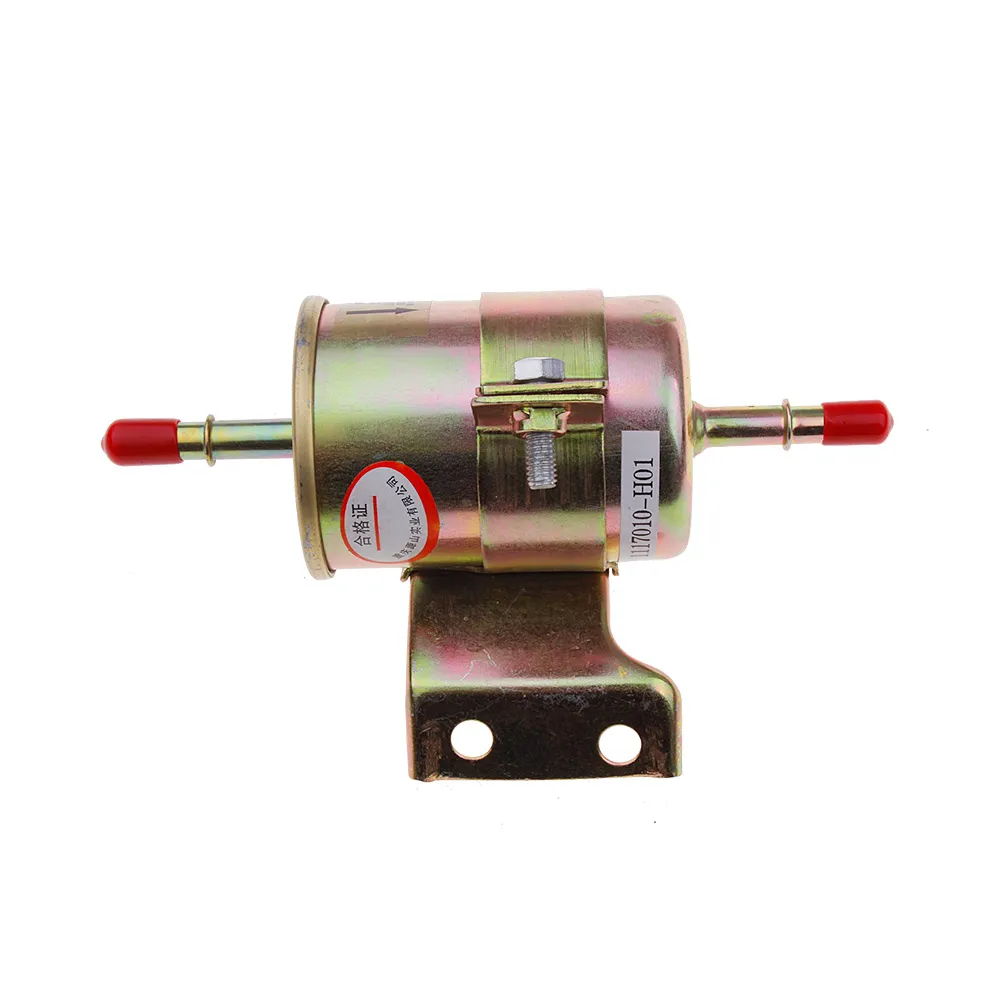
How this Car Fuel Filter is Built
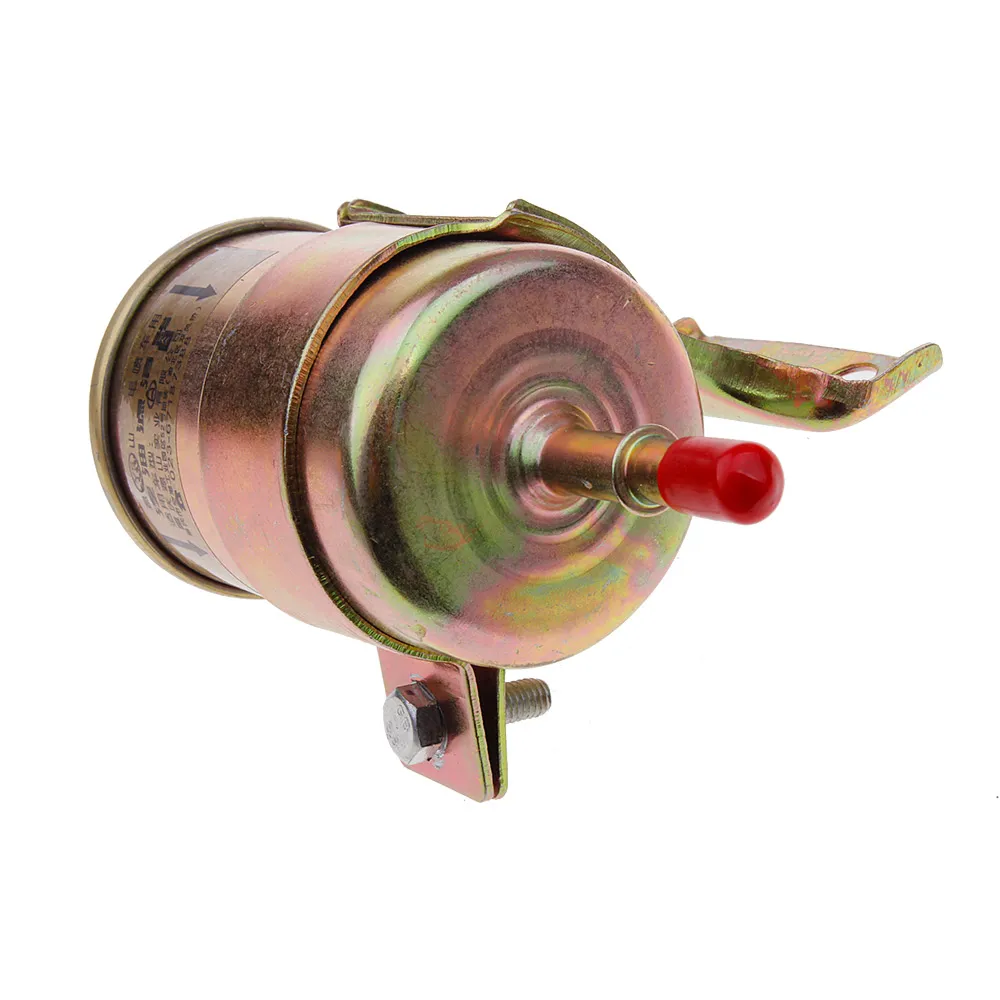
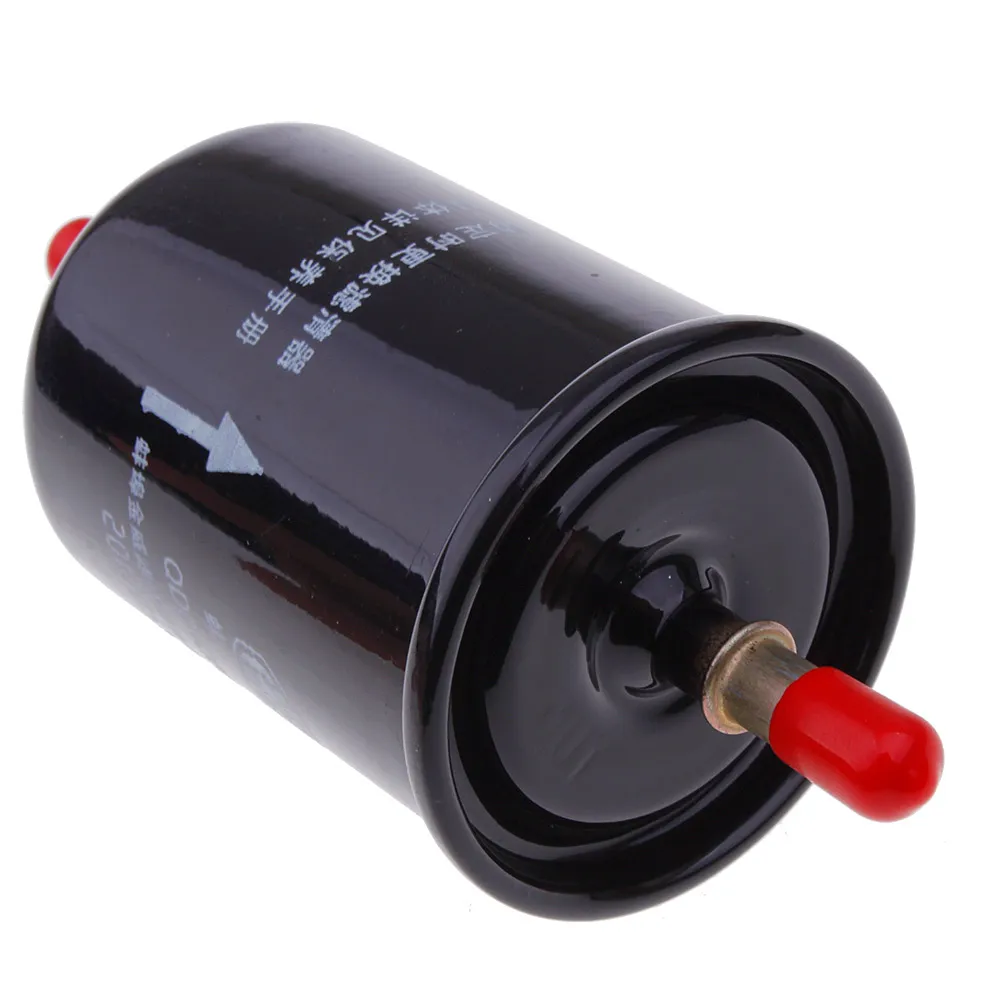
Materials: multi-layer cellulose/synthetic blend media, epoxy potting, steel or high-temp polymer housing, and NBR or FKM seals. Process flow (short version): media slitting → pleating and curing → end-cap bonding → ultrasonic weld or crimp → leak/pressure test → cleanliness validation. It’s standard fare for solid Automotive Filters, but the devil is in the pleat stability and resin curing.
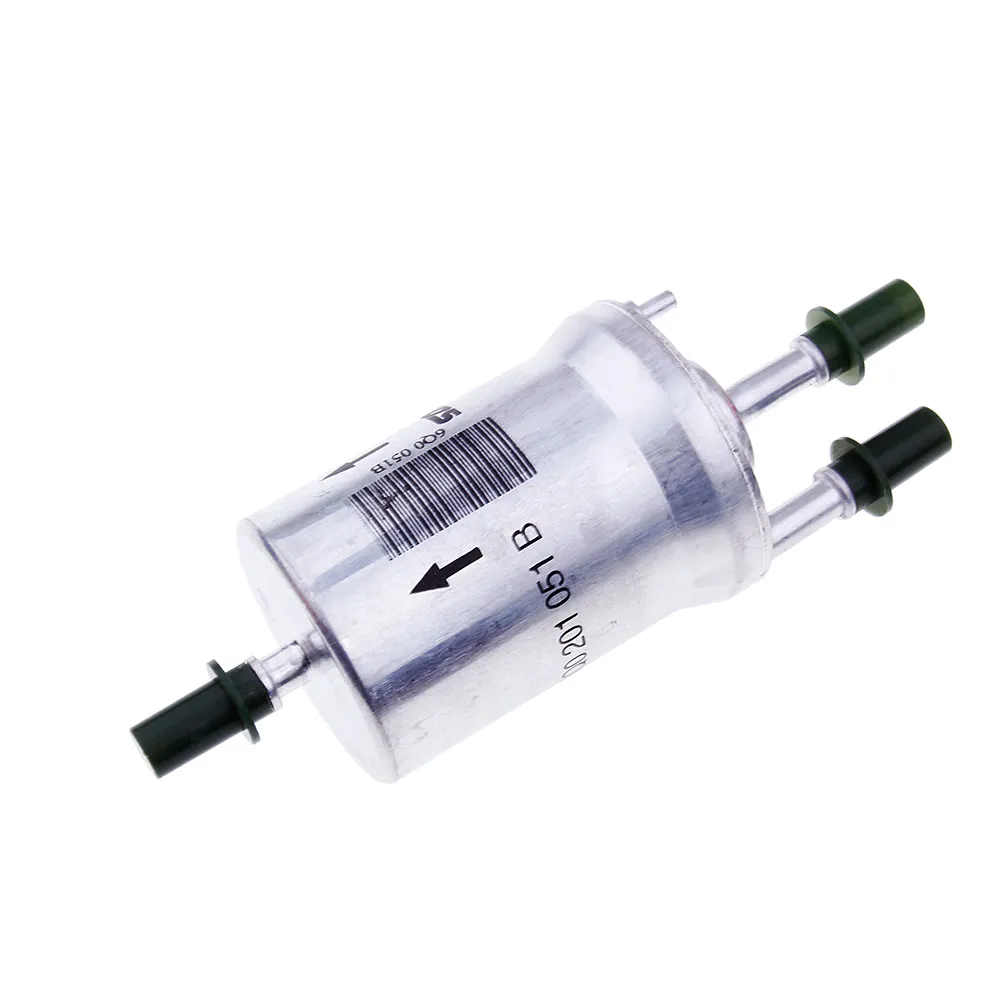
Product Specs (typical)
| Parameter | Spec | Notes |
|---|---|---|
| Filtration rating | ≈5–10 μm (gasoline); ≈2–5 μm (diesel) | Multi-pass per ISO 19438/ISO 4020 |
| Beta ratio | β10 ≥ 200 (typical) | Internal lab; real-world use may vary |
| Pressure drop | ≤ 20 kPa @ 300 L/h | Clean element baseline |
| Water separation | ≥ 90% (diesel option) | Per ISO 16332 |
| Service life | 30,000–40,000 km | Fuel quality dependent |
Applications and Advantages
- Gasoline direct injection (GDI) where injector orifices are unforgiving.
- Diesel common-rail with strict water sensitivity.
- Cold climates; yes, anti-waxing flow is part media design.
Benefits? Smoother idle, fewer injector returns, and—many customers say—slightly better fuel economy after swap. I’ve seen pressure ripple drop measurably on a test bench after a fresh filter.
Vendor Snapshot (what I compare)
| Vendor | Strengths | Lead time | Certs |
|---|---|---|---|
| JY Filter (Hebei) | Value pricing; custom micron/media; small MOQs | ≈ 15–25 days | ISO 9001/IATF 16949 (supplier level) |
| MANN+HUMMEL | Tier-1 OE history; strong test data | ≈ 25–40 days | IATF 16949 |
| Bosch | Wide catalog; consistent QC | ≈ 20–35 days | IATF 16949 |
Customization Options
Micron rating (2–15 μm), media (cellulose, glass fiber, melt-blown), water-separating coalescers, end-cap materials, connectors (quick-fit/banjo), and seals (NBR for standard fuels; FKM for E10–E85). To be honest, specify fuel blend early—ethanol can swell the wrong elastomer.
Testing, Data, and Real Use
Standards referenced: ISO 4020 (mechanical), ISO 19438 (multi-pass efficiency), ISO 16332 (water separation), and SAE fuel filter procedures. A quick data point from a taxi fleet trial (Hebei, 120 vehicles): average injector return rate dropped from 3.1% to 1.2% over 9 months; fuel economy improved ≈1.5% post changeouts. Not a lab miracle, but it tracks with what techs report.
Bottom Line
Change the filter on schedule, watch pressure drop, and match materials to your fuel. Do that, and most Automotive Filters quietly pay for themselves.
References:
- ISO 4020: Road vehicles—Fuel filters for internal combustion engines—Mechanical tests.
- ISO 19438: Diesel engines—Fuel filters—Multi-pass method for evaluating filtration performance.
- ISO 16332: Diesel engines—Fuel filters—Method for evaluating fuel/water separation performance.
- SAE International Fuel Filter Standards (e.g., SAE J905, J1985) and IATF 16949 quality requirements.
-
Guide on how often do you need to replace engine air filterNewsApr.16,2026
-
Learn how often do you replace air filter in car for engine healthNewsApr.09,2026
-
How Often Do You Replace Car Air Filter For Optimal Engine PerformanceNewsApr.07,2026
-
How Often Do You Replace Engine Air Filter For Optimal Vehicle PerformanceNewsApr.04,2026
-
Understanding How Often Does Engine Air Filter Need to Be Replaced for Optimal PerformanceNewsMar.31,2026
-
How Often Engine Air Filter Change Impacts Performance and LongevityNewsMar.28,2026
-
Understanding How Often to Replace Your Car Air Filter for Optimal PerformanceNewsMar.26,2026
Related Products