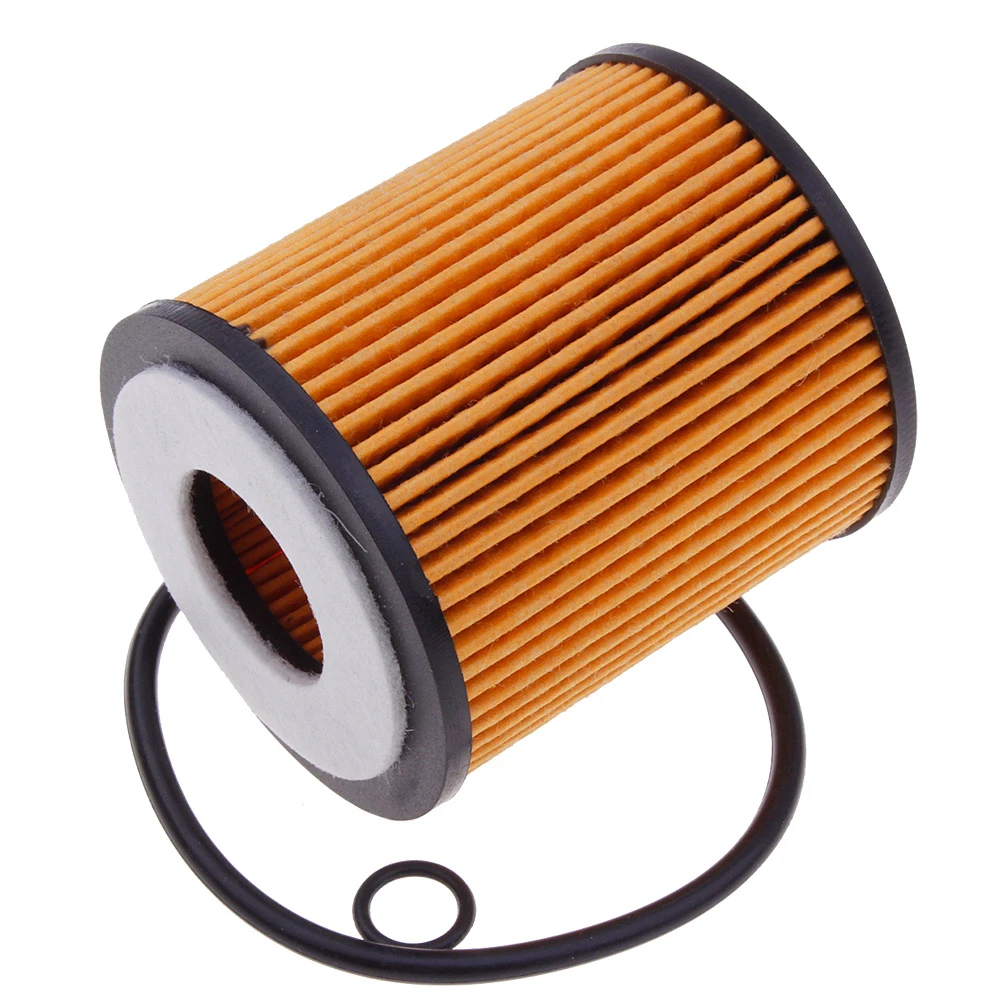
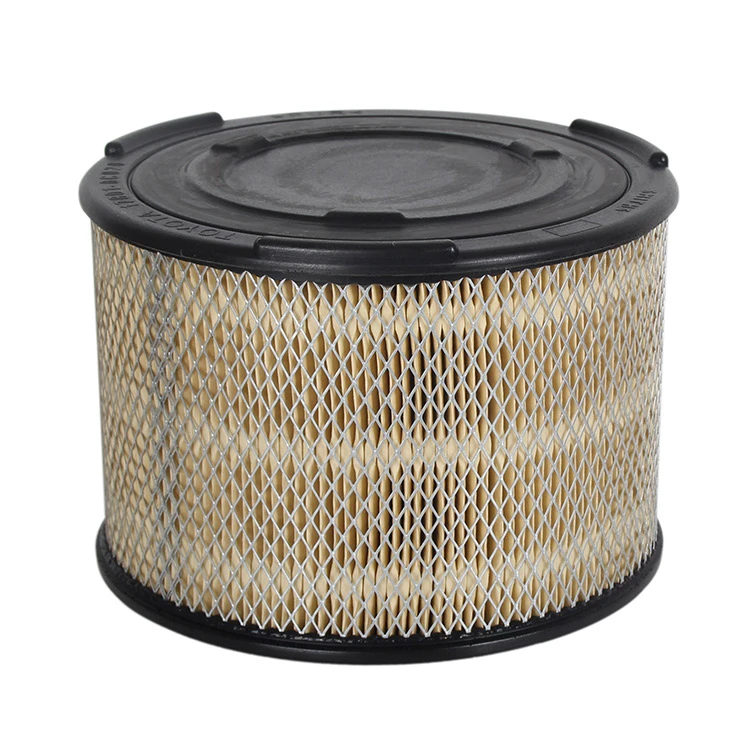
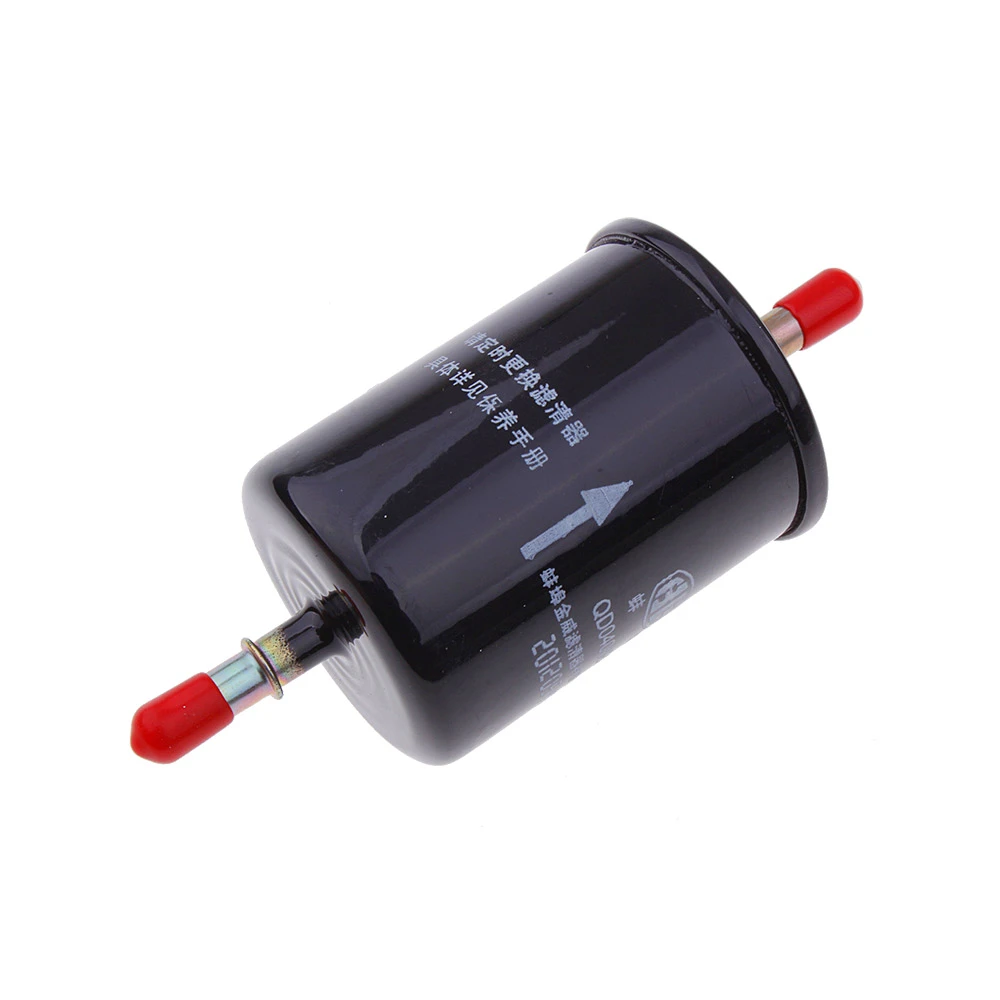
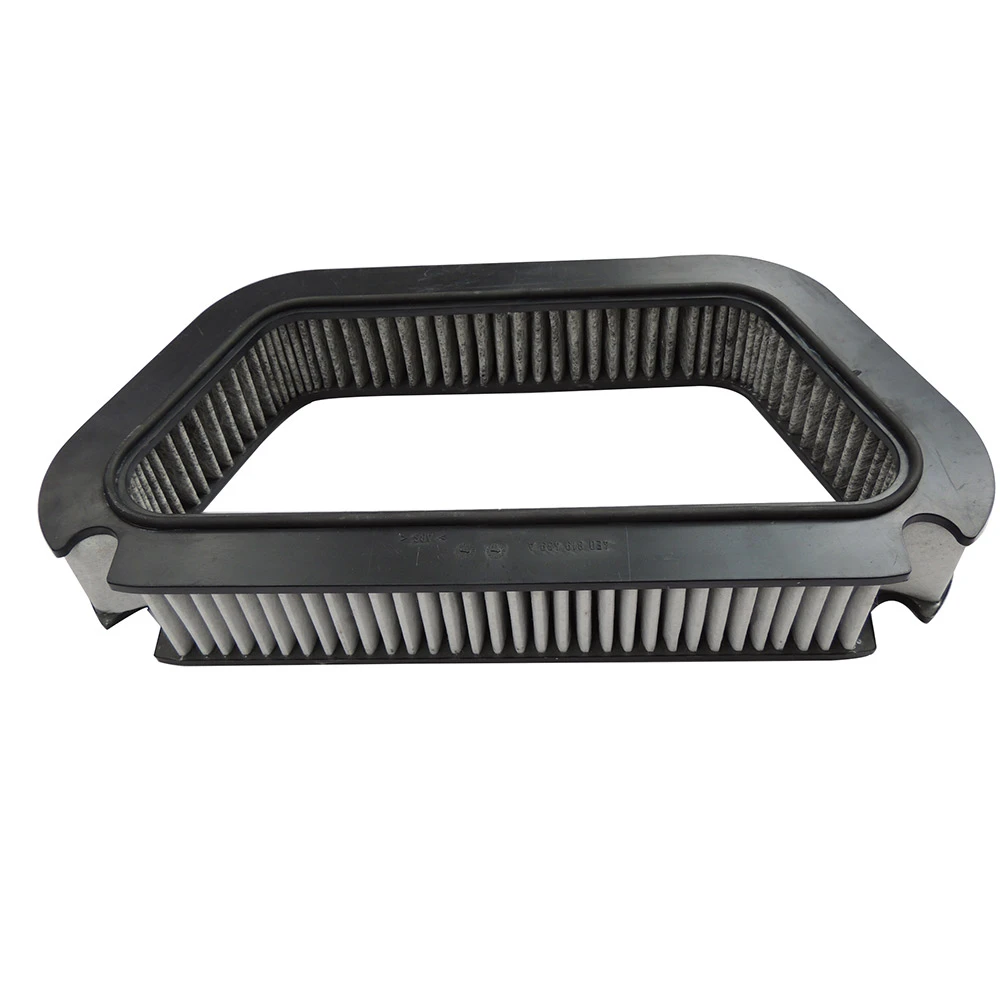
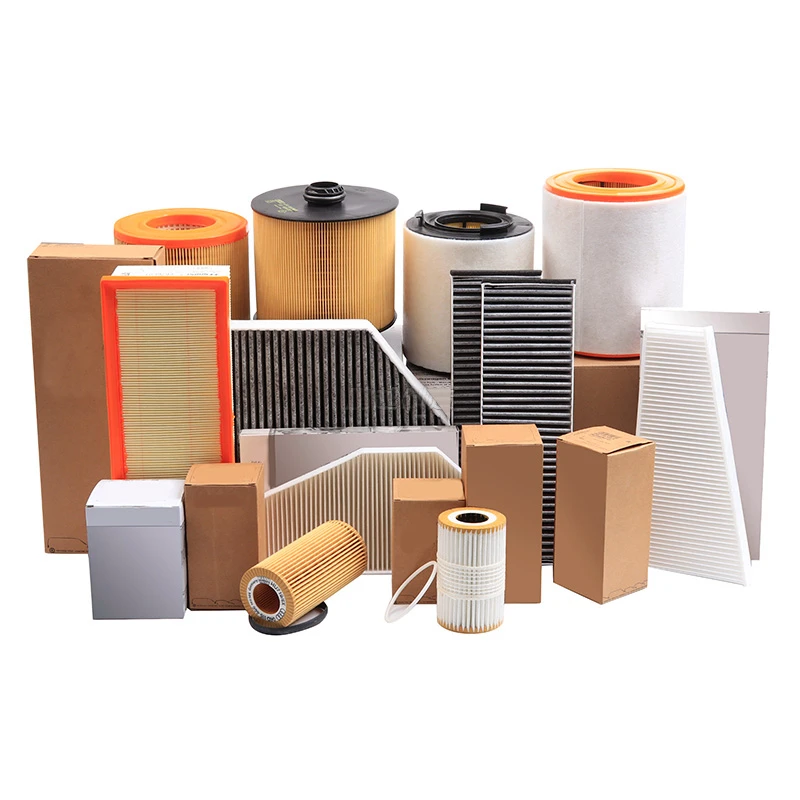
When people ask me what changed most in the last five years, I point to car air filters. Not glamorous, sure, but crucial—especially in cities where pollen counts and PM2.5 spike without warning. From my visits to factories in Hebei—yes, the one in Niujiatun Village, Gexianzhuang Town, Qinghe County, Xingtai—the progress is real. Better media. Tighter pleats. Smarter carbon loads. And, to be honest, fewer headaches for drivers.
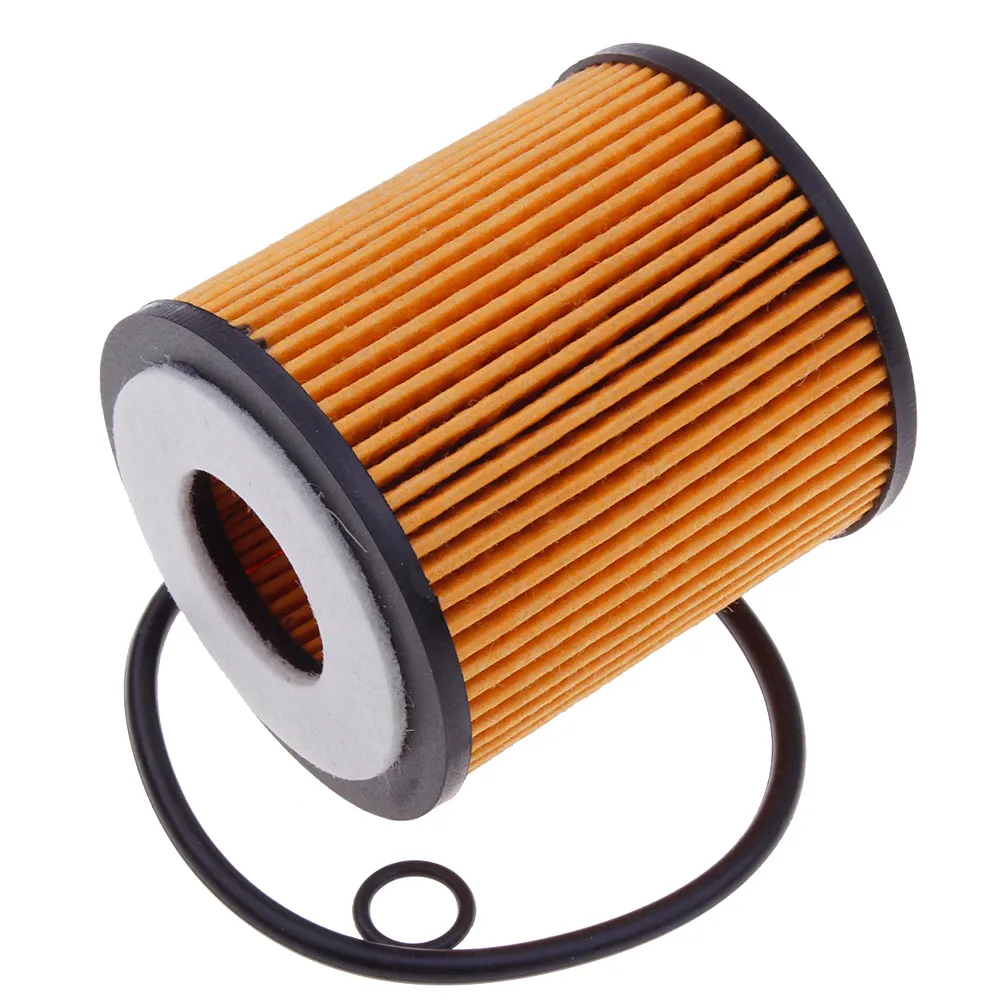
What’s trending and why it matters
Electrification and urban smog have pushed cabin filtration forward. Many customers say they can “feel” a cleaner cabin after switching to premium car air filters, and they’re not imagining it. Today’s better units meet ISO 11155 particulate tests and add activated carbon for VOCs and odors. Some even include antimicrobial treatments—sensible for rideshare fleets.
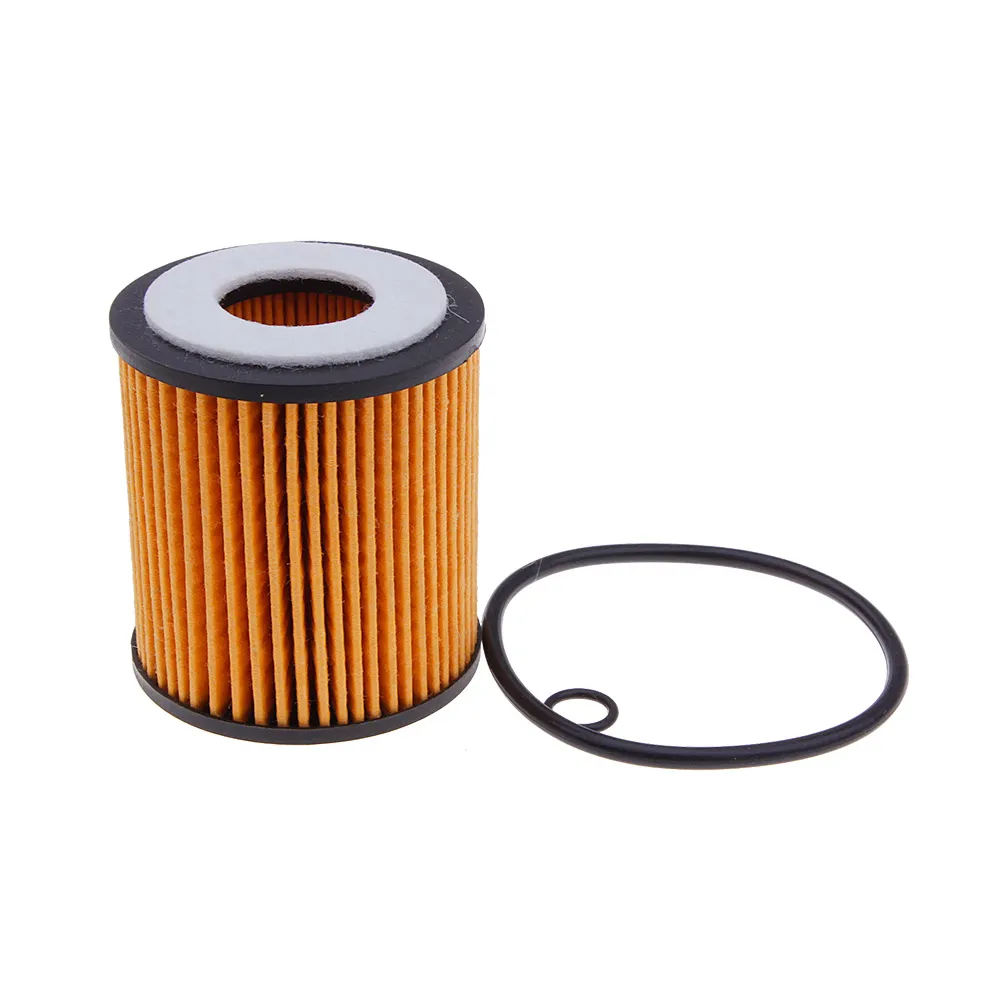
Product spotlight: Car Cabin Filter (JY Filter)
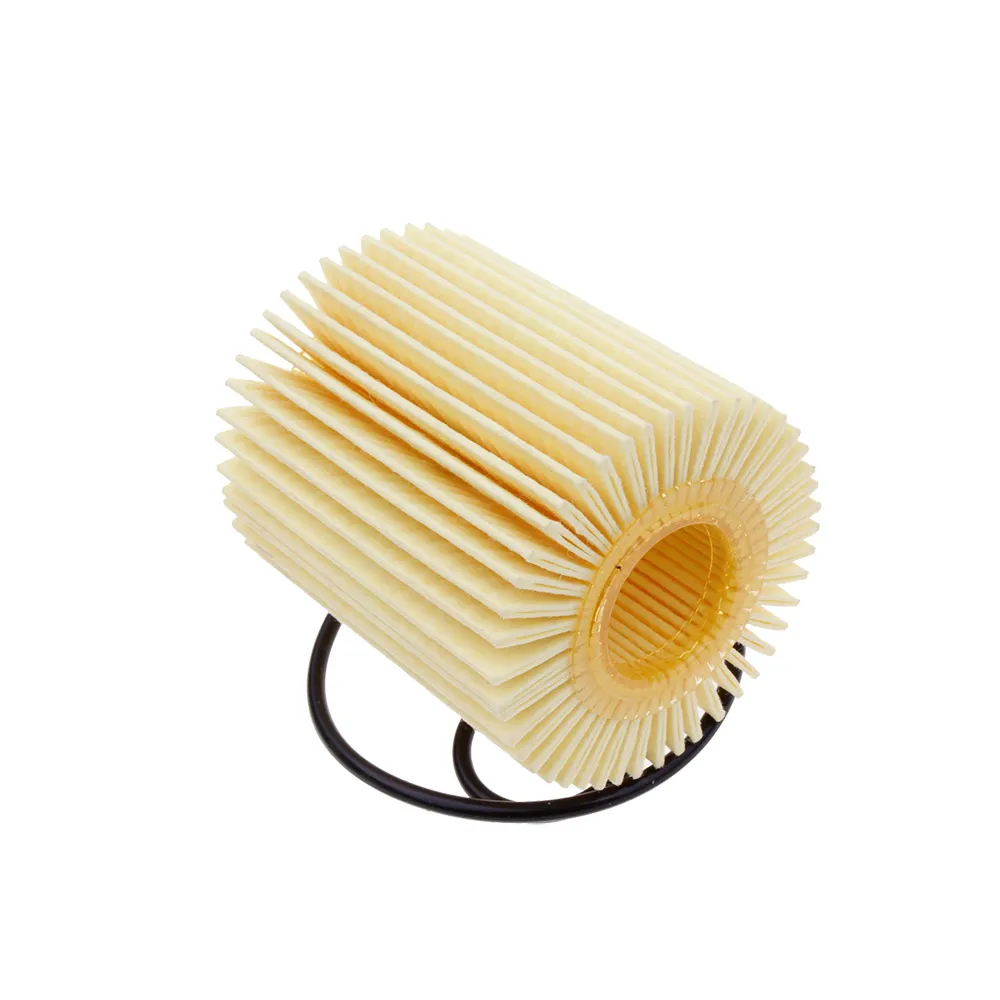
JY Filter’s Car Cabin Filter is a straightforward, durable upgrade: electrostatic nonwoven for particles, optional activated carbon for gases, and a rigid frame that doesn’t warp in summer heat. It seems simple, but the devil is in consistency—pleat depth, adhesive lines, even carton seals affect pressure drop and lifespan.
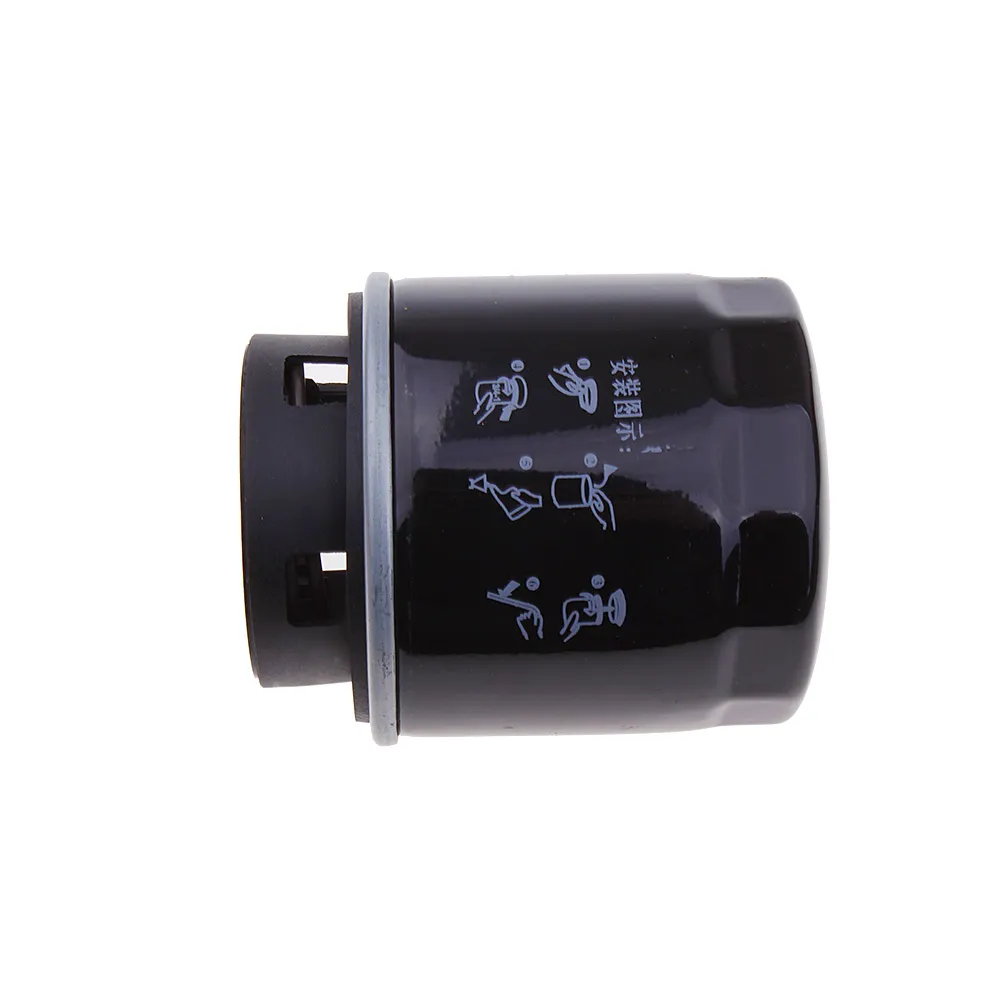
How it’s made (short version)
Materials: electrostatically charged PP nonwoven, melt-blown fine fiber layer, optional coconut-shell activated carbon, PU gasket, PP/ABS frame. Methods: precision pleating, hot-melt bead control, ultrasonic edge welding. Tests: ISO 11155-1 particulates, DIN 71460 odor reduction, pressure-drop stability, vibration/fit checks. Service life: ≈12 months or 10–15k km (real-world use may vary).
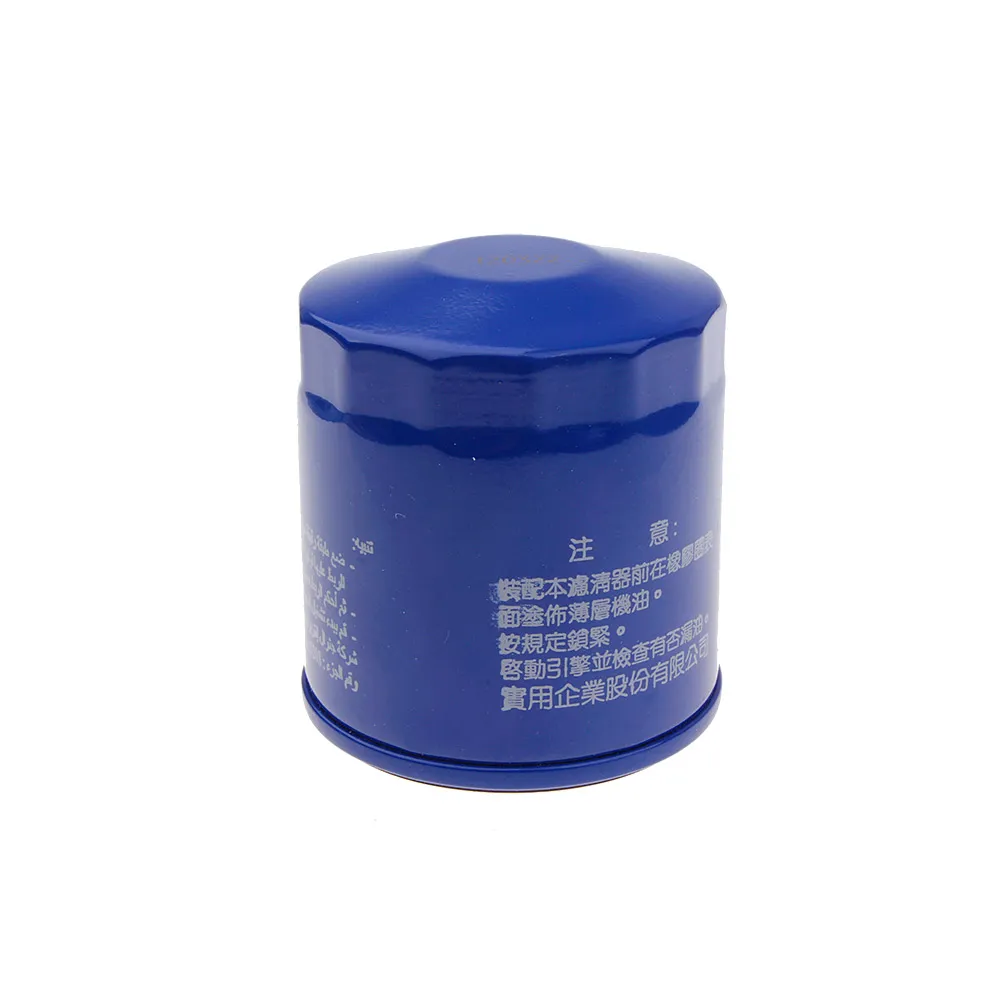
Key specifications (typical)
| Media | Electrostatic PP + optional activated carbon | Layered composite |
| Filtration efficiency | ≈95% @ 0.3–0.5 µm (ISO 11155-1) | Lab conditions |
| Initial pressure drop | ≤80 Pa @ 200 m³/h | Flow-dependent |
| VOC/odor reduction | Up to 90% (toluene) over first pass | With carbon media |
| Operating temp | -30 to 80°C | Cabin environment |
Where these shine
Use cases: urban commuters stuck behind buses, pollen-season highway drives, wildfire smoke events, and frankly any aging HVAC system. Fleet managers like car air filters that hold low pressure drop longer—keeps blower noise down and energy draw modest.
Vendor snapshot (real-world buys)
| Vendor | Media/Options | Compliance | Lead Time | Customization | Typical Price |
| JY Filter (Hebei) | Electrostatic + Carbon, antimicrobial | ISO 11155, IATF 16949 | 10–20 days | Size, gasket, carbon load | $$ |
| Generic Import A | Basic electrostatic | Partial DIN 71460 | 7–15 days | Limited | $ |
| Premium Brand B | HEPA-like + Carbon | ISO 11155 full | 20–35 days | Extensive | $$$ |
Customization and QA
Options: custom sizes, pleat counts, silicone vs PU gaskets, carbon loading (grams/m²), anti-bacterial treatment. QA typically includes gravimetric efficiency checks, VOC breakthrough curves, and aging tests (72h @ 80°C). Certifications: ISO 9001 / IATF 16949 at the plant level, which, frankly, is a good proxy for process discipline.
Field notes (short cases)
- Northern China taxi fleet: switched to JY carbon filters; PM2.5 in-cabin dropped from 55 µg/m³ to ≈12 µg/m³ within 10 minutes at medium blower, pressure drop stayed under 120 Pa after 8k km.
- EU aftermarket retailer: pollen-season returns fell 28% after moving to higher carbon load version; customers reported “less headache smell” on day-one installs.
Quick buying checklist
- Match OEM size and airflow direction arrow.
- Ask for ISO 11155 or DIN 71460 test reports, not just marketing claims.
- For city drivers, choose car air filters with activated carbon; for allergy seasons, prioritize particle efficiency and low pressure drop.
- Replace yearly (or sooner in dusty/wildfire conditions).
Sources and standards
- ISO 11155-1: Road vehicles — Air filters for passenger compartments — Part 1: Test for particulate filtration
- ISO 11155-2: Road vehicles — Air filters for passenger compartments — Part 2: Test for gas adsorption
- DIN 71460-1: Passenger car interior filters — Test for particulate filtration
- GB/T 32085.1-2015: Air filter for automobile — Performance test (Part 1)
-
Guide on how often do you need to replace engine air filterNewsApr.16,2026
-
Learn how often do you replace air filter in car for engine healthNewsApr.09,2026
-
How Often Do You Replace Car Air Filter For Optimal Engine PerformanceNewsApr.07,2026
-
How Often Do You Replace Engine Air Filter For Optimal Vehicle PerformanceNewsApr.04,2026
-
Understanding How Often Does Engine Air Filter Need to Be Replaced for Optimal PerformanceNewsMar.31,2026
-
How Often Engine Air Filter Change Impacts Performance and LongevityNewsMar.28,2026
-
Understanding How Often to Replace Your Car Air Filter for Optimal PerformanceNewsMar.26,2026
Related Products