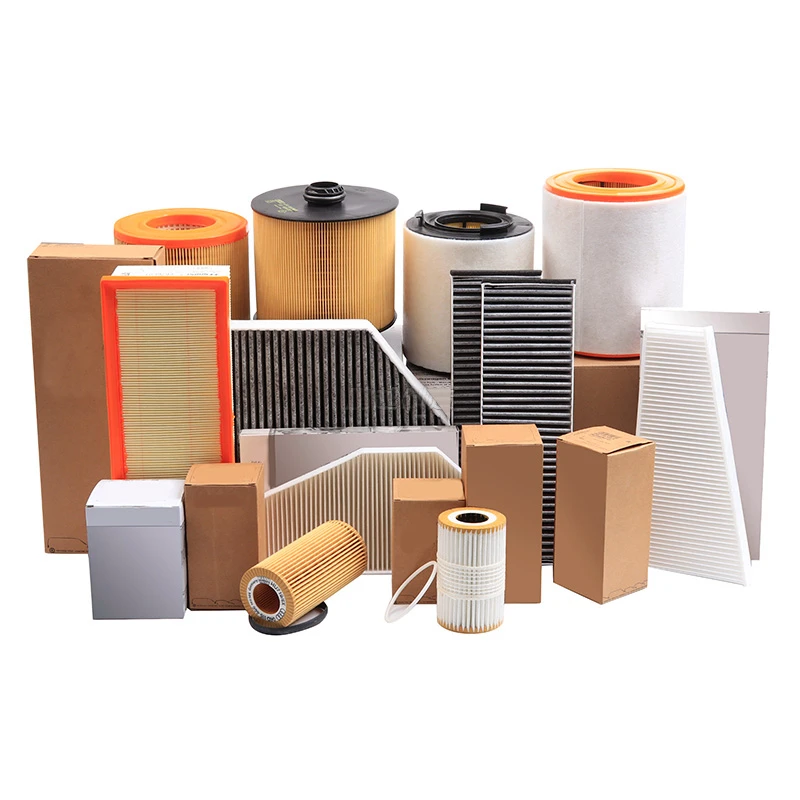
A Field Guide to Automotive Filtration: What’s Changing, What Matters, and Why Your Fuel Filter Isn’t “Just a Can”
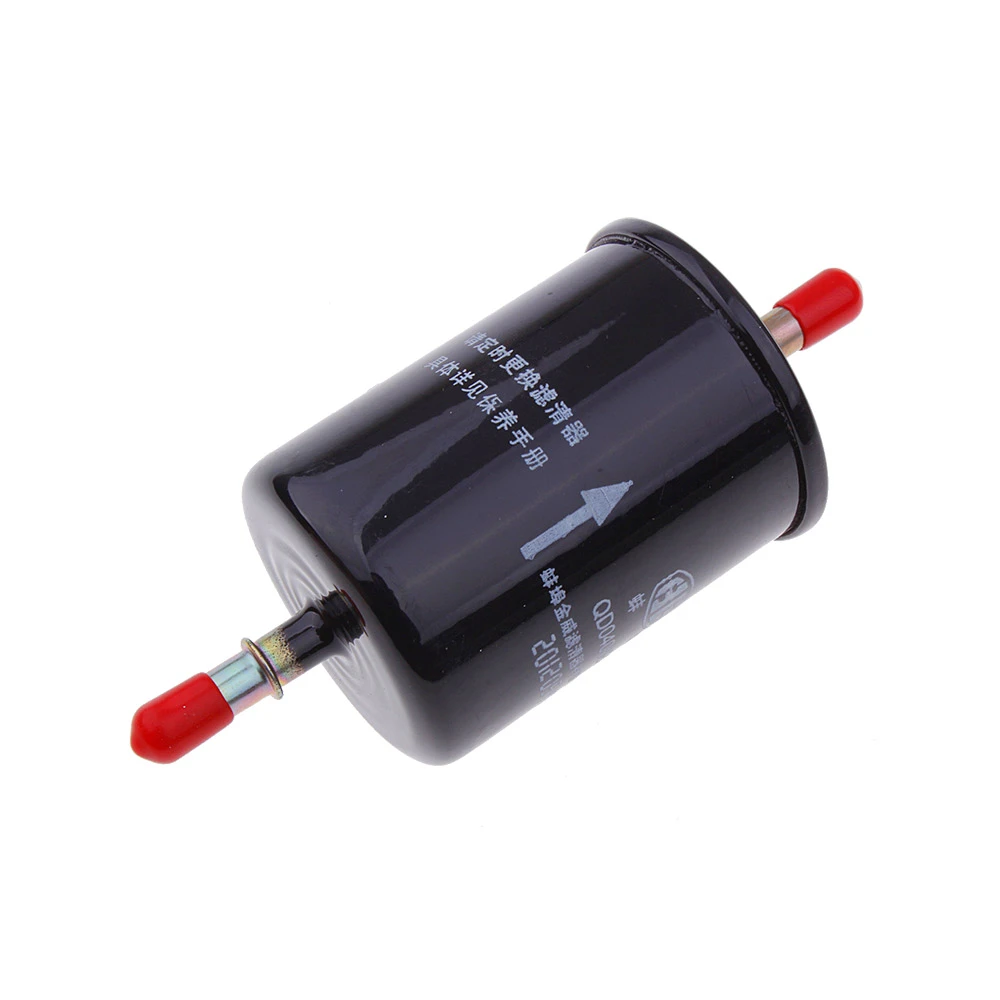
If you care about engine longevity, your choice of automotive filters matters—more than many drivers realize. I’ve walked enough workshops to see what bad fuel can do: sticky injectors, rough idles, and that telltale pressure-drop code that keeps coming back. And yet, a great fuel filter doesn’t shout about itself; it just keeps the engine running clean, mile after mile.
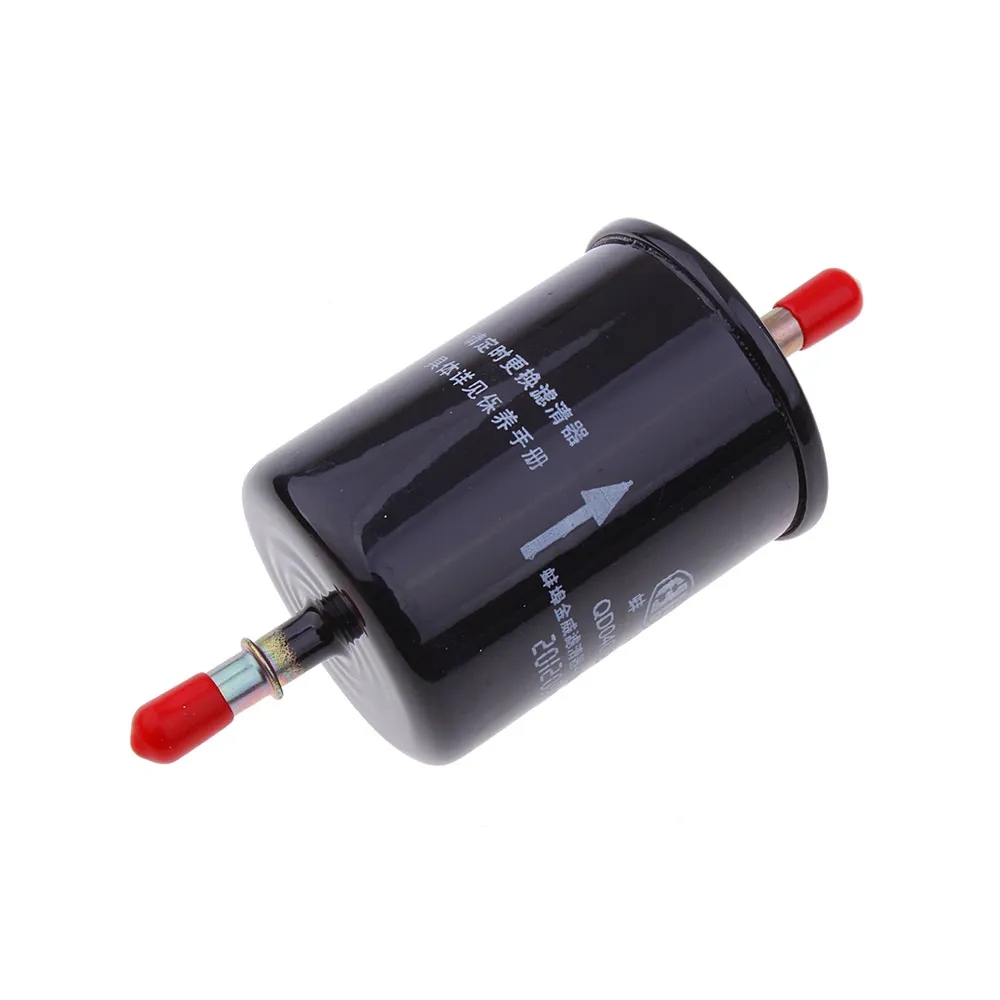
Industry snapshot (and a quick reality check)
Two trends are quietly redefining filtration: high-pressure GDI systems that demand finer particulate control (10 μm and below), and fuels that aren’t what they used to be—ethanol blends, biodiesel content, and more water risk in the supply chain. EVs reduce some under-hood filtration, sure, but hybrids and ICE fleets still dominate global miles driven. Many fleet managers I talk with are moving to multi-layer media and water-separation designs—less glamour, better uptime.
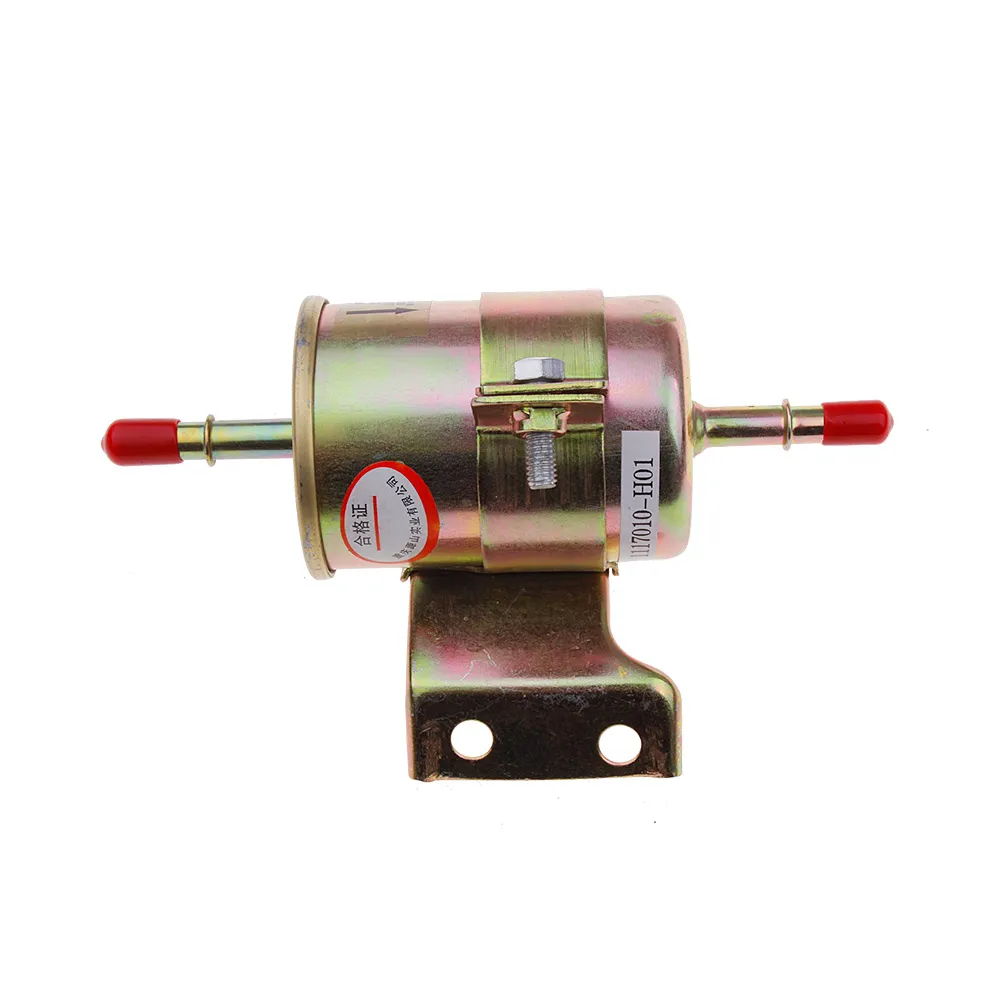
Inside the JYFilter car fuel filter: materials, methods, testing
- Media: blended cellulose + synthetic microfibers, optionally glass-fiber layer for sub-10 μm capture.
- Construction: precision pleating, hot-melt bead spacing, epoxy endcaps; ultrasonic seam welding on certain SKUs.
- Seals: NBR or FKM, chosen by fuel chemistry and temperature band.
- Testing: ISO 4020 multi-pass particulate, differential pressure curves; ISO 16332 water separation for diesel; burst to ≥6–10 bar; cleanliness verification.
- Service life: around 20,000–40,000 km (real-world use may vary with fuel quality and duty cycle).
- Industries: passenger cars, ride-hailing fleets, light commercial, small off-road engines using pump gasoline or diesel.
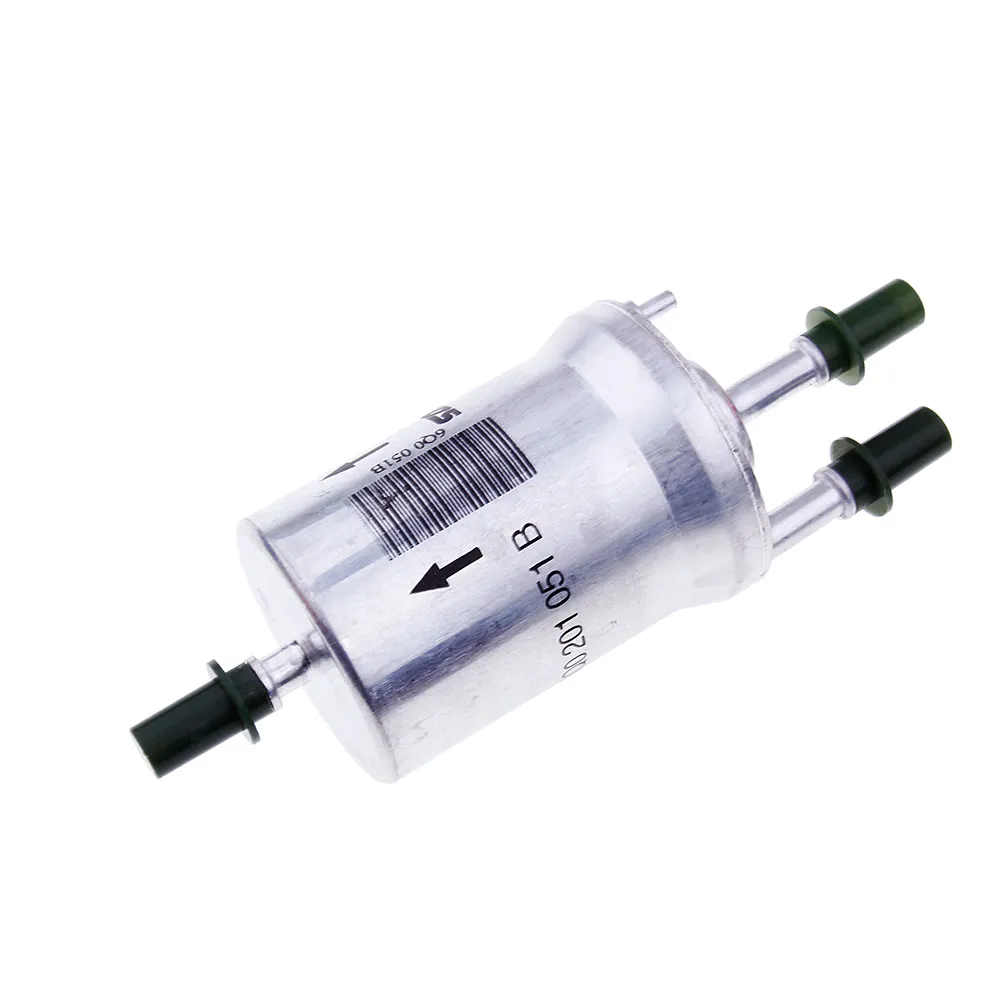
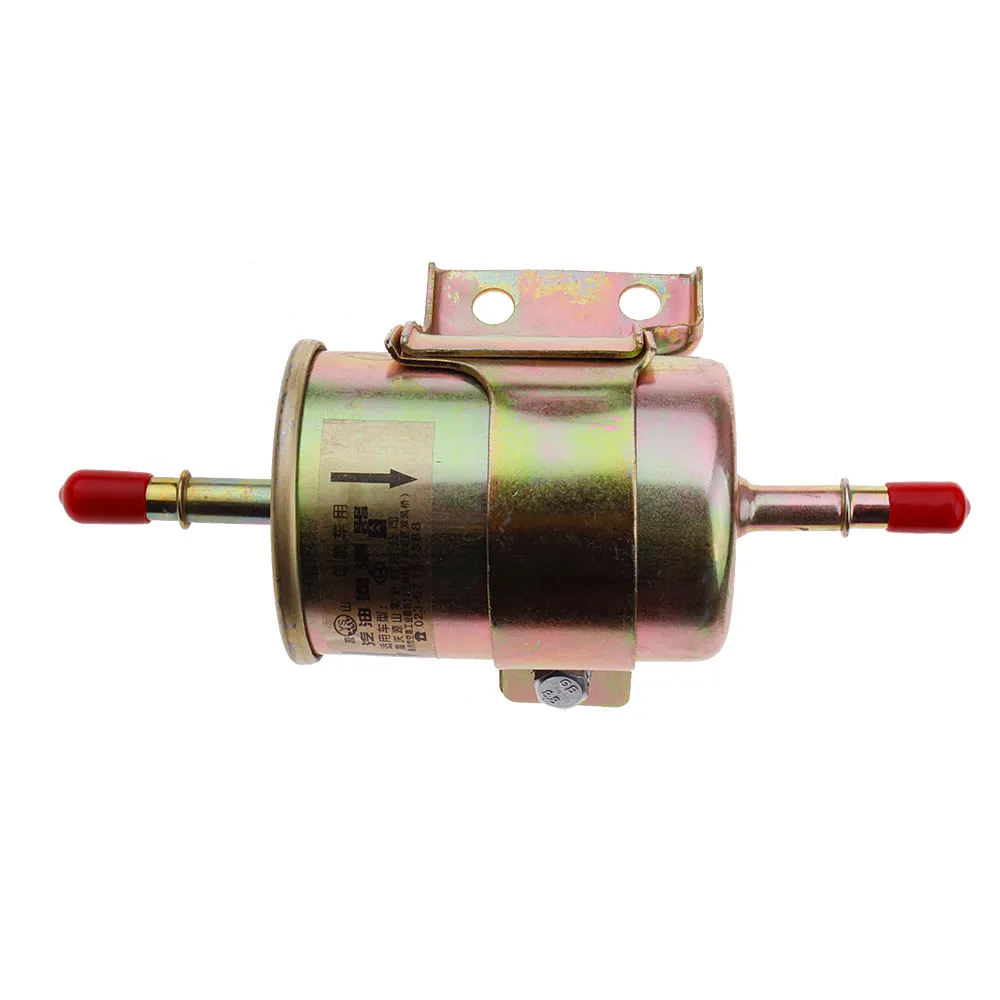
Product snapshot (Car fuel filter)
| Filtration rating | ≈10–20 μm @ ≥99% capture (ISO 4020) |
| Media | Cellulose + synthetic fiber, optional glass-fiber layer |
| Flow rate | ≈60–120 L/h (typical passenger cars) |
| Pressure drop | ≈0.15–0.25 bar @ 80 L/h (new element) |
| Burst/operating | Burst ≥6–10 bar; -40 to 120°C |
| Compatibility | Gasoline (incl. E10) / Diesel (incl. B7); check spec |
| Certifications | IATF 16949, ISO 9001 |
| Service interval | ≈20,000–40,000 km; severe duty shorter |
Vendor comparison (field notes)
| Vendor | Testing & Compliance | Lead Time | Customization | Typical Price |
|---|---|---|---|---|
| JYFilter (Hebei, China) | ISO 4020/16332; IATF 16949 plant audits | ≈15–25 days | Media blend, ports, branding | Competitive |
| Tier-1 OEM | Full OEM validation; PPAP level 3 | ≈30–60 days | High, with volume | Premium |
| Budget Importer | Basic QC; limited documentation | ≈7–20 days | Low | Low (risk of variability) |
Use cases, results, and what customers say
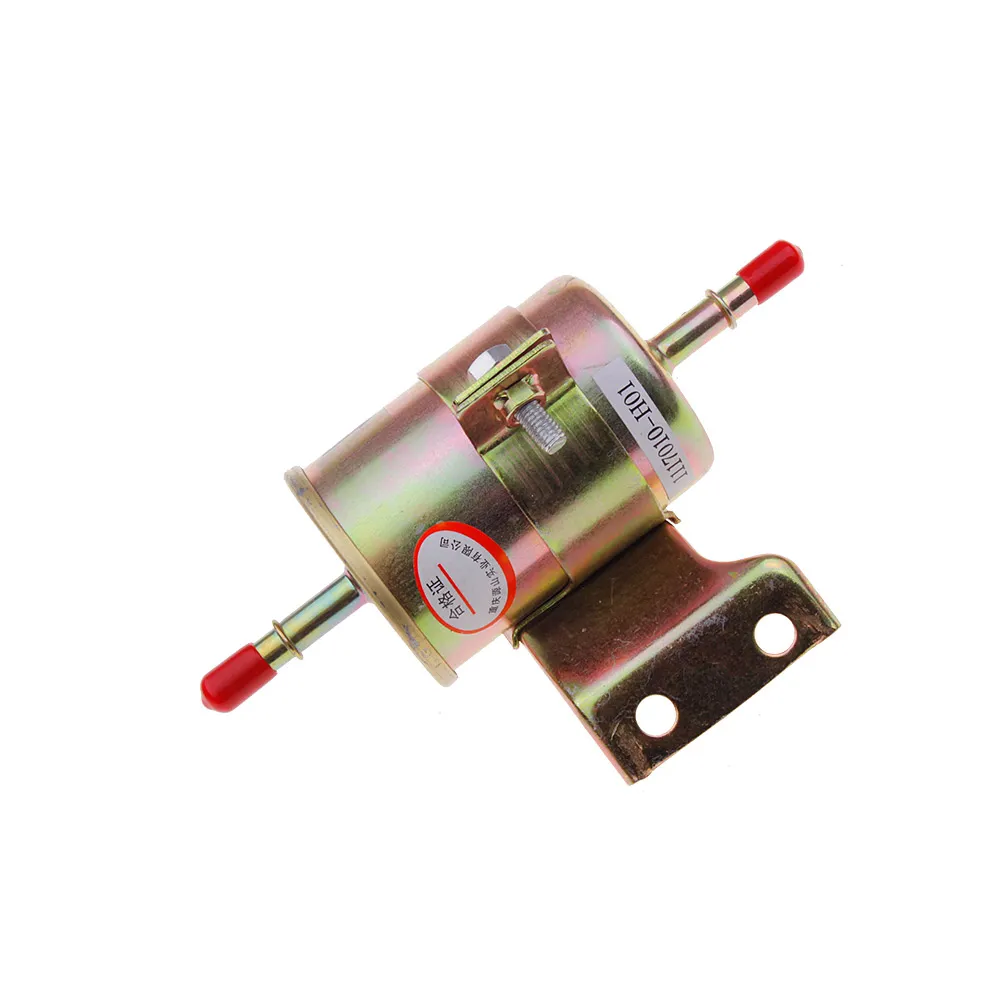
Case study—ride-hailing fleet: 120 sedans, mixed E10 gasoline. After switching, injector-related fault codes dropped 38% over 6 months, measured ΔP at 80 L/h held near 0.18 bar on average. Lab checks showed 99% efficiency at 10 μm; water content stayed below 200 ppm. Real-world use may vary, of course, but drivers reported smoother idle and slightly better fuel economy (≈1–1.5%).
Cold climate takeaway: with FKM seals and tighter media, startups were cleaner and refueling odor complaints actually went down—small thing, but drivers notice. Many customers say consistency beats flashy packaging every time.
Customization & supply
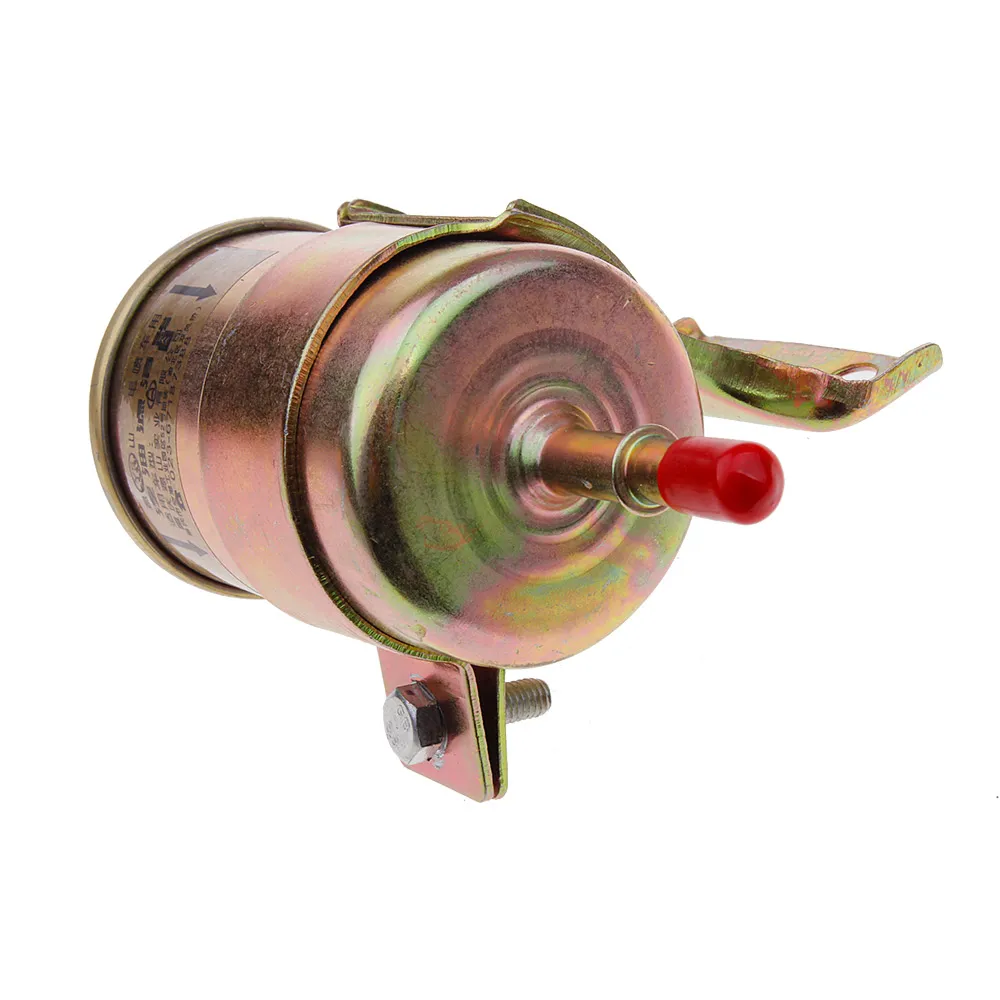
From Niujiatun Village, Gexianzhuang Town, Qinghe County, Xingtai, Hebei Province, China, JYFilter supports private-label runs, quick-connect port variants, and media upgrades for harsher fuels. Compliance boxes ticked: IATF 16949, ISO 9001, RoHS/REACH materials. To be honest, the best customization is usually the unsexy kind—matching micron rating to pump curve and local fuel quality.
Final thought
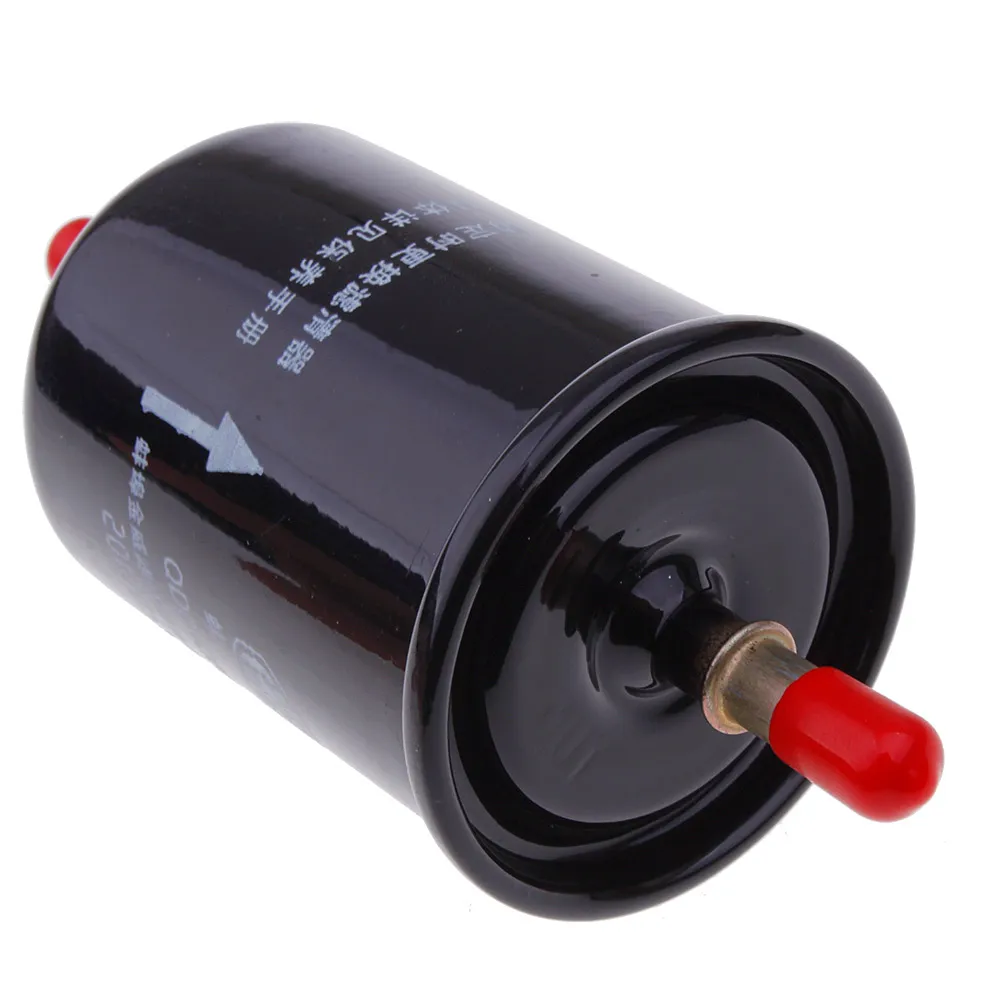
Whether you’re speccing a fleet or wrenching in your driveway, great automotive filters aren’t a luxury; they’re insurance. The car fuel filter here is engineered for clean, consistent flow and documented to the standards that matter. It’s boring—in the best possible way.
- ISO 4020: Road vehicles — Fuel filters for internal combustion engines — Test methods, iso.org
- ISO 16332: Diesel engines — Fuel filters — Method for evaluating water separation efficiency, iso.org
- IATF 16949 Automotive Quality Management System Requirements, iatfglobaloversight.org
- ASTM D4814 (Gasoline) and ASTM D975 (Diesel Fuel) specifications, astm.org
-
Guide on how often do you need to replace engine air filterNewsApr.16,2026
-
Learn how often do you replace air filter in car for engine healthNewsApr.09,2026
-
How Often Do You Replace Car Air Filter For Optimal Engine PerformanceNewsApr.07,2026
-
How Often Do You Replace Engine Air Filter For Optimal Vehicle PerformanceNewsApr.04,2026
-
Understanding How Often Does Engine Air Filter Need to Be Replaced for Optimal PerformanceNewsMar.31,2026
-
How Often Engine Air Filter Change Impacts Performance and LongevityNewsMar.28,2026
-
Understanding How Often to Replace Your Car Air Filter for Optimal PerformanceNewsMar.26,2026
Related Products