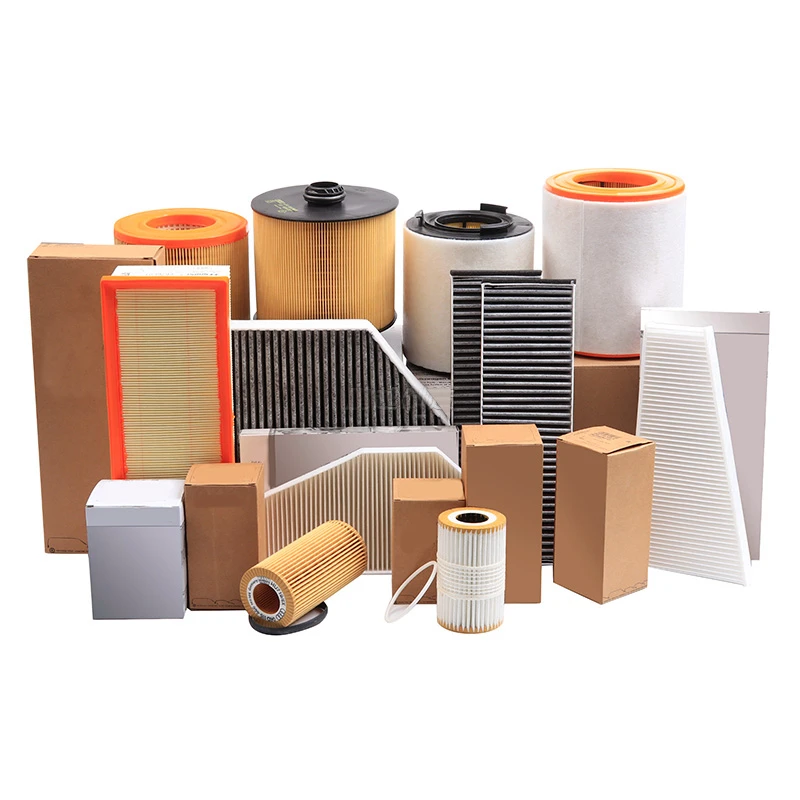
Car Cabin Filters: A Practical Buyer’s Field Note (with lab cues and real-world tips)
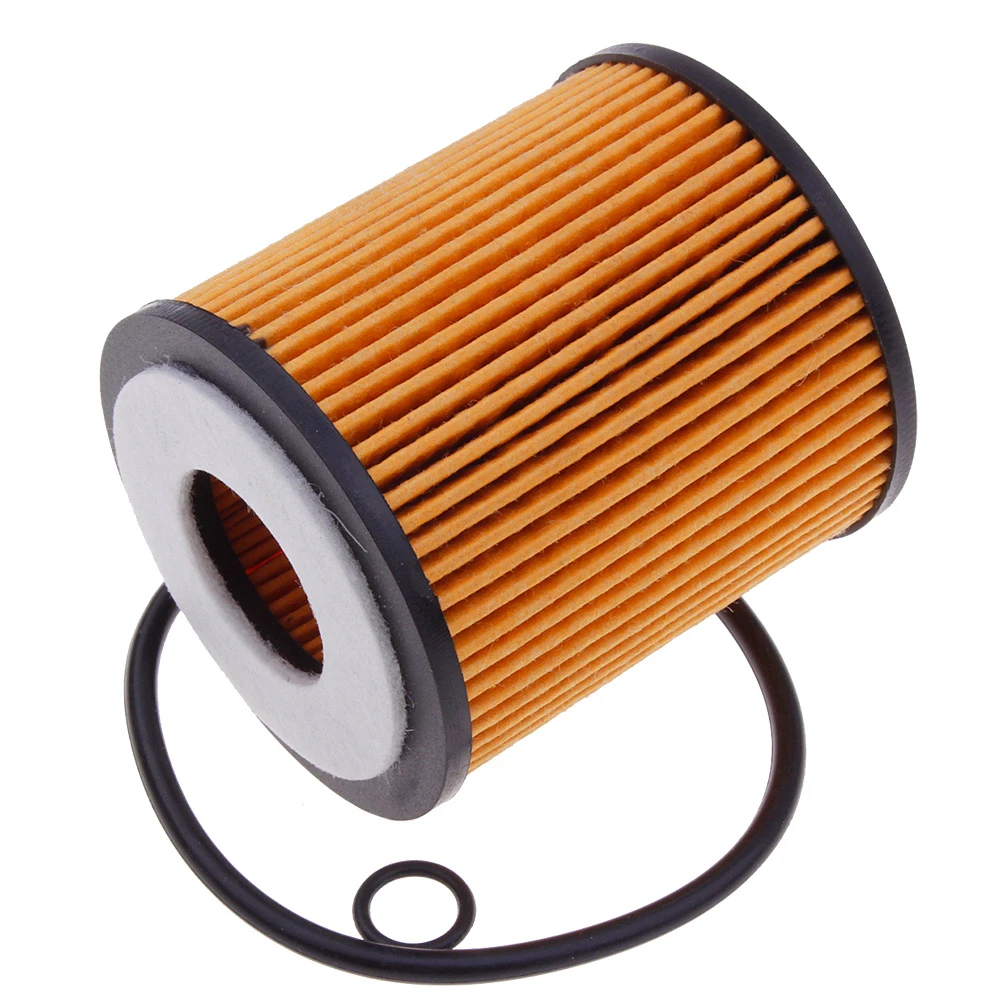
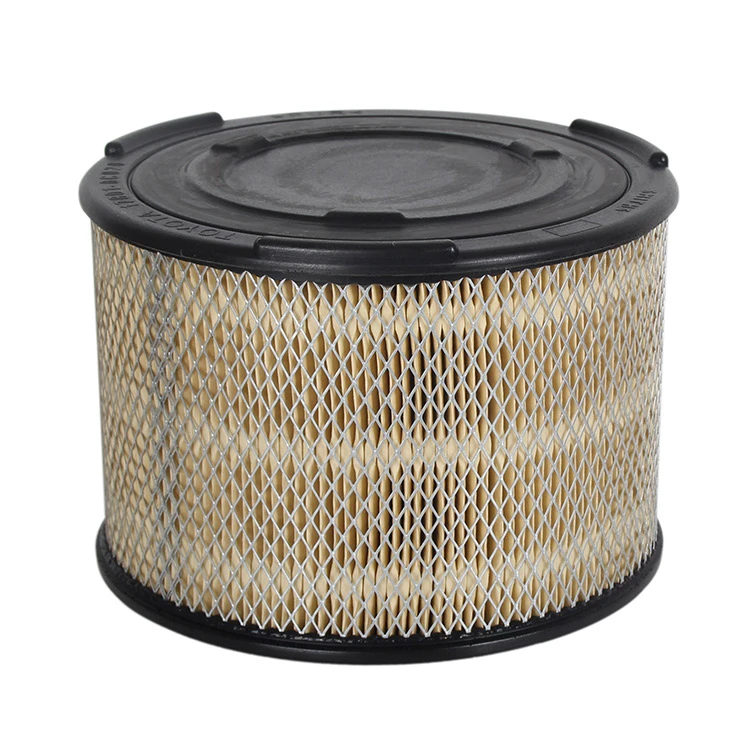
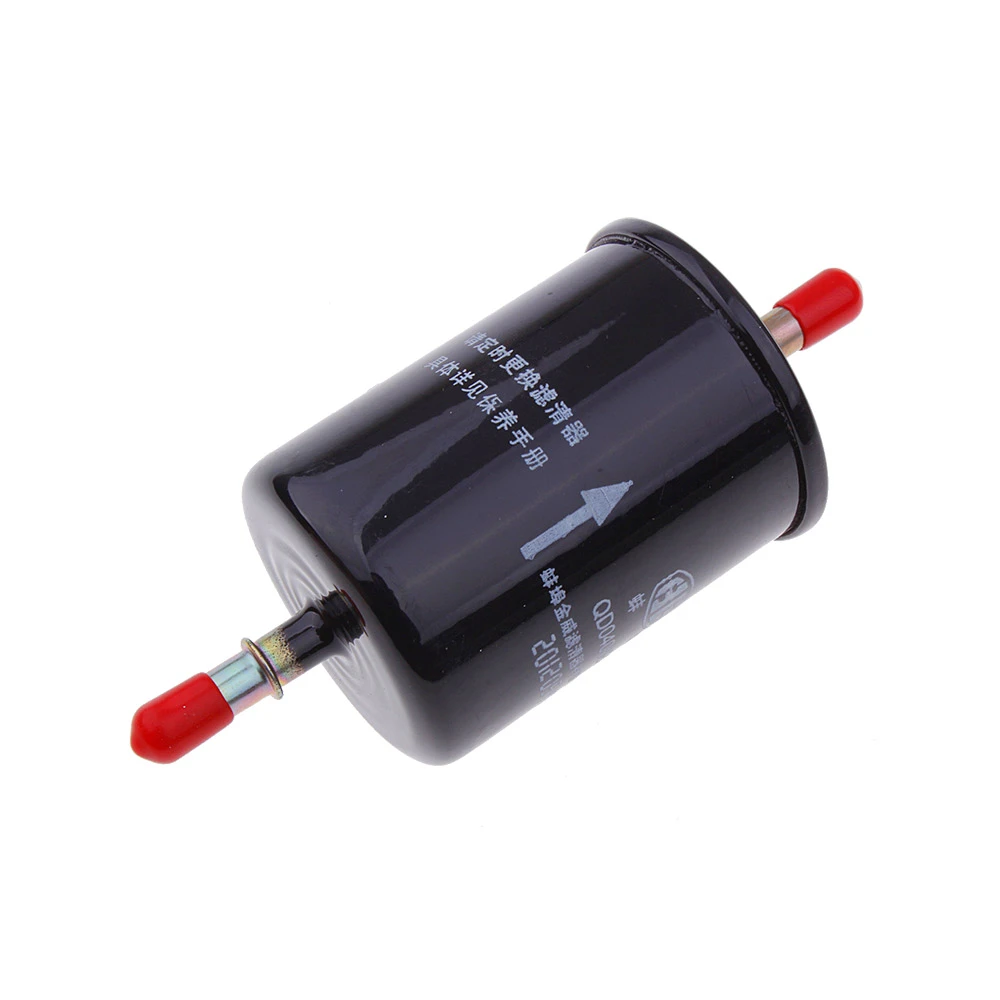
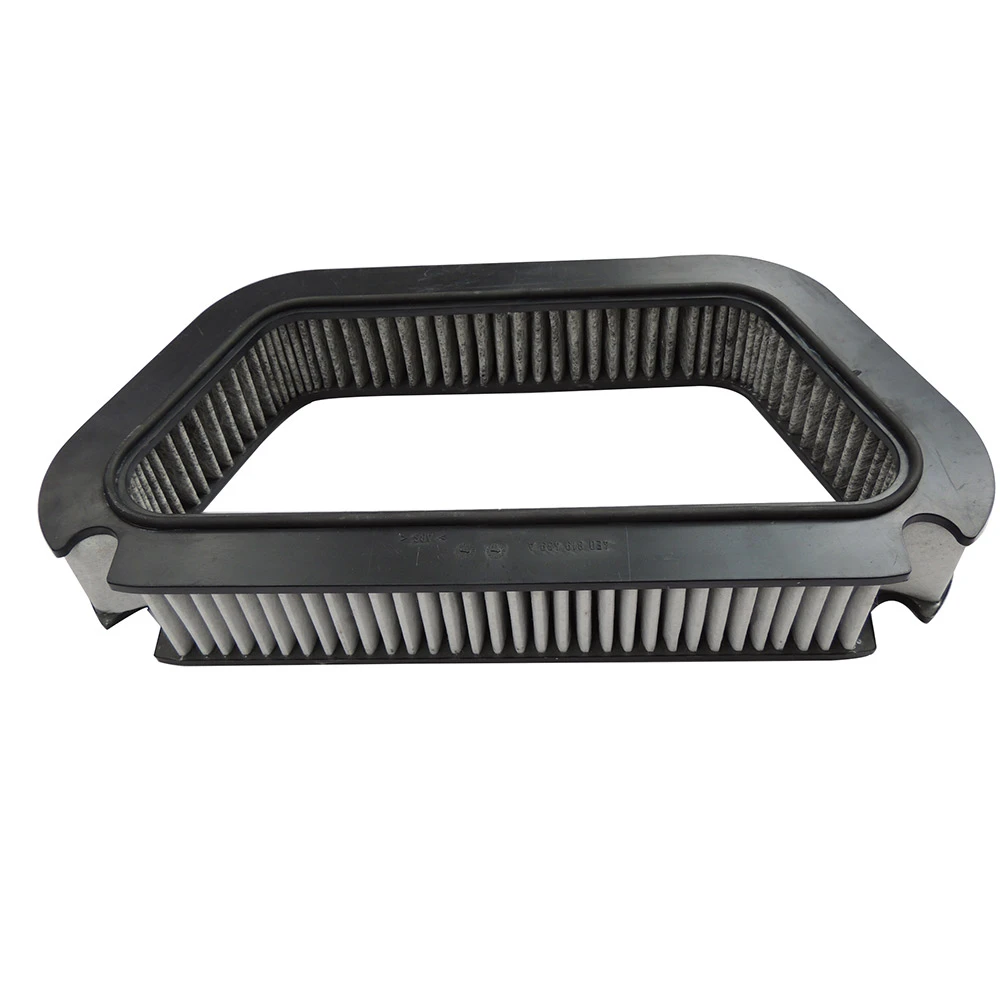
If you’ve ever sneezed your way through spring traffic, you already know why car air filters matter. I’ve toured plants from Bavaria to Hebei, and—honestly—the quiet revolution is happening in cabin filtration: smarter media stacks, better VOC control, and more consistent QA. The Car Cabin Filter from Niujiatun Village, Gexianzhuang Town, Qinghe County, Xingtai, Hebei, China aims squarely at that sweet spot: dependable PM2.5 capture without a gasping pressure drop.
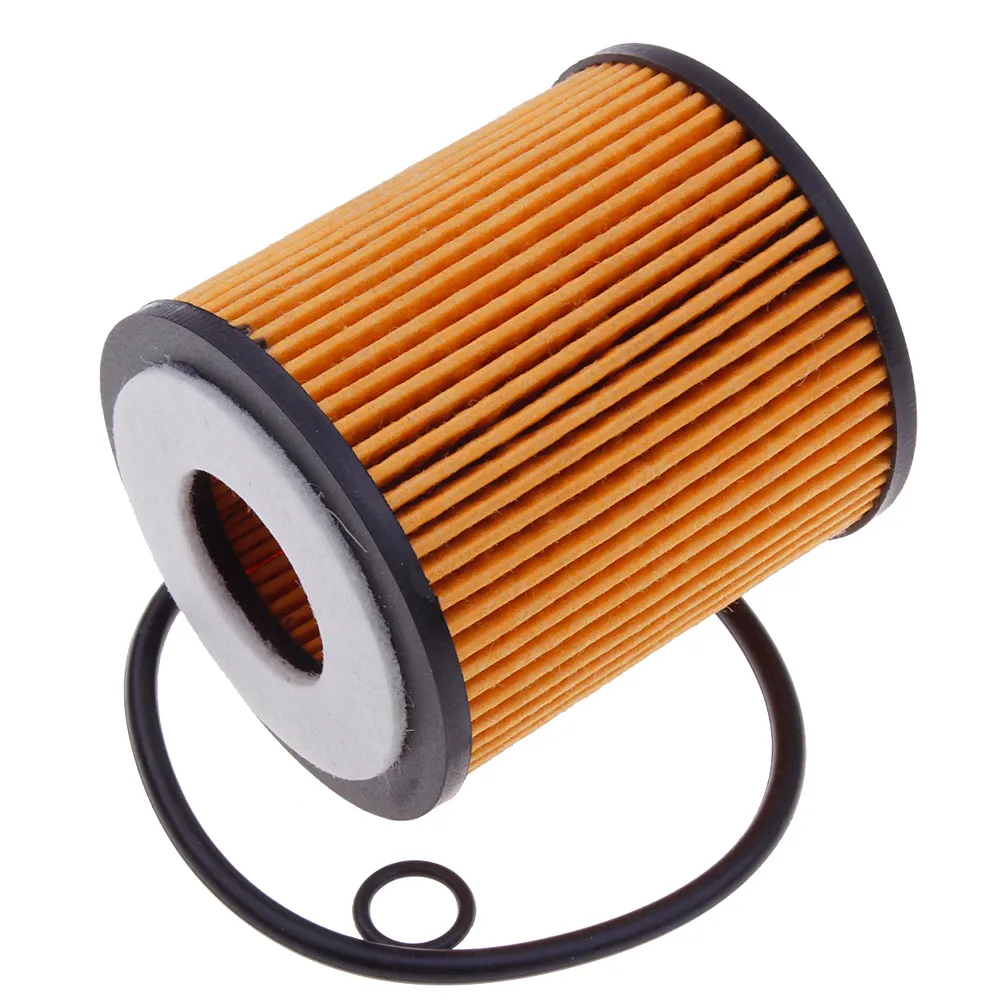
Industry snapshot
Electrification didn’t kill filtration—if anything, EV owners are fussier about cabin air. City fleets are specifying activated carbon by default, and anti-bacterial coatings are now a routine ask. In fact, several OE programs quietly align with ISO 11155-1 and DIN 71460 performance targets, even when marketing calls it something friendlier.
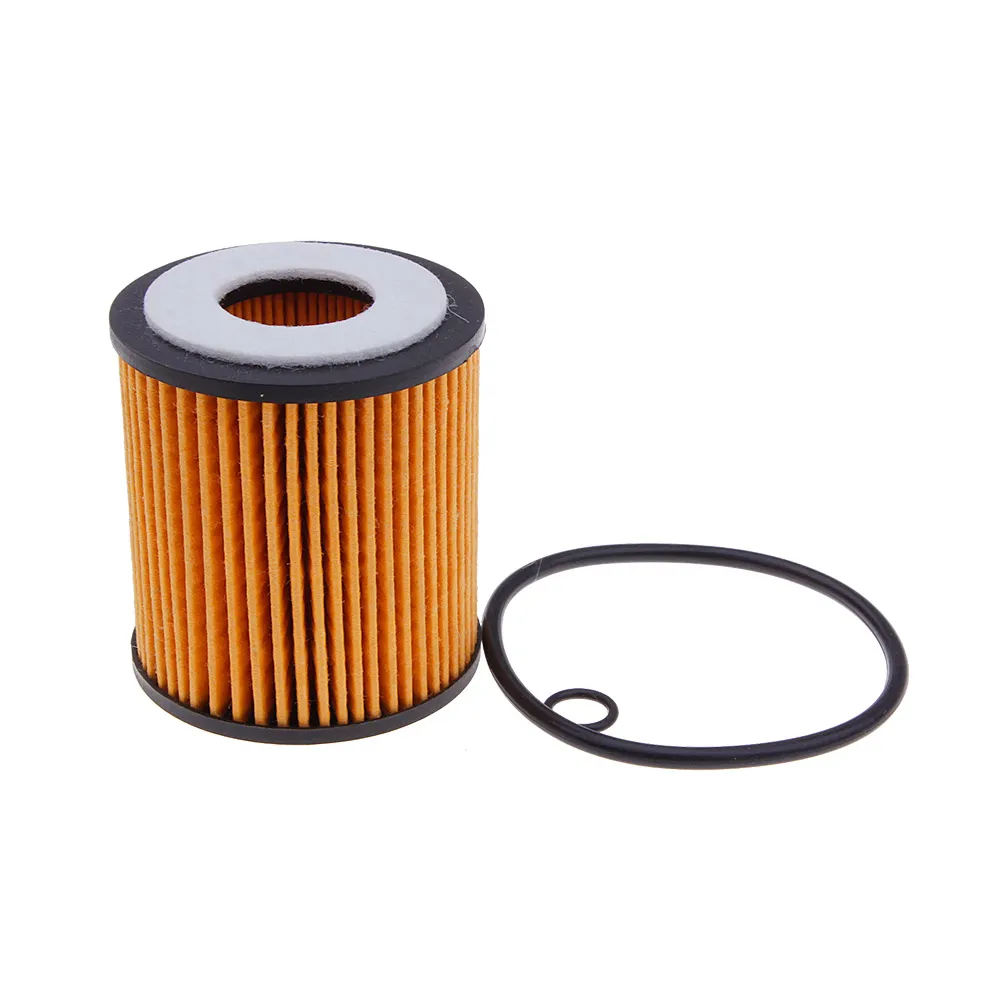
How this filter is built (materials and method)
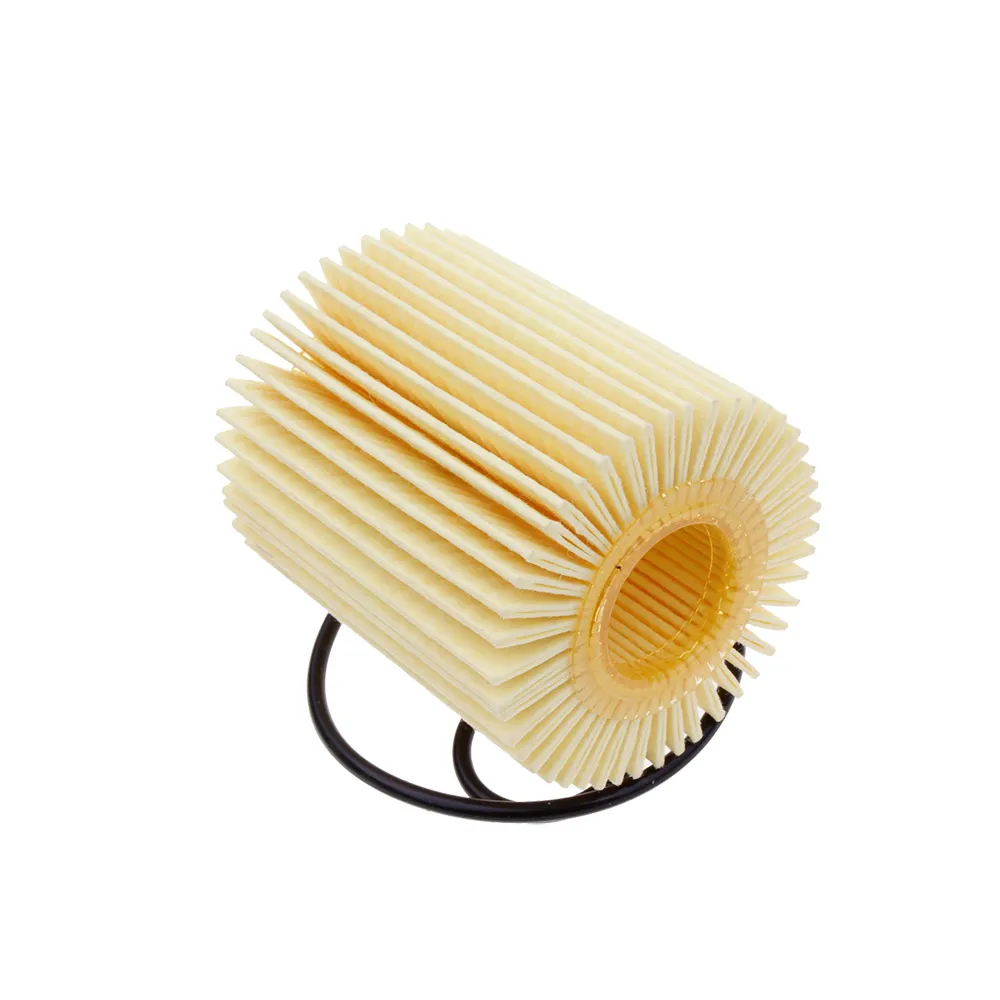
- Media stack: electrostatic meltblown PP + support layer; optional activated carbon bed for VOC/odor adsorption.
- Pleat geometry: optimized pleat pitch to balance area and pressure drop.
- Frame/gasket: PU foamed-in-place for tight seal; avoids bypass dust.
- Process flow: media slitting → pleating → adhesive/PU potting → curing → dimension check → ISO/DIN bench tests → packaging.
Testing typically references ISO 11155-1 (particles) and DIN 71460-2 (gases/odors). Real-world use may vary—urban stop‑and‑go loads filters faster than you’d expect.
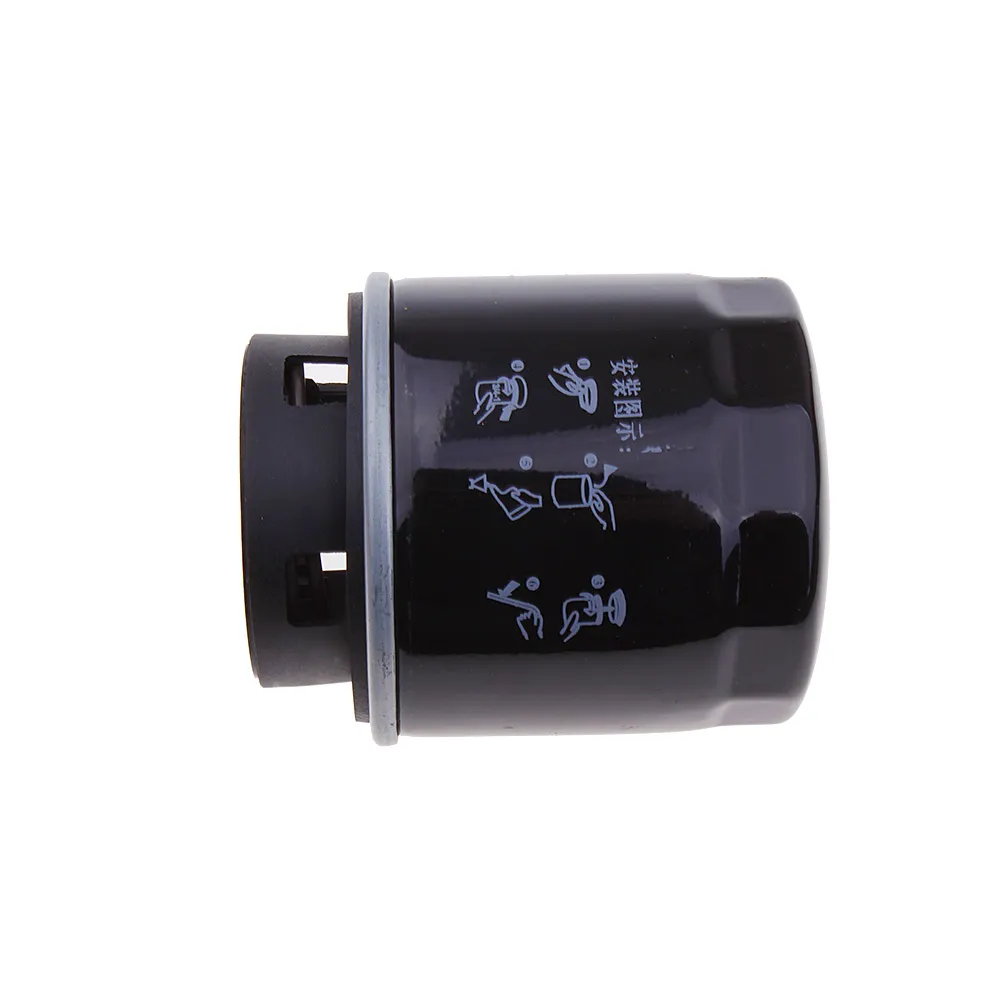
Product specifications (typical, lab-verified)
| Item | Spec (≈ values; real-world may vary) |
|---|---|
| Model | Car Cabin Filter (custom sizes available) |
| Media | Electrostatic PP meltblown + support; optional activated carbon (≈120–180 g/m²) |
| PM2.5 efficiency | ≥95% @ 0.3–2.5 µm (ISO 11155-1 / DIN 71460-1 bench) |
| Initial ΔP | ≈35–55 Pa @ 120 m³/h |
| VOC/odor control | Activated carbon; toluene adsorption up to ≈85 mg (DIN 71460-2) |
| Service life | 12 months/10–15k km; heavy-smog routes: 5–8k km |
| Operating temp | -30 to 80°C |
| Origin | Niujiatun Village, Gexianzhuang Town, Qinghe County, Xingtai, Hebei, China |
Applications and feedback
Use cases: allergy season, rideshare fleets, delivery vans, EVs with high recirculation duty, school runs. Many customers say eye irritation and pet odors drop noticeably within a week. To be honest, the biggest surprise is how much quieter HVAC can feel when ΔP stays low.
Test data and standards
Typical lab set: DEHS aerosol per ISO 11155-1 at 100–140 m³/h shows 96–98% particle efficiency; initial ΔP ≈42 Pa. DIN 71460-2 gas bench confirms meaningful VOC knockdown with fresh carbon. Certifications commonly requested: ISO 9001, IATF 16949 (ask suppliers for current certificates, I guess).
Vendor landscape (quick comparison)
| Vendor | Media options | Certs | MOQ | Lead time | Notes |
|---|---|---|---|---|---|
| JYFilter (Hebei, CN) | Electrostatic + carbon; anti-bacterial option | ISO 9001 / IATF 16949 (on request) | ≈300–500 pcs | ≈7–15 days | Custom sizes, private label |
| Freudenberg micronAir (DE) | HEPA-grade variants | IATF 16949 | Program-based | 2–4 weeks | Broad OE coverage |
| MANN+HUMMEL (DE) | FreciousPlus anti-allergen | IATF 16949 | Dealer | 2–3 weeks | Premium pricing tier |
| Bosch (Global) | Carbon + anti-bacterial | IATF 16949 | Carton | 1–2 weeks | Widespread availability |
Customization and quick case notes
Customization: cut-size formats, pleat count, carbon loading (g/m²), antimicrobial coatings, logo print, retail box. One taxi fleet trial (Guangzhou) reported in-cabin PM2.5 at ≈12–18 µg/m³ vs. 80–120 µg/m³ outdoor over eight weeks—surprisingly consistent even on rainy days. A West Coast EV owner group logged odor complaints down by “about 70%” after switching to carbon spec. That tracks with what I see.
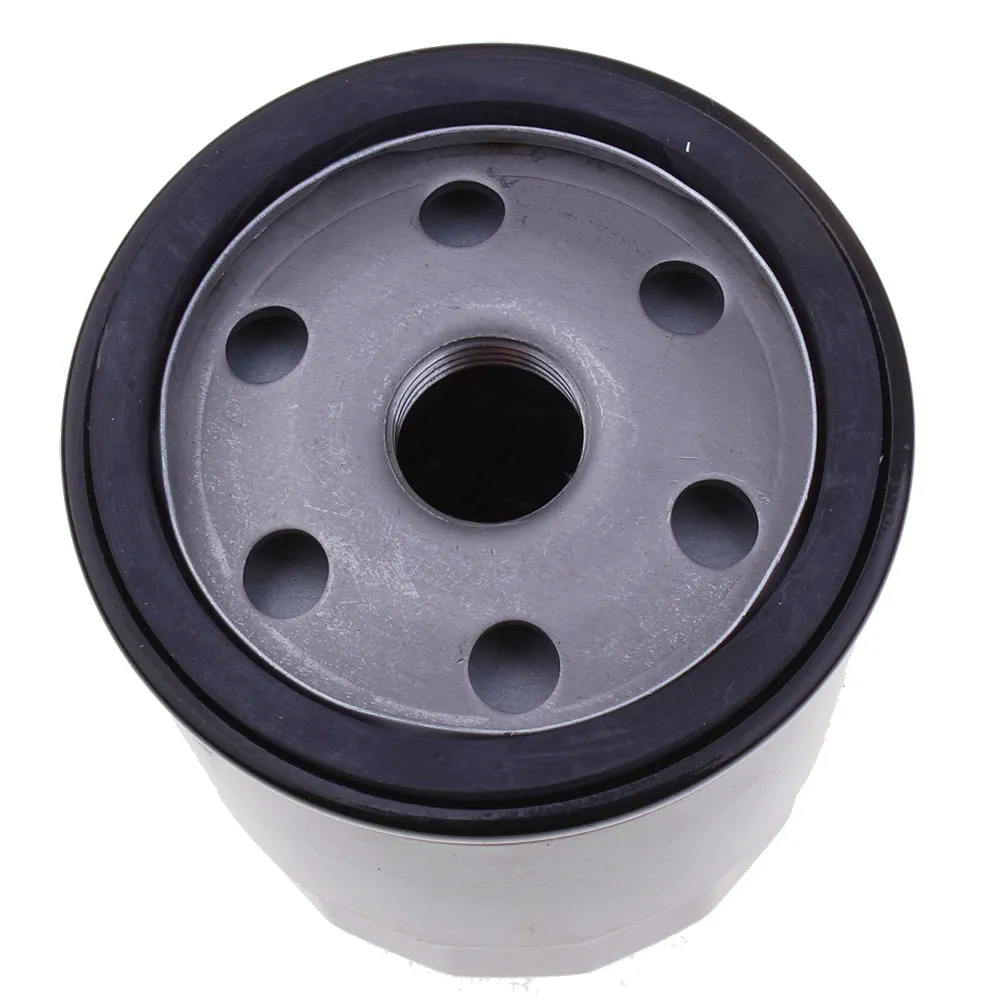
Final tip: replace more often than the manual in dusty cities. Your HVAC blower—and your sinuses—will thank you. For fleets, a ΔP trigger (or seasonal schedule) beats waiting for odors. And yes, premium car air filters do pay back in comfort and uptime.
Authoritative citations
-
Guide on how often do you need to replace engine air filterNewsApr.16,2026
-
Learn how often do you replace air filter in car for engine healthNewsApr.09,2026
-
How Often Do You Replace Car Air Filter For Optimal Engine PerformanceNewsApr.07,2026
-
How Often Do You Replace Engine Air Filter For Optimal Vehicle PerformanceNewsApr.04,2026
-
Understanding How Often Does Engine Air Filter Need to Be Replaced for Optimal PerformanceNewsMar.31,2026
-
How Often Engine Air Filter Change Impacts Performance and LongevityNewsMar.28,2026
-
Understanding How Often to Replace Your Car Air Filter for Optimal PerformanceNewsMar.26,2026
Related Products