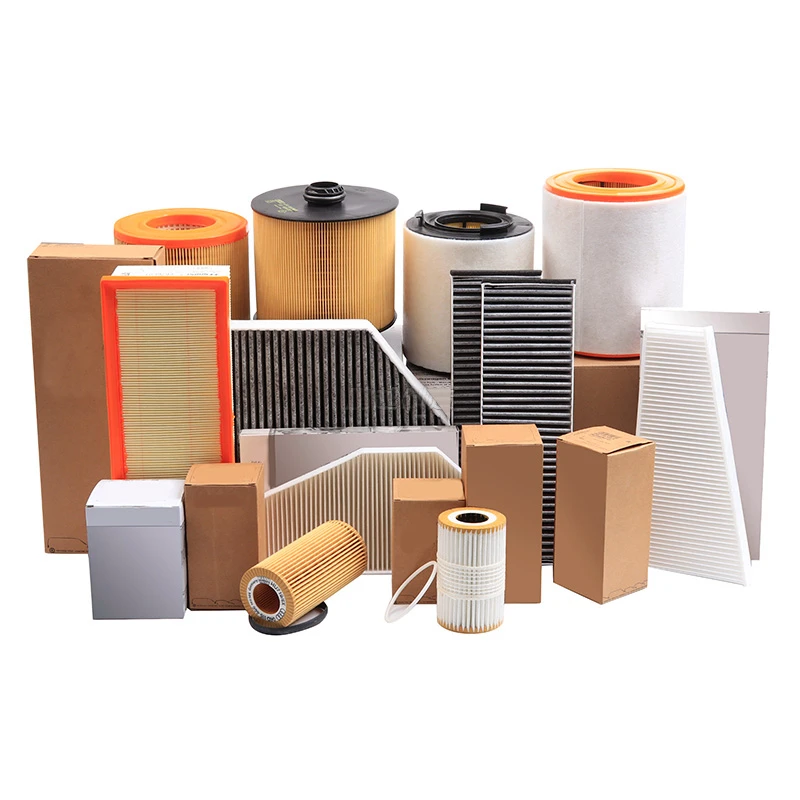
Keeping Engines Breathing Clean: Field Notes from the Filter Aisle
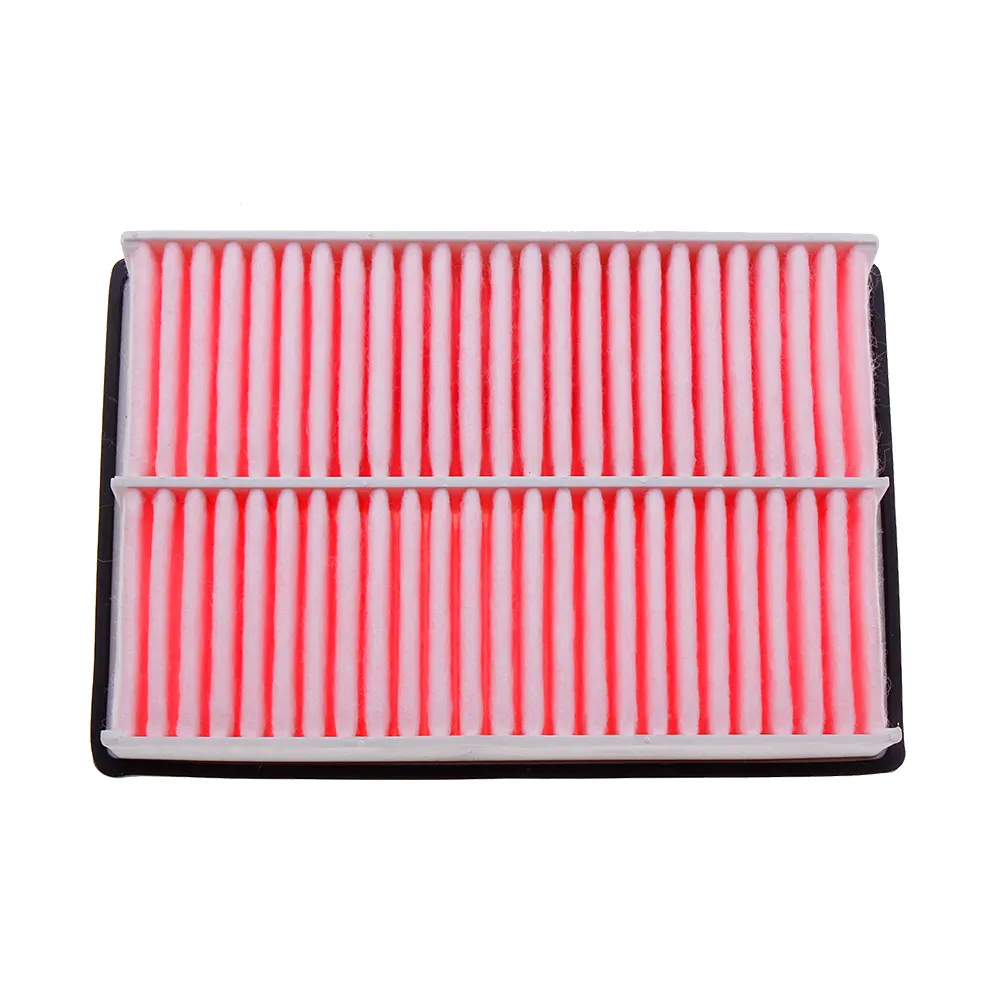
If you wrench on cars (or just like them to start on cold mornings), you already know the quiet importance of a car air filter. To be honest, most drivers ignore it until performance dips or fuel bills nudge up. I’ve spent time in shops and factories across Hebei and beyond; the better filters aren’t flashy, but they save engines from a gritty fate and keep power consistent in real-world traffic.
What’s changing in the market
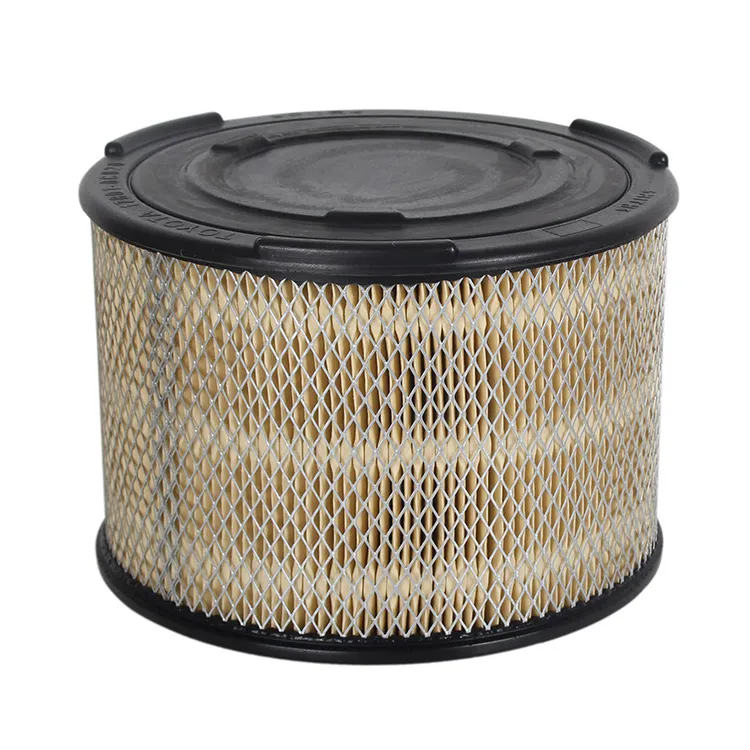
Three trends stand out: tighter emission targets, more turbocharged engines (sensitive to restriction), and extended service intervals. It seems that fleet managers now expect 20–30% longer life from a car air filter without sacrificing ISO 5011 performance. Surprisingly, off-road users and ride-share fleets are pushing similar demands—different worlds, same dust.
Quick spec sheet (real-world values may vary)
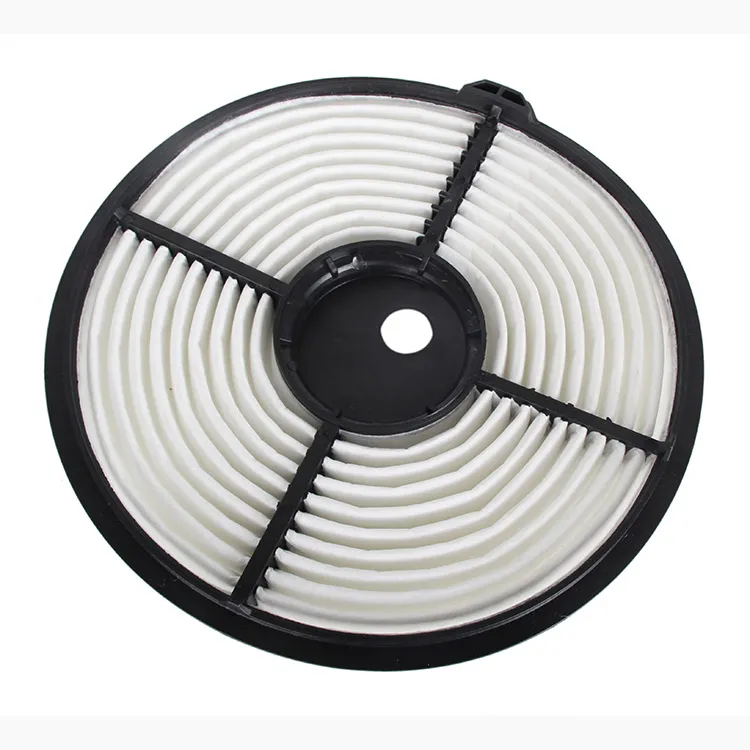
| Parameter | Typical Value | Notes |
|---|---|---|
| Filtration efficiency | ≈99–99.5% @ 5 μm | ISO 5011 test protocol |
| Initial restriction | ≤0.8 kPa | Clean element, 200 m³/h |
| Service life | 15,000–25,000 km | Dust load dependent |
| Media | Multilayer cellulose + synthetic | Optional nanofiber layer |
Materials, build, and testing
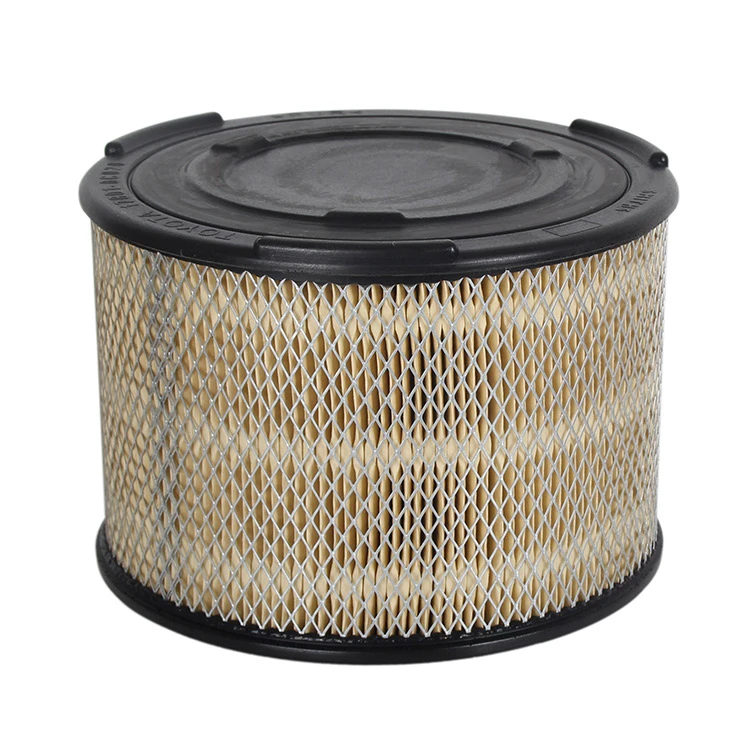
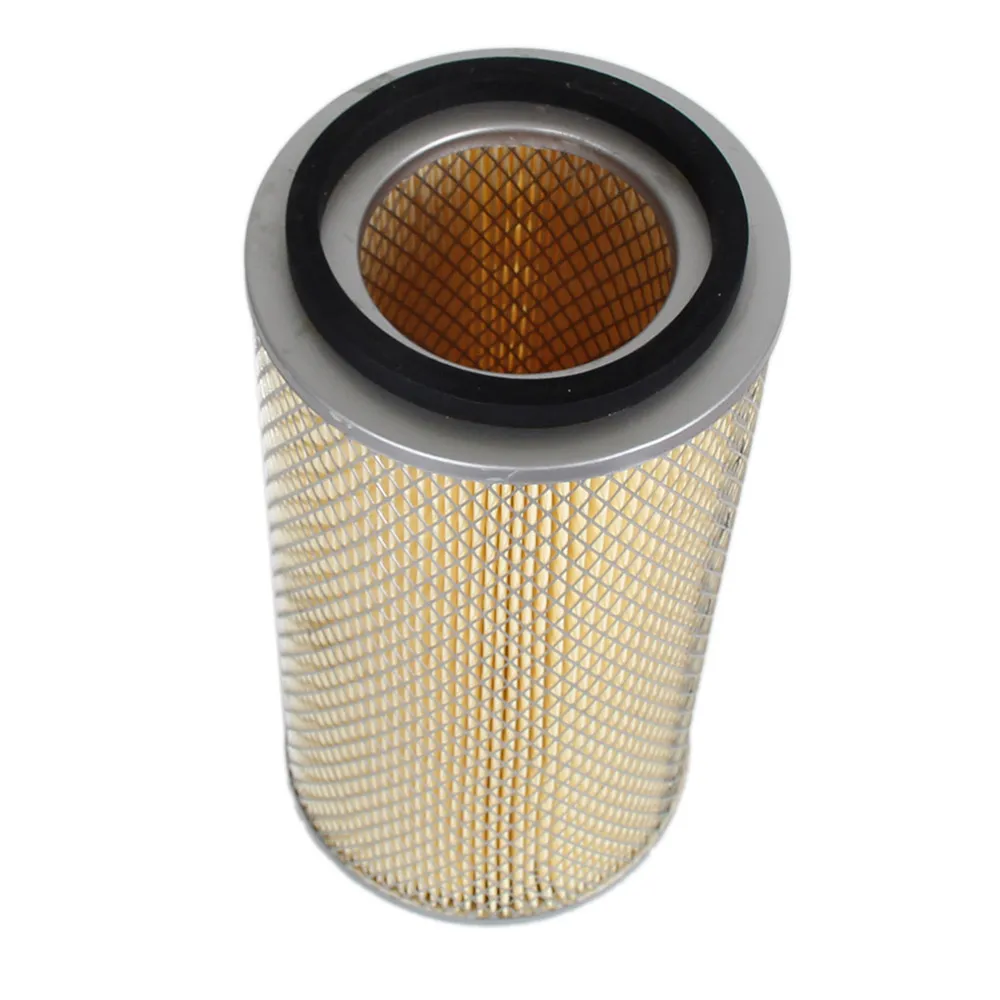
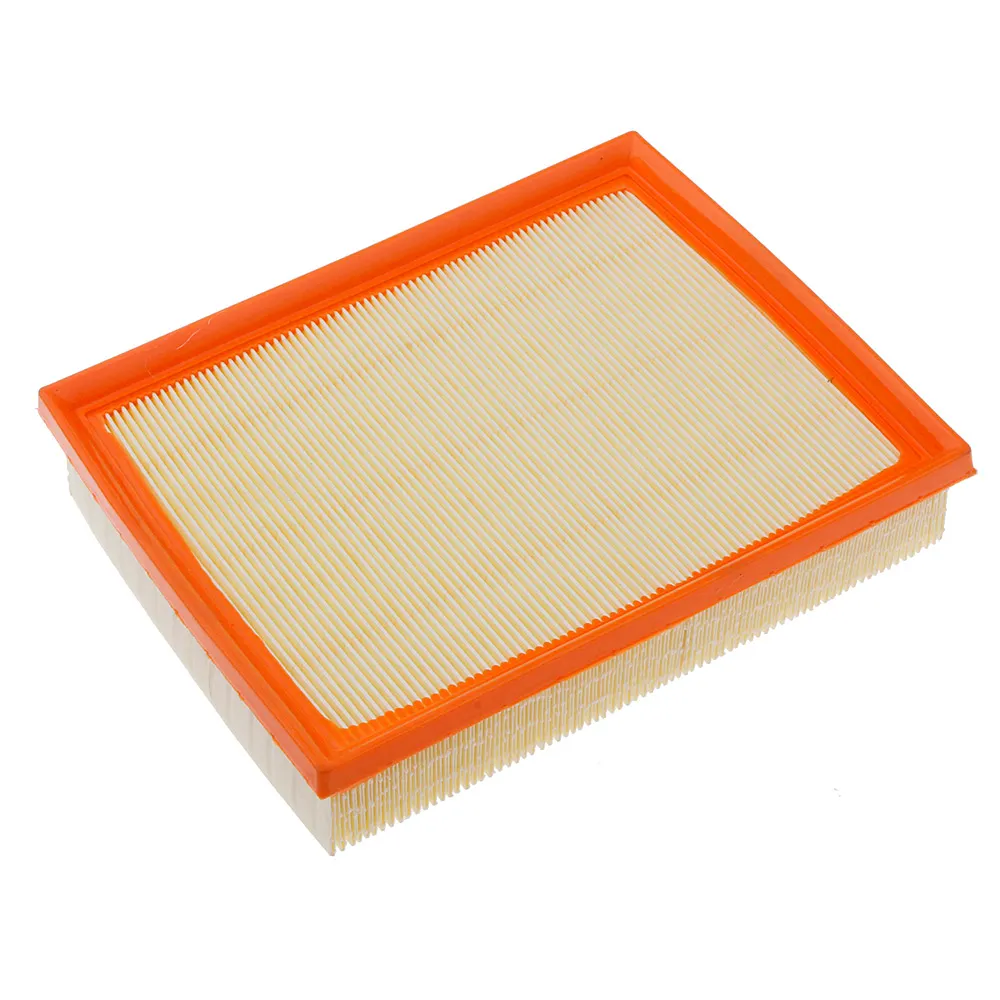
Origin matters: these elements are produced in Niujiatun Village, Gexianzhuang Town, Qinghe County, Xingtai, Hebei, China—an area that, frankly, knows filtration. The recipe: resin-impregnated cellulose blended with synthetic fibers, pleated with uniform spacing, hot-melt bead separators, polyurethane end caps, and EPDM gaskets. Methods include pleat-depth optimization (CFD-backed), heat-aging checks, and salt-mist frame tests. Validation follows ISO 5011/SAE J726 with gravimetric dust, plus vibration per ISO 1940 guidelines.
Where it shines
- Daily commuting in dusty suburbs (better idle smoothness)- Turbo petrol and diesel engines (lower restriction = happier turbos)
- Ride-share fleets aiming for consistent mpg
- Light off-road and construction support vehicles
Many customers say they notice crisper throttle and a small fuel bump after swapping the car air filter. I guess that tracks: the ECU breathes easier, trims adjust.
Vendor snapshot (my field notes)
| Vendor | Media | Efficiency | Certs | Lead time | Notes |
|---|---|---|---|---|---|
| This product | Cellulose+synthetic | ≈99–99.5% | IATF 16949, ISO 9001 | 10–20 days | Good value, broad fitments |
| Brand A | Synthetic | ≈99% | ISO 9001 | 3–4 weeks | Premium price |
| Brand B | Cellulose | ≈98.5% | — | 2 weeks | Budget option |
Customization and fitment
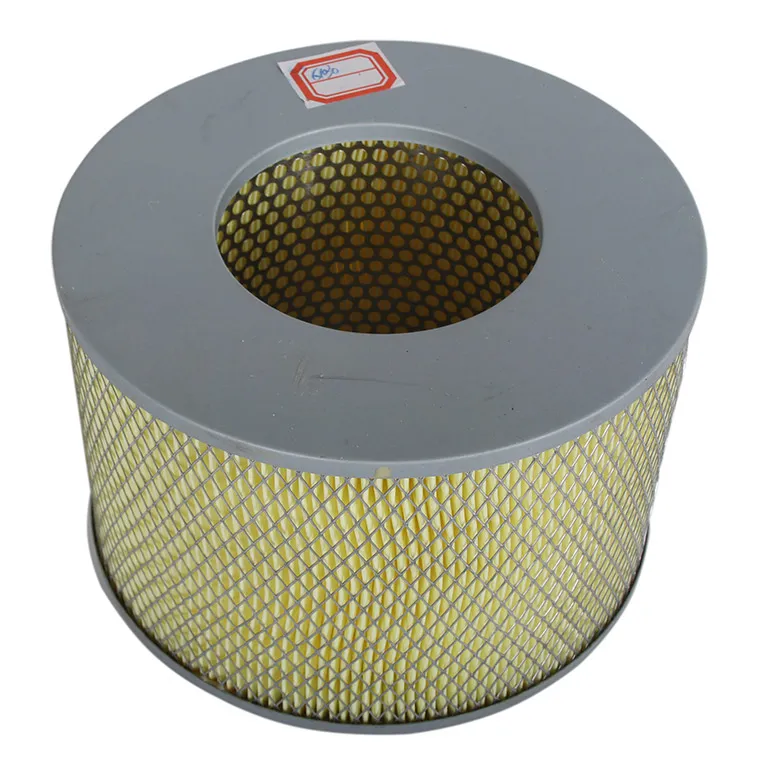
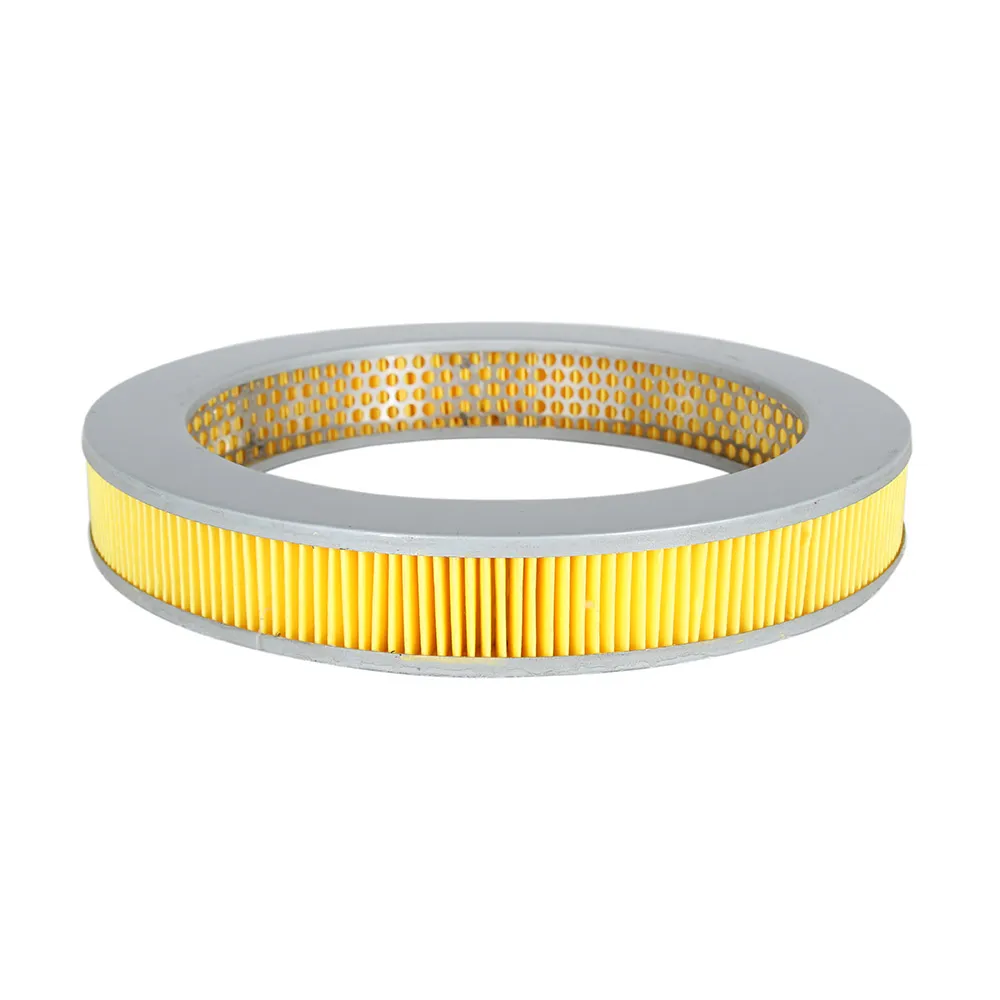
Dimensions, media blend, gasket hardness (Shore A 55–70), branding, and carton specs can be tailored. For fleets, we’ve seen success with a heavier nanofiber layer for desert routes, trading a touch of initial restriction for longer dust-holding. If you tow or drive unpaved roads weekly, a custom car air filter is worth it.
Case snapshots
- Ride-share sedan fleet (coastal city): 2.1% fuel improvement over 30,000 km vs. mixed-brand baseline; fewer MAF fouling incidents.
- Light pickup in quarry support: ISO 5011 dust loading showed ≤1.4 kPa restriction rise after 20 g dust, maintaining stable idle.
Quality, certifications, and test data
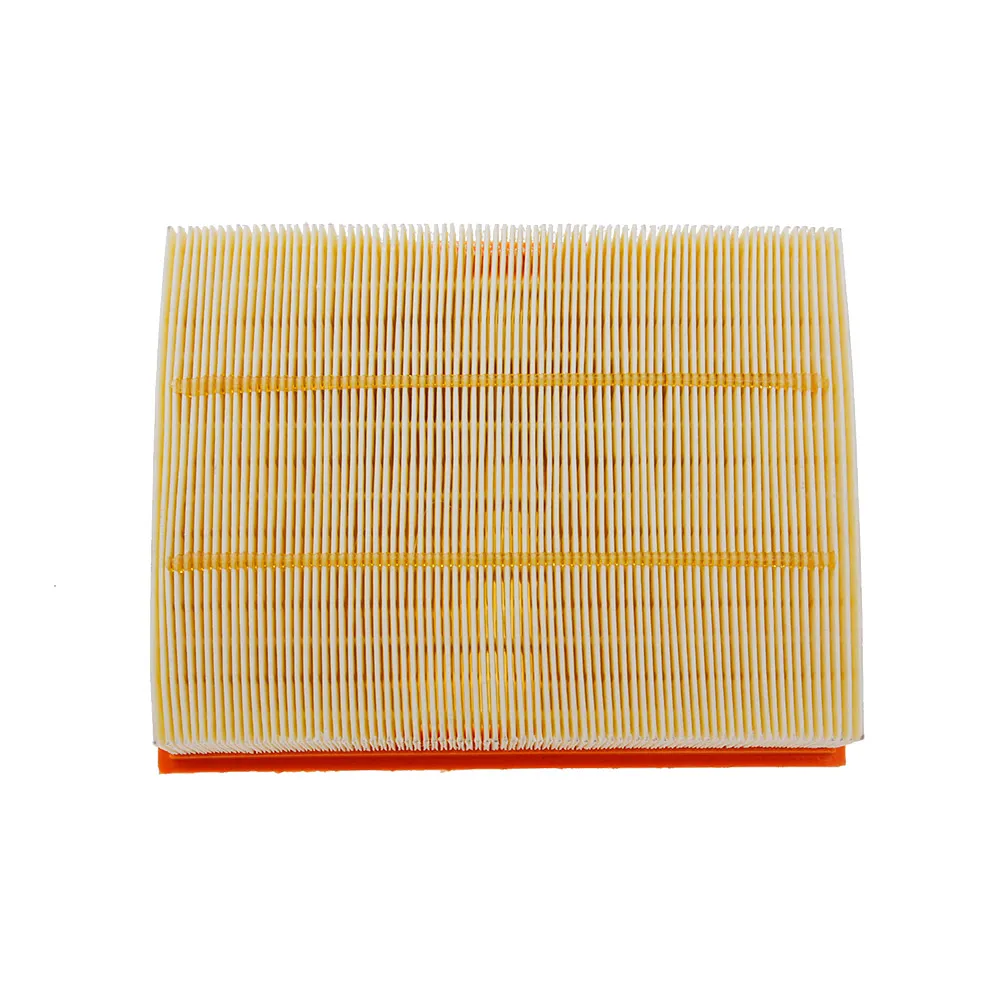
Factory is audited to IATF 16949:2016 and ISO 9001:2015. Media is RoHS-compliant; no halogenated adhesives. Representative ISO 5011 bench data: initial efficiency 99.3% @ 5 μm; final efficiency 99.6%; dust-holding ≥240 g/m² media; burst >1.8× rated flow. Honestly, numbers are great—but the quiet cabin and steady throttle tell the story.
Installation and service
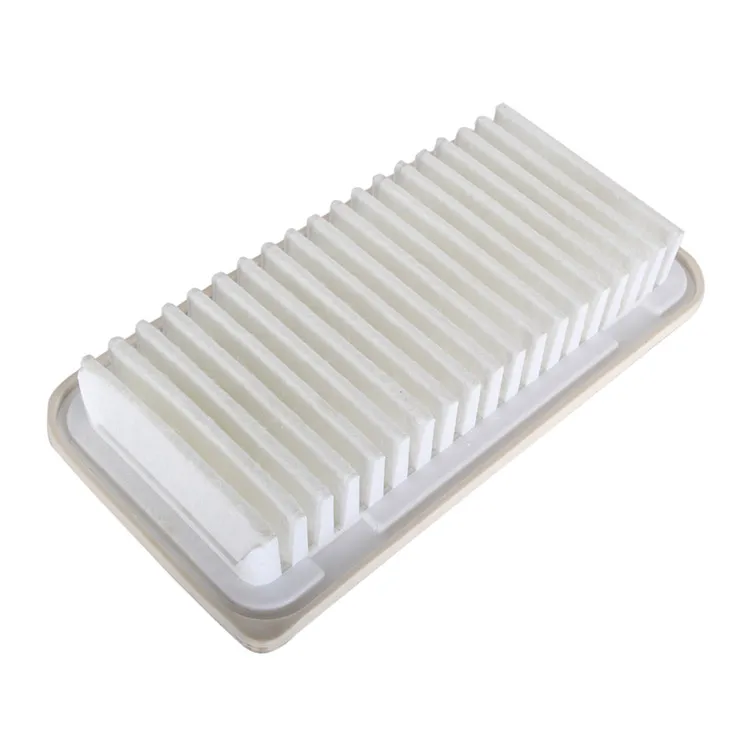
Swap the car air filter on a cool engine, check for leaf debris, seat the gasket evenly, and reset any airflow monitors if your model requires it. Rule of thumb: inspect every oil change; replace earlier in dusty seasons.
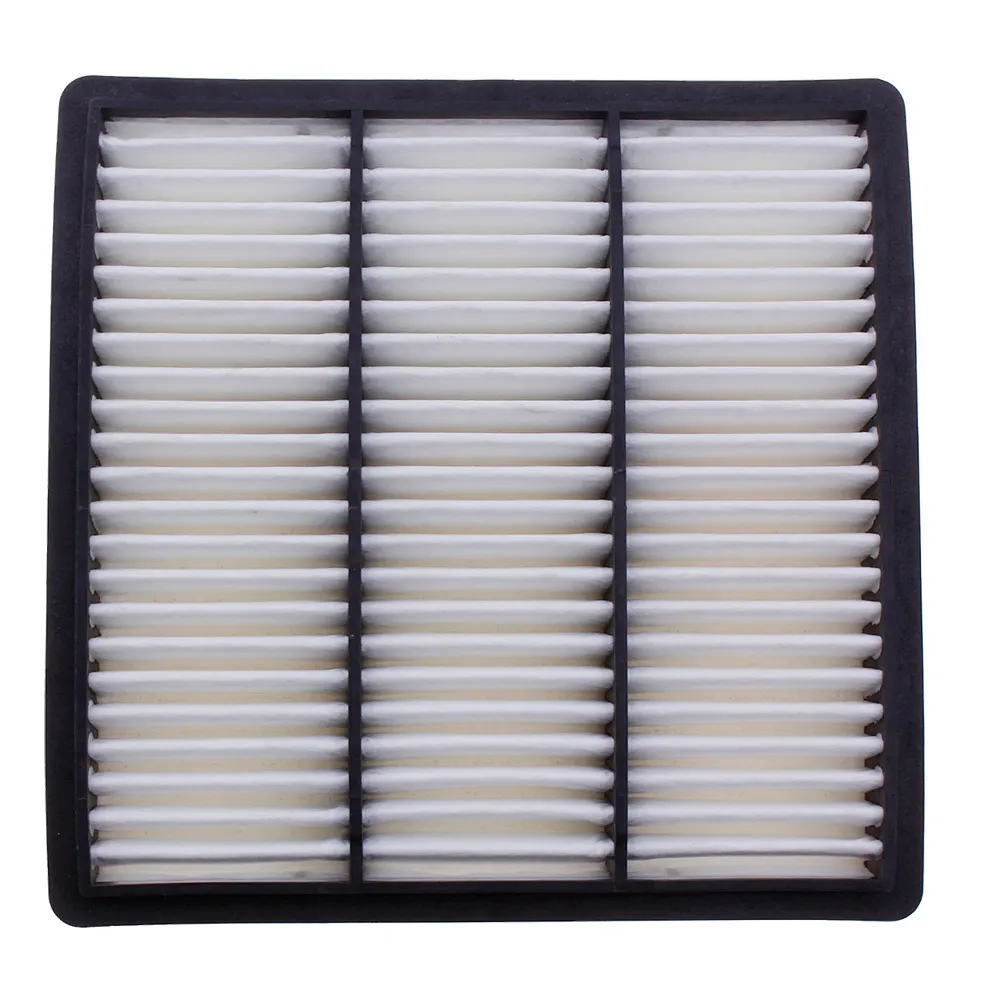
Final thought: in a world obsessed with software tweaks, a solid car air filter is still the cheapest horsepower you can’t see—just feel.
References
- ISO 5011:2014 – Inlet air cleaning equipment for internal combustion engines.
- SAE J726 – Air Cleaner Test Code for Automotive and Industrial.
- IATF 16949:2016 – Automotive Quality Management System Requirements.
- ISO 9001:2015 – Quality management systems.
-
Guide on how often do you need to replace engine air filterNewsApr.16,2026
-
Learn how often do you replace air filter in car for engine healthNewsApr.09,2026
-
How Often Do You Replace Car Air Filter For Optimal Engine PerformanceNewsApr.07,2026
-
How Often Do You Replace Engine Air Filter For Optimal Vehicle PerformanceNewsApr.04,2026
-
Understanding How Often Does Engine Air Filter Need to Be Replaced for Optimal PerformanceNewsMar.31,2026
-
How Often Engine Air Filter Change Impacts Performance and LongevityNewsMar.28,2026
-
Understanding How Often to Replace Your Car Air Filter for Optimal PerformanceNewsMar.26,2026
Related Products