How Often Should Cabin Air Filter Be Changed In Car
Your car’s cabin air filter plays a crucial role in maintaining the air quality you breathe while driving. It traps dust, pollen, mold spores, and other airborne particles, contributing to a healthier and more comfortable driving experience. But like any filter, it needs regular replacement. Knowing how often should cabin air filter be changed in car is essential for your health and your vehicle's HVAC system. Ignoring this maintenance item can lead to reduced airflow, unpleasant odors, and even compromised health. We’ll explore the factors influencing replacement frequency, signs indicating it’s time for a new filter, and ultimately, help you determine the ideal schedule for your vehicle.

The General Rule: Replacement Intervals
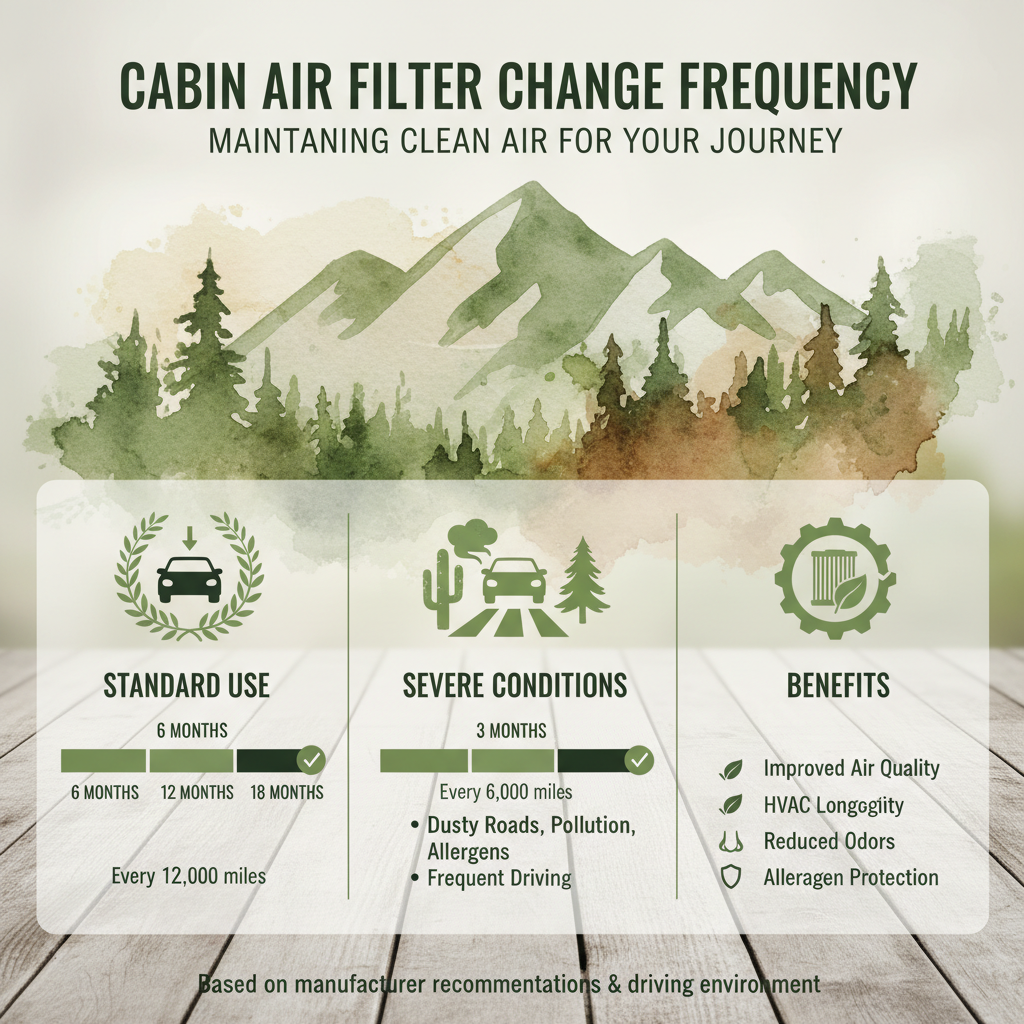
As a general guideline, most automotive experts recommend replacing your cabin air filter every 12,000 to 15,000 miles, or approximately once a year. However, this is just a starting point. The actual frequency depends heavily on your driving conditions and environment. Factors like frequent driving in dusty areas, allergies, and the amount of time spent in stop-and-go traffic can all accelerate filter clogging. Checking your vehicle’s owner’s manual is always a good first step as manufacturers often provide specific recommendations based on the make and model. Regularly visiting JY Filter's website can give you insights into filter types and maintenance.
Key Takeaway: A yearly inspection, and replacement every 12-15,000 miles, is a good starting point. Adjust based on your specific driving circumstances.
Driving Conditions and Replacement Frequency
Certain driving conditions necessitate more frequent cabin air filter replacements. If you live in a rural area with unpaved roads or frequently drive on dusty construction sites, the filter will clog much faster. Similarly, if you have allergies or asthma, a clean cabin air filter is especially important. City driving, with its higher levels of pollutants and stop-and-go traffic, also contributes to faster filter degradation. Consider replacing the filter every 6,000 to 8,000 miles in these scenarios. Investing in a high-quality filter from a reliable supplier, like JY Filter, can also improve filtration efficiency and longevity.
Conditions Requiring More Frequent Changes:
• Frequent driving in dusty or polluted environments
• Allergies or respiratory sensitivities
• Heavy city driving with stop-and-go traffic
• Regularly transporting pets.
Signs It's Time to Replace Your Cabin Air Filter
Even if you adhere to a mileage-based replacement schedule, it’s crucial to be aware of the signs indicating your cabin air filter needs immediate attention. A noticeable decrease in airflow from your vents is a primary indicator. You might also detect unpleasant odors emanating from the vents, even after running the fan. Another sign is the presence of dust or debris accumulating on the interior surfaces of your car. Finally, if you or your passengers experience increased allergy symptoms while driving, a dirty cabin air filter could be the culprit. Consider a filter from JY Filter to address these issues.
Cabin Air Filter Types: Choosing the Right One
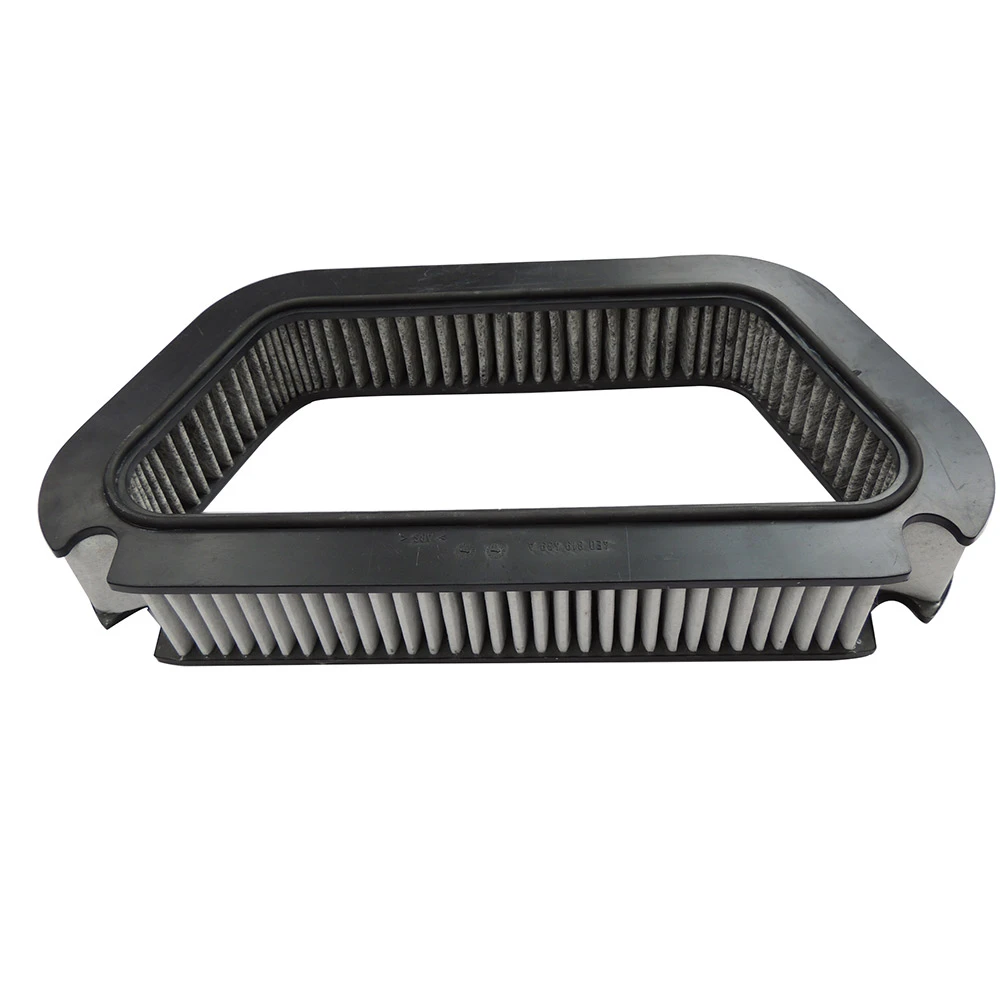
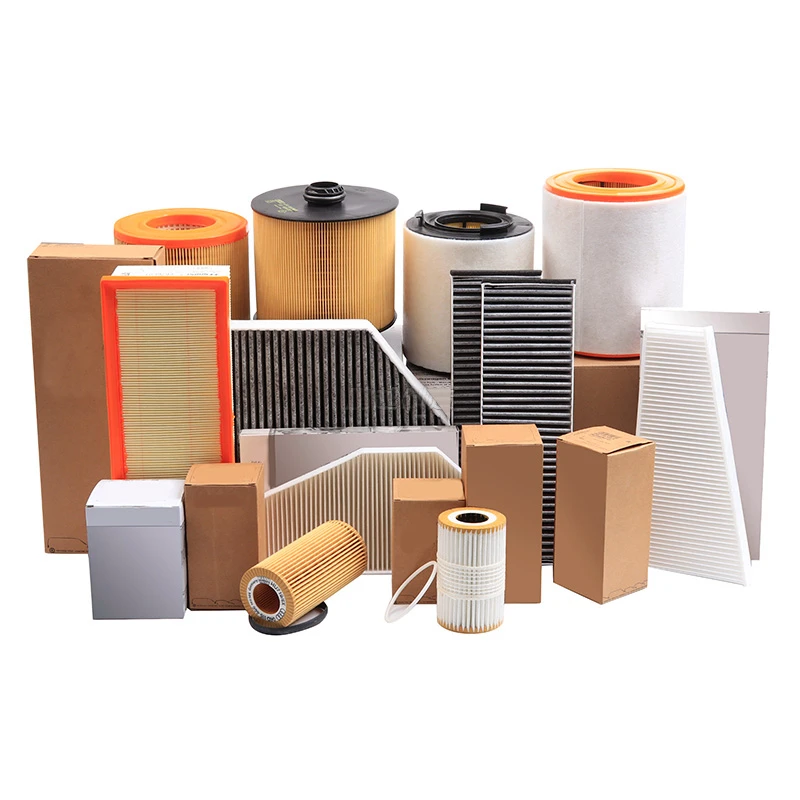
Cabin air filters come in various types, each offering different levels of filtration. Standard filters are typically made of paper or woven materials and provide basic particle filtration. More advanced filters utilize activated carbon to absorb odors and gases, providing a cleaner and fresher air supply. HEPA (High-Efficiency Particulate Air) filters offer the highest level of filtration, capturing up to 99.97% of particles 0.3 microns in size. When purchasing a replacement, consider your needs and budget. JY Filter offers a diverse range of cabin air filters to suit different vehicle models and filtration requirements.
DIY Replacement vs. Professional Service
Replacing a cabin air filter is often a straightforward DIY task, requiring minimal tools and experience. The filter is typically located behind the glove compartment or under the dashboard. However, some vehicles have more complex filter access points. If you’re unsure about the process, it’s best to seek assistance from a qualified mechanic. A professional can ensure the filter is replaced correctly and can also inspect other components of your vehicle’s HVAC system. Using a quality filter from JY Filter will ensure proper fitment and performance regardless of whether you do it yourself or have a professional install it.
Conclusion: Prioritizing Your Air Quality
Regular cabin air filter replacement is a simple yet crucial aspect of vehicle maintenance. By understanding the factors influencing replacement frequency, recognizing the warning signs, and choosing the right filter, you can ensure a healthy and comfortable driving experience. Don’t compromise on air quality – invest in a new cabin air filter today!
Frequently Asked Questions (FAQs)
What happens if I don't change my cabin air filter?
Ignoring cabin air filter replacement can lead to several issues. Reduced airflow from your vents will impact the efficiency of your HVAC system, potentially causing it to work harder and consume more fuel. A clogged filter can also harbor mold and bacteria, leading to unpleasant odors and respiratory problems. Over time, the strain on the HVAC system could result in costly repairs. A dirty filter reduces the effectiveness of the air conditioning system, leading to poor cooling performance, especially during hot weather.
Can a dirty cabin air filter affect my car's AC performance?
Absolutely. A clogged cabin air filter restricts airflow to the evaporator core, which is responsible for cooling the air. This reduced airflow diminishes the AC system’s ability to effectively remove heat from the cabin. You might notice weaker airflow, longer cooling times, and a less comfortable interior temperature. In severe cases, the evaporator core can freeze up, leading to more significant AC issues.
Are expensive cabin air filters always better?
Not necessarily. While higher-priced filters often offer enhanced filtration capabilities, such as activated carbon or HEPA technology, they aren't always the best choice for everyone. Consider your specific needs and driving conditions. A standard filter may be sufficient if you primarily drive in clean environments. However, if you have allergies or live in a polluted area, a premium filter could be a worthwhile investment. JY Filter offers a range of options at different price points to suit diverse needs.
How do I find the correct cabin air filter for my car?
The easiest way is to use the vehicle lookup tool on the JY Filter website. Simply enter your car's year, make, and model, and the system will display compatible filters. You can also consult your vehicle's owner's manual or contact a parts specialist for assistance. Ensuring you have the correct filter is crucial for proper fitment and optimal performance.
-
Guide on how often do you need to replace engine air filterNewsApr.16,2026
-
Learn how often do you replace air filter in car for engine healthNewsApr.09,2026
-
How Often Do You Replace Car Air Filter For Optimal Engine PerformanceNewsApr.07,2026
-
How Often Do You Replace Engine Air Filter For Optimal Vehicle PerformanceNewsApr.04,2026
-
Understanding How Often Does Engine Air Filter Need to Be Replaced for Optimal PerformanceNewsMar.31,2026
-
How Often Engine Air Filter Change Impacts Performance and LongevityNewsMar.28,2026
-
Understanding How Often to Replace Your Car Air Filter for Optimal PerformanceNewsMar.26,2026
Related Products