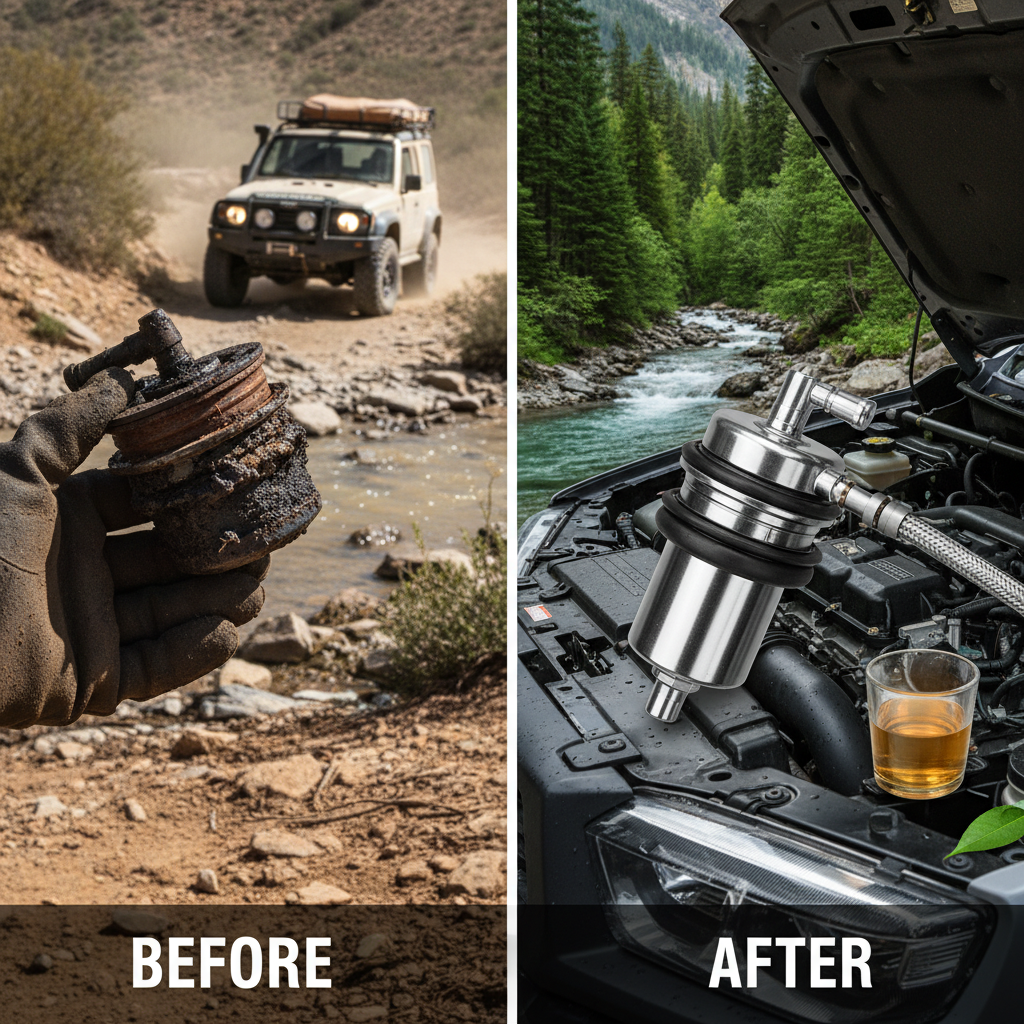
In today’s world, maintaining clean and healthy air within our vehicles is more critical than ever. Exposure to pollutants while driving, whether from traffic emissions, pollen, or dust, can negatively impact respiratory health and overall well-being. This increasing awareness has driven demand for effective solutions, leading to innovations in car purifier technologies designed to create a safer and more comfortable in-car environment.
The global automotive industry is experiencing a shift towards prioritizing passenger comfort and safety, beyond just performance and fuel efficiency. This trend is further accelerated by rising concerns over air quality and the potential long-term health consequences of prolonged exposure to airborne contaminants. Therefore, the market for car purifier systems is witnessing substantial growth and diversification.
The benefits of investing in a car purifier extend far beyond simply eliminating unpleasant odors. Modern systems can effectively remove particulate matter, allergens, bacteria, and even viruses, contributing to improved air quality and a healthier driving experience for all occupants. This makes these devices invaluable for individuals with allergies, asthma, or other respiratory sensitivities.

The Core Principles of car purifier
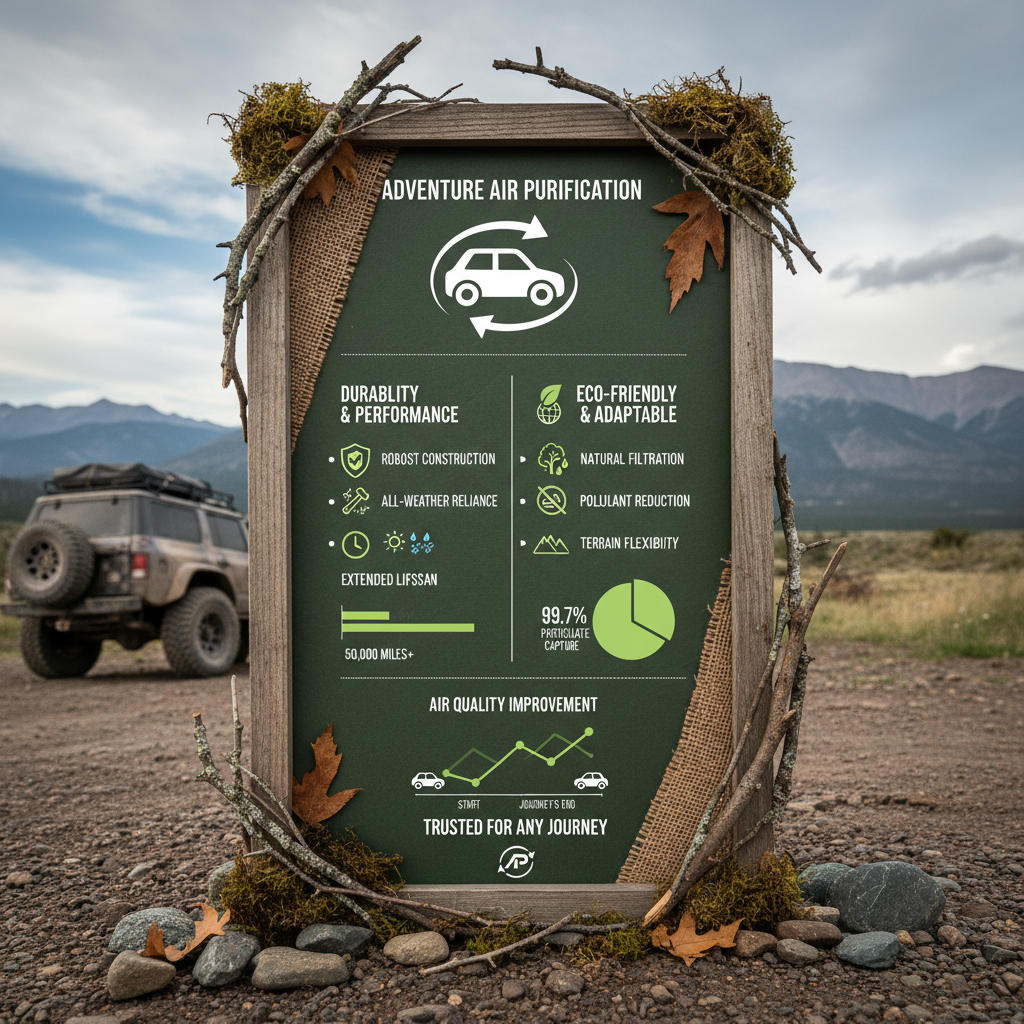
At its foundation, a car purifier operates on the principle of filtration and, in some cases, sterilization. The most basic systems utilize particulate filters to trap dust, pollen, and other visible debris. More advanced models incorporate activated carbon filters to absorb odors and gaseous pollutants.
Crucially, the effectiveness of any car purifier relies heavily on the quality and density of its filters, as well as the airflow rate of the device. A higher airflow rate ensures that a greater volume of air is processed, maximizing the purification effect. The best systems continuously circulate air, creating a consistent level of clean air within the vehicle.
FAQS
HEPA (High-Efficiency Particulate Air) filters are designed to capture microscopic particles like dust, pollen, and smoke. They’re excellent at removing allergens and physical irritants. Activated carbon filters, on the other hand, excel at adsorbing gases, odors, and volatile organic compounds (VOCs). A combination of both provides the most comprehensive air purification for your vehicle, addressing both particulate and gaseous pollutants. This ensures a truly clean and fresh driving experience.
The frequency of filter replacement depends on the type of filter and your driving conditions. Pre-filters should be checked monthly and replaced when visibly dirty. HEPA and activated carbon filters typically need replacement every 6-12 months. If you frequently drive in polluted areas or have allergies, consider replacing them more often. Many car purifier models have filter replacement indicators to help you stay on schedule.
Most modern car purifier are designed to be energy-efficient. They typically run off the vehicle’s 12V power outlet and consume relatively little power – often less than 50 watts. This means they won't significantly drain your car battery, even during extended use. Look for models with auto-off timers or sensors to further minimize power consumption.
UV-C light is a powerful disinfectant, but direct exposure can be harmful. Reputable car purifier utilizing UV-C technology are designed with enclosed systems that prevent any UV-C light from escaping. As long as the unit is used as intended and the housing remains intact, it's considered safe. Look for certifications and ensure the unit is properly shielded.
Yes, a car purifier with a HEPA filter can be very effective at reducing allergy symptoms. By removing pollen, dust mites, and other airborne allergens, it creates a cleaner and more comfortable environment inside the vehicle. This can significantly alleviate symptoms like sneezing, coughing, and itchy eyes for allergy sufferers.
While a car purifier can significantly reduce odors, complete elimination isn't always possible. Activated carbon filters are very effective at absorbing many common odors, but strong or persistent smells may require multiple passes or a more powerful unit. Regular cleaning of your vehicle’s interior will also help to minimize odors.
Conclusion
In conclusion, investing in a car purifier is a proactive step towards improving your health and well-being while driving. These devices offer a multitude of benefits, from reducing exposure to harmful pollutants and allergens to eliminating unpleasant odors and enhancing driver alertness. The ongoing innovations in filtration technology and smart features promise even more effective and convenient air purification solutions in the future.
As air quality concerns continue to rise globally, the demand for car purifier will undoubtedly increase. By understanding the key characteristics of effective systems and staying informed about emerging technologies, you can make an informed decision that protects your health and creates a more comfortable and enjoyable driving experience. Visit our website today to explore our range of car purifier options: www.jyfilter.com.