How Often Should I Change My Car Air Filter?
Your car's air filter is a crucial component in maintaining engine health and performance. It prevents dust, debris, and pollutants from entering the engine, ensuring optimal combustion. But how often should you replace it? This article provides a comprehensive guide to determining the ideal air filter replacement schedule, considering various driving conditions and factors. Understanding this will save you money and extend the life of your vehicle. Find high-quality car air filters at JY Filter!
Understanding Your Car's Air Filter
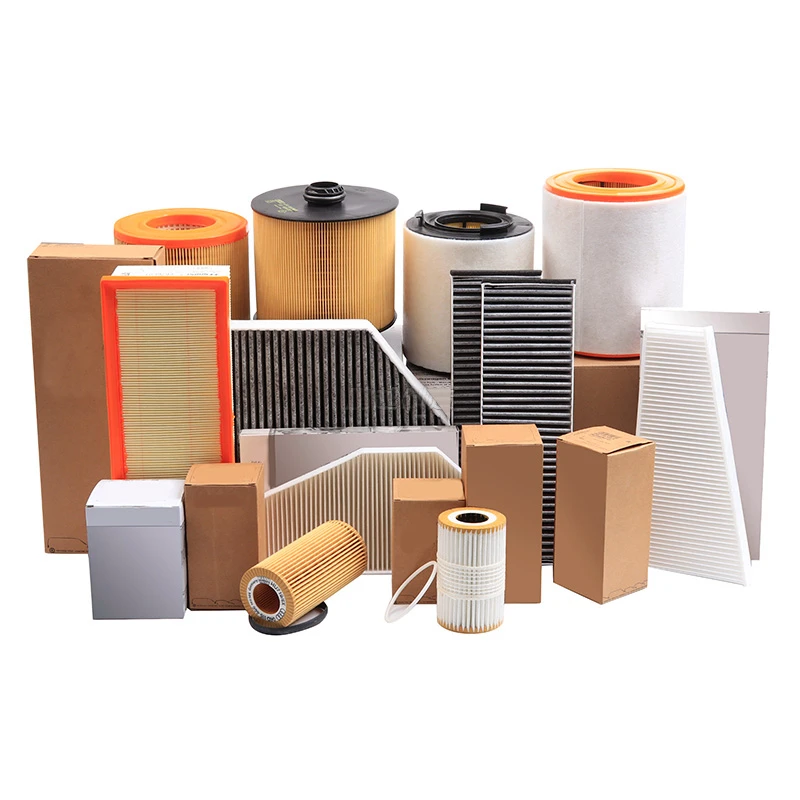
The engine air filter is responsible for cleaning the air before it enters your engine. A clogged air filter restricts airflow, reducing engine efficiency and potentially leading to decreased fuel economy and performance. It can also cause damage to sensitive engine components over time. Regularly checking and replacing your air filter is a simple maintenance task that can have a significant impact on your vehicle's longevity. There are several types of filters available, each with different characteristics and replacement intervals. Choosing the right filter for your car and driving conditions is essential.
Key Takeaway: A clean air filter ensures optimal engine performance, fuel efficiency, and protects against engine damage.
The General Rule: How Often to Change Your Air Filter
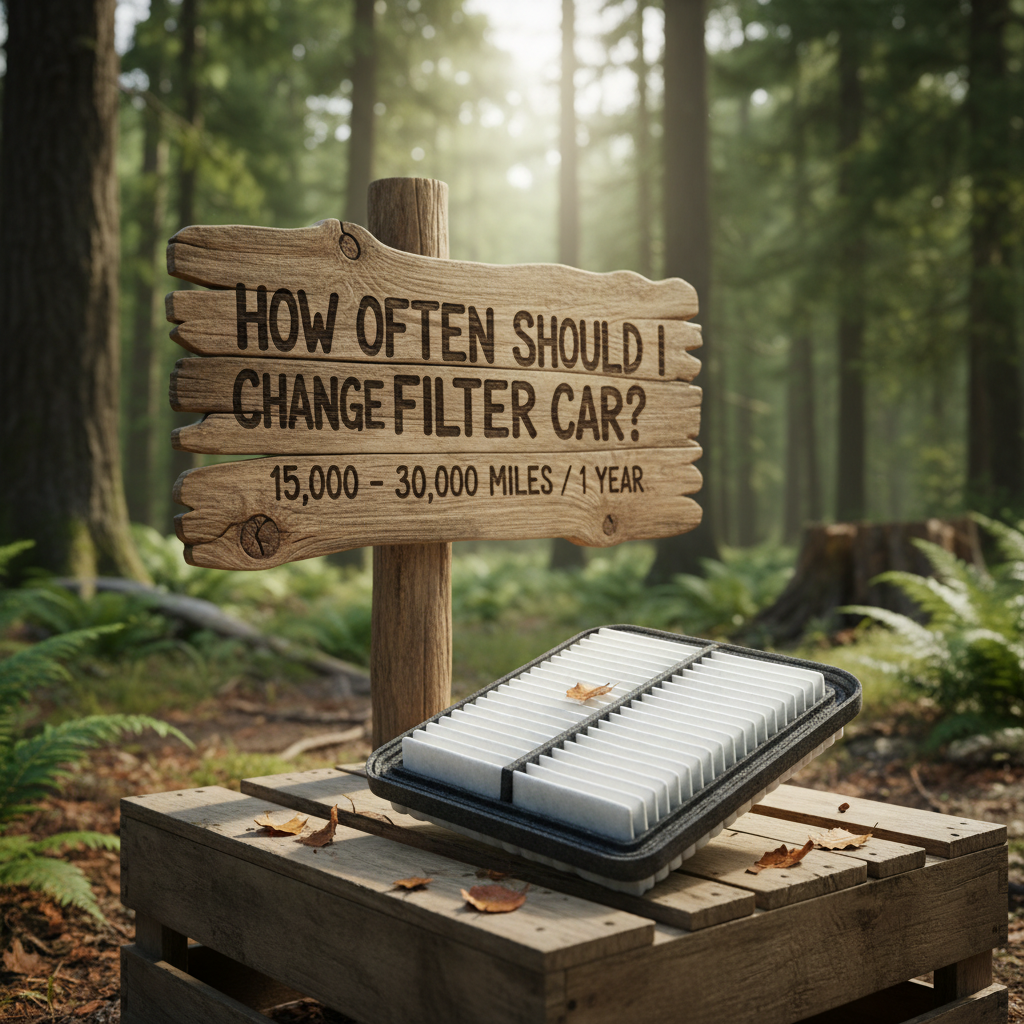
As a general guideline, most car manufacturers recommend changing the engine air filter every 12,000 to 15,000 miles, or approximately once a year. However, this is just a starting point. The actual frequency depends heavily on your driving habits and the environment in which you drive. If you primarily drive in dusty, dirty, or polluted conditions, you'll likely need to replace your filter more frequently. Always refer to your vehicle's owner's manual for the manufacturer's specific recommendations.
Driving Condition Factors:
• Dusty Roads: Increase replacement frequency to every 5,000 - 10,000 miles.
• City Driving: Replace every 10,000 - 12,000 miles due to increased pollutants.
• Highway Driving: Replace every 15,000 - 20,000 miles.
• Off-Road Driving: Replace every 2,500 - 5,000 miles.
How Often Should I Change Air Filter Car: A Comparison
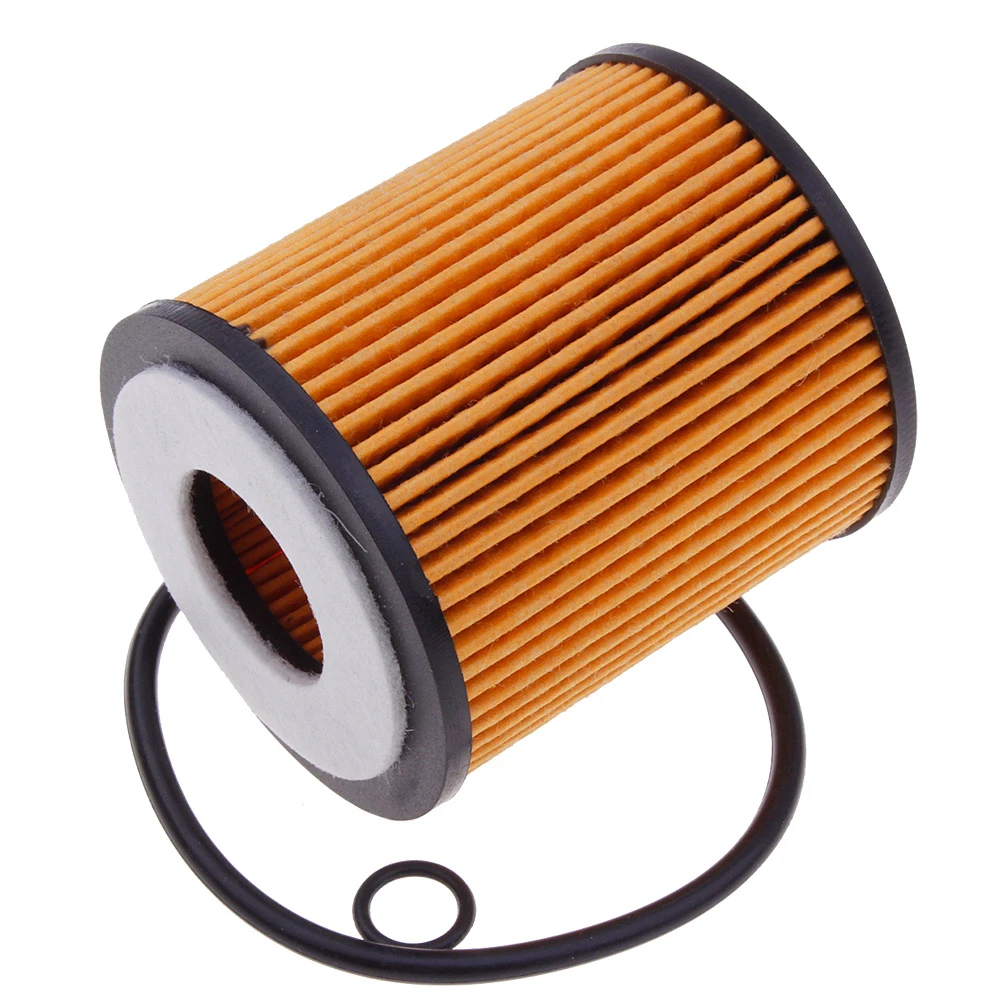
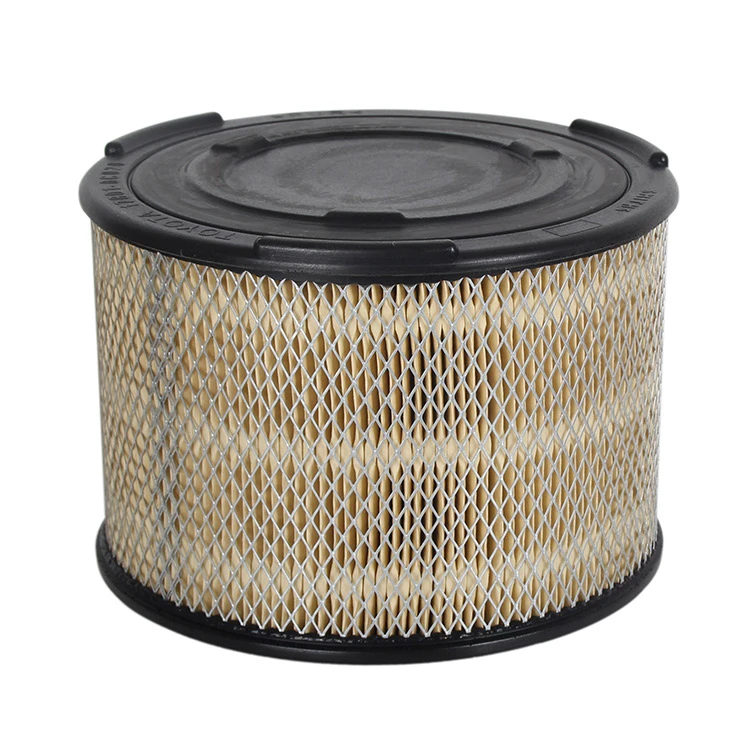
Let’s compare the recommended air filter change intervals based on different filter types and driving conditions. Understanding these differences helps determine the optimal schedule for your specific vehicle. Ignoring this can lead to decreased fuel efficiency and potential engine damage. Proper maintenance, including timely air filter replacement, is key to a long-lasting and reliable vehicle. At JY Filter we provide filters to meet your needs!
Visual Inspection: How to Check Your Air Filter
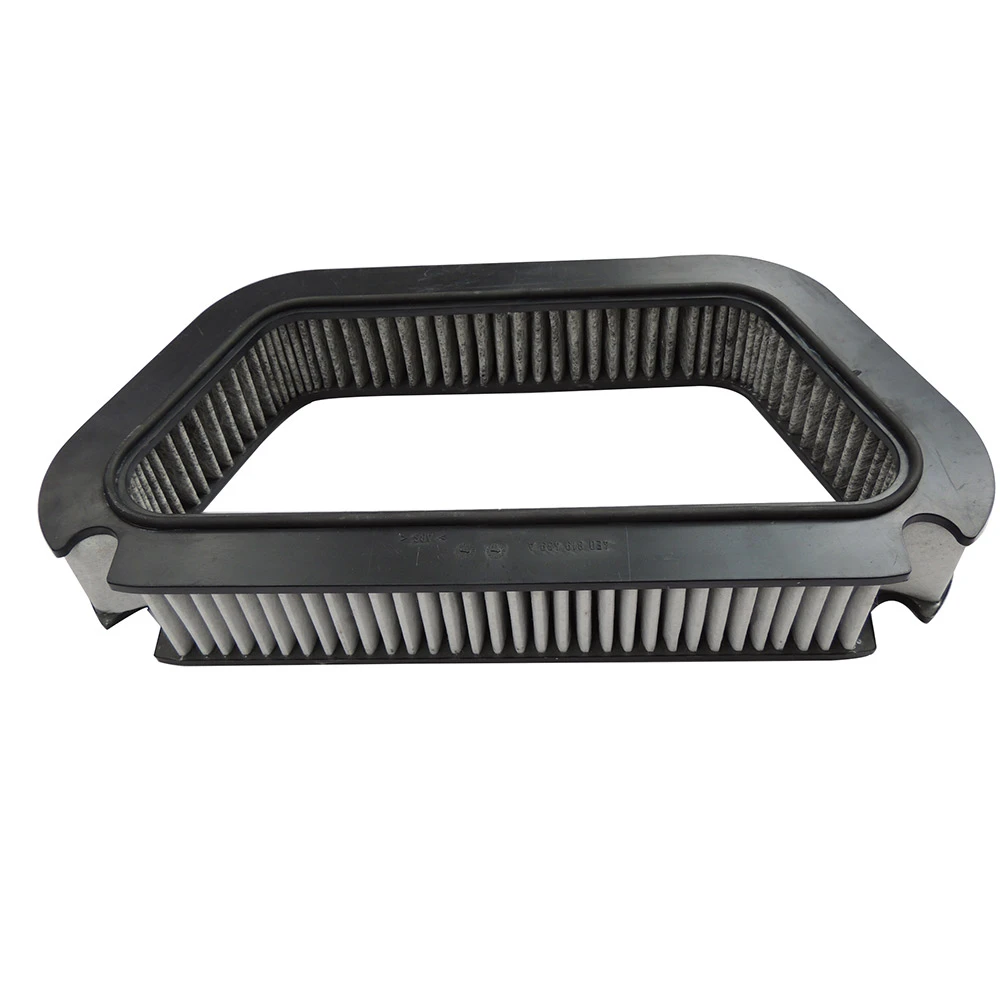
Beyond mileage, a visual inspection can tell you a lot about your air filter’s condition. Remove the air filter from its housing and hold it up to a bright light. If you can’t see light easily passing through the filter material, it's likely clogged and needs replacing. Also, check for excessive dirt, debris, or damage. If the filter is torn or significantly dirty, it’s time for a replacement. A quick check every oil change is a good habit to form. JY Filter offers a wide variety of filters perfect for your vehicle.

The Consequences of a Dirty Air Filter
Driving with a dirty air filter can lead to several issues. Reduced engine performance is a common symptom, as the engine struggles to draw in enough air for optimal combustion. This results in decreased acceleration and power. Fuel economy suffers as the engine works harder to compensate for the restricted airflow. In severe cases, a severely clogged air filter can cause engine damage due to increased stress and potential contamination. Investing in regular air filter replacements is a proactive step towards protecting your vehicle’s long-term health.
Conclusion: Keep Your Engine Breathing Easy
Regularly checking and replacing your car's air filter is a simple yet vital maintenance task. By following the guidelines in this article and considering your driving conditions, you can ensure optimal engine performance, fuel efficiency, and longevity. Don't wait until you notice performance issues - be proactive about your car's health. JY Filter offers a wide selection of high-quality air filters to keep your engine breathing easy.
Frequently Asked Questions (FAQs)
Can I clean and reuse my car's air filter?
While some air filters (typically reusable cloth or foam filters) are designed to be cleaned and reused, most standard paper air filters are not. Attempting to clean a paper filter can damage the delicate fibers and reduce its effectiveness. Reusable filters require a specific cleaning and re-oiling process to ensure proper performance. Always follow the manufacturer’s instructions for your specific filter type. Using the wrong cleaning method can compromise its ability to filter effectively, potentially harming your engine.
What are the signs that my air filter needs to be replaced?
Several signs indicate that your air filter needs replacing. These include decreased engine performance (such as reduced acceleration), lower fuel economy, a noticeable musty or dirty odor coming from the vents, and the check engine light illuminating. A visual inspection revealing a heavily soiled or damaged filter is also a clear sign. Addressing these symptoms promptly can prevent more serious engine problems.
How difficult is it to replace a car air filter?
Replacing a car air filter is generally a very simple DIY task that requires minimal tools. Most air filter housings are easily accessible and open with clips or screws. The old filter simply slides out, and the new one slides in. However, it’s crucial to consult your vehicle’s owner’s manual for specific instructions and to ensure you’re using the correct filter for your make and model. If you’re not comfortable performing the replacement yourself, a qualified mechanic can do it quickly and affordably. JY Filter also offers helpful guides and resources!
What type of air filter should I use?
The best type of air filter for your car depends on your driving conditions and preferences. Paper filters are the most common and affordable option, providing good filtration for normal driving. Reusable filters offer convenience and cost savings over time, but require regular cleaning and maintenance. Performance filters are designed to maximize airflow, potentially increasing horsepower, but may offer less filtration. Choose a filter that balances filtration efficiency, airflow, and your budget.
-
Guide on how often do you need to replace engine air filterNewsApr.16,2026
-
Learn how often do you replace air filter in car for engine healthNewsApr.09,2026
-
How Often Do You Replace Car Air Filter For Optimal Engine PerformanceNewsApr.07,2026
-
How Often Do You Replace Engine Air Filter For Optimal Vehicle PerformanceNewsApr.04,2026
-
Understanding How Often Does Engine Air Filter Need to Be Replaced for Optimal PerformanceNewsMar.31,2026
-
How Often Engine Air Filter Change Impacts Performance and LongevityNewsMar.28,2026
-
Understanding How Often to Replace Your Car Air Filter for Optimal PerformanceNewsMar.26,2026
Related Products