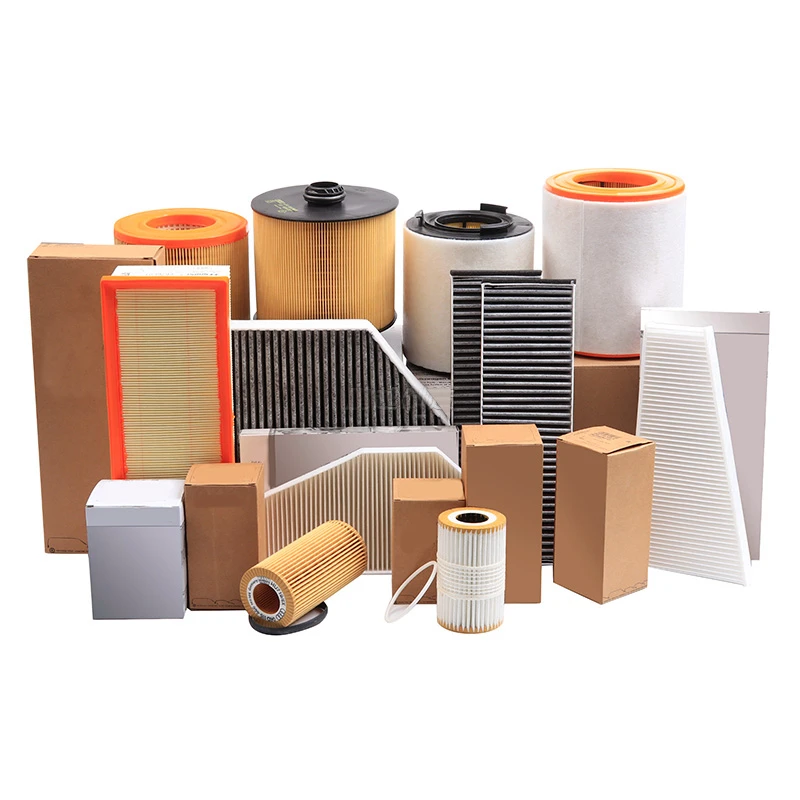
When to Change the Air Filter in Your Car: A Practical Guide
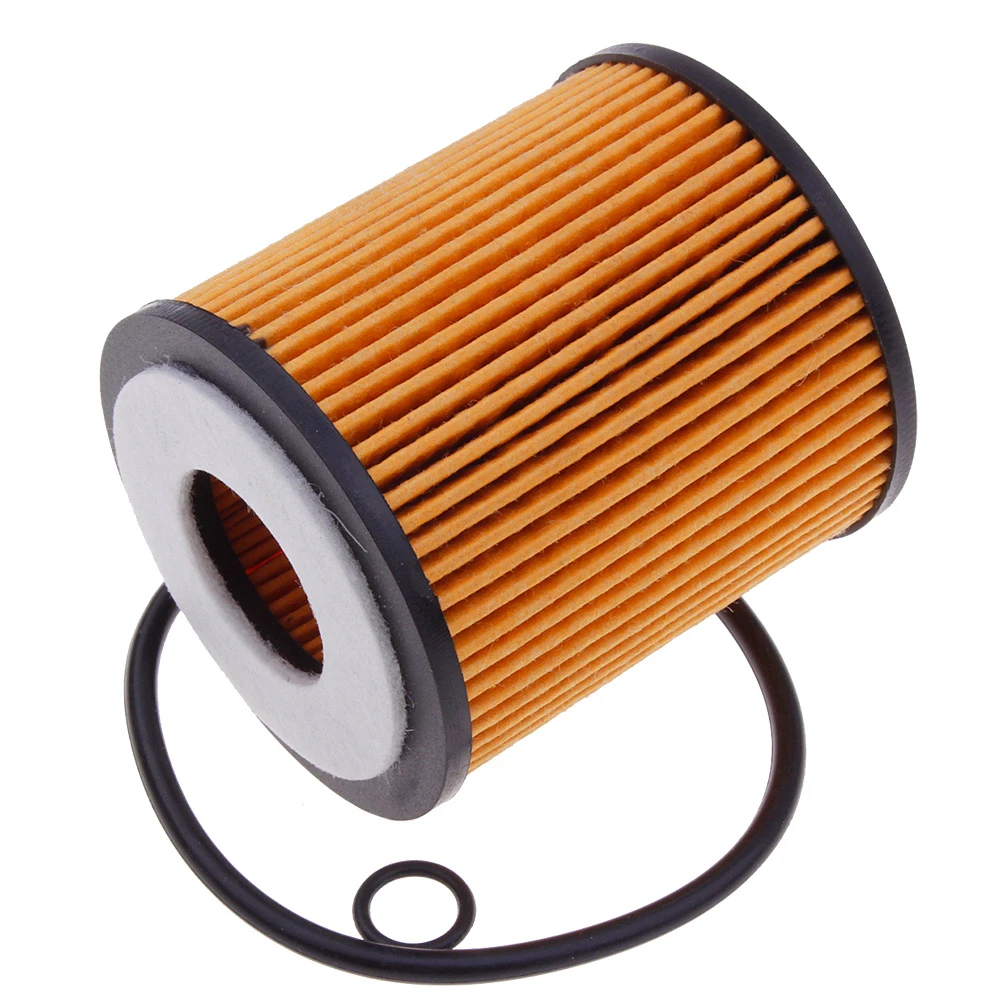
Having spent over a decade in the industrial equipment sector, I’ve seen firsthand how small maintenance tasks can make or break performance — and frankly, your wallet's mood. The air filter in your car is one of those often overlooked pieces. It’s not glamorous, but it’s mission-critical. Changing it at the right time keeps your engine breathing clean air, protects components, and even helps save fuel. Oddly enough, many drivers don’t give it much thought until their vehicle starts coughing or sputtering.
So, when should you swap out that air filter? The quick answer is typically every 12,000 to 15,000 miles, or roughly once a year. But life’s rarely that neat. Factors like dusty environments, city driving with heavy smog, or even seasonal pollen spikes can clog filters faster. I recall a client who drove a delivery van in a dusty rural area — his air filter got gritty well before his annual service, and it was clear his engine struggled. Because he replaced that filter earlier, he avoided costly repairs down the line.
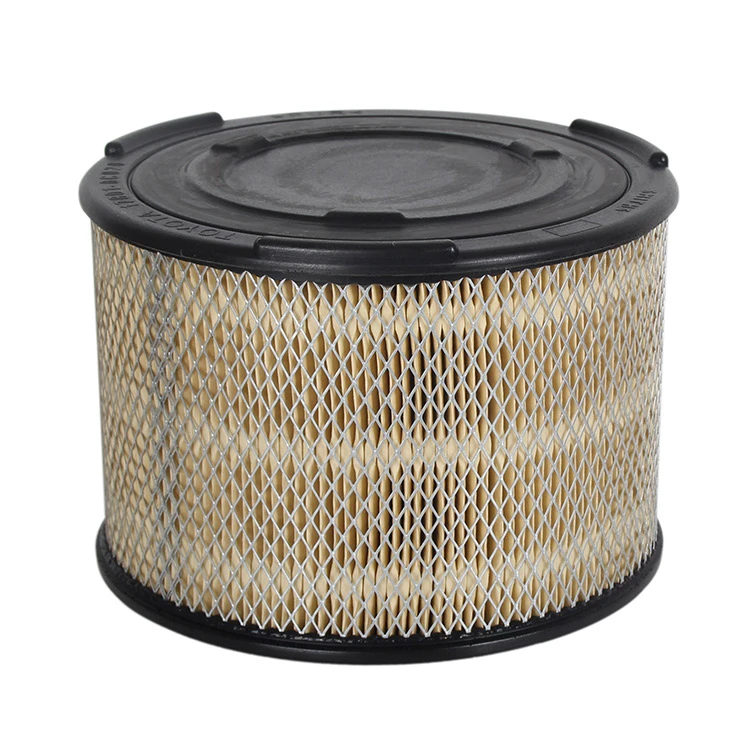
From a materials perspective, modern air filters generally use advanced synthetic fibers or multi-layered cotton media, rather than the plain paper ones from decades ago. These new designs trap finer particles and last longer, but they also demand more attentive inspection. Testing filters involves measuring airflow restriction and particle capture efficiency — stuff most end-users don’t think about until their engine dashboard lights up with a warning.
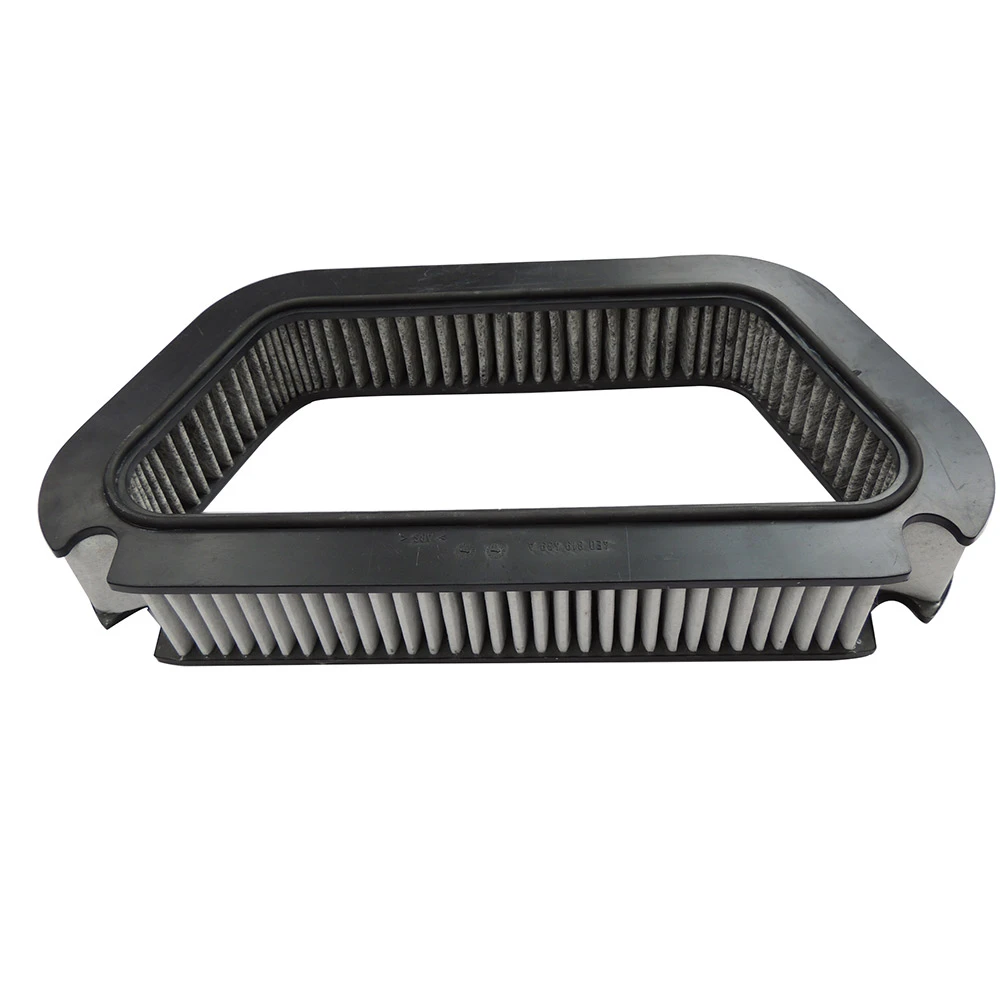
Now, here’s something I like to tell folks: don't just follow generic mileage guidelines blindly. Take a look under your hood occasionally. If the filter looks dark and loaded with dirt and debris, it’s time to replace it, no matter what the odometer says. Also, if you notice a drop in fuel efficiency or engine responsiveness, that can signal restricted airflow. The air filter is literally the lungs of your engine, so keeping it clean is crucial for performance and emissions.
There’s a neat little product line I came across recently at jyfilter.com. They specialize in durable industrial and automotive filters with a strong focus on quality control and materials. Their filters boast a high dust-holding capacity and low airflow resistance, which practically translates to smoother daily driving with fewer maintenance interruptions. I noticed they offer a great range tailored for different vehicle models and driving conditions — a blessing if you want to be precise rather than guessing.
| Parameter | Value Range | Notes |
|---|---|---|
| Filter Material | Synthetic microfibers / Multi-layer cotton | Improved filtration and durability |
| Filtration Efficiency | Up to 99% for particles >10 microns | Varies by manufacturer |
| Recommended Replacement Interval | 12,000 - 15,000 miles (or annually) | Adjust based on environment |
| Air Flow Resistance | 0.5 - 1.5 kPa at rated flow | Lower is better for efficiency |
If you’re thinking about which supplier to trust, here’s a quick rundown of three reputable vendors I’ve vetted—and their filters’ specific perks:
| Vendor | Material Quality | Longevity | Price | Availability |
|---|---|---|---|---|
| JY Filter | High-grade synthetic fibers | Up to 20% longer than average | Mid-range | Available online worldwide |
| Brand X | Traditional cotton paper blend | Standard | Low | Widely available |
| Brand Y | Eco-friendly recycled fibers | Slightly less durable | Higher | Select markets only |
To sum up, the air filter change interval isn’t a one-size-fits-all, but with a bit of inspection, attention to your driving conditions, and knowing your filter’s specs, you can keep your engine happy and healthy. Oddly enough, it feels satisfying to replace something so simple yet so impactful. You’d be surprised how many service calls start with a clogged air filter.
So next time you’re under the hood, give the filter a quick glance — it’s probably time to breathe some fresh air into your engine.
— Written by someone who literally grew up around machines and filters, and still finds joy in a clean engine.
References:
1. EPA Vehicle Maintenance Guidelines
2. Society of Automotive Engineers (SAE) technical standards for air filters
3. Personal industry experience and client anecdotes
-
Guide on how often do you need to replace engine air filterNewsApr.16,2026
-
Learn how often do you replace air filter in car for engine healthNewsApr.09,2026
-
How Often Do You Replace Car Air Filter For Optimal Engine PerformanceNewsApr.07,2026
-
How Often Do You Replace Engine Air Filter For Optimal Vehicle PerformanceNewsApr.04,2026
-
Understanding How Often Does Engine Air Filter Need to Be Replaced for Optimal PerformanceNewsMar.31,2026
-
How Often Engine Air Filter Change Impacts Performance and LongevityNewsMar.28,2026
-
Understanding How Often to Replace Your Car Air Filter for Optimal PerformanceNewsMar.26,2026
Related Products