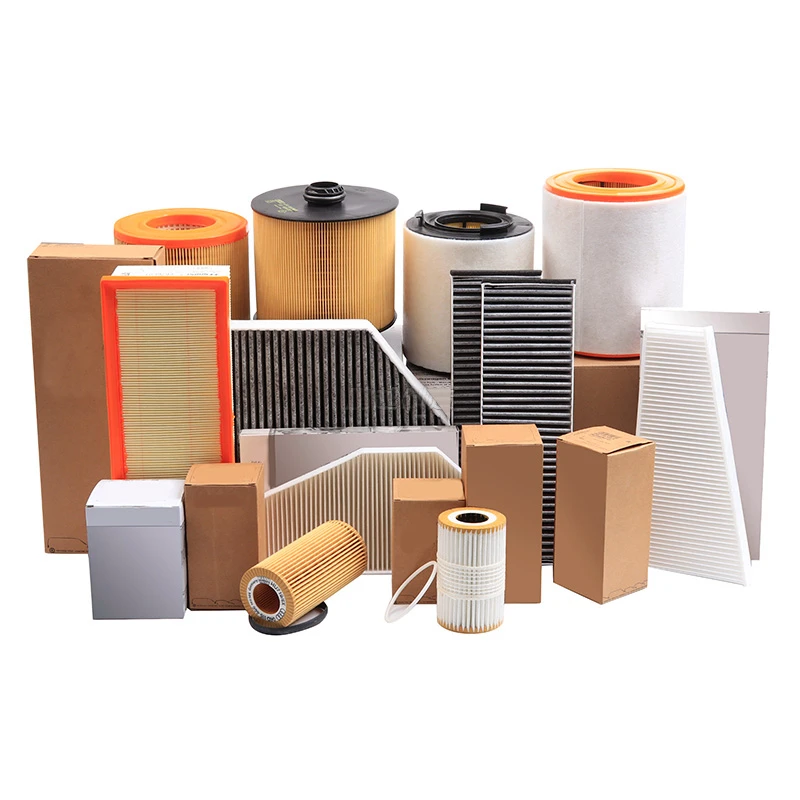
When to Change Cabin Air Filter in Car: Why It Matters and How To Know
Ever wondered when to change cabin air filter in car? It might sound like one of those “set it and forget it” parts, but honestly, this tiny component plays a starring role in your daily comfort and health behind the wheel. Around the world, millions of drivers rely heavily on their car’s ventilation systems, unknowingly breathing in whatever’s lurking in the smog, pollen, dust, or even vehicle exhaust. Knowing the right time to replace your cabin air filter isn’t just about maintaining a fresh-smelling car—it’s about safeguarding your respiratory health and extending the life of your vehicle’s HVAC system.
In real terms, a clogged or dirty cabin filter can cut airflow dramatically, fog up windows, and even strain your car’s climate system. Understanding when to swap that filter out helps prevent these issues and ensures you’re always driving in clean air. Plus, apart from the comfort factor, it fits into a larger puzzle involving urban pollution, allergy season spikes, and vehicle maintenance culture worldwide.
Why Changing Your Cabin Air Filter is a Global Car Care Concern
Globally, motor vehicles are a huge source of urban air pollution. The UN reports that air pollution contributes to millions of premature deaths annually, with particulate matter (PM) playing a deadly part (1). Your car might be your personal bubble, but if your cabin air filter is past its prime, you’re breathing in a cocktail of contaminants rather than filtered, cleaner air.
According to the International Organization for Standardization (ISO), clean air inside any enclosed space—including vehicles—is critical for comfort and health (2). Yet, many drivers neglect cabin air filters. When filter maintenance falls off, not only does vehicle air quality suffer, but the HVAC system efficiency drops, leading to more fuel consumption and vehicle emissions—a rather ironic twist.
So the challenge is: how do you know exactly when to change your cabin air filter? Spoiler: It’s not just “annual” or “every so often.” We’ll walk through the practical signs and industry insights below.
Defining When to Change Cabin Air Filter in Car
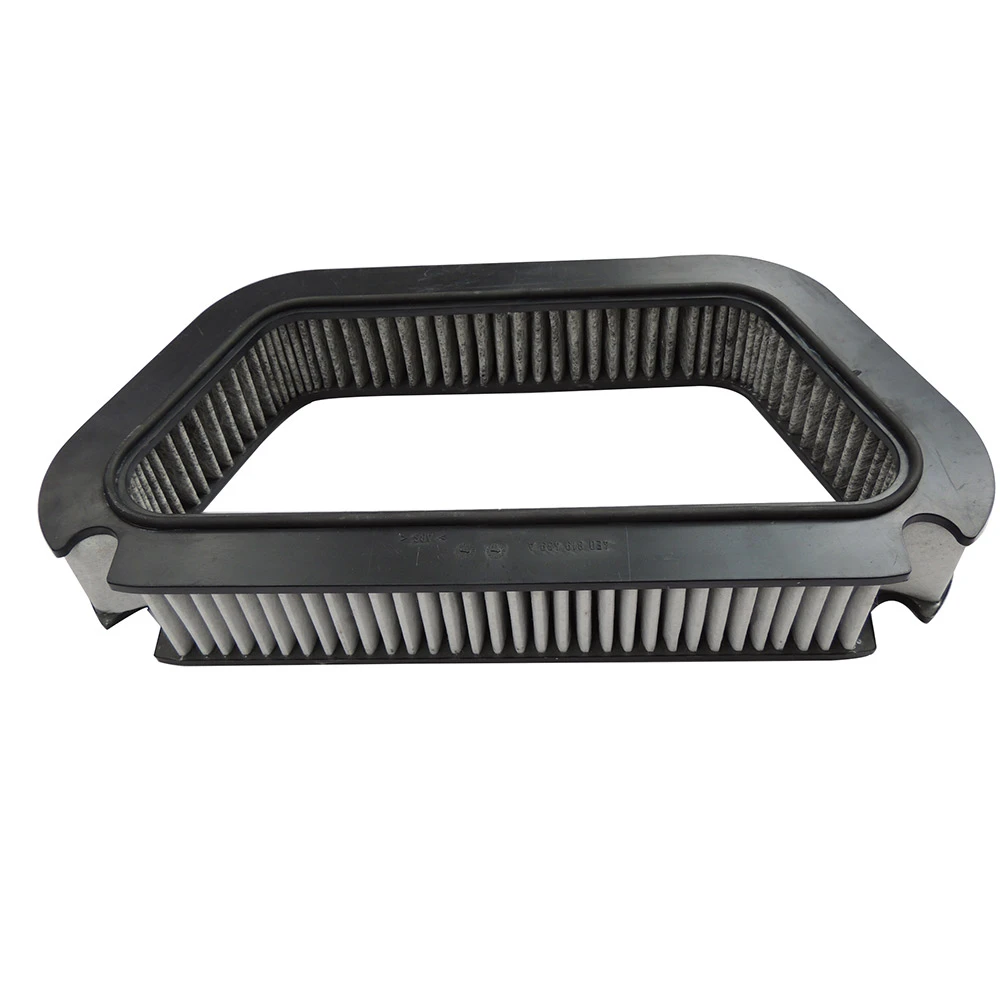
Put simply, the cabin air filter is the first line of defense between your car’s ventilation system and the outside air. It traps dust, pollen, smog, dirt, and sometimes tiny insects, ensuring that the air circulating in your vehicle's cabin is cleaner. So, “when to change cabin air filter in car” means identifying the right mileage or time interval based on conditions to swap that filter before it gets clogged or degraded.
This concept ties directly to modern vehicle maintenance, but it also connects to broader societal focus on respiratory health and urban living. As traffic snarls and air pollution worsen worldwide, the humble cabin air filter quietly gains importance. Changing it regularly becomes a small but crucial act of healthy living.
Key Factors Influencing When to Change Your Cabin Air Filter
1. Vehicle Manufacturer Recommendations
Most automakers suggest changing the cabin filter every 12,000 to 15,000 miles (19,000–24,000 km) or once a year, whichever comes first. However, manuals often set these as optimistic baselines assuming average driving conditions.
2. Local Air Quality and Environmental Conditions
If you live in a city with high pollution, near heavy industry, or on dirt roads, your filter will clog faster. In some parts of Asia or the developing world, changing cabin air filters twice a year may be necessary. In contrast, rural or low-pollution areas might stretch the timeline longer.
3. Driving Habits
- Frequent stop-and-go traffic traps more particulates in the intake.
- Use of internal circulation mode reduces filter strain since air is recirculated.
- Off-road driving or dusty environments obviously demand more frequent changes.
4. Visible and Functional Signs
Sometimes it’s not about mileage but symptoms: reduced airflow, musty odors, foggy windows, or allergy flare-ups inside your car suggest it’s time.
5. Quality and Type of Cabin Air Filter
High-grade HEPA or activated carbon filters may last longer or offer better filtration—but they must be replaced as recommended too. Cheaper filters clog quickly and degrade AC performance faster.
Mini Takeaway: Always blend your driving context with manufacturer guidelines to find the sweet spot for filter changes.
Global Applications and Real-World Contexts
In places like Los Angeles, Mumbai, or Beijing, where traffic-related pollution is intense, changing cabin air filters becomes a year-round priority. Fleet operators in delivery, ride-sharing, or emergency services often schedule cabin filter replacements more frequently to ensure their vehicles remain healthy environments for drivers.
For humanitarian orgs operating in disaster zones—dust storms after earthquakes or cyclone-hit areas—the cabin air filter can protect aid workers from fine particulate exposure inside vehicles. Similarly, in mining or construction zones, workers insist on regular changes to keep dusty particles at bay inside cabs.
Interestingly, some advanced electric vehicles signal filter replacement alerts based on real-time sensor readings, taking the guesswork out of timing. So manufacturers and industries push for smarter maintenance tied to cabin air filters globally.
Advantages and Long-Term Values of Regular Cabin Air Filter Changes
- Cost savings: Prevents costly HVAC repairs and improves fuel efficiency by reducing AC load.
- Health protection: Cuts allergens, particulate matter, and pathogens from cabin air.
- Comfort: Maintains clear windows and steady airflow.
- Vehicle longevity: Protects internal components from dirt damage.
- Social impact: Encourages responsible vehicle maintenance—good for environment and community health.
By taking care of your cabin air filter, you also stretch the trust between driver and machine—a relationship often overlooked but totally essential for safety and well-being.
Product Specification Table: Cabin Air Filter Features
| Feature | Standard Filter | HEPA Filter | Activated Carbon Filter |
|---|---|---|---|
| Filtration Rate | ~65% particles >10 microns | ~99.97% particles ≥0.3 microns | Removes odors & gases |
| Recommended Change Interval | Every 12,000–15,000 miles | Every 15,000 miles | Every 12,000 miles or sooner |
| Typical Cost | $10–$20 | $30–$50 | $25–$40 |
| Material | Pleated paper | Microfibers | Activated carbon layer |
Vendor Comparison: Popular Cabin Air Filter Brands
| Feature | Brand A | Brand B | Brand C |
|---|---|---|---|
| Price Range | $15–$25 | $20–$35 | $10–$20 |
| Filter Type | Pleated paper | HEPA with carbon | Standard paper |
| Warranty | 1 year | 2 years | 6 months |
| Availability | Widely available | Online & premium auto shops | Local retailers |
| Customer Rating | 4.2/5 | 4.7/5 | 3.9/5 |
Looking Ahead: Future Trends in Cabin Air Filter Maintenance
It feels like we’re on the brink of a shift toward “smart” cabin air filters embedded with sensors that tell you exactly when to change cabin air filter in car. AI-powered diagnostic apps are gaining ground. Moreover, innovations in nanofibers and eco-friendly filter materials promise longer life and superior air purification without increasing costs.
With increasing global focus on climate and sustainability—think ISO clean air standards and stricter vehicular emissions controls—vehicle cabins are becoming cleaner sanctuaries. Some automakers integrate air ionizers and humidifiers alongside filters, highlighting a trend toward proactive air quality management.
Challenges and Solutions in Maintaining Cabin Air Filters
The biggest challenge? Drivers ignoring filter changes because they’re out of sight, out of mind. Also, some forget or don’t know the correct installation procedures, reducing filter efficiency.
Solution: Workshops and dealerships can send timely reminders, or regular inspections could be part of annual vehicle checkups. DIY-friendly filter designs make replacement easier, encouraging adherence. Also, better labeling and education campaigns help build awareness.
FAQ: When to Change Cabin Air Filter in Car
Q: How do I tell if my cabin air filter needs changing?
A: Common signs include reduced airflow from AC, unpleasant or musty smells, increased dust inside the car, or foggy windows. If you notice driver allergies flare up during drives, that’s often a clue, too.
Q: Can I drive safely if the cabin filter is dirty?
A: Yes, but the air quality inside worsens and your HVAC system works harder, potentially leading to higher fuel use and costly repairs over time. Changing filters regularly improves safety and comfort.
Q: Is it better to replace the cabin air filter myself or have a mechanic do it?
A: Many cabin filters are user-accessible and easy to replace, saving labor costs. However, if you’re unsure about location or fitting, professional service ensures proper installation.
Q: How often should I change my cabin air filter in heavy traffic cities?
A: In dense urban environments with high pollution, changing your cabin filter every 6 to 9 months is advisable—twice as frequent as manufacturer base recommendations.
Q: Are premium HEPA cabin filters worth the extra cost?
A: For allergy sufferers or those driving in highly polluted areas, HEPA filters significantly improve air quality, though they cost more upfront. They’re often recommended for better long-term benefits.
Mini Takeaway: Understanding these FAQs can give you confidence that changing your cabin air filter on time isn’t a chore, but smart, health-conscious care.
Conclusion
Knowing exactly when to change cabin air filter in car can sometimes feel like chasing an invisible timeline — but taking charge of filter upkeep pays dividends: better air quality, safer drives, and a healthier car in the long run. It’s a small maintenance step with disproportionately powerful effects on your comfort and well-being, especially as global air quality varies wildly. If you’ve ever wrestled with stuffy rides or unexplained odors, start by checking your cabin air filter today.
For more guides and premium filters, visit our website: https://www.jyfilter.com.
References:
1. United Nations Environment Programme: Air Pollution and Health (https://www.unep.org)
2. ISO 16890 - Air filters for general ventilation - Part 1: Technical specifications, requirements and classification system (https://www.iso.org)
-
Guide on how often do you need to replace engine air filterNewsApr.16,2026
-
Learn how often do you replace air filter in car for engine healthNewsApr.09,2026
-
How Often Do You Replace Car Air Filter For Optimal Engine PerformanceNewsApr.07,2026
-
How Often Do You Replace Engine Air Filter For Optimal Vehicle PerformanceNewsApr.04,2026
-
Understanding How Often Does Engine Air Filter Need to Be Replaced for Optimal PerformanceNewsMar.31,2026
-
How Often Engine Air Filter Change Impacts Performance and LongevityNewsMar.28,2026
-
Understanding How Often to Replace Your Car Air Filter for Optimal PerformanceNewsMar.26,2026
Related Products