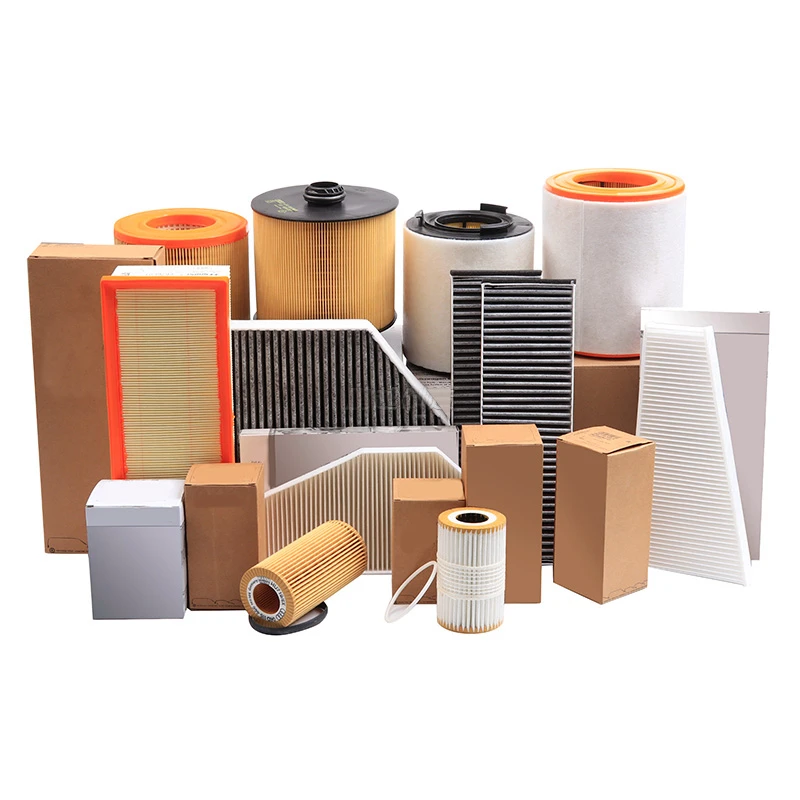
What Does an Air Filter Do to a Car?
Having spent over a decade in the industrial equipment sector, I’ve seen firsthand how often people underestimate something as straightforward as a car’s air filter. Yet, it’s one of those small parts that play a disproportionately big role in your engine’s health and your vehicle’s performance.
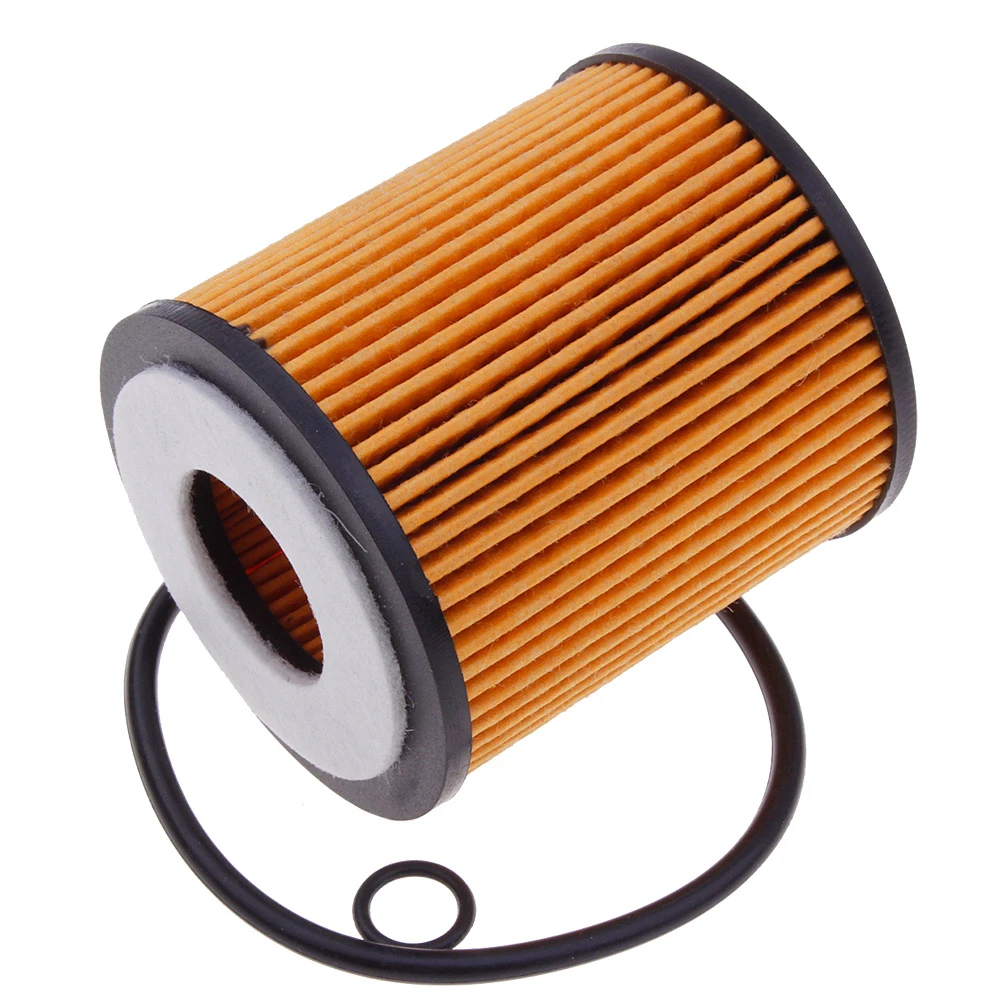
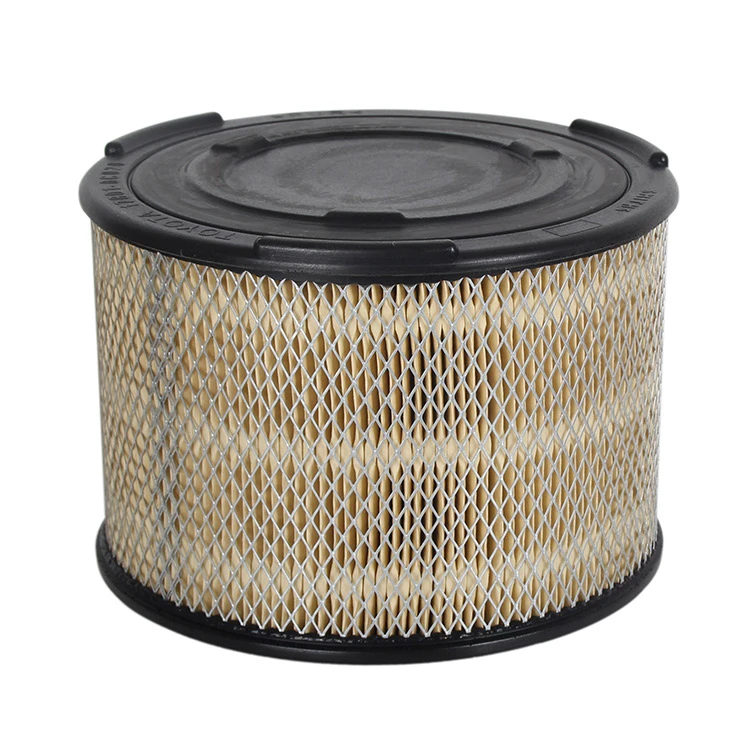
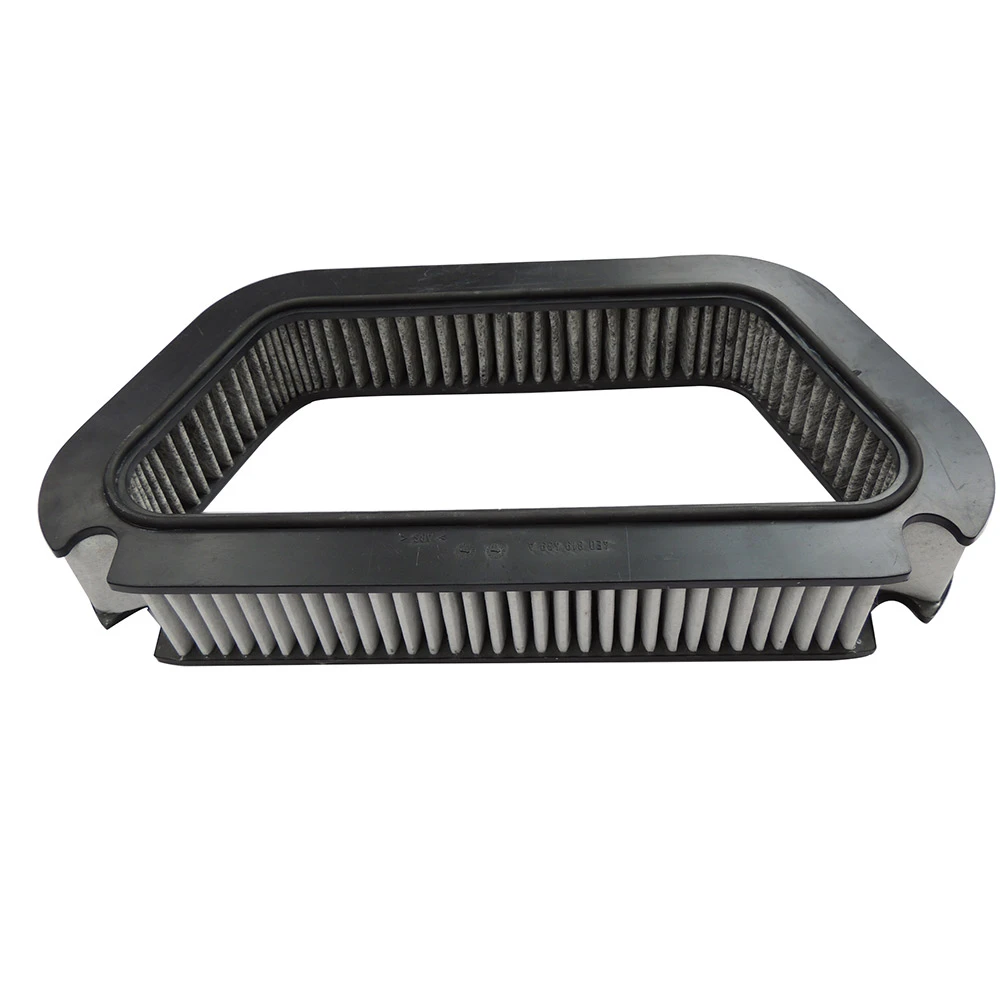
So, what does an air filter do to a car? At its core, the air filter acts like the gatekeeper to your engine’s lungs. It cleans the air entering the combustion chamber, trapping dust, pollen, and all sorts of microscopic grime that, frankly, are terrible for internal engine parts. Without it, or if it’s clogged, you can expect poorer fuel efficiency, a rough idle, and potentially costly engine wear. In real terms, it’s kind of like breathing polluted air all day — your engine just doesn’t perform optimally.
I remember working with a regional fleet where many operators ignored air filter maintenance until a thick layer of dust choked the filters. Fuel economy dropped noticeably, and eventually, some vehicles faced reduced horsepower. Once the filters were replaced with high-grade ones, performance and mileage bounced back faster than anyone expected.
Air filters come in various designs — paper, foam, cotton gauze — each with slightly different pros and cons. For example, cotton gauze filters tend to be reusable after cleaning, which is frankly pretty neat for those looking to cut waste or maintenance costs over time. But most conventional paper filters strike a solid balance between filtration efficiency and affordable replacement.
Interestingly enough, the industrial filter market has evolved quite a bit. Nowadays, many manufacturers embed advanced synthetic fibers that trap particles down to microns smaller than ever before. And some companies even tailor the pore sizes based on vehicle type or driving conditions — dusty off-road versus city commute, for instance.
| Specification | Details |
|---|---|
| Filter Media | High-quality pleated cellulose with synthetic fibers |
| Filtration Efficiency | Up to 99.7% of particles greater than 5 microns |
| Service Life | 12,000 to 15,000 miles or 12 months |
| Operating Temperature | -40°C to 95°C (-40°F to 203°F) |
| Compatible Vehicles | Most gasoline and diesel passenger cars, light trucks |
On the topic of vendors, the market offers a number of brands, each with slight differences in quality and price. Here’s a quick rundown I gathered over the years comparing three popular suppliers:
| Vendor | Price Range | Filtration Quality | Durability | Special Features |
|---|---|---|---|---|
| JyFilter | $$ | High – Advanced synthetic blend | 12-15K miles or 1 year | Eco-friendly materials, OEM fit |
| Brand B | $ | Medium – Standard paper | 10K miles | Basic OEM shape |
| Brand C | $$$ | Very High – Multi-layer synthetic | 15K+ miles | Reusable, washable design |
In terms of installation, the air filter is one of the few car parts that even a novice DIYer can replace at home. You just have to pop open the airbox, take the old one out, and slide in the new. Just remember to check the seal properly — that’s an often overlooked detail but critical to keep unfiltered air from sneaking inside.
I’ve also noticed that many engineers say regular air filter checks are the “unsung hero” of vehicle maintenance. You might not notice the instant benefit day one, but over the long haul, it prevents far more headaches than most people realize — odd engine noises, decreased power, and avoidable repairs.
So, frankly, treating your air filter with a bit of respect is treating your car right. It’s a simple part, sure, but one that works tirelessly — mostly ignored — keeping your engine happy and your ride smooth.
If you want to dig deeper or shop filters that balance quality with value, JyFilter is a solid place to start. They’ve got the background, the tech, and the consistency from my experience to back it up.
Just one of those small parts that really make a big difference.
References:
- Automotive Maintenance Insights, Industry Workshop, 2019
- “The Quiet Engine Killer,” Vehicle Tech Journal, 2021
- JyFilter Technical Product Catalog, 2023 Edition
-
Guide on how often do you need to replace engine air filterNewsApr.16,2026
-
Learn how often do you replace air filter in car for engine healthNewsApr.09,2026
-
How Often Do You Replace Car Air Filter For Optimal Engine PerformanceNewsApr.07,2026
-
How Often Do You Replace Engine Air Filter For Optimal Vehicle PerformanceNewsApr.04,2026
-
Understanding How Often Does Engine Air Filter Need to Be Replaced for Optimal PerformanceNewsMar.31,2026
-
How Often Engine Air Filter Change Impacts Performance and LongevityNewsMar.28,2026
-
Understanding How Often to Replace Your Car Air Filter for Optimal PerformanceNewsMar.26,2026
Related Products