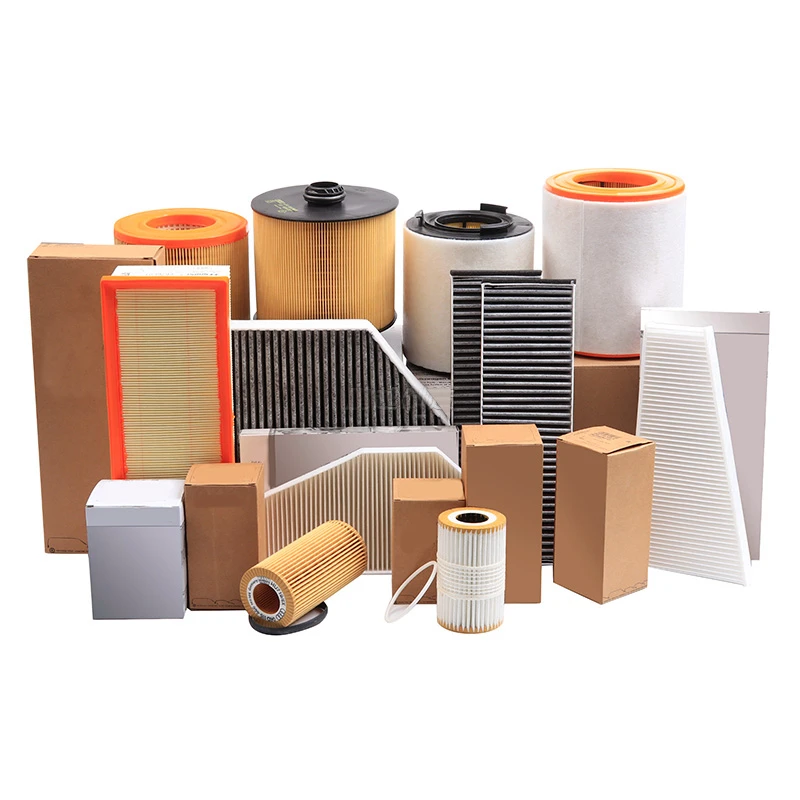
What Does a cabin air filter do? A Hands-On Look from the Industrial Trenches
Having worked around industrial equipment for well over a decade, I can say that sometimes the smallest components make the biggest difference. Take the humble cabin air filter, for example. Oddly enough, it’s easy to overlook this seemingly simple bit of kit — and yet, it plays a vital role in both vehicle performance and operator health.
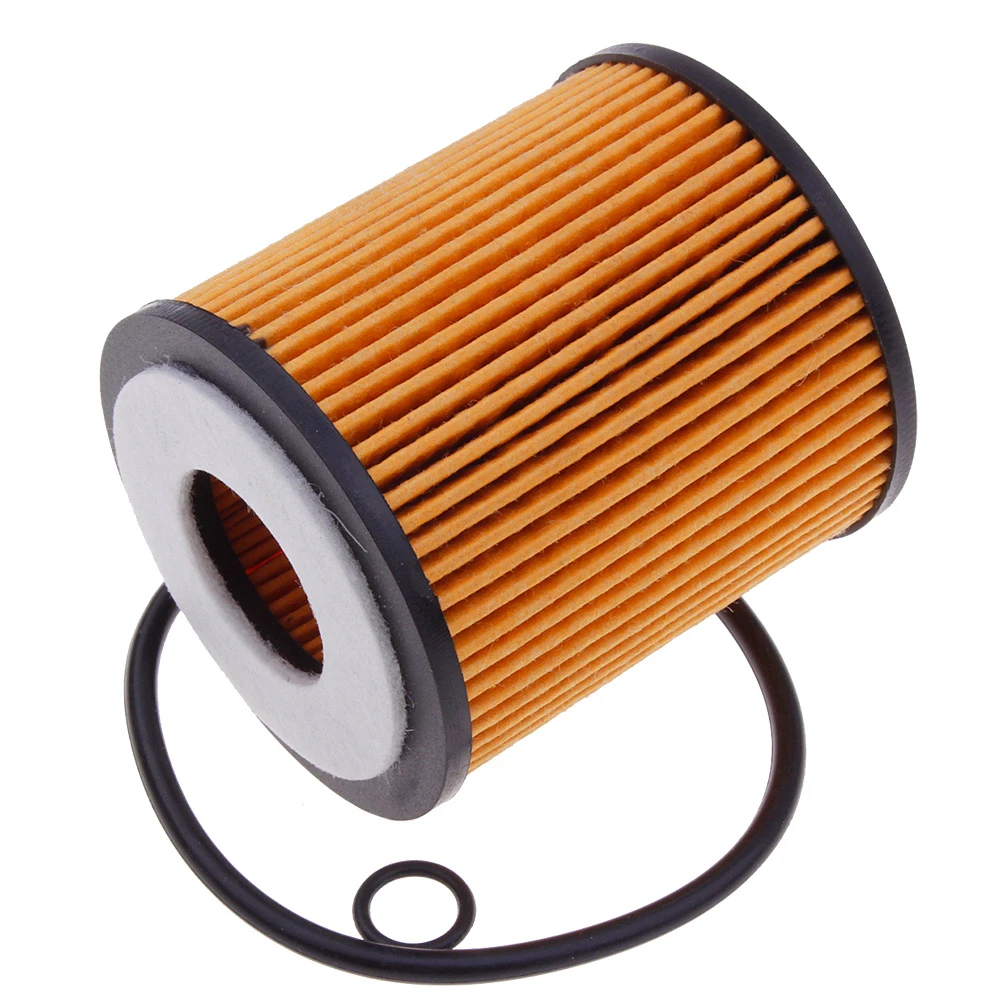
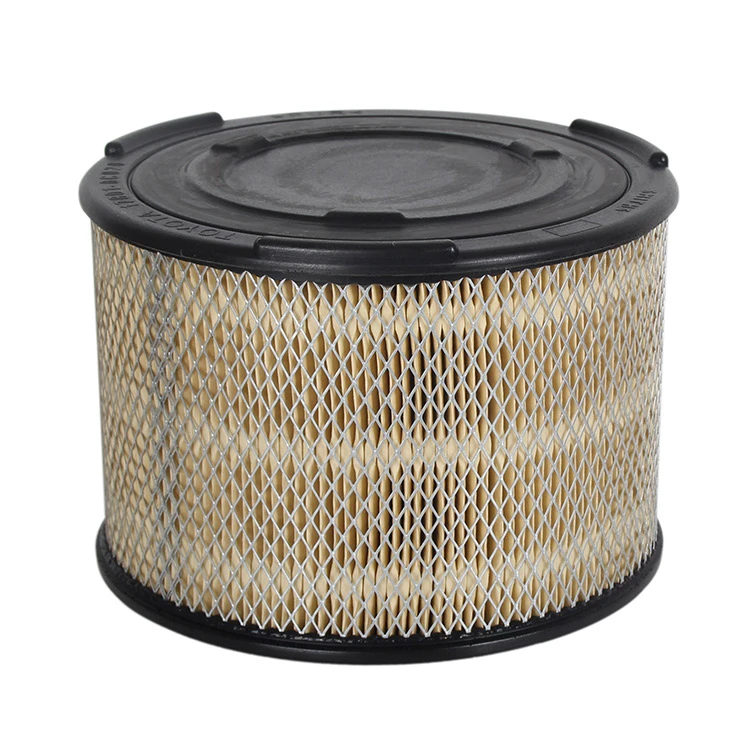
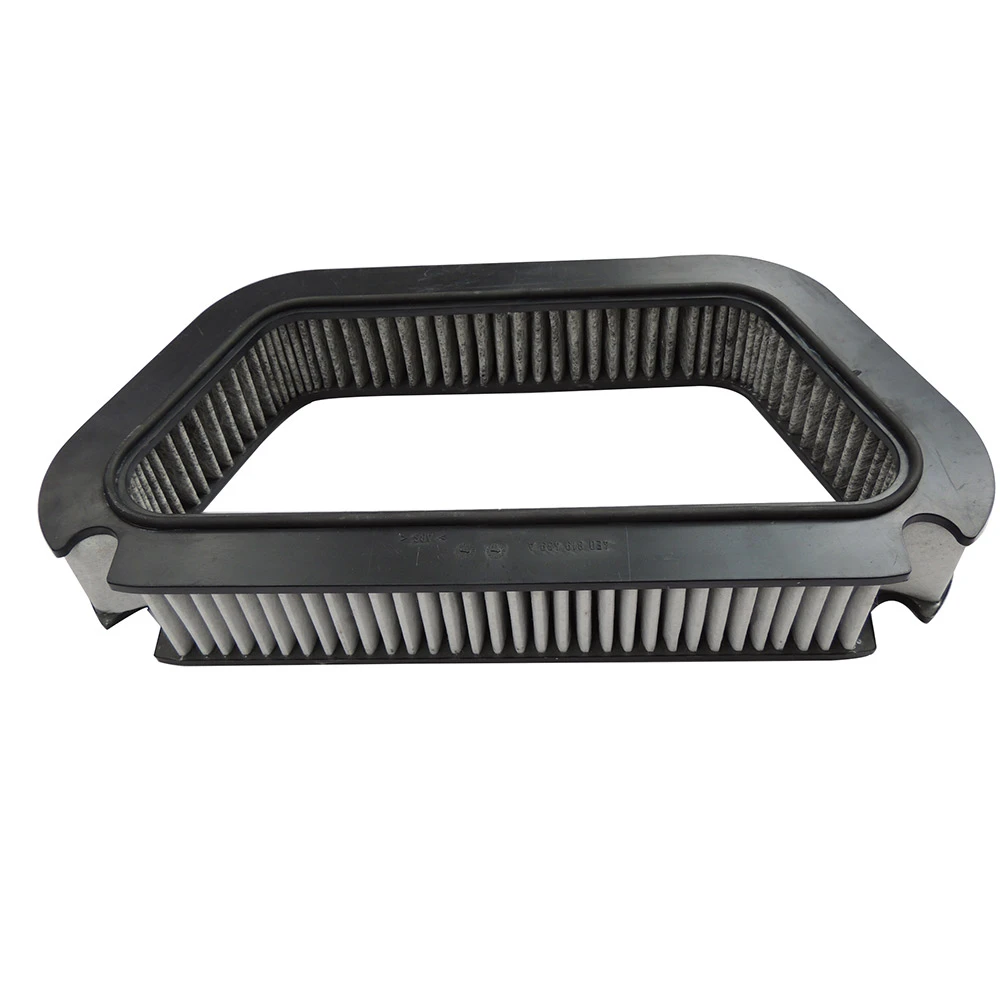
So, what does a cabin air filter actually do? Frankly, the best way to think about it is as your machine’s lungs’ first line of defense. It traps dust, pollen, exhaust fumes, and other airborne particles before they even reach the cabin where the operator sits. You might compare it to the filter on your home's HVAC system, but it’s designed to handle tougher, more polluted conditions under machines and vehicles used in industrial environments.
I’ve often noticed that when the cabin air filter is clogged or neglected, operators complain about musty smells or poor air quality—sometimes even headaches on long shifts. That’s no surprise because a compromised filter can’t keep out microscopic irritants or allergens. And in dusty job sites or harsh weather, the stakes get even higher. It’s more than just comfort; it’s about workplace safety and keeping operators alert and healthy.
In real terms, what’s fascinating is how the design and materials of cabin air filters have progressively evolved. Back in the day, these filters mostly relied on basic paper media. Nowadays, you’ll find multi-layer synthetic fibers, charcoal-infused layers for odor control, and even electrostatic elements that actively attract particles. Many engineers say this tech leap reduces particulate ingress by over 90% compared to older filters.
Testing is another interesting point. The standards vary, but certified filters often undergo rigorous airflow and filtration efficiency testing. The goal? To balance filtration performance with minimal airflow resistance—because if air can’t flow properly, heating and cooling inside the cabin suffer, not to mention fuel efficiency for vehicles that depend on clean air intake.
| Specification | Typical Value | Notes |
|---|---|---|
| Material | Multi-layer synthetic + activated carbon | Balances filtration & odor control |
| Filtration Efficiency | > 90% @ 2.5 micron particulates | EPA PM2.5 benchmark |
| Airflow Resistance | Ensures effective HVAC operation | |
| Service Interval | 6-12 months typical | Depends on environment and use |
Customization is also a noteworthy consideration. Depending on the vehicle or machinery type, cabin air filters come in all shapes and sizes. Some manufacturers offer custom fits with enhanced filtration mediums specifically tuned for heavy dust or chemical fumes. I recall one particularly dusty construction site where switching to a charcoal-infused filter reduced operator complaints by nearly half within a week.
Now, since the market isn’t short of options, picking a reliable vendor is paramount. You want a filter supplier who stands by both quality and consistent supply. Here’s a quick vendor comparison I jotted down from years of working with different suppliers:
| Vendor | Quality | Customization | Lead Time | Price Range |
|---|---|---|---|---|
| JyFilter | High | Extensive | 2-3 weeks | Mid-range |
| FilterPro Inc. | Medium | Standard sizes | 1-2 weeks | Budget |
| CleanAir Solutions | High | Limited | 3-4 weeks | Premium |
Of course, your choice depends on priorities: if you need fast delivery, one vendor might be better; if you require complex custom filters, the other shines. JyFilter, a well-regarded brand, manages to strike a good balance and has consistently impressed me with their quality and flexibility.
So, to wrap this up—what does a cabin air filter do? More than just block dirt—it’s a small guardian for both machinery and human health, keeping contaminants at bay and comfort levels high. If you treat it well and replace it as recommended, you’ll notice longer HVAC life in your vehicles and fewer complaints from operators. It’s a small detail with outsized impact in the industrial world, frankly.
At the end of the day, investing in quality filters is one of those practical choices that pays off quietly but surely: cleaner air, healthier crews, and equipment that doesn’t have to work harder against grime. I suppose that’s why I keep coming back to reliable suppliers like JyFilter. You might want to check them out yourself.
References:
1. EPA PM2.5 Air Quality Standards
2. Industrial HVAC Filter Performance Reports – 2022
3. Operator Health Case Studies, Construction Equipment Journal
-
Guide on how often do you need to replace engine air filterNewsApr.16,2026
-
Learn how often do you replace air filter in car for engine healthNewsApr.09,2026
-
How Often Do You Replace Car Air Filter For Optimal Engine PerformanceNewsApr.07,2026
-
How Often Do You Replace Engine Air Filter For Optimal Vehicle PerformanceNewsApr.04,2026
-
Understanding How Often Does Engine Air Filter Need to Be Replaced for Optimal PerformanceNewsMar.31,2026
-
How Often Engine Air Filter Change Impacts Performance and LongevityNewsMar.28,2026
-
Understanding How Often to Replace Your Car Air Filter for Optimal PerformanceNewsMar.26,2026
Related Products