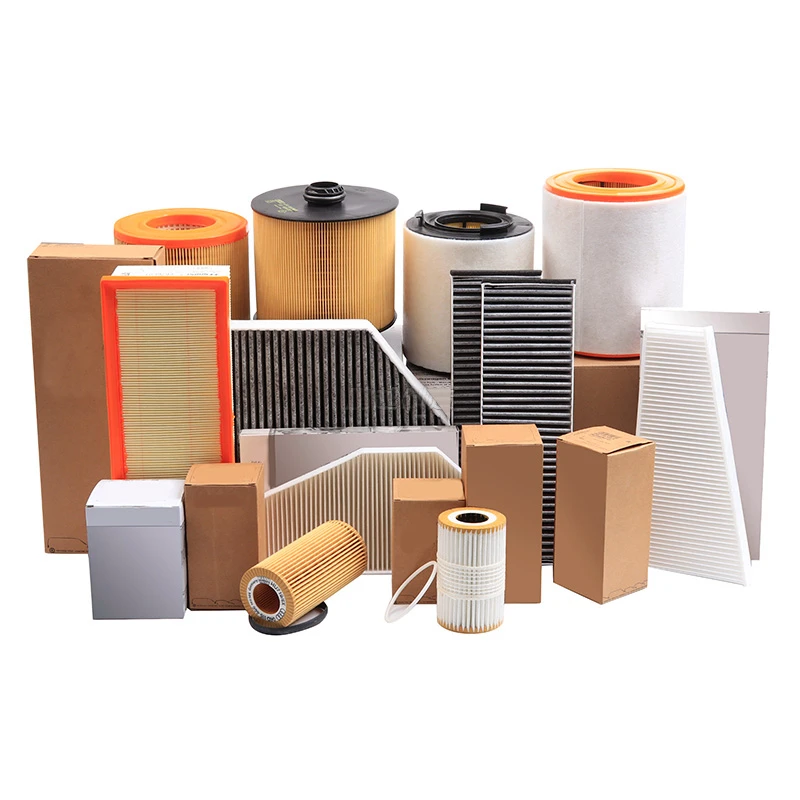
Understanding the Types of Air Filter in Automobile: Why It Matters Globally
If you’ve ever glanced under your car’s hood or heard a technician mention the “air filter,” you might have wondered: what’s so important about it? Simply put, the types of air filter in automobile engines play a huge role in vehicle efficiency, emissions control, and engine health. Worldwide, with nearly 1.4 billion cars on the road as of 2020 (according to International Organization of Motor Vehicle Manufacturers), air filtration is a silent but crucial player in reducing pollution and optimizing fuel consumption.
Whether you’re in bustling megacities struggling with air quality or rural regions where dusty roads are daily realities, knowing about types of automotive air filters is more than just a tech detail. It matters for sustainability, cost savings, and even public health.
Mini takeaway: Understanding various automobile air filters benefits not only mechanics and car owners but also contributes to global emission control efforts.
Global Context: The Rising Need for Efficient Air Filtration in Automobiles
Cars pump out nearly 24% of all transport-related CO2 emissions globally (source: UN Environment Programme). As environmental regulations tighten and fuel economy standards upgrade worldwide, automotive air filters have evolved from simple dust catchers to sophisticated components that protect engines and reduce harmful emissions.
Modern combustion engines demand clean airflow for optimal combustion, yet the challenge is significant: variable climates, dust, pollen, and pollutants constantly threaten engine integrity. The types of air filter in automobile systems help meet these challenges, ensuring engines breathe clean air and perform efficiently.
Mini takeaway: As global vehicle use grows and regulations tighten, the demand for innovative and effective air filters becomes urgent.
What Are Types of Air Filter in Automobile Exactly?
In the simplest terms, an automobile air filter is a device designed to clean the air entering the engine by trapping dust, dirt, and other contaminants. But it’s not one-size-fits-all. Several types exist, each designed with different materials and technologies to balance filtration efficiency, airflow, cost, and space constraints.
You can think of them as the lungs of the car’s engine — without good filters, harmful particles sneak in, damaging engine parts and reducing lifespan.
Core Types Overview:
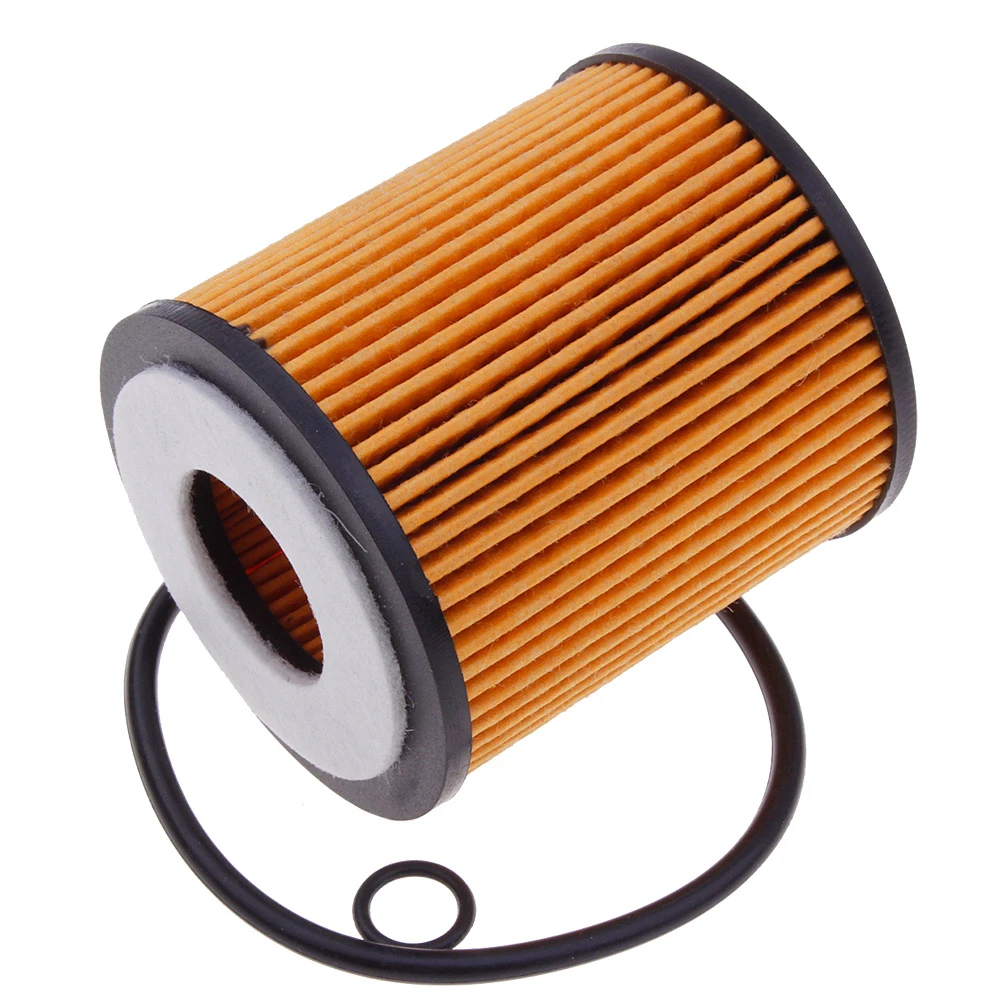
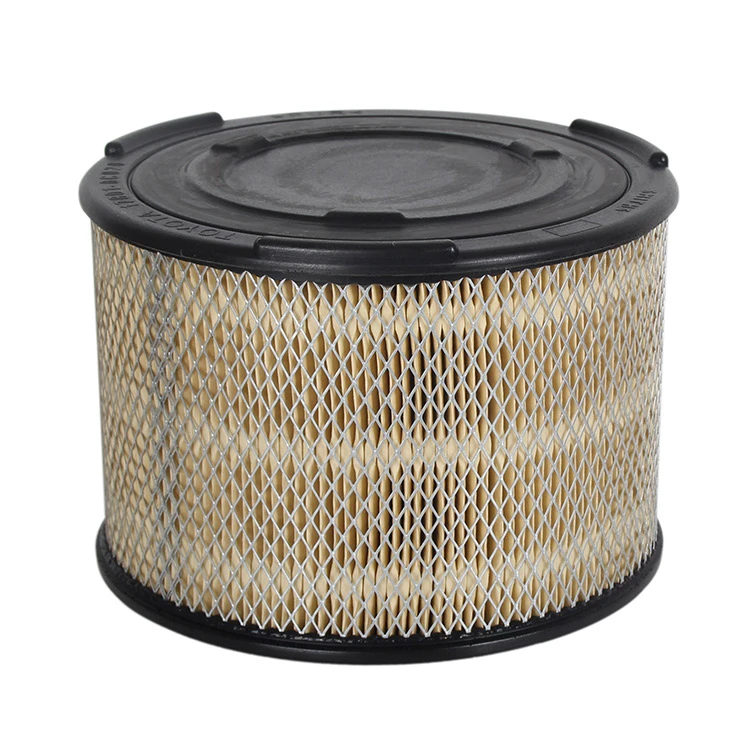
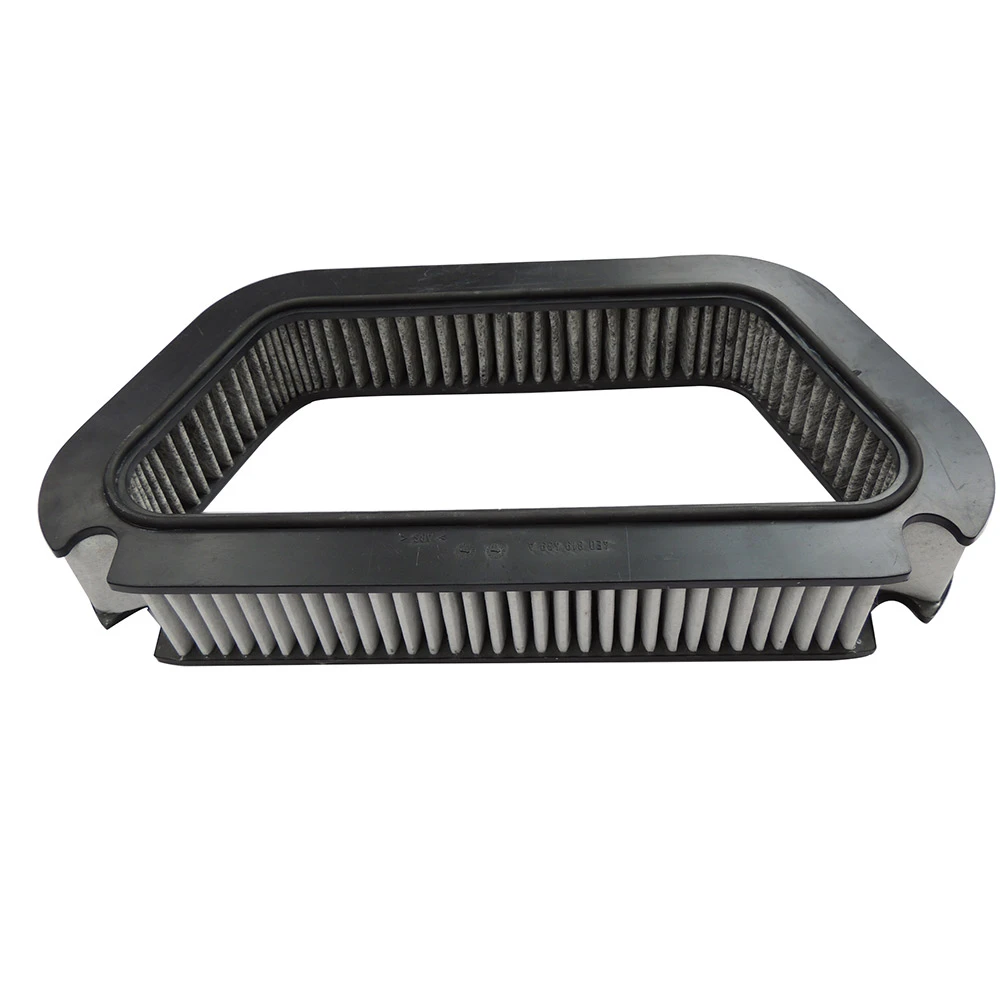
- Pleated Paper Filters: The traditional, most common choice with decent filtration and affordability.
- Foam Filters: Reusable and washable, often used in off-road vehicles.
- Cotton Gauze Filters: A bit pricier but provide better airflow and are cleanable.
- Oil Bath Filters: Older technology, still seen in vintage and heavy machinery.
Mini takeaway: The wide variety of air filters match diverse driver needs and regional challenges.
Key Aspects When Choosing an Automobile Air Filter
Filtration Efficiency
Arguably the most critical factor: how well does the filter capture particles without choking airflow? A filter that traps more particles protects the engine better, but if it restricts airflow, performance suffers. Engineers continuously seek that sweet spot.
Durability & Maintenance
Filters in dusty or harsh environments must last longer or be easy to clean. Foam and cotton gauze varieties shine here, offering washable options that reduce replacement frequency.
Cost Efficiency
For many, upfront cost matters, but long-term expenses — replacement frequency, fuel economy impacts — matter more. A cheaper filter that restricts airflow might increase fuel consumption over time.
Environmental Impact
With sustainability in focus, manufacturers lean toward filters made with recyclable materials or those that reduce emissions by ensuring better combustion.
Compatibility and Size
Manufacturers design filters to fit specific engines; off-the-shelf doesn’t always work. A wrong size or type can cause leaks or inefficient filtration.
Practical Global Applications & Use Cases
Types of air filter in automobile are not just abstract parts; they have concrete impacts worldwide.
- Urban Centres: In cities with heavy smog, advanced cotton gauze filters are popular among drivers looking to keep engines safe and reduce emissions.
- Rural & Agricultural Regions: Foam filters are favored for their ability to endure dusty conditions and be cleaned easily, reducing downtime.
- Emerging Markets: Paper filters dominate due to low cost and availability, though growing awareness is prompting shifts to longer-lasting options.
- Motorsport & Performance Vehicles: High-performance reusable filters help maximize airflow for increased power output.
Oddly enough, you’ll also find oil bath filters still used in heavy equipment and military vehicles where rugged reliability trumps everything else.
Advantages & Long-Term Benefits
Good air filters:
- Extend Engine Life: By blocking harmful particulates, they reduce wear and tear.
- Improve Fuel Economy: Optimal airflow means more efficient combustion.
- Lower Emissions: Cleaner air intake helps reduce unburned hydrocarbons and particulates.
- Cost Savings: Less engine damage means fewer repairs.
- Environmental Impact: Filter improvements contribute indirectly to better air quality.
There’s also a less tangible benefit — peace of mind. Knowing that your car’s “breathing” is clean and unrestricted creates a subtle level of trust in your vehicle’s performance.
Future Trends in Automotive Air Filtration
The future looks promising and green. Innovations include:
- Nanofiber Filters: Ultra-thin fibers capturing even microscopic particles without airflow loss.
- Smart Filters: Integrated sensors that alert drivers when filters need replacement.
- Sustainable Materials: Bio-based and recycled components reducing environmental footprints.
- Electric Vehicles (EVs): Though EVs require less demanding air filtration, HVAC systems and cabin air filters will see growth.
Digital transformation and the rise of connected vehicles mean filters will be monitored more closely than ever.
Common Challenges & How To Address Them
Despite advances, challenges persist:
- Filter Clogging: In dusty environments, filters load up quickly, causing airflow restriction.
- Replacement Neglect: Many drivers wait too long between replacements.
- Incompatible Replacements: Using the wrong filter type or size harms engine performance.
Solutions range from better driver education to designing filters with self-cleaning or indicator technologies. Some manufacturers offer lifetime warranties to encourage timely maintenance.
Product Specification Table: Typical Air Filter Types
| Filter Type | Material | Filtration Efficiency | Maintenance | Avg. Lifespan |
|---|---|---|---|---|
| Pleated Paper | Cellulose fibers | Moderate (up to 98%) | Replace only | 15,000–30,000 miles |
| Foam | Polyurethane foam | Good (85-95%) | Wash and reuse | Up to 50,000 miles with care |
| Cotton Gauze | Oiled cotton fabric | High (up to 99%) | Clean and re-oil | Up to 50,000 miles |
| Oil Bath | Oil and mesh | Fair (75-85%) | Clean and refill oil | Long-lasting but bulky |
Vendor Comparison Table: Leading Filter Manufacturers
| Vendor | Filter Types Offered | Price Range | Innovation Focus | Global Reach |
|---|---|---|---|---|
| Mann+Hummel | All major types, nanofiber tech | $$$ | Smart, high-efficiency filters | Worldwide |
| K&N Engineering | Cotton gauze, reusable | $$ | Performance and reusability | Strong in US, Europe |
| Fram | Pleated paper, foam | $ | Affordable, mass-market | North America, Asia |
FAQ: Your Practical Questions About Types of Air Filter in Automobile
1. How often should I replace my car’s air filter?
Generally, it’s recommended every 15,000 to 30,000 miles for pleated paper filters. However, dusty conditions may require more frequent changes. Foam and cotton filters can last longer if cleaned properly. Always check your owner’s manual.
2. Can I use a reusable air filter instead of disposables?
Yes, reusable filters like cotton gauze or foam can be cleaned and re-oiled. They often provide better airflow and long-term savings but require maintenance discipline.
3. Will a high-performance air filter improve my car’s fuel economy?
Potentially yes. Better airflow can improve combustion efficiency slightly, but gains are modest for everyday driving. Performance filters are more about engine responsiveness.
4. Are all air filters compatible with every car?
No, filters vary by make and model due to size and airflow needs. Always use filters specified for your vehicle to avoid leaks or poor filtration.
5. What happens if I don’t replace a clogged air filter?
Clogged filters restrict airflow, forcing your engine to work harder. This can reduce power, lower fuel economy, and increase emissions. Over time, it may cause engine damage.
Conclusion: Breathing Easier with the Right Automotive Air Filter
In the grand scheme, types of air filter in automobile engines may seem like a small technical detail, but their impact cascades across engine health, environmental sustainability, and driving comfort. Choosing the right air filter matters — whether it’s a cheap pleated paper in a daily driver or a high-tech nanofiber filter in a performance machine. Keeping filters clean and replacing them on time preserves engine life and helps us all breathe a little easier.
If you want to explore options or upgrade your vehicle’s air filtration system, visit https://www.jyfilter.com to dive deeper into filter types, usage tips, and vendor recommendations.
Mini takeaway: The right air filter choice is a simple yet powerful step toward better vehicle performance and cleaner air.
References:
1. UN Environment Programme. Transport Sector CO2 Emissions Report.
2. International Organization of Motor Vehicle Manufacturers (OICA).
3. Wikipedia contributors. “Air Filter.” Wikipedia, The Free Encyclopedia.
-
Guide on how often do you need to replace engine air filterNewsApr.16,2026
-
Learn how often do you replace air filter in car for engine healthNewsApr.09,2026
-
How Often Do You Replace Car Air Filter For Optimal Engine PerformanceNewsApr.07,2026
-
How Often Do You Replace Engine Air Filter For Optimal Vehicle PerformanceNewsApr.04,2026
-
Understanding How Often Does Engine Air Filter Need to Be Replaced for Optimal PerformanceNewsMar.31,2026
-
How Often Engine Air Filter Change Impacts Performance and LongevityNewsMar.28,2026
-
Understanding How Often to Replace Your Car Air Filter for Optimal PerformanceNewsMar.26,2026
Related Products