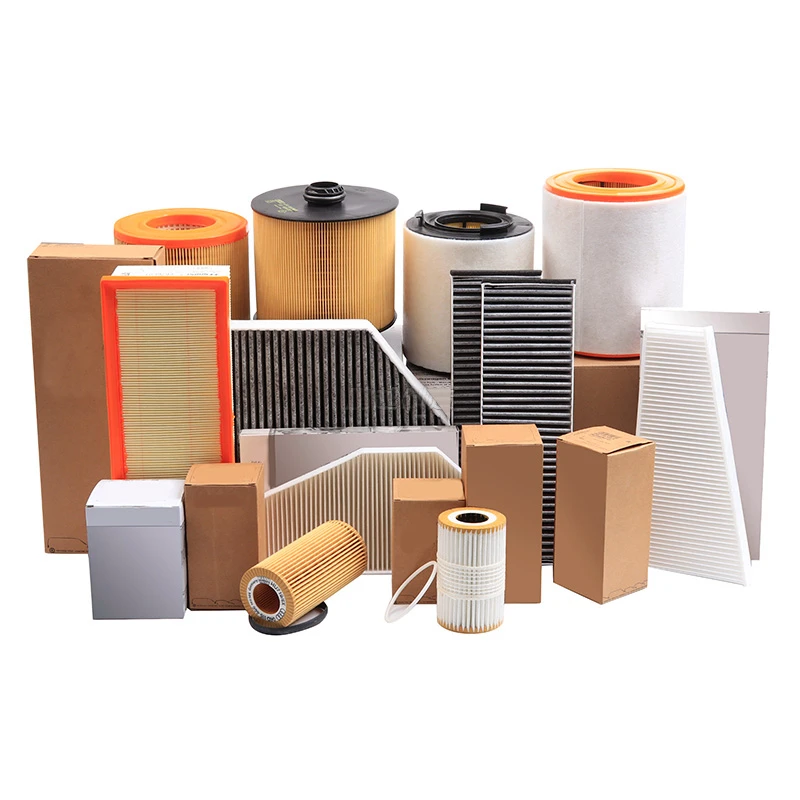
How to Replace Car Air Filter: Insights from Years in Industrial Equipment
Working in industrial equipment for over a decade, I’ve come to appreciate the small parts that make a big difference — and car air filters are definitely one of those unsung heroes. Frankly, replacing a car air filter is a simple maintenance task that many overlook, but it’s crucial for engine health and performance.
The replace car air filter routine is surprisingly straightforward, yet there are subtle nuances worth understanding if you want your vehicle running smoothly for the long haul. I’m going to walk you through what I’ve noticed over the years — from materials, design trends, to practical advantages — plus a few vendor insights that might help you decide which filter suits your needs.
Why Replace Your Car Air Filter Regularly?
In industrial settings, I've seen equipment grind to a halt simply because someone ignored changing a clogged filter. Cars are similar — a dirty air filter restricts airflow, choking your engine’s efficiency. This not only reduces horsepower but can also hike your fuel consumption. You might think, “Oh, it’s just air,” but that’s a kind of engineering shorthand for why good filtration matters.
Many engineers say that air filters also protect delicate engine parts from dust, pollen, and road grime. Oddly enough, you don’t hear drivers talk about this — though if you imagine tiny abrasive dust particles entering an engine, it’s no surprise filters matter. I recall a mechanic describing how a neglected filter in a dusty environment caused premature engine wear on a fleet vehicle. Lesson learned.
Material & Design: What Works Best?
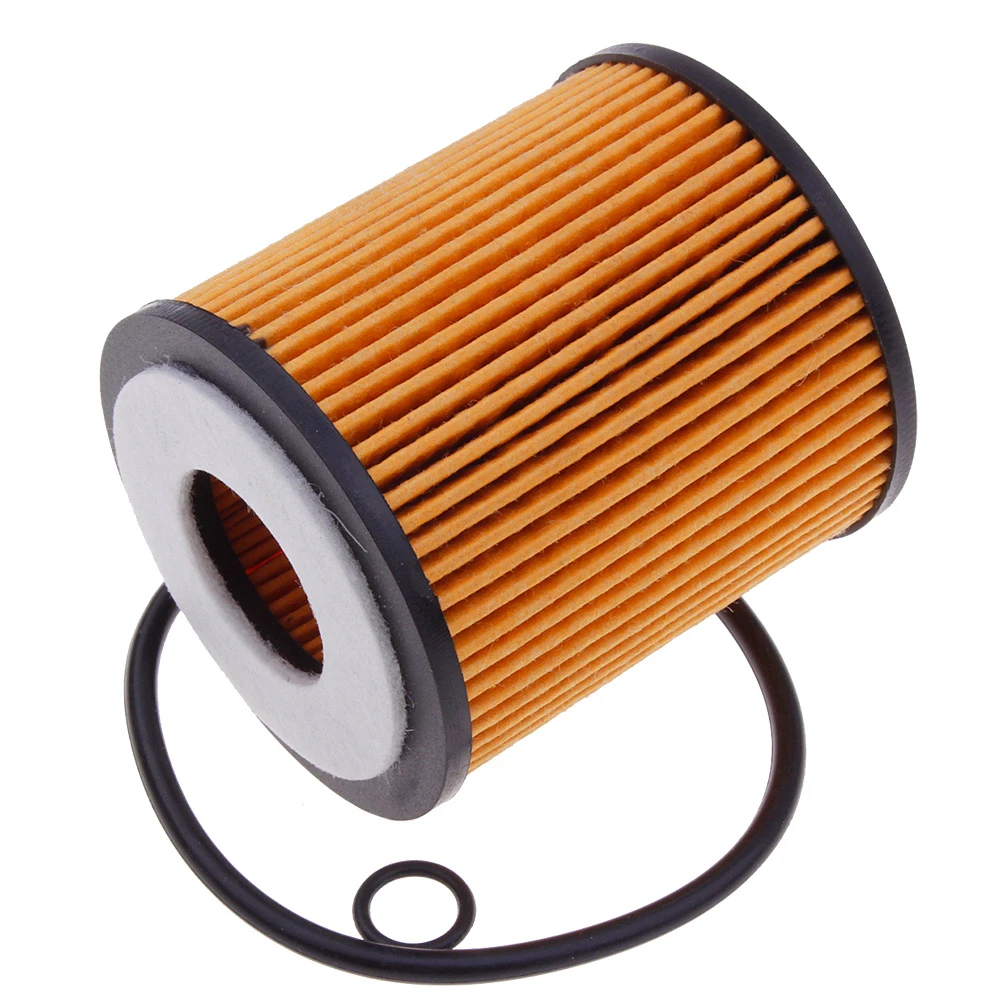
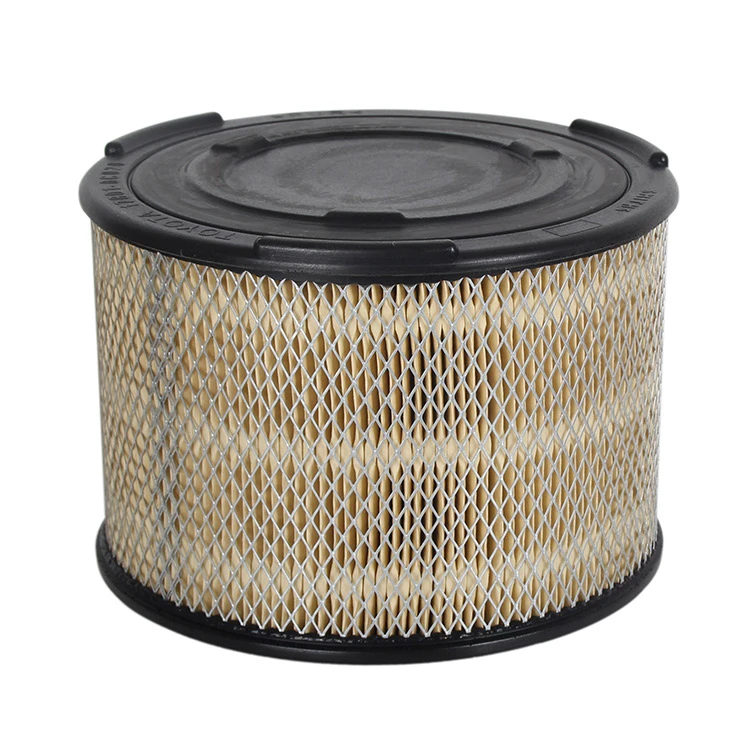
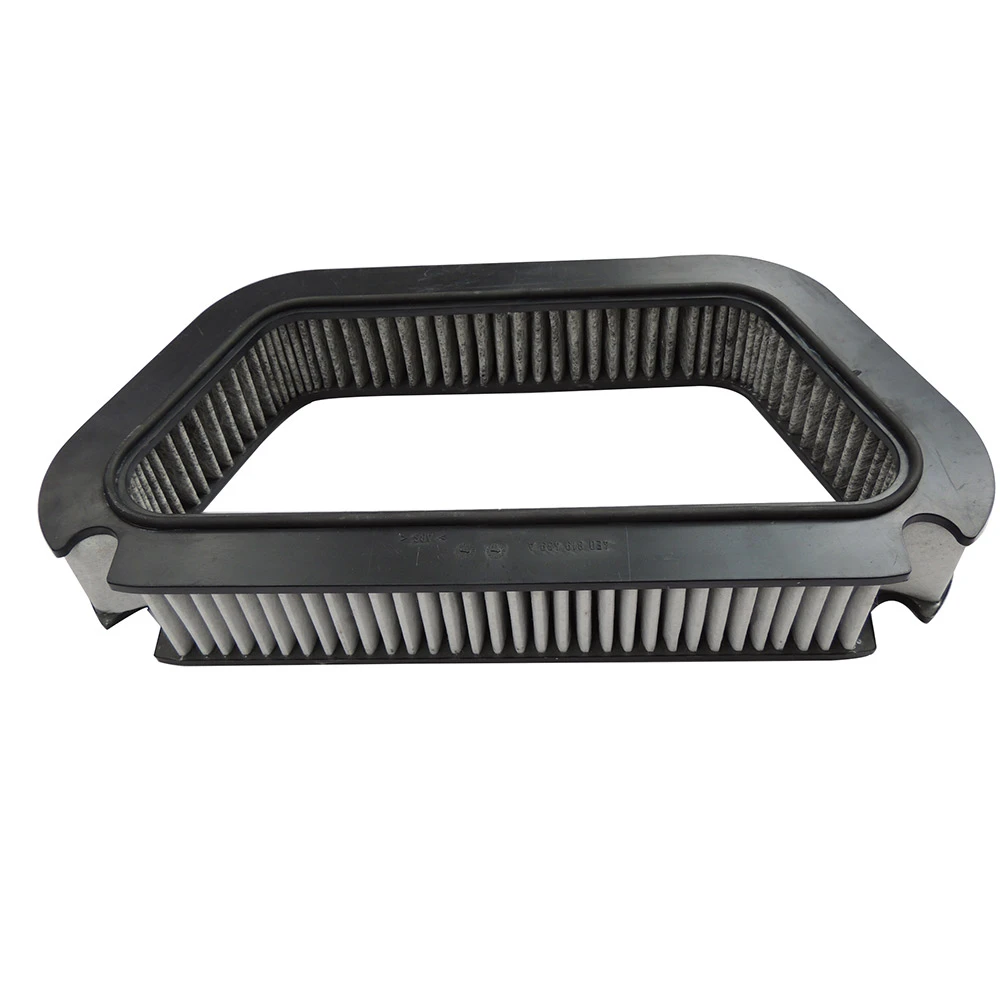
Modern car air filters typically use pleated paper or synthetic fibers. Pleated designs provide more surface area, which means better filtration without choking air intake. Synthetic materials often last longer and can trap smaller particles — though they might cost a tad more upfront.
Another interesting development is reusable filters with washable designs, favored in some industrial machinery but less common in everyday cars because they require more maintenance. In real terms, the balance between cost, durability, and efficiency tends to guide most drivers to disposable paper filters — which, if chosen well, give solid performance and good value.
| Specification | Typical Metric | Notes |
|---|---|---|
| Filter Type | Pleated Paper / Synthetic | Varies by model; synthetic costs more but lasts longer |
| Micron Rating | 5–20 µm | Smaller rating means finer particle filtration |
| Typical Replacement Interval | 12,000–15,000 miles | Dependent on driving conditions |
| Build Material | Paper, Synthetic fibers, Rubber seals | Seals prevent unfiltered air ingress |
Choosing the Right Vendor: A Quick Comparison
In my years dealing with equipment suppliers, trust and quality control rank high. Replacement car air filters might seem commodity-like, but you definitely get what you pay for. Here’s a quick vendor comparison table I put together based on general market availability and feedback from the field:
| Vendor | Material Quality | Price Range | Durability & Warranty | Availability |
|---|---|---|---|---|
| Brand A | High-grade synthetic fiber | $$$ | 2 years limited warranty | Widely available online |
| Brand B | Standard pleated paper | $ | No warranty | Common at local stores |
| Brand C | Premium reusable filter | $$$$ | 5 years warranty + reusable | Selective distributors |
My Takeaway & A Small Customer Story
It feels like in industrial and automotive care alike, paying attention to filters is a bit of “out of sight, out of mind” — yet trust me, it pays dividends when you stay on top of maintenance. I remember a longtime customer fondly telling me how just swapping their old air filter for a quality synthetic one — supplied by a less-known vendor but with solid specs — noticeably improved acceleration and reduced fuel bills. Sometimes, spending a few extra bucks upfront saves you on repair costs later.
So, if you want to maintain your car’s engine life and efficiency, replace car air filter regularly with a quality part suited to your driving environment. If I’ve learned anything, it’s always better to choose trusted suppliers and not cut corners, especially for something as critical as the air your engine breathes.
Of course, if you drive in dusty, rural, or industrial conditions often, you might need to replace filters more frequently. I suppose it’s all about adapting to real-world conditions rather than blindly following a mileage chart.
Anyway, don’t overlook this simple step — it’s one of those easy wins in vehicle maintenance.
Thanks for reading — safe driving!
References
- Automotive Maintenance Handbook, 2022 Edition
- Industry Standards for Automotive Filters, SAE International
- Customer Testimonials & Field Feedback Logs, 2019-2023
-
Guide on how often do you need to replace engine air filterNewsApr.16,2026
-
Learn how often do you replace air filter in car for engine healthNewsApr.09,2026
-
How Often Do You Replace Car Air Filter For Optimal Engine PerformanceNewsApr.07,2026
-
How Often Do You Replace Engine Air Filter For Optimal Vehicle PerformanceNewsApr.04,2026
-
Understanding How Often Does Engine Air Filter Need to Be Replaced for Optimal PerformanceNewsMar.31,2026
-
How Often Engine Air Filter Change Impacts Performance and LongevityNewsMar.28,2026
-
Understanding How Often to Replace Your Car Air Filter for Optimal PerformanceNewsMar.26,2026
Related Products