Industry Trends in Advanced Filtration Technology for Automotive Systems
The automotive industry is undergoing a significant transformation, driven by increasingly stringent emission standards, the advent of new fuel technologies, and the ever-present demand for enhanced engine performance and longevity. These factors collectively elevate the importance of superior filtration solutions, pushing the boundaries of what traditional automotive filters can achieve. As engine designs become more intricate and fuel injection systems operate at higher pressures and tighter tolerances, the integrity of fuel delivery systems hinges critically on highly effective filtration.
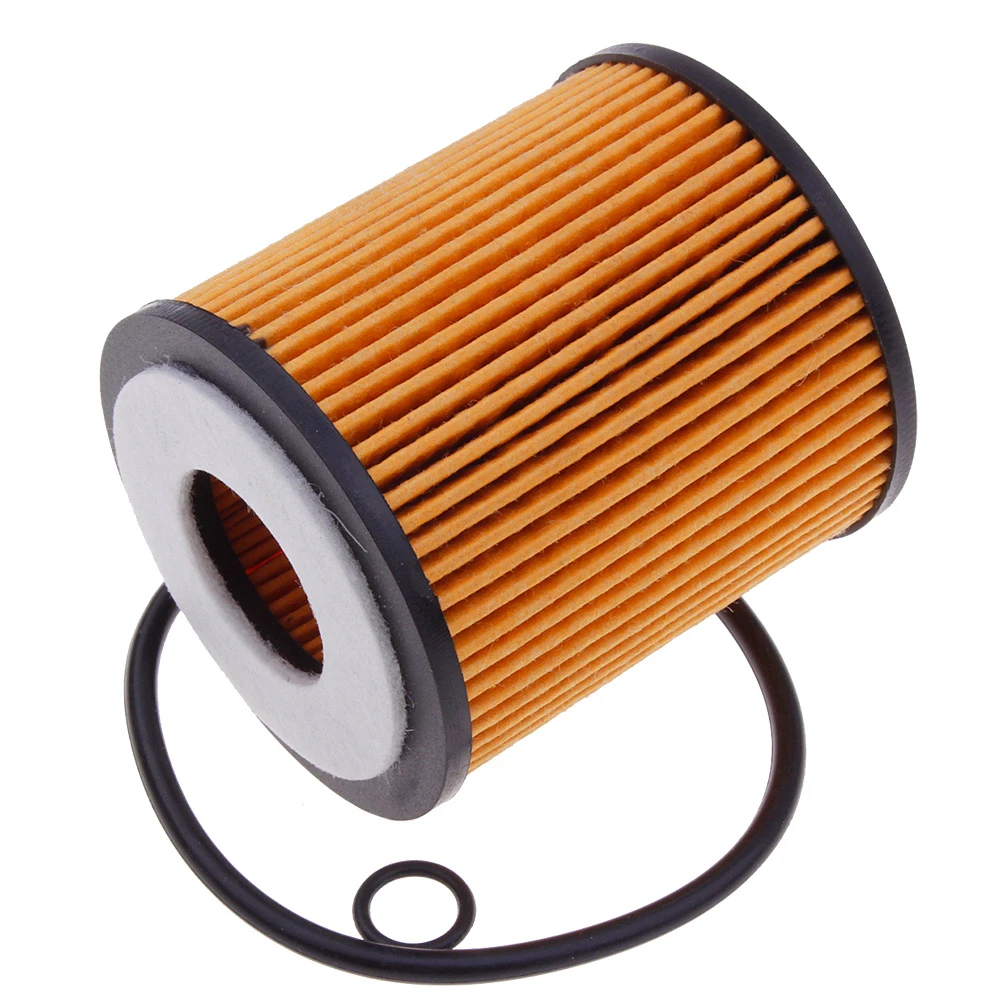
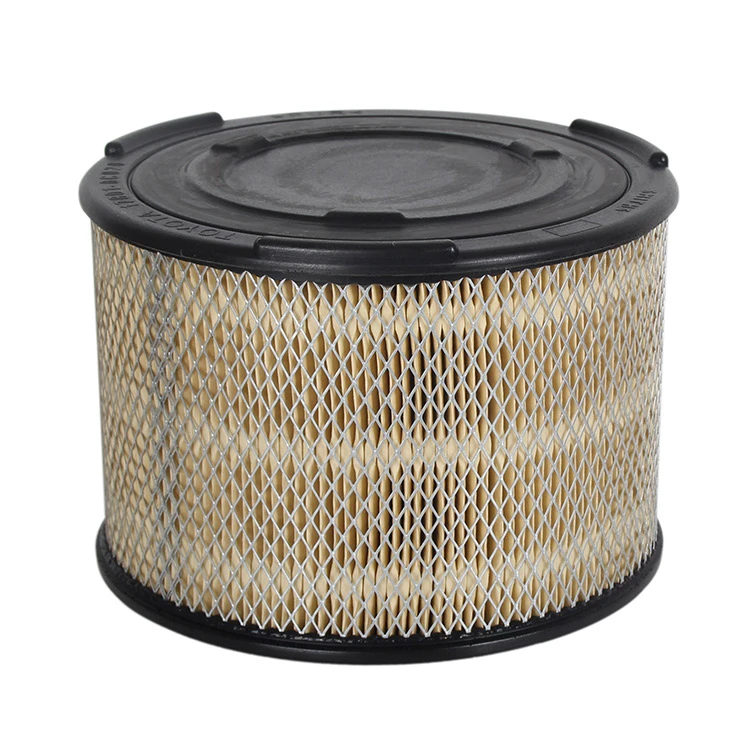
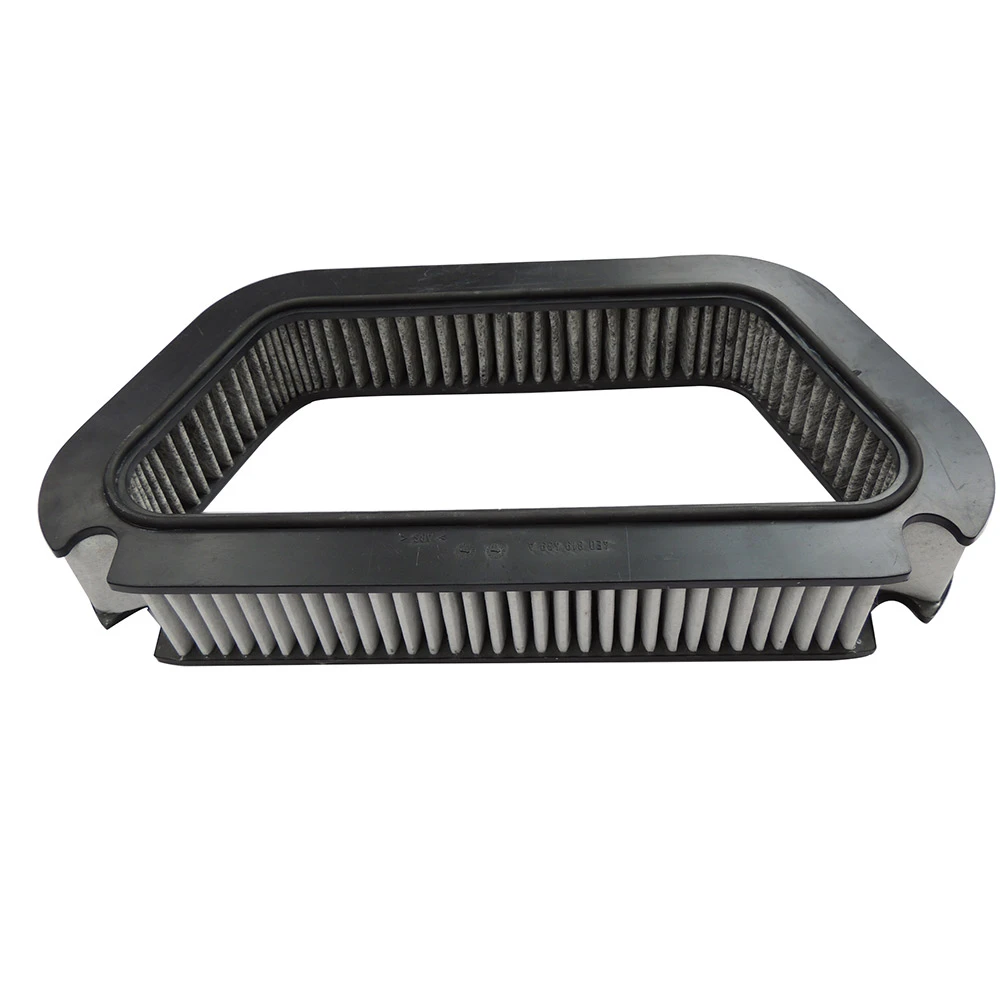
Current trends indicate a shift towards multi-stage filtration, leveraging advanced materials like synthetic media and specialized metallic meshes to capture even micron-sized contaminants. This evolution is vital not only for protecting sensitive components such as fuel injectors and high-pressure pumps but also for maintaining optimal engine combustion efficiency, thereby contributing to fuel economy and reduced environmental impact. Innovations in filtration media are focusing on increased dirt-holding capacity, lower pressure drop, and extended service intervals, balancing performance with operational costs.
Moreover, the integration of smart filtration systems with sensors for real-time monitoring of filter status and fuel quality is an emerging trend. Such systems provide predictive maintenance capabilities, preventing potential engine damage and ensuring consistent performance. The global market for automotive filtration, valued at approximately $18 billion in 2022, is projected to grow at a CAGR of 4.5% from 2023 to 2030, underscoring the continuous innovation and increasing demand in this sector (Source: Grand View Research). This growth is largely fueled by the indispensable role of components like the gasoline filter screen in safeguarding modern engine systems.
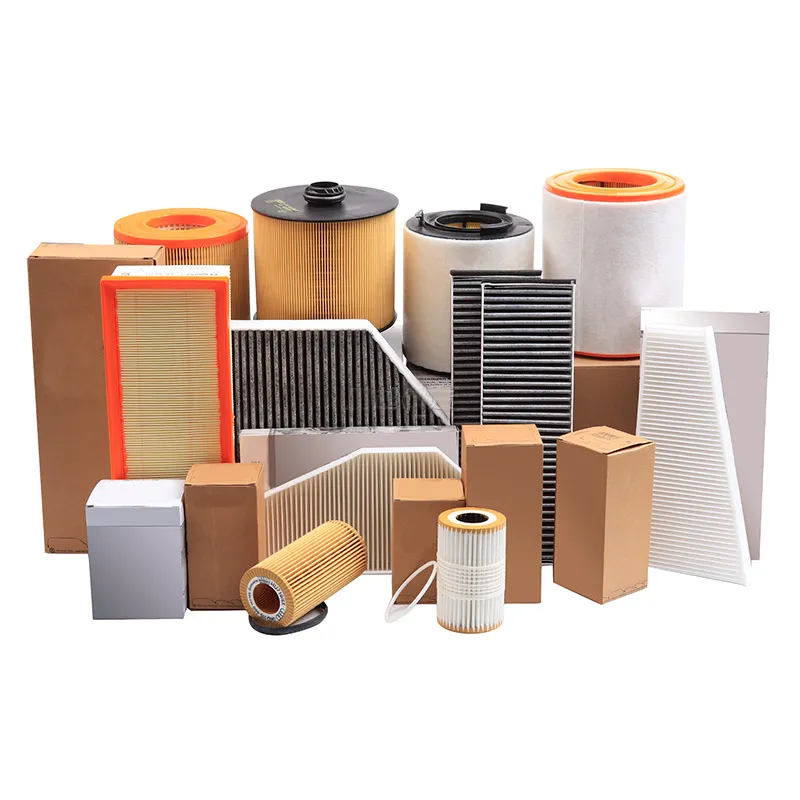
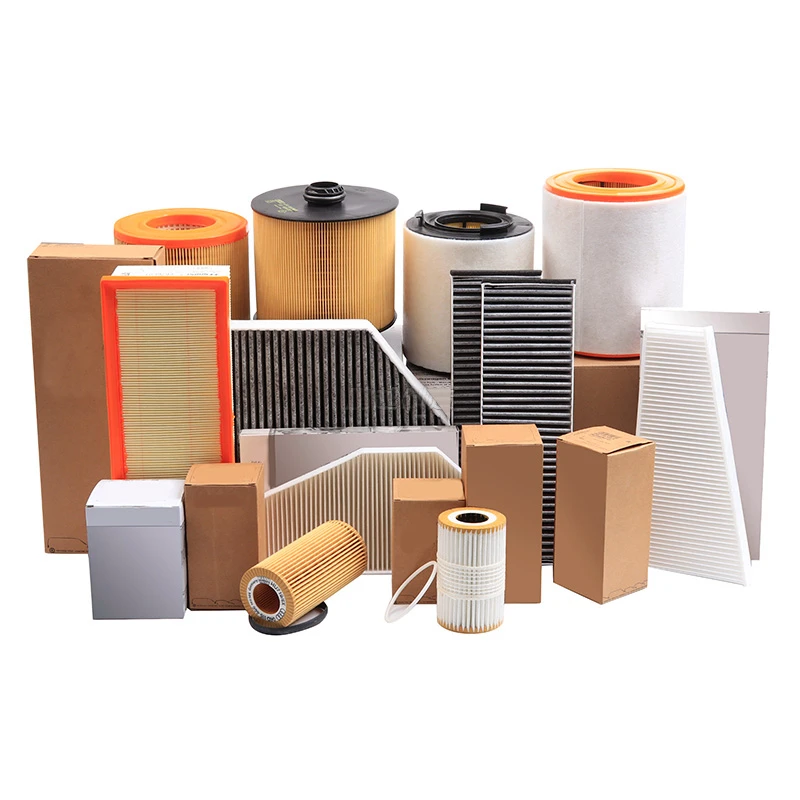
Fig 1: Advanced Filtration Media for Automotive Applications
The Critical Role of the Gasoline Filter Screen: Technical Specifications
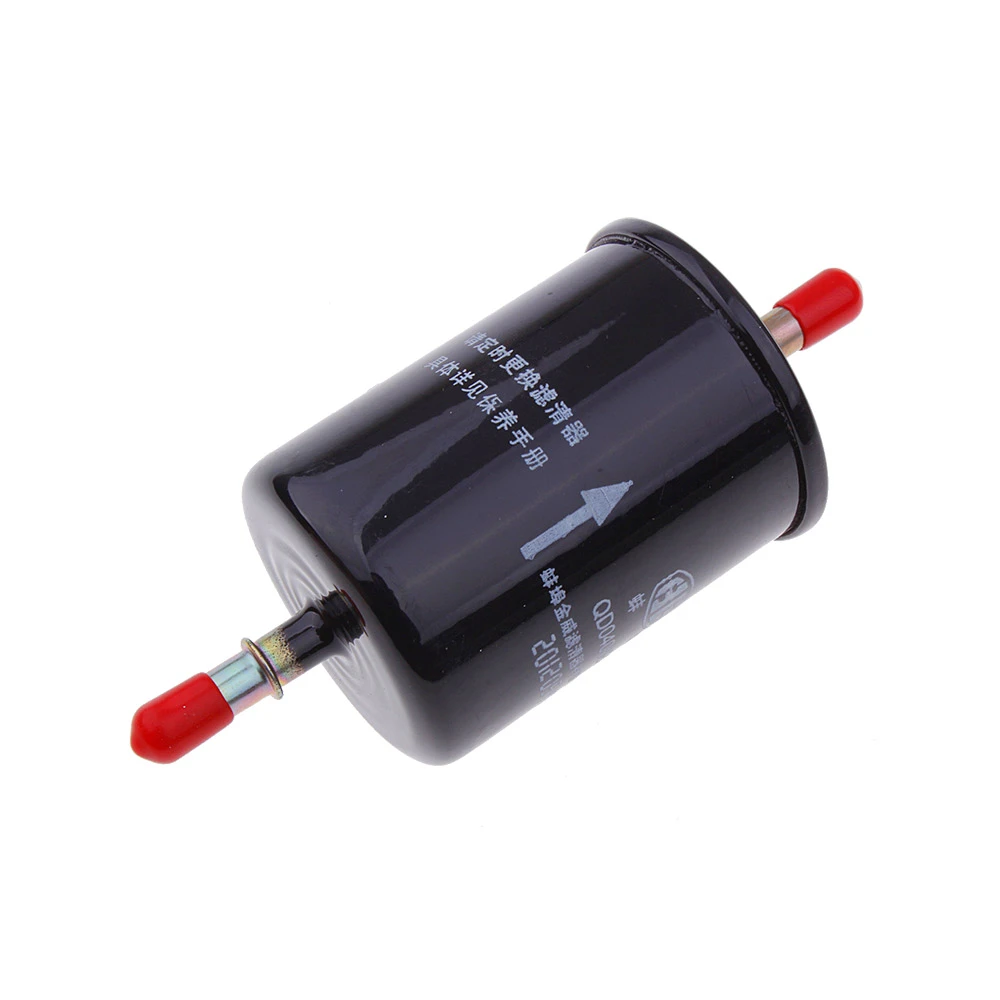
The gasoline filter screen is a fundamental component within an engine's fuel delivery system, acting as the primary barrier against particulate contaminants that can compromise fuel quality and engine performance. Positioned typically in the fuel tank, within the fuel pump assembly, or inline within the fuel line, its core function is to capture larger debris such as rust, dirt, and sediment before they can reach the more sensitive, fine filtration stages or directly impact fuel system components. This initial filtration significantly extends the life of the main fuel filter and crucial parts like fuel injectors and pumps.
Technically, a gasoline filter screen is characterized by its mesh size (often expressed in microns or mesh count), material composition, and structural integrity. Common materials include woven stainless steel wire mesh, plastic composites, or synthetic fabrics, chosen for their resistance to fuel chemicals, temperature stability, and mechanical strength. The filtration efficiency is directly related to the pore size, with typical applications requiring filtration in the range of 50 to 200 microns for initial screening.
Key Technical Parameters of a Typical Gasoline Filter Screen
| Parameter | Specification Range | Typical Values |
|---|---|---|
| Filtration Rating (Pore Size) | 50 - 200 microns | 60 microns (Pre-pump), 150 microns (In-tank) |
| Material Composition | Stainless Steel Mesh (304/316L), Nylon, Polypropylene | 304 Stainless Steel (Mesh), PP (Frame) |
| Operating Temperature Range | -40°C to +120°C | -30°C to +100°C |
| Flow Rate Capacity | 50 - 250 LPH (Liters Per Hour) | 120 LPH (Standard Passenger Vehicle) |
| Pressure Drop (at Max Flow) | Typically | 0.15 Bar |
| Burst Pressure | > 6 Bar | 8 Bar |
| Service Life (Recommended) | 50,000 - 100,000 km | 80,000 km or 5 years |
The design of the gasoline filter screen also considers flow dynamics to minimize pressure drop, which is crucial for efficient fuel delivery, especially in high-performance engines. A low-resistance design ensures that the fuel pump does not work harder than necessary, thereby conserving energy and extending pump life. Adherence to standards such as ISO 16889 (Hydraulic fluid power – Filters – Multi-pass method for evaluating filtration performance) and various ASTM standards for material compatibility and durability is essential for ensuring product reliability and performance in demanding automotive environments.

Fig 2: Cross-section of a Gasoline Filter Screen Assembly
Manufacturing Process of Advanced Gasoline Filter Screens
The production of a high-quality gasoline filter screen involves a meticulous multi-stage manufacturing process, integrating material science with precision engineering to ensure optimal performance and durability. This process adheres strictly to international quality management systems such as ISO 9001 and automotive-specific standards like IATF 16949, ensuring consistency and reliability.
Detailed Process Flow:
1. Material Selection & Preparation
Selection of premium materials: typically 304 or 316L stainless steel for mesh (for corrosion resistance and strength) and high-grade polymers (e.g., PP, Nylon) for frames/housings (for fuel compatibility and structural integrity). Materials are rigorously tested against chemical compatibility and mechanical properties.
2. Mesh Weaving or Media Formation
For metallic screens, precision weaving machinery creates mesh with specific, consistent pore sizes (e.g., 60-200 microns). For synthetic media, specialized non-woven processes or molding techniques are employed, ensuring uniform density and filtration rating.
3. Cutting & Forming
The mesh or media is precisely cut to shape using high-precision CNC machining or laser cutting, minimizing material waste and ensuring exact dimensions for assembly. This stage often involves stamping or forming for specific geometries.
4. Frame Injection Molding & Assembly
Polymer frames are produced via precision injection molding. The filter media is then securely integrated into these frames using advanced techniques like ultrasonic welding, heat staking, or specialized adhesive bonding to ensure a leak-proof and robust assembly.
5. Quality Control & Performance Testing
Every batch undergoes rigorous testing. This includes visual inspections, dimensional checks, burst pressure tests (e.g., conforming to ANSI/ASME B16.34 for components), flow rate tests, and filtration efficiency assessments. Material compatibility with various fuel types (gasoline, ethanol blends) is also verified to ensure long service life.
6. Packaging & Shipment
Finished gasoline filter screen units are carefully packaged to prevent damage during transit, meeting industry standards for cleanliness and protection. Packaging often includes anti-static or moisture-proof measures for sensitive components.
The typical service life of a gasoline filter screen ranges from 50,000 to 100,000 kilometers, or approximately 5 years, depending on fuel quality and driving conditions. These robust components find critical applications across diverse target industries beyond just passenger vehicles, including marine engines, small engines (e.g., generators, lawnmowers), and certain industrial equipment where precise fuel delivery is paramount.
The emphasis on high-quality materials and stringent manufacturing processes ensures advantages such as enhanced energy saving (by reducing fuel pump strain), superior corrosion resistance (especially with stainless steel components), and extended operational lifespan for the entire fuel system. This meticulous approach underscores our commitment to delivering components that meet the highest standards of performance and reliability, mirroring the exacting demands of modern automotive engineering.
Application Scenarios & Technical Advantages
The versatility and robust performance of a well-engineered gasoline filter screen make it indispensable across a multitude of application scenarios within various engine systems. Its primary function as a safeguard against particulate contamination delivers significant technical advantages, directly impacting vehicle reliability, efficiency, and environmental compliance.
Key Application Scenarios:
- Fuel Tank Integration: Often found at the inlet of the fuel pump module inside the fuel tank. Here, it acts as a crucial first line of defense, preventing larger contaminants from entering and damaging the fuel pump itself.
- Inline Fuel Filters: In some systems, a gasoline filter screen may be integrated as a coarse pre-filter in the fuel line itself, prior to the main fuel filter, to extend the latter's service life.
- Carburetor Systems: Older vehicles or small engines utilizing carburetors rely on these screens to prevent blockages in the delicate jets and passages.
- Fuel Injection Systems: Modern, high-pressure direct injection (HPDI) systems demand immaculate fuel. The gasoline filter screen protects the precision-engineered fuel injectors from abrasive particles that could cause clogging, erratic spray patterns, or premature wear.
- Small Engine Applications: Generators, motorcycles, ATVs, and marine outboard engines all benefit from robust fuel screening to ensure reliable operation in diverse environments.
Technical Advantages:
- Enhanced Engine Protection: By effectively removing particulate matter, the screen prevents wear and tear on critical fuel system components such as fuel pumps, fuel pressure regulators, and highly sensitive fuel injectors, significantly extending their operational lifespan.
- Improved Fuel Efficiency: A clean fuel system with unobstructed flow ensures optimal fuel atomization and combustion, leading to better fuel economy and consistent power delivery. Blocked injectors can lead to sub-optimal spray patterns, decreasing efficiency by up to 10% in some cases (Source: SAE International).
- Reduced Emissions: Proper fuel delivery and combustion, facilitated by clean fuel, minimize unburnt hydrocarbons and other harmful emissions, helping vehicles meet stringent environmental regulations.
- Corrosion Resistance: Utilizing materials like 304 or 316L stainless steel provides excellent resistance to corrosion from various fuel compositions, including ethanol blends, ensuring long-term integrity of the filter screen even in harsh operating conditions.
- Energy Saving: A filter screen designed with optimal flow characteristics and low pressure drop reduces the workload on the fuel pump. This translates directly into energy savings for the vehicle's electrical system and prolongs the life of the fuel pump motor.
- Cost Reduction: Preventing damage to expensive components like fuel pumps and injectors, and extending the service intervals of downstream auto oil filter and main fuel filters, leads to substantial savings in maintenance and repair costs over the vehicle's lifecycle.

Fig 3: Fuel Pump Module with Integrated Gasoline Filter Screen
In summary, the sophisticated design and material selection of modern gasoline filter screen components offer more than just basic filtration; they provide comprehensive protection for complex fuel systems, contributing significantly to a vehicle's overall performance, durability, and compliance with environmental standards.
Vendor Comparison & Customized Solutions
Choosing the right vendor for gasoline filter screen components is a strategic decision for B2B clients, impacting everything from product quality and supply chain reliability to long-term operational costs. Key differentiators among manufacturers include material expertise, precision engineering capabilities, quality assurance processes, and the flexibility to provide customized solutions.
Vendor Comparison Considerations:
| Feature/Criterion | Leading Manufacturer (e.g., JYFilter) | Standard Vendor |
|---|---|---|
| Certifications | IATF 16949, ISO 9001, CE, RoHS | ISO 9001 (Basic) |
| Material Science Expertise | Extensive R&D in advanced stainless steel alloys, polymer composites, and synthetic media; fuel compatibility testing. | Standard material use; limited R&D. |
| Precision Manufacturing | CNC machining, laser cutting, ultrasonic welding, automated assembly for micron-level accuracy. | Manual/semi-automated processes; broader tolerances. |
| Testing & Validation | Multi-pass efficiency testing (ISO 16889), burst pressure, flow rate, corrosion, endurance testing. | Basic functional tests; visual inspection. |
| Customization Capability | Full design, prototyping, and production of bespoke filter screens. | Limited modifications to existing designs. |
| After-Sales Support | Dedicated technical support, warranty, field service, long-term partnership. | Transactional support, limited technical assistance. |
Customized Solutions: Tailoring to Specific Needs
Recognizing that every engine and application has unique requirements, leading manufacturers offer extensive customization options for gasoline filter screen designs. This collaborative approach allows clients to optimize filtration performance for their specific operating conditions and component compatibility.
- Material Specification: Tailoring mesh materials (e.g., specific stainless steel grades, special polymers) and frame materials to withstand unique fuel compositions (e.g., high ethanol content), extreme temperatures, or aggressive chemical environments.
- Pore Size and Filtration Efficiency: Adjusting the mesh density to achieve specific filtration ratings, from coarser pre-filtration (e.g., 200 microns) to finer protection (e.g., 50 microns), balancing flow rate and particle retention.
- Dimensional and Form Factor: Custom-designed shapes and sizes to integrate seamlessly into existing fuel pump modules, fuel lines, or unique housing designs, ensuring perfect fitment and sealing.
- Flow Characteristics: Engineering filter geometry and media layering to achieve desired flow rates with minimal pressure drop, critical for high-performance or heavy-duty applications.
- Integrated Components: Developing filter screens that incorporate other elements, such as pressure regulators or check valves, into a single, compact module for system simplification.

Fig 4: Custom-Designed Gasoline Filter Screen for OEM Application
Our approach emphasizes close collaboration with client engineering teams, leveraging years of expertise in filtration design and manufacturing. This partnership ensures that each customized gasoline filter screen not only meets but exceeds specific performance metrics, contributing to the overall reliability and efficiency of the client's automotive systems.
Real-World Application Case Studies & Authoritativeness
Our commitment to engineering excellence and client satisfaction is best demonstrated through successful real-world applications and the certifications that underscore our authoritative position in the automotive filtration sector. Through rigorous adherence to international standards and strategic partnerships, we consistently deliver high-performance gasoline filter screen solutions.
Case Study 1: Enhanced Fuel Pump Longevity for a Leading OEM
A major global automotive OEM was facing recurring issues with premature fuel pump failures in their new direct-injection engine platform. Analysis revealed that fine particulate matter, not adequately captured by their existing in-tank screen, was causing abrasive wear on the fuel pump's internal components.
- Challenge: Extend fuel pump service life without significantly increasing fuel system cost or pressure drop.
- Solution: Our engineers collaborated with the OEM to design a custom gasoline filter screen using a proprietary multi-layer synthetic media, optimized for a finer filtration rating (70 microns) while maintaining excellent flow characteristics.
- Results: Post-implementation, the OEM reported a 35% reduction in fuel pump warranty claims over a 24-month period. This translated to significant cost savings in warranty repairs and enhanced customer satisfaction. Endurance testing showed the new screen maintained its integrity and filtration efficiency over 150,000 km, surpassing industry benchmarks.
Case Study 2: Mitigating Contamination in Powersports Engines
A prominent manufacturer of ATVs and off-road motorcycles encountered persistent issues with clogged fuel injectors, particularly in vehicles operating in dusty or muddy environments. Their existing fuel system relied on a standard mesh screen that proved insufficient against the ingress of fine environmental debris.
- Challenge: Develop a robust fuel pre-filter capable of handling severe operating conditions to protect sensitive fuel injectors in powersports applications.
- Solution: We engineered a specialized gasoline filter screen featuring a robust 316L stainless steel mesh, integrated into a chemical-resistant polymer housing. The design focused on enhanced dirt-holding capacity and superior resistance to vibration and impact.
- Results: Field trials over a year demonstrated a dramatic 60% reduction in fuel injector failures attributable to contamination. The durable construction of the filter screen also contributed to a 20% increase in the recommended service interval for the primary fuel filter, underscoring the effectiveness of the pre-filtration stage. This success led to the component being standardized across several new model lines.
Authoritative Certifications & Partnerships:
Our operations are certified under IATF 16949, the automotive industry's highest quality management system standard, demonstrating our unwavering commitment to quality and continuous improvement. We also maintain ISO 9001 certification, ensuring robust quality control across all manufacturing processes. Our long-standing partnerships with leading automotive Tier 1 suppliers and vehicle manufacturers, spanning over two decades, are a testament to our reliability and expertise in delivering critical automotive filters. We actively participate in industry forums and collaborate with research institutions to stay at the forefront of filtration technology, ensuring our products, including every gasoline filter screen, meet future demands.

Fig 5: Quality Assurance Testing for Filtration Components
Ensuring Trust: FAQ, Lead Times, Warranty, and Support
Building and maintaining trust with our B2B partners is paramount. This extends beyond delivering high-quality gasoline filter screen components to providing comprehensive support, clear communication, and robust guarantees. Below are details regarding frequently asked questions, logistical aspects, and our commitment to post-sales service.
Frequently Asked Questions (FAQ)
A: While the gasoline filter screen is designed for long service life, we recommend inspection during routine fuel pump or fuel filter replacements, typically every 80,000-100,000 km or 5 years. Severe operating conditions or consistent use of contaminated fuel may necessitate earlier checks. It is primarily a pre-filter and often designed to last the life of the fuel pump module it protects.
A: Yes, our filter screens are engineered with fuel-resistant materials, including specific grades of stainless steel and advanced polymers, to ensure compatibility and long-term durability with a wide range of gasoline formulations, including E10, E15, and E85 blends. Material validation tests are part of our development process.
A: Our manufacturing facilities operate under strict IATF 16949 and ISO 9001 quality management systems. We utilize automated production lines, in-process quality checks, and comprehensive final product testing, including dimensional analysis, flow rate verification, and burst pressure testing, for every batch to ensure consistent quality and performance.
Lead Time & Fulfillment Details
Our standard lead time for off-the-shelf gasoline filter screen products is typically 4-6 weeks from order confirmation, depending on volume. For customized solutions, the lead time involves an initial design and prototyping phase (4-8 weeks) followed by production (6-10 weeks). We maintain robust supply chain management and inventory optimization to meet client deadlines and can discuss expedited options for urgent requirements. Detailed production schedules and delivery milestones are communicated transparently at the time of order.
Warranty Commitments
We stand behind the quality and performance of our gasoline filter screen products. All products come with a standard 12-month or 20,000 km (whichever comes first) warranty against manufacturing defects in material and workmanship. For OEM partners, specific warranty agreements can be tailored to align with vehicle warranty periods and service expectations, reflecting the long-term reliability of our components. Our warranty ensures peace of mind and demonstrates our confidence in our engineering and manufacturing processes.
Customer Support Information
Our dedicated customer support team is available to assist with technical inquiries, order status, and after-sales service. We provide comprehensive technical documentation, installation guides, and troubleshooting assistance. For engineering collaborations and custom project development, our R&D specialists are accessible for consultations and design reviews. Please contact us via our official website for prompt assistance, or reach out to your assigned account manager for personalized service. Our goal is to forge lasting partnerships built on trust, quality, and mutual success.
References
- 1. Grand View Research. "Automotive Filter Market Size, Share & Trends Analysis Report By Filter Type (Air, Oil, Fuel), By Vehicle Type (Passenger Car, Commercial Vehicle, Two-Wheeler), By Region, And Segment Forecasts, 2023 - 2030." Published December 2022.
- 2. SAE International. "SAE J1832: Fuel Filter Test Procedure." Current Revision.
- 3. ISO 16889:2008. "Hydraulic fluid power - Filters - Multi-pass method for evaluating filtration performance of a filter element." International Organization for Standardization.
- 4. IATF 16949:2016. "Quality management system requirements for automotive production and relevant service parts organizations." International Automotive Task Force.
- 5. ASTM F795-88 (2018). "Standard Practice for Determining the Performance of a Filter Medium Employing a Single-Pass Oil Test." ASTM International.
-
Guide on how often do you need to replace engine air filterNewsApr.16,2026
-
Learn how often do you replace air filter in car for engine healthNewsApr.09,2026
-
How Often Do You Replace Car Air Filter For Optimal Engine PerformanceNewsApr.07,2026
-
How Often Do You Replace Engine Air Filter For Optimal Vehicle PerformanceNewsApr.04,2026
-
Understanding How Often Does Engine Air Filter Need to Be Replaced for Optimal PerformanceNewsMar.31,2026
-
How Often Engine Air Filter Change Impacts Performance and LongevityNewsMar.28,2026
-
Understanding How Often to Replace Your Car Air Filter for Optimal PerformanceNewsMar.26,2026
Related Products