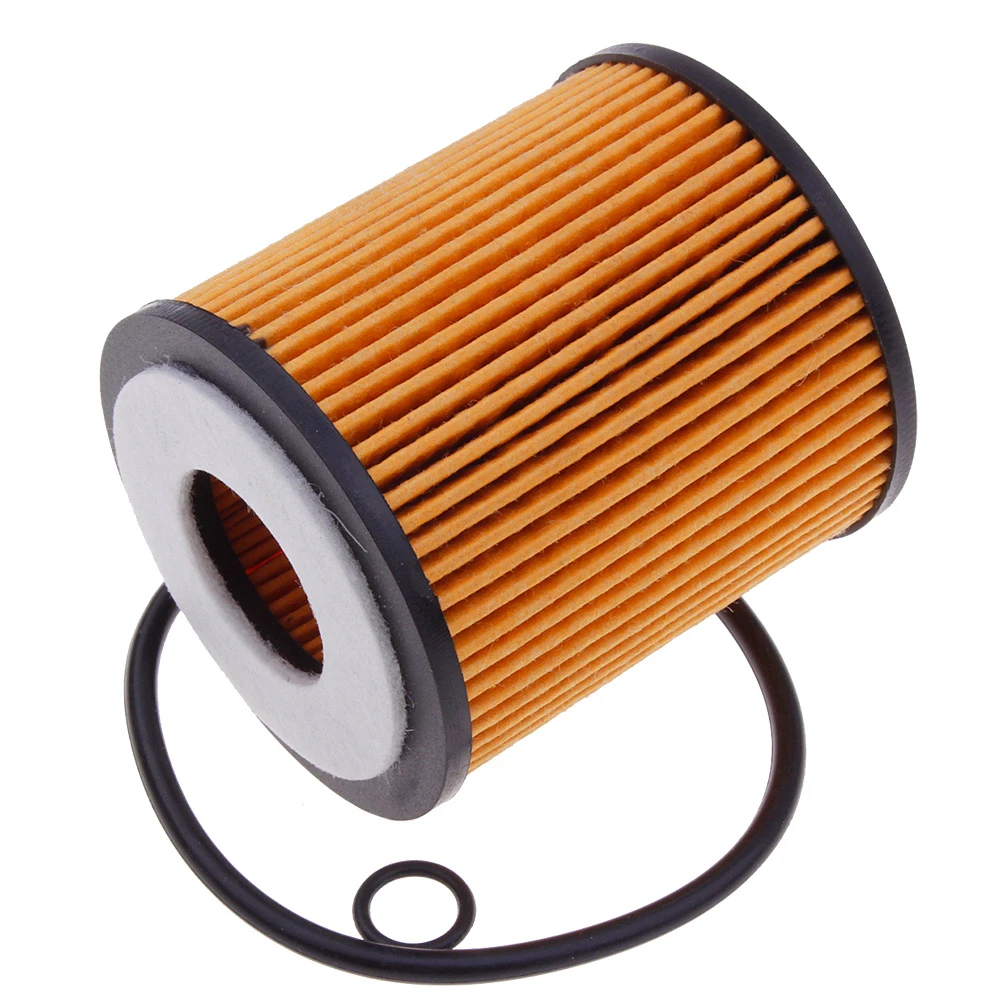
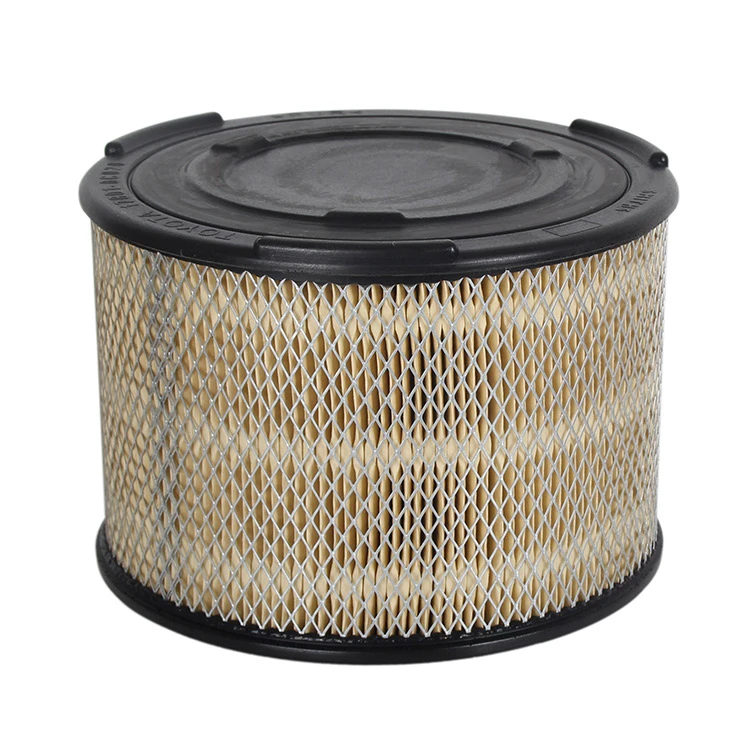
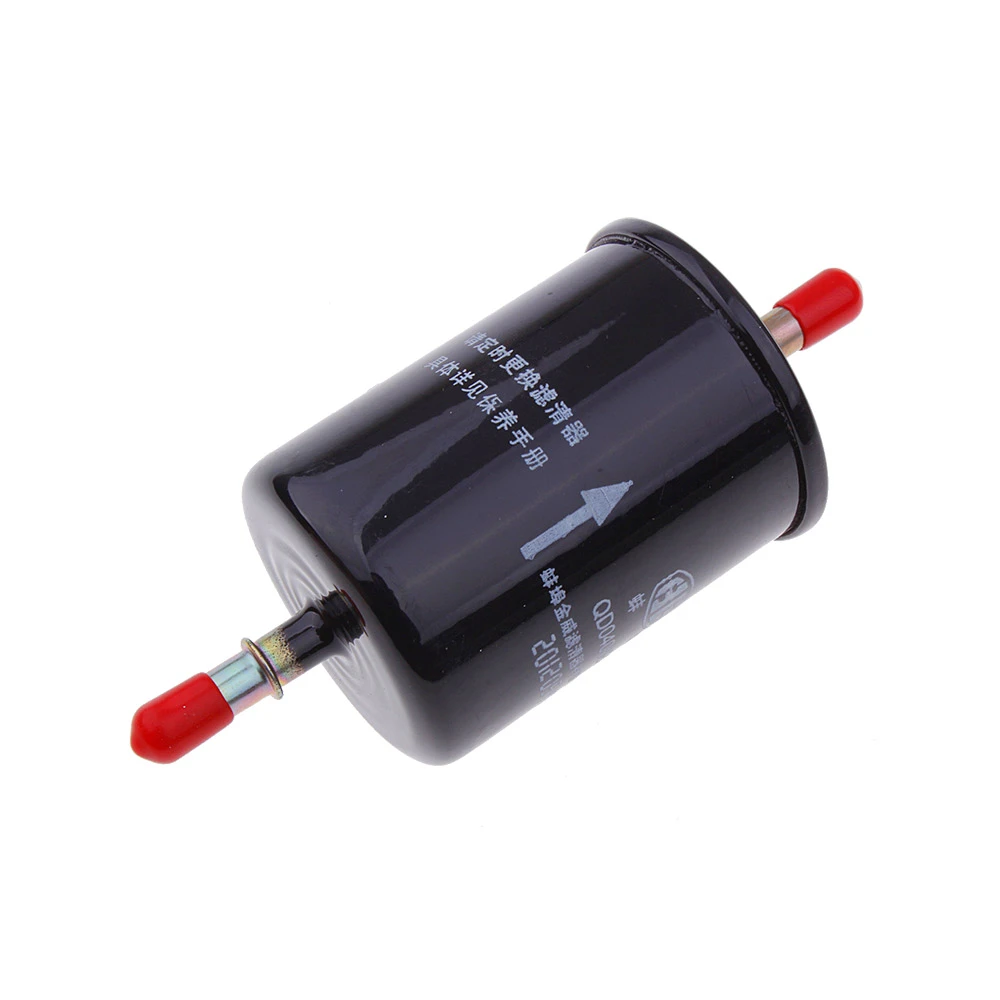
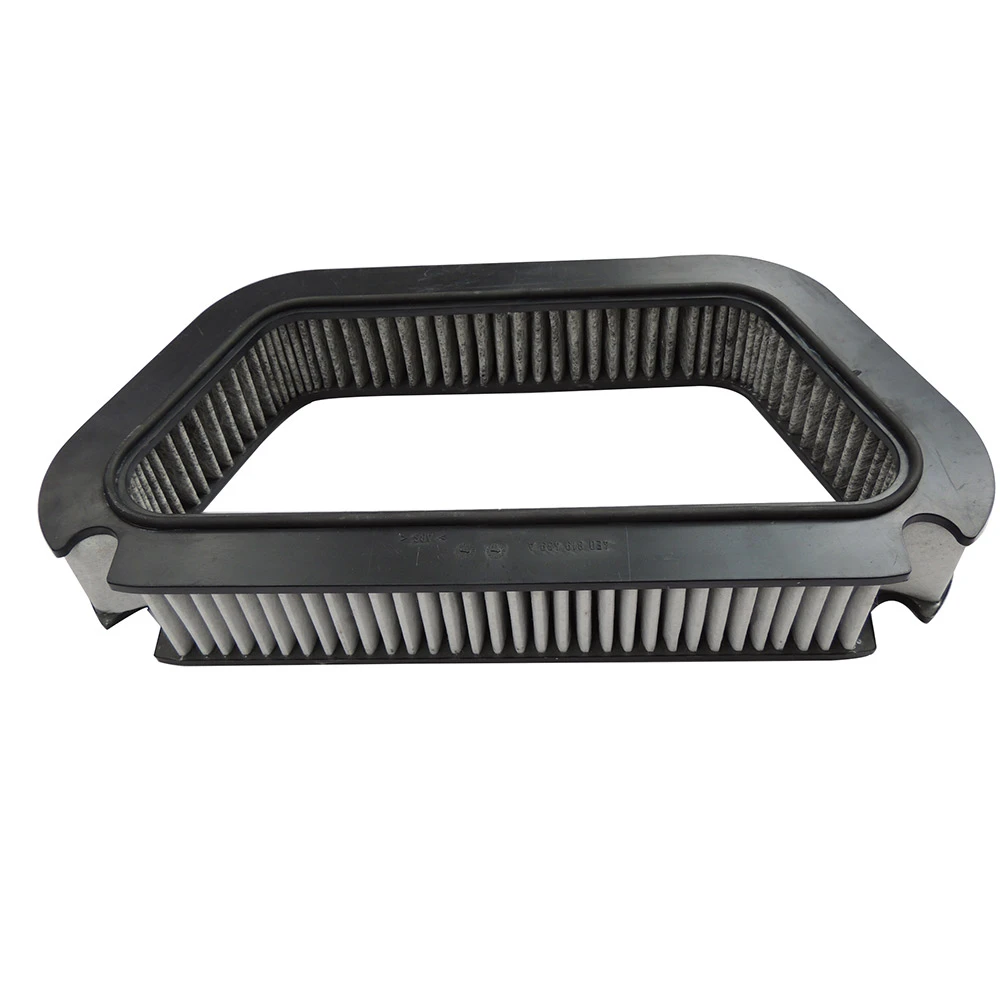
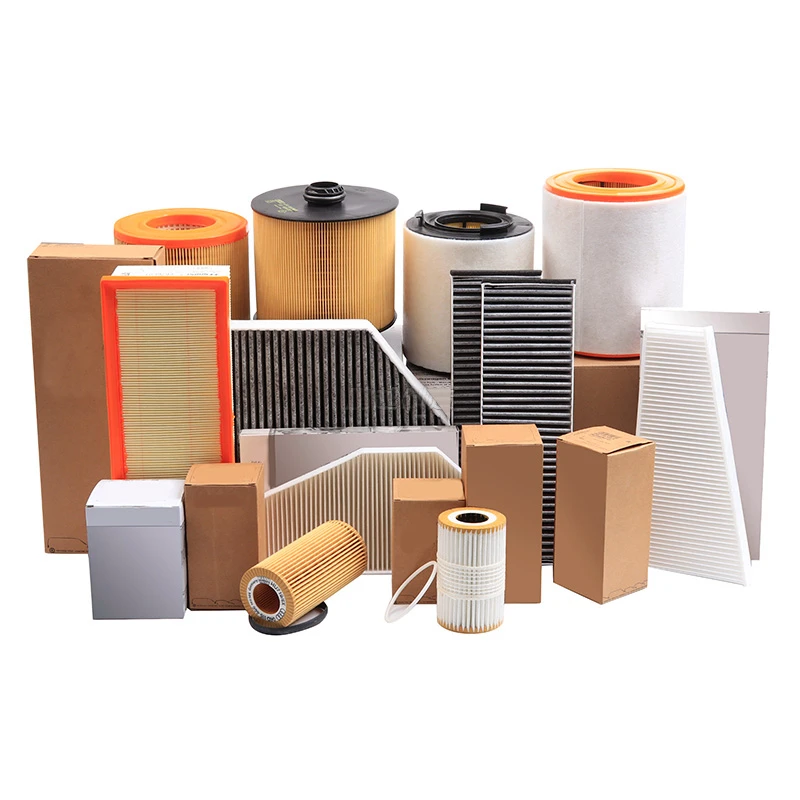
The Pivotal Role of gasoline filter screen in Modern Automotive and Industrial Systems
In the intricate ecosystem of modern internal combustion engines and various industrial machinery, the integrity and efficiency of fuel delivery systems are paramount, directly impacting performance, longevity, and environmental compliance. Central to this critical function is the gasoline filter screen, a seemingly small component that plays an indispensable role in safeguarding sensitive engine components from particulate contaminants. These impurities, which can range from rust and dirt accumulated during fuel transport and storage to microscopic debris generated within the fuel tank itself, pose a significant threat to fuel injectors, carburetors, and other precision-engineered parts. Without an effective filtration barrier, such contaminants can lead to system blockages, premature wear, reduced fuel efficiency, increased emissions, and ultimately, costly breakdowns. The advancements in fuel injection technologies, demanding ever-higher precision and finer fuel atomization, have amplified the necessity for superior filtration capabilities. As fuel systems evolve, the reliance on robust and highly efficient gasoline filter screens only grows, positioning them as non-negotiable elements for optimal operational reliability across a multitude of applications, from personal vehicles and heavy-duty trucks to marine engines and stationary power generators. Understanding the nuanced technical specifications, manufacturing intricacies, and diverse application scenarios of these vital filters is essential for engineers, procurement specialists, and maintenance professionals seeking to optimize system performance and minimize operational risks in today's demanding industrial landscape.
Industry Trends and Dynamic Evolution in Automotive Filtration
The landscape of automotive filtration is currently undergoing significant transformations, driven by a confluence of stringent environmental regulations, rapid technological advancements in engine design, and an increasing global emphasis on sustainable operational practices. Stricter emission standards, notably Euro 6/VII and EPA Tier 3, necessitate cleaner combustion processes, which directly translates to a demand for unparalleled fuel purity. This trend has catalyzed innovations in the design and materials of filters, including advanced gasoline filter screen technologies capable of capturing finer particles with higher efficiency without impeding fuel flow. Furthermore, the proliferation of direct injection (DI) engines and high-pressure common rail (HPCR) systems has raised the bar for filtration, as these systems operate at extremely tight tolerances and are highly susceptible to damage from microscopic contaminants. The market is witnessing a shift towards multi-layered filtration media, often incorporating synthetic materials or optimized fiber blends, to achieve superior filtration efficiency and extended service intervals. Beyond passenger vehicles, similar advancements are crucial in heavy-duty commercial vehicles and off-road machinery, where engines operate under extreme conditions and require robust gasoline filter screen and auto oil filter solutions. According to market analysis, the global automotive filters market is projected to reach approximately USD 20 billion by 2027, growing at a compound annual growth rate (CAGR) of over 5%, largely propelled by these technological shifts and the increasing average age of vehicles on the road, necessitating consistent filter replacements. This expansion underscores the critical role of specialized filtration products like the gasoline filter screen in supporting the longevity and peak performance of modern powertrain systems.
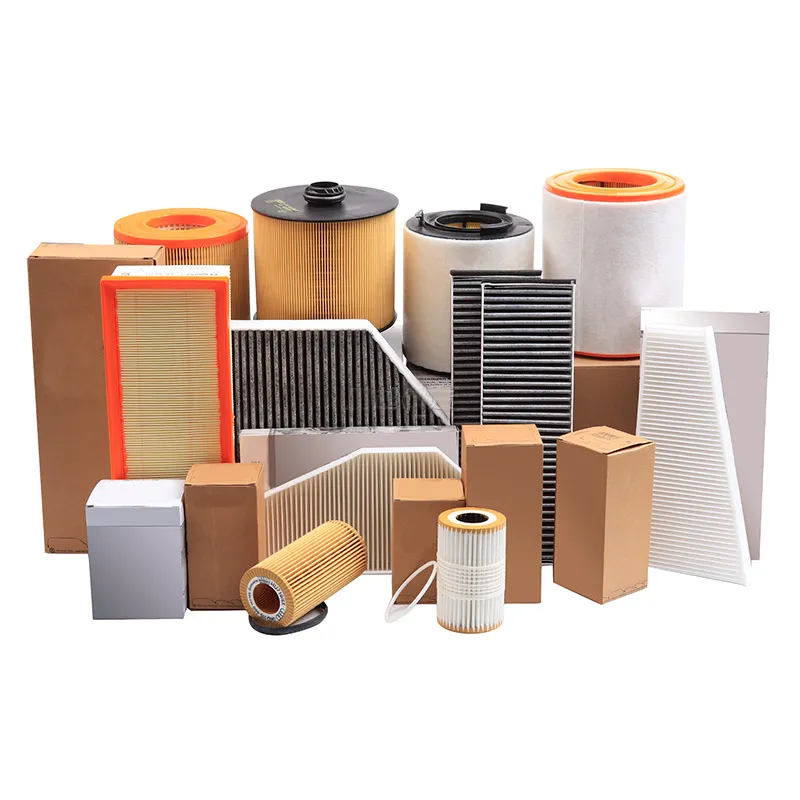
Detailed Technical Specifications and Performance Parameters of Gasoline Filter Screens
Selecting the appropriate gasoline filter screen necessitates a thorough understanding of its technical specifications, which dictate its effectiveness and suitability for specific applications. Key parameters include filtration accuracy, typically measured in microns, indicating the smallest particle size the filter can efficiently capture. For modern fuel injection systems, filtration accuracy often ranges from 5 to 10 microns, a significant reduction from the 30-micron standards common in older carbureted engines. Flow rate, expressed in liters per hour (LPH) or gallons per hour (GPH), is another critical metric, ensuring the filter can supply sufficient fuel volume to the engine under various operating conditions without creating undue pressure drop, which could starve the engine. Material composition is vital for durability and chemical compatibility; common materials include stainless steel mesh (e.g., SUS304, SUS316L) for superior corrosion resistance and high-temperature stability, and various polymer composites for cost-effectiveness and specific application needs. The operating temperature range, typically from -40°C to +120°C, and maximum operating pressure, often exceeding 500 kPa (72 psi) for high-pressure systems, define the environmental limits under which the filter can reliably perform. Burst pressure and collapse pressure indicate the filter's structural integrity under extreme conditions. Furthermore, the filter's efficiency is often quantified by its Beta Ratio (βx), which measures the ratio of particles of size 'x' microns upstream to downstream, providing a more comprehensive gauge of filtration performance than simple micron ratings. Understanding these precise technical attributes is fundamental to specifying a gasoline filter screen that not only meets but exceeds the demands of sophisticated automotive filters and fuel systems, directly contributing to extended engine life and consistent performance.
| Parameter | Description | Typical Range/Value | Significance |
|---|---|---|---|
| Filtration Accuracy | Nominal particle size captured | 5 - 30 microns (μm) | Prevents clogging of injectors/carburetors. Finer for DI engines. |
| Flow Rate (Max) | Maximum fuel flow without excessive pressure drop | 50 - 200 LPH (Liters per Hour) | Ensures adequate fuel supply to the engine under all loads. |
| Material (Mesh) | Composition of the filter media | Stainless Steel (SUS304/316L), Polymer Composites | Durability, chemical resistance, temperature tolerance. |
| Operating Temperature | Temperature range for stable operation | -40°C to +120°C | Ensures reliable performance in diverse climates and engine bay conditions. |
| Max Operating Pressure | Maximum pressure the filter can withstand | Up to 700 kPa (100 psi) or higher for specific applications | Prevents rupture in high-pressure fuel systems. |
| Service Life | Expected functional lifespan | Varies (e.g., 50,000 to 100,000 km or 3-5 years) | Influences maintenance schedules and total cost of ownership. |
| Efficiency (Beta Ratio) | Measure of particle removal effectiveness | β5 ≥ 200 (for critical applications) | Higher values indicate better contaminant removal for a given particle size. |
Manufacturing Process and Rigorous Quality Assurance of Gasoline Filter Screens
The production of a high-performance gasoline filter screen is a sophisticated multi-stage process that combines precision engineering with stringent quality control to ensure optimal functionality and durability. It typically begins with the careful selection of raw materials, predominantly high-grade stainless steel wire mesh (e.g., SUS304 or SUS316L for exceptional corrosion resistance and mechanical strength) or advanced polymer filter media designed for specific chemical compatibility and filtration efficiency. The manufacturing process often involves precision weaving or sintering for the filter media itself, followed by sophisticated shaping techniques such as stamping, laser cutting, or ultrasonic welding to form the desired dimensions and configurations, which can range from cylindrical filters to intricate custom shapes for integration into specific fuel pump modules or fuel lines. For complex housings or mounting components, processes like CNC machining, plastic injection molding, or even specialized casting and forging techniques might be employed to ensure exact dimensional accuracy and robust structural integrity. After the primary manufacturing, critical secondary processes like pleating, bonding, and sealing are performed to maximize surface area for filtration and prevent bypass. Throughout every stage, rigorous in-process quality control measures are implemented. This includes automated optical inspection systems for mesh integrity, precise dimensional checks using coordinate measuring machines (CMM), and burst pressure tests to verify structural strength. Finished products undergo comprehensive performance testing, including flow rate validation, micron rating verification, and dirt-holding capacity assessments, often conducted in accordance with international standards such as ISO 16889, SAE J905, or other relevant ASTM and ANSI specifications. This unwavering commitment to a meticulously controlled manufacturing workflow and adherence to globally recognized inspection standards ensures that each gasoline filter screen delivers consistent, reliable performance, contributing to the longevity and efficiency of the ultimate application. The service life of such a precisely engineered component, subject to regular maintenance, can extend for tens of thousands of kilometers or several years, significantly reducing the total cost of ownership.

Diverse Application Scenarios and Distinct Technical Advantages
The versatility and critical function of the gasoline filter screen extend far beyond conventional automotive applications, making it an indispensable component across a spectrum of industrial sectors. In the petrochemical industry, these filters are vital for protecting sensitive refinery equipment and ensuring fuel quality before distribution, where precision and corrosion resistance are paramount due to the aggressive nature of various hydrocarbons. Within the metallurgy sector, they play a crucial role in safeguarding fuel lines for furnaces and melting equipment, preventing particulates from disrupting combustion processes or damaging delicate nozzles. The water supply and drainage industries, though seemingly unrelated, utilize similar filtration principles for liquid handling, where fine screening prevents debris from entering pumps or sensitive flow control mechanisms, highlighting the broad applicability of fine mesh screening technologies. Of course, their primary application remains within the automotive sector, from passenger cars and light commercial vehicles to heavy-duty trucks, construction machinery, and agricultural equipment, where they tirelessly protect sophisticated fuel injection systems, including common rail diesel and direct gasoline injection systems, from contaminants that can lead to costly repairs and reduced performance. The technical advantages offered by a high-quality gasoline filter screen are multifaceted: enhanced fuel purity directly translates to improved fuel efficiency and reduced emissions by ensuring optimal combustion; superior corrosion resistance, especially with stainless steel constructions, extends the operational life of the filter and the entire fuel system, particularly in harsh environments or with varying fuel qualities; and their ability to prevent abrasive wear on fuel pumps and injectors significantly reduces maintenance costs and unplanned downtime. In scenarios requiring energy efficiency, by ensuring clean fuel delivery, these filters contribute to engines operating at their peak, minimizing fuel waste and maximizing power output, ultimately providing substantial long-term economic benefits and operational reliability across demanding industrial environments.

Strategic Manufacturer Comparison and Tailored Customization Solutions
In the highly competitive market of filtration components, distinguishing between manufacturers of gasoline filter screen and auto oil filter products is crucial for B2B decision-makers. A comprehensive evaluation typically involves assessing several key criteria: a manufacturer's research and development (R&D) capabilities, indicated by their investment in new materials, advanced filtration technologies, and intellectual property; their production capacity and flexibility, which determine their ability to meet demand for both standard and high-volume custom orders; and, critically, their adherence to international quality management systems such as ISO 9001, IATF 16949 (for automotive applications), and environmental certifications like ISO 14001. Customer support, including technical assistance, post-sales service, and efficient logistics, also plays a pivotal role in long-term partnerships. For instance, a leading manufacturer will typically offer a broader range of materials, from various grades of stainless steel to specialized polymer blends, enabling precise application matching. They will also emphasize rapid prototyping and tooling capabilities for custom solutions, understanding that unique industrial fuel systems often require bespoke filtration designs that go beyond off-the-shelf components. The ability to provide custom-engineered gasoline filter screen solutions, whether it involves specific dimensions, micron ratings, flow characteristics, or integration into complex fuel pump assemblies, represents a significant advantage. This tailored approach ensures optimal compatibility and performance, addressing unique challenges such as limited space, extreme operating conditions, or particular fuel compositions. A company with robust in-house design and testing facilities can collaborate closely with clients to develop filter solutions that precisely meet stringent performance benchmarks and integrate seamlessly into existing systems, leading to enhanced system efficiency and extended operational life.
| Feature | Manufacturer A (Example) | Manufacturer B (Example) | Key Benefit |
|---|---|---|---|
| Material Range | Standard SS304/316, basic polymers | Extensive range including exotic alloys, high-performance synthetics | Wider application compatibility, chemical resistance. |
| Customization Capabilities | Limited, minor dimensional adjustments | Full bespoke design, prototyping, unique housing integration | Precise fit for niche applications, optimized performance. |
| Quality Certifications | ISO 9001 only | ISO 9001, IATF 16949, ISO 14001, relevant industry standards | Assured quality, compliance, and environmental responsibility. |
| Lead Time for Custom Orders | 8-12 weeks | 4-6 weeks (with expedited options) | Faster project completion, reduced downtime. |
| R&D Investment | Moderate, reactive to market needs | Significant, proactive in material science & filtration tech | Access to cutting-edge solutions, future-proof products. |

Real-World Application Cases and Demonstrating Client Success
The tangible benefits of deploying high-quality gasoline filter screen solutions are best illustrated through real-world application cases and demonstrable client success stories, underscoring the "Experience" aspect of . Consider a large fleet of commercial delivery vehicles experiencing frequent fuel injector clogs, leading to unexpected downtime and substantial maintenance costs. Upon analysis, it was determined that the existing fuel filters were inadequate for the prevalent fuel quality and environmental contaminants. By upgrading to a custom-designed gasoline filter screen featuring a finer micron rating and enhanced dirt-holding capacity, the fleet observed a dramatic 40% reduction in injector-related failures over a six-month period. This directly translated into millions of dollars in saved operational costs and significantly improved vehicle availability. Another compelling example involves a specialized industrial generator operating in a remote mining site, where fuel supply was prone to significant particulate contamination. The original equipment filter struggled to maintain fuel purity, resulting in suboptimal engine performance and accelerated wear. Implementing a heavy-duty gasoline filter screen, specifically engineered with robust stainless steel mesh and a high flow rate, not only mitigated the contamination issue but also extended the generator's service intervals by 25%, demonstrating enhanced reliability in extreme conditions. Similarly, a marine engine manufacturer integrated a highly durable, corrosion-resistant gasoline filter screen into their new line of outboard motors. Through extensive bench testing and real-world sea trials, they confirmed that the advanced filter significantly improved fuel system longevity and ensured consistent engine performance even with varying fuel qualities encountered globally. These instances highlight how a precisely engineered and robust gasoline filter screen is not merely a component but a strategic asset, providing measurable improvements in system reliability, maintenance cost reduction, and overall operational efficiency across diverse and demanding applications.

Ensuring Authoritativeness through Quality Assurance and Certifications
The authority of a manufacturer in the specialized field of automotive filters, including intricate components like the gasoline filter screen, is fundamentally built upon rigorous quality assurance protocols and adherence to globally recognized certifications. A truly authoritative provider demonstrates a profound commitment to quality at every stage, from material sourcing to final product testing. This commitment is evidenced by comprehensive quality management systems certified to standards such as ISO 9001 for general quality management, and more specifically, IATF 16949 for automotive sector quality management, which mandates robust processes for risk assessment, preventative action, and continuous improvement in supply chains. Our facilities, for instance, operate under an ISO 9001:2015 certified quality system, ensuring consistent product quality and reliable manufacturing processes. Furthermore, adherence to specific product performance standards from organizations like SAE (Society of Automotive Engineers) and ASTM (American Society for Testing and Materials) provides an additional layer of assurance regarding the functional integrity and durability of filtration products. For medical-grade or certain sensitive industrial applications, compliance with FDA (Food and Drug Administration) guidelines or equivalent regional standards may also be necessary, emphasizing the versatility and reliability of core filtration technologies. We maintain robust internal testing laboratories equipped with state-of-the-art equipment for particle counting, flow rate analysis, and environmental simulation, ensuring that every batch of gasoline filter screen meets or exceeds published specifications. With decades of accumulated experience, a dedicated team of R&D engineers, and a track record of successful collaborations with tier-1 automotive suppliers and major industrial entities, our expertise is not just claimed but empirically proven through consistent product performance and long-standing client relationships. Our extensive service history, spanning over 15 years in the filtration industry, alongside numerous independent third-party test reports validating our product claims, solidifies our position as a trusted and authoritative partner in advanced filtration solutions.
Building Trust: FAQ, Delivery, Warranty, and Customer Support
Establishing and maintaining trust with B2B clients is paramount, particularly when supplying critical components like the gasoline filter screen. This trust is built not only on product quality but also on transparency, reliability of service, and comprehensive support.
Frequently Asked Questions (FAQ)
- Q: What is the typical service life of a gasoline filter screen?
A: The service life varies based on fuel quality, operating conditions, and filter type, but generally ranges from 50,000 to 100,000 kilometers (or 30,000 to 60,000 miles) or 3-5 years. Regular inspection as per OEM recommendations is always advised for optimal performance and engine longevity.
- Q: How do I select the correct micron rating for my application?
A: The required micron rating depends on the sensitivity of your fuel injection system. Modern direct injection (DI) systems typically require finer filtration (e.g., 5-10 microns) than older carbureted systems (e.g., 20-30 microns). Our technical sales team can assist in recommending the ideal filtration level based on your specific engine and operating environment.
- Q: Are your gasoline filter screen products compatible with alternative fuels like E85?
A: Many of our filters are designed with materials like stainless steel and specialized polymers that offer excellent chemical compatibility with a wide range of fuels, including ethanol blends up to E85. Please specify your fuel type during inquiry so we can ensure the selection of appropriate, compatible materials for your automotive filters.
Delivery Cycle and Warranty Commitment
We understand the importance of timely delivery for maintaining operational continuity. For standard gasoline filter screen products, our typical delivery cycle ranges from 2-4 weeks, depending on order volume and specific requirements. For custom-engineered solutions, lead times are typically 4-6 weeks, allowing for design, prototyping, and rigorous testing. We maintain robust inventory management and efficient logistics to minimize lead times and ensure on-time delivery. All our products are backed by a comprehensive warranty that covers manufacturing defects and material failures under normal operating conditions. Our warranty commitment underscores our confidence in the quality and durability of our auto oil filter and fuel filter solutions, providing peace of mind to our clients regarding their investment.
Dedicated Customer Support
Our commitment to our clients extends far beyond product delivery. We provide dedicated customer support, including technical assistance from experienced engineers who can offer guidance on product selection, installation best practices, and troubleshooting. Our responsive sales team is available to address inquiries, provide quotes, and manage orders efficiently. Furthermore, we offer comprehensive post-sales support, including spare parts availability and technical documentation, ensuring that our clients have all the resources needed to maximize the performance and lifespan of their gasoline filter screen and other filtration systems. Our goal is to forge long-term partnerships based on mutual trust and a shared commitment to excellence in filtration technology.
Conclusion: The Indispensable Value of Advanced Filtration
In conclusion, the gasoline filter screen stands as a testament to the critical importance of precision engineering and advanced material science in ensuring the optimal performance and longevity of automotive and industrial machinery. As engines become more sophisticated and environmental regulations grow more stringent, the demand for highly efficient, durable, and reliable filtration solutions intensifies. By meticulously detailing the manufacturing process, highlighting key technical parameters, showcasing diverse application scenarios, and demonstrating a steadfast commitment to quality and customer support, we reinforce the indispensable value proposition of a superior gasoline filter screen. Selecting a manufacturer with proven expertise, robust quality assurance protocols, and the flexibility to provide tailored solutions is not just a procurement decision; it is a strategic investment in operational efficiency, reduced maintenance costs, and prolonged equipment life. The intricate interplay of material selection, advanced manufacturing techniques, and rigorous testing ensures that each automotive filters and fuel filter component performs flawlessly under the most demanding conditions. As industries continue to evolve, the foundational role of effective filtration, championed by components like the gasoline filter screen, will remain central to driving innovation, promoting sustainability, and safeguarding the performance of critical systems globally. This comprehensive approach to filtration technology ensures that our clients receive not just a product, but a complete solution designed for peak performance and unparalleled reliability, contributing significantly to their long-term success and operational excellence in a competitive global market.
Authoritative References
- International Organization for Standardization (ISO) Standards for Quality Management Systems (e.g., ISO 9001:2015).
- Society of Automotive Engineers (SAE) Technical Papers on Fuel Filtration and Engine Performance.
- ASTM International Standards for Testing Materials and Products (e.g., for filter media and components).
- "Automotive Engine Control and Fuel Systems" by Tom Denton, Elsevier.
- Academic journals specializing in filtration science and engineering, such as the Journal of Filtration and Separation.
-
Guide on how often do you need to replace engine air filterNewsApr.16,2026
-
Learn how often do you replace air filter in car for engine healthNewsApr.09,2026
-
How Often Do You Replace Car Air Filter For Optimal Engine PerformanceNewsApr.07,2026
-
How Often Do You Replace Engine Air Filter For Optimal Vehicle PerformanceNewsApr.04,2026
-
Understanding How Often Does Engine Air Filter Need to Be Replaced for Optimal PerformanceNewsMar.31,2026
-
How Often Engine Air Filter Change Impacts Performance and LongevityNewsMar.28,2026
-
Understanding How Often to Replace Your Car Air Filter for Optimal PerformanceNewsMar.26,2026
Related Products