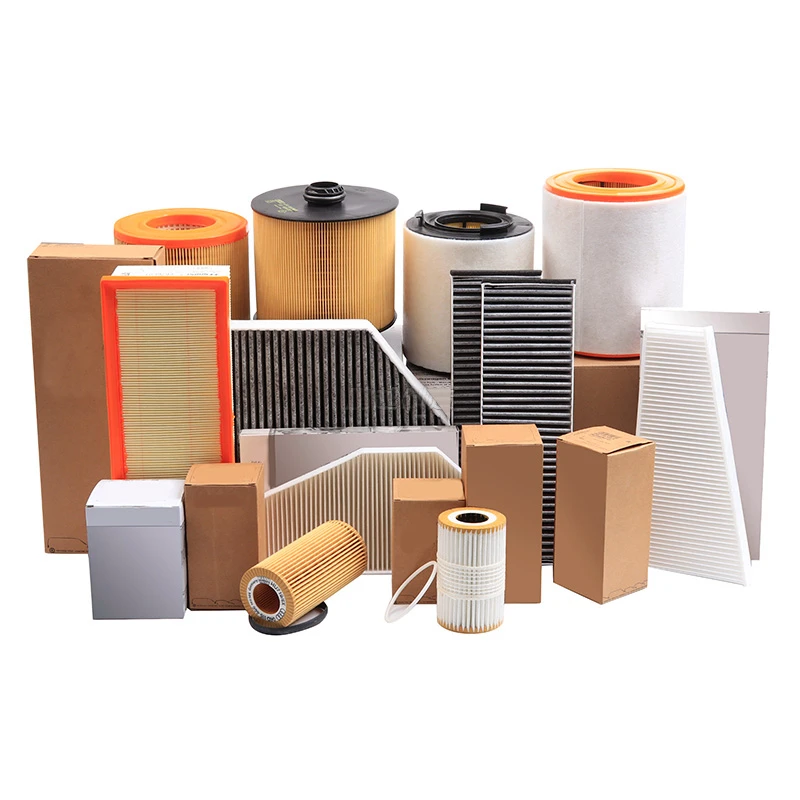
The Indispensable Role of Car Air Filters in Modern Vehicles and Industry
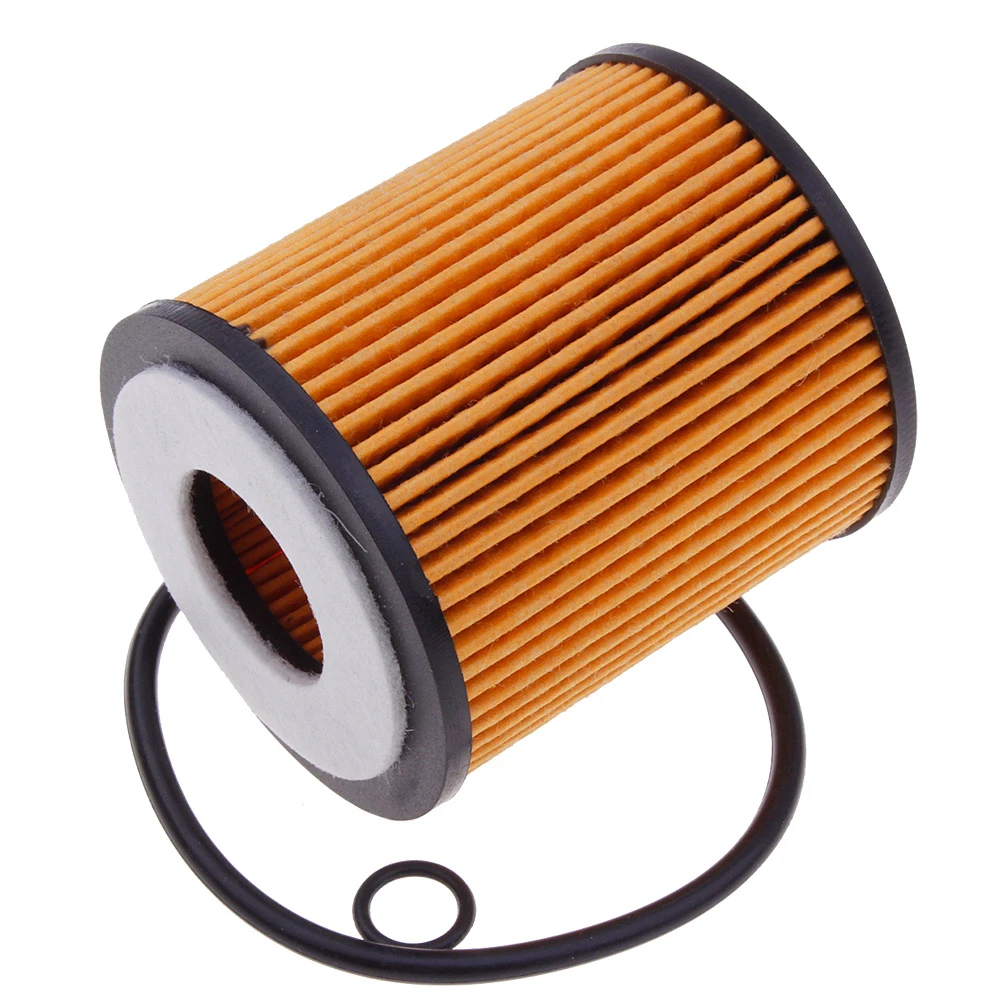
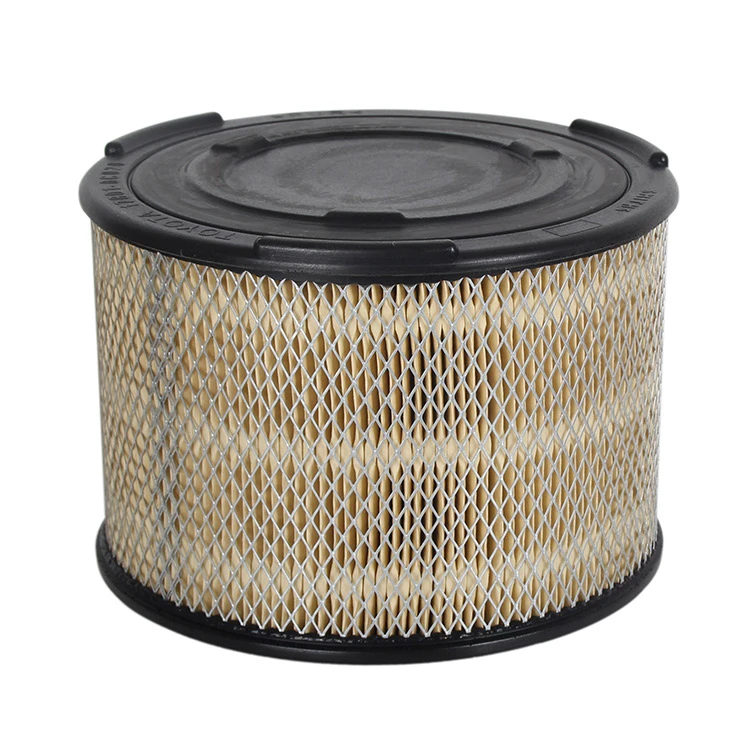
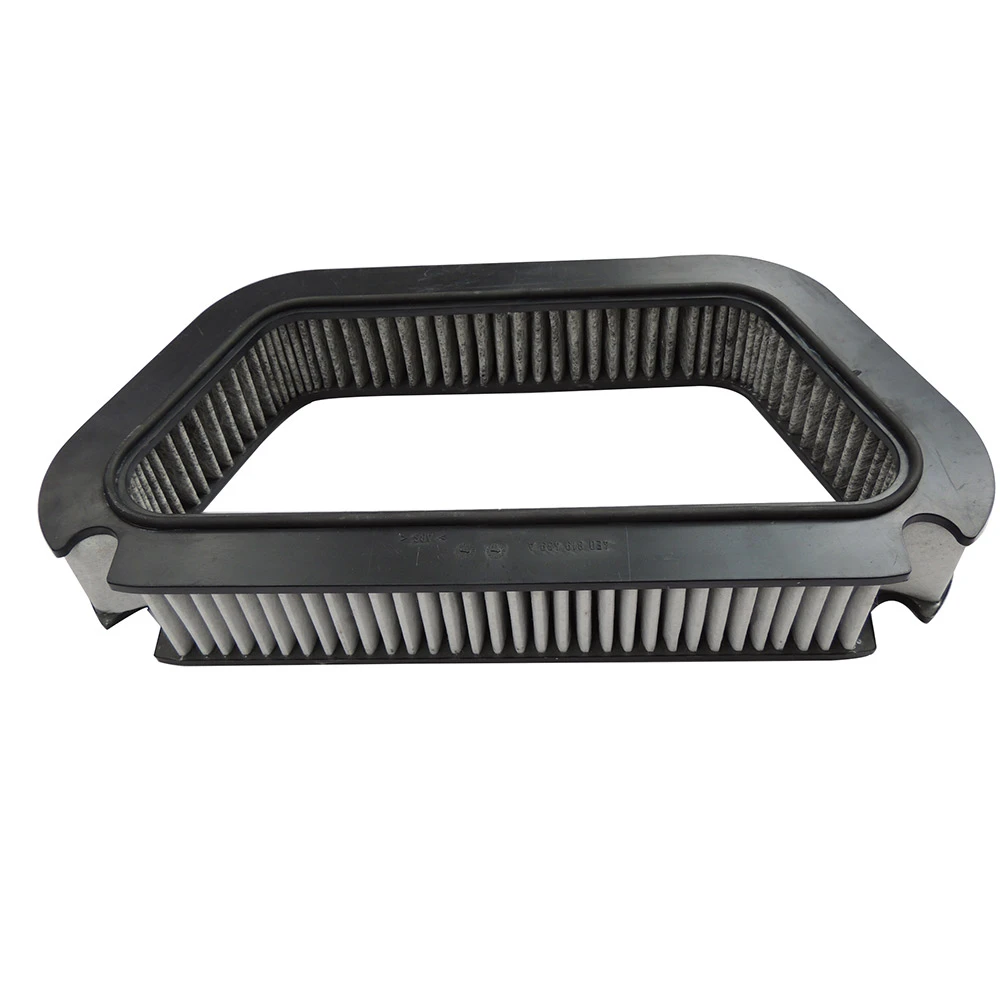
In the evolving landscape of automotive technology and industrial machinery, the significance of high-quality filtration cannot be overstated. Among the most crucial components for maintaining a healthy cabin environment and optimizing engine performance are **car air filters**. These seemingly simple devices play a profound role in protecting occupants from airborne pollutants and safeguarding sensitive engine components from abrasive contaminants. This comprehensive guide delves into the world of **car air filters**, exploring industry trends, technical intricacies, manufacturing excellence, and practical applications, with a specific focus on the Car Cabin Filter offered by Jyfilter.
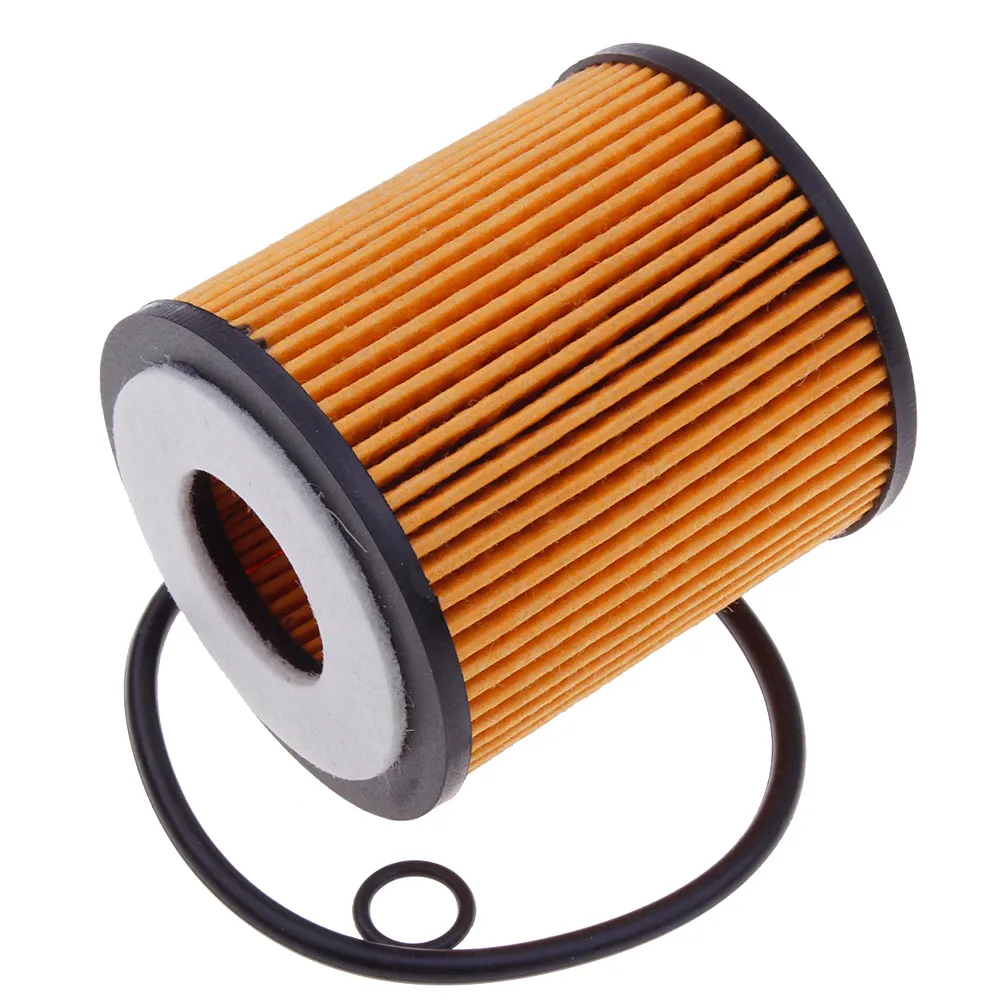
Current Industry Trends and Market Dynamics for Car Air Filters
The market for **car air filters** is experiencing dynamic growth, driven by increasing awareness of air quality, stringent environmental regulations, and the rising global vehicle parc. According to a recent market analysis by Grand View Research, the global automotive air filter market size was valued at USD 5.7 billion in 2022 and is projected to grow at a compound annual growth rate (CAGR) of 5.1% from 2023 to 2030. Key trends include:
- Rising Demand for Cabin Air Filters: As consumer awareness about indoor air quality (IAQ) and vehicle occupant health increases, the demand for advanced cabin air filters capable of trapping microscopic particles, allergens, and even harmful gases is surging.
- Technological Advancements: Innovation in filter media, such as multi-layer non-woven fabrics, activated carbon layers, and antimicrobial treatments, is leading to higher filtration efficiency and longer service life for **car air filters**.
- Electrification and Autonomous Vehicles: While EVs still require cabin air filters, the nature of engine air filters is changing. However, the overall emphasis on occupant comfort and health within vehicles is only intensifying, sustaining demand for high-performance cabin filtration solutions.
- Aftermarket Growth: The aftermarket segment continues to dominate, driven by regular replacement cycles and the increasing average age of vehicles on the road.
Understanding Technical Parameters and Specifications of Car Air Filters
The performance of **car air filters** is defined by several critical technical parameters. For the Car Cabin Filter, these parameters directly impact its effectiveness in providing clean air. Key specifications include:
- Filtration Efficiency (MERV Rating): MERV (Minimum Efficiency Reporting Value) is a standard that measures a filter's ability to capture airborne particles. A higher MERV rating indicates greater efficiency in trapping smaller particles. While primarily used for HVAC, similar principles apply to automotive filters. High-efficiency cabin filters can achieve particle removal rates close to HEPA standards (High-Efficiency Particulate Air), capturing 99.97% of particles 0.3 microns and larger.
- Micron Rating: This specifies the smallest particle size, in microns, that the filter can effectively capture. For cabin filters, the ability to trap particles as small as 0.3 to 2.5 microns (PM2.5) is increasingly important.
- Airflow Resistance (Pressure Drop): A balance must be struck between high filtration efficiency and low airflow resistance. Too much resistance can strain the vehicle's HVAC blower motor for cabin filters or restrict engine performance for engine air filters. Manufacturers optimize pleat design and media density to achieve optimal balance.
- Dust Holding Capacity: This refers to the amount of dust a filter can hold before its performance degrades significantly or its airflow becomes too restricted. A higher capacity means a longer service life.
- Material Composition: Typically multi-layered, consisting of non-woven synthetic fibers (like polypropylene or polyester), often with an activated carbon layer for odor and gas absorption, and sometimes an electrostatic layer for enhanced particle capture.
| Parameter | Description | Typical Range/Value | Impact on Performance |
|---|---|---|---|
| Filtration Efficiency | Percentage of particles removed at a specific size (e.g., PM2.5). | 80% - 99.97% (for 0.3-2.5 micron particles) | Higher percentage means cleaner air. |
| Micron Rating | Smallest particle size effectively captured. | 0.3 microns to 10 microns | Lower micron rating means capture of finer particles (e.g., pollen, dust, soot). |
| Airflow Resistance (Pa / in H2O) | Pressure drop across the filter at a given flow rate. | 50 Pa - 200 Pa (0.2 - 0.8 in H2O) | Lower resistance maintains HVAC system efficiency or engine power. |
| Dust Holding Capacity (g) | Total mass of dust a filter can accumulate before replacement. | 10g - 50g+ | Higher capacity extends filter lifespan. |
| Material Layers | Number and type of media layers. | 2-5 layers (e.g., pre-filter, particulate, activated carbon) | Multi-layer design offers broad-spectrum protection. |
| Operating Temperature Range | Temperatures the filter can withstand. | -40°C to +85°C | Ensures stable performance in diverse climates. |
Application Scenarios of Car Air Filters
While often associated purely with passenger vehicles, **car air filters** have a wide range of application scenarios, extending beyond personal cars to various industries where clean air is paramount for personnel health and machinery longevity.
- Passenger Vehicles: The most common application. Car Cabin Filters are vital for filtering pollen, dust, soot, exhaust fumes, and other allergens/pollutants from the air entering the vehicle's cabin via the HVAC system. This protects drivers and passengers from respiratory issues and enhances driving comfort, particularly for those with allergies or asthma.
- Commercial Fleets & Public Transport: Buses, taxis, ride-share vehicles, and delivery vans operate for long hours in high-traffic, polluted environments. High-performance **car air filters** are essential for driver health and maintaining a pleasant environment for passengers, improving fleet reliability and driver retention.
- Agricultural Machinery: Tractors, harvesters, and other farm equipment operate in dusty, harsh conditions. Robust engine and cabin air filters prevent dust ingress into engines (reducing wear and fuel consumption) and protect operators from agricultural dusts, spores, and chemical aerosols.
- Construction & Mining Equipment: Excavators, loaders, and dump trucks face extreme particulate loads. Specialized heavy-duty **car air filters** are critical for preventing engine damage and ensuring cabin air quality for operators in these demanding environments, directly impacting equipment uptime and worker safety.
- Industrial Vehicles & Forklifts: In warehouses and manufacturing plants, industrial vehicles need protection from indoor pollutants, dust, and fumes. Their filters contribute to worker safety and the longevity of equipment operating in enclosed or semi-enclosed spaces.
In all these scenarios, the underlying benefit of high-quality **car air filters** like the Car Cabin Filter is consistent: better health outcomes, improved equipment performance, and extended operational life, leading to significant cost savings.
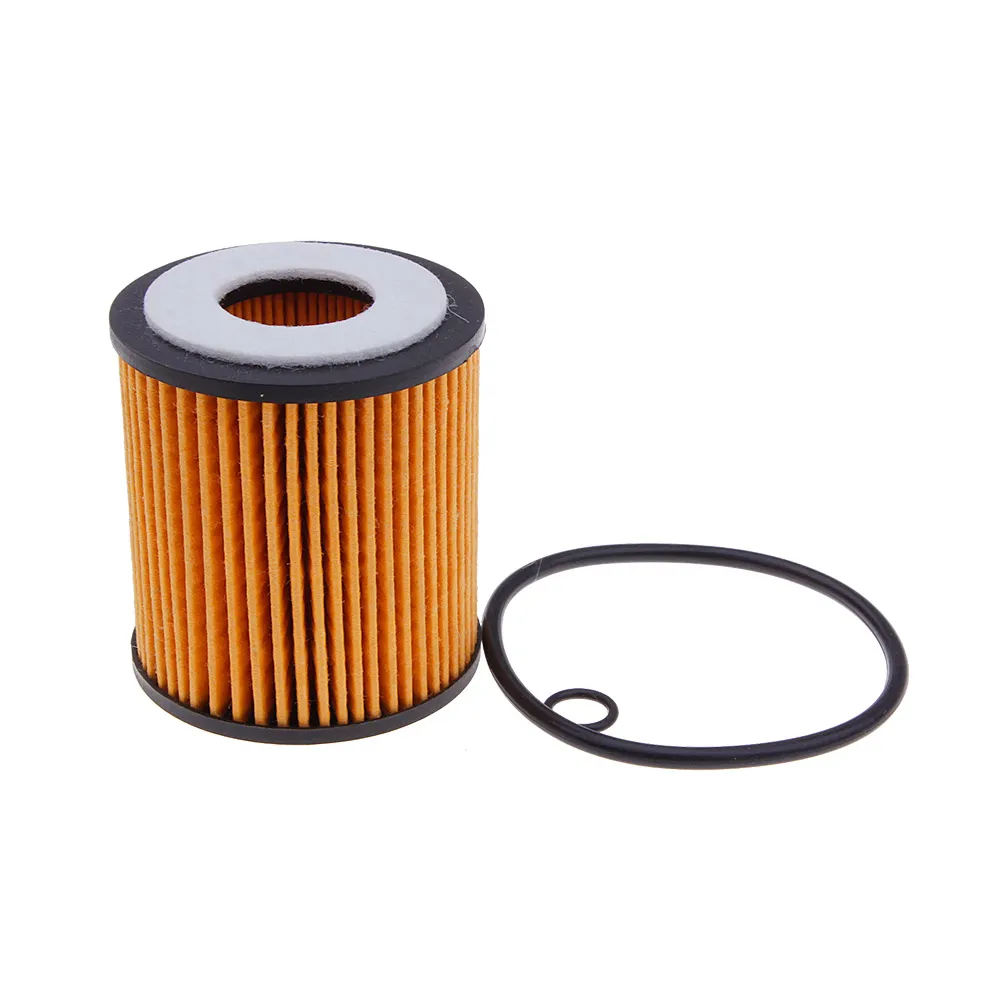
Technical Advantages of Advanced Car Air Filters
Modern **car air filters** offer numerous technical advantages that go beyond basic particle filtration. Jyfilter's Car Cabin Filter embodies many of these advancements:
- Superior Filtration Media: Utilizing multi-layered synthetic media, these filters can capture ultra-fine particles (PM2.5, PM10), allergens, pollen, dust, and even some bacteria and viruses. This precision filtration significantly improves indoor air quality.
- Activated Carbon Integration: Many advanced cabin filters incorporate an activated carbon layer. This porous material effectively adsorbs harmful gases, volatile organic compounds (VOCs), unpleasant odors (e.g., exhaust fumes, industrial smells), and harmful chemicals like sulfur dioxide (SO2) and nitrogen oxides (NOx), transforming the cabin into a healthier environment.
- Antimicrobial and Antifungal Properties: Some premium filters are treated with antimicrobial agents that inhibit the growth of bacteria, mold, and fungi on the filter surface. This prevents the filter itself from becoming a source of contaminants and reduces unpleasant odors from microbial growth.
- Optimized Pleat Design: Engineered pleating maximizes the filter's surface area within a compact space, increasing dust holding capacity and extending service life without excessively impeding airflow. This intelligent design ensures consistent performance over time.
- Robust Construction: High-quality frames (often plastic or polyurethane) and strong bonding agents ensure the filter maintains its structural integrity throughout its lifespan, preventing bypass leakage and ensuring all air passes through the filter media. This adherence to strict manufacturing standards like ISO 9001 ensures reliability.
These advantages translate into tangible benefits: reduced allergy symptoms for passengers, protection against harmful air pollutants, improved HVAC system efficiency (less burden on the blower motor), and a more pleasant driving experience. For engine air filters, these advantages translate into enhanced engine longevity, improved fuel economy, and consistent power output.
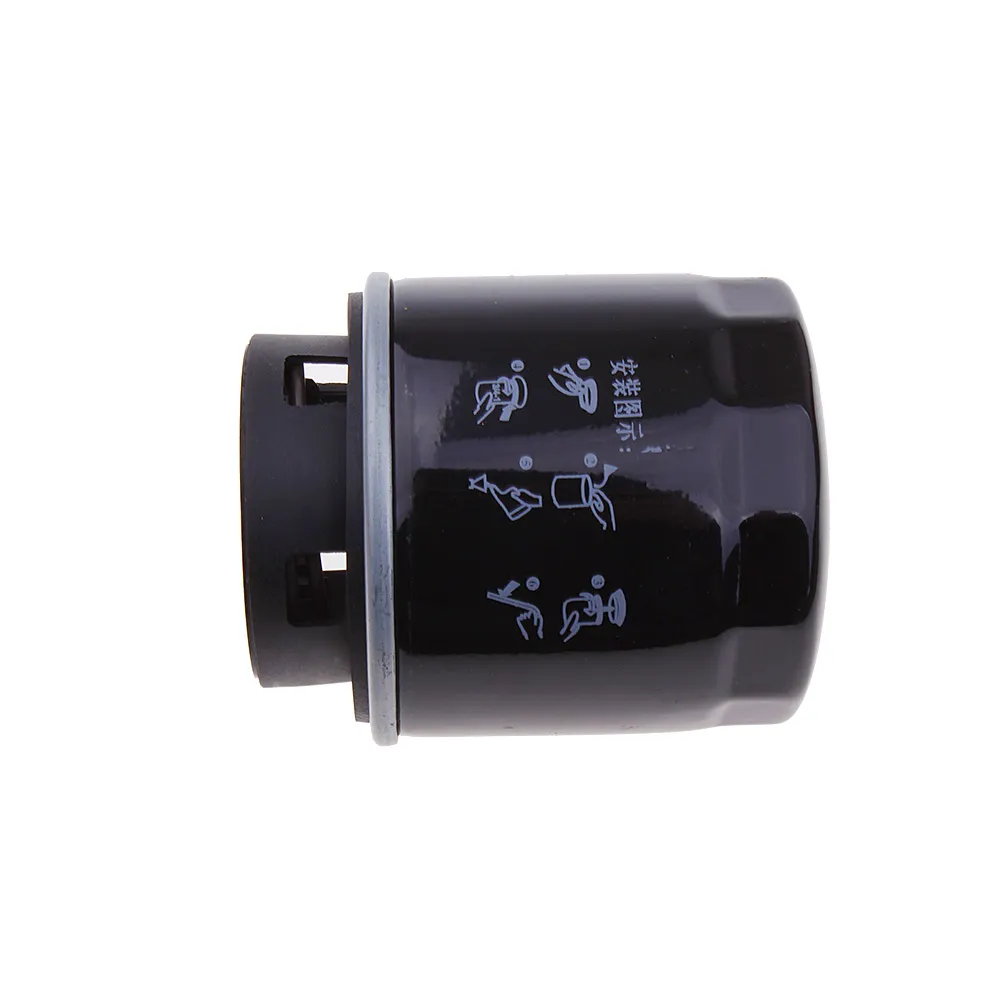
Manufacturing Process of Car Air Filters: A Detailed Look at the Journey from Raw Material to High-Performance Product
The production of high-quality **car air filters** is a sophisticated process that combines material science, precision engineering, and rigorous quality control. While processes like casting, forging, or CNC machining are primary for metal components, filter manufacturing focuses on media preparation, pleating, assembly, and sealing. Here’s a simplified yet detailed overview of how a product like the Car Cabin Filter is made:
Manufacturing Process Flow for Car Cabin Filter
The process begins with the careful selection of raw materials. For Jyfilter's Car Cabin Filter, this typically includes high-grade non-woven synthetic filter media (e.g., melt-blown polypropylene, electrostatic fibers) and premium activated carbon granules. These materials are chosen for their specific filtration properties, durability, and compliance with automotive industry standards (e.g., ISO/TS 16949 for automotive quality management systems). Quality checks ensure consistency in fiber density, thickness, and uniformity.
Depending on the filter type (e.g., particulate vs. activated carbon filter), multiple layers of filter media are combined. This often involves laminating different non-woven layers to achieve optimal filtration efficiency across various particle sizes. For activated carbon filters, a layer of activated carbon is typically embedded between non-woven layers or applied as a coating. This ensures broad-spectrum filtration including gas and odor adsorption.
The flat filter media is fed into a highly precise pleating machine. This machine folds the media into a series of uniform pleats. The pleat height, density, and spacing are critical and meticulously controlled. Proper pleating maximizes the effective surface area of the filter media within the confined space of the filter housing, which directly impacts dust holding capacity and airflow characteristics. This is a core manufacturing strength of **car air filters**.
The pleated media is then cut to the precise dimensions and shape required for the specific vehicle model. Automated cutting machines ensure accuracy and consistency, minimizing material waste and guaranteeing a perfect fit in the vehicle's filter housing. This stage ensures the filter meets OEM specifications.
A durable frame, typically made from high-grade plastic (e.g., polyurethane or ABS), is molded around the pleated media pack. This frame provides structural rigidity and ensures an airtight seal within the vehicle's filter housing, preventing unfiltered air from bypassing the media. Advanced bonding agents or ultrasonic welding may be used to securely attach the media to the frame, ensuring no leaks.
Every batch of Car Cabin Filters undergoes rigorous quality control. This includes visual inspection for defects, dimensional checks, and performance testing. Key tests include airflow resistance measurement (pressure drop), filtration efficiency tests (using calibrated particle counters, often against ISO 16890 or ASHRAE 52.2 standards), and burst strength tests. This ensures each filter meets or exceeds international standards like ISO and ANSI for filtration and material integrity. Our products adhere to strict internal quality management systems and are designed for an optimal service life typically ranging from 15,000 to 25,000 miles or 12 months, depending on driving conditions.
Once approved, the **car air filters** are carefully packaged to protect them during transit and storage, preventing contamination or damage before installation. They are then ready for distribution to automotive aftermarket suppliers, OEMs, and industrial clients worldwide.
This meticulous process ensures that each **car air filter** from a reputable car air filters factory like Jyfilter delivers consistent, high-performance filtration, protecting both vehicle occupants and crucial engine components. Our commitment to these stringent manufacturing processes underscores our authority as leading **car air filters suppliers**.
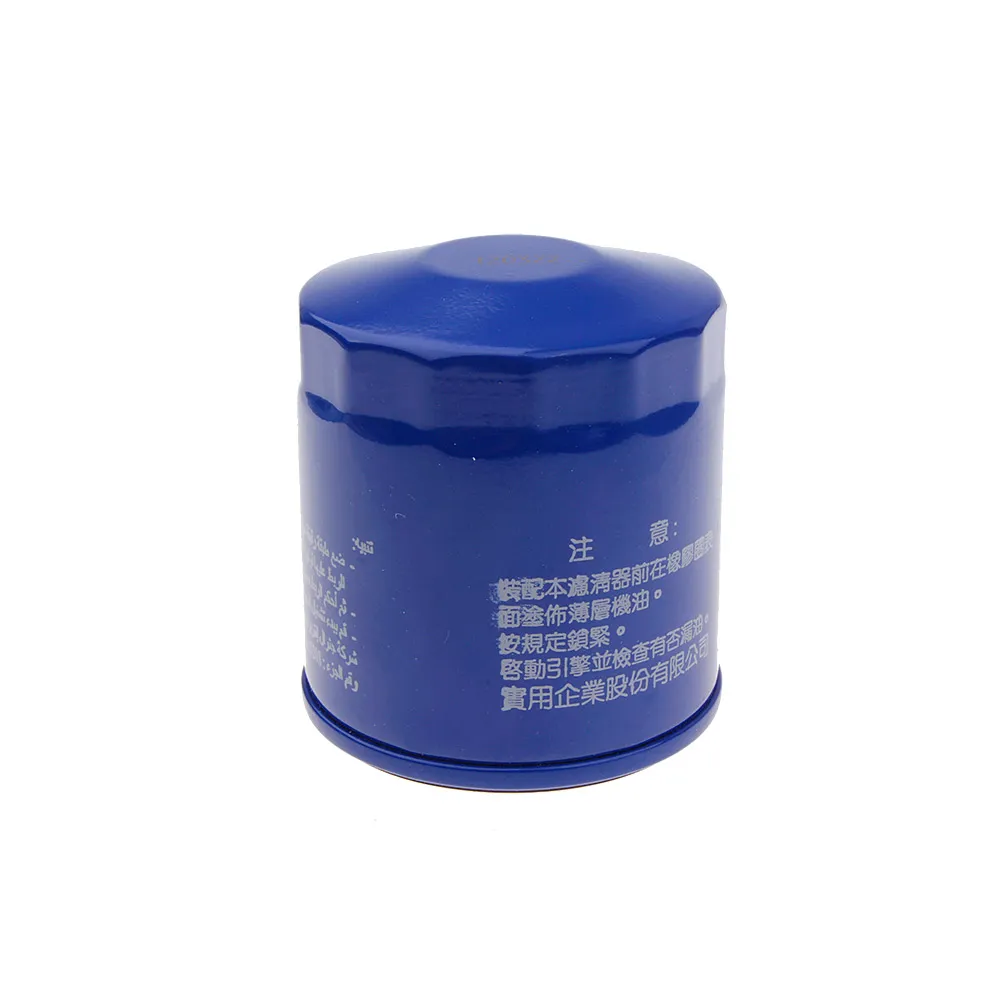
Choosing the Right Car Air Filters Suppliers: A Comparison
When selecting **car air filters suppliers**, it's crucial to consider several factors beyond just car air filters price. Reliability, quality, and customer support are paramount. Here's a comparative overview of what distinguishes top-tier suppliers like Jyfilter from others:
| Feature/Criteria | Jyfilter (Premium Supplier) | Standard Supplier | Budget Supplier |
|---|---|---|---|
| Product Quality | Exceptional: Multi-layer media, activated carbon options, high MERV equivalent, precise OEM fit, ISO/TS certified manufacturing. | Good: Standard media, basic filtration, decent fit, may lack advanced features. | Variable: Basic paper media, inconsistent fit, minimal filtration, often non-certified. |
| Manufacturing Standards | ISO 9001, ISO/TS 16949, ANSI compliance. Rigorous QC, advanced testing. | Basic quality control, possibly ISO 9001. | Minimal to no recognized certifications. |
| Customization & OEM Support | Full customization: size, material, efficiency; dedicated OEM/ODM support, rapid prototyping. | Limited customization, standard product lines. | No customization, off-the-shelf only. |
| Technical Support | Expert engineering support, detailed product data, installation guides, troubleshooting. | Basic product information, limited technical assistance. | Sales support only. |
| Supply Chain & Delivery | Robust and efficient global logistics, reliable delivery times, large stock for popular models. | Standard lead times, potential for delays. | Long lead times, inconsistent stock. |
| Warranty & After-Sales | Comprehensive warranty (e.g., 12 months/25,000 miles), responsive customer service, easy returns. | Standard warranty, slower response. | Limited or no warranty, difficult returns. |
| Car Air Filters Price Point | Competitive for value delivered. Higher initial cost, but lower total cost of ownership due to longevity and performance. | Moderate. | Lowest initial cost, but higher long-term costs due to frequent replacement and potential damage. |
Choosing a reputable supplier ensures not just a product, but a partnership. Jyfilter, as a leading car air filters factory, prides itself on delivering superior products and exceptional service, building trust through consistent quality and performance. Our long-standing relationships with global distributors and automotive parts retailers are a testament to our reliability.
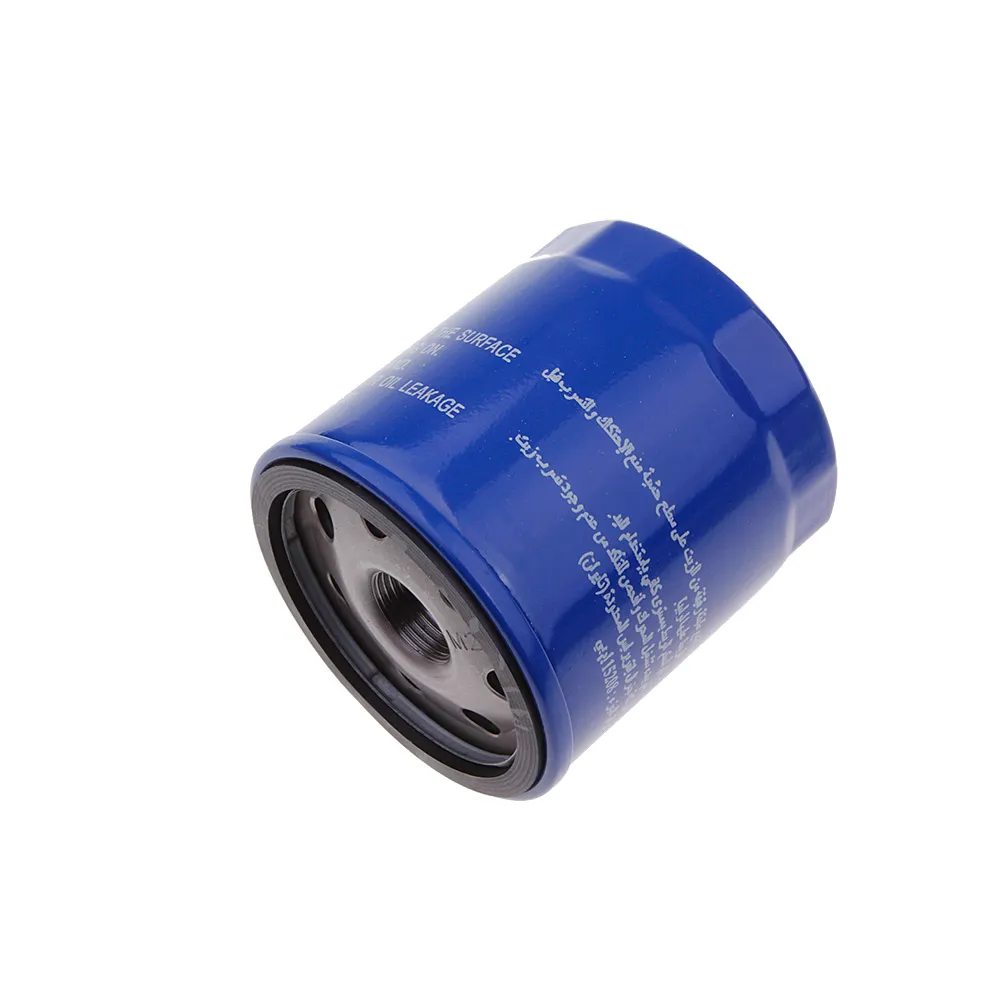
Customization and OEM Solutions for Car Air Filters
For automotive manufacturers (OEMs) and major aftermarket distributors, the ability to customize **car air filters** is a significant advantage. Jyfilter specializes in providing tailored filtration solutions, ensuring our products integrate seamlessly with specific vehicle designs and performance requirements. Our customization capabilities for the Car Cabin Filter and other **car air filters** include:
- Specific Dimensions and Shapes: Manufacturing filters to precise OEM specifications, including unique geometries and sealing requirements.
- Tailored Filtration Media: Developing custom media blends to achieve specific filtration efficiencies (e.g., ultra-fine particle filtration for luxury vehicles, or heavy-duty media for off-road vehicles) and dust holding capacities. This includes varying levels of activated carbon for odor control.
- Branding and Packaging: Private labeling options and custom packaging designs to align with client branding and market strategies.
- Performance Optimization: Collaborating with clients to optimize airflow, pressure drop, and lifespan based on specific vehicle models and environmental operating conditions. This might involve adjusting pleat density or media thickness.
- Compliance with Regional Standards: Ensuring filters meet various regional and international automotive standards and certifications (e.g., CARB, ECE R100).
Our dedicated R&D team works closely with clients from concept to production, utilizing advanced prototyping and testing facilities. This collaborative approach ensures that the customized **car air filters** not only meet but exceed performance expectations, offering a competitive edge in the market. As experienced **car air filters suppliers**, we understand the nuances of OEM partnerships and provide robust support throughout the product lifecycle.
Real-World Application Cases and Client Feedback
The effectiveness of **car air filters** is best demonstrated through their performance in real-world scenarios. Jyfilter has a proven track record of supplying high-quality filters to diverse clients globally. Here are a few illustrative cases:
- Case Study 1: Urban Ride-Sharing Fleet
A major ride-sharing company operating in a densely populated, highly polluted urban environment experienced frequent complaints from drivers and passengers about poor cabin air quality and persistent odors. After switching to Jyfilter's premium Car Cabin Filter with activated carbon, the feedback was overwhelmingly positive. Drivers reported a significant reduction in exhaust fumes and general odors, while passengers noted the cleaner, fresher air. This led to improved driver satisfaction and better customer ratings for the fleet. The extended lifespan of our filters also reduced maintenance intervals and costs for the fleet operator.
- Case Study 2: Agricultural Equipment Manufacturer
An agricultural machinery OEM faced challenges with engine air filter performance in dusty farm environments, leading to premature engine wear and reduced efficiency. Collaborating with Jyfilter, we developed a customized heavy-duty engine air filter. Through rigorous testing in simulated and actual field conditions, our filter demonstrated superior dust holding capacity and filtration efficiency, extending engine life by 15% and reducing fuel consumption by 3% due to optimal air-fuel mixture. This partnership solidified Jyfilter as a critical **car air filters factory** for industrial applications.
- Client Testimonial: John D., Automotive Parts Distributor, Europe
"We've been sourcing **car air filters** from Jyfilter for over five years, including their Car Cabin Filter. Their commitment to quality, consistent supply, and competitive car air filters price have made them our preferred partner. Our customers frequently praise the performance and durability of their filters, leading to strong repeat business. Their responsiveness and technical support are truly excellent."
These examples highlight how high-quality **car air filters** from a reliable car air filters factory not only enhance user experience but also contribute to significant operational savings and extended equipment lifespan, demonstrating tangible value. Our years of service and numerous successful partnerships globally underscore our authority in the filtration industry.
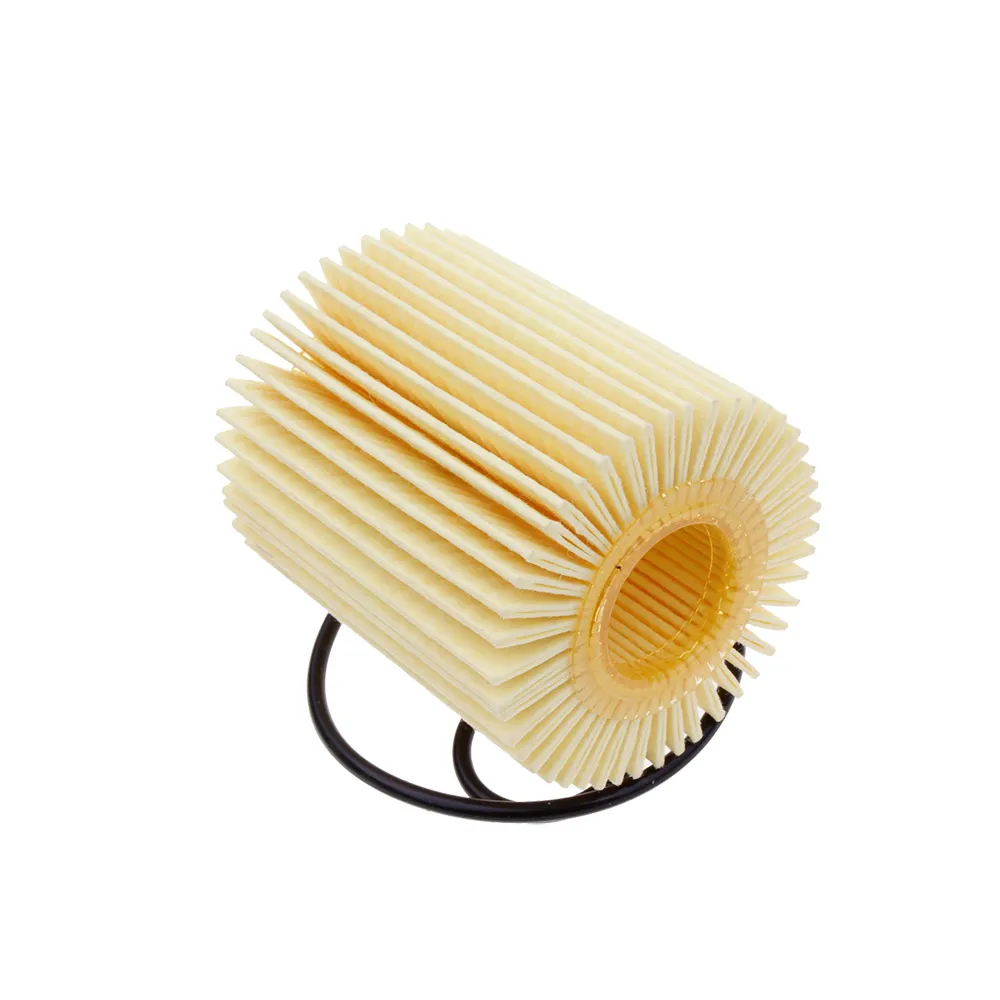
Ensuring Trustworthiness: FAQ, Delivery, Warranty, and Support
At Jyfilter, we believe in complete transparency and building long-term trust with our clients. Beyond delivering superior **car air filters**, we provide comprehensive support and clear policies.
Frequently Asked Questions (FAQ) about Car Air Filters
Q1: How often should I replace my Car Cabin Filter?
A1: It's generally recommended to replace your Car Cabin Filter every 15,000 to 25,000 miles (24,000 to 40,000 km) or once a year, whichever comes first. However, driving in dusty or polluted environments may necessitate more frequent changes. Always refer to your vehicle's owner's manual for specific recommendations.
Q2: What is "activated carbon" in a Car Cabin Filter, and what does it do?
A2: Activated carbon is a highly porous material with a vast internal surface area. When integrated into a Car Cabin Filter, it significantly enhances the filter's ability to adsorb harmful gases, volatile organic compounds (VOCs), and unpleasant odors like exhaust fumes, ozone, and chemical smells, providing a much fresher cabin environment compared to standard particulate filters.
Q3: How do I know if my **car air filters** need replacement?
A3: Common signs include reduced airflow from your HVAC system, persistent musty or unpleasant odors in the cabin, increased noise from the blower motor trying to push air through a clogged filter, or visible dirt and debris when inspecting the filter. For engine air filters, signs include decreased fuel efficiency, reduced engine power, or black smoke from the exhaust.
Q4: What are the benefits of using a high-efficiency **car air filter**?
A4: High-efficiency **car air filters** offer superior protection against microscopic particles, allergens, and pollutants. This leads to cleaner cabin air, reducing respiratory issues for occupants, and for engine filters, better engine protection and optimized performance. They often have higher dust holding capacity, potentially extending service intervals in less extreme conditions.
Q5: Are Jyfilter's **car air filters** compatible with my vehicle?
A5: Jyfilter produces a wide range of **car air filters**, including the Car Cabin Filter, designed to meet or exceed OEM specifications for various makes and models. We maintain an extensive cross-reference database. Please provide your vehicle's make, model, and year, or the OEM part number, and our sales team can confirm compatibility.
Q6: What inspection standards do your **car air filters** adhere to?
A6: Our **car air filters** are manufactured under strict ISO 9001 quality management systems and adhere to relevant automotive industry standards such as ISO/TS 16949. Performance is tested against industry-recognized methods, including those related to ASHRAE 52.2 or ISO 16890 for filtration efficiency and pressure drop, ensuring consistent high quality and performance.
Q7: Can I install the Car Cabin Filter myself?
A7: For most vehicle models, replacing the Car Cabin Filter is a relatively simple DIY task, often located behind the glove compartment or under the hood. Jyfilter provides general installation guidelines, but it's always recommended to consult your vehicle's owner's manual or a professional mechanic if you are unsure.
Delivery, Warranty, and Customer Support
- Delivery Cycle: Our standard delivery cycle for in-stock **car air filters** is typically 7-14 business days for international shipments, depending on destination and order volume. For custom or large OEM orders, lead times will be discussed and confirmed during the quoting process. We prioritize efficient logistics to ensure timely arrival.
- Quality Assurance & Warranty: Every Car Cabin Filter and all other **car air filters** from Jyfilter come with a comprehensive 12-month or 25,000-mile (whichever comes first) manufacturer's warranty against defects in material and workmanship. This commitment reflects our confidence in our manufacturing quality and reliability.
- Customer Support: Our dedicated customer support team is available to assist with product inquiries, order tracking, technical specifications, and after-sales service. We pride ourselves on responsive and knowledgeable assistance, ensuring a smooth experience from inquiry to post-purchase.
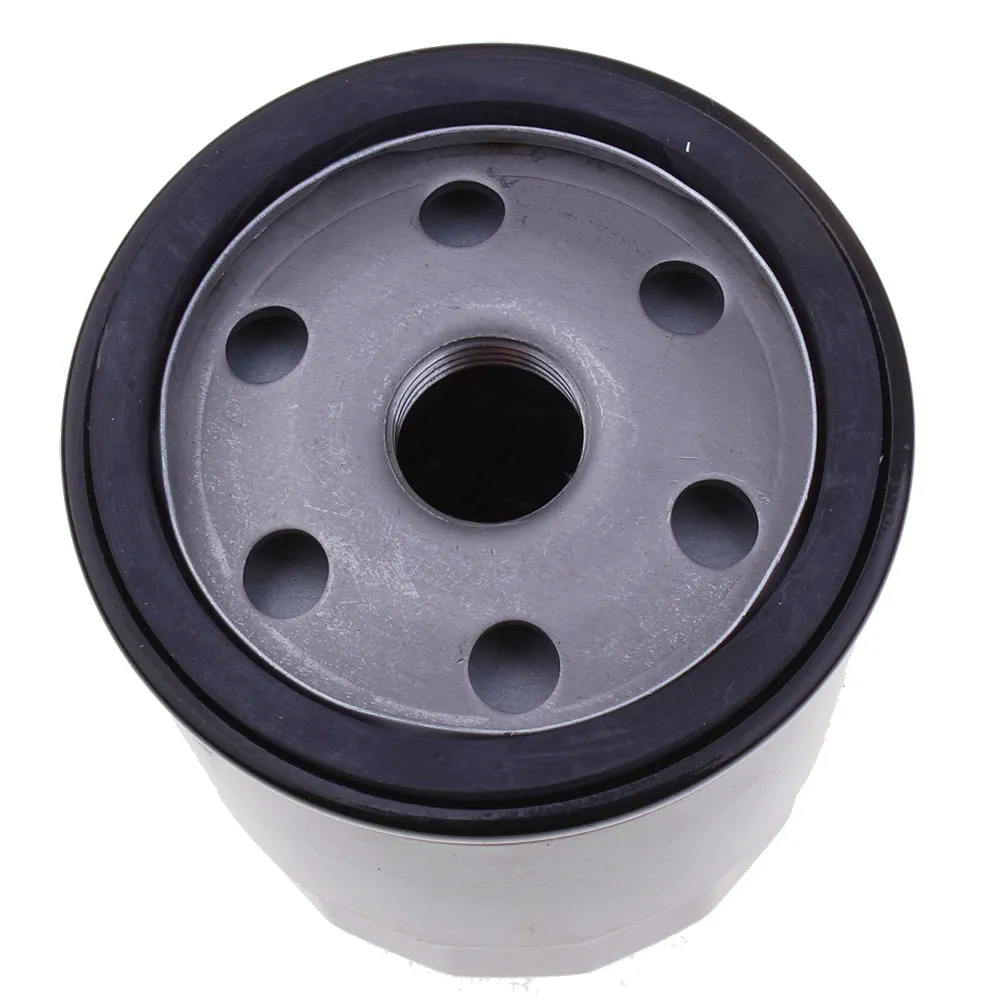
Jyfilter's long-standing reputation as a reliable car air filters factory and one of the leading **car air filters suppliers** is built on these pillars of quality, transparency, and unwavering customer commitment. We aim to offer not just products, but complete filtration solutions that our partners can trust.
Conclusion: The Future of Car Air Filters
As vehicle technology advances and global air quality concerns grow, the role of **car air filters** becomes increasingly critical. From safeguarding occupant health with advanced Car Cabin Filters to protecting sophisticated engine systems, these components are foundational to modern vehicle performance and longevity. Investing in high-quality filtration from reputable **car air filters suppliers** like Jyfilter ensures optimal performance, health benefits, and long-term cost savings. We are committed to continuous innovation, pushing the boundaries of filtration technology to meet the evolving demands of the automotive industry.
For further insights into automotive filtration and air quality, we recommend exploring the following resources:
- Society of Automotive Engineers (SAE) International: https://www.sae.org
- ASHRAE (American Society of Heating, Refrigerating and Air-Conditioning Engineers) Standards for air quality: https://www.ashrae.org
- Filtration and Separation Magazine: https://www.filtsep.com
-
Guide on how often do you need to replace engine air filterNewsApr.16,2026
-
Learn how often do you replace air filter in car for engine healthNewsApr.09,2026
-
How Often Do You Replace Car Air Filter For Optimal Engine PerformanceNewsApr.07,2026
-
How Often Do You Replace Engine Air Filter For Optimal Vehicle PerformanceNewsApr.04,2026
-
Understanding How Often Does Engine Air Filter Need to Be Replaced for Optimal PerformanceNewsMar.31,2026
-
How Often Engine Air Filter Change Impacts Performance and LongevityNewsMar.28,2026
-
Understanding How Often to Replace Your Car Air Filter for Optimal PerformanceNewsMar.26,2026
Related Products