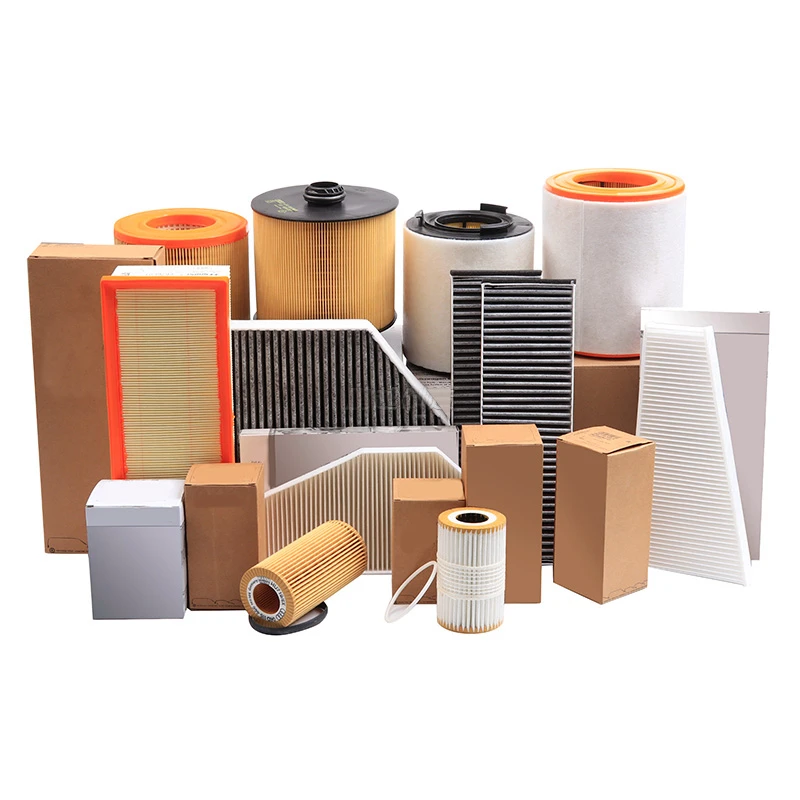
Introduction to Car Air Filters: Ensuring Engine Health and Cabin Purity
In the intricate ecosystem of modern automotive engineering, the role of a car air filter is paramount, acting as the primary guardian for both the engine and vehicle occupants. This critical component is designed to prevent abrasive particulates, road debris, pollen, and other airborne contaminants from entering the engine's combustion chamber, where they could cause significant wear and reduce operational efficiency. Furthermore, advanced filtration systems contribute substantially to the quality of the air circulating within the vehicle's cabin, directly impacting passenger comfort and health. The automotive industry is witnessing a continuous evolution in filtration technology, driven by stricter emission regulations, increasing demands for fuel efficiency, and the growing awareness of air quality. Manufacturers are now focusing on developing filters with enhanced dust holding capacity, lower pressure drop, and longer service intervals, often incorporating multi-layered synthetic media and active carbon elements. This trend extends beyond traditional internal combustion engines, with considerations for hybrid and electric vehicles also influencing filter design, particularly regarding cabin air quality and thermal management systems that rely on clean airflow. Understanding the proper use of these filters and the factors affecting their performance is crucial for fleet managers and automotive professionals alike.
Technical Specifications and Structural Integrity of Automotive Air Filters
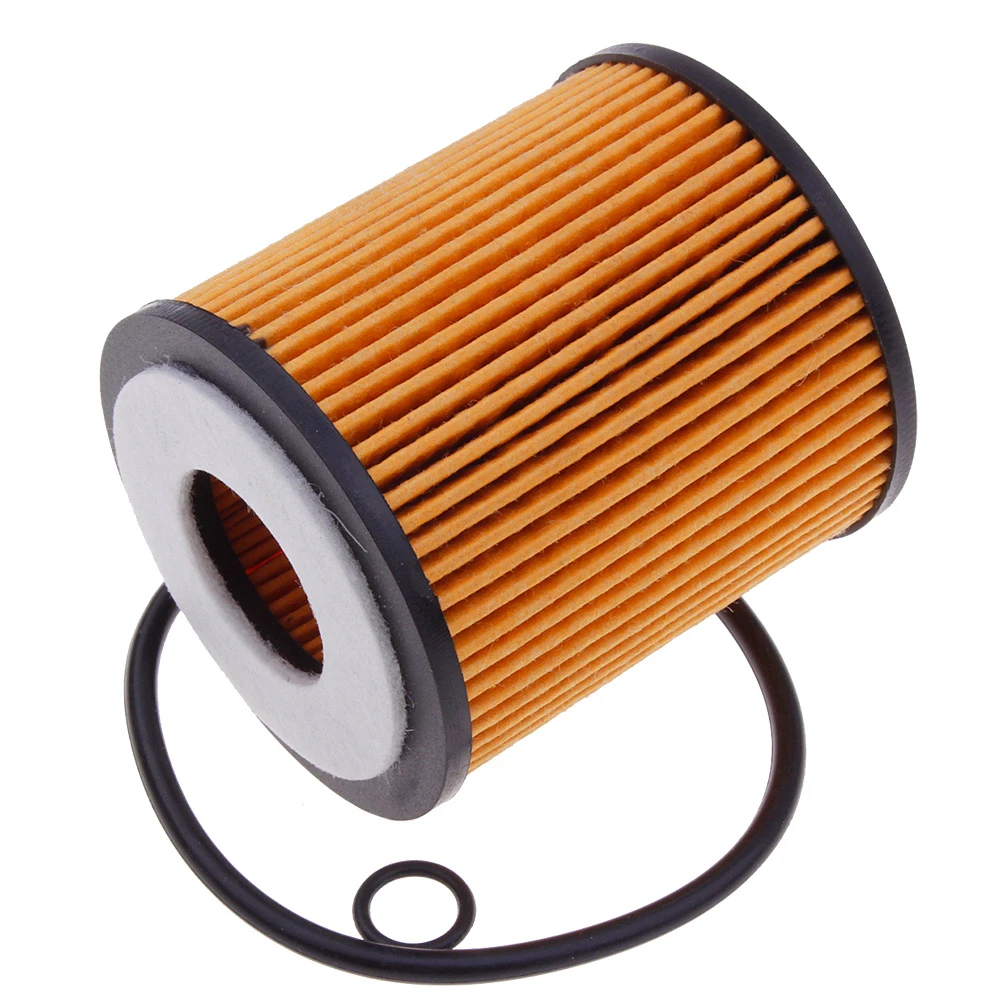
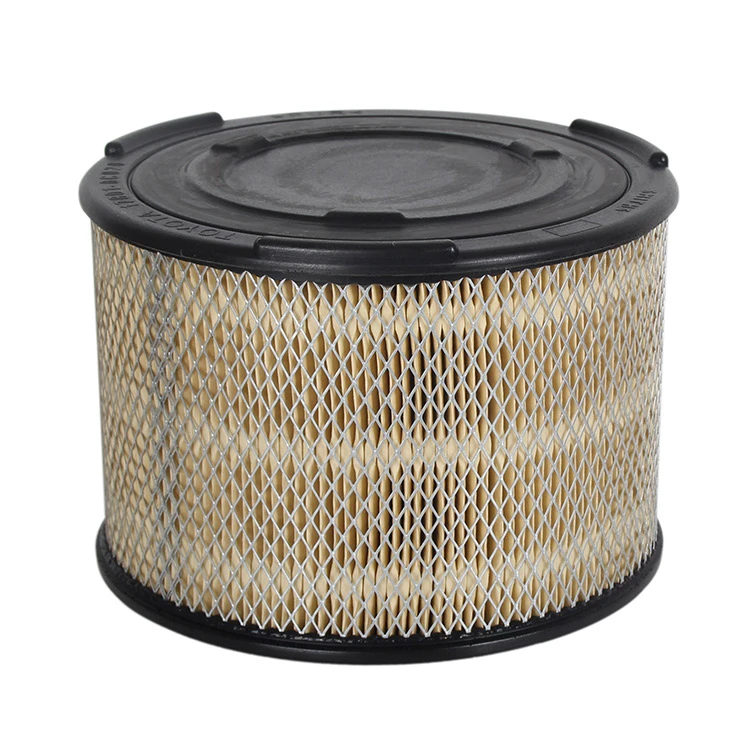
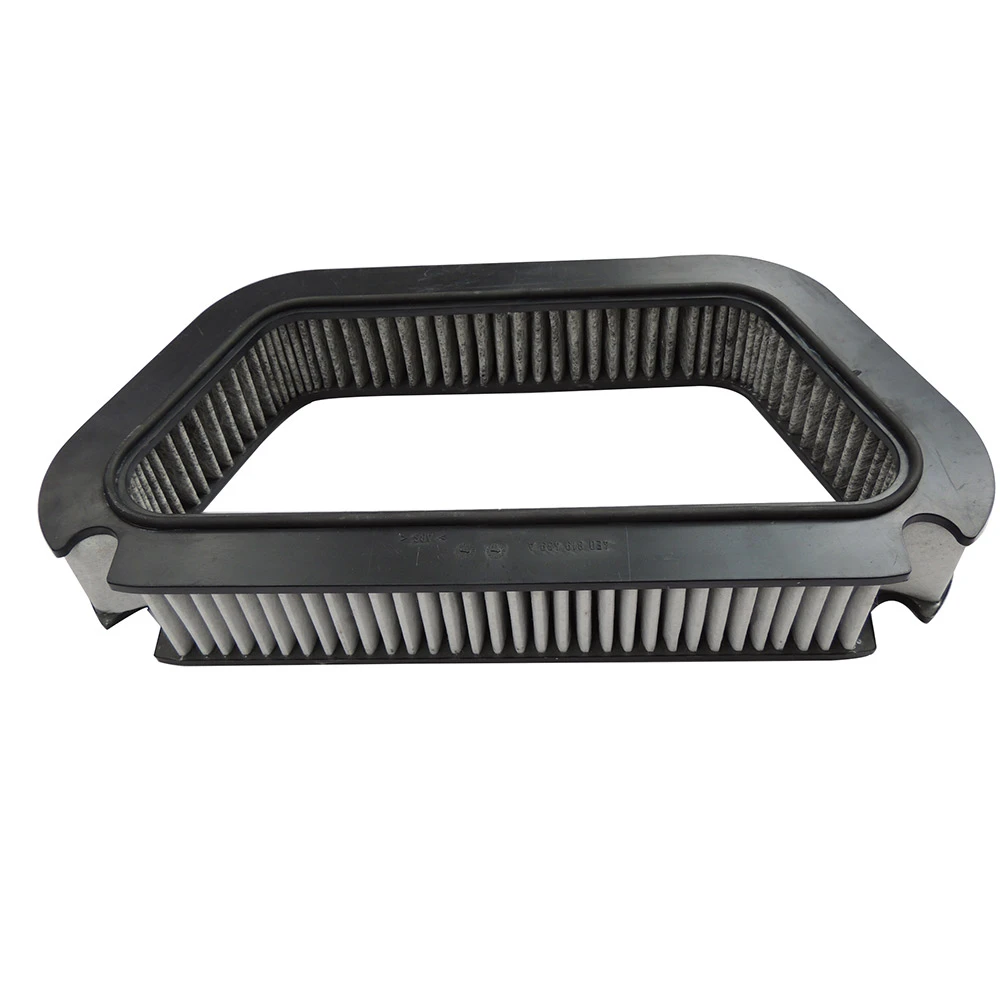
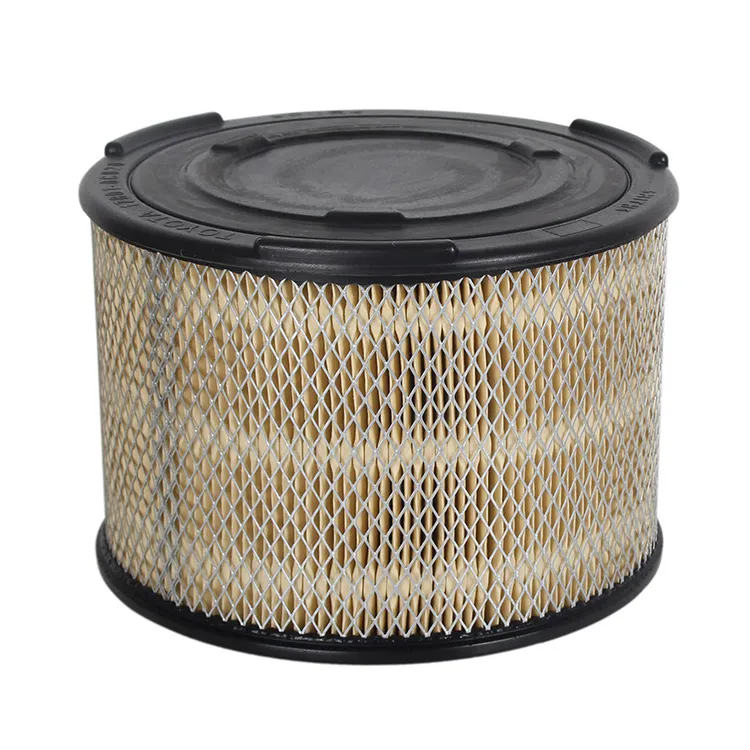
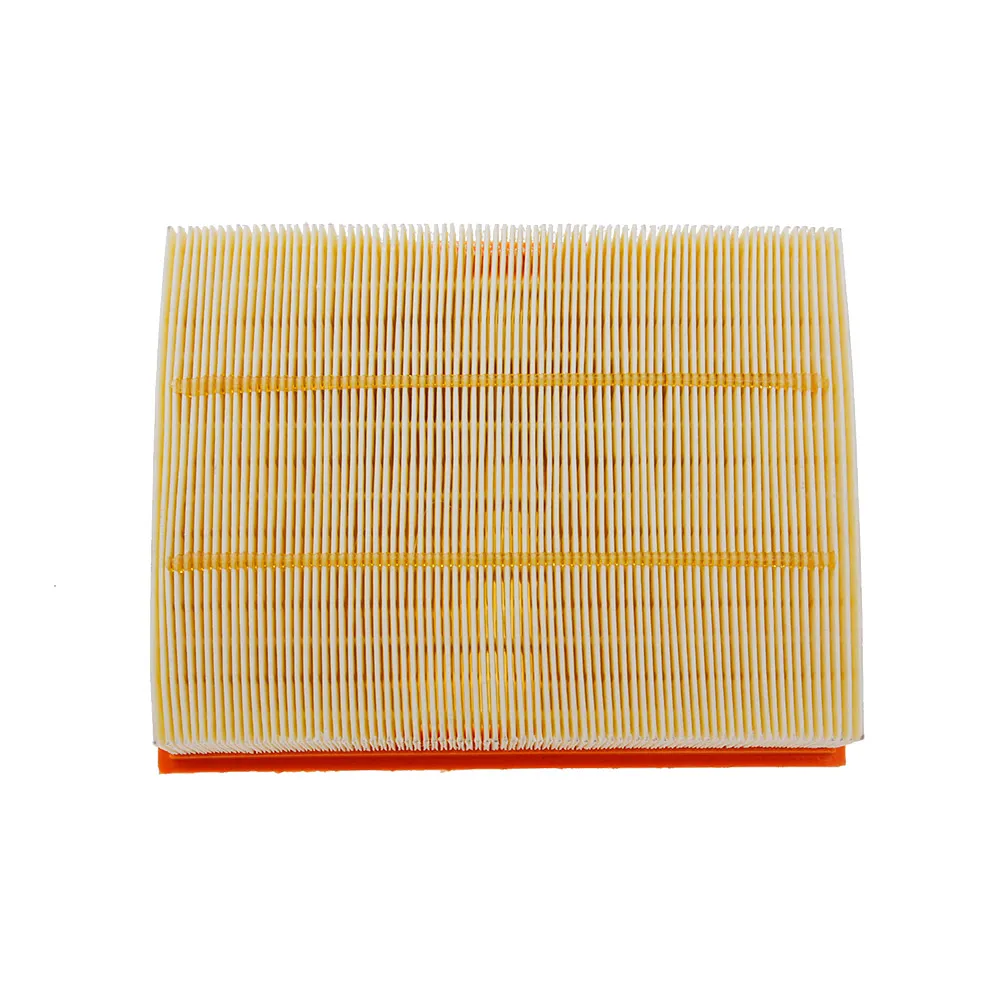
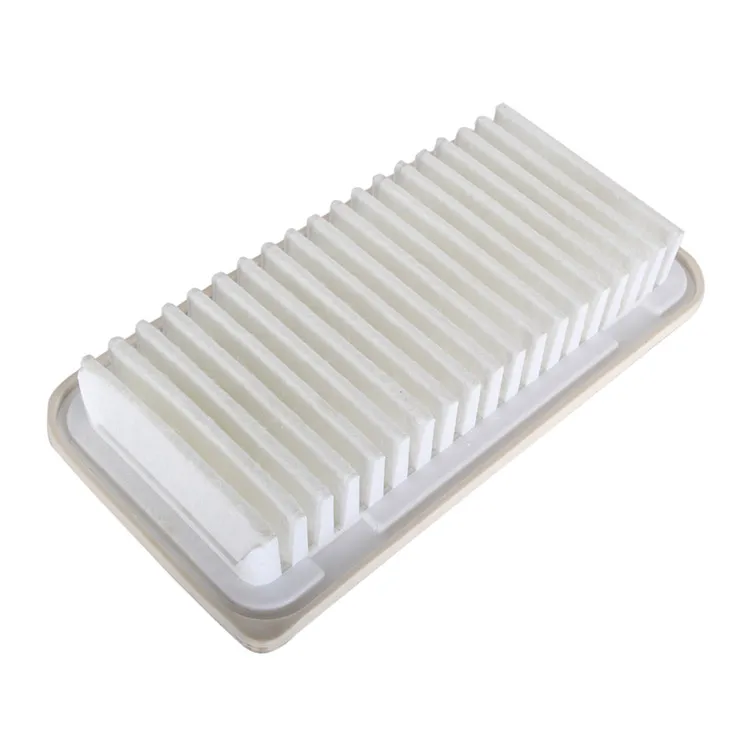
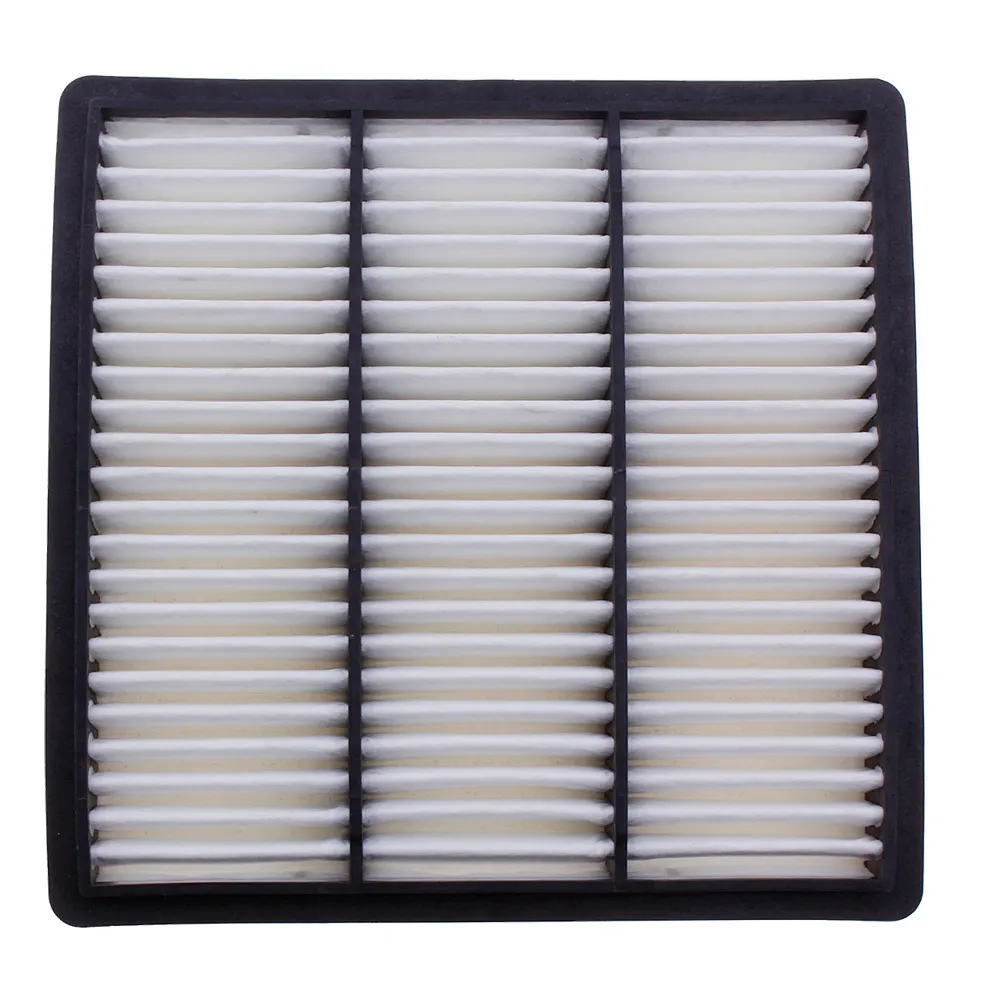
The effectiveness of an automotive air filter hinges on its structural integrity and the precision of its technical specifications. Modern filters typically comprise several key components: the filtration media, often pleated to maximize surface area; a robust frame made from plastic, metal, or polyurethane, providing structural support; and a sealing gasket to ensure a tight fit within the airbox, preventing bypass leakage. Filtration media can vary significantly, from traditional cellulose paper to advanced synthetic blends and oil-impregnated cotton gauze. Each material offers distinct advantages in terms of filtration efficiency, airflow characteristics, and longevity.
Key performance parameters for any high-quality automotive air filter include:
- Filtration Efficiency: Measured as the percentage of particles of a certain size that the filter can capture. High-quality engine air filters often achieve 98-99.9% efficiency for particles 5 microns and larger, compliant with standards like ISO 5011.
- Airflow Resistance (Pressure Drop): The reduction in air pressure as air passes through the filter. Lower pressure drop ensures optimal engine performance and fuel efficiency.
- Dust Holding Capacity: The amount of dust a filter can hold before its airflow resistance becomes excessive, indicating the filter's service life. This directly impacts the car air filter life.
- Burst Strength: The filter's ability to withstand pressure surges without structural failure.
- Temperature and Humidity Resistance: Ability to perform consistently across varying environmental conditions.
These parameters are critical for automotive engineers and procurement specialists when selecting filters for specific applications, ensuring optimal engine protection and adherence to OEM standards.
| Parameter | Typical Range/Value | Standard (e.g., ISO) |
|---|---|---|
| Filtration Efficiency (for particles > 5 µm) | 98% - 99.9% | ISO 5011, SAE J726 |
| Initial Pressure Drop (at rated airflow) | 50 Pa - 250 Pa | ISO 5011 |
| Dust Holding Capacity | 150 g - 400 g (varies by size) | ISO 5011 |
| Operating Temperature Range | -30°C to 100°C | Manufacturer Specific |
| Media Type | Cellulose, Synthetic, Multi-layer | N/A |
The Advanced Manufacturing Process of an Engine Air Filter
The manufacturing of a high-performance engine air filter involves a meticulous process, combining precision engineering with advanced material science to meet stringent automotive standards. This process ensures consistent quality, optimal performance, and durability in various operating environments.
Process Flow Overview:
- Material Selection & Preparation: High-grade filtration media (e.g., cellulose pulp, synthetic fibers like polyester or polypropylene, or multi-layered combinations) is chosen based on desired efficiency, dust holding capacity, and airflow characteristics. Materials often feature hydrophobic properties and specific pore sizes.
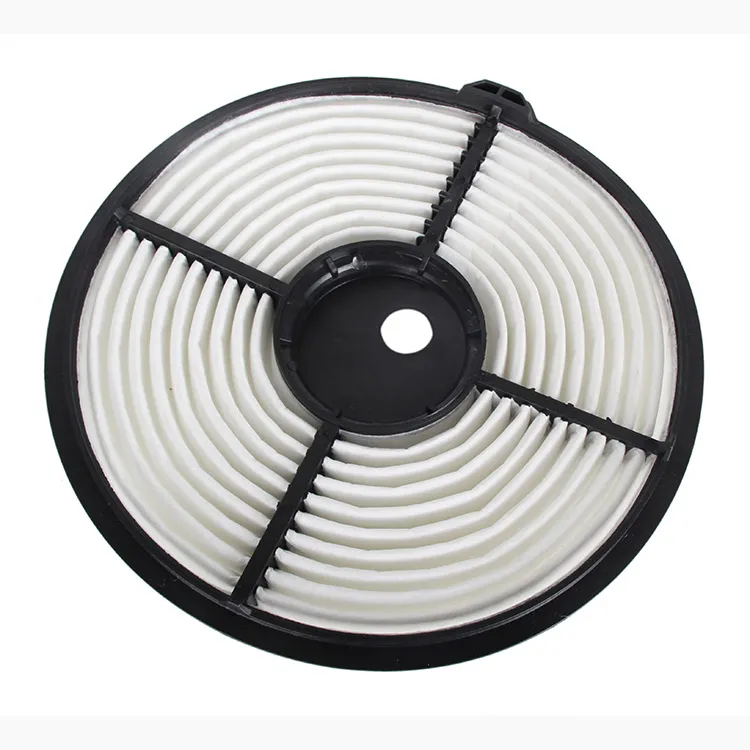
- Pleating and Forming: The flat filtration media is precisely pleated using specialized machinery. The pleat depth and count are critical for maximizing surface area within the confined space of the airbox, directly impacting dust holding capacity and service life. Advanced pleating technologies ensure uniform spacing and rigidity.
- Frame Assembly: The pleated media pack is then integrated into a durable frame, typically made from injection-molded polyurethane or high-strength plastics. This frame provides structural integrity and ensures a snug fit. CNC machining might be involved in mold creation for precise frame dimensions.
- Sealing and Bonding: A flexible yet robust sealing gasket, often made of polyurethane or synthetic rubber, is applied to the edges of the frame. This step is crucial to prevent contaminated air from bypassing the filter media and entering the engine. Advanced bonding techniques ensure a permanent, leak-proof seal.
- Curing and Finishing: The assembled filters undergo a curing process (especially for polyurethane components) to achieve optimal material properties and stability. Final inspection for defects, dimensional accuracy, and proper sealing is performed.
- Quality Control & Testing: Each batch of these filters undergoes rigorous testing in accordance with international standards such as ISO 5011, SAE J726, and often internal OEM specifications. These tests verify filtration efficiency, dust holding capacity, pressure drop, and resistance to environmental factors.
The meticulous attention to detail at each stage, from raw material sourcing to final testing, guarantees a product that not only meets but often exceeds the demanding requirements of modern automotive applications. The service life of these filters is optimized through robust design and validated through extensive testing, ensuring reliable performance in diverse environments.
Application Scenarios and Technical Advantages of Engine Air Filtration
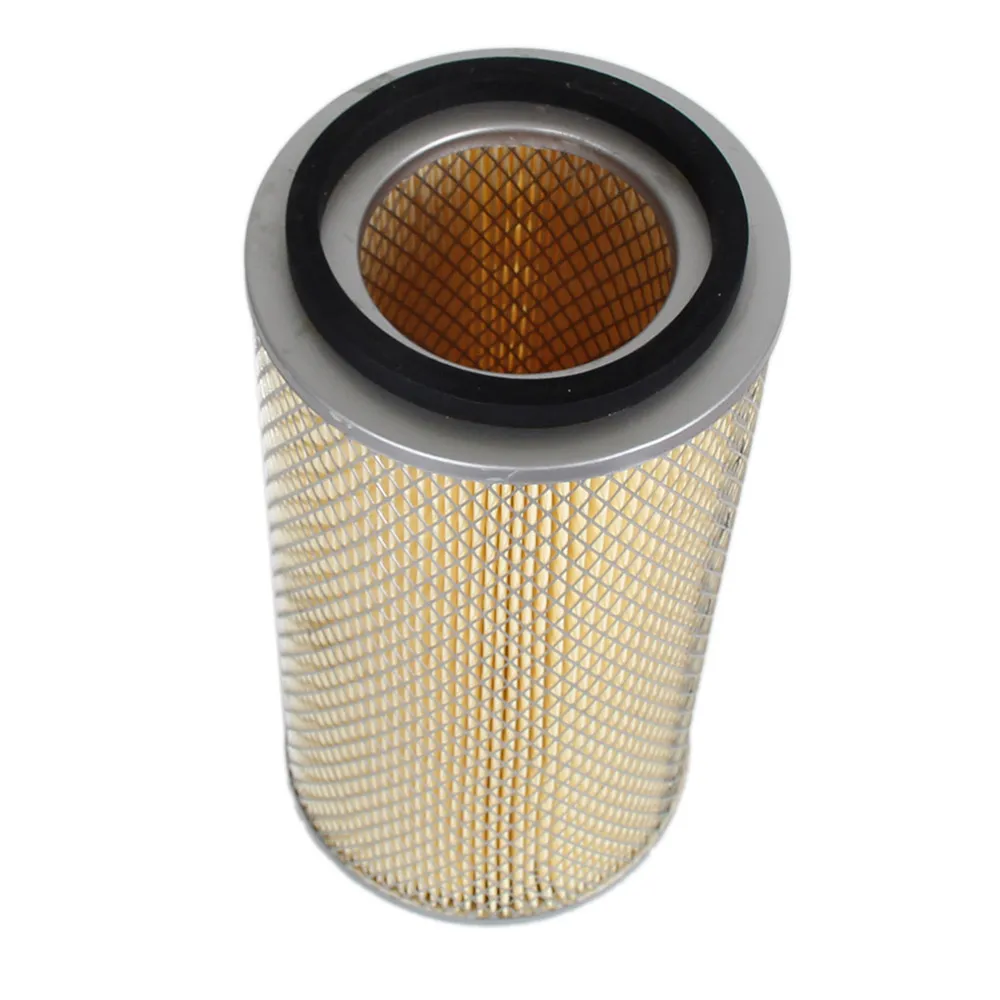
The pervasive need for clean air in various automotive sectors underscores the critical importance of a high-quality engine air filtration system. Its applications span across:
- Passenger Vehicles: From compact cars to luxury sedans, ensuring optimal engine performance and a clean cabin environment.
- Commercial Fleets: Buses, delivery vans, and trucks benefit from extended engine life and reduced maintenance, crucial for operational efficiency.
- Heavy-Duty Equipment: Construction machinery, agricultural vehicles, and mining equipment operating in harsh, dusty conditions rely on robust filtration to protect expensive engines.
- Specialty Vehicles: Emergency services, off-road vehicles, and custom builds requiring specific filtration characteristics.
The technical advantages of superior engine air filtration are multi-faceted:
- Enhanced Engine Protection: Preventing abrasive particles from entering the engine drastically reduces wear on pistons, cylinders, and turbochargers, extending engine lifespan and reducing costly repairs.
- Improved Fuel Efficiency: A clean filter ensures unobstructed airflow to the engine, allowing for optimal air-fuel mixture combustion. A clogged filter can lead to a richer mixture, resulting in decreased fuel economy. This directly relates to the efficient car air filter use.
- Reduced Emissions: Efficient combustion facilitated by clean air contributes to lower harmful exhaust emissions, aiding compliance with environmental regulations.
- Superior Cabin Air Quality: For cabin air filters, high-efficiency media, sometimes combined with activated carbon, traps pollen, dust, soot, and even odors, improving occupant comfort and protecting against allergens and pollutants.
- Corrosion Resistance: While primarily focused on particle filtration, some advanced filter housings and media can be treated or designed to resist moisture and chemical exposure, contributing to overall system longevity in challenging environments.
- Energy Saving: By maintaining optimal engine function and reducing drag on intake systems, high-quality air filters indirectly contribute to energy savings by reducing the load on the engine to draw in air.
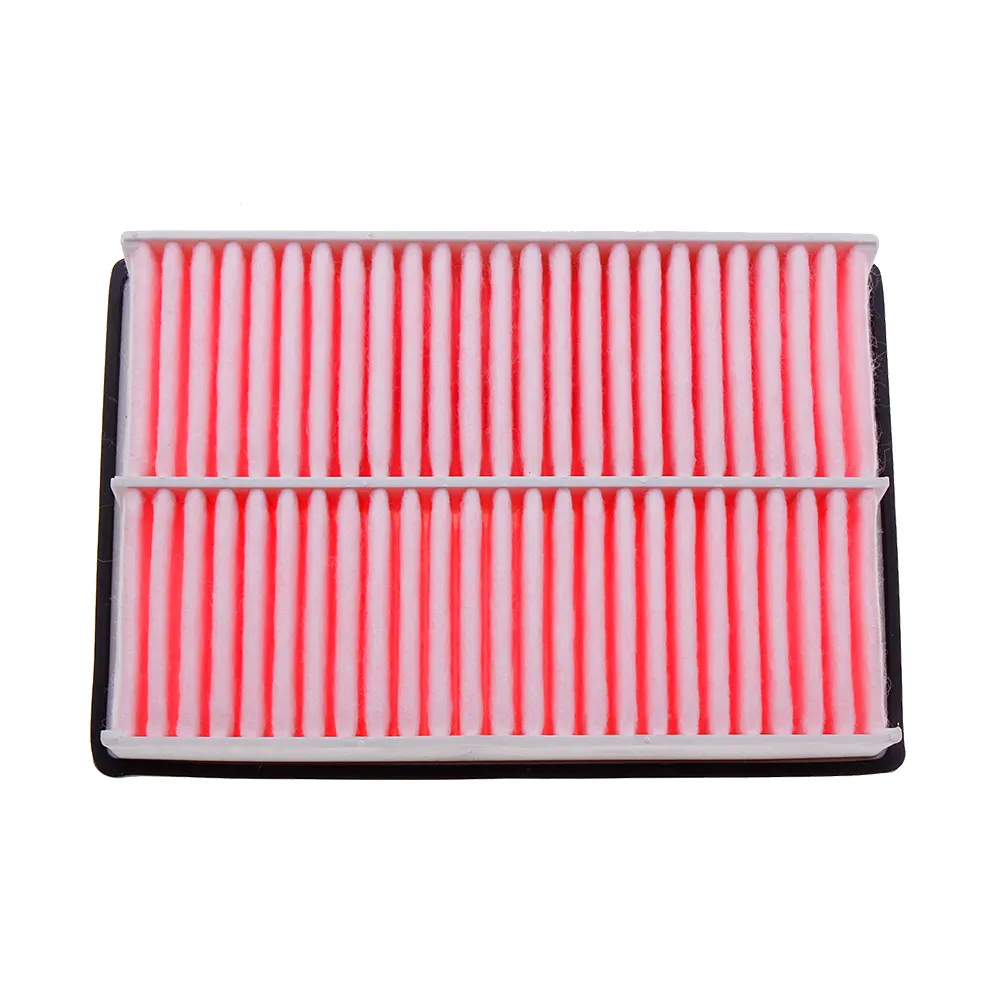
Understanding Car Air Filter Life and Replacement Schedules
The optimal car air filter life is not a fixed parameter but is influenced by a combination of factors, including driving conditions, environmental pollutants, filter material, and vehicle manufacturer recommendations. Generally, automotive experts suggest checking the filter at every oil change or every 12,000 to 15,000 miles (approximately 20,000 to 24,000 kilometers), with a recommendation to replace an engine air filter every 15,000 to 30,000 miles (24,000 to 48,000 kilometers), or annually, whichever comes first. However, vehicles frequently operated in dusty environments, such as construction sites, unpaved roads, or areas with high pollen counts, may require more frequent inspections and replacements.
Key indicators that it's time to replace an engine air filter include:
- Reduced Fuel Economy: A clogged filter forces the engine to work harder, consuming more fuel.
- Decreased Engine Performance: Noticeable sluggishness, reduced horsepower, or slower acceleration.
- Unusual Engine Sounds: A dirty filter can cause rough idling or misfires.
- Visible Dirt: The filter element appears heavily soiled or dark when inspected.
- "Check Engine" Light: In some modern vehicles, severely restricted airflow can trigger engine warning lights.
Proactive maintenance and adherence to recommended replacement intervals are crucial for maintaining engine health, optimizing fuel efficiency, and ensuring the longevity of critical engine components. Neglecting to perform routine filter replacement can lead to increased engine wear, diminished performance, and potentially costly repairs in the long run.
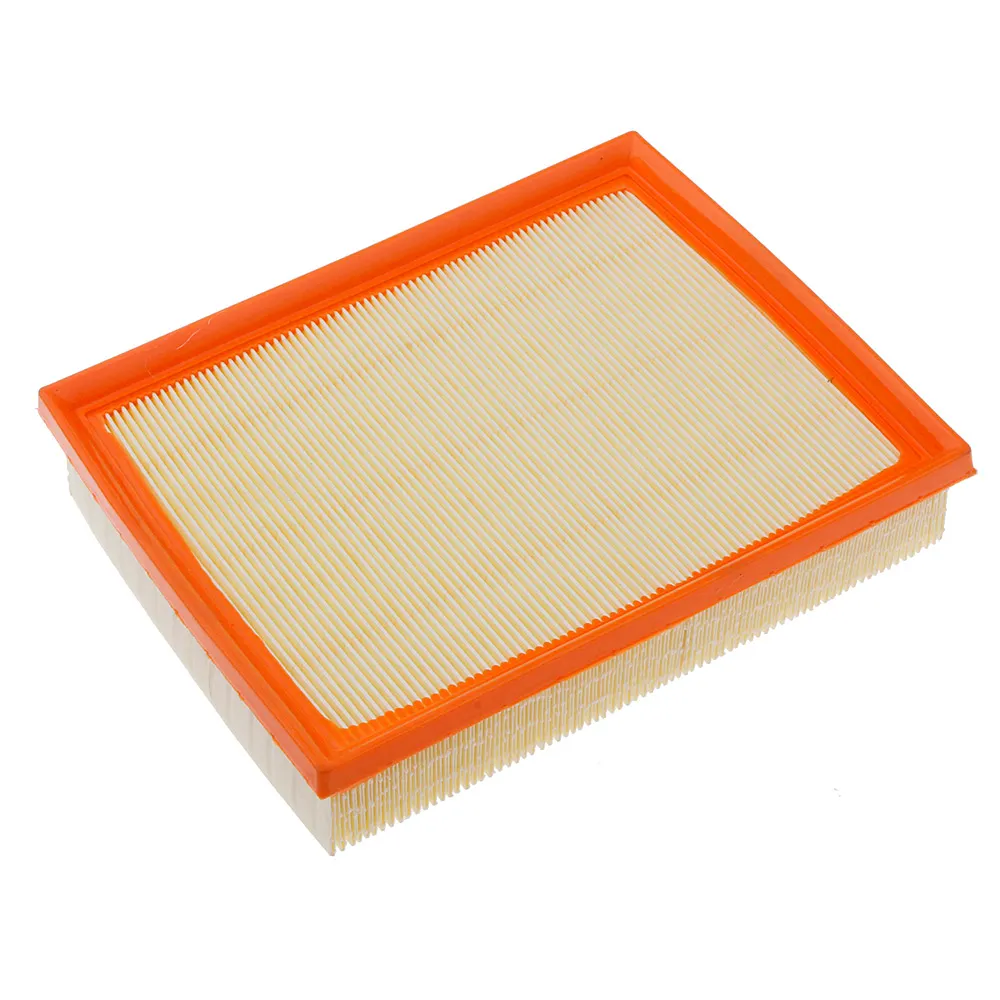
Vendor Comparison and Market Dynamics: Automotive Air Filter Pricing
The market for automotive air filters is highly competitive, featuring a wide array of manufacturers, from OEM suppliers to aftermarket specialists. When evaluating vendors, B2B decision-makers consider several critical factors beyond just the initial car air filter price, focusing on the total cost of ownership (TCO) and long-term value.
Key differentiators among manufacturers include:
- Filtration Technology: The type of media used (e.g., advanced synthetics, multi-layer designs, carbon-infused) and patented pleating patterns directly impact efficiency and dust holding capacity.
- Material Quality: Durability of the frame, gasket material, and overall construction directly affect the filter's seal and structural integrity throughout its service life.
- Certifications and Standards: Adherence to international standards (e.g., ISO 9001, IATF 16949 for automotive quality management) and third-party testing validates product performance.
- Research & Development: Manufacturers investing in R&D are often at the forefront of innovation, offering filters optimized for new vehicle models and emerging engine technologies.
- Supply Chain and Logistics: Reliable supply, inventory management, and efficient distribution networks are crucial for fleet operators and parts distributors.
While the immediate car air filters price can vary significantly, investing in higher-quality filters often translates to superior engine protection, better fuel economy, and extended replacement intervals, thereby reducing operational costs over time. Bulk purchasing and long-term contracts can also influence the overall pricing for B2B clients.
| Feature | OEM/Premium Aftermarket | Standard Aftermarket | Value/Budget Option |
|---|---|---|---|
| Filtration Efficiency | >99% (for >5µm) | 97-98% (for >5µm) | <95% (for >5µm) |
| Media Type | Synthetic, Multi-layer, Micro-fiber | Advanced Cellulose, Synthetic Blend | Basic Cellulose Paper |
| Dust Holding Capacity | High (Extended service life) | Moderate | Lower |
| Frame Material | High-grade Polyurethane, Reinforced Plastic | Standard Polyurethane, Plastic | Basic Plastic, Cardboard |
| Warranty | Extensive (e.g., 2 years/50,000 miles) | Standard (e.g., 1 year/25,000 miles) | Limited |
| Price Point | Premium | Mid-range | Budget |
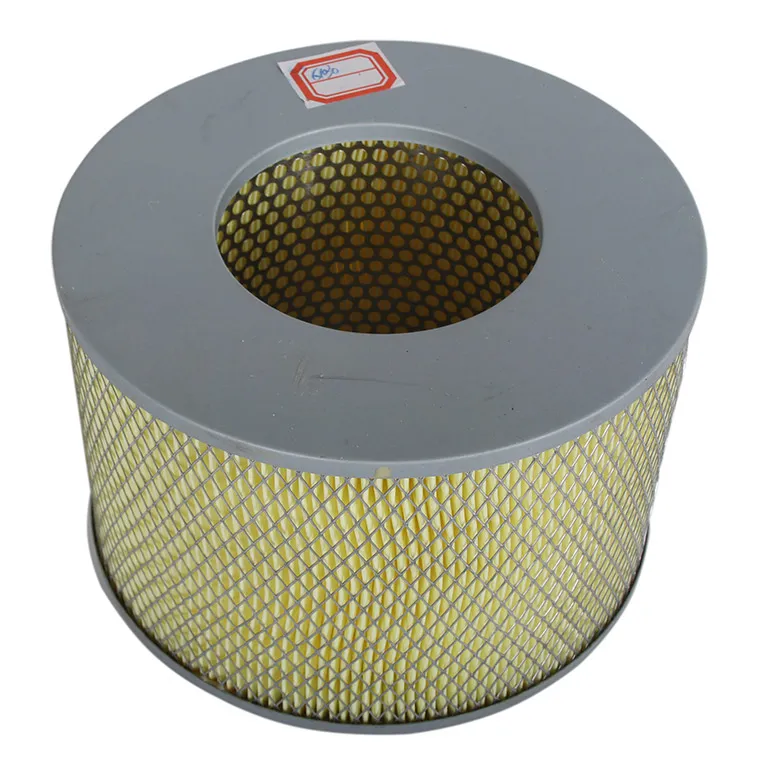
Customized Filtration Solutions for Specialized Automotive Applications
Recognizing that not all automotive applications are identical, leading manufacturers of filtration solutions offer highly customized products. This is particularly relevant for Original Equipment Manufacturers (OEMs), large commercial fleets, and specialty vehicle producers who require filters tailored to unique operational environments, engine designs, or performance targets.
Customization options can include:
- Bespoke Dimensions and Shapes: Filters designed to fit unconventional airbox configurations, optimizing space utilization.
- Specialized Filtration Media: Selection of media based on specific environmental challenges (e.g., extremely dusty conditions, high humidity, chemical exposure) or enhanced filtration requirements for ultrafine particles. This may involve multi-stage filtration with different media layers.
- Unique Frame Materials: Utilization of specific polymers or reinforced materials to withstand extreme temperatures, vibrations, or corrosive agents common in heavy-duty or industrial automotive applications.
- Integrated Sensor Compatibility: Designing filters with provisions for integrating pressure sensors or contamination indicators to facilitate proactive maintenance and optimize filter life monitoring.
- Private Labeling and Packaging: Tailored branding and packaging solutions for aftermarket distributors or vehicle manufacturers.
Collaborating with a manufacturer capable of comprehensive R&D, rapid prototyping, and rigorous testing ensures that customized engine air filters meet exact performance specifications while maintaining cost-effectiveness and scalability for production.
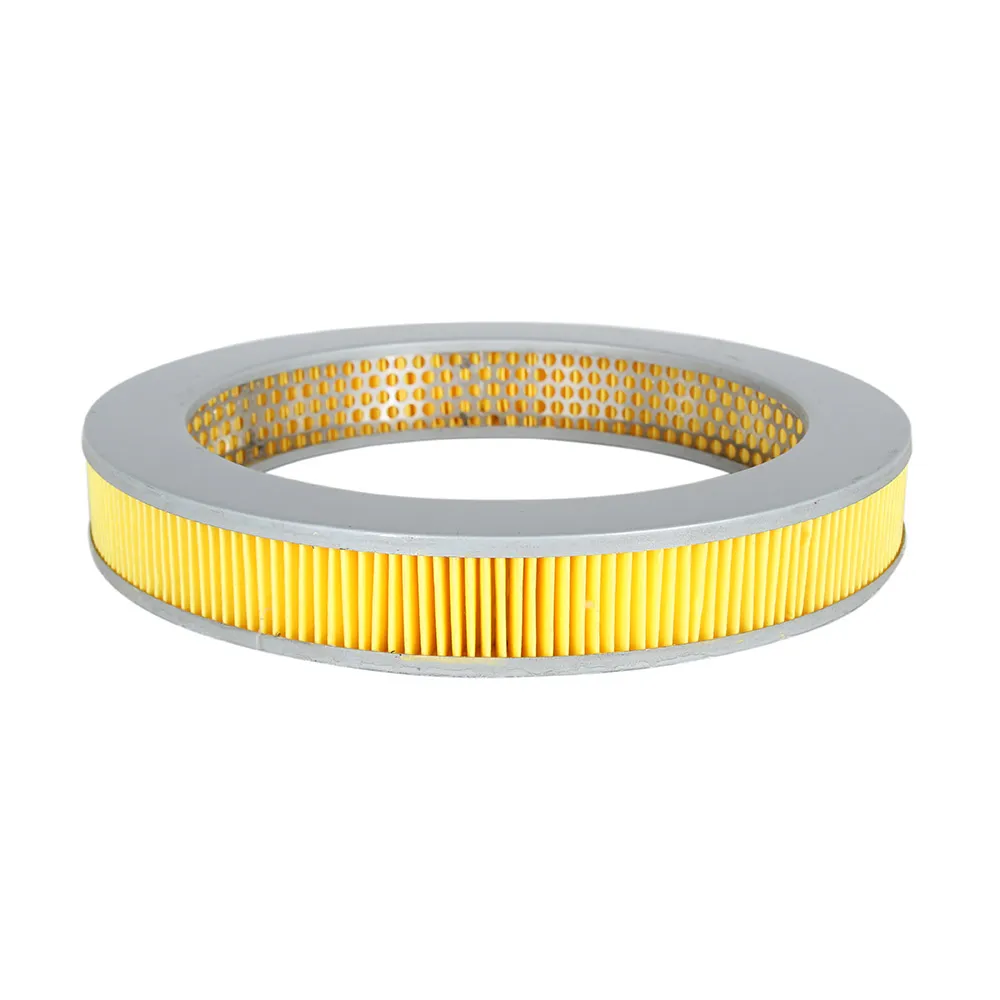
Application Case Studies & Customer Feedback on Premium Filters
Real-world application demonstrates the tangible benefits of investing in high-quality automotive air filters. Here are illustrative case studies and feedback from clients who prioritize robust filtration solutions:
Case Study 1: Commercial Fleet Optimization
A major logistics company operating a fleet of 500 delivery vans faced consistent challenges with engine wear and diminished fuel economy due to operation in urban and dusty suburban environments. After transitioning to a premium, long-life engine air filter with multi-layer synthetic media, they observed a measurable improvement:
- Extended Service Intervals: Filter replacement cycles increased by 30%, from 15,000 miles to 20,000 miles, reducing maintenance downtime.
- Fuel Economy Improvement: Average fuel efficiency across the fleet improved by 2.5%, leading to significant annual cost savings.
- Reduced Engine Repairs: Incidence of particulate-induced engine issues (e.g., turbocharger fouling) decreased by 15% over a two-year period.
Case Study 2: Off-Road Vehicle Engine Protection
An operator of heavy-duty off-road vehicles in a quarry environment experienced premature engine component wear due to extreme dust ingress. Implementing custom-designed, heavy-duty engine air filters with reinforced frames and specialized, high-capacity filtration media yielded:
- Superior Dust Holding: The new filters managed 2x the dust load compared to previous filters, extending replacement intervals even in harsh conditions.
- Significant Wear Reduction: Oil analysis showed a 40% reduction in wear metals in engine oil, indicating substantially better engine protection.
Customer Testimonials:
"Switching to their premium engine air filters for our fleet was a game-changer. We've seen fewer engine issues and a noticeable bump in fuel economy. The reliability is unmatched." - Head of Fleet Operations, Regional Transportation Co.
"The customized filtration solution for our specialty vehicles has exceeded expectations. Their engineering team understood our unique challenges perfectly." - Lead Engineer, Off-Road Systems Integrator.
Authoritativeness and Trustworthiness: Our Commitment to Quality
Our unwavering commitment to producing high-quality filtration solutions is underpinned by stringent quality control, authoritative certifications, and robust customer support infrastructure. We adhere to the highest industry standards to ensure every product delivers exceptional performance and reliability.
Certifications and Compliance:
- ISO 9001 Certified: Demonstrates our dedication to quality management systems across all manufacturing processes.
- IATF 16949 Compliant: Specifies requirements for a quality management system for organizations in the automotive industry, ensuring product quality and customer satisfaction.
- Adherence to ISO 5011 & SAE J726: Our filters are tested and validated against these international standards for air filter performance in internal combustion engines.
Partnerships and Expertise:
With decades of experience in filtration technology, we have established ourselves as a trusted partner for numerous OEM and aftermarket clients globally. Our team of engineers and technical specialists possesses deep expertise in air filtration dynamics, material science, and automotive applications, continuously innovating to meet future demands.
Lead Time and Fulfillment:
We maintain efficient production lines and robust supply chain management to ensure competitive lead times. Standard filter orders typically have a lead time of 2-4 weeks, while customized solutions may require 6-8 weeks, depending on complexity and material sourcing. We prioritize on-time delivery to support our clients' operational schedules.
Warranty and After-Sales Support:
All our automotive filters are backed by a comprehensive warranty, covering manufacturing defects and ensuring performance under specified operating conditions. Our dedicated customer support team provides expert technical assistance, troubleshooting, and responsive service to address any inquiries or concerns promptly. We believe in building lasting relationships through reliable products and exceptional support.
Frequently Asked Questions (FAQs) about Automotive Air Filters
- Q1: How often should I replace car air filter?
- A1: Generally, it's recommended to replace your engine air filter every 15,000 to 30,000 miles (24,000 to 48,000 km) or annually, whichever comes first. However, driving in dusty or polluted environments may necessitate more frequent replacement. Always refer to your vehicle's owner's manual for specific recommendations.
- Q2: What are the signs that my engine air filter needs replacement?
- A2: Common signs include decreased fuel efficiency, reduced engine horsepower, noticeable sluggishness or misfires, a dark or visibly dirty filter element upon inspection, or an activated "Check Engine" light in some cases. Ignoring these signs can lead to engine damage.
- Q3: Does the price of an automotive air filter reflect its quality?
- A3: While not always a direct correlation, higher-priced filters often incorporate advanced filtration media, superior frame materials, and more rigorous testing, leading to better filtration efficiency, longer filter life, and enhanced engine protection. Investing in a quality filter can offer long-term savings through improved fuel economy and reduced engine maintenance.
- Q4: Can a dirty engine air filter affect fuel economy?
- A4: Yes, absolutely. A clogged air filter restricts the airflow to the engine, causing it to work harder and potentially lead to an imbalanced air-fuel mixture. This can result in a noticeable drop in fuel efficiency, as the engine attempts to compensate for the lack of air.
- Q5: What are the differences between engine and cabin air filters?
- A5: The engine air filter protects the engine by filtering incoming air for combustion. The cabin air filter (also called a pollen filter) filters the air entering the vehicle's interior, protecting occupants from dust, pollen, pollutants, and odors. Both are crucial for overall vehicle health and comfort.
Future Outlook and Conclusion
The automotive filtration industry continues to evolve, driven by advancements in engine technology, stricter environmental regulations, and increasing consumer expectations for vehicle performance and cabin air quality. Future innovations in automotive air filter technology will likely focus on even higher efficiency media, longer maintenance intervals through smart filtration systems (e.g., self-cleaning or condition-monitoring filters), and more sustainable, recyclable materials. The shift towards electric vehicles will also influence filtration, emphasizing cabin air quality and specialized filters for battery cooling systems.
In conclusion, the car air filter remains an indispensable component for any vehicle, safeguarding engine longevity, optimizing fuel consumption, and ensuring a healthy driving environment. For B2B clients, selecting a partner that combines cutting-edge technology, rigorous quality control, and comprehensive support is paramount to securing operational efficiency and long-term cost savings.
References
- 1. ISO 5011:2014, Inlet air filter elements for internal combustion engines and compressors – Performance testing. International Organization for Standardization.
- 2. SAE J726, Air Cleaner Test Code. SAE International.
- 3. "Automotive Filtration Market: Trends, Segmentation, and Growth Drivers." MarketsandMarkets Report, 2023.
- 4. "The Impact of Air Filter Efficiency on Engine Wear and Fuel Consumption." Journal of Internal Combustion Engine Research, Vol. 45, No. 2, 2022.
-
Guide on how often do you need to replace engine air filterNewsApr.16,2026
-
Learn how often do you replace air filter in car for engine healthNewsApr.09,2026
-
How Often Do You Replace Car Air Filter For Optimal Engine PerformanceNewsApr.07,2026
-
How Often Do You Replace Engine Air Filter For Optimal Vehicle PerformanceNewsApr.04,2026
-
Understanding How Often Does Engine Air Filter Need to Be Replaced for Optimal PerformanceNewsMar.31,2026
-
How Often Engine Air Filter Change Impacts Performance and LongevityNewsMar.28,2026
-
Understanding How Often to Replace Your Car Air Filter for Optimal PerformanceNewsMar.26,2026
Related Products