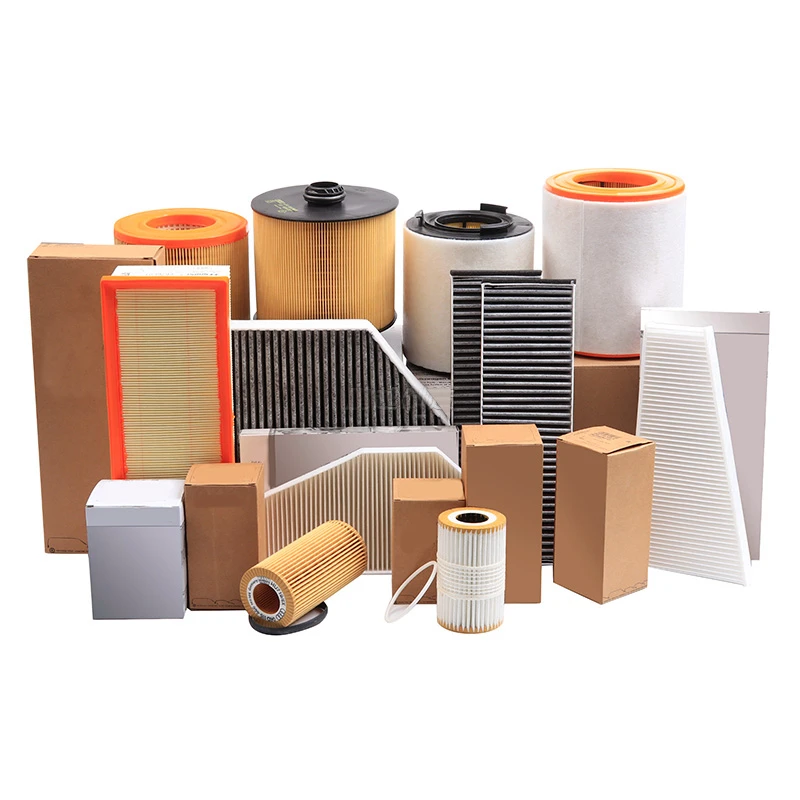
The Critical Role of Car Air Filters in Automotive Performance and Longevity
In the intricate ecosystem of an internal combustion engine, the car air filter plays an indispensable role, often underestimated despite its profound impact on vehicle health and operational efficiency. As the automotive industry navigates towards more stringent emission standards and demands for enhanced fuel economy, the technological advancements in air filtration systems are rapidly accelerating. Modern filters are designed not just to block particulate matter, but to optimize airflow, reduce engine wear, and contribute to overall powertrain integrity. This evolution is driven by global trends such as increasing urbanization, which elevates airborne contaminant levels, and the parallel growth of the automotive aftermarket, necessitating robust and reliable filtration solutions.
The market for automotive air filters is experiencing consistent growth, propelled by the expanding global vehicle parc and the increasing awareness among consumers and fleet managers about the importance of routine maintenance. Industry reports project a steady Compound Annual Growth Rate (CAGR) for the automotive filter market, with significant innovation focusing on advanced filtration media and longer service intervals. This robust growth underscores the strategic importance of high-performance air filters in safeguarding engine components, ensuring optimal combustion, and preserving the long-term value of automotive assets. Understanding the nuances of a car air filter, its application, and its life cycle is crucial for both manufacturers and end-users.
Understanding Car Air Filter Use and Functionality
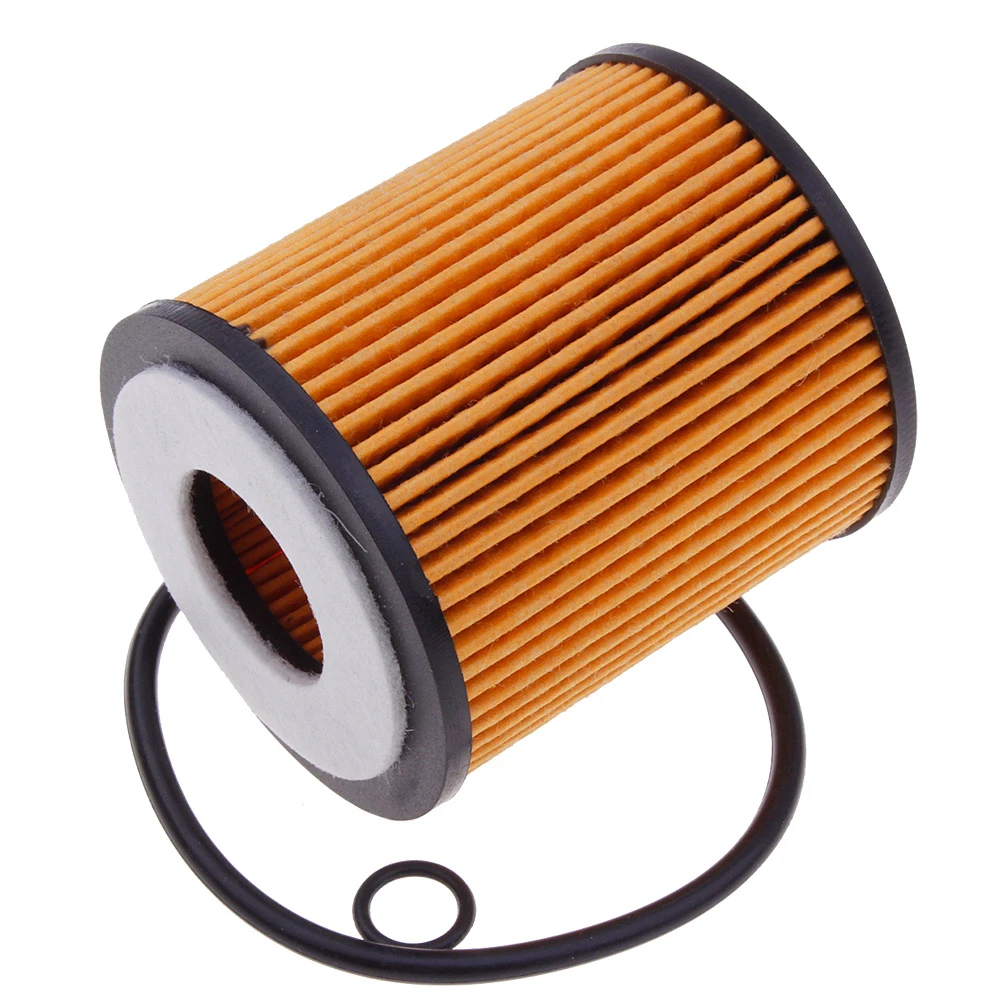
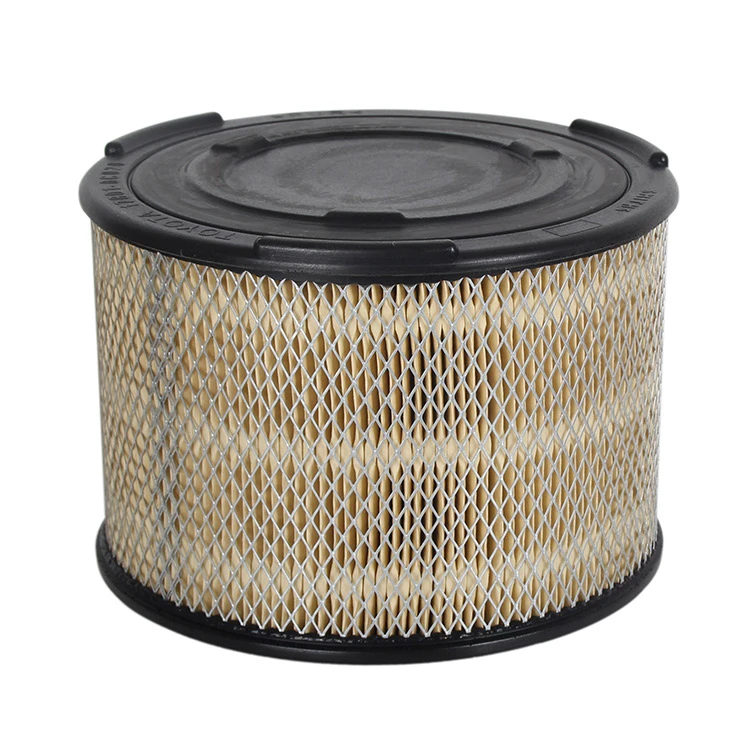
The primary function of a car air filter is to prevent abrasive particulate matter, such as dust, pollen, soot, and road debris, from entering the engine's combustion chamber. Unfiltered air can introduce contaminants that scratch cylinder walls, foul spark plugs, and accelerate wear on critical engine components, leading to reduced performance and premature failure. By providing a clean air supply, the filter ensures efficient fuel combustion, which directly translates into better fuel economy and reduced exhaust emissions. The effectiveness of a car air filter use depends significantly on its filtration efficiency, dust-holding capacity, and airflow restriction characteristics.
Beyond engine protection, the car air filter also plays a role in optimizing the air-fuel mixture. Modern engine management systems rely on precise sensor readings, and a clean airflow prevents erroneous readings caused by debris. This allows the engine control unit (ECU) to maintain the ideal stoichiometric ratio, maximizing power output and minimizing harmful emissions. In demanding environments, such as dusty construction sites or arid regions, the effectiveness of the car air filter becomes even more pronounced, directly impacting the operational uptime and maintenance costs of vehicles.
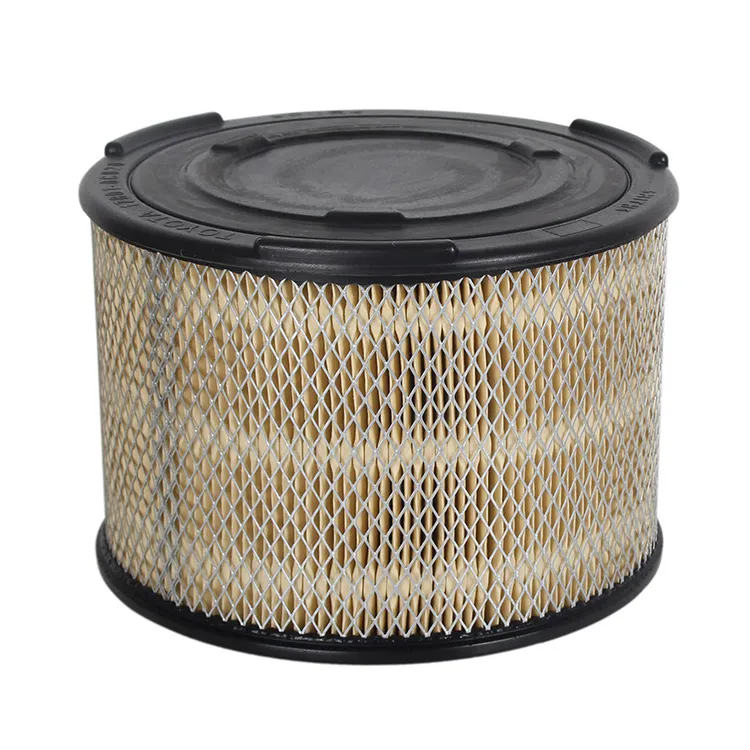
Detailed Manufacturing Process of a Car Air Filter
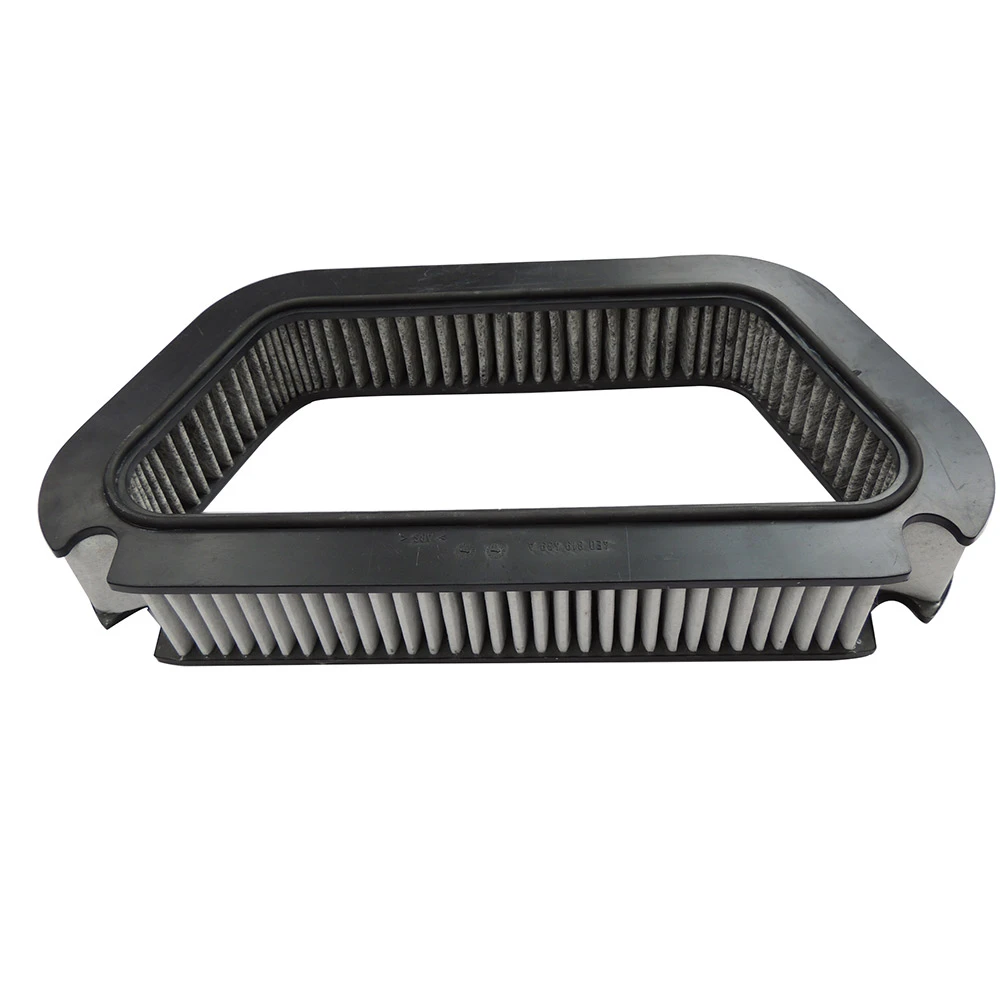
The production of a high-quality car air filter involves a precise multi-stage manufacturing process, ensuring both robust construction and optimal filtration performance. The core component is the filter media, typically a pleated paper or synthetic fiber material, chosen for its specific pore size and dust-holding capacity. These materials are selected based on strict criteria, including resistance to moisture, oils, and temperature fluctuations common within the engine bay. The journey begins with the selection of premium filtration media, often cellulose-based for standard applications or synthetic non-woven fabrics for enhanced efficiency and durability.
Key Manufacturing Stages:
- Media Pleating: The filtration media is precisely pleated to maximize the surface area within a compact volume. This pleat geometry is critical for dust-holding capacity and maintaining optimal airflow. Advanced machinery ensures uniform pleat spacing and height, which directly impacts filter efficiency and its effective car air filter life.
- Frame and Sealing: The pleated media is then integrated into a sturdy frame, often made of durable plastics or metal, designed to provide structural integrity and a secure fit within the air intake housing. High-quality polyurethane or rubber gaskets are molded onto the filter edges, ensuring an airtight seal to prevent unfiltered air from bypassing the media. This sealing process is paramount for the filter's effectiveness.
- Adhesive Bonding: Specialized adhesives are used to bond the filter media to the frame and to secure pleats, preventing collapse under high airflow conditions. These adhesives must withstand varying temperatures and humidity levels without degrading or emitting harmful volatile organic compounds (VOCs).
- Quality Control and Testing: Throughout the process, filters undergo rigorous quality checks. This includes visual inspections for defects, dimensional checks for precise fitment, and performance testing according to international standards such as ISO 5011 (for determining the filtration performance of intake air filter elements for internal combustion engines and compressors). These tests evaluate filtration efficiency, dust holding capacity, and pressure drop across the filter, ensuring each car air filter meets stringent specifications.
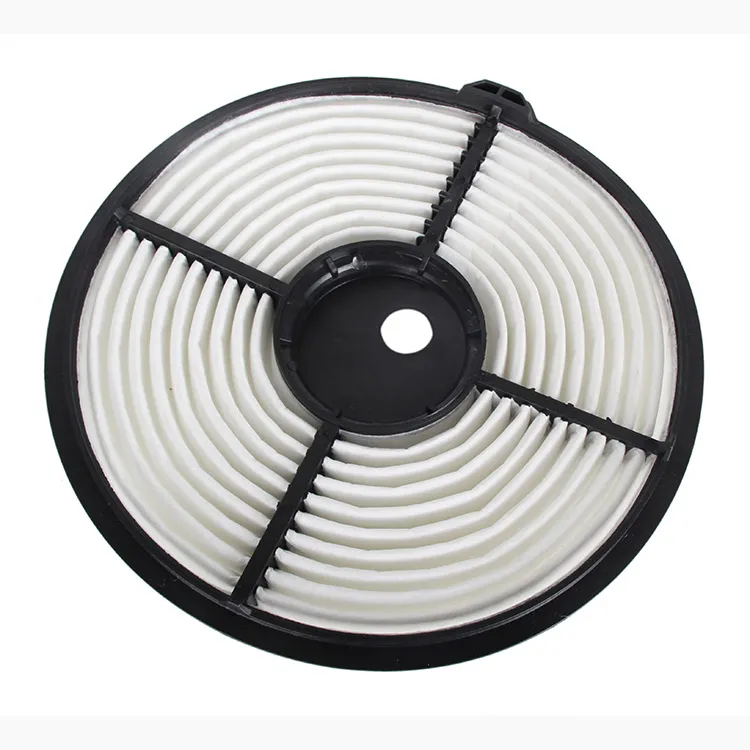
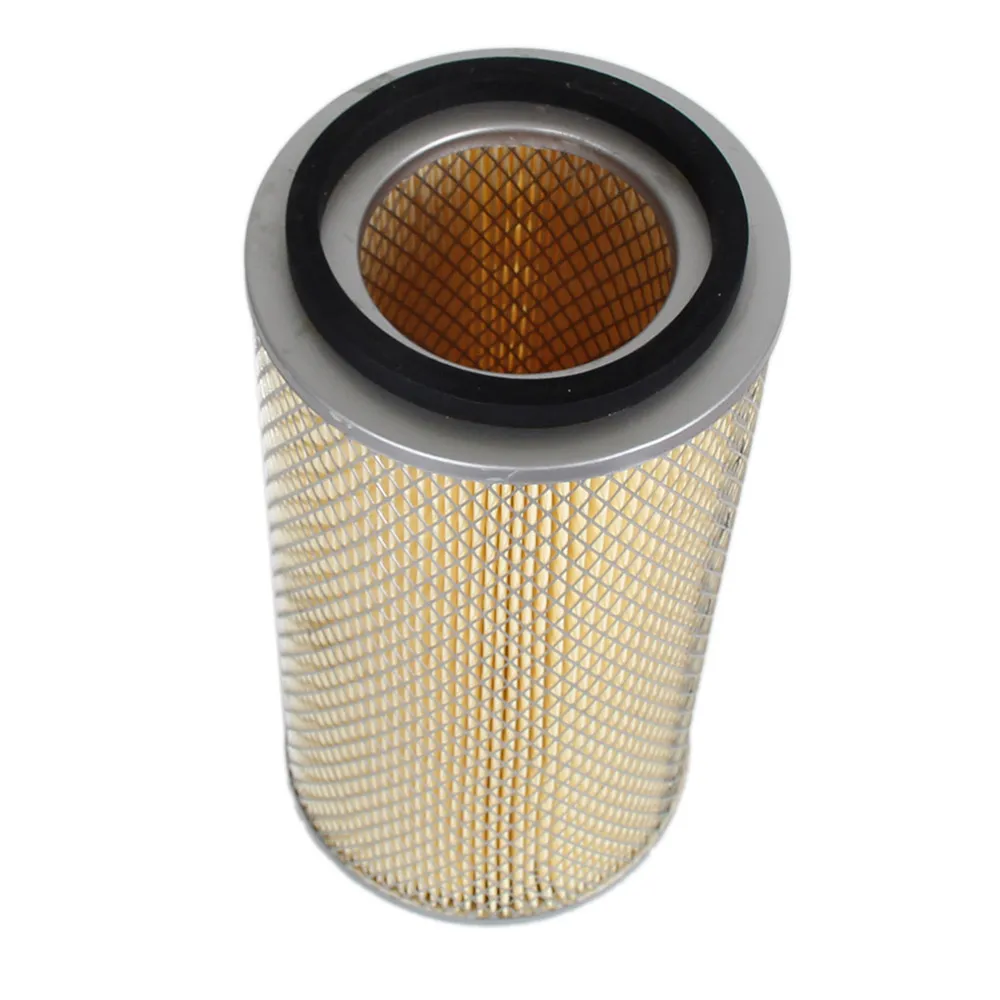
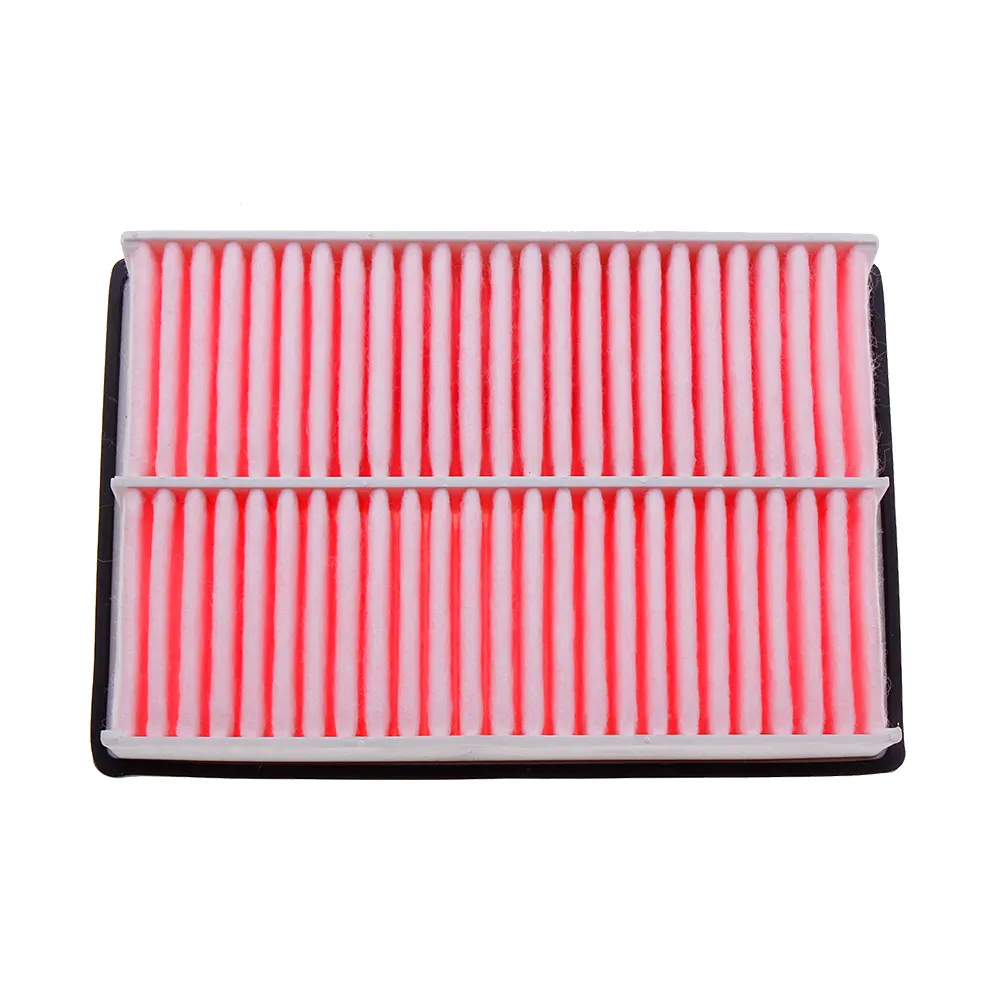
The selection of materials is critical. For instance, advanced synthetic media offers superior filtration efficiency and hydrophobic properties, making them suitable for vehicles operating in challenging environments. The manufacturing processes ensure not only product integrity but also contribute to benefits such as energy savings by maintaining optimal engine performance and extended component life due to reduced wear from contaminants. While casting, forging, and CNC machining are not typically direct processes for the filter media itself, they are relevant for the production of sophisticated filter housings or complex frame components, ensuring a precise and robust assembly.
Maximizing Car Air Filter Life and Performance
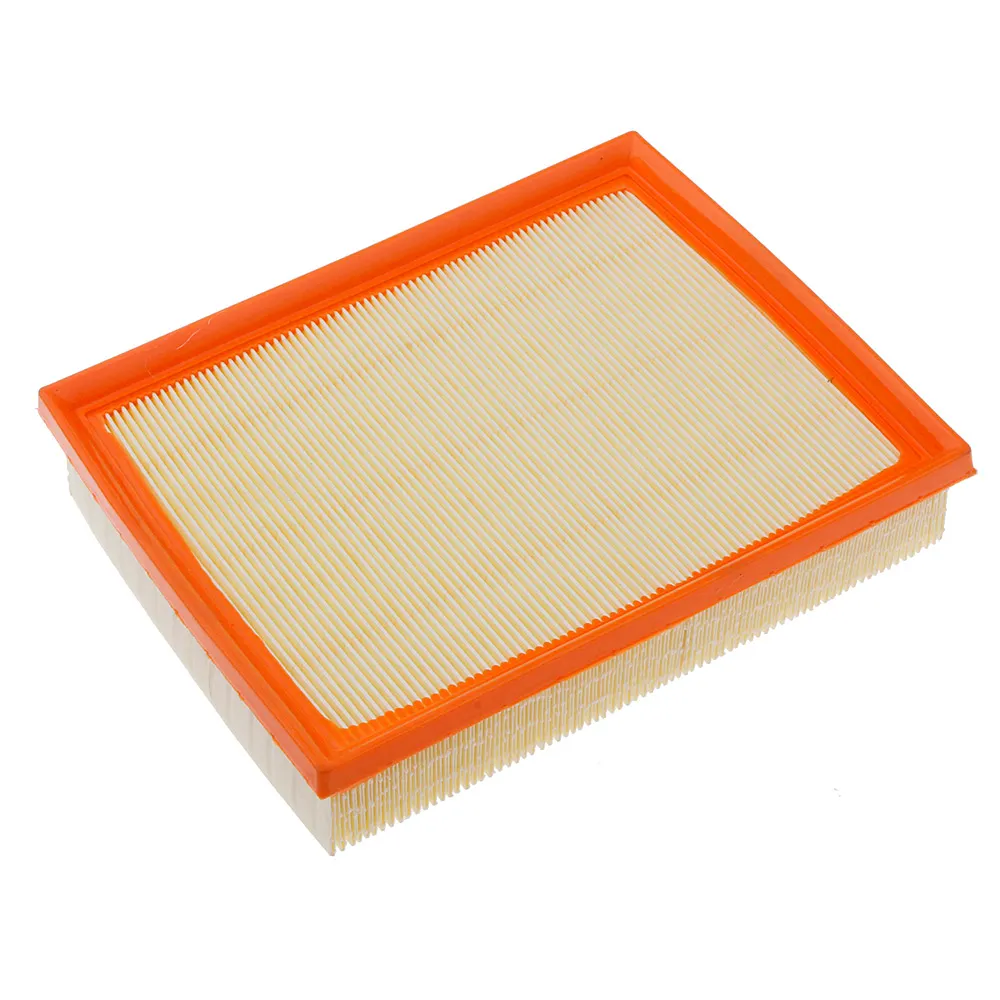
Optimizing the car air filter life is not merely about extending replacement intervals; it’s about sustaining peak engine performance and efficiency over time. The longevity of an air filter is influenced by several factors, including driving conditions, environmental dust levels, and the quality of the filter itself. Vehicles operating in heavily polluted urban areas or dusty rural environments will naturally experience a reduced filter lifespan compared to those driven predominantly in cleaner conditions. Understanding these variables is key to establishing appropriate maintenance schedules for your vehicle's air filtration system.
High-quality filters, utilizing advanced media technology like multi-layered synthetic fibers or oil-impregnated cotton gauze, are designed to offer superior dust-holding capacity and higher filtration efficiency without excessively restricting airflow. This balance is crucial for maintaining engine power and fuel economy. Regular visual inspections of the filter element for signs of clogging or damage can help anticipate replacement needs, preventing diminished engine performance or potential damage. Proactive maintenance extends the effective car air filter life and ensures continuous protection for the engine.
Technical Specifications and Performance Metrics
When selecting a car air filter, a detailed understanding of its technical specifications is essential for B2B procurement specialists and fleet managers. Key performance indicators provide insight into the filter's efficiency, durability, and compatibility with specific engine types and operational demands. Metrics such as MERV rating (Minimum Efficiency Reporting Value), dust-holding capacity, and airflow restriction (measured in pressure drop) are crucial for informed decision-making. High-quality filters typically exhibit a high MERV rating, indicating superior particle capture, combined with a low initial pressure drop to ensure unrestricted airflow to the engine.
For example, a filter with a MERV 11-13 rating is highly effective at capturing fine particles like pollen, mold spores, and even some bacteria, while ensuring sufficient airflow. The dust-holding capacity, often measured in grams, indicates how much particulate matter the filter can accumulate before it becomes restrictive and requires replacement. These parameters directly influence the filter's ability to protect the engine and contribute to fuel efficiency. Below is a table summarizing common technical parameters for typical automotive air filters, providing a quantitative basis for comparison and selection.
| Parameter | Description | Typical Range/Value | Impact on Performance |
|---|---|---|---|
| Filtration Media Material | Cellulose, Synthetic Non-woven, Cotton Gauze | Varies by application/manufacturer | Determines efficiency, dust holding, airflow. Synthetic often superior. |
| Filtration Efficiency | Percentage of particles captured at a specific micron size. Often tested via ISO 5011. | >99% for particles >5 microns | Directly impacts engine protection and longevity. |
| Dust Holding Capacity | Amount of dust filter can hold before reaching terminal pressure drop. | 150-300 grams (for typical passenger car filter) | Influences car air filter life and replacement frequency. |
| Initial Pressure Drop | Resistance to airflow when new. | Typically < 2 kPa | Lower is better for engine power and fuel economy. |
| Service Life (Mileage) | Recommended replacement interval. | 15,000 - 30,000 miles (or annually) | Depends on operating conditions and filter quality. |
| Operating Temperature Range | Temperature range the filter can operate effectively. | -30°C to +80°C | Ensures media and seals remain stable under extreme conditions. |
Industry Applications and Benefits
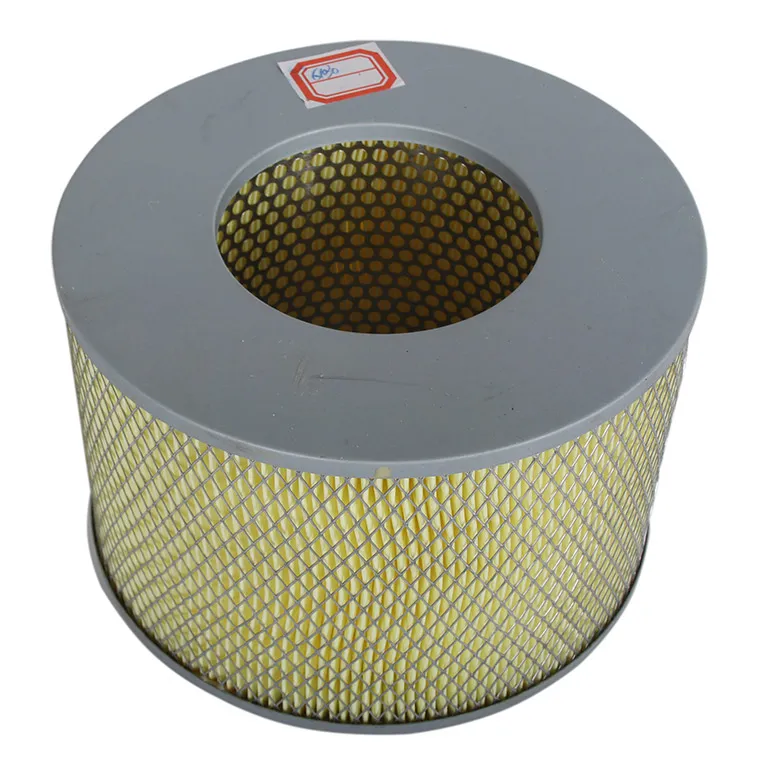
While primarily associated with passenger vehicles, advanced car air filter technology extends its benefits across a broader spectrum of industries where internal combustion engines are critical. This includes commercial fleets, logistics and transportation, agriculture, construction, and even specific sectors of the petrochemical and mining industries that rely on mobile equipment. In these high-stakes environments, the reliability and efficiency of air filtration directly translate into operational uptime, reduced maintenance costs, and enhanced equipment longevity. The severe operating conditions in these sectors necessitate filters with superior dust-holding capacity and robust structural integrity.
The key advantages provided by high-performance air filters in these demanding applications include significant energy savings by maintaining optimal engine combustion, thereby reducing fuel consumption. Furthermore, advanced filtration protects critical engine components from corrosive and abrasive airborne particles, reducing wear and tear and extending the service life of expensive machinery. For example, in mining operations, where dust concentrations are exceptionally high, a specialized heavy-duty car air filter can prevent premature engine rebuilds, translating into substantial cost savings and improved operational efficiency.
Choosing the Right Car Air Filter and Manufacturer Comparison
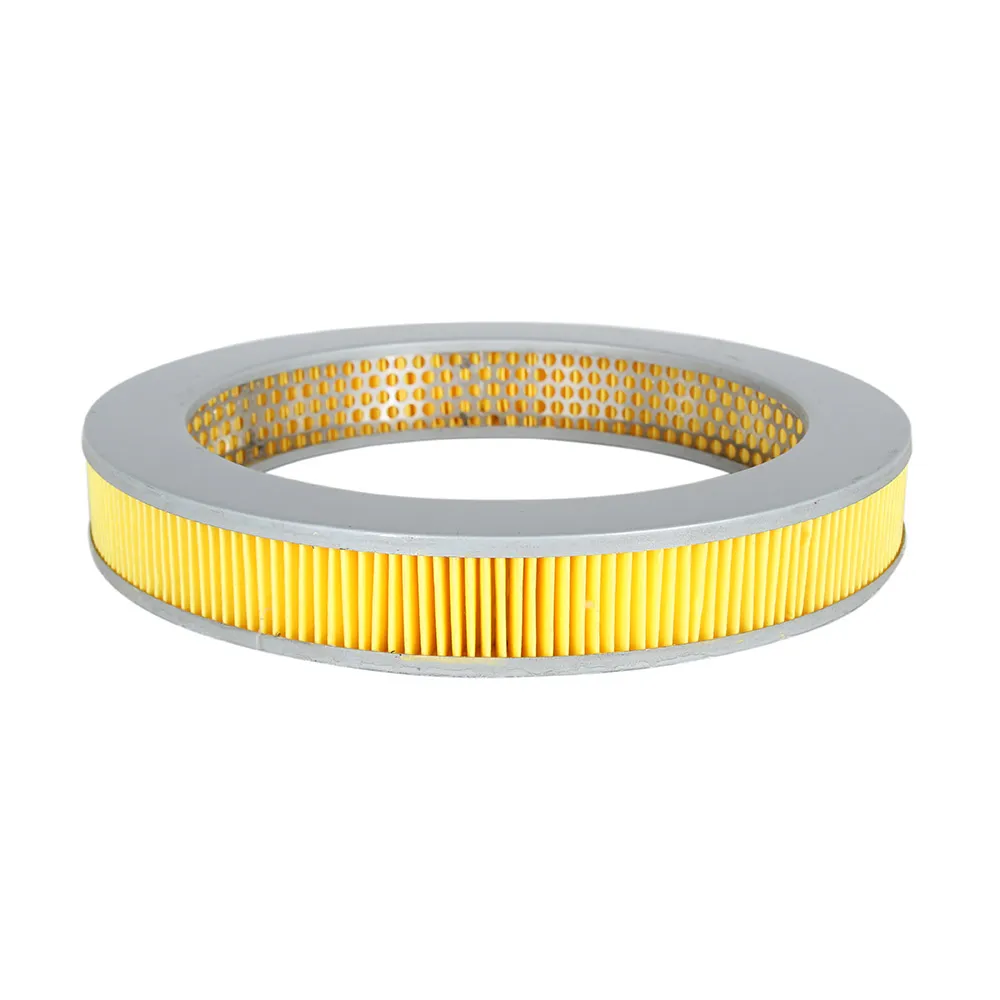
Selecting the appropriate car air filter for a specific application requires careful consideration of various factors beyond just price. While many manufacturers offer air filters, their quality, performance, and adherence to industry standards can vary significantly. B2B decision-makers should prioritize manufacturers with proven expertise, robust quality control processes, and a commitment to innovation. Key differentiators include the type of filtration media used, the structural design, and the manufacturer's testing protocols. Leading manufacturers often have certifications like ISO 9001, demonstrating their adherence to strict quality management systems.
Consider comparing manufacturers based on their R&D investments in new filtration technologies, their product warranties, and their customer support infrastructure. A reputable manufacturer will provide comprehensive technical data, including flow rates, efficiency curves, and dust-holding capacities, allowing for an informed comparison. Furthermore, partnerships with original equipment manufacturers (OEMs) or significant aftermarket presence can indicate a manufacturer's standing and reliability in the industry. For fleet operators, total cost of ownership (TCO), including filter replacement frequency and impact on fuel economy, is a more relevant metric than initial car air filter price alone.
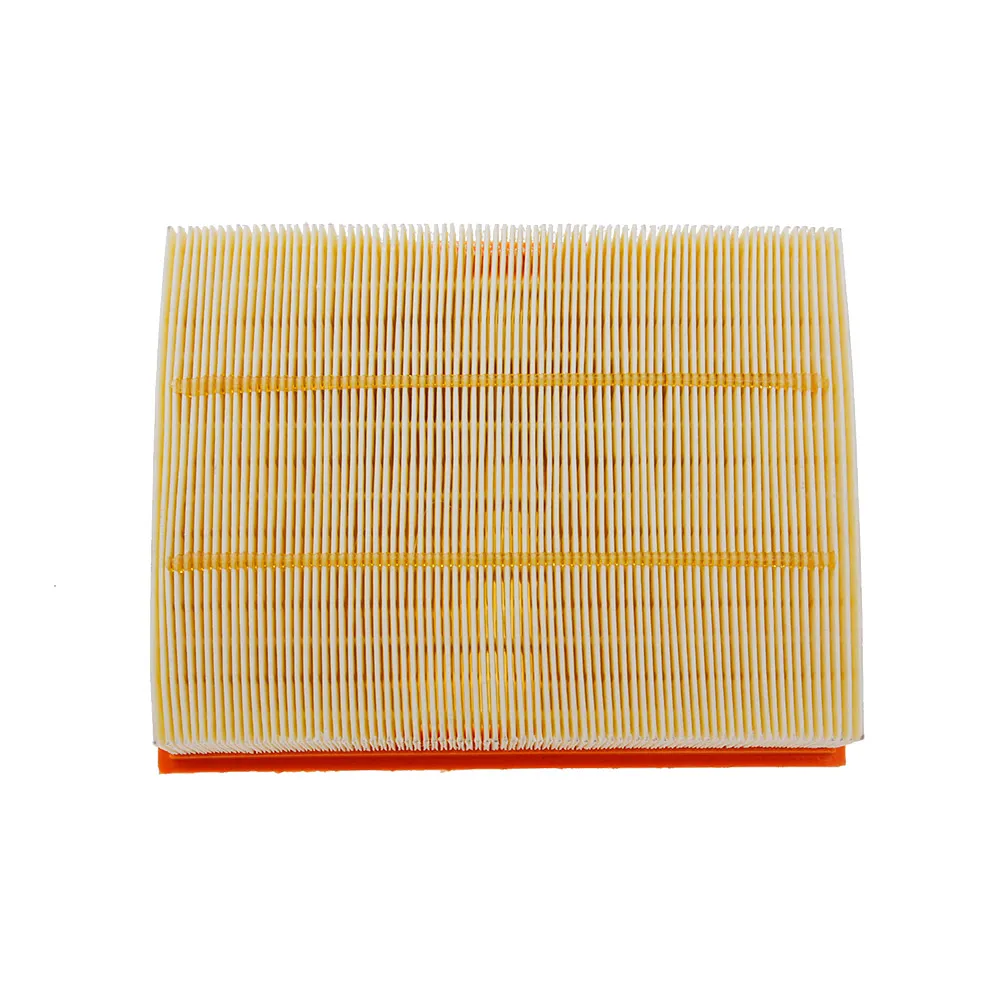
Customized Car Air Filter Solutions
For specialized applications or unique vehicle fleets, off-the-shelf car air filters may not always provide optimal performance. In such scenarios, customized filtration solutions become a strategic imperative. Leading manufacturers offer bespoke design and production services, tailoring filters to meet precise requirements concerning size, shape, filtration efficiency, and material composition. This customization can address challenges like extremely high dust loads, specific chemical contaminants, or unique space constraints within an engine bay. For instance, in heavy-duty agricultural machinery operating in dusty fields, a custom-designed filter with enhanced dust-holding capacity and a specific hydrophobic coating can significantly extend service intervals and protect the engine more effectively.
The process of developing a customized car air filter often involves collaborative engineering, where the filter manufacturer works closely with the client's technical team. This includes detailed analysis of operational environments, airflow requirements, and existing filtration system limitations. The result is a highly optimized filter that delivers superior performance, extended car air filter life, and ultimately, a lower total cost of ownership for the specialized equipment. Such tailored solutions underscore the expertise and adaptability of a manufacturer in addressing complex filtration challenges.
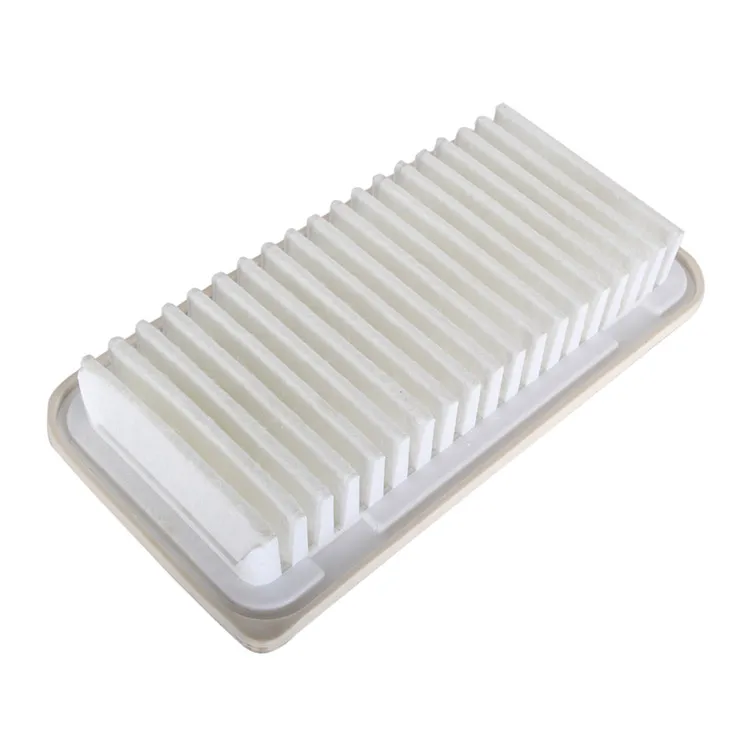
Case Studies and Application Examples
Our commitment to delivering superior filtration solutions is demonstrated through successful applications across diverse industries. One notable case involved a large logistics company experiencing frequent engine component wear and reduced fuel efficiency across its fleet, largely attributable to inadequate air filtration in high-dust urban environments. After a comprehensive analysis, we recommended and supplied a specialized car air filter with an improved synthetic media and enhanced dust-holding capacity. Post-implementation, the client reported a 15% reduction in engine wear-related maintenance costs within the first year and a measurable improvement in fleet-wide fuel economy. This illustrates the tangible benefits of investing in high-quality filtration.
Another compelling example comes from the agricultural sector, where heavy machinery operates in extremely dusty conditions during harvesting seasons. A specific farm noted premature clogging of their standard air filters, leading to frequent replacements and significant downtime. Our technical team developed a custom-fit, heavy-duty air filter designed with a pre-filter stage and robust, moisture-resistant media. This bespoke solution extended the car air filter life by over 50%, significantly reducing replacement frequency and maximizing equipment uptime during critical operational periods. These real-world examples underscore our expertise and the quantifiable value our filtration products bring to various industries.
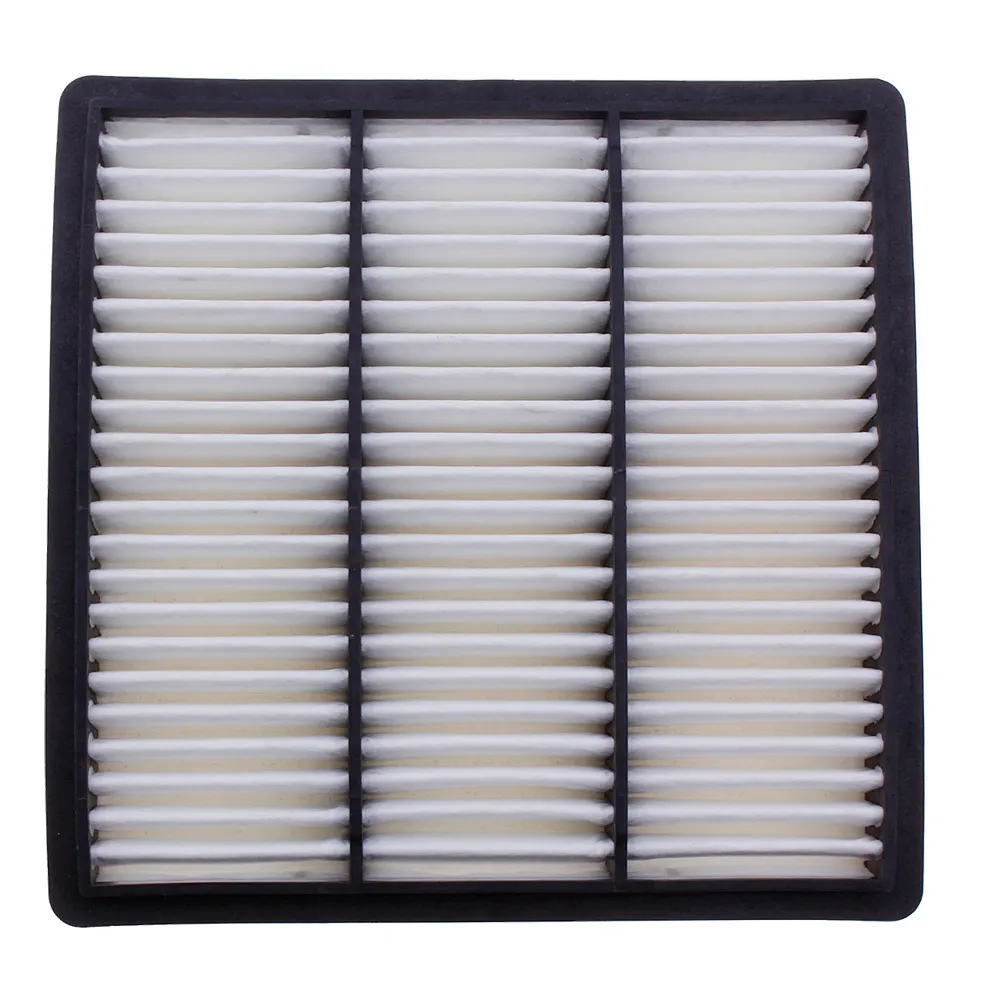
Understanding Car Air Filter Price and Factors
The car air filter price varies widely depending on several factors, including the filter's brand, type of filtration media, specific vehicle application, and overall quality. Generally, a standard cellulose paper filter for a common passenger vehicle will be at the lower end of the price spectrum. However, advanced synthetic filters or performance-oriented variants, which offer superior filtration efficiency and longer service intervals, will typically command a higher price point. It's crucial for B2B buyers to look beyond the initial purchase price and consider the total cost of ownership (TCO). This involves factoring in the filter's impact on fuel economy, engine wear, and replacement frequency, which can significantly influence long-term operational costs for a fleet.
When considering car air filters price for bulk procurement, factors like manufacturer reputation, warranty, and supply chain reliability also come into play. A slightly higher-priced filter from a reputable manufacturer with robust quality control often translates to better performance, extended car air filter life, and fewer unscheduled maintenance events. This can lead to substantial savings in the long run by reducing fuel consumption and preventing costly engine repairs. Investing in quality filtration is a strategic decision that contributes directly to fleet profitability and operational efficiency.
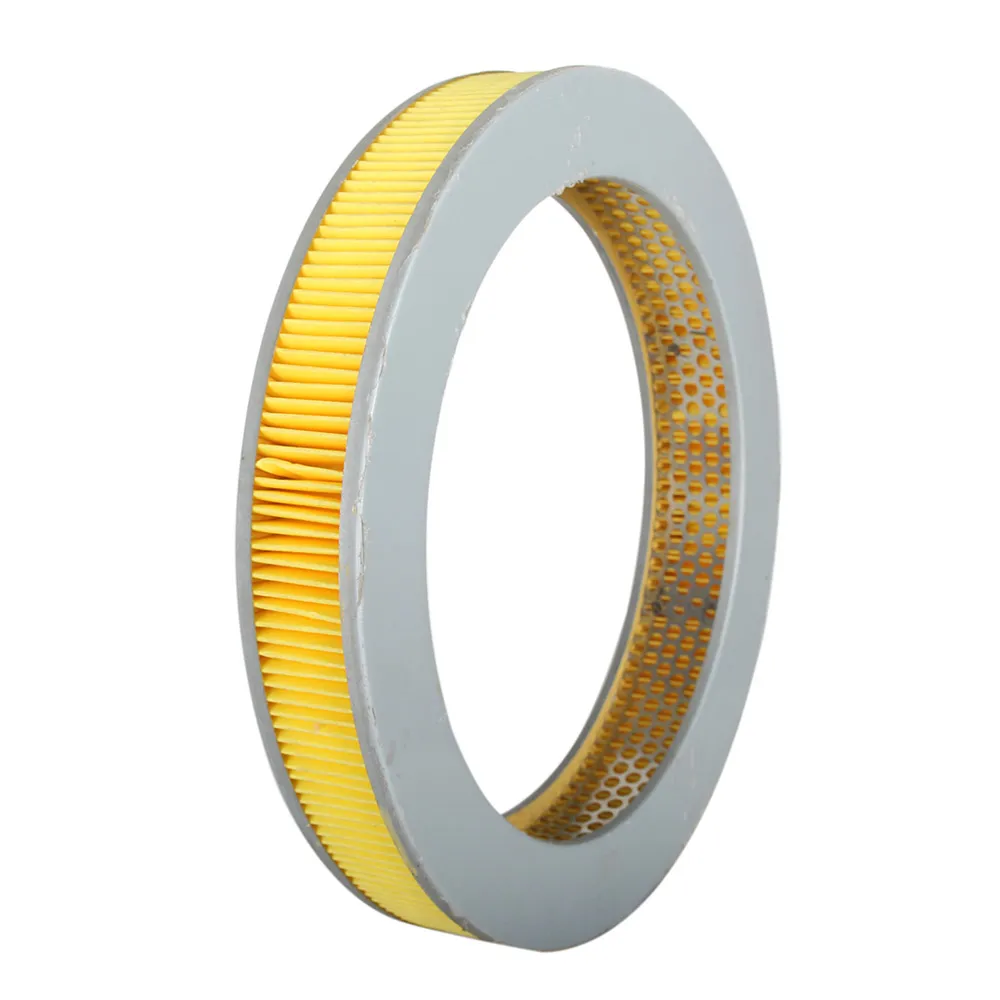
When to Replace Car Air Filter: Maintenance Guidelines
Knowing when to replace car air filter is crucial for maintaining optimal engine performance and longevity. Most vehicle manufacturers recommend replacing the air filter every 15,000 to 30,000 miles, or at least once a year, whichever comes first. However, these are general guidelines, and the actual replacement interval can vary significantly based on driving conditions. Vehicles frequently operated in dusty environments, such as unpaved roads, construction sites, or heavily polluted urban areas, will likely require more frequent air filter changes. Conversely, vehicles driven predominantly on highways in clean environments might extend their car air filter life closer to the upper end of the recommended range.
Beyond mileage and time, visual inspection is a reliable indicator. A clean air filter typically appears white or off-white. As it accumulates dirt and debris, it will gradually turn gray or black. If the filter media appears heavily soiled, torn, or shows signs of significant blockage, it is an immediate indication to replace car air filter regardless of the last replacement date. A restricted air filter can lead to reduced engine power, decreased fuel efficiency, and even damage to critical engine components over time due to insufficient airflow and increased vacuum pressure on the engine's intake system. Regular checks, ideally during routine oil changes, can prevent these issues.
Frequently Asked Questions (FAQ)
-
Q: How does a clogged car air filter affect fuel economy?
A: A clogged car air filter restricts airflow to the engine, causing it to work harder and potentially burn more fuel to compensate for the reduced air supply. This leads to a decrease in fuel efficiency, making regular replacement a cost-saving measure.
-
Q: Can I clean my car air filter instead of replacing it?
A: While some specific types of filters (e.g., certain performance filters) are designed to be cleaned and re-oiled, most standard paper car air filters are not. Cleaning them can damage the filtration media, compromising their efficiency and potentially allowing contaminants into the engine. It's generally recommended to replace car air filter with a new one.
-
Q: What is the difference between an OEM and an aftermarket car air filter?
A: OEM (Original Equipment Manufacturer) filters are produced by the company that made your vehicle or by a supplier to that company, designed to exact factory specifications. Aftermarket filters are made by other companies and can sometimes offer enhanced performance or different materials. Both can be high-quality, but ensure aftermarket options meet or exceed OEM specifications to maintain optimal engine health and avoid affecting your car air filter life.
-
Q: How often should I check my car air filter?
A: It is advisable to visually inspect your car air filter every 6 months or every 7,500 miles, especially if you frequently drive in dusty or polluted conditions. This proactive approach helps determine the appropriate time to replace car air filter before it significantly impacts engine performance.
Delivery, Warranty, and Customer Support
Understanding the logistical and support framework is crucial for B2B procurement of car air filters. We pride ourselves on efficient global delivery cycles, typically ranging from 7 to 14 business days for standard orders, with expedited options available for urgent requirements. Our robust supply chain management ensures timely fulfillment, minimizing potential downtime for your operations. All our car air filters come with a comprehensive warranty against manufacturing defects, underscoring our confidence in product quality and reliability. This warranty period, typically 1 to 2 years or 30,000 miles, provides peace of mind and protection for your investment.
Our commitment extends beyond product delivery to include dedicated customer support. Our technical assistance team is available to address any inquiries regarding product specifications, installation, or troubleshooting. We offer post-purchase support, including expert advice on optimizing car air filter life for specific applications and assistance with bulk order management. Our goal is to forge long-term partnerships, providing not just products, but comprehensive filtration solutions and unwavering support to ensure your continued operational excellence.
Conclusion
The humble car air filter is a critical component for the health and efficiency of any internal combustion engine, offering protection against harmful contaminants, optimizing fuel combustion, and extending engine life. As global automotive trends push for higher performance and lower emissions, the advancements in air filtration technology continue to play a pivotal role. For B2B stakeholders, understanding the manufacturing precision, technical parameters, and long-term benefits of high-quality filters is essential for making informed purchasing decisions. Investing in superior filtration solutions is not merely a maintenance cost but a strategic investment that yields significant returns in operational efficiency, reduced repair expenses, and enhanced vehicle longevity. Choosing the right partner for your filtration needs ensures that your engines breathe clean, perform optimally, and stand the test of time, regardless of the operating environment.
References
- ISO 5011:2014. "Inlet air filter elements for internal combustion engines and compressors - Performance testing." International Organization for Standardization.
- SAE J726:2009. "Air Cleaner Test Code." Society of Automotive Engineers.
- Donaldson Company, Inc. "Engine Air Filtration Technology: A Guide to Clean Air."
- Mahle GmbH. "Filtration Know-how: Air Filter."
-
Guide on how often do you need to replace engine air filterNewsApr.16,2026
-
Learn how often do you replace air filter in car for engine healthNewsApr.09,2026
-
How Often Do You Replace Car Air Filter For Optimal Engine PerformanceNewsApr.07,2026
-
How Often Do You Replace Engine Air Filter For Optimal Vehicle PerformanceNewsApr.04,2026
-
Understanding How Often Does Engine Air Filter Need to Be Replaced for Optimal PerformanceNewsMar.31,2026
-
How Often Engine Air Filter Change Impacts Performance and LongevityNewsMar.28,2026
-
Understanding How Often to Replace Your Car Air Filter for Optimal PerformanceNewsMar.26,2026
Related Products